
We're Smart World 3 Radishes
Our verdict
A pork-forward restaurant in Hemiksem that takes the pig as its creative foundation, Cochon en Carrot pairs meat-centric cooking with a genuinely considered vegetarian menu, including plant-based charcuterie that signals real kitchen ambition. The Carrot Menu offers a complete vegetarian progression rather than an afterthought alternative, and the kitchen accommodates fully plant-based requests when noted at booking. A quiet address on the southern fringe of the Antwerp agglomeration, worth the detour.

Pearl is the En Primeur Club membership app — saves, bookings, and concierge access live there. Same editors, same standards.
- Address
- Lindelei 198, 2620 Hemiksem, Belgium
- Phone
- +32 495 20 03 17
- Hours
- Mon–Wed ClosedThu–Sat 6:30–10 PMSun Closed
- Website
- cochonencarot.com
- Directions
- Get directions
- Booking
- Book on the venue's website
Where Hemiksem Sits in the Belgian Dining Conversation
Belgium's restaurant culture has long concentrated its critical attention on Ghent, Brussels, and the West Flemish coast, where addresses like Boury in Roeselare, Zilte in Antwerp, and Bartholomeus in Heist anchor the country's top tier. Hemiksem, a small municipality on the Scheldt's left bank roughly twelve kilometres south of Antwerp's city centre, sits outside that gravitational pull. That distance creates a specific kind of restaurant: one that earns its audience through food rather than footfall, and whose format reflects the demands of a local community rather than tourist circuits. Cochon en Carrot operates in precisely this register. It is a neighbourhood-scale address with ambitions that reach well beyond the neighbourhood.
The Pig as Culinary Starting Point
The whole-animal, pork-centred approach that defines Cochon en Carrot's identity connects to a broader current in European cooking that has been building for roughly two decades. Nose-to-tail philosophy, popularised in the UK in the early 2000s and later absorbed into mainstream fine dining across the continent, repositioned the pig from a commodity protein into a vehicle for technical range: cured, braised, roasted, and fermented across a single meal. Belgian charcuterie tradition provides fertile local ground for this. The country's cured meat culture, less internationally exported than that of France or Italy but no less developed, runs through butcher families and village traditions in exactly the kind of Flemish towns that surround Hemiksem. A restaurant that places the pig at the centre of its menu in this region is drawing on something geographically and culturally coherent, not importing an aesthetic from elsewhere.
What distinguishes the kitchen's approach at Cochon en Carrot within that tradition is the deliberate expansion of its sourcing and technique philosophy beyond the animal itself. The name pairs the pig with the carrot, and that pairing is meant literally. The kitchen's commitment to ingredient sourcing extends to vegetables with the same seriousness applied to meat, which is where the vegetarian offer becomes editorially interesting rather than merely commercially convenient.
The Carrot Menu: A Genuine Parallel Program
Most meat-led restaurants treat their vegetarian menu as a concession: a shorter list of substitutions, assembled with less thought, positioned to satisfy rather than to satisfy well. The vegetable charcuterie at Cochon en Carrot signals a different approach. Charcuterie is among the most technique-intensive categories in European cooking, reliant on salt, time, fermentation, smoking, and fat to build flavour and texture from raw material. Translating that discipline into a plant-based format requires real kitchen investment: the same transformation that salt and smoke perform on pork must be achieved through alternative processes applied to root vegetables, mushrooms, or fermented plant matter. The fact that the kitchen has developed this as a structured alternative rather than a garnish says something specific about how seriously the Carrot Menu is treated internally.
The kitchen also accommodates fully plant-based dining when guests specify the requirement at booking. In a restaurant whose identity is built around the pig, that accommodation is not incidental. It reflects a sourcing philosophy that treats vegetables as primary ingredients in their own right, not as supporting cast. For guests visiting from Castor in Beveren or comparing notes with comparable addresses like Cuchara in Lommel or De Jonkman in Sint-Kruis, the dual-format offer here represents a structural difference in how the menu is conceived, not just presented.
Reading the Address: Lindelei 198
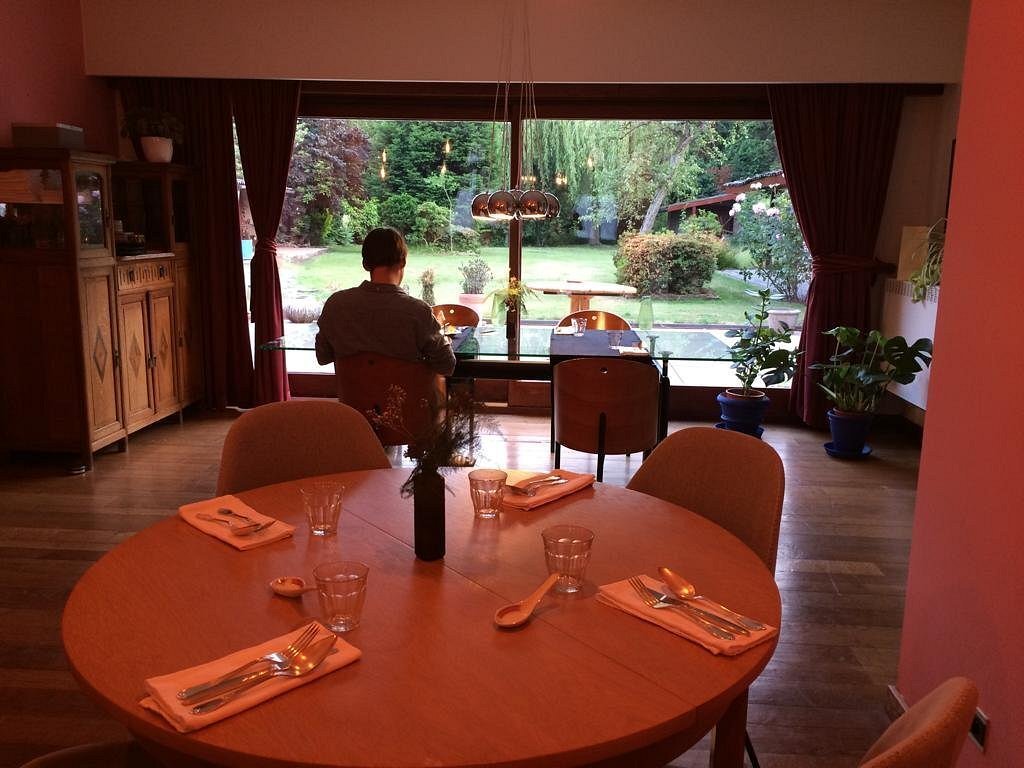
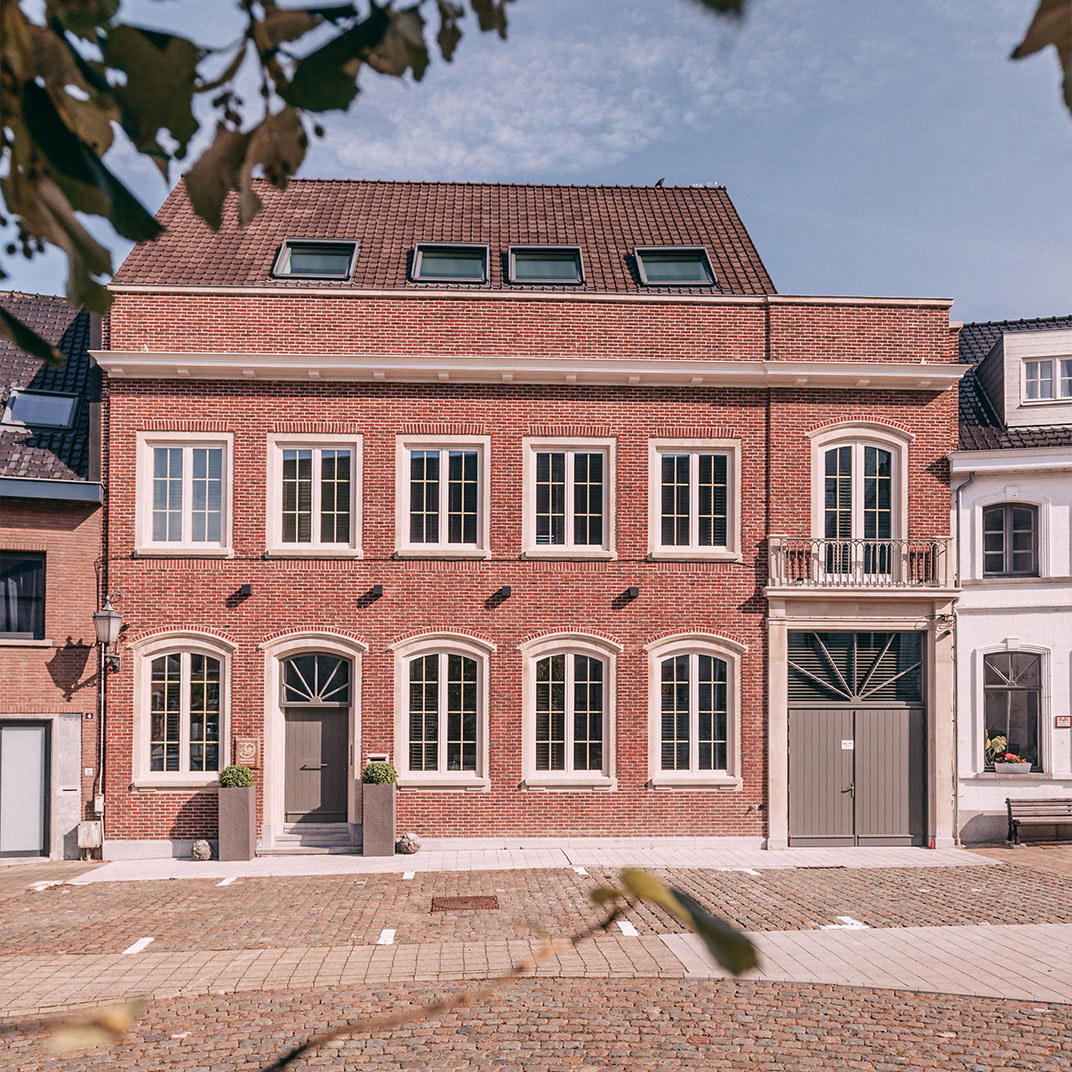
Cochon en Carrot occupies a residential street address in Hemiksem rather than a high street or converted industrial unit, which is common for this tier of Belgian restaurant outside the major cities. Belgian dining outside Brussels and Antwerp tends to operate in spaces that make no particular visual statement from the exterior: a converted house, a garden annexe, a repurposed farm building. The cooking is expected to do the communicating. This spatial modesty is a feature of the regional tradition rather than a shortcoming, and it separates addresses in the Antwerp hinterland from the design-forward restaurant culture of Bozar in Brussels or international reference points like Le Bernardin in New York.
For logistics, Hemiksem is accessible from Antwerp by car in under twenty minutes via the N177, and from Ghent in roughly forty minutes. It is not a walk-in destination. Guests arriving from outside the immediate area should plan around an evening table, since the restaurant's residential setting and format suggest a paced, multiple-course experience rather than a quick lunch stop. For broader area planning, our full Hemiksem restaurants guide covers the wider local dining context, and the Hemiksem hotels guide, bars guide, and experiences guide are useful for building a full itinerary around the visit.
Belgium's upper-middle tier of restaurants, those operating with serious kitchen ambition outside the Michelin-starred cluster, has been growing steadily in the area between Antwerp and Ghent. Addresses like Willem Hiele in Oudenburg and Hof van Cleve in Kruishoutem demonstrate that serious cooking at this level does not require a city postcode. Cochon en Carrot occupies a comparable spatial and cultural position: a restaurant with a defined culinary identity, operating in a smaller municipality, drawing guests who make the journey deliberately. The dual-menu architecture, with pork-forward and vegetable-forward programs running in genuine parallel, positions it differently from single-track tasting menus, and that structural specificity is worth noting for guests choosing between options in the region. Those interested in similarly destination-worthy Belgian addresses should also consult our coverage of d'Eugénie à Emilie in Baudour and L'Eau Vive in Arbre for the wider national picture, or Emeril's in New Orleans for an international point of comparison on ingredient-first cooking. The Hemiksem wineries guide is also worth consulting for pairing context before the meal.
Frequently asked questions
Is Cochon en Carrot a family-friendly restaurant?
The residential setting on Lindelei 198 in Hemiksem suggests a quiet, unhurried atmosphere rather than a high-energy dining room. The kitchen's dual focus — a pork-centred menu alongside a fully developed Carrot Menu for vegetarians — means mixed groups with differing dietary preferences are well accommodated. That kind of menu flexibility tends to work in favour of family bookings, though diners planning a visit should confirm specific arrangements directly with the restaurant.
How would you describe the vibe at Cochon en Carrot?
Cochon en Carrot occupies a residential address in Hemiksem, outside the urban density of Ghent or Brussels, which typically signals an intentional, destination-dining atmosphere. The kitchen's commitment to whole-animal cooking alongside a composed vegetable charcuterie program points to a serious but not stiff dining room — the kind of place where the cooking carries the evening without theatrical staging.
Has Cochon en Carrot won any awards?
Cochon en Carrot has received recognition including: Choose the Carrot Menu and you will travel a world of flavours. Fantastic to see that a to the base meat restaurant - the pig as a starting point - also consciously chooses to offer a vegetarian menu. Nice is the vegetable charcuterie as an….
What should I eat at Cochon en Carrot?
The kitchen takes the pig as its structural starting point, so the pork-led menu is the natural centre of gravity here. That said, the Carrot Menu is explicitly framed as a parallel program rather than an afterthought, with vegetable charcuterie standing as the headline alternative to the meat course. Fully plant-based dining is possible if requested at the time of booking.
How do I find Cochon en Carrot?
Cochon en Carrot is located at Lindelei 198, 2620 Hemiksem, Belgium, Hemiksem.
How far ahead should I plan for Cochon en Carrot?
Cochon en Carrot sits in Hemiksem, a smaller municipality in the Antwerp province, but that residential address does not mean easy walk-in availability — destination restaurants at this level of kitchen focus in Belgium typically require advance booking. If you are planning a fully plant-based visit, the kitchen asks that you flag this at the time of reservation, so booking ahead is practical as much as it is advisable.
How It Stacks Up
Comparable venues nearby, for context on price, style, and recognition.
| Venue | Cuisine | Price | Awards | Notes |
|---|---|---|---|---|
| Cochon en CarrotThis venue — the venue you are viewing | Modern Zero-Waste Fusion | $100–150 | We're Smart World 3 Radishes | Not listed |
| SELSation | French-Japanese Fusion | $50–100 | Not listed | Hemiksem |
| Finch | Asian Fusion | Not listed | Not listed | Zuid |
| John-Lee | Burgers & Sushi Fusion | $20–30 | Not listed | Knokke-Heist |
| Verso Café | Fusion Bistro | $30–50 | Not listed | fashion district |
| The Mistress | Persian-Southeast Asian Fusion | Not listed | Not listed | Binnenstad |
Recognition history
Dated appearances from independent guides and award organizations, with the underlying list record or original source where available.
We're Smart World 3 Radishes
We're Smart World



Cochon en Carrot
The wine
- Wine program
- Curated wine list
- Extensive wine list
Details
- Cozy
- Intimate
- Rustic
- Date Night
- Special Occasion
- Garden
- Extensive Wine List
- Local Sourcing
- Zero Waste
- Garden
- Set Menu
- Vegetarian Friendly
- Vegan Options
Current opening hours
- Monday
- Closed
- Tuesday
- Closed
- Wednesday
- Closed
- Thursday
- 6:30–10 PM
- Friday
- 6:30–10 PM
- Saturday
- 6:30–10 PM
- Sunday
- Closed
Hours can change for holidays and private events. Last verified .
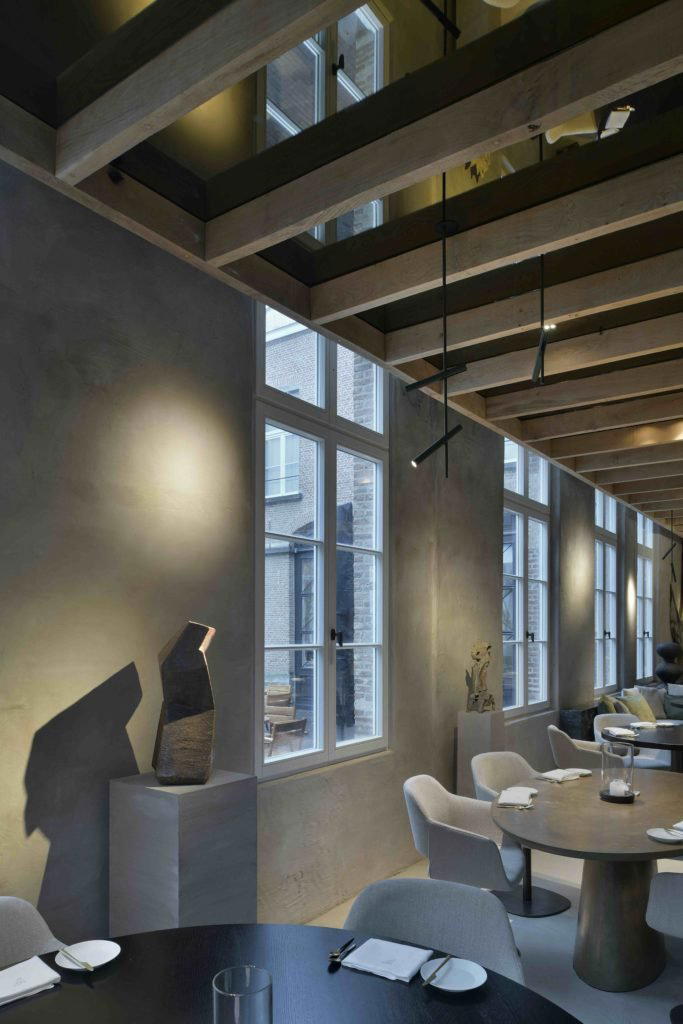
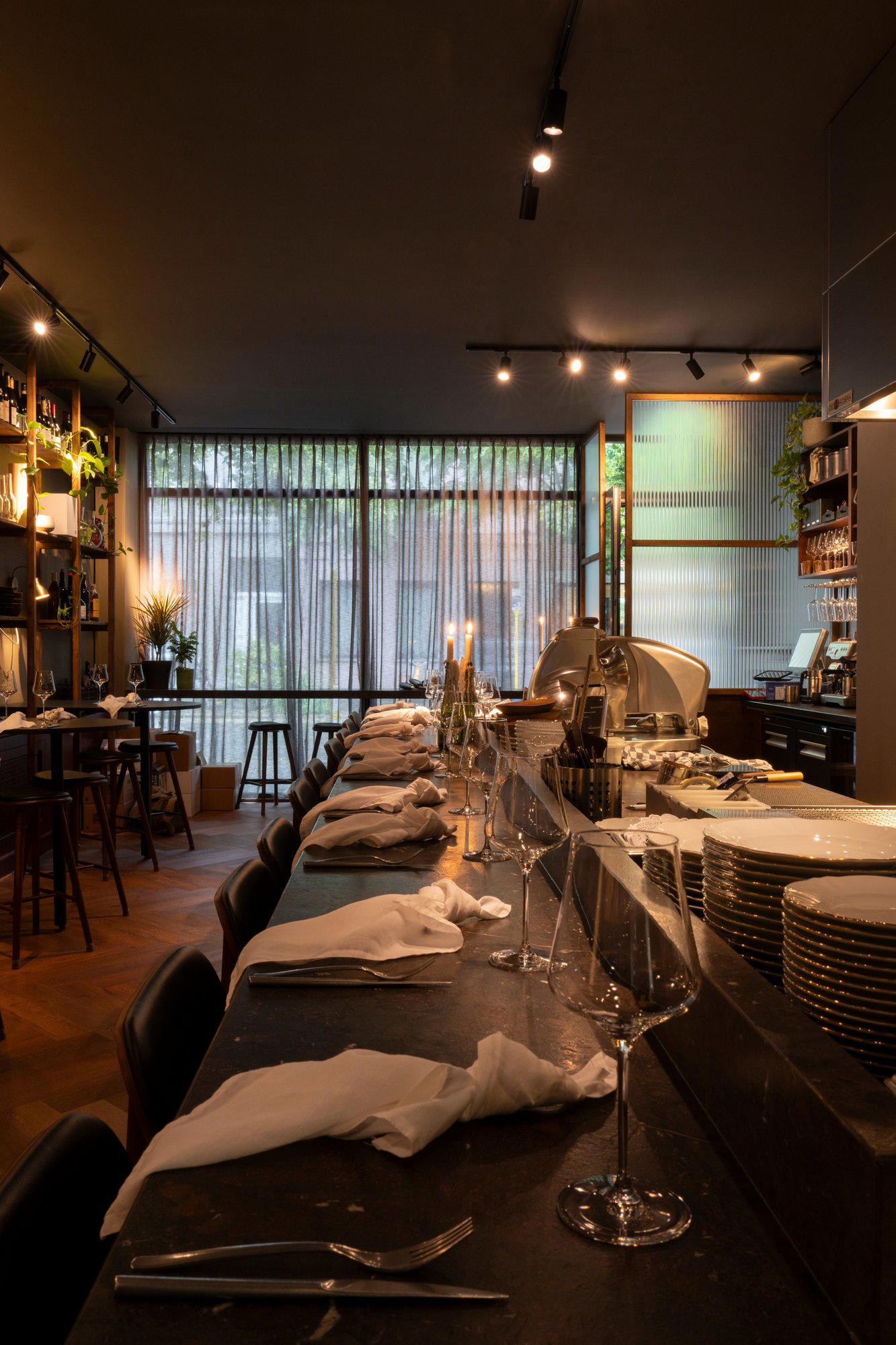
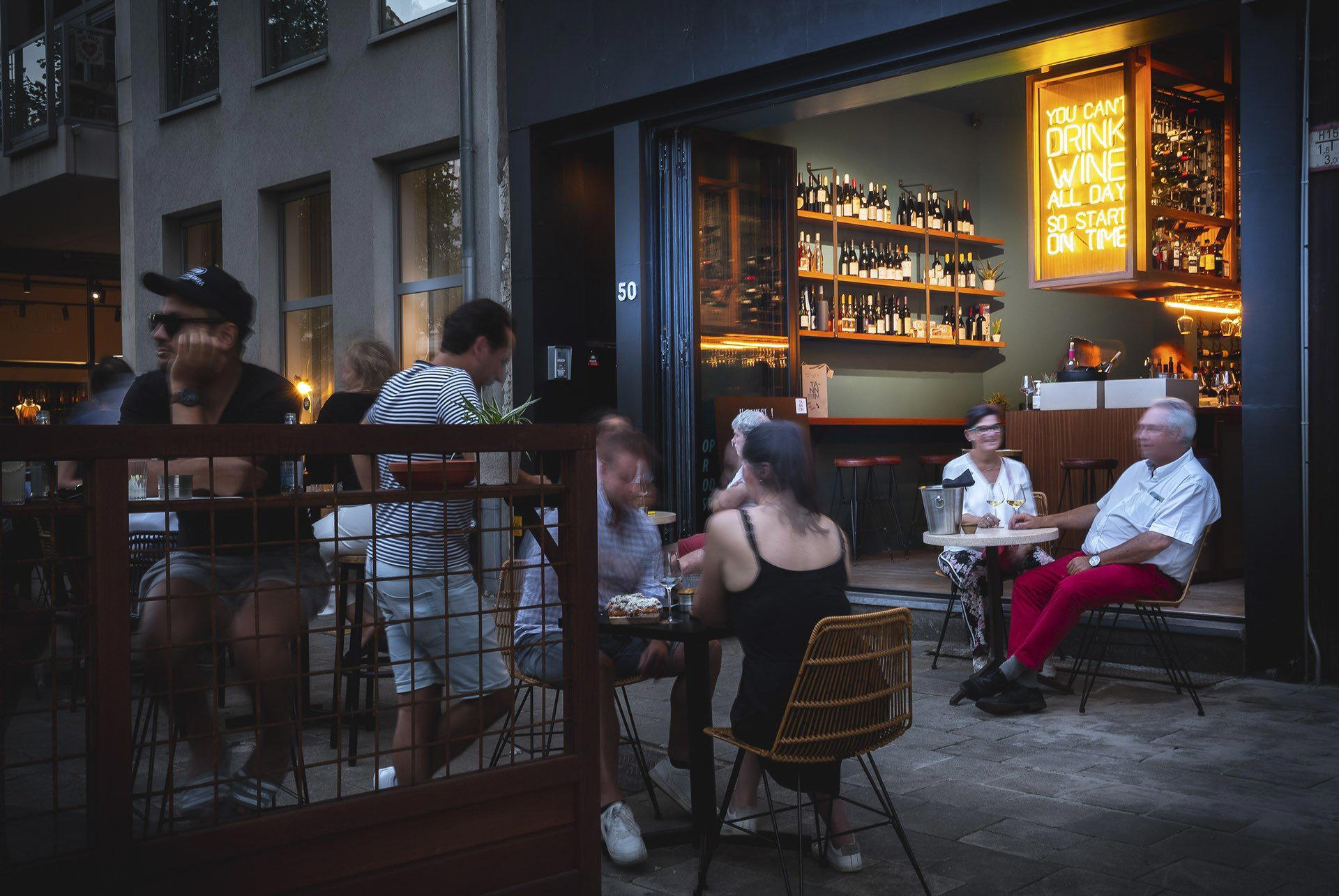
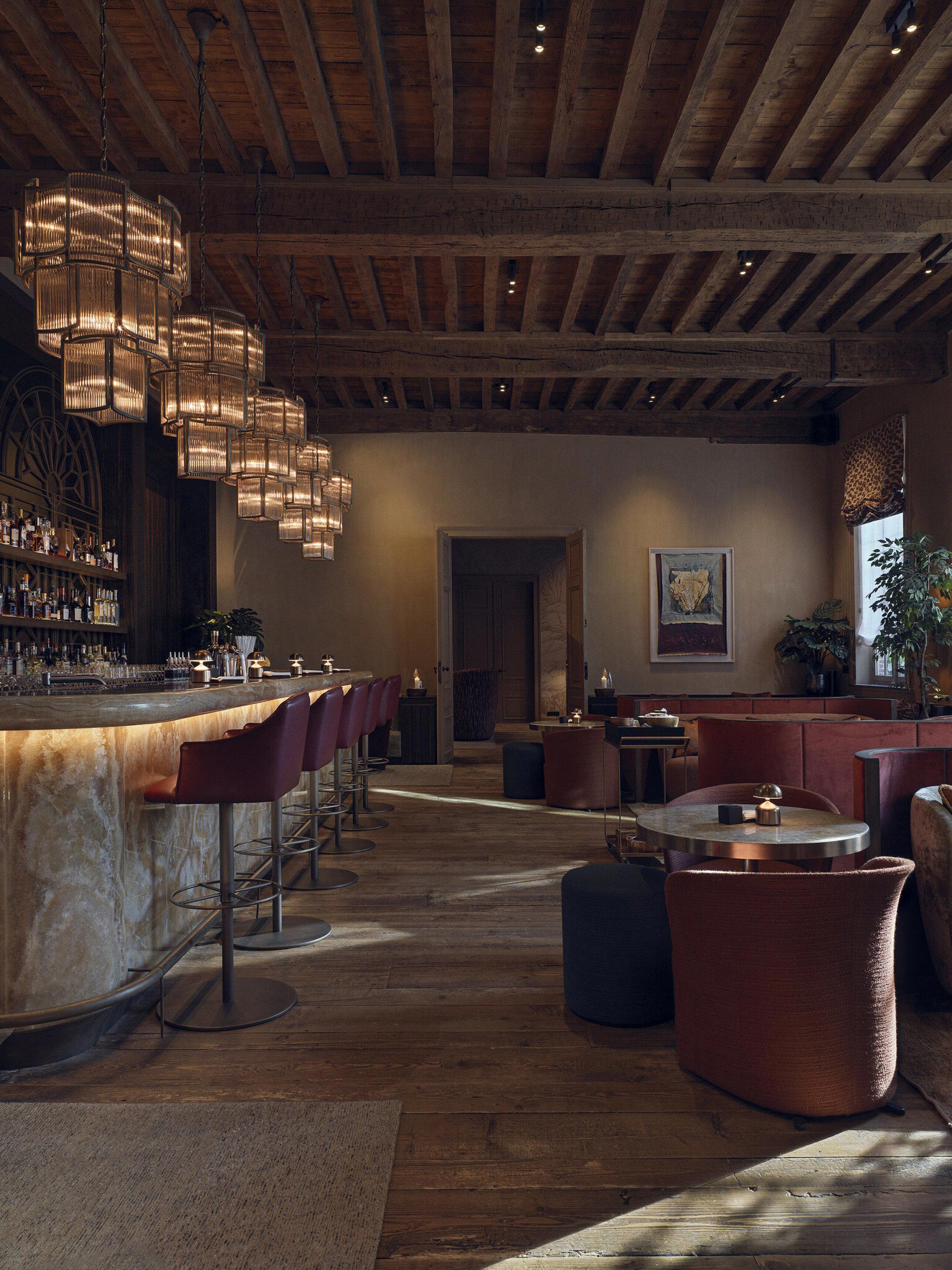
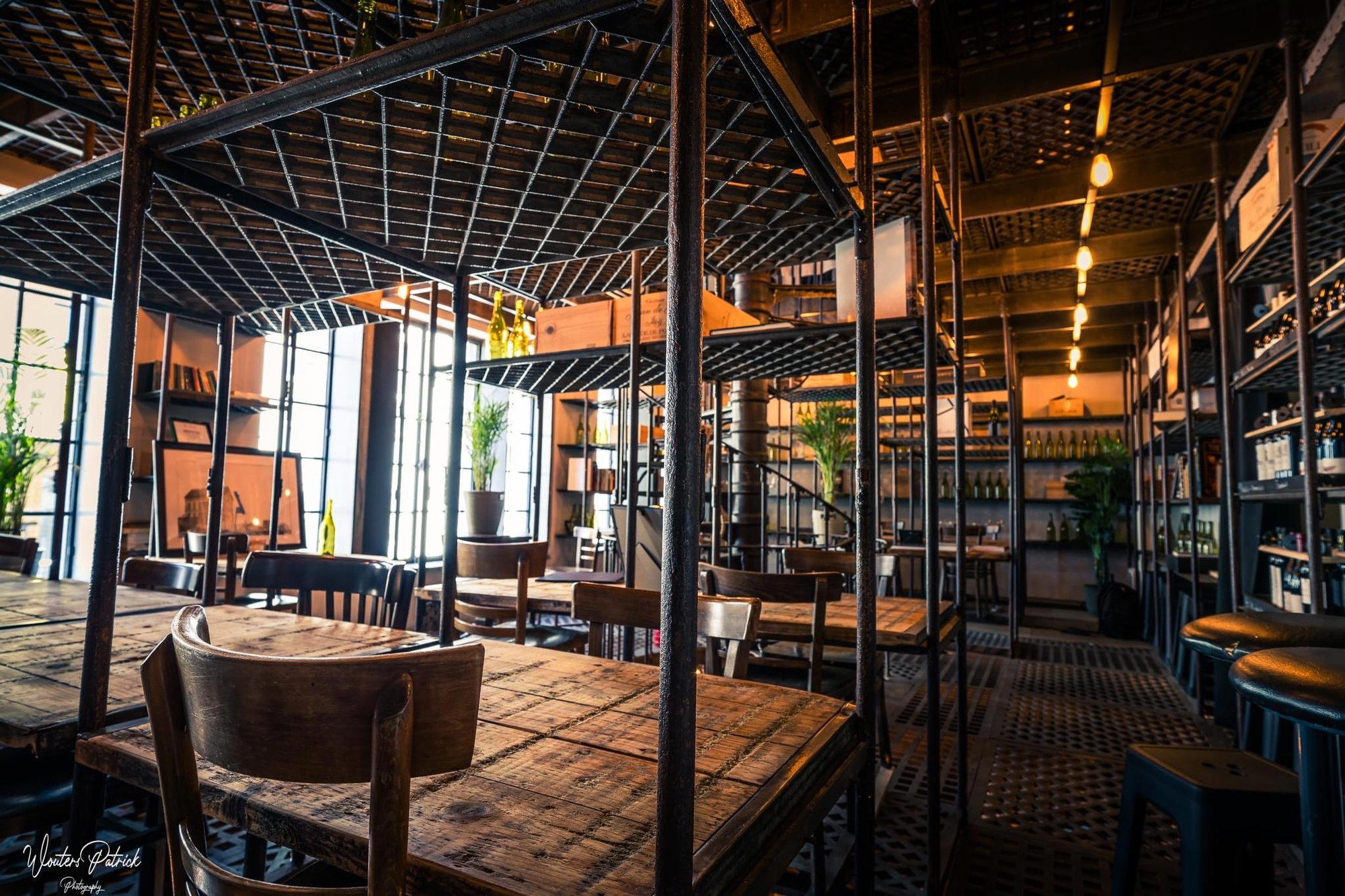
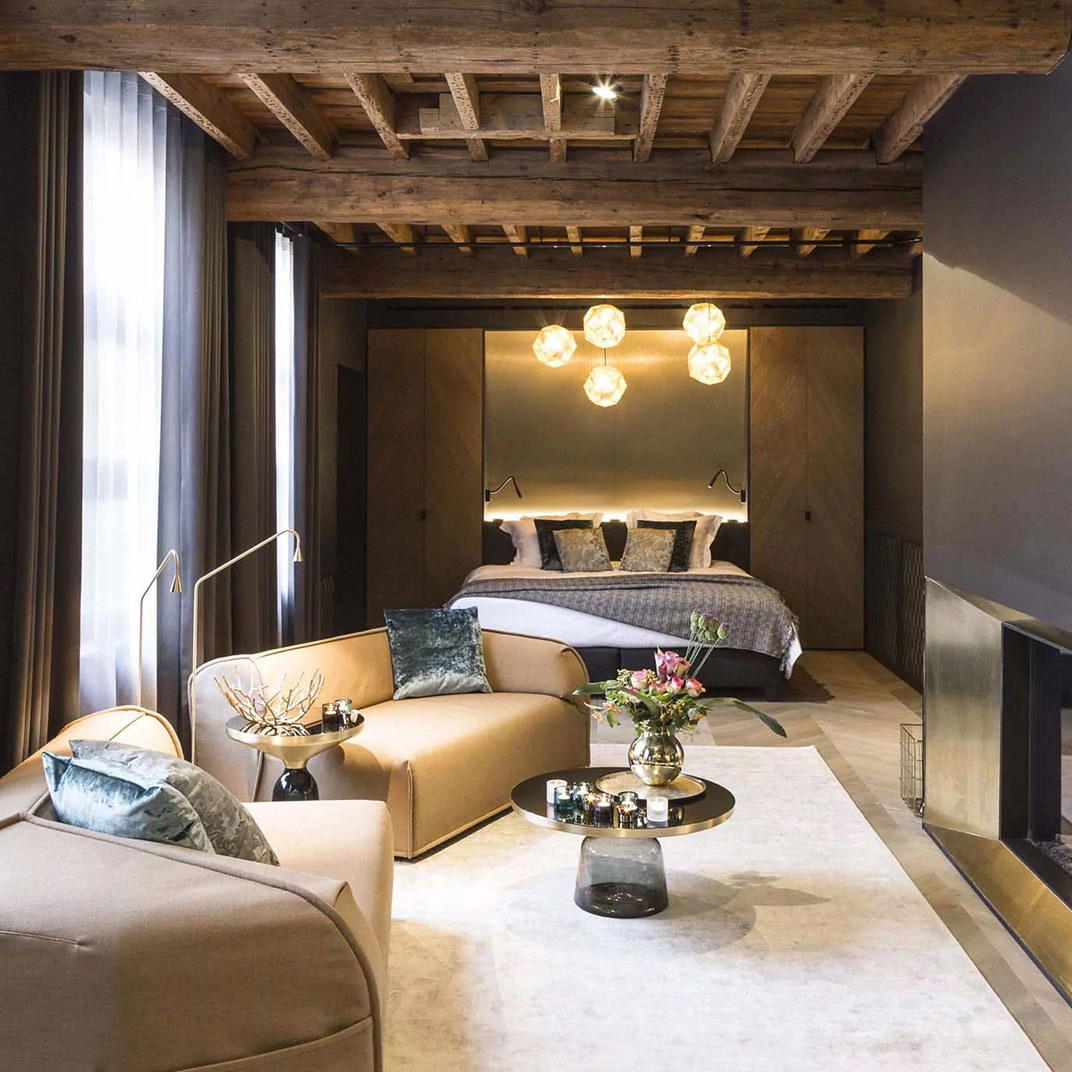
Gezellige living room atmosphere in a quiet garden setting with personal service.