On a residential stretch of Markgravelei in Antwerp's Zurenborg district, Cobra House occupies a building whose name alone signals something more considered than the average neighbourhood address. The surrounding streets are among the city's most architecturally coherent, and the venue sits within that context as a destination that rewards those who pay attention to where they eat as much as what.
Pearl is the En Primeur Club membership app — saves, bookings, and concierge access live there. Same editors, same standards.
- Address
- Markgravelei 95, 2018 Antwerpen, Belgium
- Phone
- +3234110209
- Website
- cobra-house.com
- Directions
- Get directions
 Saves & bookings on Pearl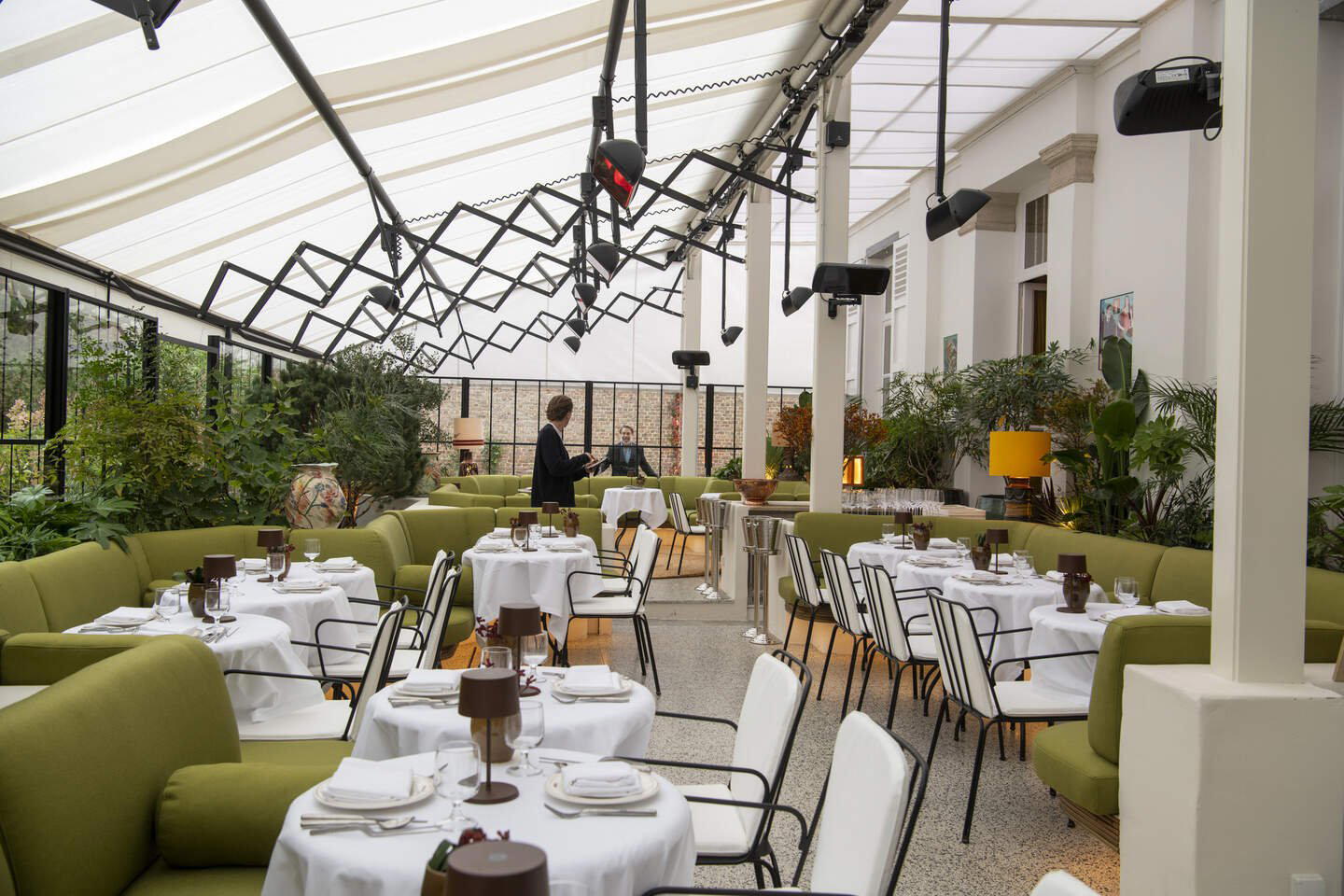
Markgravelei and the Quiet South: Antwerp's Other Dining Axis
Antwerp's dining conversation tilts instinctively toward the port-adjacent north and the cathedral quarter, where Michelin-starred addresses like Zilte and Hertog Jan at Botanic anchor a well-documented fine-dining corridor. But the city's southern residential quarters tell a quieter, more sustained story about how Flemish urban dining actually functions day to day. Markgravelei, a broad tree-lined avenue in the Zurenborg neighbourhood, belongs to that southerly axis. The street runs through among the more architecturally intact districts in Belgium, where late-nineteenth-century eclectic facades sit alongside Art Nouveau details, and the density of owner-operated restaurants and cafes reflects the purchasing power and culinary expectations of a neighbourhood that has gentrified slowly rather than abruptly.
Cobra House sits at number 95 on that street. The address places it outside the tourist circuit entirely. Visitors who find it are either local regulars, guided by word of mouth, or travellers who approach Antwerp with enough specificity to move beyond the established itinerary. That positioning is itself meaningful: in a city where the dining room has become a form of neighbourhood identity, where you eat says as much about your knowledge of the city as what you order.
The Building, the Name, and What They Signal
The name Cobra House carries historical weight in this part of Europe. The CoBrA art movement, which drew together artists from Copenhagen, Brussels, and Amsterdam in the late 1940s, left a particular imprint on Belgian cultural life. Whether or not the venue's name references that lineage directly, the association frames a certain expectation: something with a European urban sensibility, attentive to provenance, and resistant to easy categorisation. Zurenborg itself has that quality. The neighbourhood's preservation of its architectural fabric is not incidental; it reflects a community that treats the built environment as carrying meaning, and the venues that establish themselves here tend to reflect similar care.
Antwerp's restaurant culture at this tier, in residential neighbourhoods south and east of the historic centre, has increasingly diverged from the high-format tasting-menu model. Addresses like 't Fornuis demonstrate how European-Flemish classic cuisine sustains itself through consistency and neighbourhood loyalty rather than seasonal reinvention. At the more casual French end, Bistrot du Nord shows how a traditional European format can hold its own in a city with an increasingly diverse dining offer. Cobra House occupies terrain somewhere in this broader residential dining band, though the specifics of its format and menu require direct verification before any firm placement in the hierarchy.
Where Cobra House Sits in the Belgian Context
Belgium's wider restaurant culture provides useful coordinates. The country produces some of Europe's most technically accomplished kitchens: Hof van Cleve in Kruishoutem, Boury in Roeselare, and Willem Hiele in Oudenburg represent the kind of destination dining that draws visitors from across the continent. Within Antwerp itself, the spectrum runs from the creative ambition of Zilte down through neighbourhood bistros and wine-led casual formats that serve a dense, cosmopolitan resident population. In that context, a venue on Markgravelei is not competing with the harbour-view Michelin addresses; it is serving a different occasion and a different regularity of visit.
For international comparison, the distinction maps loosely onto what separates something like Le Bernardin in New York City from the neighbourhood restaurants that surround it, or Lazy Bear in San Francisco from the city's more casual daily-dining culture. The destination address and the neighbourhood address are not in competition; they serve different needs and different rhythms. The restaurant, by its address and its position in Zurenborg, reads as the latter: a venue embedded in local life rather than positioned for external recognition.
Across Belgium more broadly, this model of locally rooted, architecturally situated dining has real precedents. Vrijmoed in Gent and d'Eugénie à Emilie in Baudour both demonstrate how Belgian kitchens can build sustained reputations without anchoring their identity to a metropolitan showcase. The same logic applies in Antwerp's outer residential belt.
Planning a Visit: What to Know Before You Go
The surrounding streets are worth approaching slowly: Zurenborg's so-called "Four Seasons" block at Cogels-Osylei is among the more concentrated examples of eclectic and Art Nouveau residential architecture in Belgium, and arriving on foot from that direction frames the neighbourhood correctly before you sit down.
DIM Dining operates at the €€€€ tier and represents a reference point for Antwerp's more international dining offer. Bozar Restaurant in Brussels, La Durée in Izegem, Cuchara in Lommel, and Ralf Berendsen in Neerharen, each of which maps a different corner of the country's serious dining geography. Le Chalet de la Forêt in Uccle rounds out the picture at the capital's high end.
- lobster roll
- pâté en croûte
- Oedslach beef entrecôte
- tarte Tatin
- toast with mushrooms and truffle
- ceviche
Cuisine and Recognition
Comparable venues nearby, for context on price, style, and recognition.
| Venue | Cuisine | Price | Notes |
|---|---|---|---|
| Cobra HouseThis venue — the venue you are viewing | French Fusion Sharing | $$$ | Not listed |
| Het Gerecht | French-Belgian Fine Dining | $$$ | Zuid |
| Le Oui | Modern French Microbistronomie | $$$ | Hendrik Conscienceplein |
| Het Reigershof | French-Belgian Fine Dining | $$$ | Berendrecht |
| Bistrot fromm | French-Belgian Bistro | $$ | Ekeren |
| In De Balans | French-Italian Fine Dining | $$$$ | Antwerp |
At a Glance
- Lively
- Elegant
- Trendy
- Modern
- Group Dining
- Casual Hangout
- Celebration
- Open Kitchen
- Garden
- Terrace
- Live Music
- Design Destination
- Craft Cocktails
- Garden
Current opening hours
- Monday
- 12 PM–12:30 AM
- Tuesday
- Closed
- Wednesday
- Closed
- Thursday
- 12 PM–12:30 AM
- Friday
- 12 PM–12:30 AM
- Saturday
- 12 PM–12:30 AM
- Sunday
- 12 PM–12:30 AM
Hours can change for holidays and private events. Last verified .
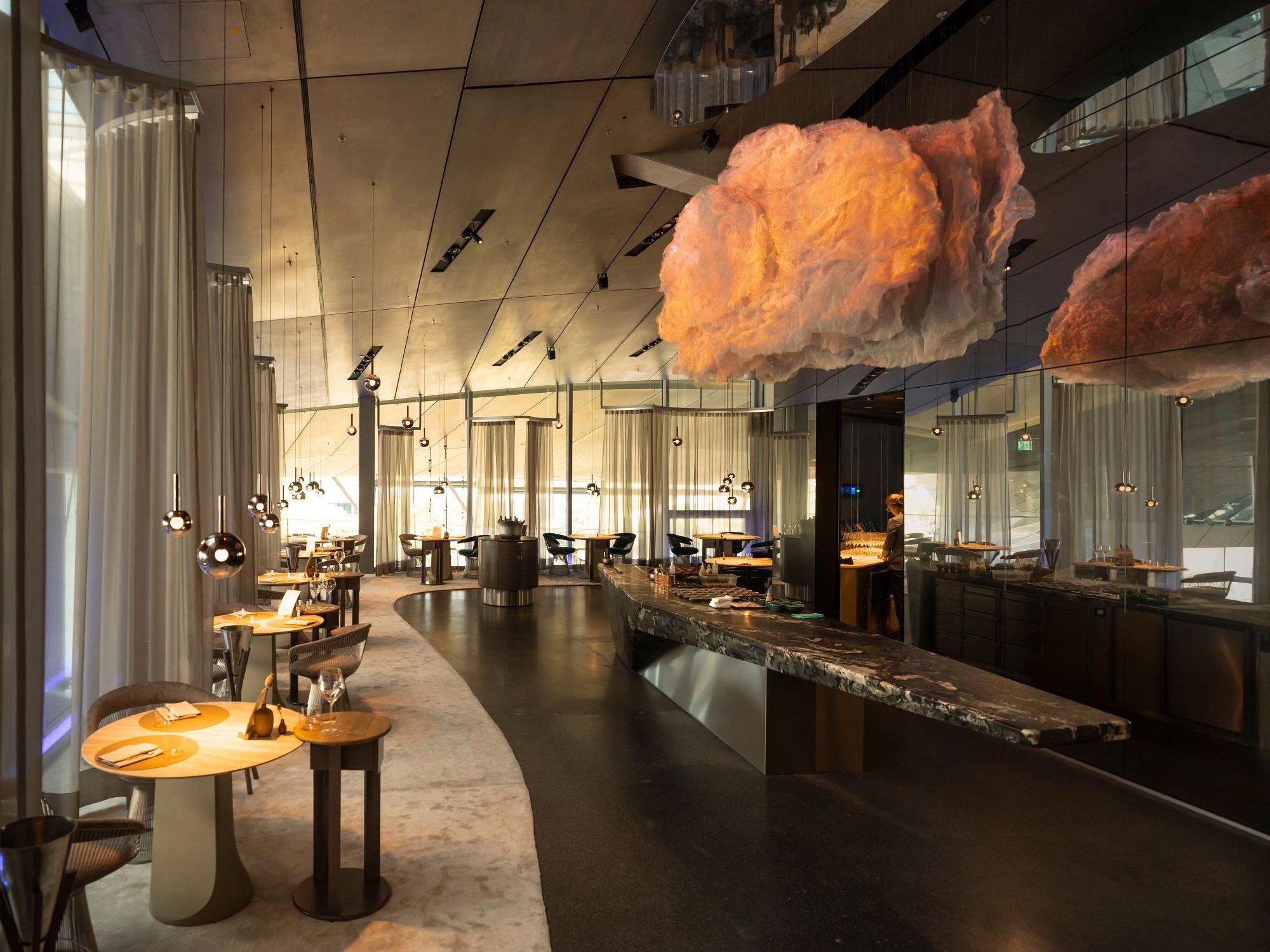
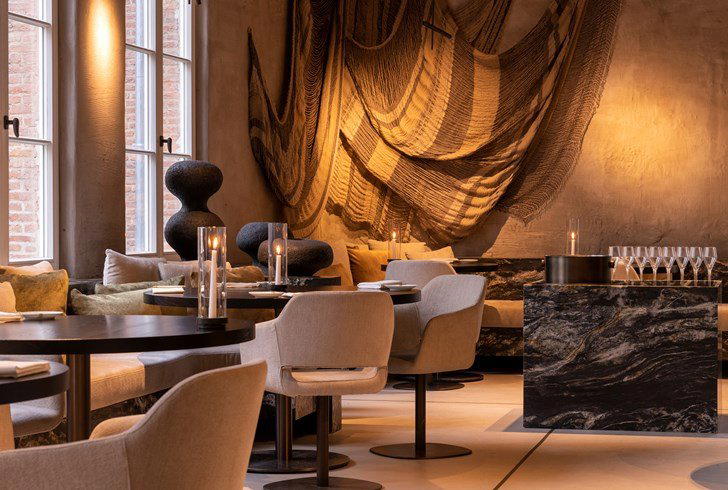
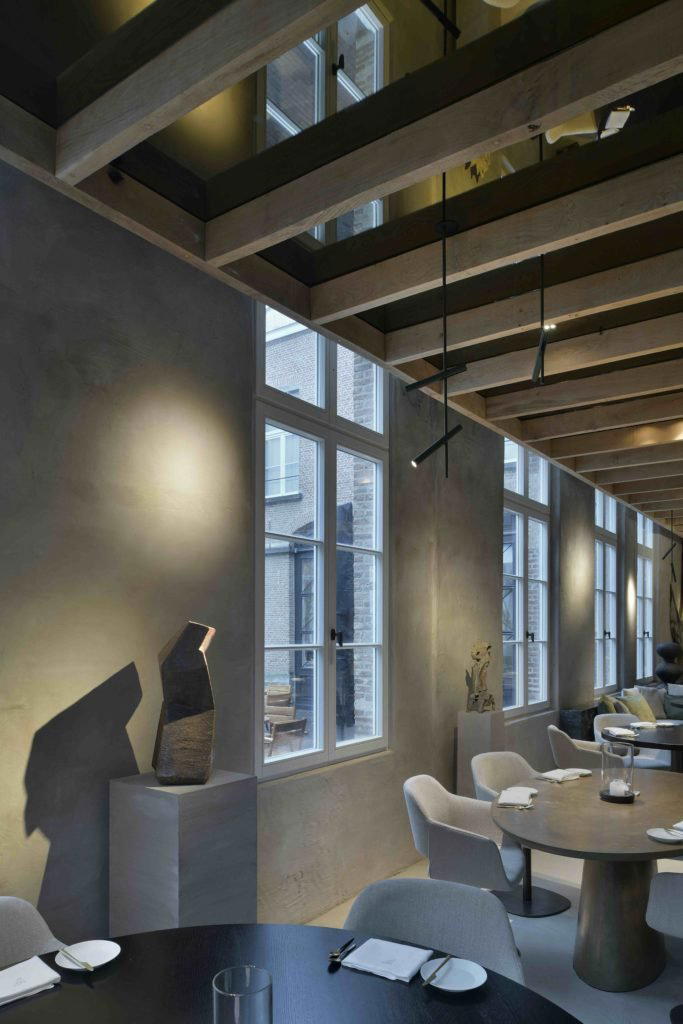
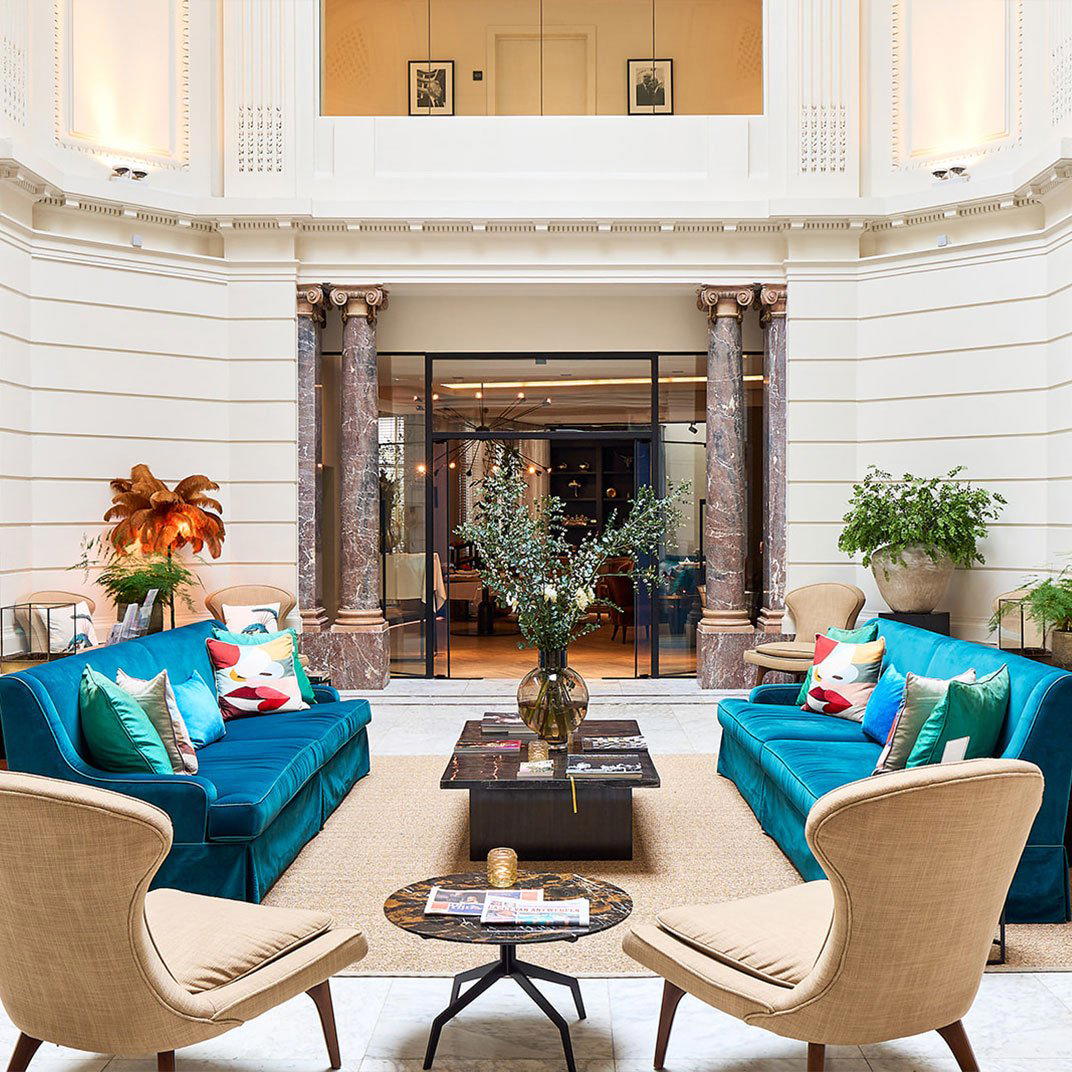
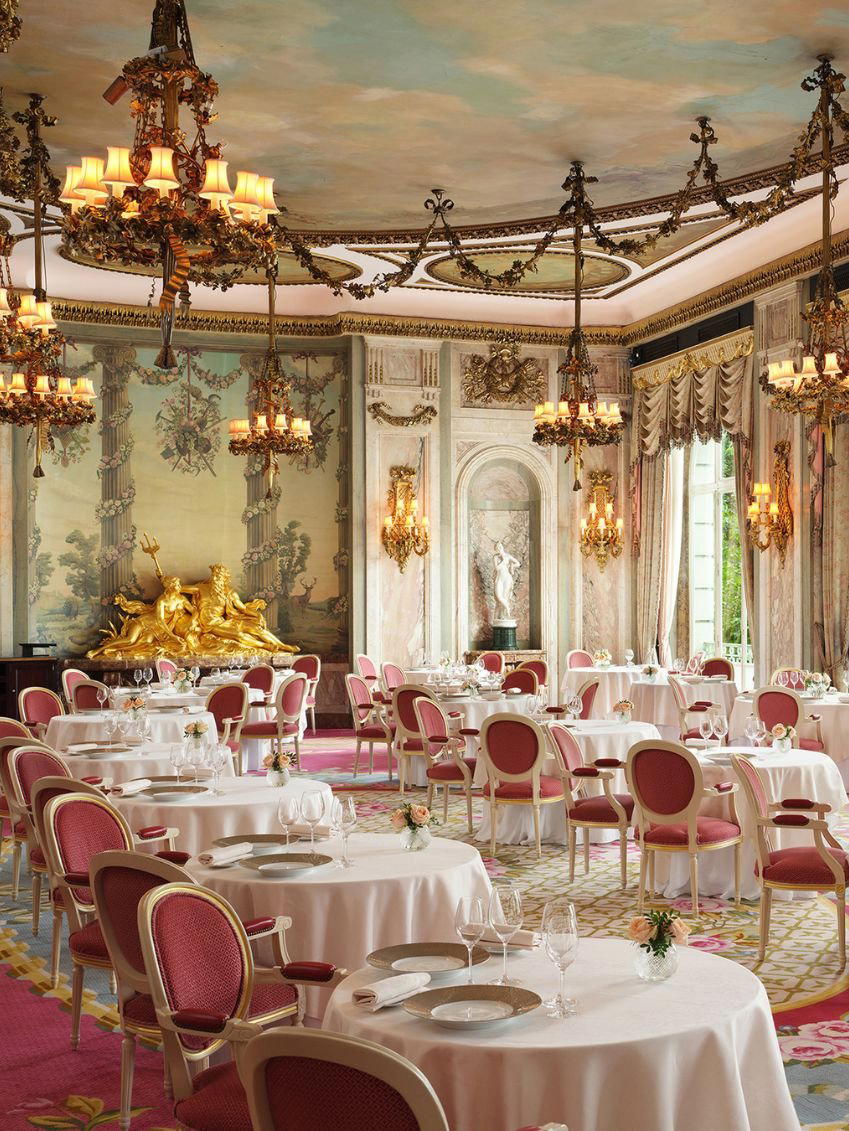
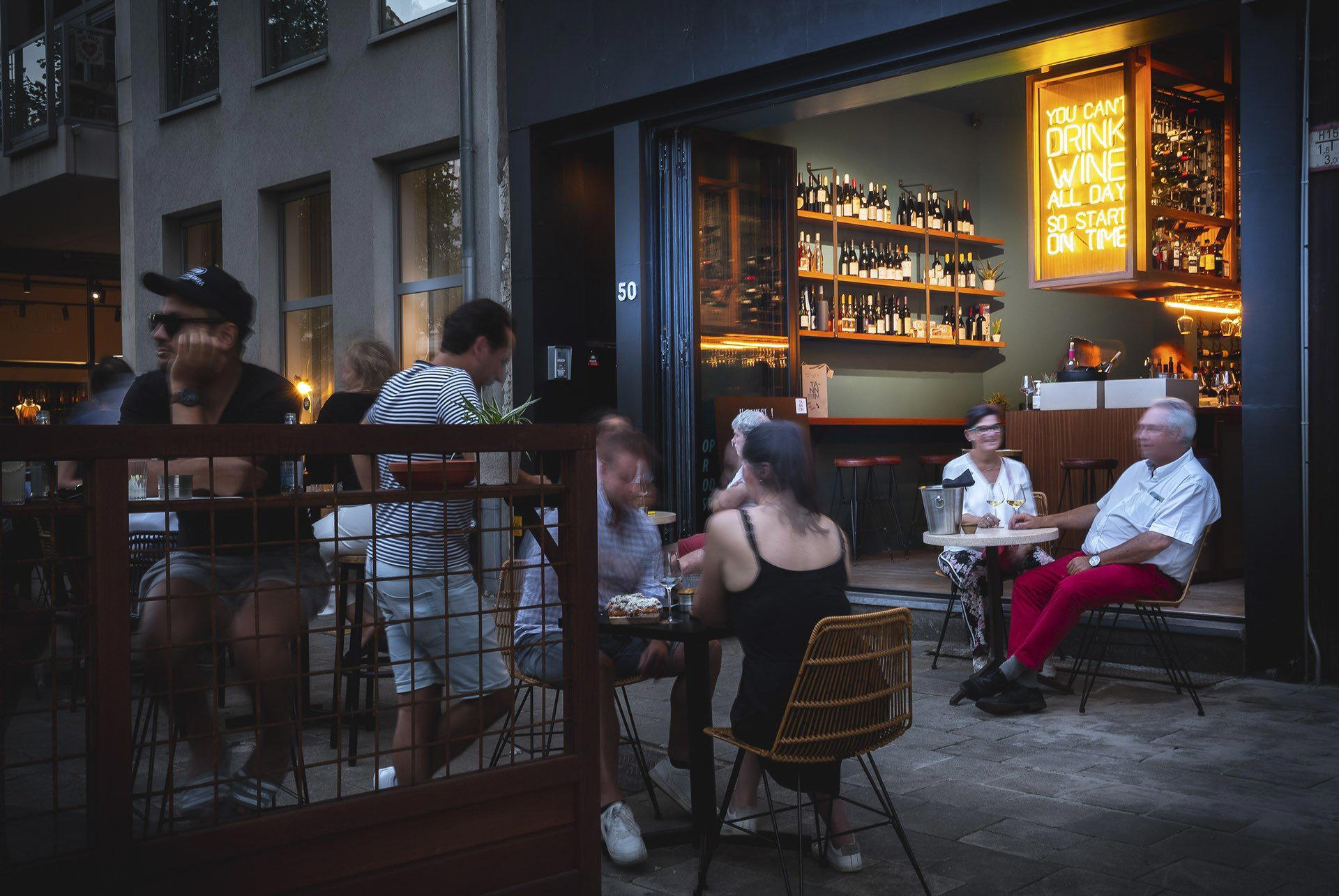
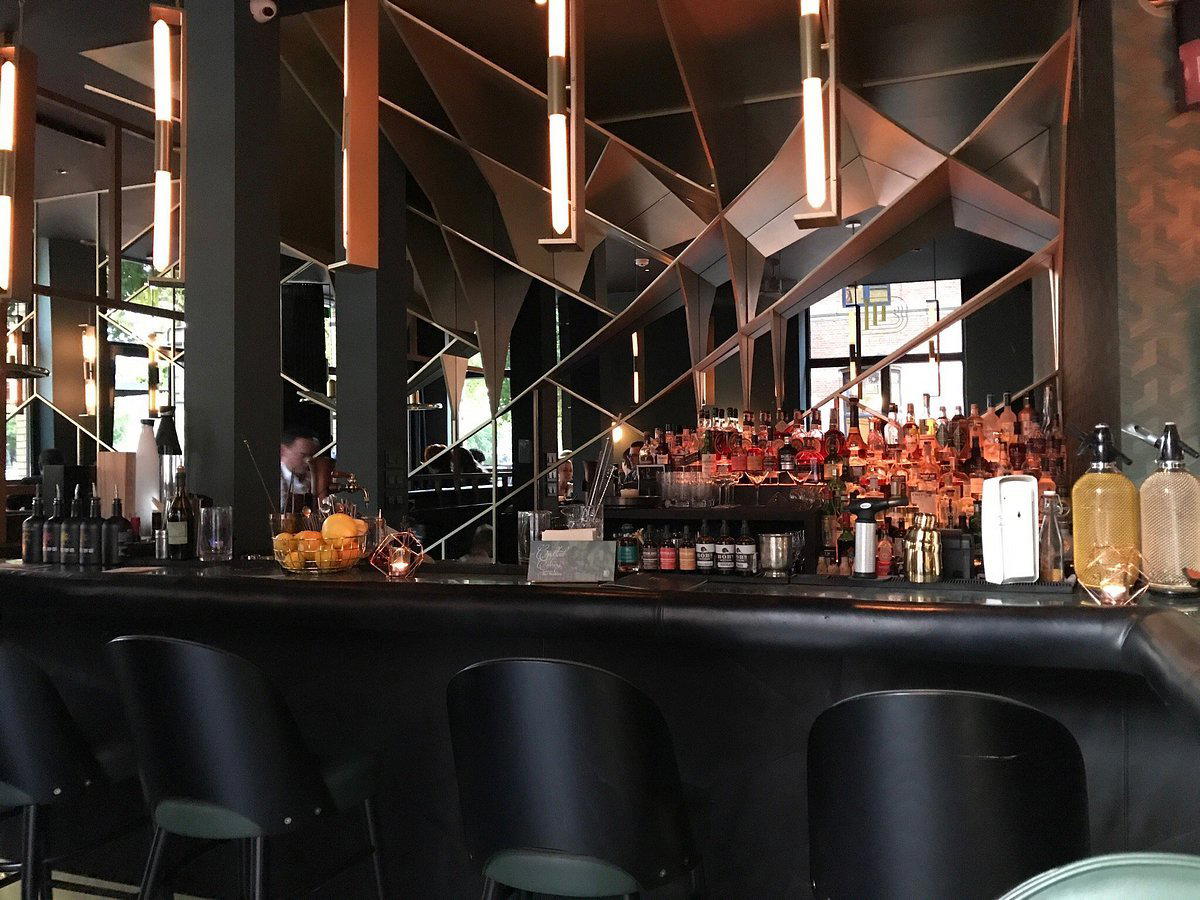
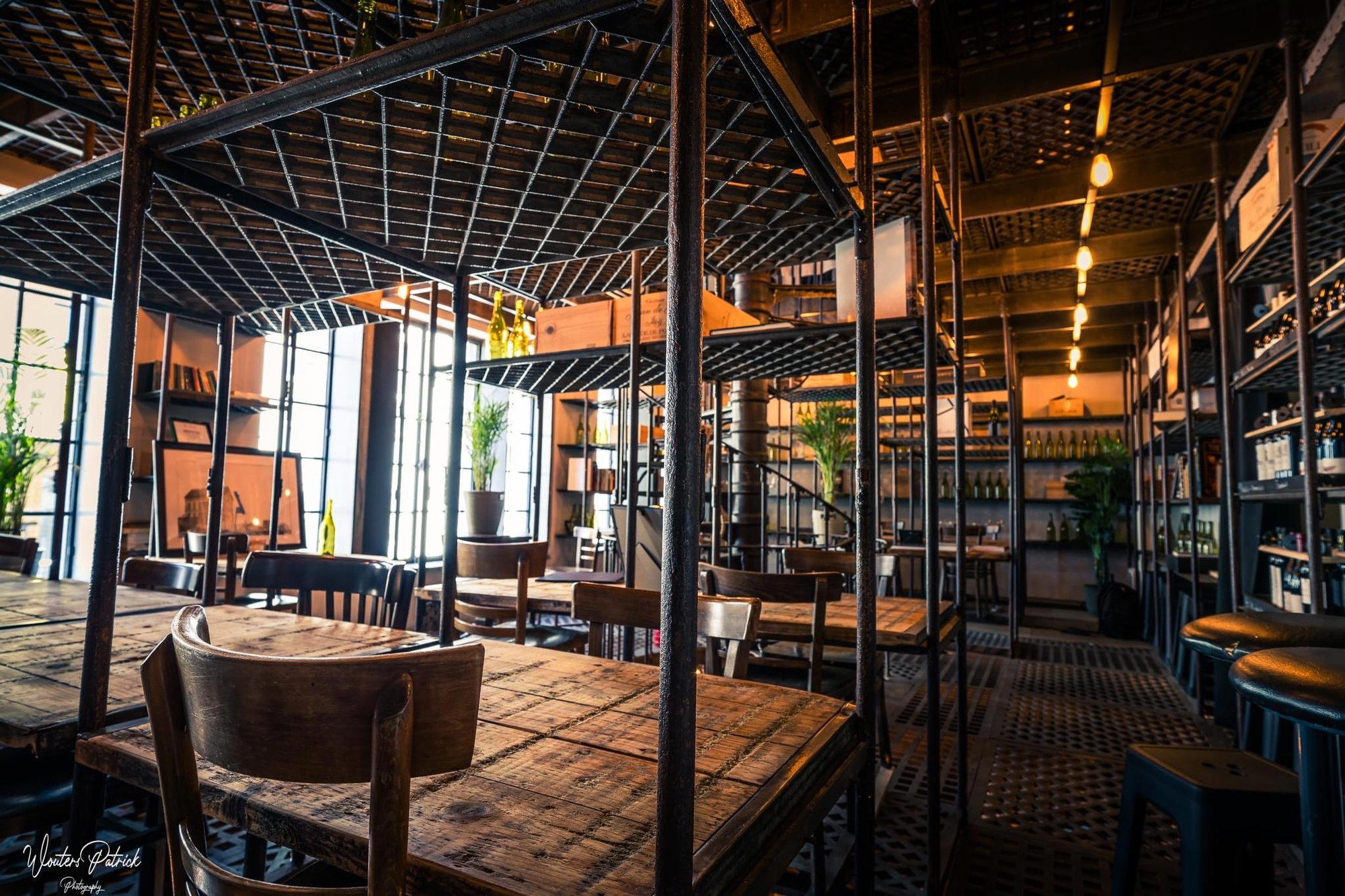
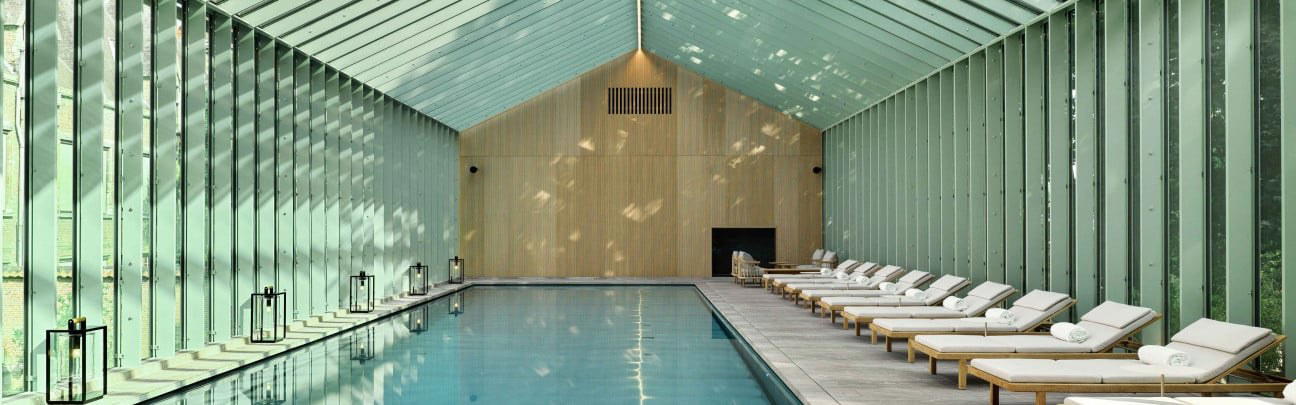
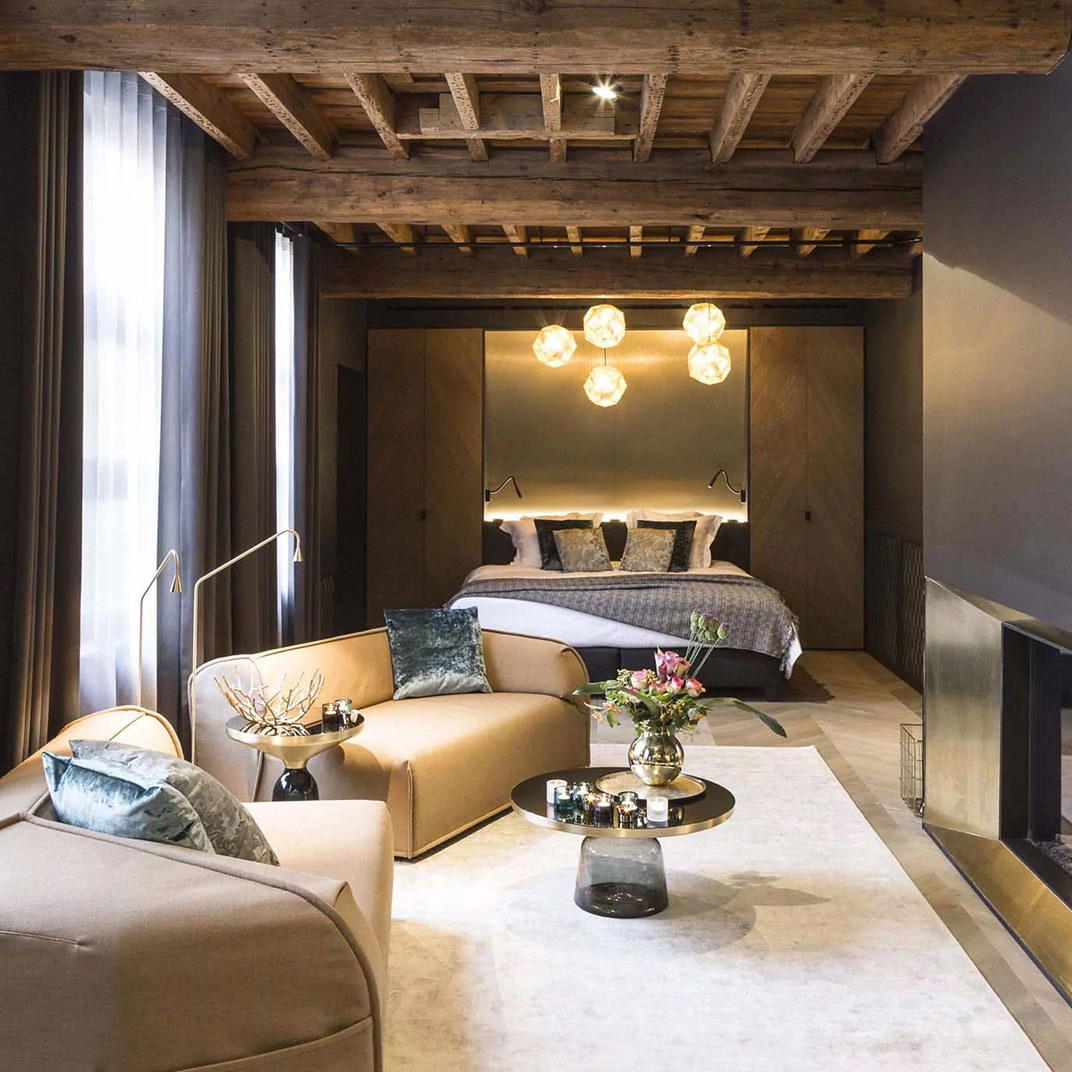
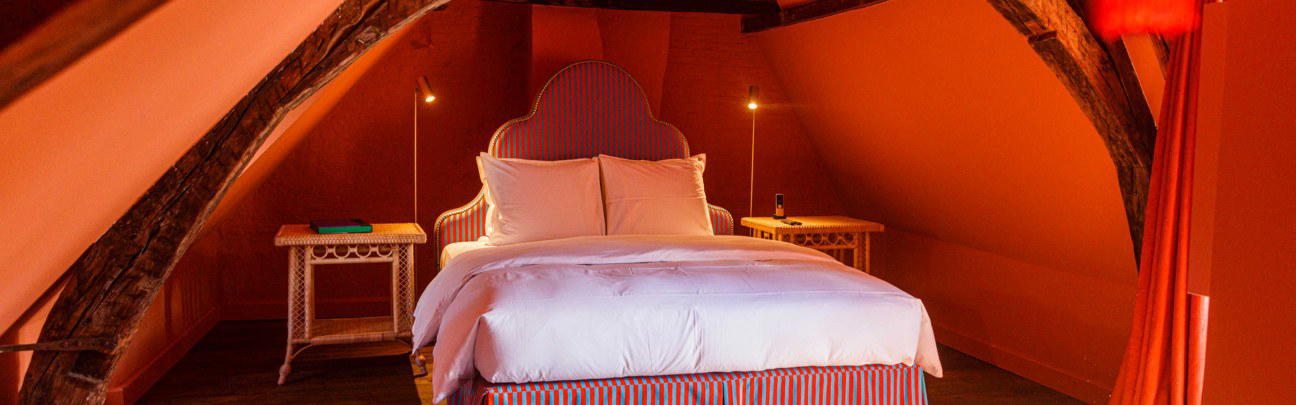
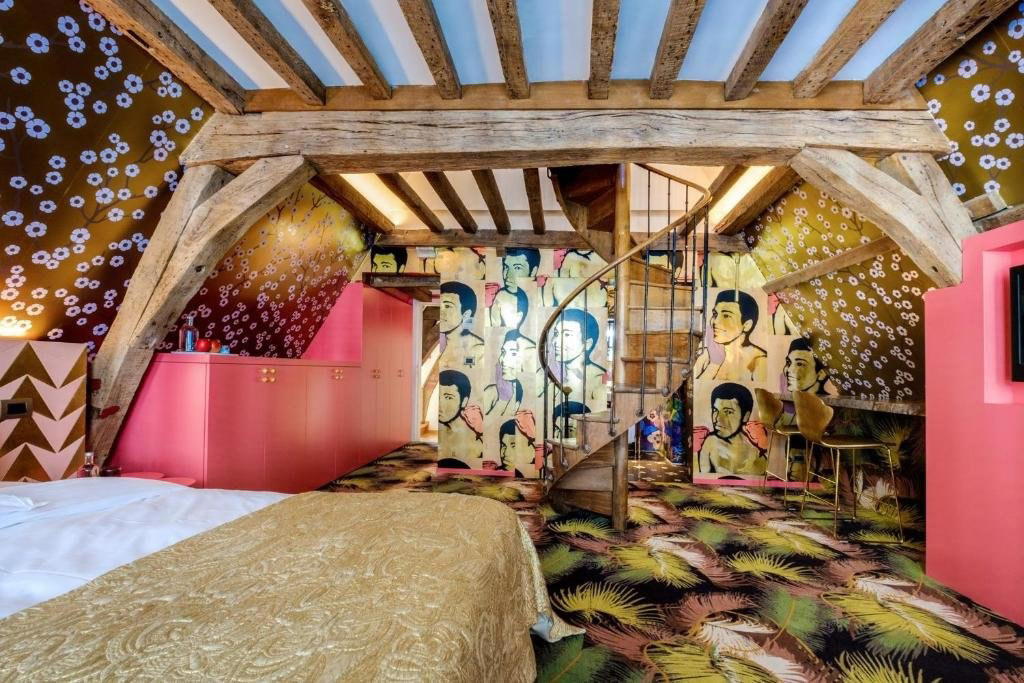
Casual yet chic with lively pop art paintings, lively atmosphere with curated playlists and live music, featuring an open kitchen and fireplace salon.