
A farmhouse restaurant in the hills above Paestum where the sourcing logic is as considered as the cooking. Club Morera draws on the deep larder of Cilento, aged goat's cacioricotta, locally grown tomatoes, coastal crudo, and pairs it with a cellar of more than 300 labels. For the Campanian countryside at its most grounded, this is a serious address.
Pearl is the En Primeur Club membership app — saves, bookings, and concierge access live there. Same editors, same standards.
- Address
- Via Capaccio Paestum, 46, 84047 Capaccio Paestum SA, Italy
- Phone
- +39 320 347 1242
- Website
- clubmorera.it
- Directions
- Get directions
 Saves & bookings on Pearl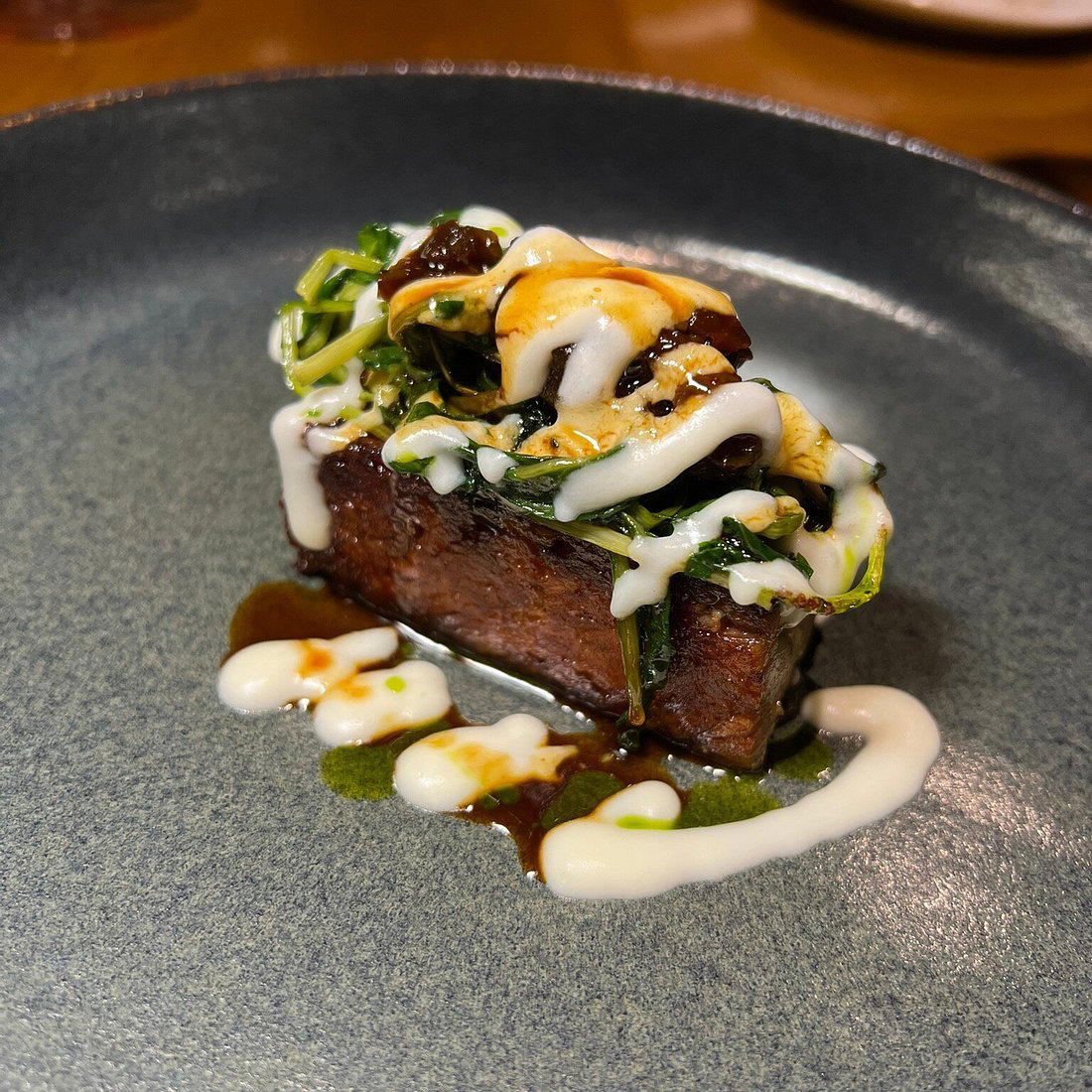
Where the Cilento Larder Comes to the Table
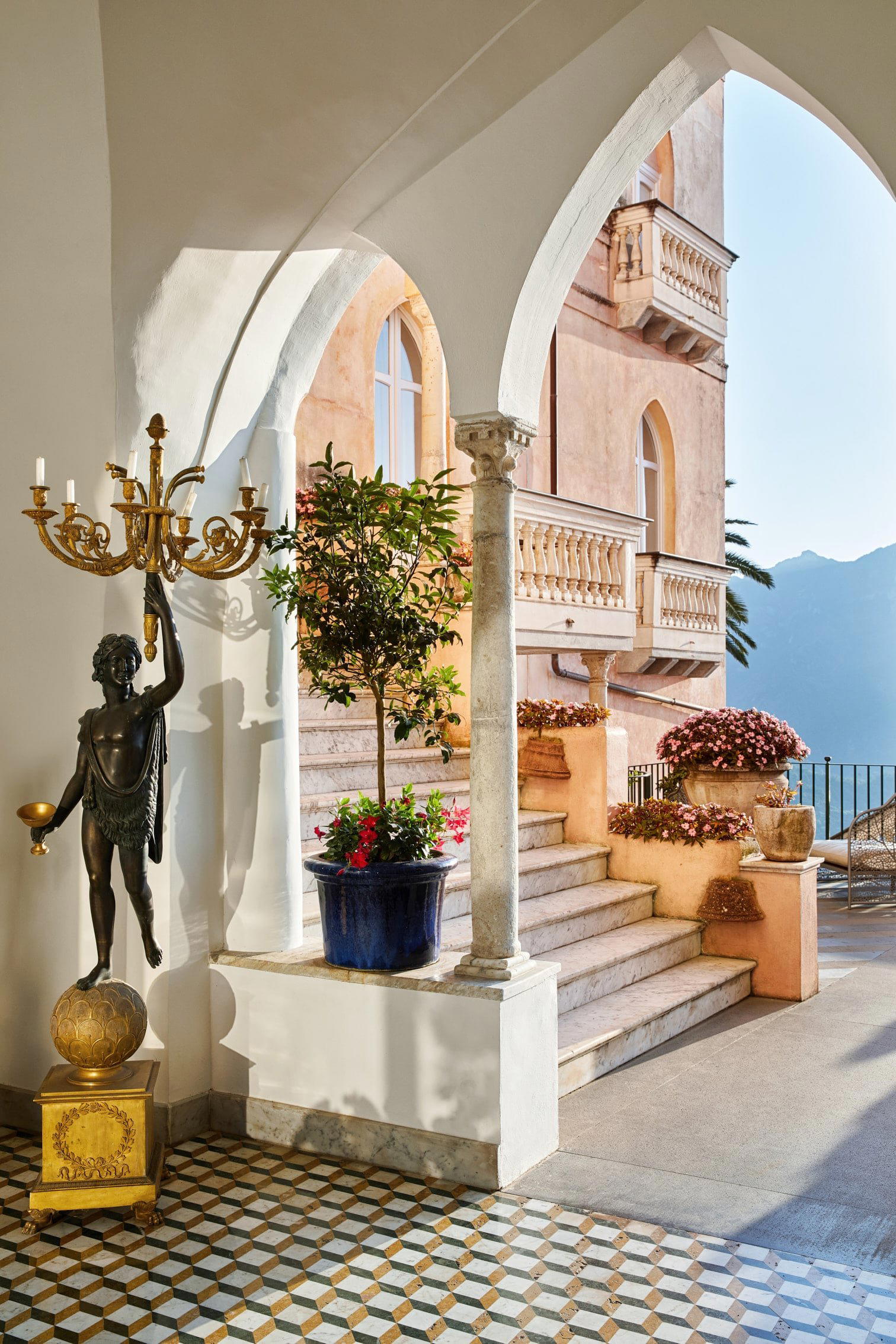
The road into Capaccio Paestum climbs through macchia mediterranea, the low, aromatic scrub of rosemary, myrtle, and wild fennel that defines the Cilento coast's interior. This is one of Italy's most storied agricultural territories: a UNESCO-protected landscape whose food culture predates the modern slow-food conversation by centuries. The farmhouses here are not romantic conceits. They are working expressions of a place where olive cultivation, goat farming, and tomato growing have shaped the table as directly as any brigade of chefs. Club Morera sits inside that tradition, in a stone structure framed by centuries-old olive trees, and its cooking makes sense primarily as a product of where it is.
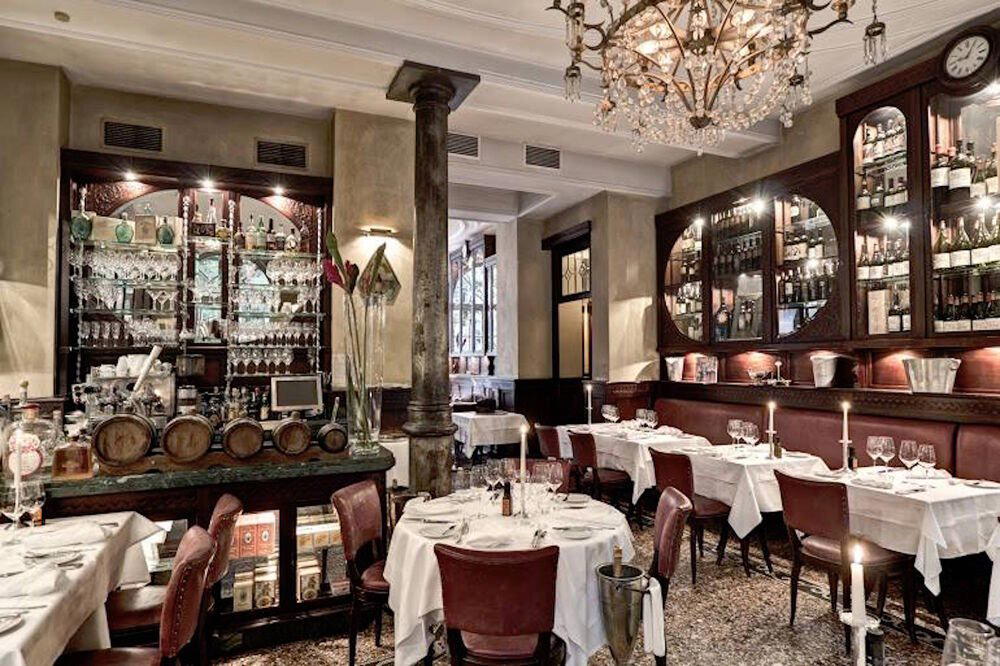
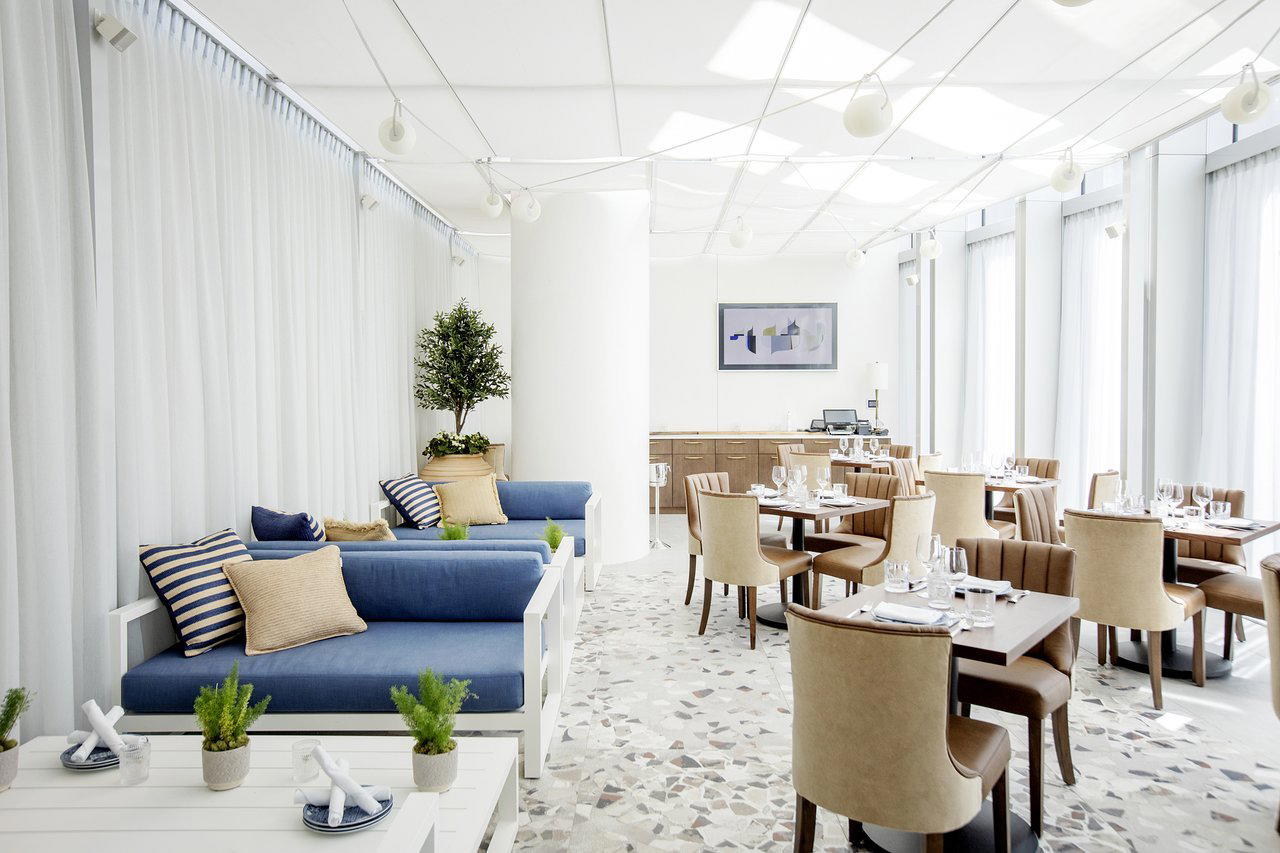
Campania's farmhouse dining category has become more competitive over the past decade. Agriturismo-style restaurants have multiplied across the Cilento hills, but they cluster toward two poles: the genuinely rough-hewn, where sourcing is good but execution is inconsistent, and the glossy resort-adjacent, where the terroir narrative is intact but the food leans decorative. Club Morera occupies a more considered middle position, exposed stone and wooden beams in the dining room, a garden terrace that earns its use in the long southern evenings between September and October, and a kitchen that revisits regional references rather than simply reproducing them.
The Sourcing Logic Behind the Menu
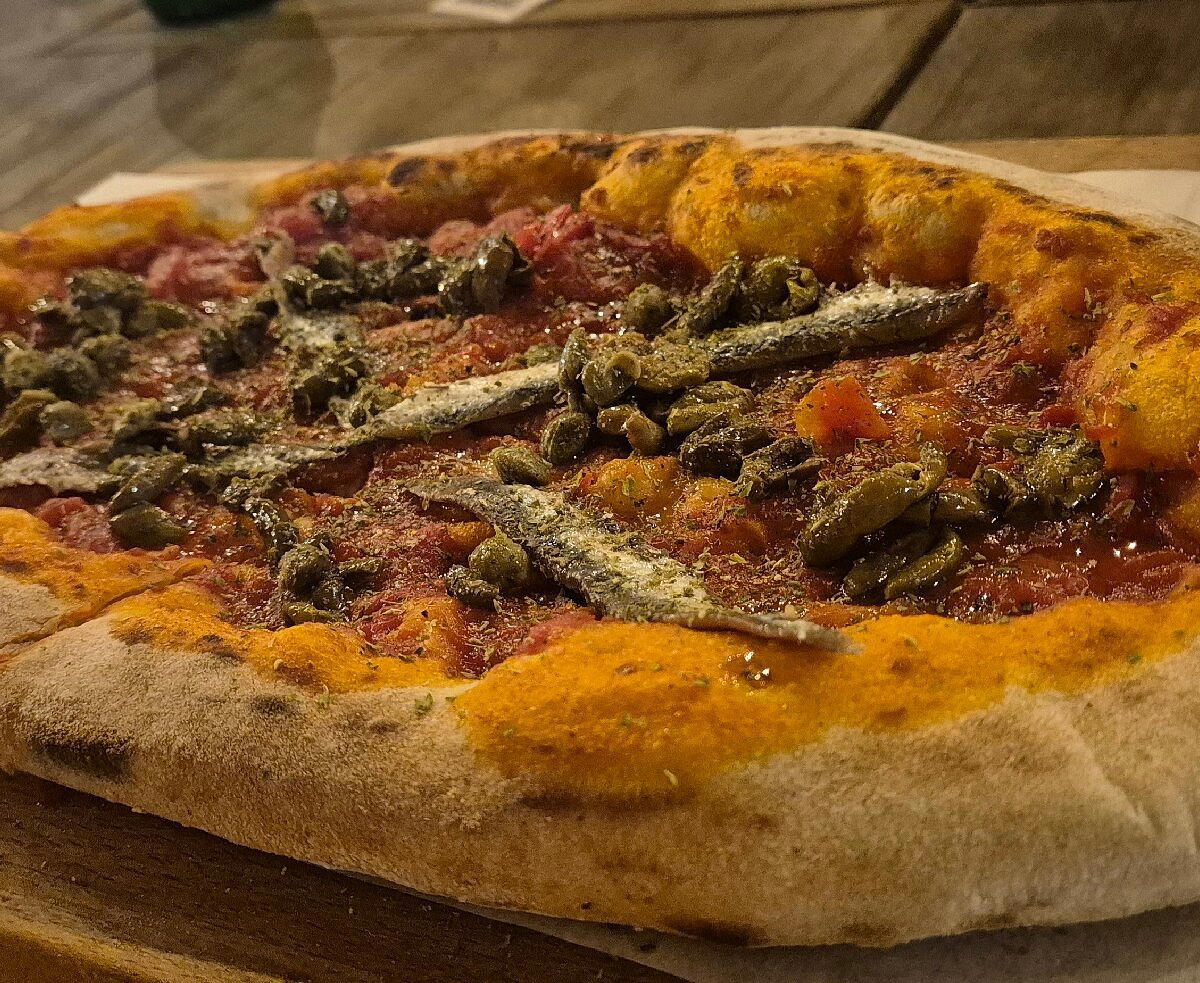
In Cilento, the ingredient most worth understanding is cacioricotta di capra, a sharp, granular goat's cheese that ages faster than pecorino and carries a salinity that reflects the coastal grazing land the animals cover. It is a fundamentally local product, not widely distributed beyond Campania, and it behaves differently on the plate from the milder cow's-milk ricottas that dominate elsewhere in Italy. The kitchen here pairs it with candele pasta and a knife-cut ragù: a combination that layers the cheese's acidity against the slow, fatty depth of the meat sauce. Candele, the long, thick tubes traditional to Neapolitan cooking, take time to cook properly and are rarely attempted outside restaurant kitchens because of the timing precision required. The choice of that format rather than a shorter cut says something about the ambition of the kitchen.
The second dish worth examining is the tagliolini with four tomatoes, basil, and shrimp crudo. The four-tomato construction is a sourcing statement as much as a cooking one. The Cilento zone produces several distinct tomato varieties, including the San Marzano-adjacent types grown in volcanic soils further north, and the decision to build a dish around their differences treats the ingredient as a subject rather than a background. The shrimp crudo arrives uncooked, which places the dish in dialogue with the kind of raw-fish work more associated with the Amalfi coast than the inland farmhouse tradition. It's a hybrid that only works when the seafood sourcing is close and recent. The Gulf of Salerno is the relevant catchment here, and the proximity to the coast makes the combination credible in a way it would not be further inland.
For context on where this style of ingredient-focused southern Italian cooking sits in the national conversation, it helps to look at the summit end of the category. Restaurants like Quattro Passi in Marina del Cantone and Uliassi in Senigallia have made the case at Michelin three-star level that Italian coastal ingredients can anchor menus of serious technical ambition. Closer to the farmhouse register, the broader movement toward locality-first cooking across Italy has been documented at restaurants from Osteria Francescana in Modena to Reale in Castel di Sangro, where the territory rather than the technique tends to anchor the editorial identity. Club Morera operates well below that tier in terms of formality and price, but its sourcing logic belongs to the same broader Italian conversation about what a place tastes like.
The Cellar and the Pairing Question
A cellar of more than 300 labels is a substantial commitment for a restaurant of this size and style. In the Cilento context, the natural pairings are Campanian: Fiano di Avellino and Greco di Tufo for whites, Aglianico-based reds from Taurasi or the lesser-known Cilento DOC itself. Whether the list skews toward these regional references or ranges more widely is a detail the menu would clarify on arrival, but the depth of the selection signals that the kitchen expects wine to carry real weight in the meal. That is consistent with how the dishes are constructed, both the ragù pasta and the four-tomato tagliolini have enough structural complexity to support serious pairing decisions rather than house-wine simplicity.
Italy's most celebrated cellars are found at restaurants like Enoteca Pinchiorri in Florence, where the wine collection is as much the subject as the food, and Dal Pescatore in Runate, where regional pairing is a decades-long institutional practice. The restaurant's 300-plus list does not compete at that scale, but it suggests a seriousness about the table that goes beyond what most farmhouse restaurants in the region offer.
When to Go and How to Plan
The Paestum area operates on a clear seasonal rhythm. Summer brings the coastal crowds who come for the Greek temples and the beaches of the Cilento coast, and the restaurant trade in the area peaks accordingly. The more considered moments to visit are September and October, when the heat drops, the garden terrace is still usable in the evenings, and the agricultural calendar brings harvest produce, late tomatoes, fresh cheeses, and early olive oil directly onto the menu. March also warrants attention: early spring in this part of Campania arrives earlier than further north, and the kitchen's access to wild herbs and young vegetables reflects that. These shoulder-season visits tend to produce a more grounded version of the experience than the busy midsummer trade.
For anyone planning time in this part of Campania, the restaurant is one address in a broader itinerary worth building carefully. The area around Capaccio Paestum has enough culinary and cultural density to justify several days.
Booking in advance is advisable, particularly for the garden terrace during the September to October window. Reservations are recommended.
Comparable Spots, Quickly
Comparable venues nearby, for context on price, style, and recognition.
| Venue | Cuisine | Price | Awards | Notes |
|---|---|---|---|---|
| Club MoreraThis venue — the venue you are viewing | Modern Italian Seafood | $$$ | Michelin Plate | Not listed |
| Alessandro Feo | Modern Italian Seafood | $$$ | Michelin Plate | Marina di Casal Velino |
| Le Baccanti | Modern Italian Seafood | $$$ | Michelin Plate | Nola |
| Bramea | Modern Creative Italian | $$$ | Michelin Plate | Palazzo San Gervasio |
| Sull’Albero Trattoria | Tuscan Trattoria | $$$ | Not listed | Chiusdino |
| Casa Rispoli | Modern Italian Seafood | $$$ | Michelin Plate | Historic Centre (Piazza San Francesco) |
Recognition history
Dated appearances from independent guides and award organizations, with the underlying list record or original source where available.
Michelin Plate
Michelin
At a Glance
- Romantic
- Intimate
- Elegant
- Rustic
- Scenic
- Date Night
- Special Occasion
- Garden
- Terrace
- Garden
Current opening hours
- Monday
- 8–10:30 PM
- Tuesday
- Closed
- Wednesday
- 8–10:30 PM
- Thursday
- 8–10:30 PM
- Friday
- 8–10:30 PM
- Saturday
- 8–10:30 PM
- Sunday
- 12–2:30 PM
Hours can change for holidays and private events. Last verified .
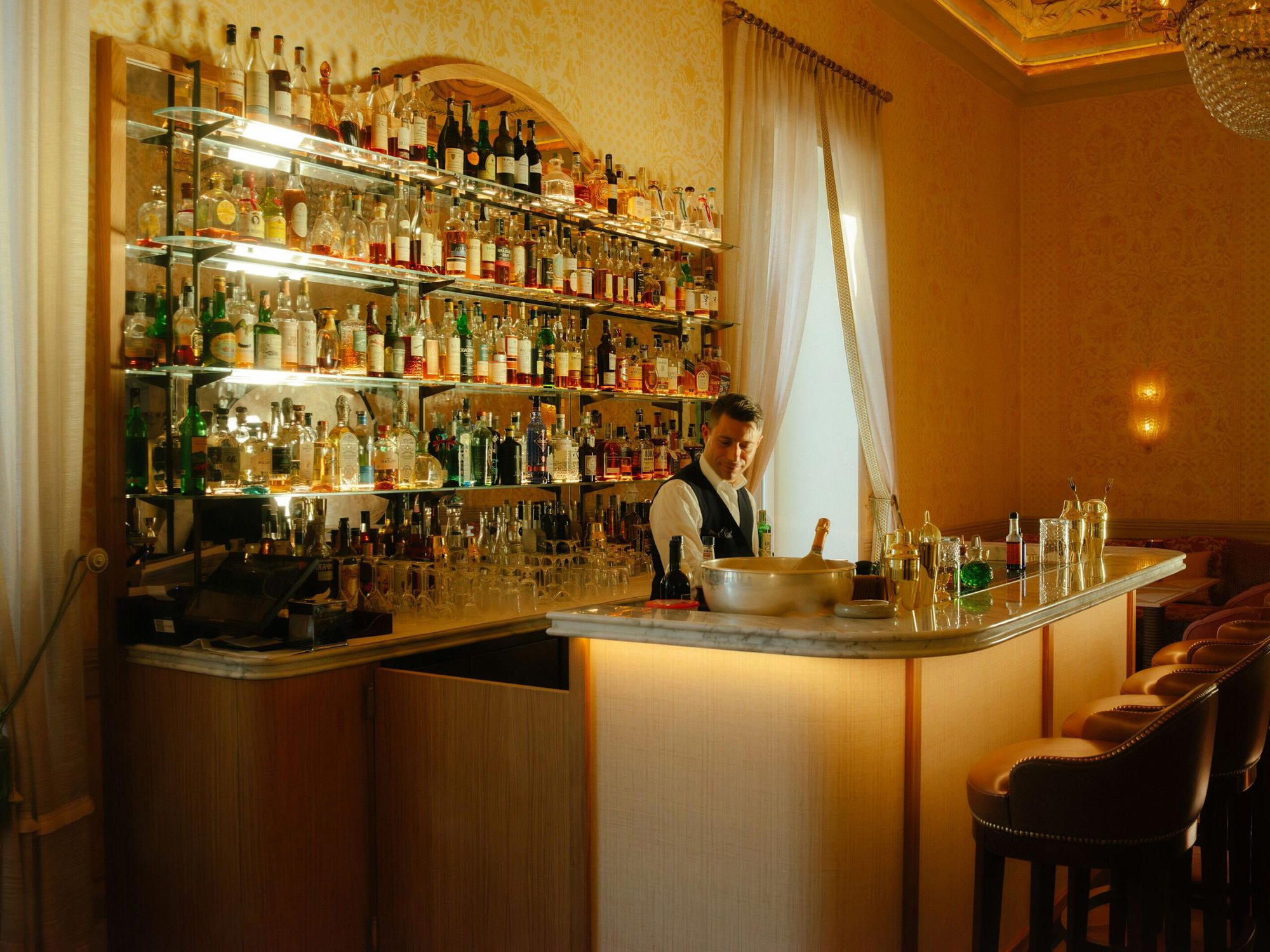
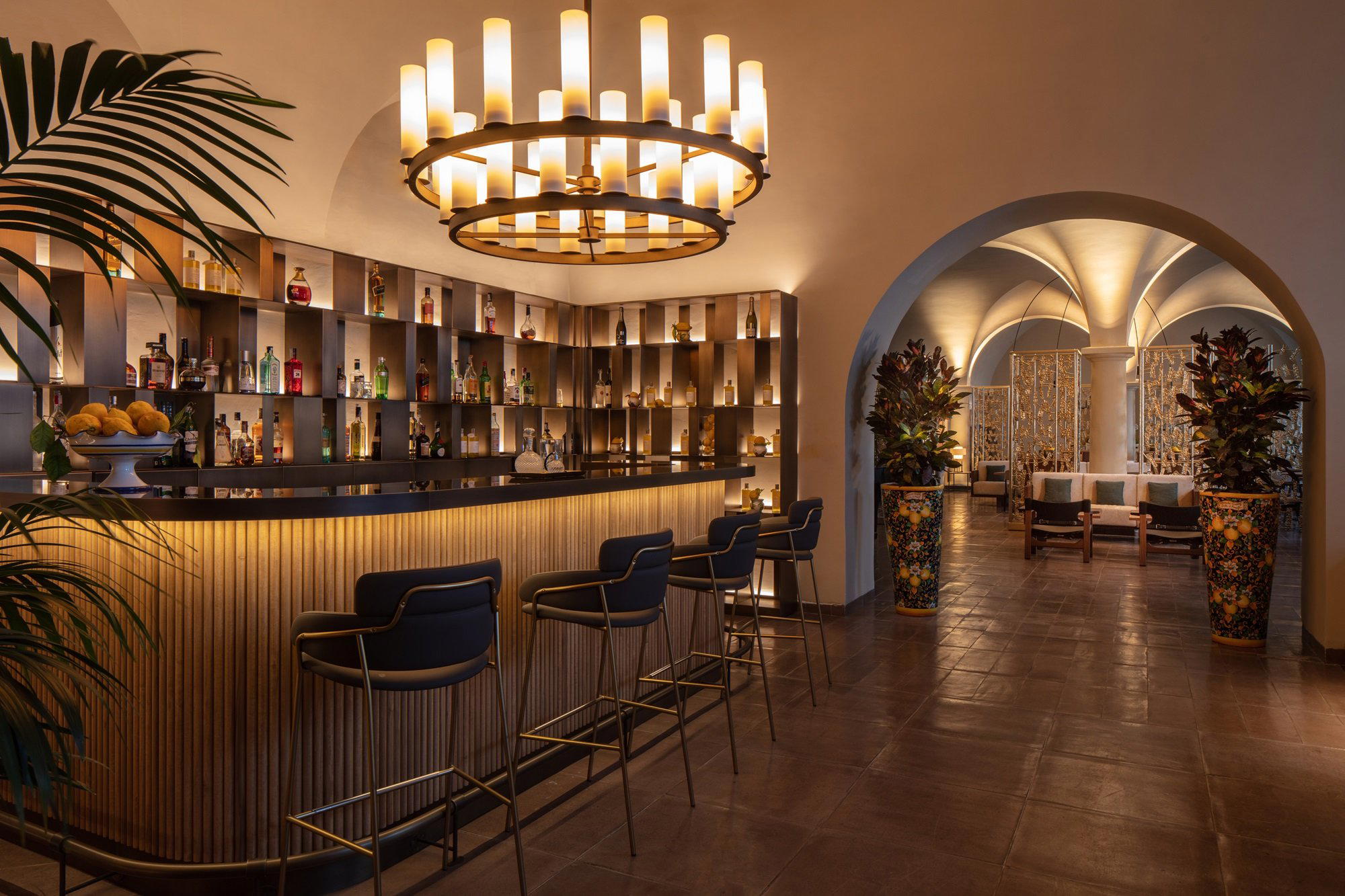
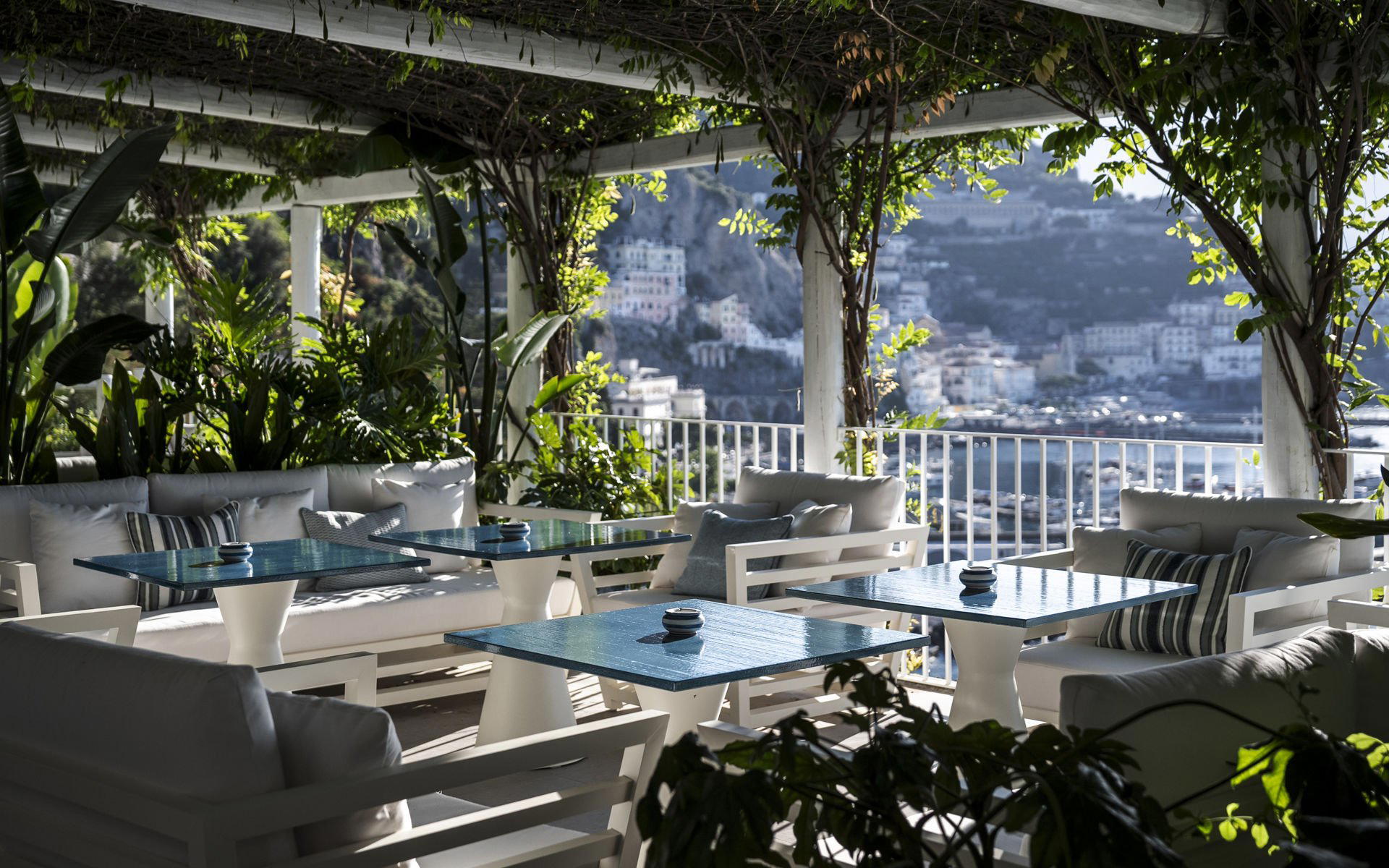
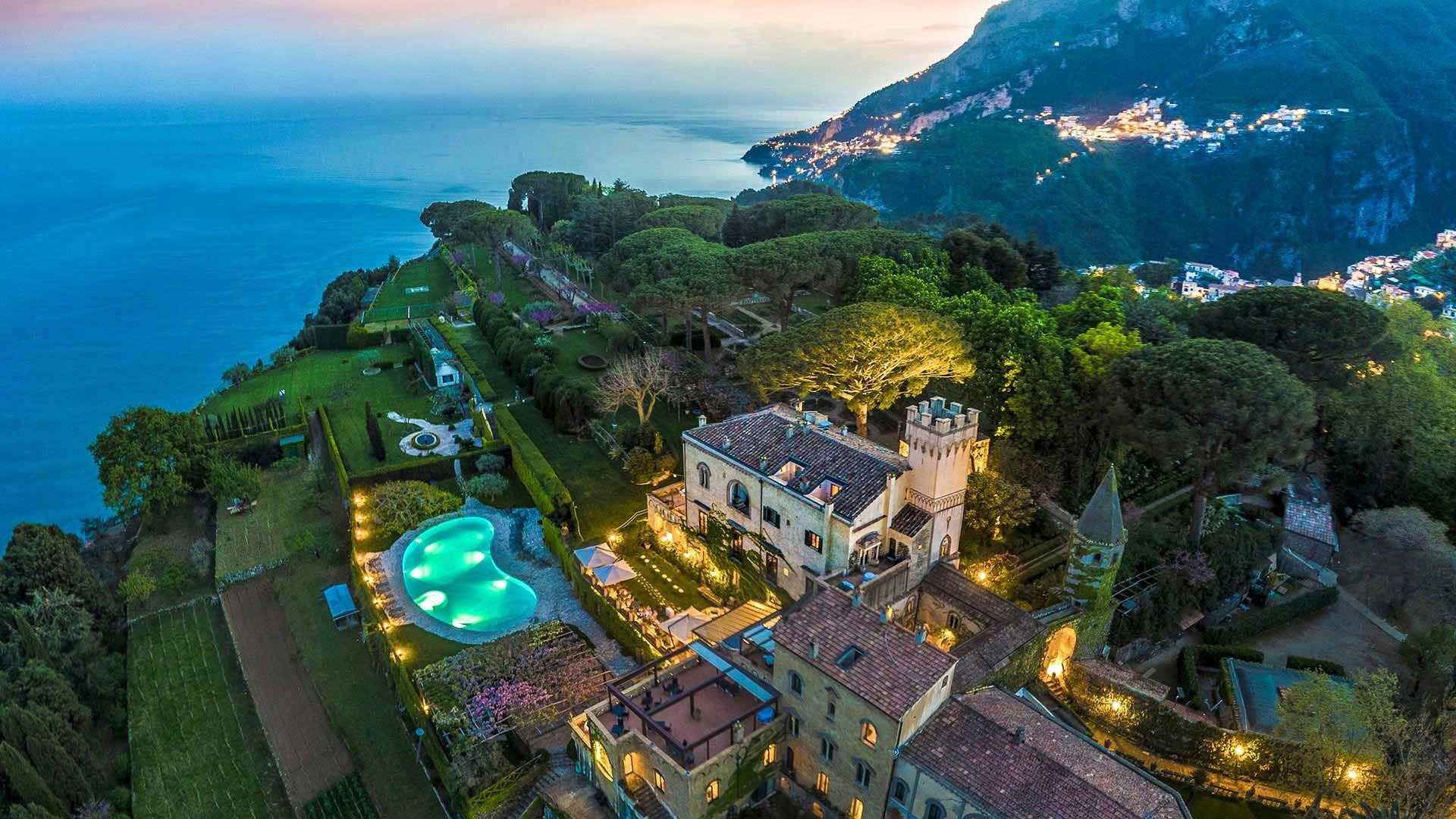
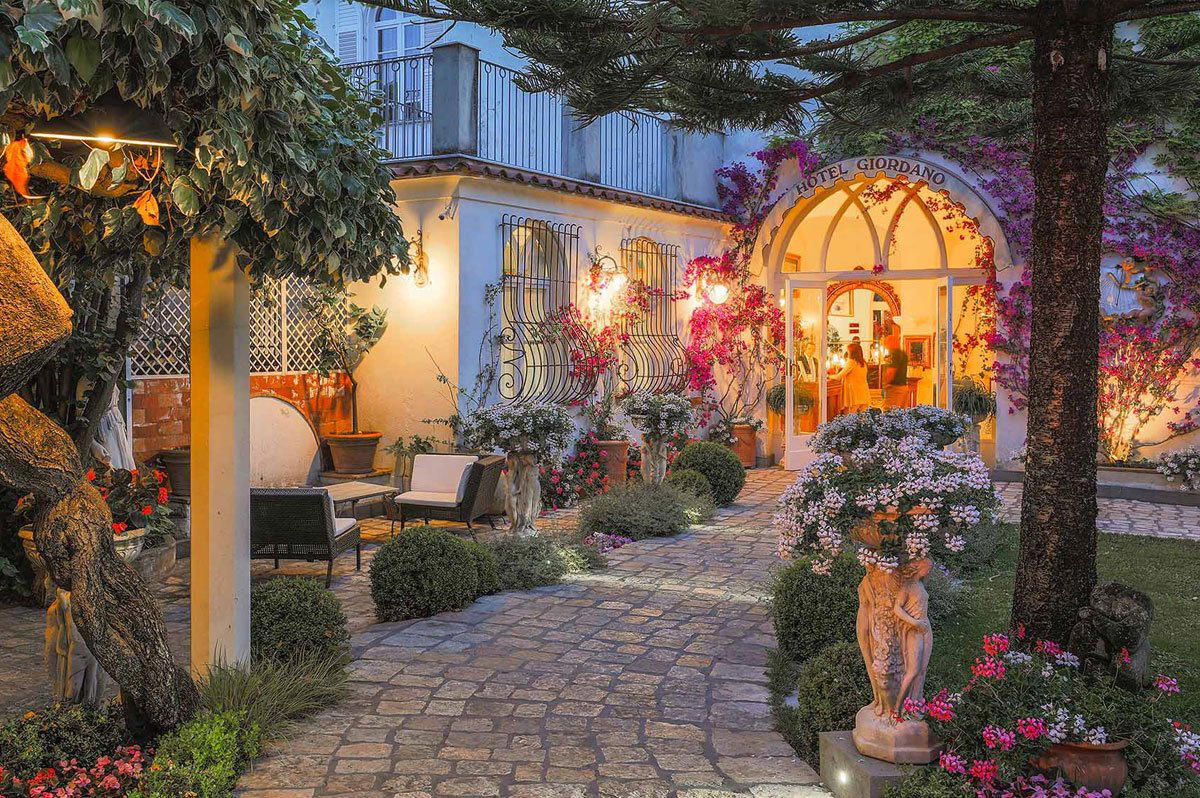
Relaxed yet elegant interior with exposed stone and beams, serene and intimate atmosphere amidst lush greenery, well-suited for romantic evenings on the garden terrace.