Cloth


Michelin Plate · The Good Food Guide GFG Good
Our verdict
On a narrow medieval lane a short walk from Smithfield Market, Cloth occupies the ground floor of a Grade II-listed Georgian house once home to poet John Betjeman. Founded by wine importers and guided by chef Tom Hurst, it operates as a wine-led bistro with a tightly edited seasonal menu, an 400-600 bottle cellar heavy on European producers, and a sub-£30 lunch prix-fixe that draws a devoted City crowd.

Pearl is the En Primeur Club membership app, where members save venues, book tables and use the concierge.
The menu
What to order
- Chunky chips
- Pig’s head croquettes
- Monkfish with bisque
Cloth Fair and the City Table
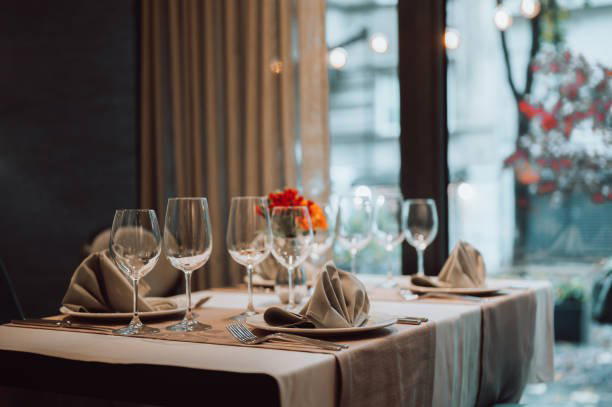
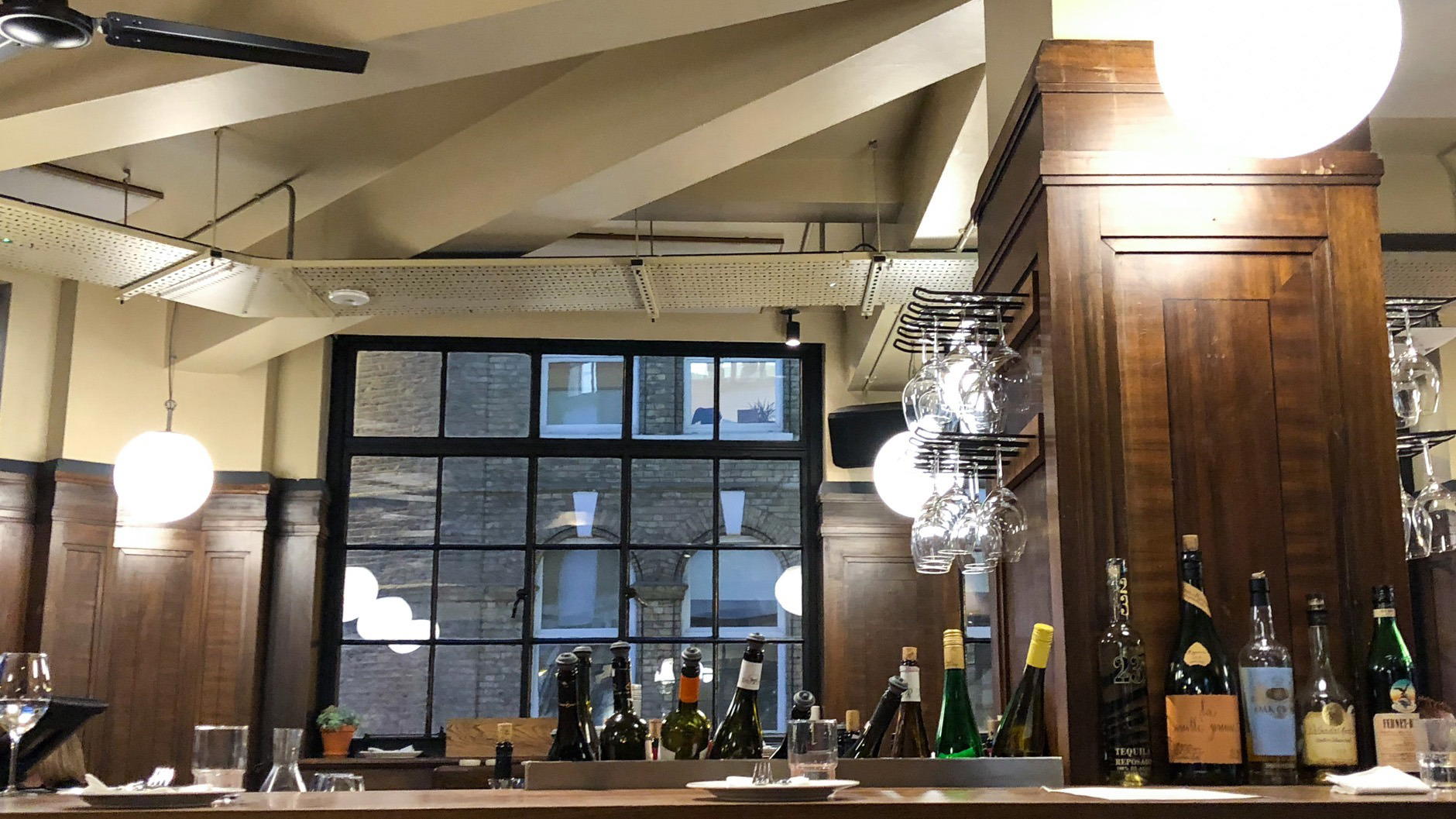
Cloth Fair is one of those London streets that resists the present tense. The lane itself predates the Great Fire of 1666, named for the cloth market that once operated in the shadow of St Bartholomew the Great. Number 44, a Georgian terraced house with a Grade II listing, survived that fire and most of what came after. Today its ground floor holds one of the more considered small restaurants in the EC1 postal code, the kind of place where the building's age does more atmospheric work than any interior designer could manage. Stripped wooden floors, candlelight, and snug dining rooms set the register before a dish arrives.
The neighbourhood context matters here. Smithfield, just around the corner, has been London's central meat market since the tenth century, and the wider Clerkenwell and Farringdon area carries that same density of trades-and-provisions history. The City of London proper sits a few minutes' walk east, which explains both the lunchtime demand and the closing pattern: Cloth does not open at weekends, trading squarely against the office week. That constraint shapes everything from the menu's scale to the atmosphere, this is a room that fills with people who have decided to make a proper occasion of a Tuesday, not tourists looking for a table on a Saturday afternoon.
A Wine Operation That Also Happens to Cook Very Well
The founding logic at Cloth is merchant-led. Wine importers Joe Haynes and Ben Butterworth opened the space as a wine-forward operation, and that priority remains visible throughout the experience. The cellar holds between 400 and 600 bottles at any one time, with European producers dominating. Haynes brings specialist knowledge of German Riesling to the list, which means the section on that grape goes deeper than most London restaurants would consider commercially sensible. Alongside those German classics sit off-piste bottles, new-wave discoveries, and some mature vintages that reward the oenophile willing to spend seriously. The by-the-glass selection rotates and is treated with the same attention as the full list rather than functioning as a default fallback.
This merchant-led wine identity places Cloth in a distinct position relative to its City and Clerkenwell peers. London has plenty of restaurants with ambitious wine lists assembled by sommeliers; it has fewer where the wine program is the founding rationale and the food has been built to complement that logic rather than the reverse. The result is a room where ordering a bottle is a considered act, not an afterthought. For comparison, the most decorated addresses in the capital, from CORE by Clare Smyth to The Ledbury, lead with the kitchen and build the cellar to match. Cloth inverts that hierarchy, which creates a genuinely different eating and drinking proposition.
The Cooking: Pared Back, Produce-Led, Seasonal
Traditional cuisine at this price tier in London tends to split between the formal country-house register, think Le Manoir aux Quat' Saisons or Gidleigh Park, and a more relaxed, bistro-inflected style that prioritises ingredient quality over technical complexity. Cloth belongs firmly to the second category, and chef Tom Hurst, previously at Lasdun, applies a format that suits the room: a single-sheet menu comprising four small plates and four larger ones, bookended by snacks and sides.
The sourcing is specific and traceable. Dorset crab and Somerset lamb appear as named references in how the kitchen talks about its produce, and the menu shifts with the seasons in ways that are legible rather than decorative. Game arrives when the season allows it. Handmade pasta carries whatever ingredient is performing at that moment. There is always a sharing plate on the menu. This is not a kitchen that maintains a static repertoire across twelve months, the framework is consistent, but the contents move.
The chunky chips have become the most-discussed dish in the room's public profile, which is both accurate and slightly misleading. They are well-executed, and the kitchen's commitment to getting a simple thing right is a reasonable indicator of the kitchen's broader discipline. But the menu's more interesting territory lies in what Hurst does with fish and with pastry. A Cornish cod fillet in braised cuttlefish with coco beans, an elegant beetroot and goat's curd tart, a rum baba when the tart is not on offer, these are the dishes that position Cloth closer to a serious London bistro than to a gastropub with aspirations. The £££ price point sits below the Michelin-starred destination tier, and Cloth holds a Michelin Plate recognition for both 2024 and 2025, placing it in a recognisable quality bracket without the full-star formality and pricing that comes with it.
Sub-£30 lunch prix-fixe is the sharpest value proposition in the room. At that price, against the backdrop of the City's lunchtime restaurant options, it overdelivers relative to its price tier. Bar snacks are available throughout the day, which means the space functions on a spectrum from a quick glass and something small to a full sitting with wine.
Where Cloth Sits in the London Bistro Scene
London's wine-forward bistro category has expanded considerably over the past decade. Neighbourhood-anchored rooms with serious cellars and produce-focused menus now appear across most inner districts, from Notting Hill and Soho to Hackney and Bermondsey. The City and EC1 corridor has historically lagged behind that shift, partly because weekend closures and corporate lunch culture made it harder to build the kind of regular local following that sustains this format. Cloth is an exception. The combination of the Smithfield address, the building's character, and the wine-merchant founding logic gives it a specific identity that the broader bistro field does not easily replicate.
For readers exploring the wider London food scene, the pub-dining tradition in the same price bracket includes rooms like The Pelican, The Hero, The Clarence Tavern, and The French House, all of which operate with a similar ingredient-led, atmosphere-first sensibility. The difference at Cloth is the wine program's depth and the founding merchant logic that shapes it. Internationally, the traditional cuisine category at this level also includes addresses like Auberge Grand'Maison in Mûr-de-Bretagne and Auga in Gijón, both of which share the same emphasis on regional produce and seasonal discipline that defines Cloth's approach. For destination restaurants further afield in Britain, see The Fat Duck in Bray, L'Enclume in Cartmel, Moor Hall in Aughton, and Hand and Flowers in Marlow.
For broader planning across the capital, EP Club covers London restaurants, London hotels, London bars, London wineries, and London experiences in full.
Planning Your Visit
Cloth is at 44 Cloth Fair, London EC1A 7JQ, a short walk from Barbican and Farringdon stations. The restaurant operates on weekdays only and does not open at weekends. The Michelin Plate award appears in both the 2024 and 2025 guides. The wine cellar runs to 400-600 bottles at any given time, with a rotating by-the-glass list. Bar snacks are available throughout service. Booking in advance is advisable, particularly for weekday lunch.
Frequently asked questions
What's the signature dish at Cloth?
The menu changes with the seasons, and chef Tom Hurst does not anchor the room to a single fixed dish. That said, the kitchen's chunky chips have drawn more consistent attention than anything else on the single-sheet menu. The sub-£30 weekday lunch prix-fixe is also frequently cited as the sharpest value proposition in the EC1A area.
How much does it cost to eat at Cloth?
Pricing at Cloth is listed as £££.
Where exactly is Cloth?
Cloth is located at 44 Cloth Fair, London EC1A 7JQ, United Kingdom, London.
Is there a head chef associated with Cloth?
The chef associated with Cloth is Tom Hurst.
Is Cloth reservation-only?
Cloth operates from a tightly packed ground-floor space inside a Grade II-listed Georgian house at 44 Cloth Fair, and the City-weekday-only format means demand concentrates at lunch and early evening. Bar snacks are served throughout the day without the full dining commitment, but for a table at a meal sitting, booking ahead is the practical approach.
Category Peers
| Venue | Cuisine | Price | Awards | Notes |
|---|---|---|---|---|
| ClothThis venue (the venue you are viewing) | Modern British Bistro | $50–100 | Michelin Plate · The Good Food Guide GFG Good | Not listed |
| The Ledbury | Modern British Fine Dining | $300–500 | 3 Michelin Stars · World's 50 Best #42 | Modern European, Modern Cuisine |
| Sketch, The Lecture Room and Library | Modern French Fine Dining | $200–300 | 3 Michelin Stars · World's 50 Best #18 | Modern French |
| CORE by Clare Smyth | Modern British Fine Dining | $150–200 | 3 Michelin Stars · World's 50 Best #97 | Modern British |
| Restaurant Gordon Ramsay | French Fine Dining | $200–300 | 3 Michelin Stars · World's 50 Best #13 | Contemporary European, French |
| Dinner by Heston Blumenthal | Historic British Fine Dining | $200–300 | 2 Michelin Stars · World's 50 Best #45 | Modern British, Traditional British |
Recognition history
Dated appearances from independent guides and award organizations, with the underlying list record or original source where available.
Michelin Plate
Michelin
The Good Food Guide GFG Good
The Good Food Guide
Full recognition history (4 entries)
Michelin Plate
Michelin
Michelin Plate
Michelin
Continue exploring
More in London
Restaurants in London
All restaurants in London →
Bars in London
All bars in London →



Details
- Cozy
- Intimate
- Elegant
- Romantic
- Date Night
- Business Dinner
- Special Occasion
- Historic Building
- Extensive Wine List
- Local Sourcing
- Small Plates
- A La Carte
- Prix Fixe
- Wine
Current opening hours
- Monday
- 12–10 PM
- Tuesday
- 12–10 PM
- Wednesday
- 12–10 PM
- Thursday
- 12–10 PM
- Friday
- 12–10 PM
- Saturday
- Closed
- Sunday
- Closed
Hours can change for holidays and private events. Last verified .
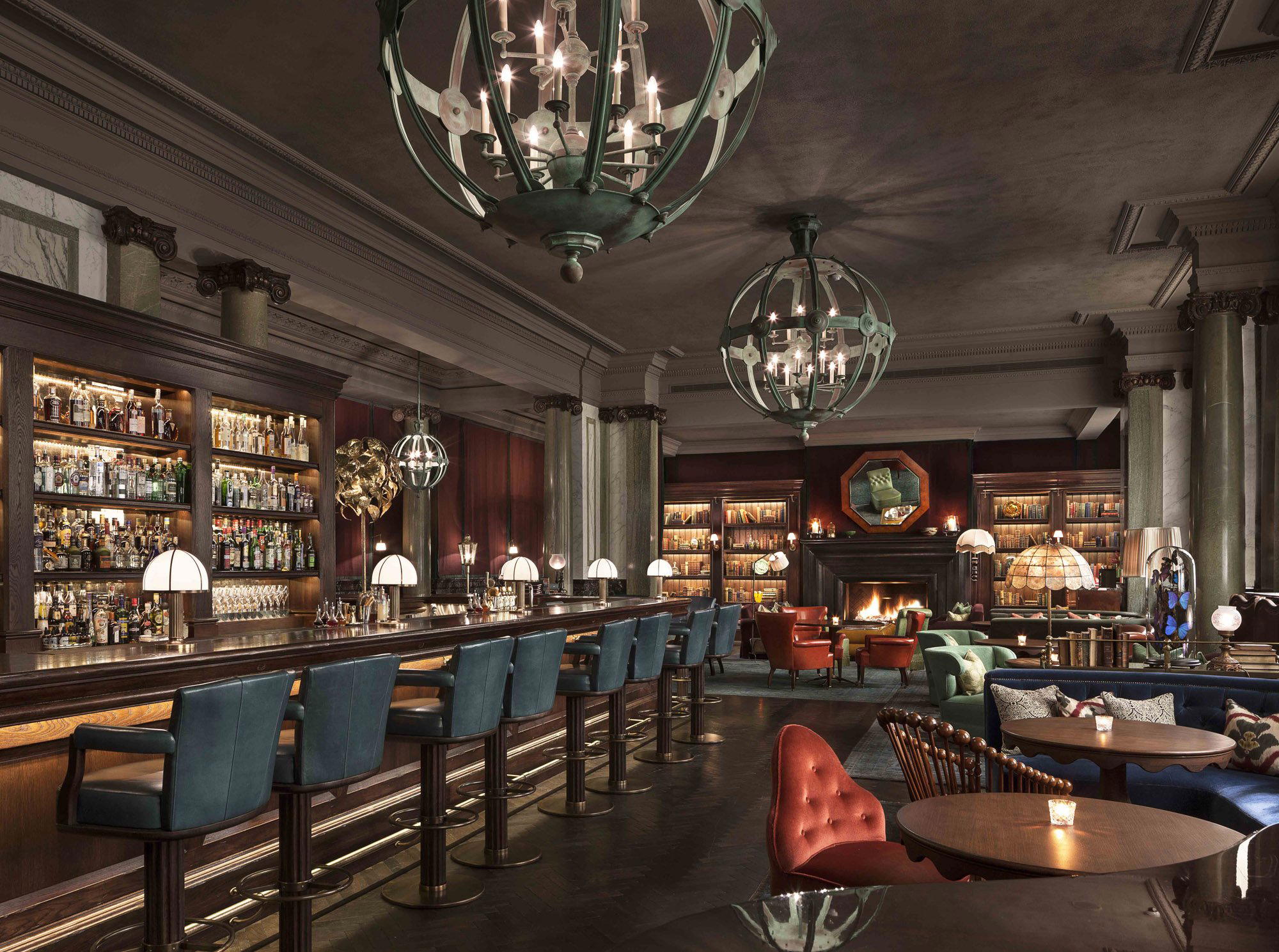
Candlelit tables flicker against dark walls, antique artwork, and wood floors, creating a cosy, atmospheric, and intimate bistro vibe with a buzzy energy.