
Falstaff Restaurant - 93 Falstaff Points
Our verdict
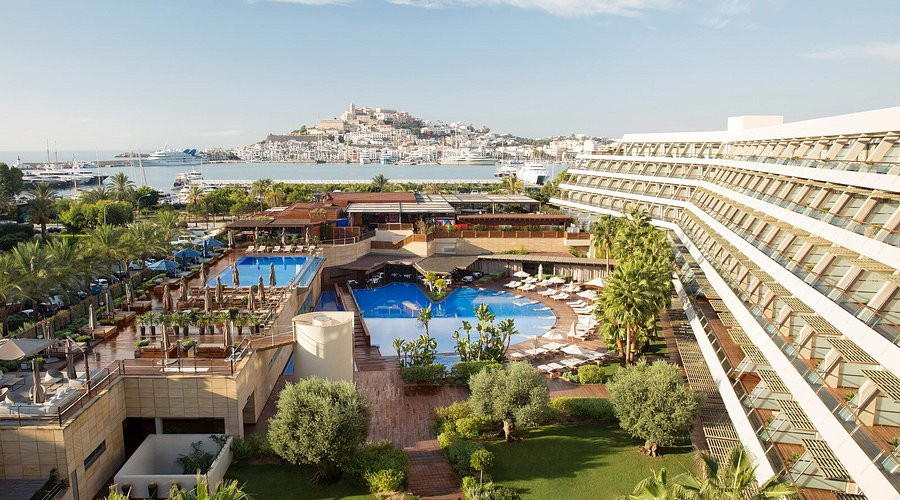
Cipriani brings its Venice-rooted Italian identity to Ibiza's waterfront Paseo Juan Carlos I, placing a globally recognised dining brand inside an island scene that runs from late-season beach clubs to year-round resident tables. The address positions it within easy reach of Eivissa's old town and marina, making it one of the more architecturally grounded options on a promenade better known for transient summer energy.

Pearl is the En Primeur Club membership app, where members save venues, book tables and use the concierge.
A Venetian Name on a Balearic Waterfront
The promenade stretch of Paseo Juan Carlos I in Eivissa sits at a peculiar intersection: it faces the working marina, backs up against the old town's ramparts, and absorbs the foot traffic of an island that draws both serious food travellers and seasonal party circuits. Restaurants here compete less on neighbourhood authenticity and more on staying power across Ibiza's compressed, high-season calendar. Into that context, Cipriani arrives carrying one of the more freighted names in Italian dining history.
The Cipriani lineage traces to Venice's Hotel Cipriani and Harry's Bar, institutions that shaped how the world understood a particular register of Italian hospitality: white tablecloths, Bellinis, carpaccio, risotto executed with precision rather than provocation. That register is not the cutting edge of contemporary Italian cooking. It does not aspire to be. The brand operates in a different tier from what you find at, say, Le Bernardin in New York City or the tasting-menu progressivism of Lazy Bear in San Francisco. It is classical, ceremony-forward, and built around a dining public that already knows what it wants.
The Italian Classic in a Spanish Summer Context
Italian cooking has a specific trajectory when it travels to resort destinations. In many coastal European markets, it defaults to the lowest common denominator: pizza, pasta, aperitivo shortcuts. The Cipriani model runs counter to that pattern. The global network of Cipriani outposts, from downtown Manhattan to the Yas Island Abu Dhabi property, has maintained a consistency of format and price positioning that keeps the brand inside a premium bracket regardless of location. The Ibiza address follows that pattern, placing Italian-inflected dining within a Spanish island setting where the dominant local tradition runs toward seafood, rice dishes, and the kind of simple grilled fish that places like El Bigotes have built long-term reputations around.
That tension between imported Italian formality and the island's own culinary instincts is worth sitting with. Ibiza's dining scene has never been purely local. The island's decades-long role as a destination for northern European visitors, and more recently for a wealthier international crowd, has made it receptive to transplanted brand formats. What distinguishes Cipriani from the island's other international imports is the cultural weight it carries: the Venetian originals are not just restaurants but reference points in the broader history of European café culture and the internationalisation of Italian cuisine through the twentieth century.
For a counterpoint from within Spain's own high-end culinary conversation, the work happening at Quique Dacosta in Dénia, El Celler de Can Roca in Girona, or DiverXO in Madrid represents a different pole entirely. Those restaurants are arguments about what Spanish cooking can become; Cipriani in Ibiza is a statement about continuity and the durability of a particular Italian dining template.
Where It Sits in the Ibiza Dining Conversation
Ibiza's premium restaurant tier has diversified considerably in the last decade. The island now accommodates everything from the theatrical high-concept format of Sublimotion by Paco Roncero, whose per-head cost occupies a category of its own, to the refined Japanese counter work at Omakase by Walt, the creative Spanish cooking at 1742, and the rooted regional tradition at Can Font. Against that spread, Cipriani occupies a specific position: it offers Italian dining with brand-level consistency and a formal service register that the island's beach club equivalents do not attempt to replicate.
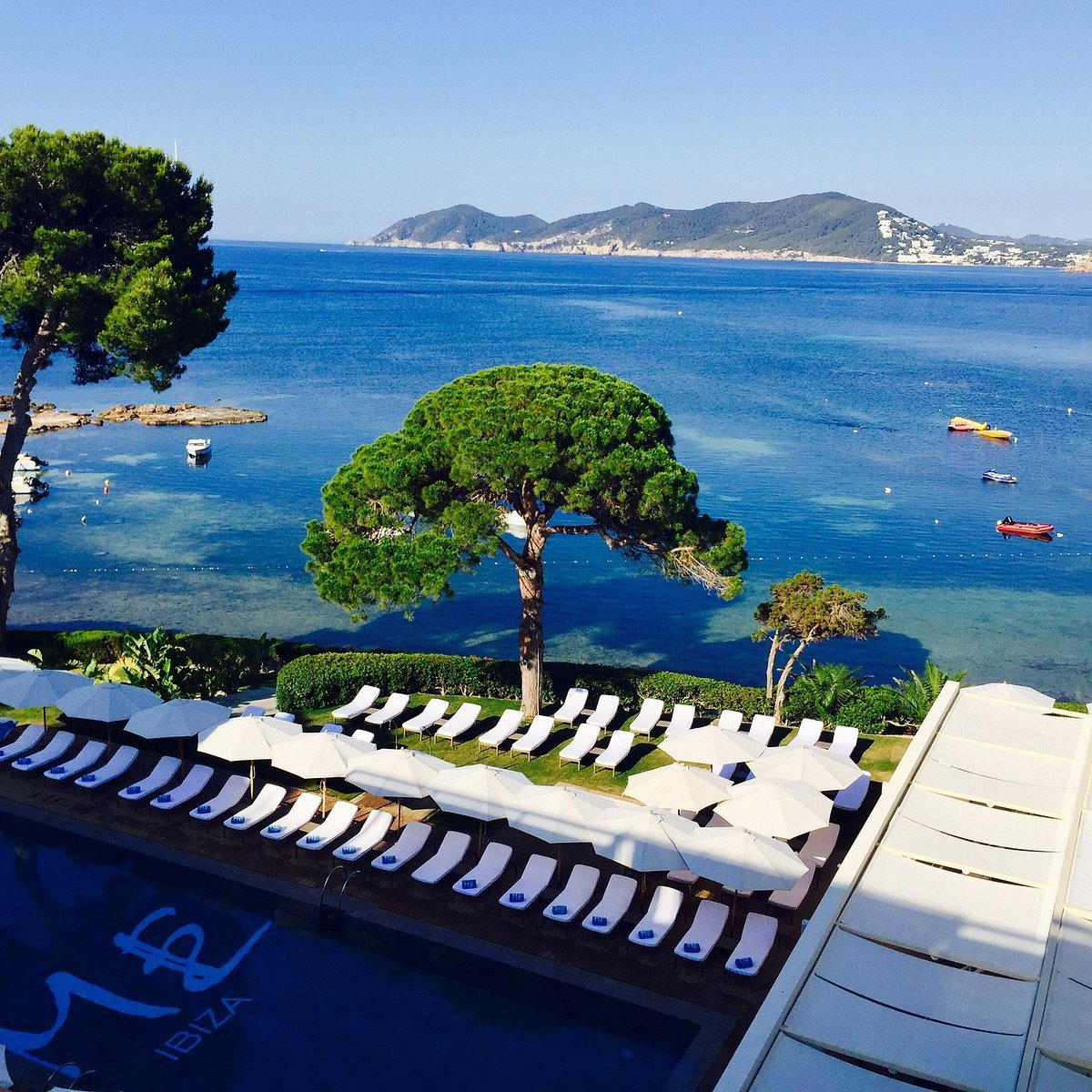
The beach club format, represented by options like Chambao By the Beach and Club de Playa SHU Talamanca, draws a different dining public: one oriented toward afternoon sessions, shared plates, and the visual spectacle of the coastline. Cipriani's waterfront address on Paseo Juan Carlos I places it near those precincts without fully belonging to them. The formality of the Cipriani brand model, its associations with white-jacketed service and a menu built around Venetian-inflected classics, positions it as an evening dining destination rather than a daytime social venue.
Within Spain more broadly, the restaurants that have attracted serious critical attention, from Arzak in San Sebastián and Azurmendi in Larrabetzu to Martin Berasategui in Lasarte-Oria, Aponiente in El Puerto de Santa María, Mugaritz in Errenteria, Ricard Camarena in València, and Cocina Hermanos Torres in Barcelona, are all doing something rooted in Spanish culinary identity, often with a deep sense of place. Cipriani is doing something different: it is importing a Venetian dining culture and asking whether that culture translates across a Balearic summer crowd.
Planning a Visit
Cipriani sits at Paseo Juan Carlos I, nr. 17, in Eivissa, the island's main town. The address puts it on the harbour-facing promenade, within walking distance of the marina and the lower edges of Dalt Vila, the old town. Given Ibiza's strong seasonal pattern, with the island's premium dining scene running at full capacity between late May and early October, reservations during the peak July-to-August window will require advance planning. The Cipriani brand typically operates table service at the upper end of the local price range, consistent with its positioning across other international outposts, though specific pricing for the Ibiza address is best confirmed directly before visiting. For a broader picture of where Cipriani fits among the island's full range of options, our full Ibiza restaurants guide maps the scene across formats, price tiers, and neighbourhoods.
Frequently asked questions
Can I bring kids to Cipriani?
Cipriani's Venetian heritage brand has historically positioned its dining rooms toward an adult clientele, and the waterfront setting on Paseo Juan Carlos I, nr. 17 in Eivissa reflects that tone. Families with older children who are comfortable at a sit-down, table-service dinner tend to fare better here than those with very young children. Confirming the venue's current policy directly before booking is advisable, as Ibiza summer scheduling can affect seating arrangements.
What is the atmosphere like at Cipriani?
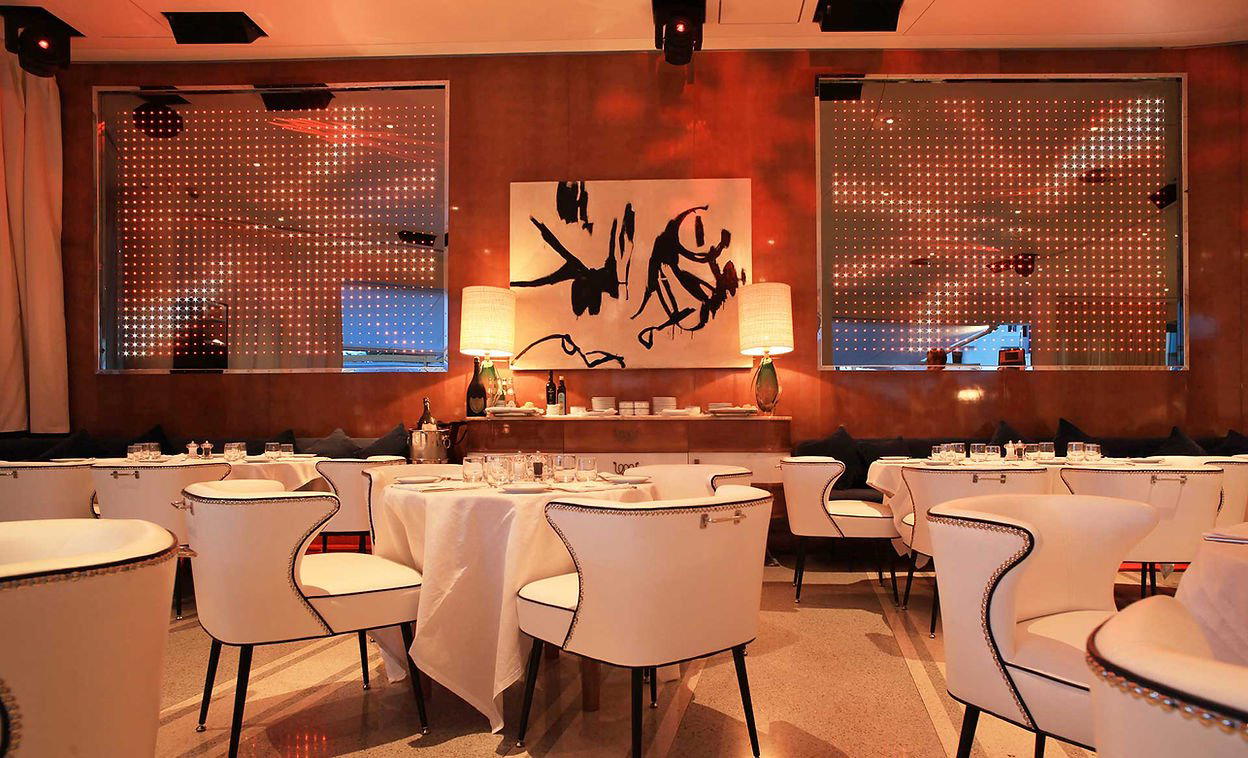
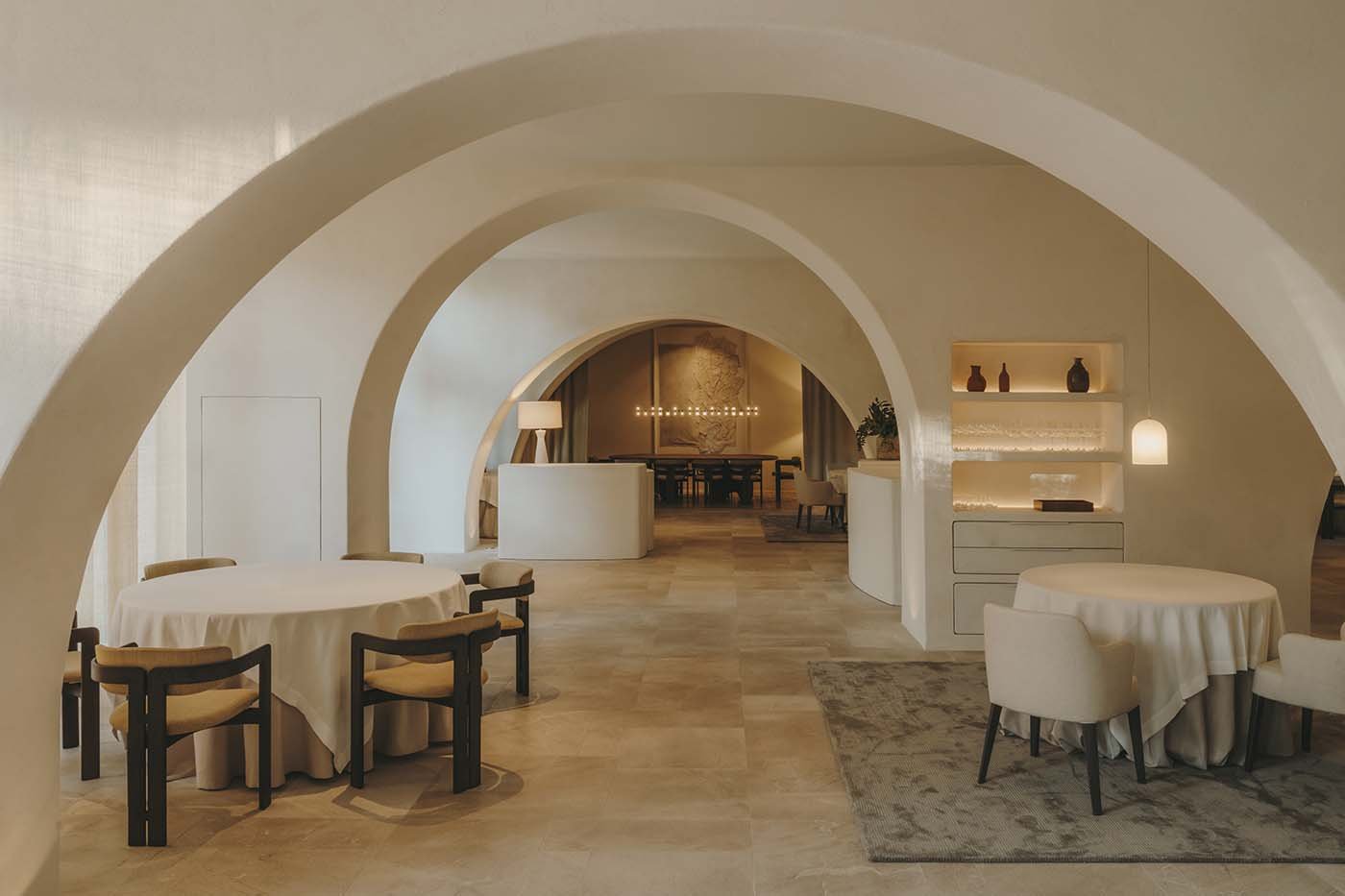
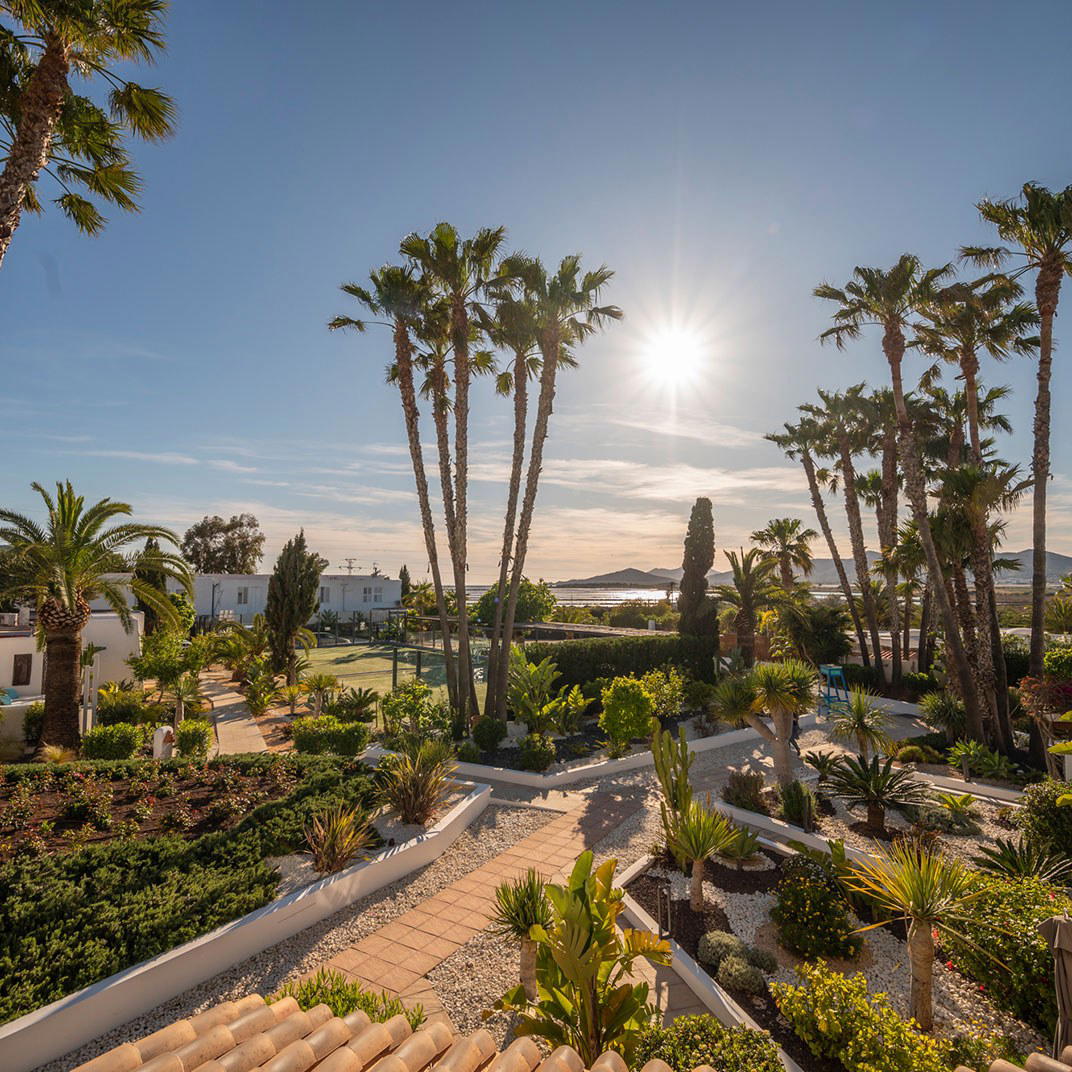
The room occupies a prime section of the harbour-facing promenade on Paseo Juan Carlos I, which means the backdrop is Eivissa's working marina rather than a resort pool deck. The Cipriani brand carries a specific mid-century Italian refinement, white tablecloths, measured service, and interiors that don't chase trend cycles. In Ibiza's context, that registers as a deliberate contrast to the island's louder, high-concept venues.
How does Cipriani Ibiza relate to the original Venice institution?
The Cipriani name traces directly to Harry's Bar in Venice, one of Europe's most documented restaurant-bar lineages and the origin point of both the Bellini cocktail and beef carpaccio. The Eivissa outpost on Paseo Juan Carlos I carries that brand into the Balearic summer market, placing a historically Italian-Venetian kitchen within one of Spain's most competitive seasonal dining scenes. That lineage is the primary credential distinguishing it from the broader field of Italian restaurants on the island.
What do people recommend at Cipriani?
The Cipriani name is built on a canon of Venetian classics: Harry's Bar-originated preparations have historically defined what returning guests seek out, from carpaccio to risotto. Without current confirmed menu data for the Eivissa location specifically, the safest approach is to ask the floor staff what the kitchen is running that day, as waterfront Italian kitchens at this tier typically orient daily specials around local catch. The address at Paseo Juan Carlos I, nr. 17 puts you close enough to the marina that seasonal seafood is a reasonable expectation.
Cost Snapshot
| Venue | Cuisine | Price | Awards | Notes |
|---|---|---|---|---|
| CiprianiThis venue (the venue you are viewing) | Classic Italian Harry's Bar Cuisine | Not listed | Falstaff Restaurant - 93 Falstaff Points | Not listed |
| La Gaia | Modern Mediterranean Fine Dining | Not listed | 1 Michelin Star · Falstaff Restaurant - 96 Falstaff Points | Not listed |
| Omakase by Walt | Modern Japanese Omakase | $200–300 | 1 Michelin Star · Guía Repsol 1 Sol | Japanese |
| El Bigotes | Authentic Ibizan Fisherman's Bullit de Peix | $20–30 | Not listed | Not listed |
| Sublimotion by Paco Roncero | Avant-Garde Spanish Molecular Gastronomy | $500+ | Not listed | Not listed |
| Es Xarcu | Traditional Ibizan Seafood | $50–100 | Guía Repsol 1 Sol | Not listed |
Recognition history
Dated appearances from independent guides and award organizations, with the underlying list record or original source where available.
Falstaff Restaurant - 93 Falstaff Points
Falstaff
Continue exploring
More in Ibiza
Restaurants in Ibiza
All restaurants in Ibiza →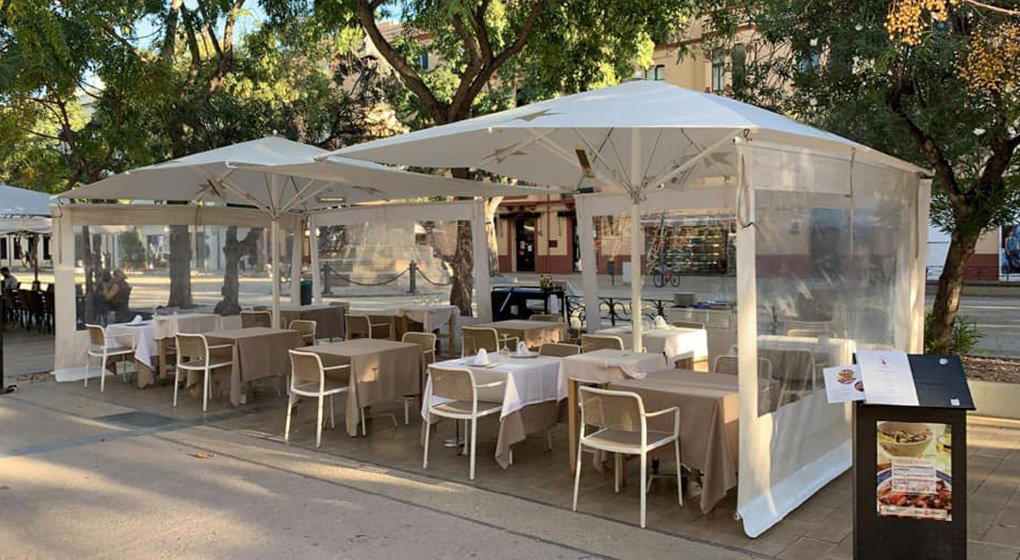
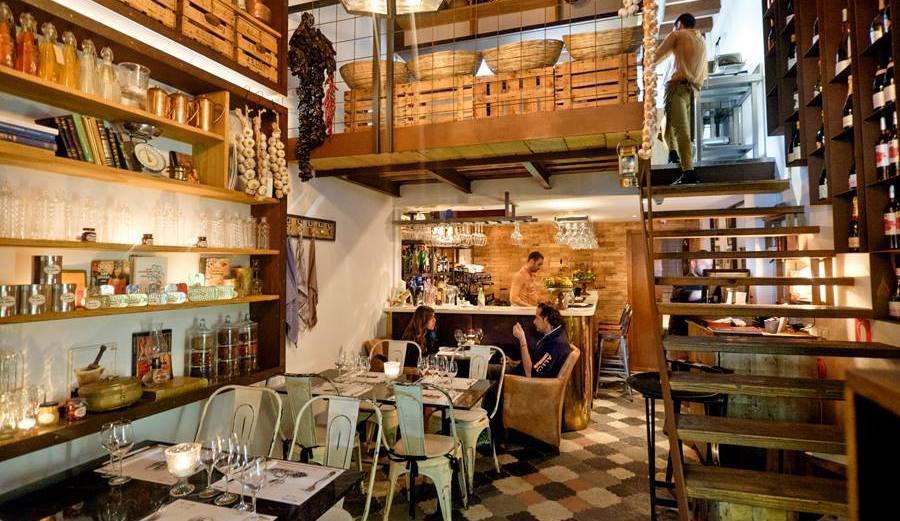
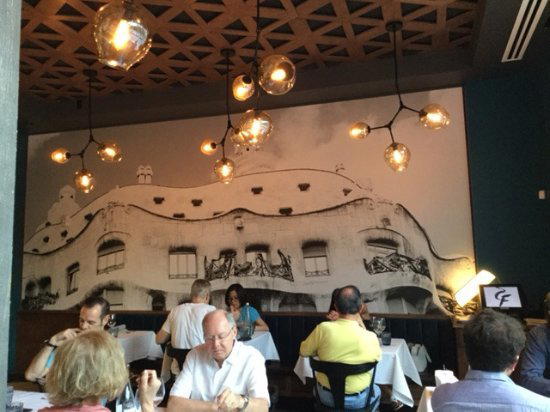
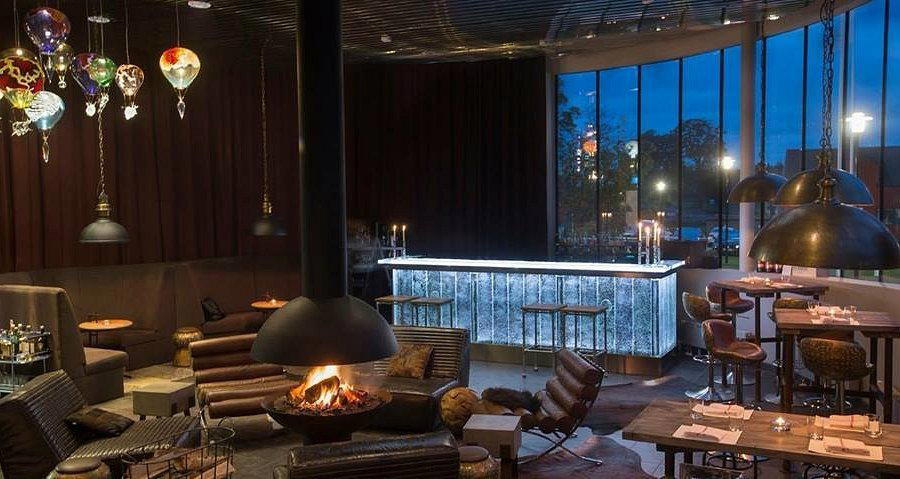
Bars in Ibiza
All bars in Ibiza →
Details
- Elegant
- Sophisticated
- Classic
- Ornate
- Special Occasion
- Date Night
- Celebration
- Terrace
- Live Music
- Waterfront
- Hotel Restaurant
- Waterfront
- A La Carte
- Vegetarian Friendly
Current opening hours
- Monday
- 8 PM–2 AM
- Tuesday
- 8 PM–2 AM
- Wednesday
- 8 PM–2 AM
- Thursday
- 8 PM–2 AM
- Friday
- 8 PM–2 AM
- Saturday
- 8 PM–2 AM
- Sunday
- 8 PM–2 AM
Hours can change for holidays and private events. Hours as of .
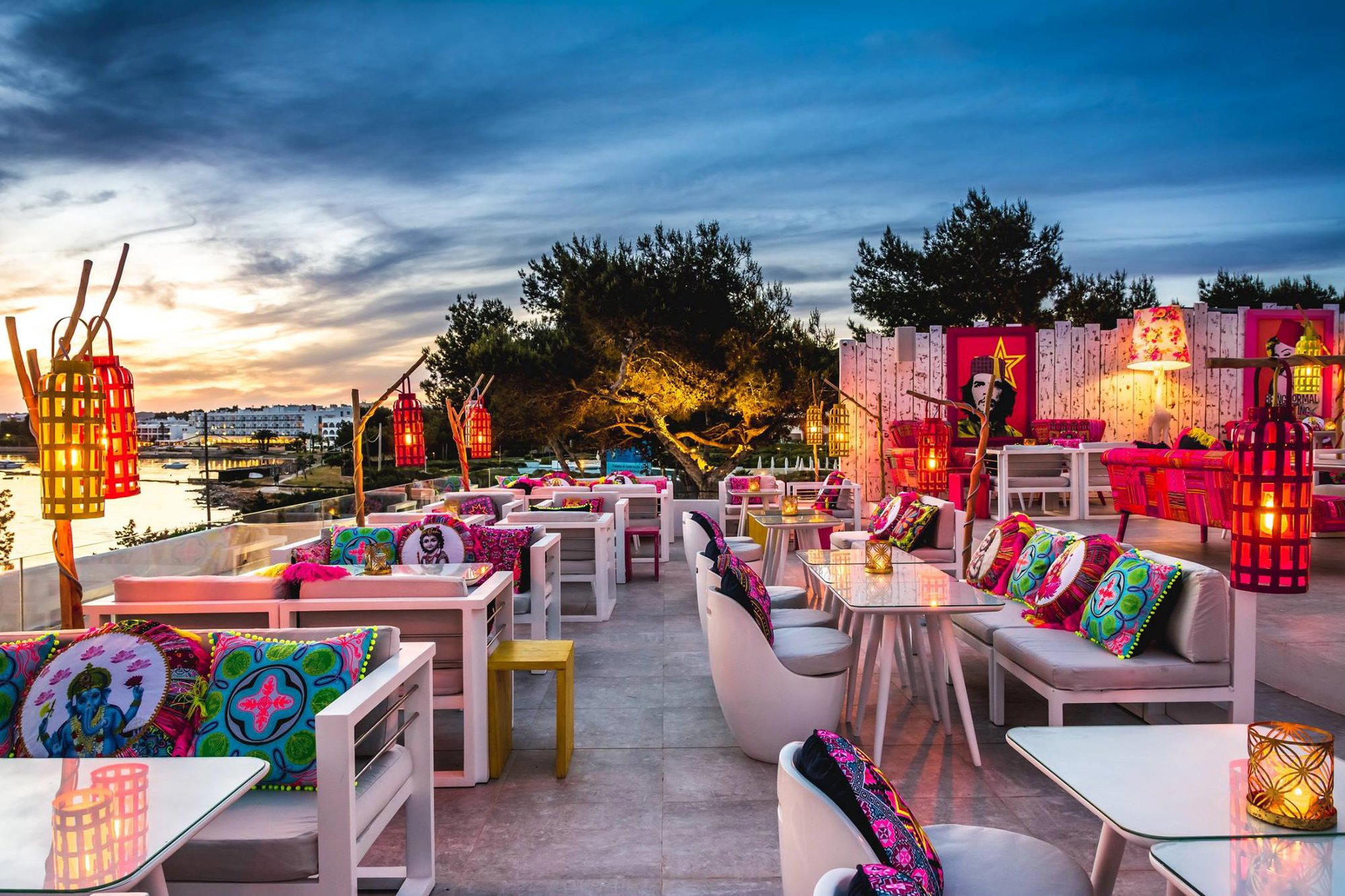
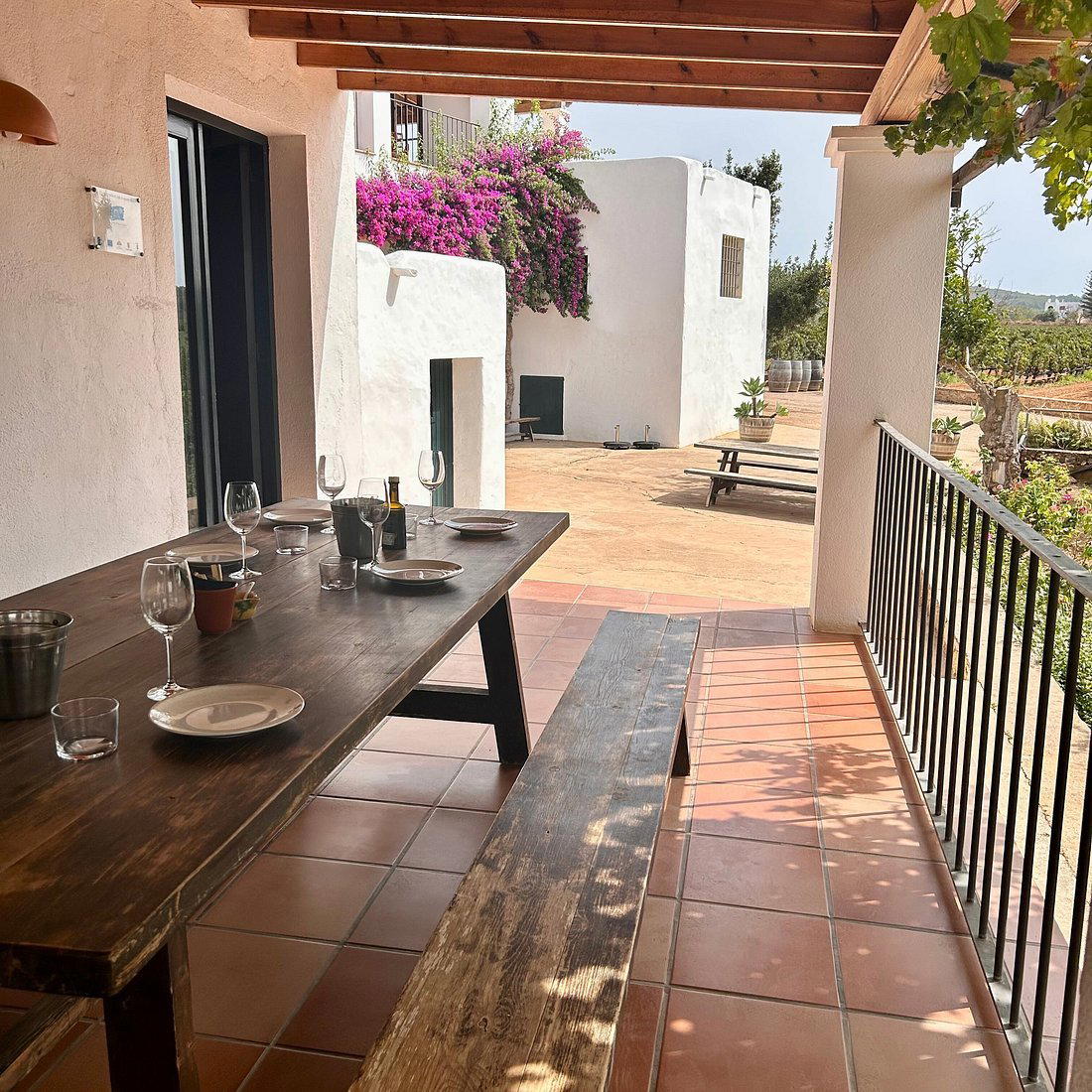
Timeless elegance blending tradition with modern sensibility, featuring live orchestra music, DJ, and beautifully decorated spaces.