

Set inside two glass cubes within the Migjorn Ibiza hotel near Playa d'en Bossa, Unic offers two structured tasting menus built around locally sourced Ibizan ingredients. French chef David Grussaute works closely with small-scale producers, breeders, and local fishermen to produce dishes with intense flavours and precise sauces, placing the restaurant among the more serious fine-dining options on the island.
Pearl is the En Primeur Club membership app — saves, bookings, and concierge access live there. Same editors, same standards.
- Address
- Carrer de les Begònies, 18, 07817 Sant Josep de sa Talaia, Illes Balears, Spain
- Phone
- +34 971 39 35 73
- Website
- unicrestaurantibiza.com
- Directions
- Get directions
 Saves & bookings on Pearl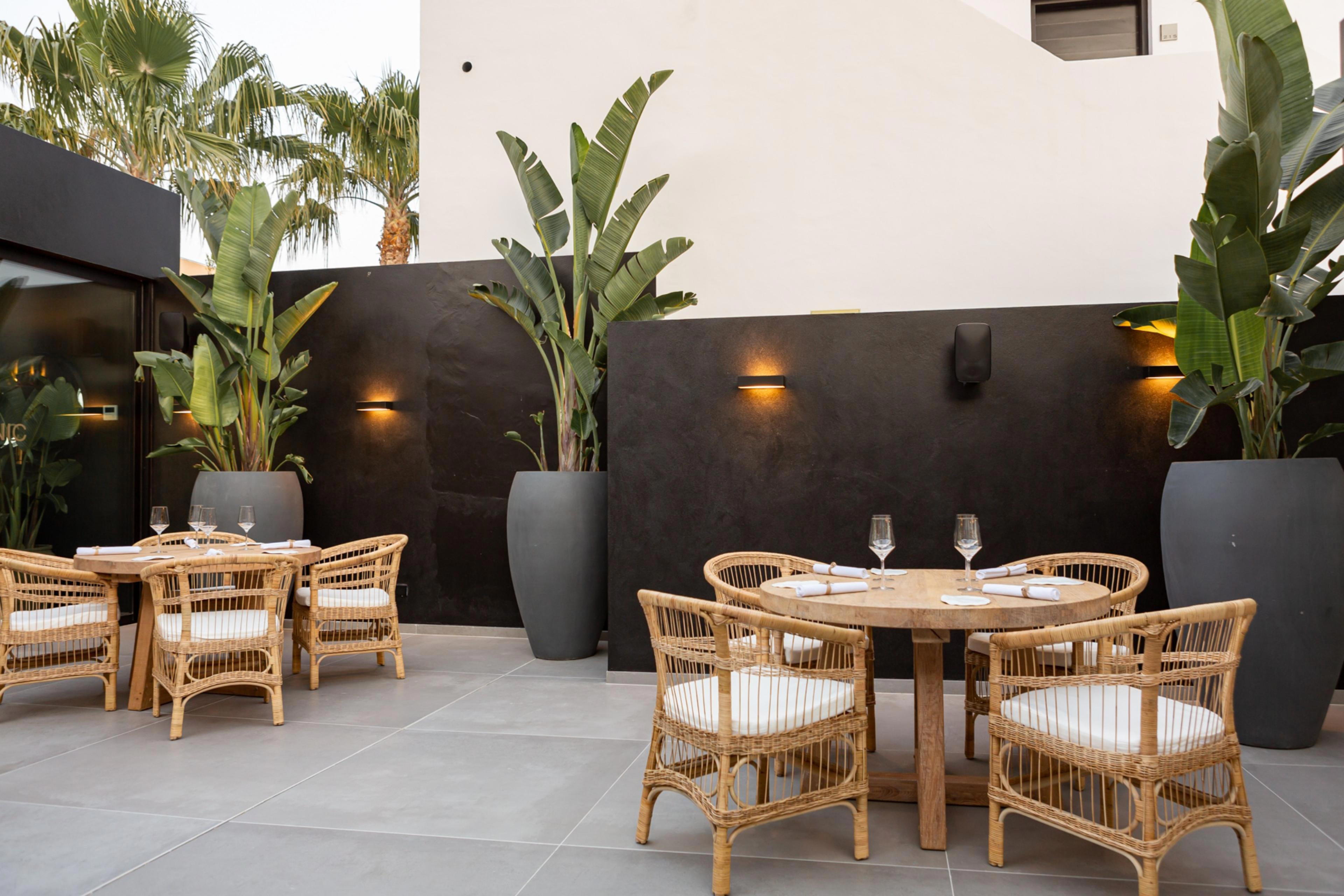
Glass, Light, and the Architecture of a Meal
Ibiza has spent decades negotiating its own contradictions: an island whose agriculture and fishing traditions run deep, yet whose reputation is shaped almost entirely by its nightlife economy. The fine-dining tier that has emerged here in recent years represents a quiet counter-argument to that reputation. At Unic in Sant Josep de sa Talaia, the architecture makes the argument visible before a dish arrives. One Michelin star and a €100 tasting-menu experience give it clear definition from the start. The restaurant occupies two glass cubes within the Migjorn Ibiza hotel, positioned in the Playa d'en Bossa corridor, and the transparency of the structure is not incidental. You enter into a space where the boundary between interior and environment is deliberately thin, a physical cue that the meal about to unfold will keep returning to the island outside.
That relationship between container and content matters in innovative Mediterranean cooking. Across Spain, the restaurants that have earned sustained critical attention, from Quique Dacosta in Dénia to Aponiente in El Puerto de Santa María, have all developed a legible visual language that connects the dining room to a specific coastal or agricultural identity. Unic operates in that tradition, at a price point (€€€) that places it below the €€€€ tier occupied by those benchmark names but within a comparable set that includes serious tasting-menu destinations across the Balearics.
The Ritual of Two Menus
The structure of a meal at Unic follows a format common to contemporary Spanish fine dining: a fixed tasting menu with named chapters that guide the pace and logic of the experience. What Unic offers specifically are two distinct menus, titled Unic and La Xanga, each divided into sections called Prelude, From the Sea, Surf and Turf, From the Land, and A Moment of Sweetness. That architecture is worth pausing on. The chapter titles are not decorative; they announce a deliberate sequencing in which the meal moves from introduction through the sea's resources, across a land-and-sea bridge, into the island's agricultural interior, and finally into something sweet and reflective.
This kind of ritual pacing has become a hallmark of the Spanish tasting-menu tradition that stretches from El Celler de Can Roca in Girona through Arzak in San Sebastián and Mugaritz in Errenteria. The format at Unic draws on the same logic, adapted to an island whose resources are defined by the sea on every side and by a small but active community of producers working its interior. Chef David Grussaute collaborates directly with small-scale producers, breeders, and the local fishing community to source the ingredients that populate each section. The French technical background shows in the emphasis on sauce work; the notes from Michelin's own assessment of the restaurant specifically identify intense flavours and highly delicate sauces as defining characteristics of the kitchen's output.
What the Island Supplies
The broader context for Unic's sourcing approach is the Pityusic archipelago itself, the cluster of islands that includes Ibiza and Formentera and takes its name from the ancient Greek word for pine. The island's fishing community operates at a scale that makes genuine direct relationships between kitchen and boat feasible in a way that is harder to sustain in larger urban restaurant contexts. The agricultural interior of Ibiza, less photographed than its coastline, supports producers working with local breeds and seasonal crops. Unic's two menus are structured to move through both environments, from the sea's daily catch through to land-raised products, with the Surf and Turf chapter functioning as the explicit hinge between them.
That sourcing commitment connects Unic to a wider movement in Spanish coastal fine dining. Venues like Disfrutar in Barcelona and Azurmendi in Larrabetzu have each built critical standing partly on the specificity of their ingredient relationships. At Unic, the island geography makes that specificity clear: when the menu refers to the sea, the sea is visible through the glass walls. The dessert section, A Moment of Sweetness, reportedly culminates in a course called Pityuses, island of pines, which Michelin's reviewer described as evoking the experience of eating a Mediterranean forest, a concentrated effort to distil the island's aromatic landscape into a sweet course. That kind of place-specific dessert signals a kitchen that treats the closing chapter of the meal as seriously as its opening.
The innovative category positions Unic alongside a global tier of restaurants where technique serves concept rather than convention. Comparable addresses in that mode include alla prima in Seoul and MAZ in Tokyo, both of which use tasting-menu architecture to make an argument about a specific culinary identity. DiverXO in Madrid and Martin Berasategui in Lasarte-Oria represent the Spanish tier of that same impulse at higher price points.
Planning the Evening
Unic operates Wednesday through Sunday, with seatings from 7:30 PM to 11:30 PM; Monday and Tuesday the restaurant is closed. The hotel setting at Migjorn Ibiza, in the Playa d'en Bossa area, means parking and access are more direct than at some of the island's more remote dining destinations. The €€€€ price range reflects a tasting-menu format and positions the experience above casual dining. Given the limited operating nights and the island's seasonal peak between June and September, early reservation is sensible for summer visits.
For those building a broader picture of the island's dining and hospitality options, Ca's Milà offers Mediterranean cooking in the same municipality, and Es Boldado provides a seafood-focused counterpoint with a more informal register.
Cuisine-First Comparison
Comparable venues nearby, for context on price, style, and recognition.
| Venue | Cuisine | Price | Awards | Notes |
|---|---|---|---|---|
| UnicThis venue — the venue you are viewing | Modern Mediterranean Fine Dining | $$$$ | Michelin 1 Star | Not listed |
| Es Boldado | Mediterranean Seafood | $$$ | Michelin Plate | Sant Josep de sa Talaia |
| Ca's Milà | Traditional Ibizan Seafood | $$$ | Michelin Plate | Cala Tarida |
| Es Xarcu | Traditional Seafood and Mediterranean | $$$ | Not listed | Cala Es Xarco / Porroig |
| Jondal | Upscale Mediterranean seafood beach restaurant | $$$$ | Not listed | Cala Jondal |
| The View | Modern Mediterranean & International Fine Dining | $$$$ | Not listed | Near San Antonio |
Recognition history
Dated appearances from independent guides and award organizations, with the underlying list record or original source where available.
Falstaff Restaurant - 95 Falstaff Points
Falstaff
Michelin 1 Star
Michelin
Michelin 1 Star
Michelin
Michelin 1 Star
Michelin
Continue exploring
More in Sant Josep de sa Talaia
Restaurants in Sant Josep de sa Talaia
Browse all →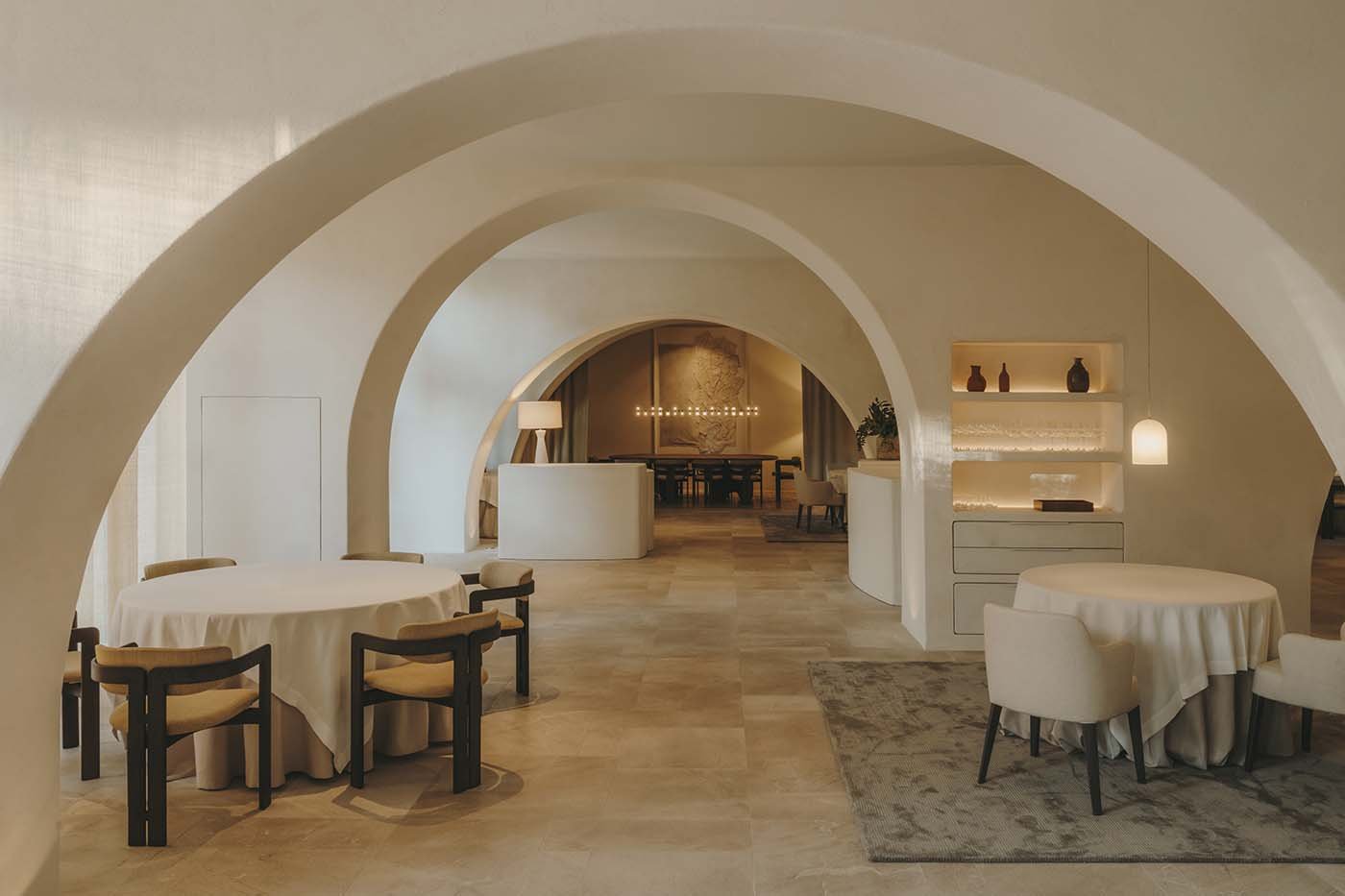
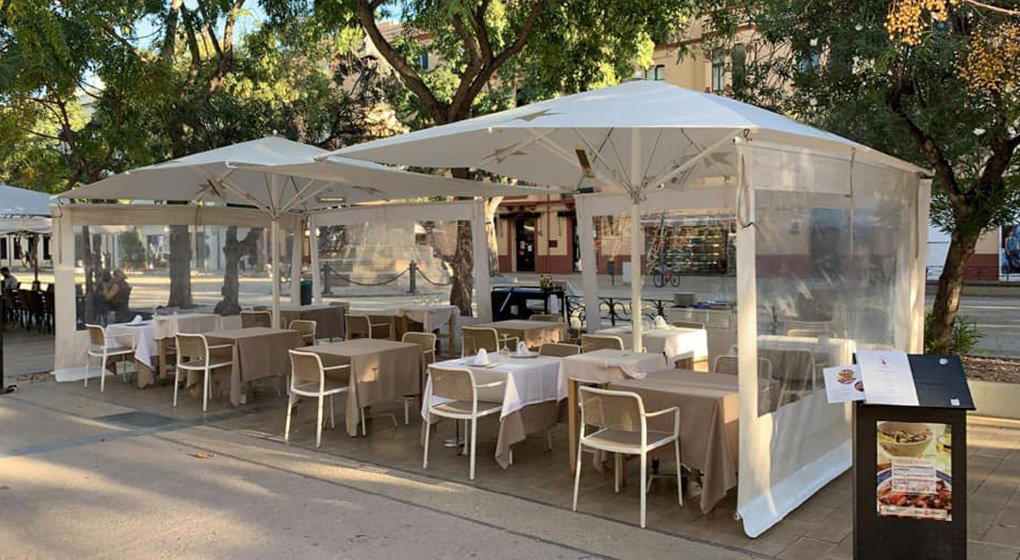
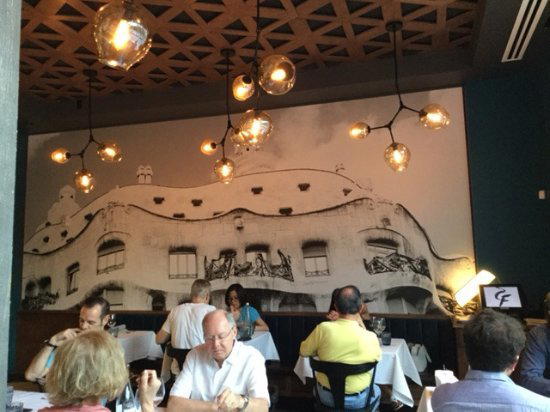
Bars in Sant Josep de sa Talaia
Browse all →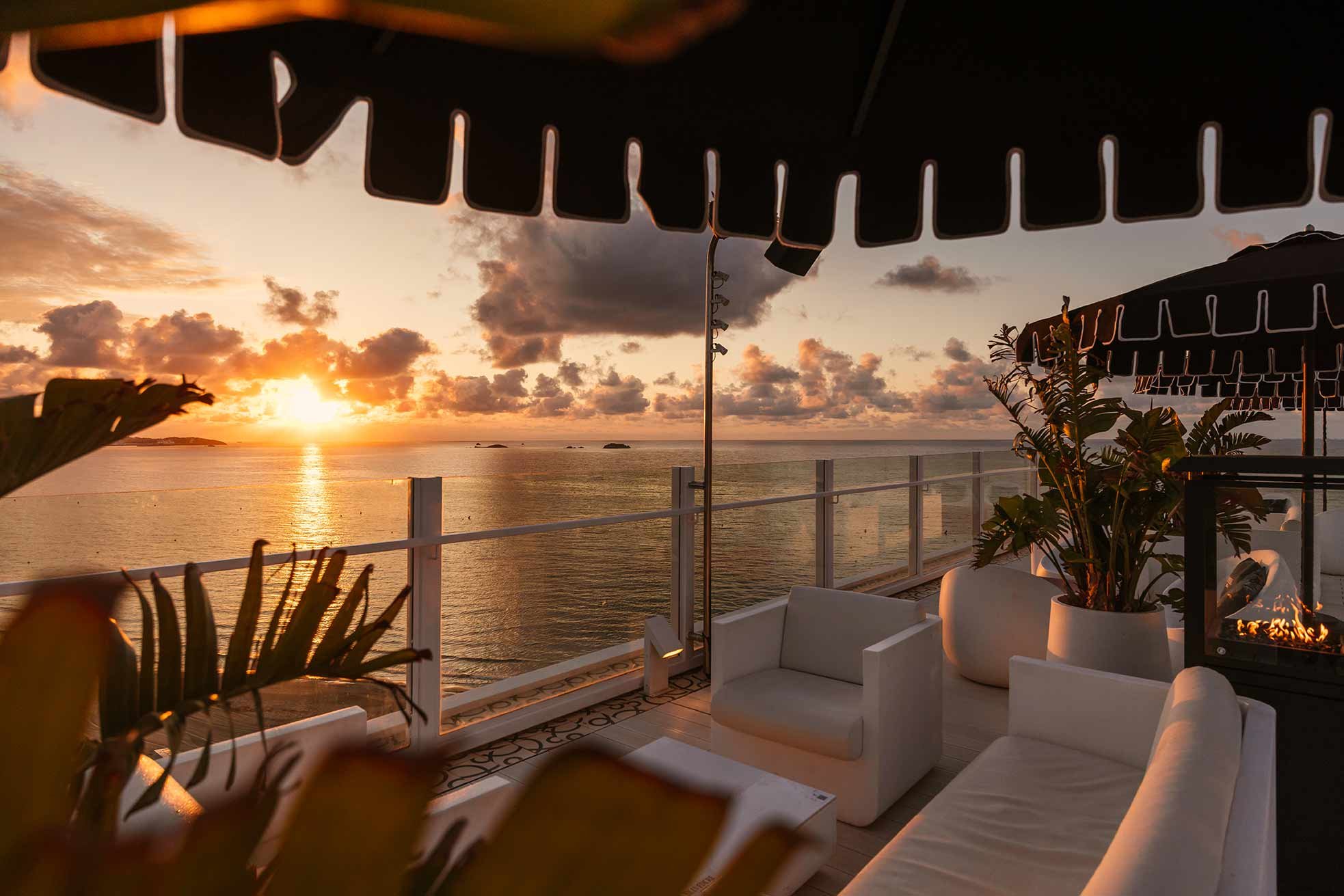
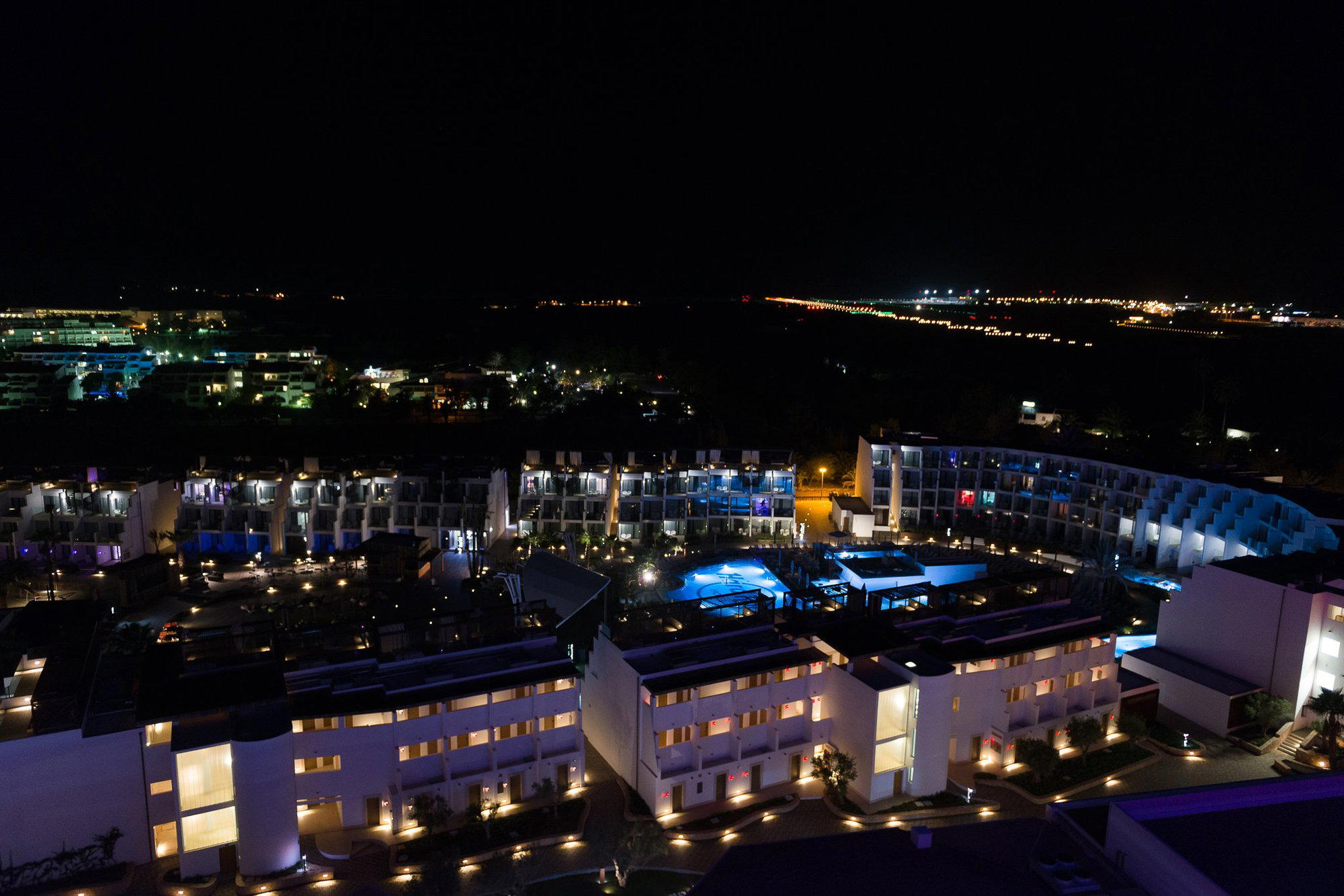
Hotels in Sant Josep de sa Talaia
Browse all →
Wineries in Sant Josep de sa Talaia
Browse all →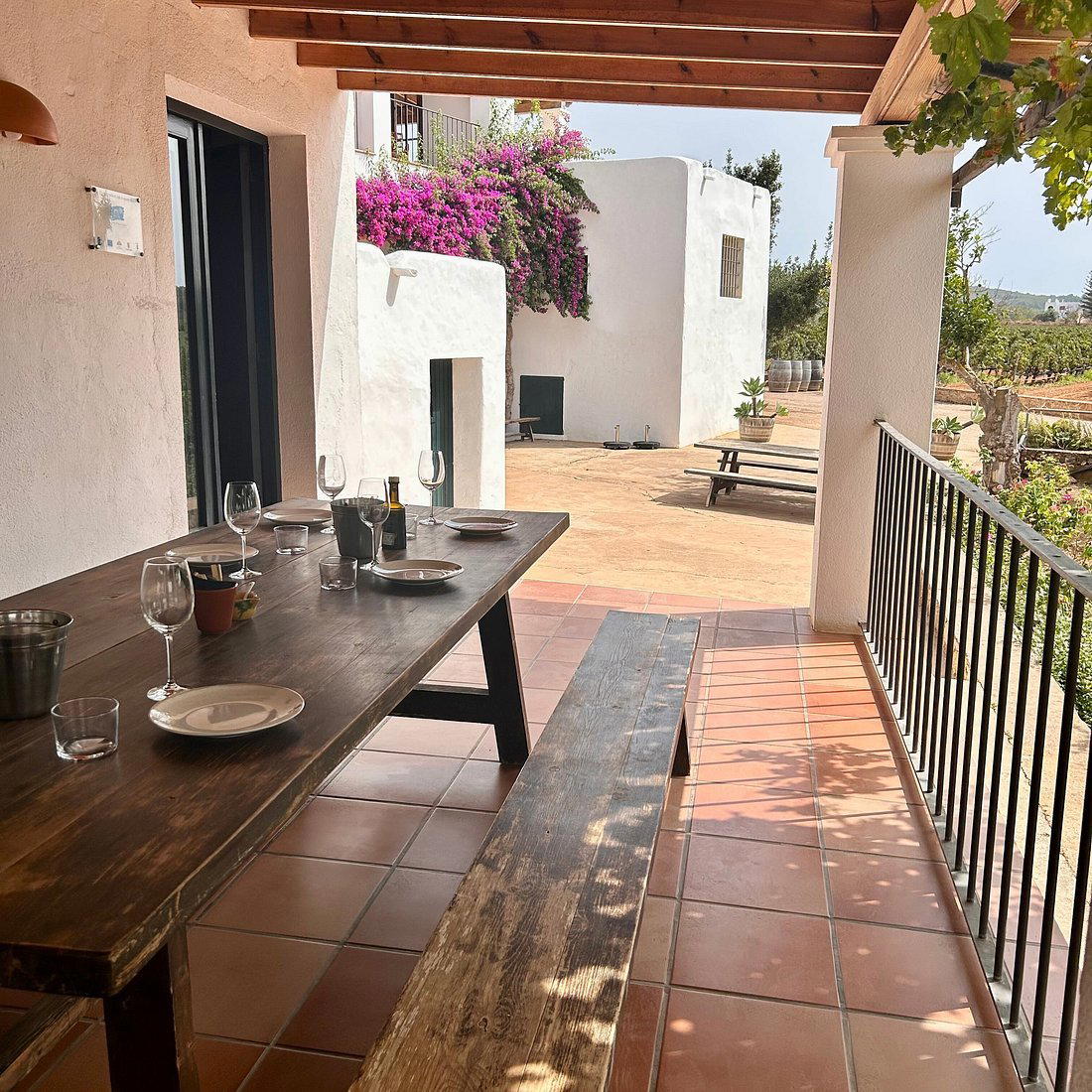
At a Glance
- Elegant
- Intimate
- Sophisticated
- Cozy
- Date Night
- Special Occasion
- Hotel Restaurant
- Extensive Wine List
- Local Sourcing
Current opening hours
- Monday
- Closed
- Tuesday
- Closed
- Wednesday
- 7:30–11:30 PM
- Thursday
- 7:30–11:30 PM
- Friday
- 7:30–11:30 PM
- Saturday
- 7:30–11:30 PM
- Sunday
- 7:30–11:30 PM
Hours can change for holidays and private events. Last verified .
Relaxed, cozy, and elegant atmosphere with comfortable seating, beautiful presentation, and a calm oasis amidst Ibiza's bustle.