Our verdict
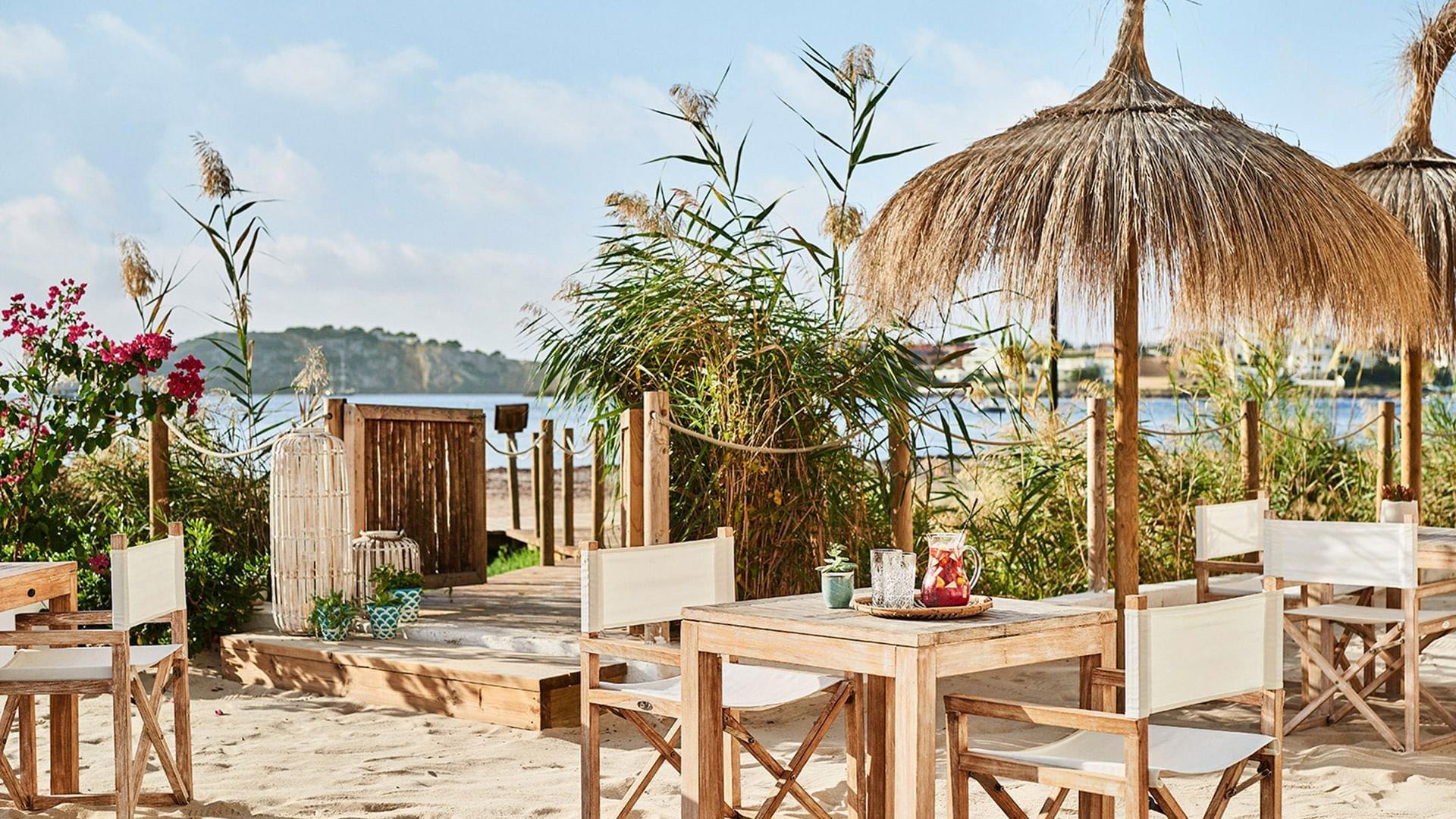
Chambao By the Beach sits on the edge of the ses Feixes wetlands near Eivissa town, where the meeting of agricultural land and coastline shapes the kind of dining that Ibiza's more considered visitors seek out. The setting places it in a distinct tier from the island's beach-club spectacle circuit, drawing a crowd more interested in the food on the plate than the DJ on the deck.

Pearl is the En Primeur Club membership app, where members save venues, book tables and use the concierge.
The menu
What to order
- Valencian paella
- Grilled fish
- Lobster brioche
Where the Wetlands Meet the Water
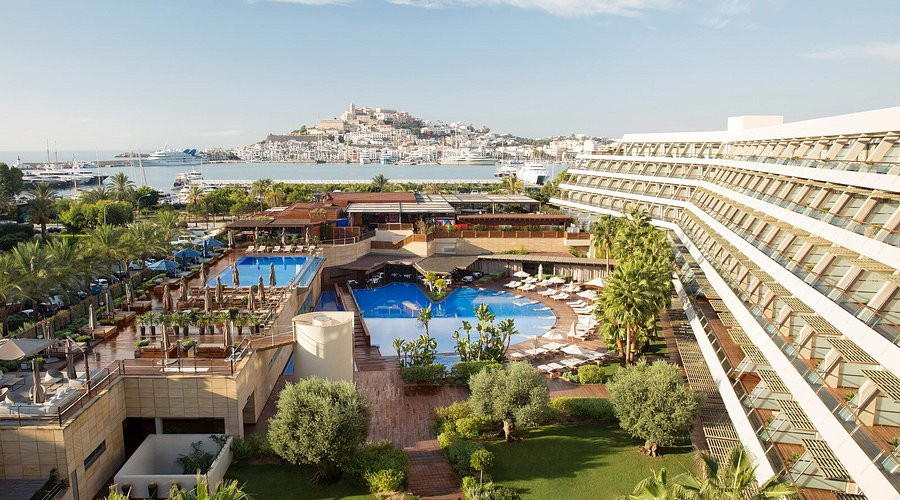
Approaching Chambao By the Beach along Camí ses Feixes, the road that cuts through one of Ibiza's few remaining protected wetland corridors, you understand immediately that this is not the island's dominant hospitality register. The ses Feixes wetlands, a network of traditional agricultural channels that once fed the walled city of Eivissa, run alongside the approach, and the sensory shift from the island's main resort zones is immediate. The noise drops. The density thins. The horizon opens. Beach-proximity dining in Ibiza spans a wide range, from high-decibel beach clubs with five-figure bottle service to quieter, more food-focused operations that draw on the island's actual agricultural and maritime identity. Chambao sits in the latter category, where the environment itself frames what you eat.
Ibiza's Ingredient Geography
Understanding what Chambao By the Beach represents requires a brief map of Ibiza's food-source geography. The island is small, roughly 570 square kilometres, but its produce identity has historically been specific. The ses Feixes wetlands were, for centuries, the market garden of Eivissa's old city, producing vegetables under a gravity-fed irrigation system of Moorish origin. Inland, Ibiza's red clay soils support a particular range of herbs, pulses, and the island's own variety of salt-cured pork products. Offshore, the posidonia meadows, UNESCO-protected seagrass beds that fringe the island's coast, create unusually clear, well-oxygenated water, which shapes the quality and flavour profile of locally caught fish and shellfish. Restaurants positioned near or within this geography have a shorter supply chain to those ingredients than venues located deeper in the tourist zones. Location here is not scenery; it is logistics.
This is the broader pattern that Ibiza's more ingredient-conscious venues are working within. At El Bigotes on the Cala Mastella inlet, the cooking has long been inseparable from the catch landed directly at the cove. At Can Font, the emphasis shifts toward the island's inland agricultural tradition. Chambao's coastal wetland address places it between these poles, close enough to the sea to access day-boat fish, and within the agricultural corridor that connects Eivissa town to its farming hinterland.
The Beach-Adjacent Dining Tier
Ibiza's dining scene has stratified considerably over the past decade. At the top of the market, highly produced spectacle venues like Sublimotion by Paco Roncero operate in a category of their own, where theatrical production is as much the product as the food. At the opposite end, long-established local spots serve the island's traditional dishes, bullit de peix, sofrit pagès, greixonera, with minimal concession to tourism. Between these poles sits a mid-to-upper tier of beach-adjacent restaurants that attempt to hold both registers: accessible enough for the island's summer visitor base, focused enough on the cooking to retain credibility with a more discerning audience.
Venues like Club de Playa SHU Talamanca and Cipriani operate at the branded, international end of that spectrum. Chambao's address and format suggest a different orientation, more rooted in place, less dependent on imported brand identity. For visitors working through the island's options, that distinction matters. The full scope of what Ibiza's restaurant scene offers across price points and formats is mapped in our full Ibiza restaurants guide.
How Ibiza's Coastal Setting Shapes the Plate
The broader Spanish tradition of coastal cooking is well documented, and Ibiza operates within it while maintaining local specificity. Spain's most technically advanced seafood cooking, at venues like Aponiente in El Puerto de Santa María, where Ángel León has built a three-Michelin-star programme around marine ingredients, represents one end of the spectrum. Ibiza's beach-adjacent cooking is deliberately less formal, but the underlying logic of proximity to source is shared. The island's fishing community still operates from several points around the coast, and the daily catch feeds a network of restaurants whose menus shift with availability rather than running from a fixed print.
That supply-chain responsiveness is what separates ingredient-led coastal venues from those that simply happen to have a sea view. For visitors comparing Chambao against the island's other seafood-focused options, the key variable is how tightly the kitchen's output connects to what is actually being landed nearby on any given day. Spain's broader tradition of market-driven coastal cooking, visible at its most refined at Ricard Camarena in València or El Celler de Can Roca in Girona, runs from the highly technical to the plainly traditional, and the most honest versions of that tradition are found at the market-dependent end of the scale.
Positioning Within Ibiza's Wider Restaurant Field
Ibiza in 2024 supports a wider range of serious dining options than its reputation as a party island might suggest. 1742 represents the creative tasting-menu end of the Ibiza spectrum. These formats require forward planning: counter seats at the island's more ambitious restaurants book weeks to months in advance during the summer season, which runs roughly from late May through early October. Chambao By the Beach's beach-proximate, more casual format operates on a different booking logic, though summer demand across the island means that arriving without a reservation at any well-regarded coastal venue during July or August carries genuine risk.
For visitors building a broader Spanish itinerary around Ibiza, the mainland's benchmark restaurants provide useful context for what Spanish cooking at high levels looks like: Quique Dacosta in Dénia sits on the Mediterranean coast directly and brings three Michelin stars to a similar marine-ingredient tradition. Arzak and Martin Berasategui in the Basque Country, Azurmendi in Larrabetzu, Cocina Hermanos Torres in Barcelona, DiverXO in Madrid, and Mugaritz in Errenteria collectively define the range of what serious Spanish cooking covers, from tradition-rooted to concept-driven. Ibiza's restaurants operate in a different register, shaped by the island's seasonal visitor economy, but the ingredient quality available locally is not a consolation prize.
Planning Your Visit
Chambao By the Beach is located at Camí ses Feixes, 52, in Eivissa, accessible by car or taxi from the old town in under ten minutes, and on the edge of the ses Feixes protected area, which means the approach is low-traffic and the immediate environment is quieter than the main resort beaches. Given the absence of confirmed booking details in the public record, contacting the venue directly before arriving is advisable, particularly between June and September when Ibiza's coastal restaurants operate at capacity. The island's dining season peaks in July and August; visiting in June or September offers similar ingredient quality with shorter waits and a notably different atmosphere.
Frequently asked questions
What's Chambao By the Beach's location?
Chambao By the Beach is located at Camí ses Feixes, 52, 07800 Eivissa, Illes Balears, Spain, Ibiza.
Is Chambao By the Beach a good option for dining away from Ibiza's main tourist areas?
For visitors looking to step outside Ibiza's more produced dining circuit, the Camí ses Feixes address places Chambao By the Beach in a quieter corridor between Eivissa's old town and the coastline. The route through the wetland reserve gives it a distinctly different approach compared to the harbour-facing and old town restaurants that attract the bulk of tourist traffic. It sits in the tier of Ibiza restaurants where setting does as much work as the menu.
What should I order at Chambao By the Beach?
Chambao By the Beach sits within Ibiza's coastal cooking tradition, where the island's proximity to both Mediterranean waters and protected agricultural land shapes what reaches the table. Given its position along Camí ses Feixes, on the edge of one of Ibiza's few remaining wetland corridors, the kitchen is placed to draw on local ingredient geography. Specific menu details are best confirmed directly with the venue before your visit.
Do I need a reservation for Chambao By the Beach?
During Ibiza's peak summer season, beach-adjacent dining addresses on the island fill quickly, and walk-in availability at coastal venues becomes unreliable from late June through August. Chambao By the Beach is located at Camí ses Feixes, 52 in Eivissa, accessible from the old town in under ten minutes. Contacting the venue in advance to confirm booking policy is advisable for any visit between July and September.
What's the standout thing about Chambao By the Beach?
Its location sets it apart from the majority of Ibiza's dining addresses. Camí ses Feixes runs through one of the island's protected wetland corridors, placing Chambao By the Beach at an unusual intersection of natural reserve and coastline, removed from both the old town restaurant cluster and the high-production spectacle venues that dominate Ibiza's upper dining tier. That physical context is not incidental; it defines the register of the experience.
Side-by-Side Snapshot
| Venue | Cuisine | Price | Awards | Notes |
|---|---|---|---|---|
| Chambao By the BeachThis venue (the venue you are viewing) | Mediterranean Beach Chiringuito | $50–100 | Not listed | Not listed |
| La Gaia | Modern Mediterranean Fine Dining | Not listed | 1 Michelin Star · Falstaff Restaurant - 96 Falstaff Points | Fusion |
| Omakase by Walt | Modern Japanese Omakase | $200–300 | 1 Michelin Star · Guía Repsol 1 Sol | Japanese |
| El Bigotes | Authentic Ibizan Fisherman's Bullit de Peix | $20–30 | Not listed | Seafood |
| Sublimotion by Paco Roncero | Avant-Garde Spanish Molecular Gastronomy | $500+ | Not listed | Progressive |
| Es Xarcu | Traditional Ibizan Seafood | $50–100 | Guía Repsol 1 Sol | Spanish |
Continue exploring
More in Ibiza
Restaurants in Ibiza
All restaurants in Ibiza →
Bars in Ibiza
All bars in Ibiza →

Details
- Lively
- Scenic
- Bohemian
- Relaxed
- Casual Hangout
- Family
- Brunch
- Waterfront
- Terrace
- Beachfront
- Craft Cocktails
- Local Sourcing
- Waterfront
- A La Carte
- Small Plates
- Cocktails
- Vegetarian Friendly
- Vegan Options
Current opening hours
- Monday
- 8 AM–5 PM
- Tuesday
- 8 AM–5 PM
- Wednesday
- 8 AM–5 PM
- Thursday
- 8 AM–5 PM
- Friday
- 8 AM–5 PM
- Saturday
- 8 AM–5 PM
- Sunday
- 8 AM–5 PM
Hours can change for holidays and private events. Hours as of .
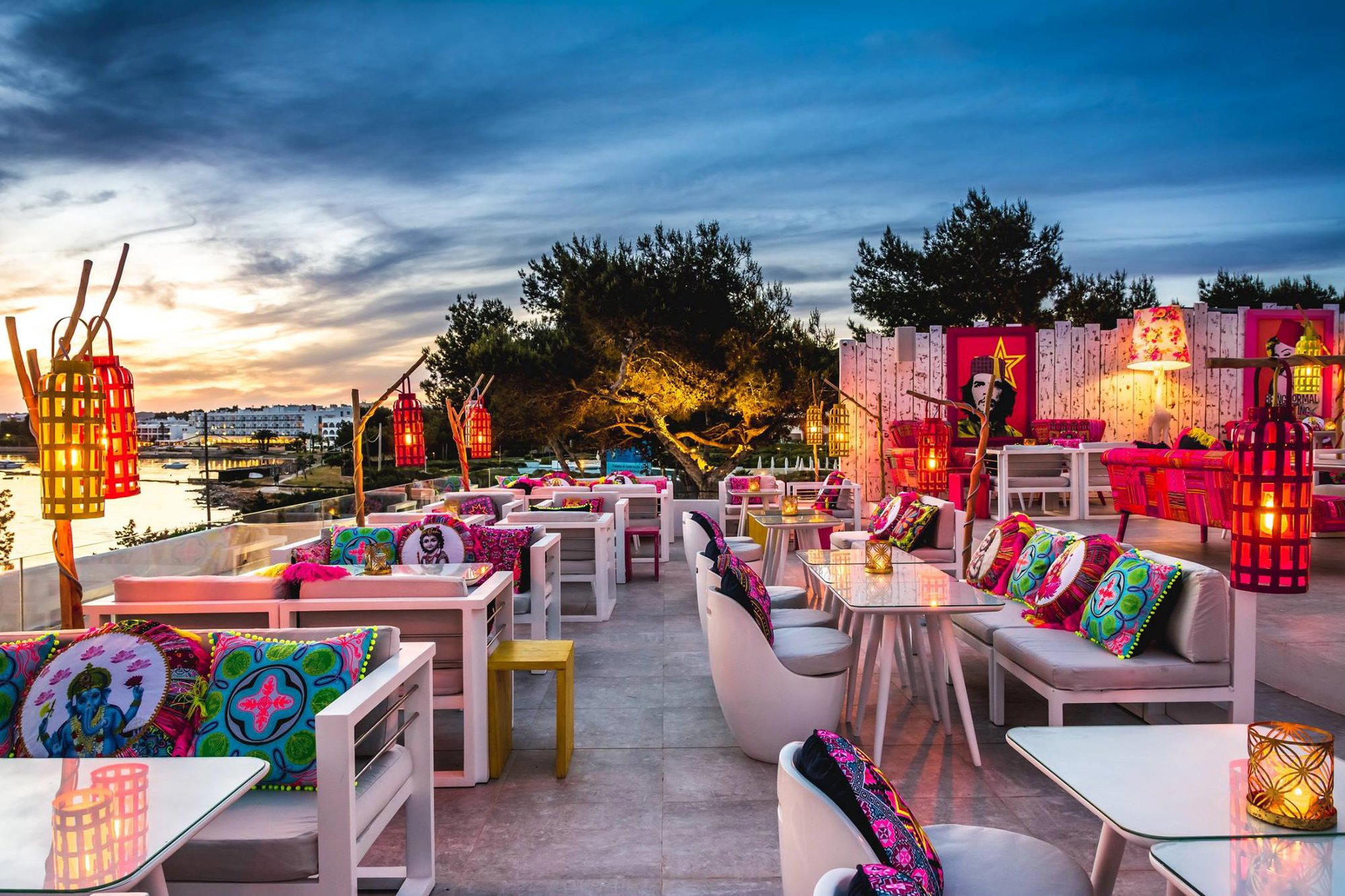
Laid-back seaside vibe with feet in the sand, gentle waves, and relaxed boho atmosphere under Ibiza sunshine.