Tidal+
Tidal+ occupies a Capitol Hill address at 1639 8th Ave, positioning itself within Seattle's most competitive dining corridor. The name signals an aquatic orientation common to Pacific Northwest fine dining, where local seafood traditions and West Coast sourcing form the structural backbone of ambitious menus.
Pearl is the En Primeur Club membership app — saves, bookings, and concierge access live there. Same editors, same standards.
- Address
- 1639 8th Ave, Seattle, WA 98101
- Phone
- +12066764600
- Website
- hyatt.com
- Directions
- Get directions
 Saves & bookings on Pearl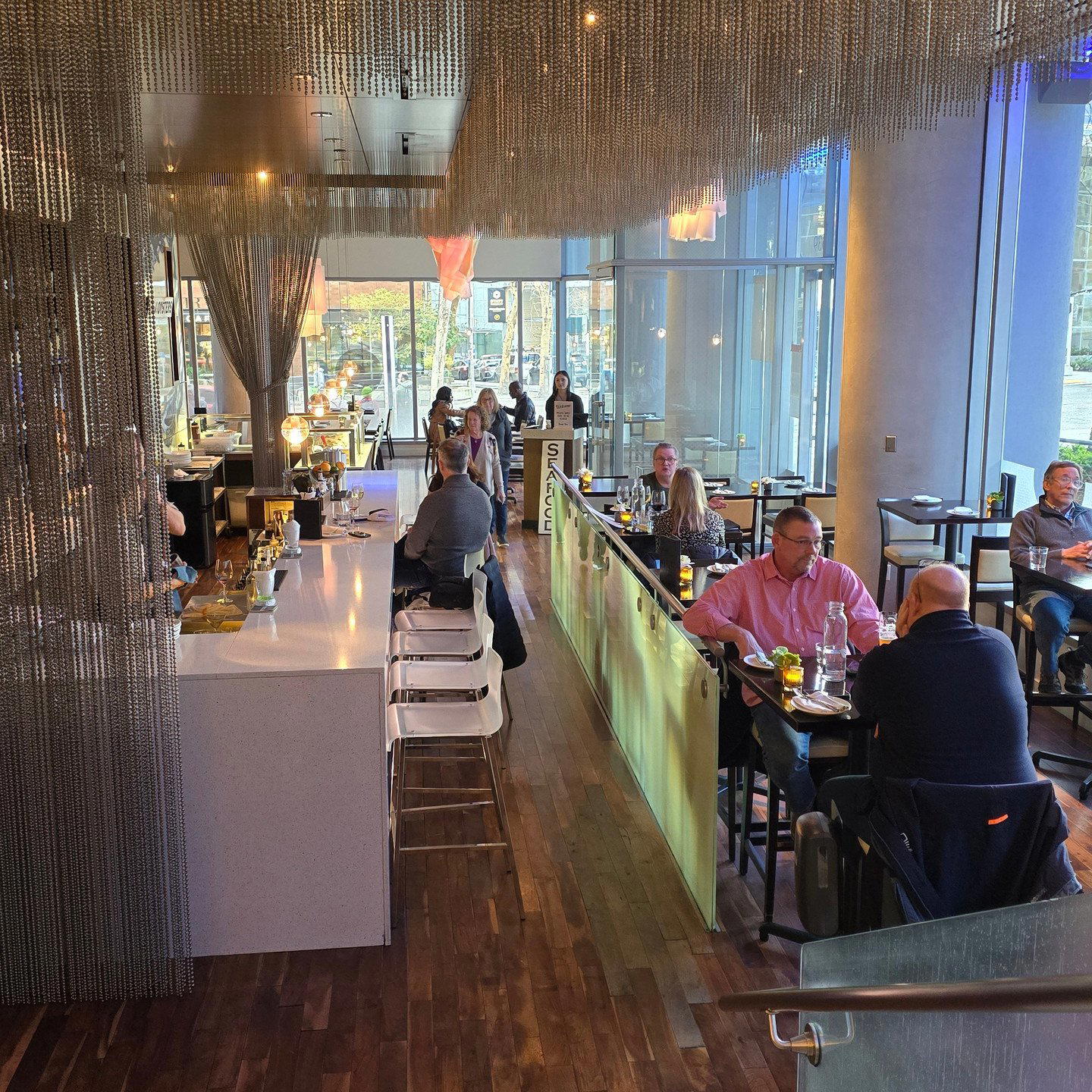
Capitol Hill's Tidal Moment
The stretch of 8th Avenue running through Capitol Hill has quietly become one of Seattle's more interesting dining corridors, less tourist-facing than Pike Place, more residential and considered than South Lake Union's corporate dining clusters. It is the kind of address where restaurants tend to earn their audiences through word of mouth rather than foot traffic, which places a particular pressure on the menu to do the work. Tidal+ sits at 1639 8th Ave inside this context, and the name points to a seafood-first focus.
What a Name Like 'Tidal+' Implies About the Menu
The naming conventions of Seattle's serious restaurants have always tracked the city's geographic obsessions. The Pacific Northwest's fine dining tradition has long organized itself around what the water provides, Dungeness crab from the Salish Sea, salmon from the Columbia and Fraser watersheds, geoduck from tidal flats that are among the more productive shellfish beds on the continent. When a restaurant signals tidal origins in its identity, it typically commits to a menu architecture where seafood is not a category but a structural spine. That distinction matters more than it sounds.
Compare the two dominant approaches operating in Seattle's serious-dining tier. At one pole, restaurants like Canlis work within a New American framework where land and sea share roughly equal menu real estate, with the kitchen's technique and sourcing credentials doing the contextualizing work. At another pole, concept-driven rooms like Joule use Asian frameworks to reinterpret Pacific ingredients, producing menus where the cultural lens is as visible as the protein source. A venue whose identity is anchored in tide and sea suggests a third model: one where the menu's sequencing, its internal logic, its proportion of raw to cooked and cold to warm, follows the rhythms of what comes out of the water rather than a continental European architecture imposed from outside.
Nationally, this model has found its clearest expression at places like Le Bernardin in New York City, where the menu is organized around a singular commitment, fish first, always, and the kitchen's credibility rests on the depth of execution within that constraint. On the West Coast, Providence in Los Angeles has built a similar identity around Pacific seafood and precise, multi-course sequencing. Tidal+ operates in a city with better proximity to its raw material than either of those rooms, which raises the ante on what a tidal-focused menu can deliver.
The Broader Seattle Fine Dining Picture
Seattle's fine dining scene in the 2020s has compressed into a smaller, more competitive tier than the previous decade's optimistic expansion suggested. Several ambitious rooms have closed or repositioned; the ones that have held are those with a coherent identity and a guest base willing to commit to a format. That commitment matters: the rooms drawing consistent audiences in Capitol Hill and adjacent neighborhoods are not those chasing broad accessibility but those that have made a clear bet on a specific kind of experience and found the guests who want exactly that.
Across the broader American fine dining circuit, the venues that have maintained their relevance share a structural clarity that goes beyond the food itself. Alinea in Chicago, Lazy Bear in San Francisco, and Single Thread Farm in Healdsburg each built their reputations on menus with an internal logic visitors could feel from first course to last. Blue Hill at Stone Barns in Tarrytown took that further, making the sourcing architecture itself the organizing principle. On the East Coast, The Inn at Little Washington and Atomix in New York City demonstrate how cultural and geographic specificity can anchor a menu's logic at the highest level. In San Diego, Addison has shown that West Coast fine dining can carry a similar weight of intention. What ties these rooms together is not price or format but the sense that the menu means something beyond its individual dishes, that there is a point of view shaping the sequence.
What the address and identity suggest is an ambition to occupy the more focused, concept-led corner of Seattle's fine dining market rather than the broader, less defined middle. For Seattle's dining scene, that positioning is the more interesting bet.
Seattle's Pacific Context Is the Competitive Advantage
Few American cities can claim the ingredient proximity Seattle has to its core fine dining narrative. The tidal flats within driving distance of Capitol Hill are among the more productive in North America. The salmon runs, though under pressure, remain a seasonal anchor for menus that actually track the calendar rather than perform seasonality as theater. Restaurants in New Orleans like Emeril's have built decades of reputation on Gulf seafood; The French Laundry in Napa commands extraordinary prices partly on the strength of Northern California's agricultural and marine bounty. Seattle has equivalent, superior, access to its defining ingredients. The question for any serious Seattle seafood room is whether the kitchen is using that proximity to produce something the ingredient alone could not achieve, or simply plating a beautiful product and stepping back.
For diners approaching Tidal+ from that angle, the relevant questions are less about which dishes appear and more about how the menu is sequenced: Does the progression build toward a specific resolution? Are the lighter, raw preparations concentrated in the early courses where they sharpen the palate rather than flatten it? Does the kitchen demonstrate command of temperature and texture across a range of techniques, or does it rely on the inherent quality of the seafood to carry the experience? Those structural questions are what separate a tidal-themed restaurant from a tidal-architecture restaurant.
Seattle's other strong options in the neighborhood and nearby corridors are listed in our full Seattle restaurants guide, including venues at 1415 1st Ave, 1744 NW Market St, and 2963 4th Ave S, which together map the range of ambition and format currently active in the city.
Planning Your Visit
Address: 1639 8th Ave, Seattle, WA 98101, Capitol Hill. Reservations are recommended. Dress: smart casual. Budget: About $40 per person.
Booking and Cost Snapshot
Comparable venues nearby, for context on price, style, and recognition.
| Venue | Cuisine | Price | Notes |
|---|---|---|---|
| Tidal+This venue — the venue you are viewing | Not listed | $$$ | Not listed |
| RIDER | Not listed | $$$ | Central Business District, Pacific Northwest Seafood & Wood-Fired Grill |
| Elliott's Oyster House | Not listed | $$$ | Seattle Waterfront, Classic Pacific Northwest Seafood & Oyster House |
| Cinder + Salt | Not listed | $$$ | Central Business District, Modern Pacific Northwest Coastal Seafood |
| Shaker + Spear | Belltown, Pacific Northwest Seafood | $$$ | Not listed |
| Ivar's Salmon House | Latona, Classic Northwest Seafood | $$ | Not listed |
Continue exploring
More in Seattle
Restaurants in Seattle
Browse all →
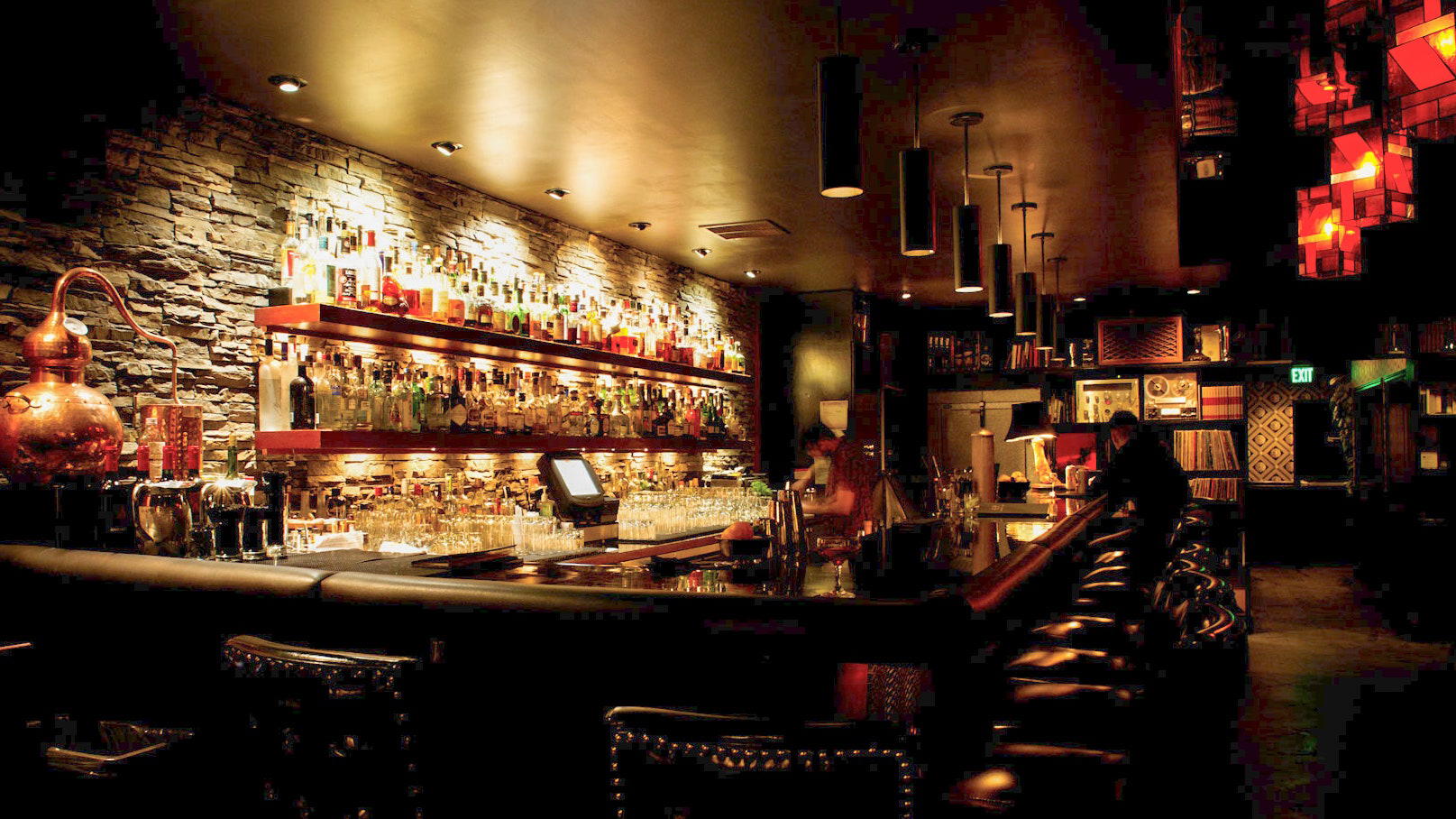
Bars in Seattle
Browse all →
Hotels in Seattle
Browse all →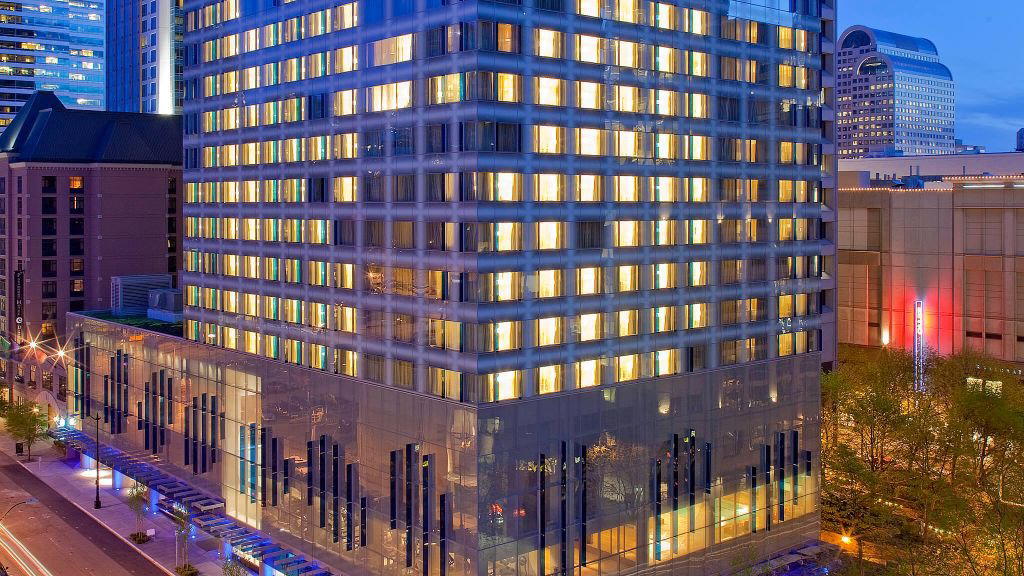

At a Glance
- Modern
- Sophisticated
- Brunch
- Special Occasion
- Business Dinner
- Hotel Restaurant
- Craft Cocktails
- Extensive Wine List
- Local Sourcing
- Sustainable Seafood
Current opening hours
- Monday
- 6:30 AM–10 PM
- Tuesday
- 6:30 AM–10 PM
- Wednesday
- 6:30 AM–10 PM
- Thursday
- 6:30 AM–10 PM
- Friday
- 6:30 AM–11 PM
- Saturday
- 7 AM–11 PM
- Sunday
- 7 AM–10 PM
Hours can change for holidays and private events. Last verified .
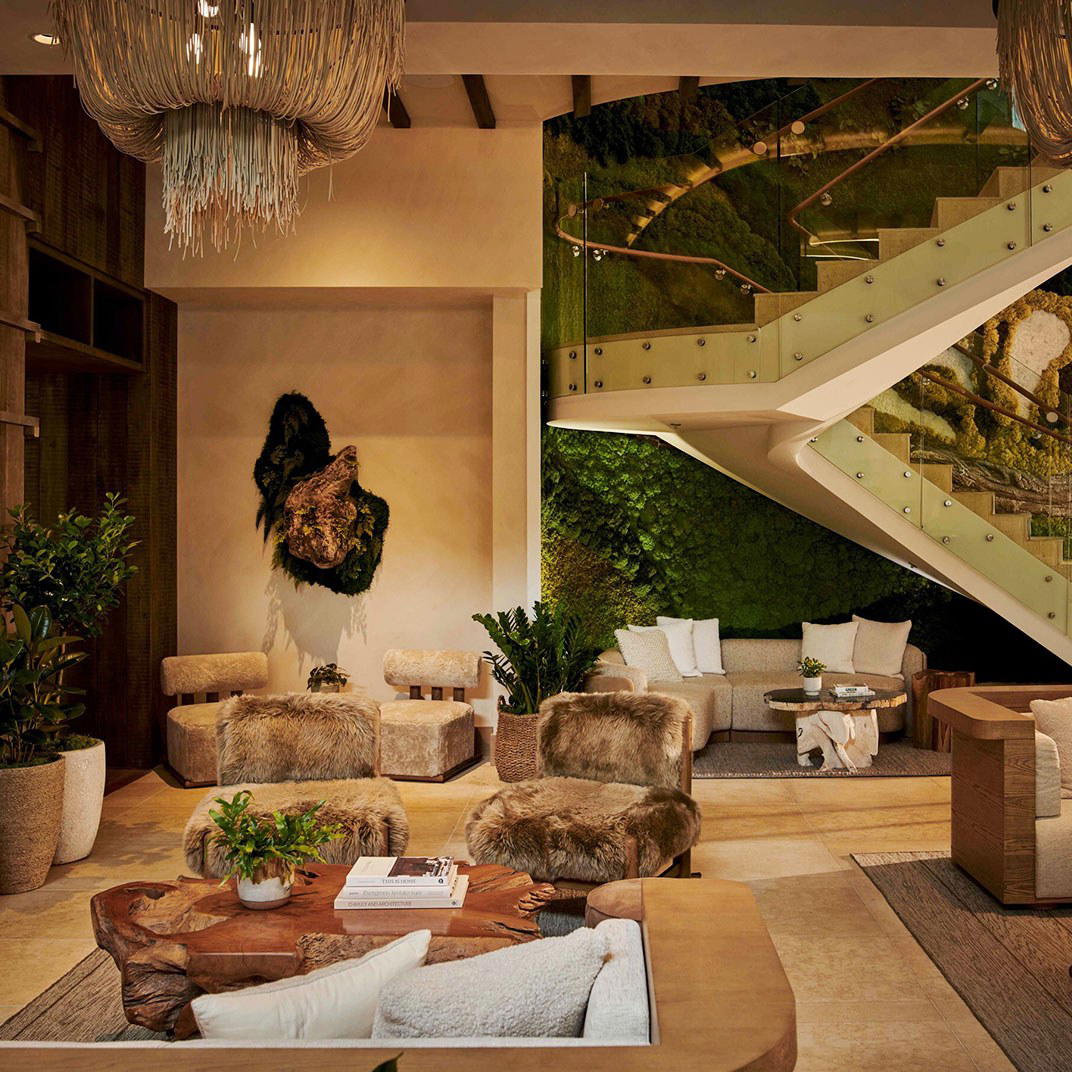
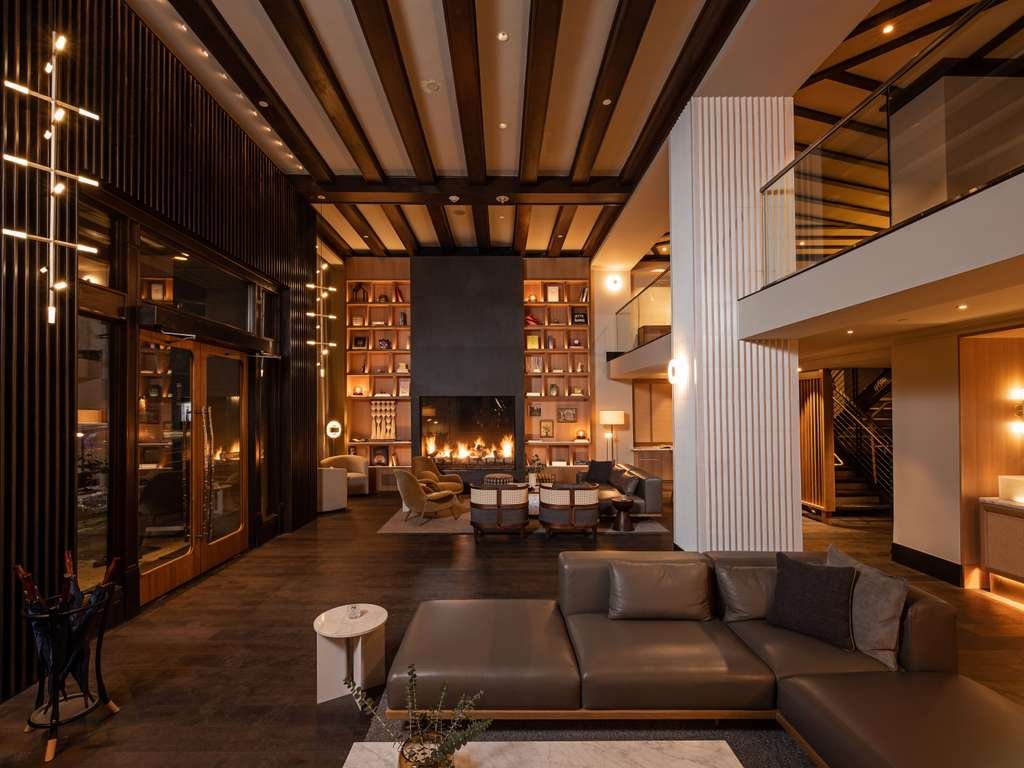
Inviting atmosphere suitable for casual dining and special occasions with moderate noise levels.