Our verdict
At Klostertorvet 9 in central Aarhus, Cinco occupies a quietly considered position in a city whose dining scene has grown into one of Denmark's most watched outside Copenhagen. The kitchen draws on local and regional Danish produce, filtered through technique that reads internationally minded — placing it in a tier of Aarhus restaurants where craft and sourcing share equal weight.

Pearl is the En Primeur Club membership app — saves, bookings, and concierge access live there. Same editors, same standards.
- Address
- Klostertorvet 9, 8000 Aarhus, Denmark
- Phone
- +4569156860
- Hours
- Mon–Wed 5–9 PMThu–Sat 5–10 PMSun 5–9 PM
- Website
- restaurantcinco.dk
- Directions
- Get directions
- Booking
- Book on the venue's website
Aarhus at the Table: Where Local Produce Meets International Craft
Klostertorvet, the square that anchors Cinco's address, sits in the older quarter of Aarhus where the city's medieval monastery grid still shapes the street plan. It is a part of town that has accumulated restaurants with some seriousness over the past decade, as Aarhus developed a dining identity distinct from Copenhagen rather than simply derivative of it. The city's trajectory has been toward kitchens that treat Danish ingredients with a precision borrowed from further afield — French technique, Japanese minimalism, Nordic fermentation traditions — applied to produce that rarely needs to travel far to reach the plate.
That editorial context matters for understanding where a restaurant like Cinco sits. Aarhus is no longer a provincial footnote to the capital's food scene. Michelin recognition has arrived for multiple kitchens here, and the broader roster of serious restaurants has grown alongside it. Frederikshøj occupies the leading creative tier with its experimental format and sustained award attention, while Domestic has built a reputation around committed New Nordic sourcing and a modern format that attracts both local regulars and visiting diners. Gastromé adds another layer at the higher price tier, and Substans holds a creative position that has drawn consistent recognition. Cinco exists within this competitive geography, which means the bar for ingredient sourcing and kitchen discipline is set by a peer group that has already earned national and international attention.
The Logic of Local Ingredients and Imported Method
Across Denmark's serious restaurant tier, a consistent structural argument has emerged over the past fifteen years: Scandinavian produce is worth treating with the same discipline that French or Japanese kitchens apply to their own regional ingredients. The wild herbs, cold-water fish, coastal vegetables, aged dairy, and root-heavy autumn larder of the Jutland peninsula are not backup options for when imported luxury ingredients are unavailable. They are the primary material, and the technique exists to serve them.
This is a meaningful departure from an earlier generation of Danish fine dining, which often positioned classical European training as the main event and local produce as the supporting cast. The inversion, where the leek from a known farm or the smoked eel from a specific stretch of water becomes the anchor of a dish, and the technique is what unlocks rather than obscures its character, defines the better kitchens in cities like Aarhus today. Internationally, the same argument runs through restaurants like Le Bernardin in New York City, where the discipline of classical French method is entirely in service of the primary ingredient, or Lazy Bear in San Francisco, where a community-oriented format frames hyper-local Californian produce through technically sophisticated cooking.
Within Denmark more broadly, the approach is well established at reference points like Jordnær in Gentofte and Geranium in Copenhagen, and it surfaces in more rural formats at places like Henne Kirkeby Kro in Henne and Dragsholm Slot Gourmet in Hørve, where proximity to specific farms and coastlines becomes the operational premise. The Danish dining conversation, from Frederiksminde in Præstø to LYST in Vejle, Ti Trin Ned in Fredericia, Tri in Agger, Pearl by Paul Proffitt in Kruså, and Syttende in Sønderborg, returns repeatedly to this question of how local materials are handled by kitchens with internationally sourced technical vocabularies.
Seasonal Timing and When to Visit
Aarhus restaurants that depend on regional Danish produce operate on a genuinely distinct seasonal calendar. Autumn, running roughly from late September through November, brings the most compressed and dramatic ingredient window: game from Jutland's forests, late-season root vegetables, fungi from the surrounding countryside, and preserved summer produce that kitchens have been working with since July. Spring signals the arrival of new-season rhubarb, wild garlic, and early greens, often treated in ways that emphasize their brevity. The shoulder months of February and March, when local produce is at its sparsest, tend to be when fermentation and preservation techniques become most visible on menus, the cellar's work carrying what the field cannot yet offer.
For a city-centre address like Klostertorvet, the seasonal rhythm also intersects with Aarhus's event calendar. The city's summer festival period, centered on the Aarhus Festival in late August and early September, brings significant visitor traffic and affects reservation availability across the more serious restaurant tier. Planning around that window or arriving in the quieter late autumn period generally gives more booking flexibility.
Planning a Visit to Cinco
Cinco's address at Klostertorvet 9 places it walkable from the central railway station and from the Latin Quarter, the dense historic grid that contains a significant share of Aarhus's restaurants and bars. That walkability is practical: central Aarhus is compact enough that a single evening can move between aperitif, dinner, and a later drink without requiring transport. For visitors arriving by train from Copenhagen, the journey runs approximately three hours on intercity services, with the station within easy reach of the Klostertorvet area on foot.
As a point of comparison within the immediate neighbourhood, venues like A-Kin Thai offer a different register entirely, and central Aarhus carries a range of formats and price tiers that make it possible to build a multi-day dining itinerary without repetition. For a fuller picture of what the city offers across categories, the EP Club Aarhus restaurants guide maps the full scene.
Specific booking policies, current hours, and reservation methods for Cinco are best confirmed directly, as these details are subject to change and are not reproduced here. Given Aarhus's growing international dining profile and the limited seating that typically characterises restaurants at this format and address tier, advance planning is advisable for weekend visits or autumn season dining.
Frequently asked questions
Where do I go for Cinco?
Cinco is located at Klostertorvet 9, 8000 Aarhus, Denmark, Aarhus.
How does Cinco fit into Aarhus's broader restaurant scene?
Aarhus has developed a serious independent restaurant culture over the past fifteen years, shaped in part by its proximity to some of Denmark's most productive agricultural land and coastline. Cinco's position on Klostertorvet places it inside the city's historic core, alongside a cluster of kitchens that have made local produce and seasonal calendar the structural basis of their menus. For visitors oriented around Denmark's food culture rather than its capital, Aarhus — and addresses like Klostertorvet — represent where that argument is being made most consistently outside Copenhagen.
What's the best thing to order at Cinco?
Specific menu details for Cinco are not published in advance, which is consistent with how serious Aarhus kitchens handle seasonal menus tied to Danish produce cycles. The kitchen at Klostertorvet 9 operates within a regional tradition where the menu shifts with the harvest rather than staying fixed. Arriving without preconceptions and letting the kitchen lead is, across this tier of Aarhus dining, the standard approach.
Do they take walk-ins at Cinco?
Booking policy details for Cinco are not publicly listed, and the restaurant does not currently publish contact information or a reservations page. For a restaurant at this address in Aarhus's older quarter, arriving without a reservation during peak evening service carries meaningful risk. Checking directly with the restaurant before visiting is the only reliable approach.
What makes Cinco worth seeking out?
Cinco sits at Klostertorvet 9, in the part of Aarhus where the medieval monastery grid still defines the street plan and where the city's more serious independent restaurants have concentrated. That address places it within walking distance of the Latin Quarter and the central railway station, making it geographically central to any Aarhus itinerary. Within the context of Danish regional dining, restaurants in this neighbourhood have been among those most consistent in treating Scandinavian produce as the primary argument rather than an imported framework.
Comparable Options
A quick peer reference to anchor this venue in its category.
| Venue | Cuisine | Price | Awards | Notes |
|---|---|---|---|---|
| CincoThis venue — the venue you are viewing | Latin American Social Dining | $50–100 | Not listed | Not listed |
| Domestic | Modern Scandinavian Fine Dining | $150–200 | 1 Michelin Star · Star Wine List | New Nordic, Modern Cuisine |
| Frederikshøj | Modern French-New Nordic Fine Dining | $300–500 | 2 Michelin Stars · La Liste Top Restaurants | Creative |
| Gastromé | Modern French-Nordic Fine Dining | Not listed | 1 Michelin Star · Star Wine List | Modern Cuisine |
| La Cabra Coffee Roasters | Coffee Shop | $10–20 | Not listed | Not listed |
| Restaurant ET | Modern French with Danish Ingredients | $50–100 | Michelin Bib Gourmand · Star Wine List | French |
Continue exploring
More in Aarhus
Restaurants in Aarhus
Browse all →
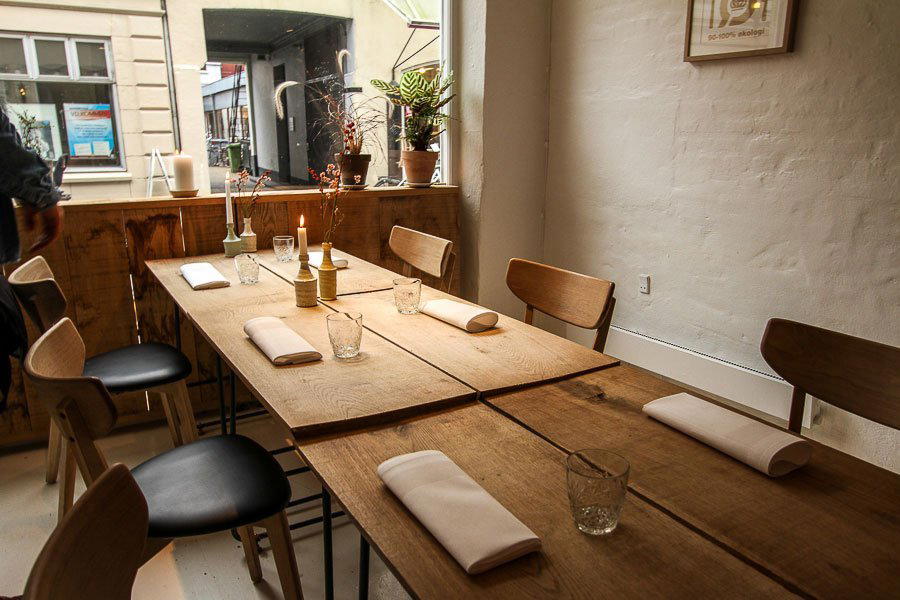
Bars in Aarhus
Browse all →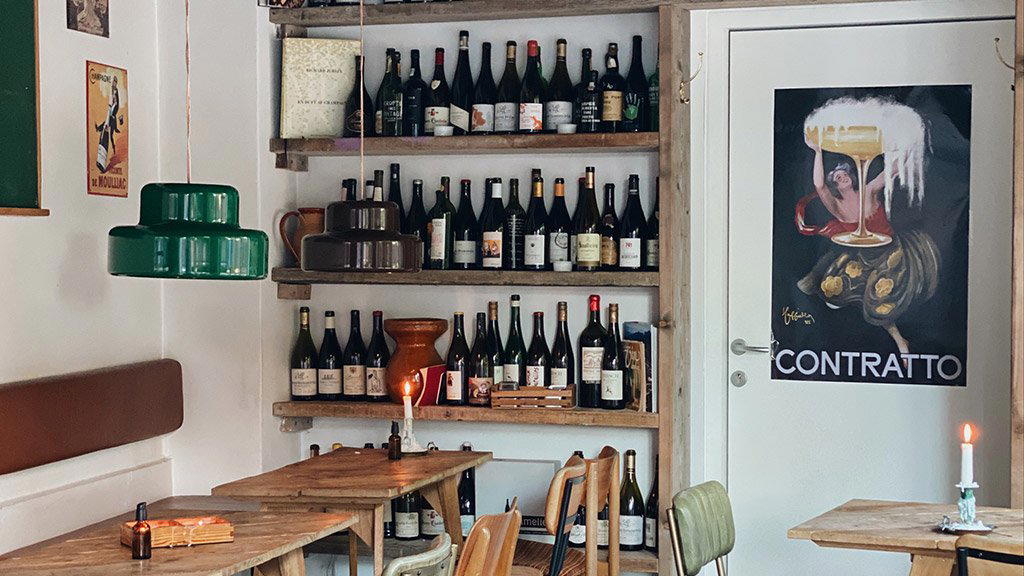
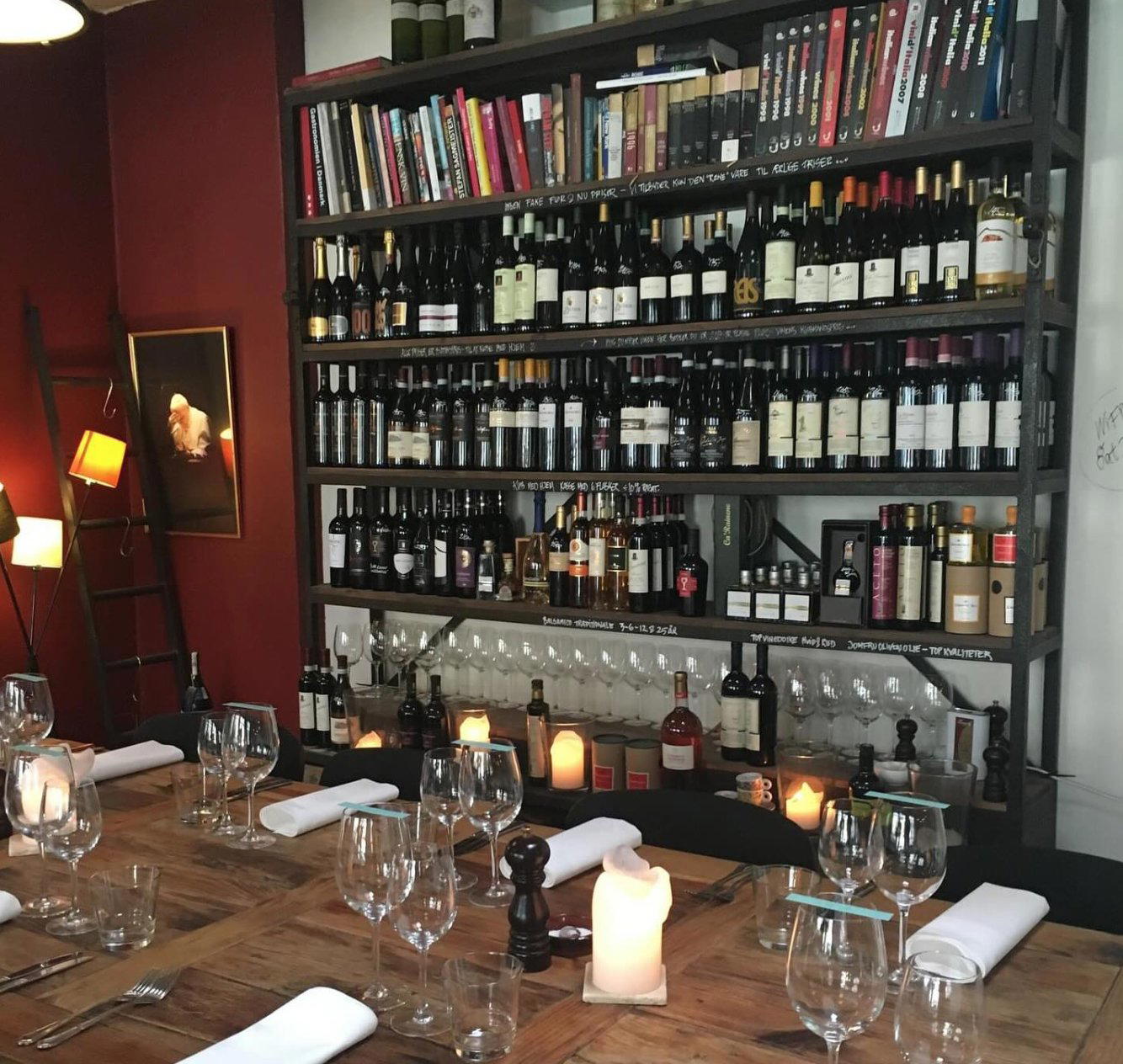
Hotels in Aarhus
Browse all →
Wineries in Aarhus
Browse all →
Details
- Cozy
- Trendy
- Date Night
- Group Dining
- Special Occasion
- Open Kitchen
- Extensive Wine List
- Small Plates
- Set Menu
Current opening hours
- Monday
- 5–9 PM
- Tuesday
- 5–9 PM
- Wednesday
- 5–9 PM
- Thursday
- 5–10 PM
- Friday
- 5–10 PM
- Saturday
- 5–10 PM
- Sunday
- 5–9 PM
Hours can change for holidays and private events. Last verified .
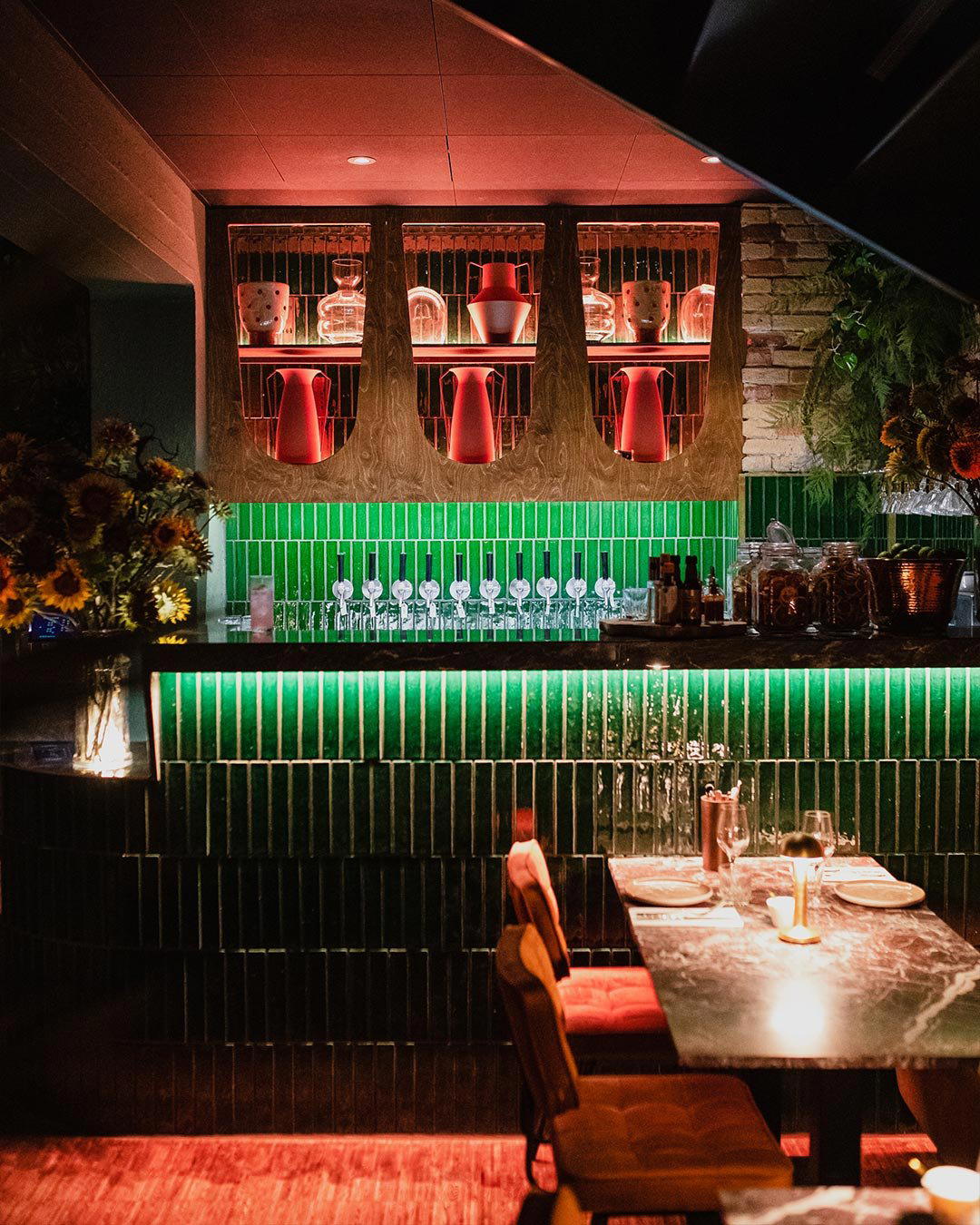
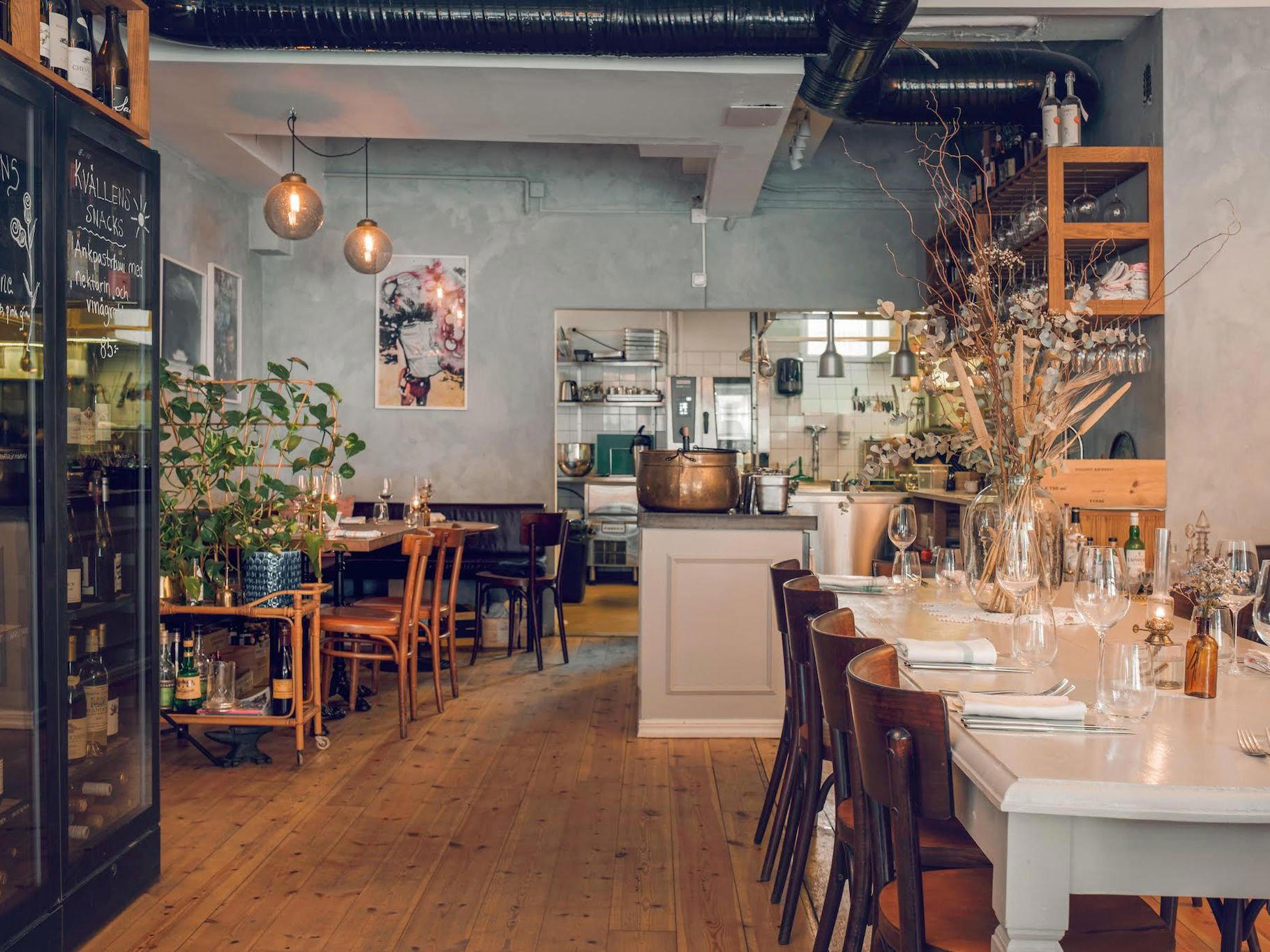
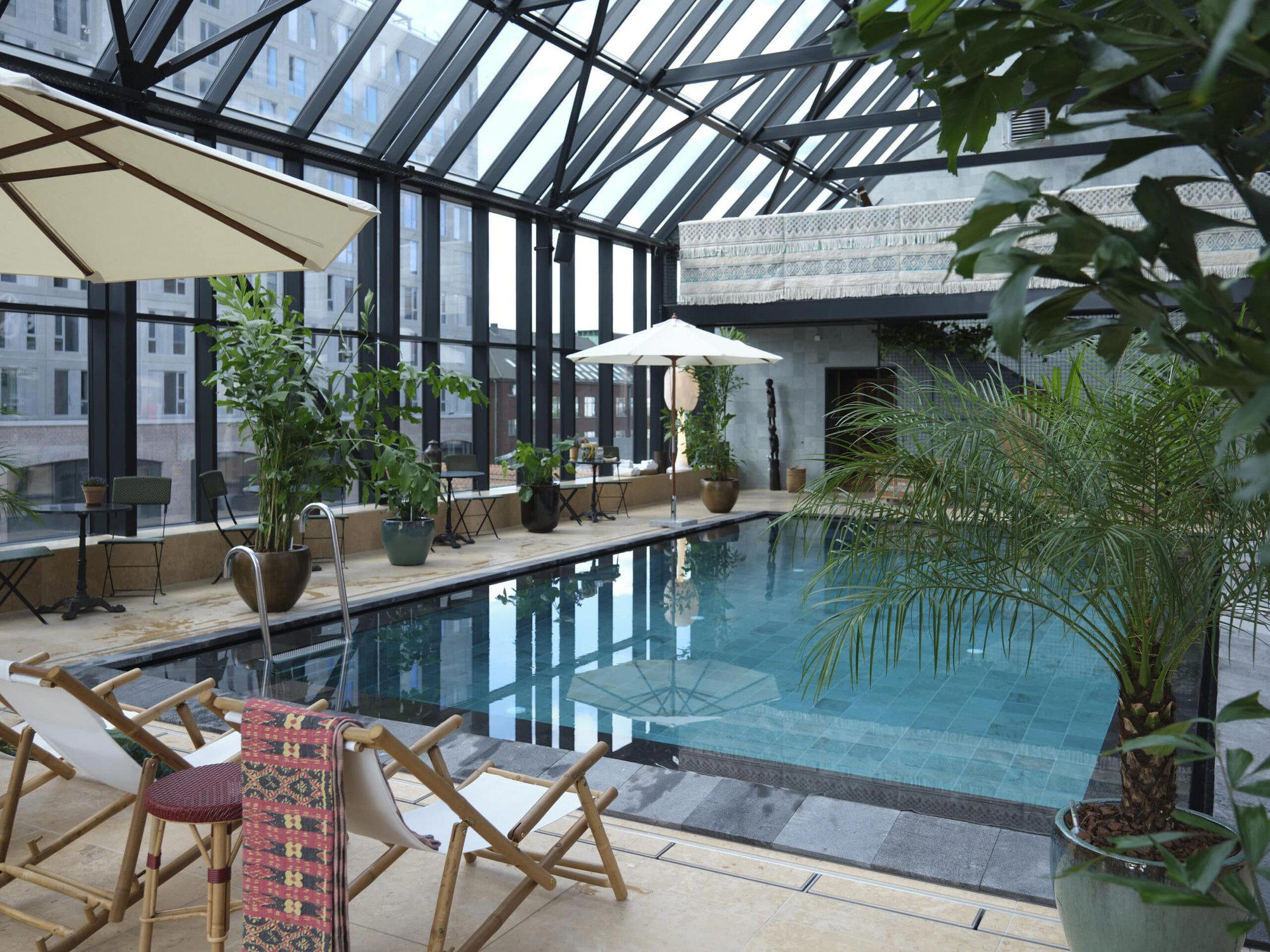
Striking decor described as a cozy jungle creating an inviting ambiance.