Among Aarhus's predominantly Nordic-focused dining scene, A-Kin Thai on Nørregade 38 occupies a distinct position as a Thai kitchen operating in a city better known for New Nordic menus and Michelin-chased tasting counters. Its presence points to a broader shift in how Danish provincial cities are absorbing pan-Asian cooking into their restaurant fabric, beyond the metropolitan corridors of Copenhagen.
Pearl is the En Primeur Club membership app — saves, bookings, and concierge access live there. Same editors, same standards.
- Address
- Nørregade 38, 8000 Aarhus, Denmark
- Phone
- +4542956832
- Website
- akinthai.dk
- Directions
- Get directions
 Saves & bookings on Pearl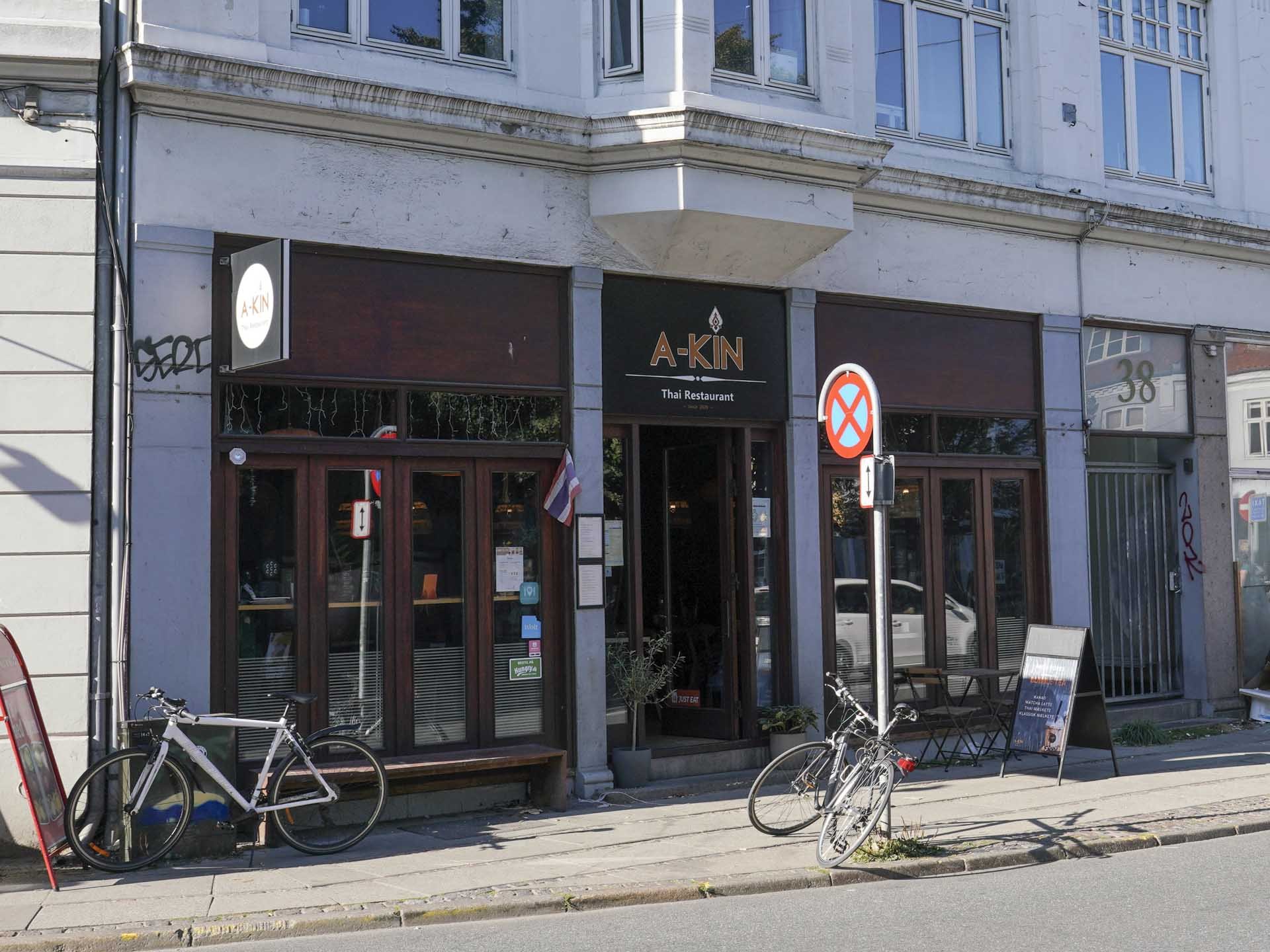
Thai cooking in a Nordic city: reading the room
Aarhus has spent the better part of two decades building a dining identity anchored in Scandinavian produce, foraging culture, and the kind of tasting-menu ambition that earns Michelin attention. Places like Frederikshøj, Domestic, and Gastromé have made the city a credible stop on Denmark's fine-dining circuit, drawing comparisons to what Geranium and Jordnær have achieved in the capital region. Against that backdrop, A-Kin Thai at Nørregade 38 operates in a different register entirely, representing a category of restaurant that Danish provincial cities have historically underserved: Thai street food with genuine culinary intent rather than adapted, Europeanised menus.
That context matters. In Copenhagen, Thai cooking with serious ambition exists alongside a dense ecosystem of pan-Asian restaurants. In Aarhus, the field is considerably thinner, which gives a focused Thai kitchen unusual visibility and, with it, unusual responsibility. The city's dining scene has evolved enough that guests arriving from the Nordic tasting-menu circuit bring trained palates and high expectations of coherence, technique, and sourcing. A Thai kitchen operating here is not competing only within its cuisine category; it is participating in a broader conversation about what cooking in Aarhus can mean in 2024 and beyond.
The address and what it signals
Nørregade runs through one of Aarhus's more active stretches of the inner city, a street that connects pedestrian shopping zones to older residential pockets and carries a mix of independent restaurants, cafés, and bars. It is a practical dining address in central Aarhus, and that positioning is itself informative. Thai restaurants in Scandinavian cities have generally occupied two poles: low-cost, high-volume operations targeting lunch traffic, and a newer generation of more considered kitchens pushing back against the adapted-for-local-palates model. A-Kin Thai at number 38 sits in the latter direction, at least in aspiration, on a street that rewards pedestrian exploration rather than planned pilgrimage.
For visitors building a multi-day Aarhus itinerary that takes in Substans or AmoRomA alongside more casual evenings, the Nørregade location makes A-Kin Thai a practical option for a dinner that does not require the commitment of the city's tasting-menu rooms. It fills a gap in Aarhus's dining week that the heavier Nordic programmes do not.
The evolution of Thai cooking in Danish cities
The trajectory of Thai restaurants in Denmark follows a pattern visible across northern Europe. A first generation arrived with simplified menus calibrated to cautious local tastes, heavy on sweetness, light on heat, and built around a handful of recognisable dishes that acted more as cultural shorthand than culinary statement. A second generation, arriving from roughly the 2010s onward, began pushing against that model, driven partly by the broader fine-dining culture that New Nordic had seeded, and partly by diners who had eaten in Bangkok, Chiang Mai, and beyond, and who arrived with reference points.
That evolution has been faster and more visible in Copenhagen than anywhere else in Denmark. In Aarhus, the shift is still working through the system. The city has strong foundations in serious cooking, as venues like LYST in Vejle, Alimentum in Aalborg, and ARO in Odense suggest across the Jutland corridor, but the appetite for pan-Asian cooking with genuine depth is a more recent development. A-Kin Thai operates in that transitional moment, when diners in mid-sized Danish cities are ready for something more considered but the supply side is still catching up.
What marks a Thai kitchen as part of this second generation is generally a combination of factors: sourcing that extends beyond standard European wholesale channels, a menu that does not flatten regional distinctions within Thai cuisine, a willingness to hold heat and fermented complexity at levels that reflect actual Thai cooking, and a format that treats the meal as a structured experience rather than a delivery mechanism. These are the signals worth reading when evaluating the restaurant against the broader category.
Placing A-Kin Thai in Denmark's wider dining map
Denmark's serious restaurant culture tends to concentrate in specific urban nodes, with Copenhagen setting the pace and a handful of provincial cities, Aarhus most prominently, building credible alternatives. The country also has destination restaurants in more rural settings: Henne Kirkeby Kro, Dragsholm Slot Gourmet, and Frederiksminde draw guests who travel specifically to eat. The Thai kitchen in this geography occupies a different register from all of those: it is a city-based, cuisine-specific restaurant that competes within an underserved category rather than within a prestige tier.
That framing matters for how you approach a visit. If you are coming to Aarhus primarily to eat at Frederikshøj or Domestic, the restaurant functions as a counterpoint, a meal with different logic and different pleasures. If you are building a broader sense of what Aarhus eats across a longer stay, it represents a corner of the city's dining life that the Nordic tasting circuit does not cover. The full Aarhus restaurants guide maps that complete picture for visitors trying to construct a coherent itinerary across multiple nights and price points.
For comparison beyond Denmark, the movement that restaurant participates in has analogues in other markets where Asian kitchens have shed the adapted-export model. Atomix in New York City shows how far Korean cooking can travel from its adapted version when technique and ambition are applied at full intensity, and the parallel holds for Thai cooking at its most serious. Le Bernardin, in a different direction entirely, illustrates how cuisine-specific restaurants can hold a consistent identity across decades in a competitive city. Both references point to the same underlying question: does the restaurant have the clarity of focus and kitchen discipline to be a meaningful Thai restaurant, not just a Thai-adjacent one?
Venues like MOTA in Nykøbing Sjælland and Domæne in Herning show that serious cooking in Denmark is no longer confined to Aarhus and Copenhagen. That expanding geography makes space for cuisine-specific restaurants like A-Kin Thai to establish a local identity without competing directly against the Nordic prestige tier.
Planning a visit
The restaurant is located at Nørregade 38 in central Aarhus, walkable from the main train station and from the city's inner pedestrian grid. The restaurant is open Tuesday through Friday from 4 to 9:30 PM, with Monday, Saturday, and Sunday closed. For visitors planning around the city's broader dining week, the address works well as an early or mid-week dinner.
Compact Comparison
Comparable venues nearby, for context on price, style, and recognition.
| Venue | Cuisine | Price | Notes |
|---|---|---|---|
| A-Kin ThaiThis venue — the venue you are viewing | Norreport area, Thai Street Food | $ | Not listed |
| Boran Thai Restaurant | Aarhus C, Authentic Thai | $$ | Not listed |
| Pizza Smeden | Midtbyen, Authentic Italian Pizza | $$ | Not listed |
| Restaurant Nero | Midtbyen, Authentic Italian Trattoria | $$ | Not listed |
| Rådhuskaféet | Sønder Allé, Danish Cafe Classics | $$ | Not listed |
| Gaijin ramen | Not listed | $$ | :null, Japanese Ramen |
At a Glance
- Casual
- Lively
- Casual Hangout
- After Work
- Solo
- Standalone
Current opening hours
- Monday
- Closed
- Tuesday
- 4–9:30 PM
- Wednesday
- 4–9:30 PM
- Thursday
- 4–9:30 PM
- Friday
- 4–9:30 PM
- Saturday
- Closed
- Sunday
- Closed
Hours can change for holidays and private events. Last verified .
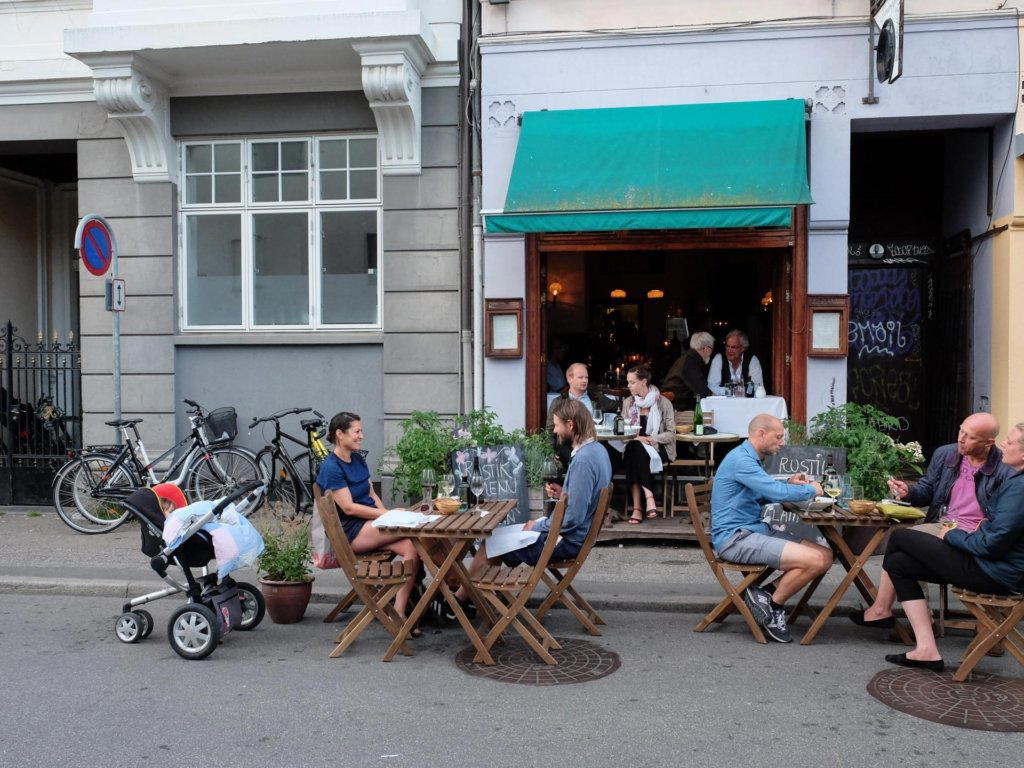
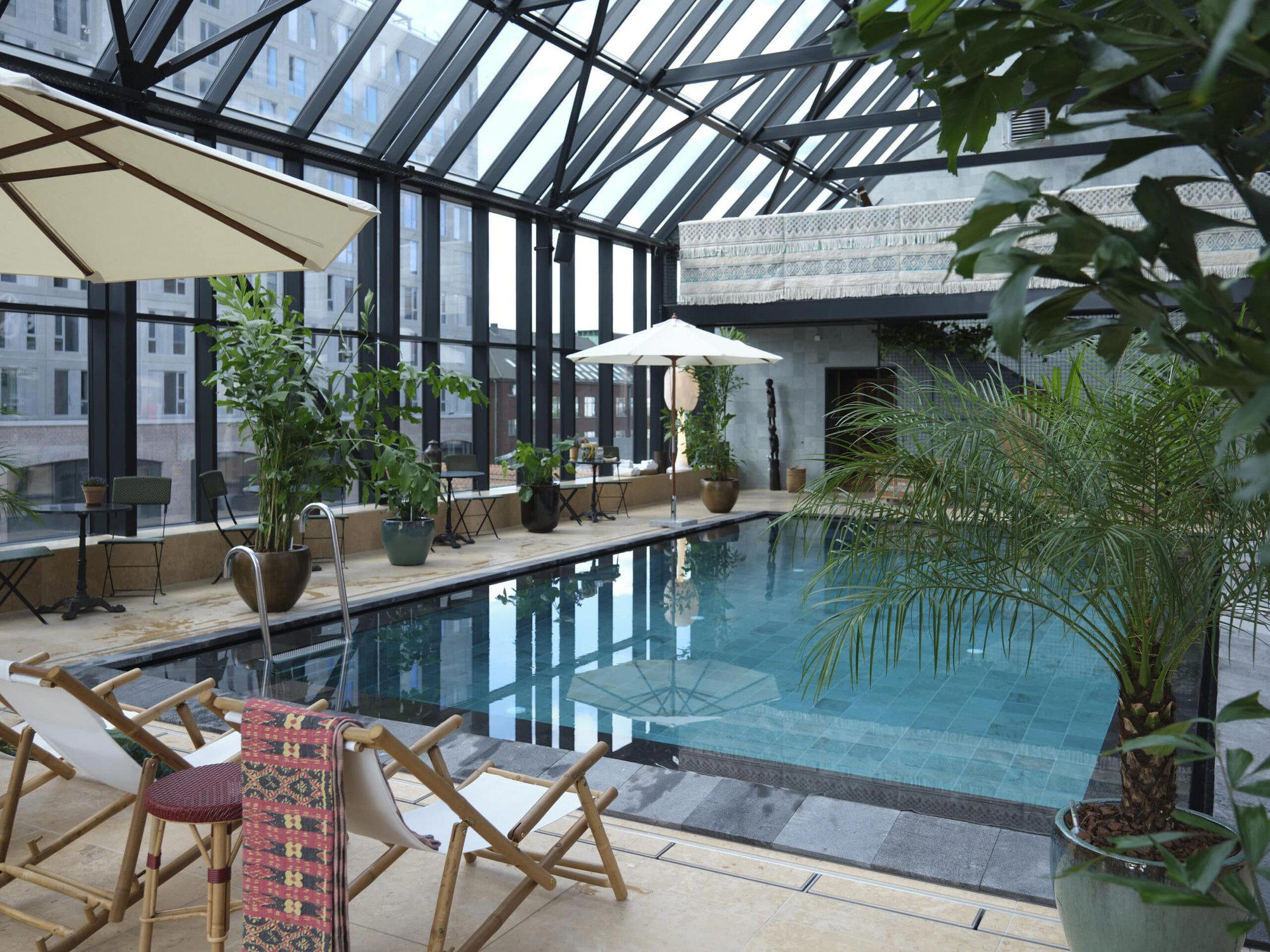
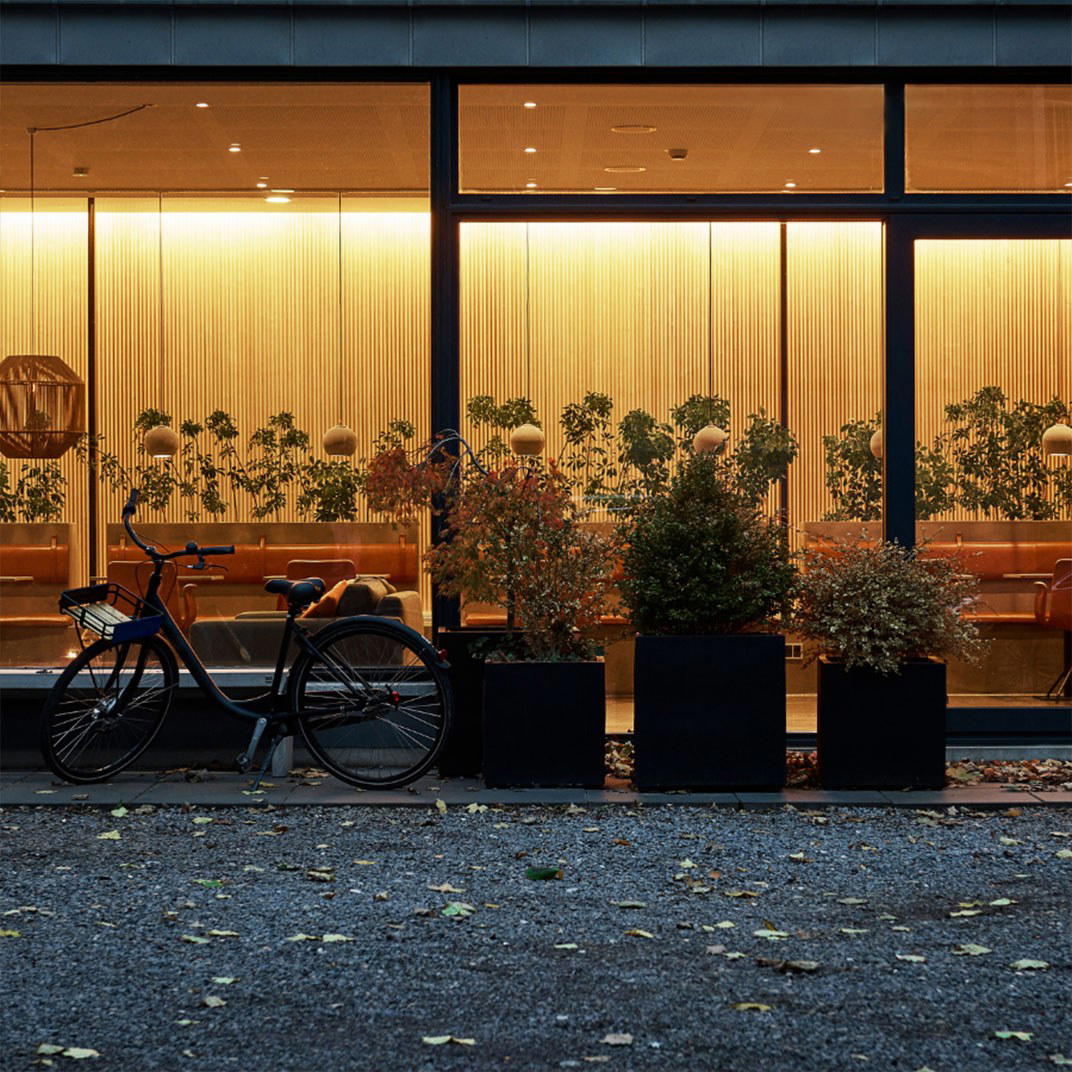
Casual, energetic street food atmosphere with a focus on quick service and authentic Thai flavors.