Among Aarhus's increasingly Nordic-forward dining scene, Fratelli Pizzeria on Tordenskjoldsgade represents a different register — the Italian-rooted, neighbourhood pizzeria format that European cities rely on to anchor daily life between the fine-dining occasions. Positioned well below the price tier of Frederikshøj or Gastromé, it occupies the kind of slot that rewards regulars and walk-ins alike.
Pearl is the En Primeur Club membership app — saves, bookings, and concierge access live there. Same editors, same standards.
- Address
- Tordenskjoldsgade 81, 8200 Aarhus, Denmark
- Phone
- +4532184404
- Website
- fratellipizzeria.dk
- Directions
- Get directions
 Saves & bookings on Pearl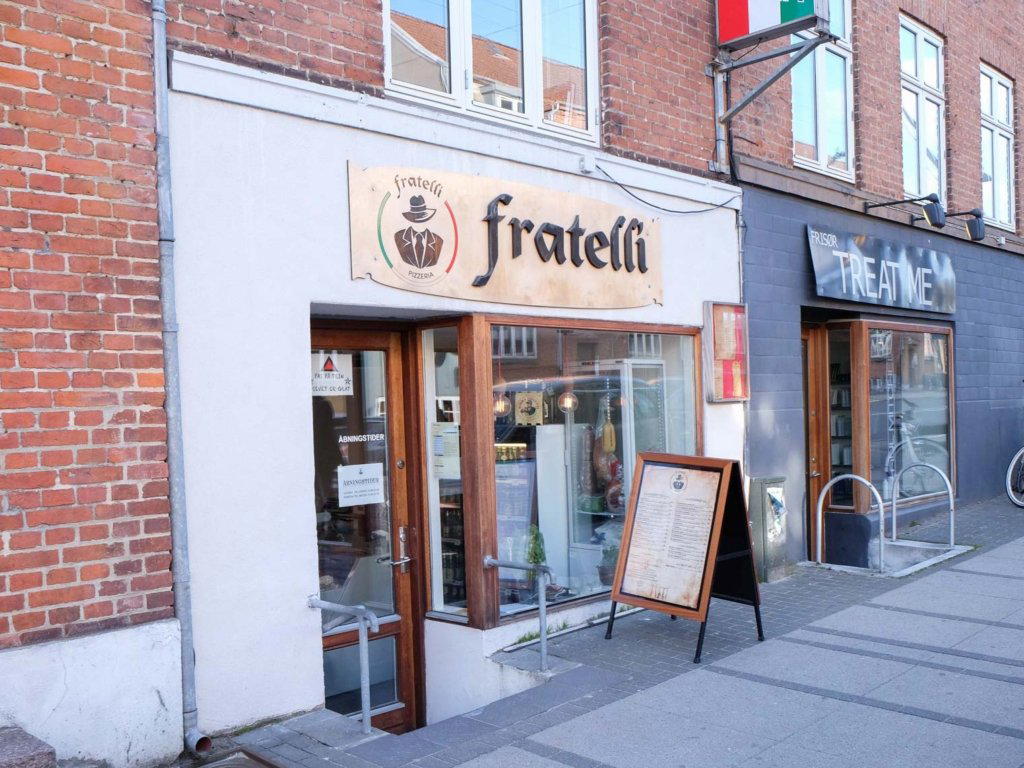
Pizza in a New Nordic City: Where Fratelli Fits
Aarhus has spent the better part of a decade building a reputation as Denmark's second fine-dining capital, with Frederikshøj, Gastromé, Substans, and Domestic collectively pulling serious critical attention toward Jutland. But a city's dining health isn't measured only at the tasting-menu tier. The neighbourhood pizzeria — unpretentious, consistent, built for repeat visits rather than occasion dining — is the connective tissue that gives a food scene its everyday character. Fratelli Pizzeria on Tordenskjoldsgade 81, in the Aarhus N district, occupies that role.
Across Europe, the casual Italian format has evolved considerably. In cities with mature dining cultures, the pizzeria that earns lasting loyalty is no longer the one coasting on nostalgia for red-checked tablecloths. It's the one paying attention to sourcing, dough fermentation time, oven technique, and the supply chains that support all three. That shift in what regulars expect from an everyday pizza has had real consequences for how operators in the category run their kitchens.
The Sustainability Question in Casual Dining
The sustainability conversation in European dining has largely been conducted at the fine-dining tier, chefs with Michelin stars and press access have set the terms. But the actual environmental footprint of the restaurant industry sits disproportionately in its high-volume, everyday formats: the casual trattoria, the neighbourhood pizzeria, the lunch spot doing covers six days a week. At that scale, ingredient sourcing, waste management, and energy use matter more in aggregate than any single tasting menu.
Italian-style pizza, when done with attention, is structurally well-suited to low-waste cooking. A properly managed dough operation, long cold fermentation, consistent portioning, production scaled to projected covers, generates less waste than à la carte formats with broader menus. Topping sourcing that favours fewer, better ingredients over a sprawling menu of options further reduces the supplier chain complexity that drives both cost and food-mile accumulation. Whether Fratelli Pizzeria operates with these principles explicitly in mind isn't something the public record confirms, but the format itself, when run tightly, rewards that kind of discipline.
Danish consumers have shown above-average sensitivity to provenance questions even in casual formats. The country's broader food culture, shaped partly by the New Nordic movement's emphasis on locality and seasonality, represented at the high end by restaurants like Jordnær in Gentofte and Geranium in Copenhagen, has filtered into public expectation at lower price points too. A pizzeria operating in Aarhus in the mid-2020s does so in a market where customers are more likely than average to ask where the flour comes from.
Tordenskjoldsgade 81: The Address in Context
Aarhus N is a residential district north of the city centre, distinct in character from the denser commercial blocks around Latin Quarter or the harbour-adjacent development that has reshaped Aarhus's waterfront over the past decade. A pizzeria at this address serves a local catchment: residents, families, the working week crowd who want something reliable within walking distance. That geography matters for understanding what the operation is optimised for.
Neighbourhood restaurants in this position serve a different function than destination dining. They are compared not against Henne Kirkeby Kro or Dragsholm Slot Gourmet but against the other casual options within a ten-minute radius. Consistency, value, and the ability to feel like a local institution rather than a passing trend are the metrics that matter. Across Denmark's provincial cities, including the dining scenes emerging in Vejle, Fredericia, and Sønderborg, the neighbourhood restaurant that earns that local-institution status tends to do so by doing a small number of things well rather than chasing a broad menu.
Pizza as a Category in the Nordic Context
The Italian-imported pizza format has taken different trajectories in different Nordic cities. In Copenhagen and Aarhus, there's now a tier of pizzerias working with extended fermentation, imported Italian flour varieties, and wood-fired or deck ovens calibrated to specific crust outcomes, a Neapolitan-influenced approach that has gained traction internationally and arrived in Scandinavia with some momentum. Below that sits a larger, more varied category of casual pizza operations that may or may not apply the same sourcing rigour.
The distinction matters for the sustainability angle. An operation using high-quality wheat with documented provenance, minimal topping waste, and a production rhythm that avoids over-preparation is making different environmental choices than one using commodity ingredients at high volume. Neither story is visible from a street address alone, but they represent genuinely different positions within a category that looks homogeneous from outside.
For context on how the broader Danish dining scene treats questions of ingredient origin and environmental responsibility, venues like Tri in Agger and Frederiksminde in Præstø have made sourcing transparency a visible part of their identity, a standard that, even if applied differently at a casual price point, reflects where Danish dining culture is heading. Internationally, the conversation about sustainability in casual formats has been advanced by operators like Lazy Bear in San Francisco, whose communal-table model reduced per-cover waste, and by the sourcing frameworks pioneered at restaurants like Le Bernardin in New York City, where ingredient traceability became a kitchen standard rather than a marketing point.
How to Plan Your Visit
Fratelli Pizzeria is located at Tordenskjoldsgade 81, 8200 Aarhus N, accessible by bus from central Aarhus. Given the residential neighbourhood setting, it functions primarily as a walk-in or local-regular destination rather than a reservation-dependent tasting experience. For those spending time across Aarhus's full dining range, beginning perhaps with the New Nordic tasting menus of Domestic or the creative format at Frederikshøj, and including a more casual stop like this one, our full Aarhus restaurants guide maps the city's dining tiers from fine-dining to neighbourhood casual. If you're in the mood for a different register of casual international cooking in the city, A-Kin Thai offers a useful comparison point within the same accessible price band. For additional context on what's worth your attention elsewhere in Denmark beyond Aarhus, Pearl by Paul Proffitt in Kruså represents a very different proposition at the southern edge of the peninsula.
Continue exploring
More in Aarhus
Restaurants in Aarhus
Browse all →
Bars in Aarhus
Browse all →
Hotels in Aarhus
Browse all →
Wineries in Aarhus
Browse all →
At a Glance
- Cozy
- Casual Hangout
- Family
Current opening hours
- Monday
- 4–8:30 PM
- Tuesday
- 4–8:30 PM
- Wednesday
- 4–8:30 PM
- Thursday
- 11 AM–9 PM
- Friday
- 11 AM–9 PM
- Saturday
- 11 AM–9 PM
- Sunday
- 12–8:30 PM
Hours can change for holidays and private events. Last verified .
Casual and friendly atmosphere with table service.
Know Before You Go
- Getting there
- Tordenskjoldsgade 81, 8200 Aarhus, Denmark