Cibo
Our verdict
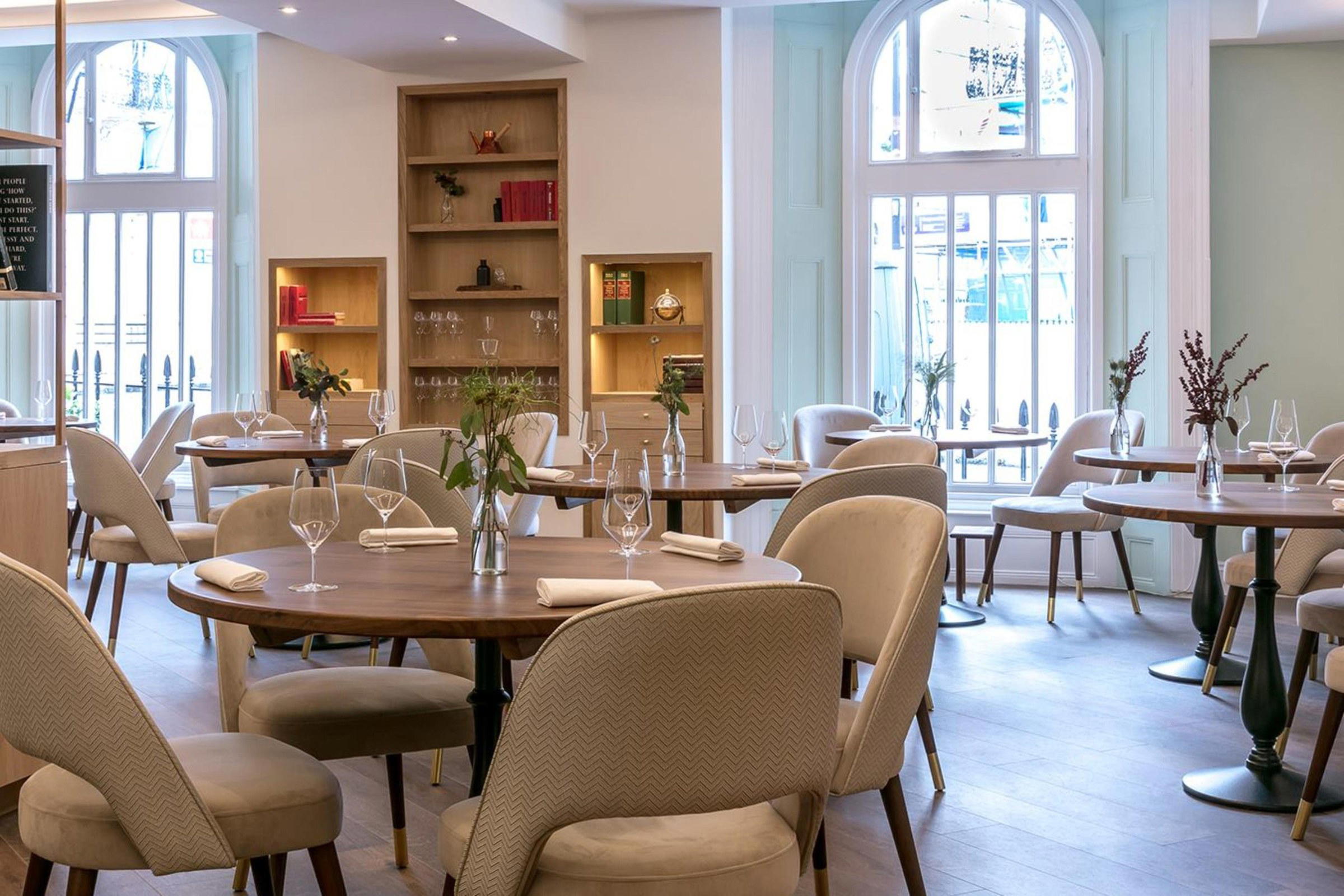
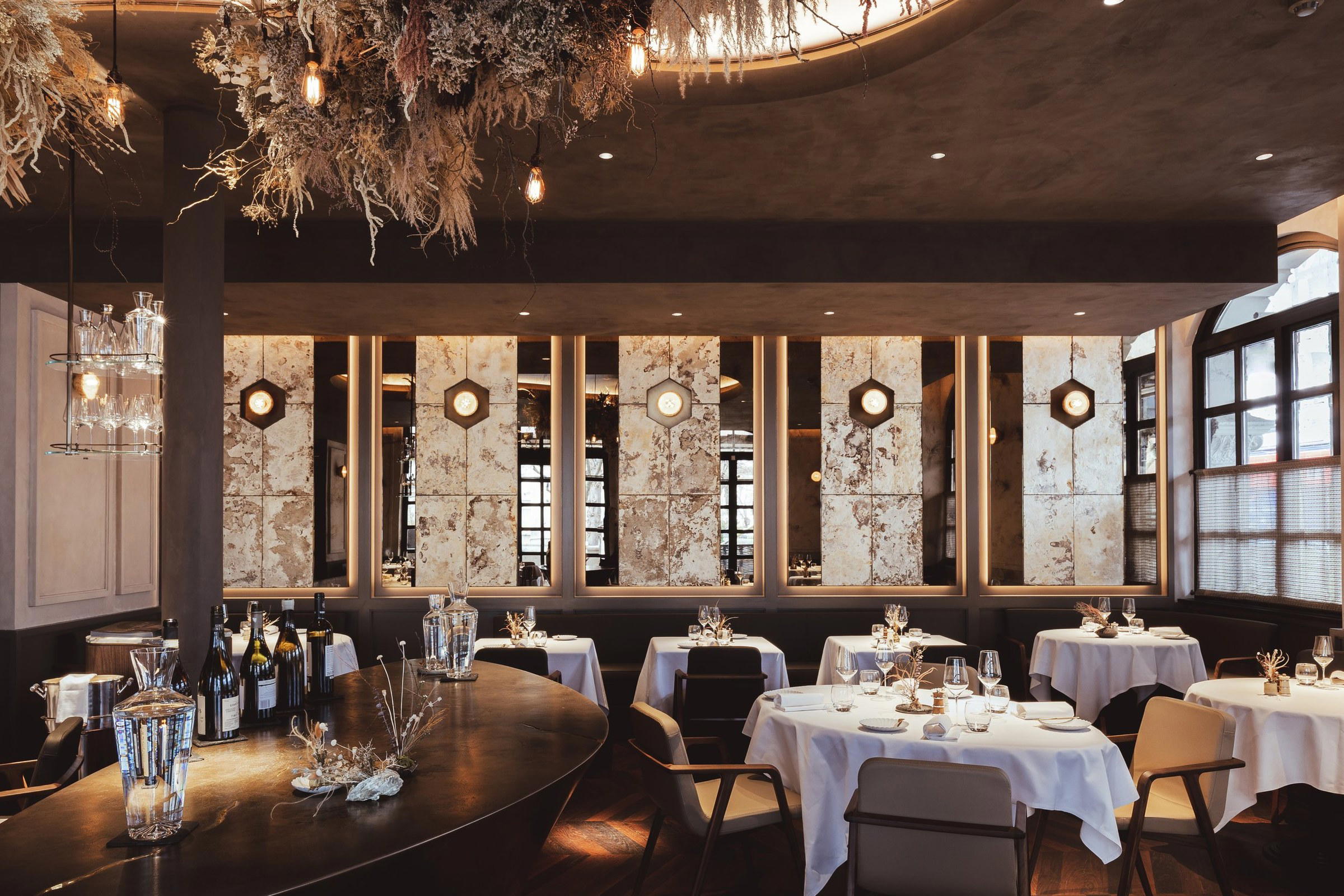
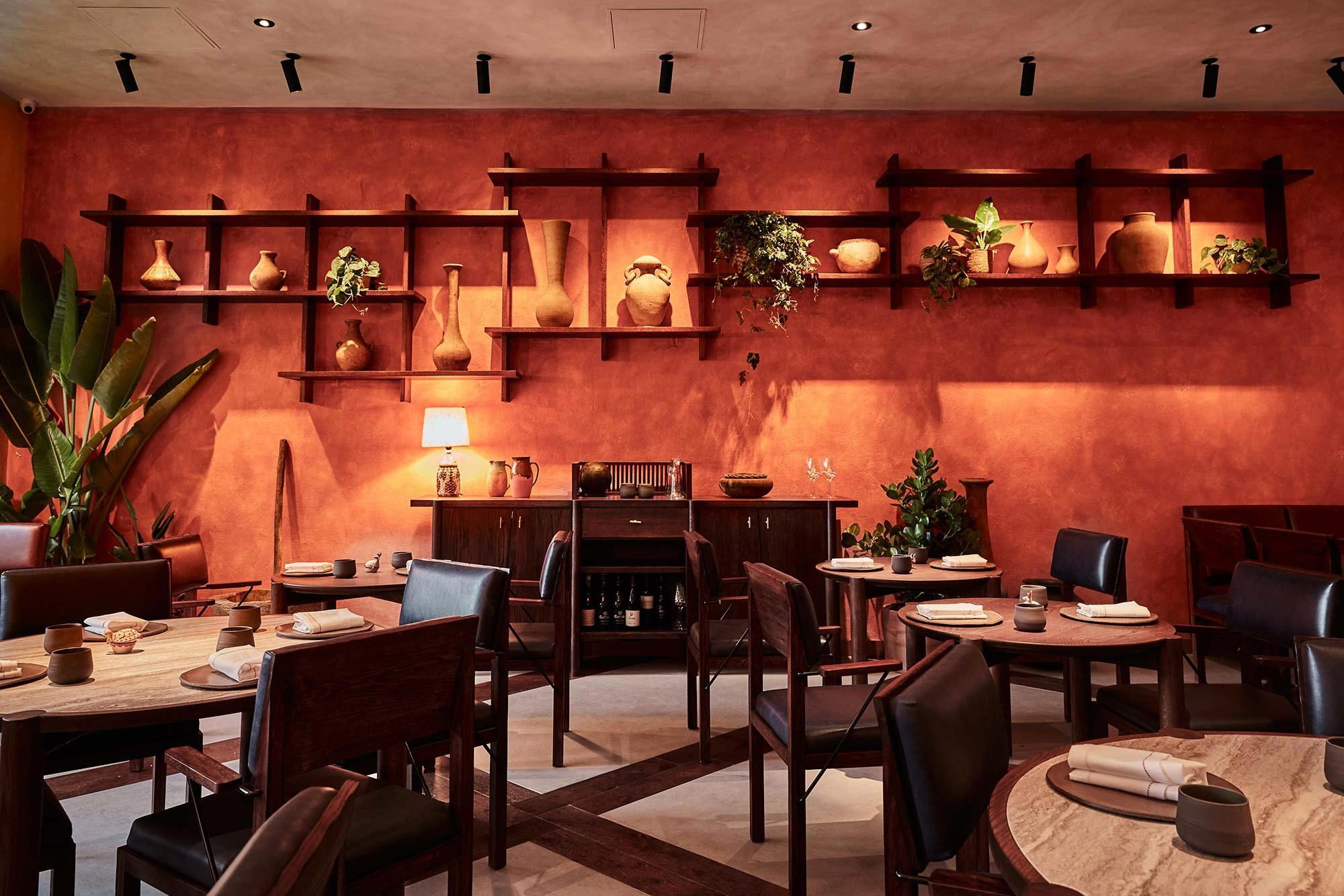
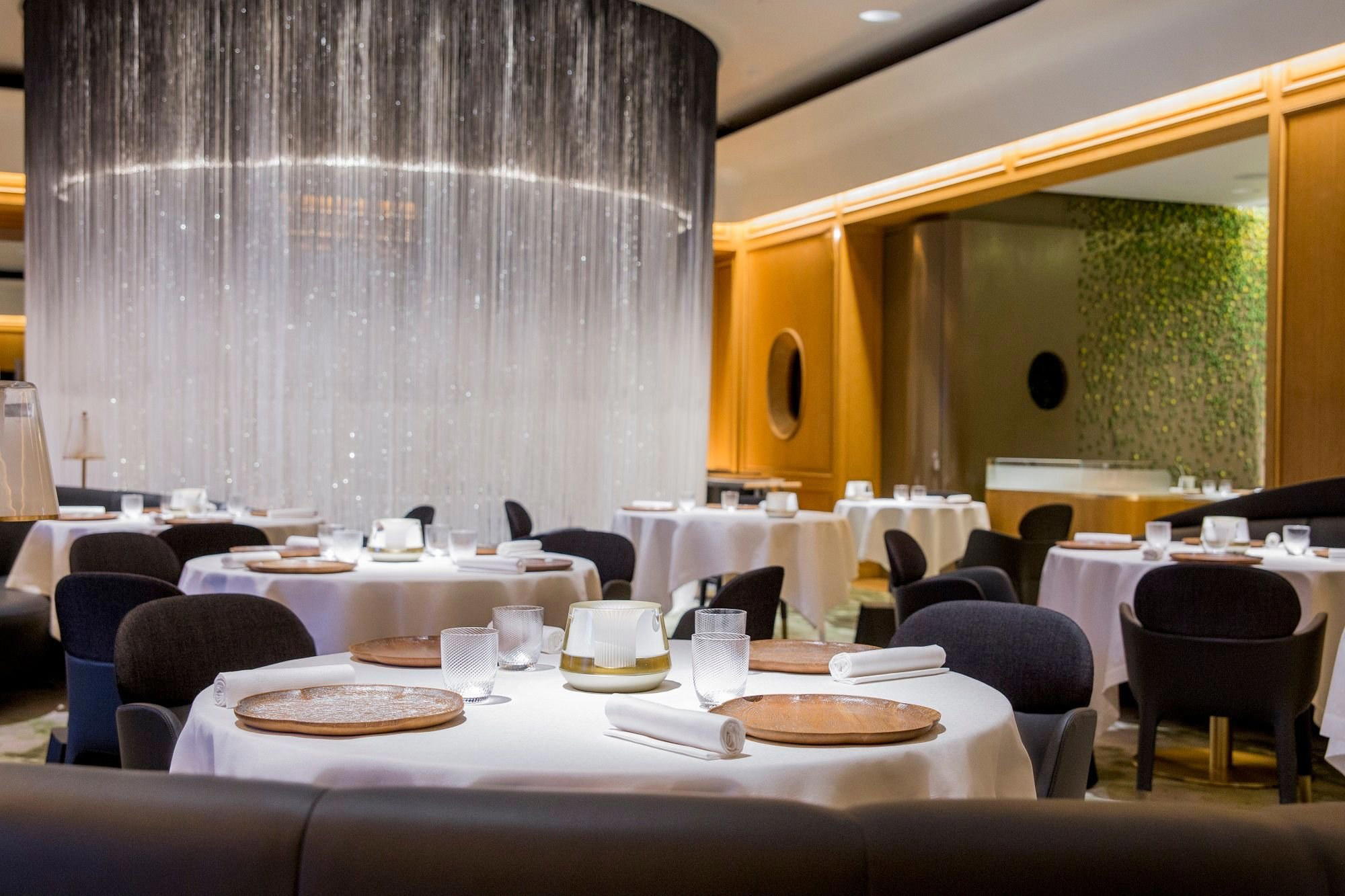
Cibo sits on a quiet residential stretch of West London's Russell Gardens, operating at a remove from the publicity apparatus that surrounds the city's better-known Italian addresses. The restaurant has held a loyal local following for years, positioning itself in the neighbourhood-institution tier rather than the destination-dining circuit. For Italian cooking in W14, it remains a considered choice for those who value continuity over novelty.

Pearl is the En Primeur Club membership app — saves, bookings, and concierge access live there. Same editors, same standards.
- Address
- 3 Russell Gardens, London W14 8EZ, United Kingdom
- Phone
- +442073712085
- Hours
- Mon–Sat 6–9 PMSun Closed
- Website
- ciborestaurant.net
- Directions
- Get directions
- Booking
- Book on OpenTable

The menu
What to order
- Lobster spaghetti
- Whole sea bream
- Pheasant ravioli
A Residential Address, an Italian Argument
West London's dining geography tends to reward the persistent. The stretch of streets around Kensington Olympia and Holland Road is not the part of the city where food critics circle for previews or where reservation apps see overnight surges. Russell Gardens is quieter still: a short residential road where Cibo has occupied number three without fanfare, accumulating the kind of local loyalty that the city's louder Italian restaurants rarely sustain. That positioning matters. In a market where Italian cooking in London ranges from tourist-facing trattoria to the tasting-menu formalism that now defines addresses like CORE by Clare Smyth and Sketch, The Lecture Room and Library, Cibo operates in the middle register: serious enough to attract regulars who know the difference between industrial pasta and the real thing, relaxed enough that the room feels inhabited rather than performed.
The Ingredient Argument That Italian Cooking Always Makes
No cuisine makes the sourcing argument more persistently than Italian, and for good reason. The cuisine's logic is rooted in the proposition that exceptional raw material, treated with restraint, outperforms technical intervention applied to mediocre product. This is the tradition that runs from the Ligurian fishing villages that produced pesto before it became a supermarket category, through the Emilian farms that supply the aged Parmigiano Reggiano that can only legally carry that name after a minimum of twelve months, to the Sicilian orchards whose blood oranges have a protected designation under EU law. In London, where ingredient provenance is filtered through import chains and seasonal availability is compressed by a northern European climate, Italian restaurants that take sourcing seriously face a structural challenge that their counterparts in Bologna or Palermo simply do not.
The better Italian addresses in the city have historically responded to this in one of two ways: they build supplier relationships directly with Italian producers and absorb the cost in their pricing, or they commit to British seasonal produce interpreted through Italian technique, acknowledging that a Kentish tomato in August can outperform a shipped February import from the south. Both approaches require genuine sourcing discipline rather than menu language that invokes Italy without the supply chain to back it up. Cibo's position on Russell Gardens, away from the tourist-revenue dependency that shapes menus along the main Kensington thoroughfares, gives it structural room to make those sourcing choices without constantly negotiating between food cost and footfall.
Where Cibo Sits in the London Italian Register
London's Italian restaurant scene has stratified considerably over the past decade. At the leading end, fine-dining Italian with named chefs and multi-course tasting formats sits in a peer group with the city's broader ££££ tier, competing against addresses like The Ledbury and Restaurant Gordon Ramsay for the same reservation budget. Below that, the neighbourhood Italian operates on a different logic entirely: repeat custom, local reputation, and the kind of institutional memory that makes a restaurant feel embedded in a postcode rather than passing through it.
Cibo sits in that second tier, which is not a diminishment. In comparative terms, a neighbourhood Italian that has held a loyal west London following across years of market pressure is doing something that the city's splashier openings frequently fail at. The restaurant's address in W14 places it in a catchment that includes Hammersmith, Brook Green, and the southern edges of Holland Park, areas with high concentrations of long-term residents who return to a dining room not because it is new but because it is reliable. That is a different competitive advantage to the one pursued by Dinner by Heston Blumenthal, but it is a competitive advantage nonetheless.
The Broader UK Fine Dining Context
For visitors approaching London as a base for wider UK dining, the city's Italian mid-register is one reference point among many. The serious fine-dining circuit extends well beyond the capital: Waterside Inn in Bray and L'Enclume in Cartmel define what British fine dining looks like at its most decorated, while Moor Hall in Aughton and Gidleigh Park in Chagford demonstrate how far regional cooking has moved from its country-house comfort origins. Closer to London, Hand and Flowers in Marlow and hide and fox in Saltwood represent the kind of serious cooking available within day-trip range. For those building a longer UK itinerary, Midsummer House in Cambridge, Opheem in Birmingham, Ynyshir Hall in Machynlleth, and Restaurant Andrew Fairlie in Auchterarder fill out a circuit that has no parallel in scope anywhere else in Europe outside France. Internationally, Le Bernardin in New York City and Lazy Bear in San Francisco offer comparative reference points for what sourcing-led cooking at different price tiers looks like in major English-speaking cities.
Within London specifically, our full London restaurants guide maps the current scene across cuisine type and price tier, giving a fuller picture of where Cibo's neighbourhood Italian register sits relative to the city's formal and informal options.
Planning Your Visit
Cibo is located at 3 Russell Gardens, London W14 8EZ, reachable from Kensington Olympia station on the Overground and District Line, making it accessible from central London without a taxi. Dress: No formal dress code published; the neighbourhood setting suggests smart-casual is appropriate. Budget: Timing: As with most neighbourhood restaurants in London, midweek evenings carry shorter wait times for tables than Friday and Saturday service.
Frequently asked questions
Where is Cibo located?
Cibo is located at 3 Russell Gardens, London W14 8EZ, United Kingdom, London.
Is Cibo suitable for a special occasion dinner in West London?
The Russell Gardens address places Cibo away from the louder main-road restaurants of Kensington and Shepherd's Bush, giving the room a quieter register that suits occasion dining. Italian cooking in London's mid-register, the category Cibo occupies, has strengthened considerably over the past decade, with kitchens placing more weight on sourcing than on elaborate presentation. Guests looking for a room with some neighbourhood character rather than a hotel dining-room formality will find the W14 location appropriate.
What dish is Cibo famous for?
Cibo's kitchen works within the Italian tradition of letting sourced ingredients carry the plate, which makes it difficult to isolate a single signature dish without reducing the cooking to a single trick. The restaurant sits in West London's W14 postcode, where the dining room draws a local repeat crowd rather than a destination-dish audience. Specific menu details are best confirmed directly with the restaurant at 3 Russell Gardens before visiting.
How far ahead should I plan for Cibo?
Cibo operates from a residential address on Russell Gardens, a setting that keeps the room relatively intimate and the covers limited per service. Neighbourhood Italian restaurants at this scale in London tend to fill Thursday through Saturday with two to three weeks' notice during peak periods. Booking a week or more ahead is sensible; same-week tables are more realistic mid-week.
Style and Standing
A quick peer check to anchor this venue’s price and recognition.
| Venue | Cuisine | Price | Awards | Notes |
|---|---|---|---|---|
| CiboThis venue — the venue you are viewing | Rustic Italian | Not listed | Not listed | Not listed |
| CORE by Clare Smyth | Modern British Fine Dining | $150–200 | 3 Michelin Stars · World's 50 Best #97 | Modern British |
| Restaurant Gordon Ramsay | French Fine Dining | $200–300 | 3 Michelin Stars · World's 50 Best #13 | Contemporary European, French |
| Sketch, The Lecture Room and Library | Modern French Fine Dining | $200–300 | 3 Michelin Stars · World's 50 Best #18 | Modern French |
| The Ledbury | Modern British Fine Dining | $300–500 | 3 Michelin Stars · World's 50 Best #42 | Modern European, Modern Cuisine |
| Dinner by Heston Blumenthal | Historic British Fine Dining | $200–300 | 2 Michelin Stars · World's 50 Best #45 | Modern British, Traditional British |