
Chuka Soba Fukuhara is a Higashiosaka ramen counter with Tabelog Ramen OSAKA 100 selections in 2024 and 2025 and a 3.67 Tabelog score. Its appeal sits in the disciplined chuka soba lane of Osaka ramen: compact, solo-friendly, counter-led, and serious without moving into luxury dining theatre.
Pearl is the En Primeur Club membership app — saves, bookings, and concierge access live there. Same editors, same standards.
- Address
- 1 Chome-3-24 Shuntokucho, Higashiosaka, Osaka 577-0831, Japan
- Phone
- +81 6-6743-7159
- Website
- menyafukuharagroup.com
 Saves & bookings on Pearl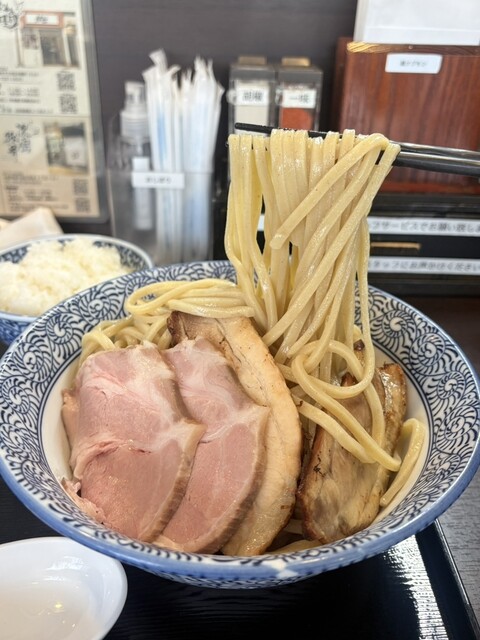
Approaching a serious Osaka ramen counter, the signal is rarely grandeur: a compressed room, quiet concentration around bowls, and the speed with which a meal becomes an assessment of broth, tare, noodle texture, and restraint. Chuka Soba Fukuhara belongs to the sharper end of the city’s ramen culture, where menu architecture matters more than decoration and a counter format turns a modest bowl into technical comparison.
Osaka dining is often reduced to louder shorthand: takoyaki, okonomiyaki, late-night snacks around Namba, and train-station comfort food. Ramen sits differently. Less ceremonial than kappo, less celebratory than yakiniku, and less nostalgic than udon, it rewards repeat attention because every shop declares priorities through narrow choices. Chuka Soba Fukuhara’s inclusion in Tabelog Ramen OSAKA 100 for both 2024 and 2025 is therefore a clear trust signal in a category where local scoring is unforgiving and small differences matter.
Chuka soba in Osaka's serious ramen register
Chuka soba is not merely a lighter label for ramen. In Japan’s contemporary ramen scene, it often points to a composed structure: broth, seasoning, noodles, and toppings arranged to read cleanly rather than overwhelm. It is a useful counterpoint to heavy tonkotsu, maximal miso, and ingredient-driven limited bowls. When a bowl is built around balance, flaws have fewer places to hide.
Chuka Soba Fukuhara operates in that disciplined register rather than Osaka’s broader street-food image. Its Tabelog score of 3.67 places it in a competitive middle-high band for a ramen specialist, and the 2025 Ramen OSAKA 100 selection confirms it is judged among peers, not casual noodle stops. Within the comparison set, Toriyaki Shogun Eiwa sits at a higher spend bracket, while Taishu Chuuyuuka Shokudo Hakkai, Totomen En, and Gokuju Bimen umami cluster in the same JPY 1,000 to JPY 1,999 range. Fukuhara is not asking diners to treat ramen as a splurge; it competes on execution inside an everyday price tier.
The counter-led format frames the meal. Ramen counters compress service into a short arc: ordering, waiting, eating, leaving. There is little theatrical pacing. The kitchen’s choices show up in sequence and temperature rather than extended explanation, so menu architecture becomes the story. A serious chuka soba shop succeeds when its range is narrow enough to feel deliberate and broad enough to reveal a point of view across ramen.
What the menu structure says before the bowl arrives
Ramen menus often look simple to visitors and highly legible to regulars. The base style tells one story; seasoning and topping choices tell another. A chuka soba specialist asks diners to read small differences: soy-led clarity against salt-driven definition, standard bowls against richer variants, and toppings as accents rather than excess. Without a long tasting format, the menu becomes a map of priorities.
That is the useful way to read the restaurant. Its category is ramen, but its place on the Tabelog Ramen OSAKA 100 list suggests specialist standards: consistency, broth clarity, noodle handling, and the ability to keep a compact format interesting over repeat visits. This differs from Osaka restaurants built around prix fixe dining or high-touch service. It is craft discipline, judged quickly and revisited often.
For travellers building a wider Osaka itinerary, the distinction helps. A ramen counter like this sits beside small-format casual addresses rather than replacing a full dinner plan. Compare the impulse with a bakery stop such as 52CHO-ME BAKERY, a quick regional staple like 551 Horai (551蓬莱), or a coffee pause at .cafe. Each fits Osaka’s short-form dining rhythm, while restaurants such as a canto (Italian) or 99 Pizza Napoletana Gourmet serve a different purpose in the day.
The broader point is not that every serious meal in Osaka needs ceremony. The city is particularly good at formats that respect time: a counter, a queue, a narrow menu, a specialist claim. Ramen benefits because diners can compare shops without committing an evening. The discipline is repetition. A bowl has to justify itself quickly, and Osaka has enough competition that weak execution is not protected by ambience.
How to place it within an Osaka itinerary
Higashiosaka gives this ramen stop a different frame from visitor-heavy dining zones. The location pulls the meal toward local rhythm rather than hotel-district convenience, useful for travellers whose Osaka plans otherwise orbit Umeda, Namba, and Shinsaibashi. It also makes the restaurant a focused detour: go for ramen, not a long mixed-format evening.
The planning logic is simple. Use this as a compact ramen meal when the day already includes heavier eating elsewhere, or as a solo counter stop between rail movements. The venue is listed as solo-dining friendly, private rooms and private use are unavailable, and the room is built around counter seating. Those details define the experience: this is not a lingering group restaurant, and it does not need to be.
For a broader city edit, Our full Osaka restaurants guide connects ramen with sushi, kappo, bakeries, casual counters, and international cooking. Travellers shaping the rest of the trip can pair it with Our full Osaka hotels guide, Our full Osaka bars guide, Our full Osaka wineries guide, and Our full Osaka experiences guide. The useful editorial choice is to keep ramen in its lane: precise, quick, and judged on repeatable craft.
Readers comparing Japanese casual formats beyond Osaka might look at how regional specialisation shifts elsewhere: -Grilled beef Sukiyaki- KAMAKURA TANUKIAN 鎌倉 たぬき庵 in Kamakura for beef sukiyaki. 鮪と炭火焼き うお炭 秋葉原店 in Tokyo for tuna and charcoal grilling.know in Kumamoto, (Shoku) Vietnam in Kawasaki, [Curry Senmon Ten] Maruyama Kyoju. in Sapporo, and [ki:] in Kyoto. Even outside Japan, compact Japanese formats carry differently, as seen at Jōdo Saké Bar in Los Angeles and Onigiri Time in Pasadena. Fukuhara’s value is clearer against that wider field: it represents ramen as a focused craft category, not a generic noodle stop.
Local
Comparable options at the same price tier.
| Venue | Cuisine | Price | Notes |
|---|---|---|---|
| Chuka Soba FukuharaThis venue — the venue you are viewing | Classic Japanese ramen (chuka soba) | $ | Not listed |
| Buttah | Japanese Curry | $ | Chūō |
| Spice Curry Te | Japanese Curry | $ | Chūō |
| Udon Izakaya Edobori | Udon izakaya | $ | Nishi |
| Zouya | Classic Osaka okonomiyaki & yakisoba | $ | Nishinari |
| Inui | Traditional Soba (Buckwheat Noodles) | $ | Habikino |
Recognition history
Dated appearances from independent guides and award organizations, with the underlying list record or original source where available.
Tabelog 100 #18 · No. 18
Tabelog · Tabelog 100 - Ramen - OSAKA - 2025
Continue exploring
More in Osaka
Restaurants in Osaka
Browse all →




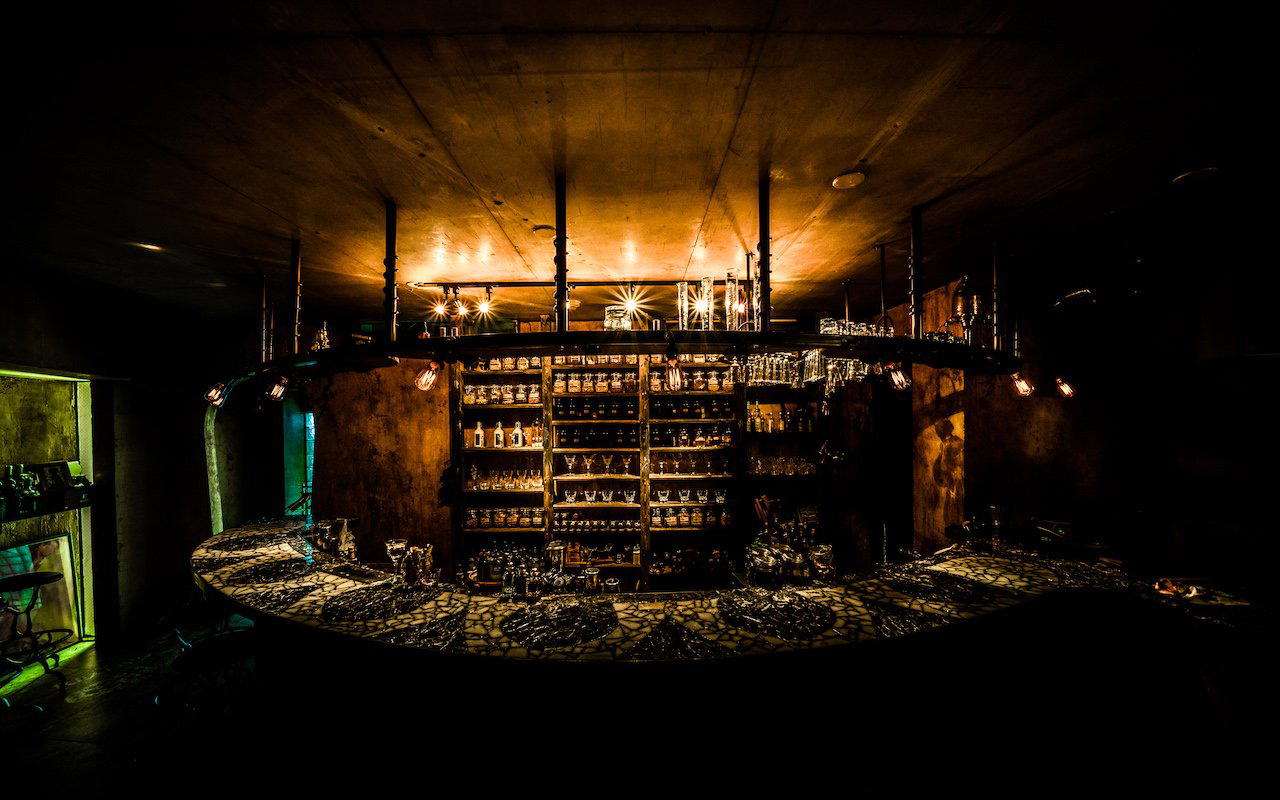
Bars in Osaka
Browse all →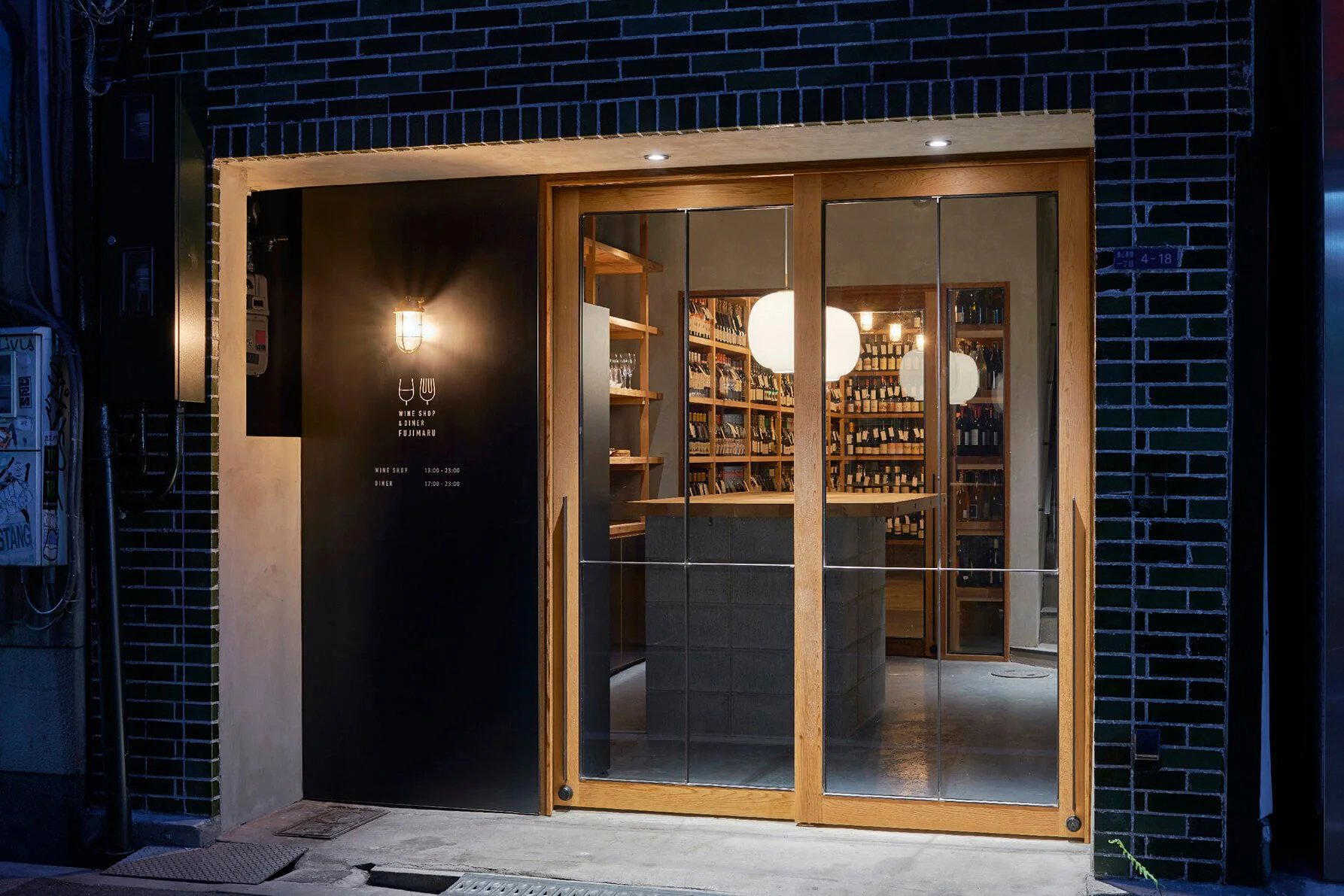


Hotels in Osaka
Browse all →




Wineries in Osaka
Browse all →
At a Glance
- Cozy
- Lively
- Solo
- Casual Hangout
- After Work
- Family
- Chefs Counter
- Standalone
- Local Sourcing
Current opening hours
- Monday
- 11 AM–3 PM, 6–9 PM
- Tuesday
- 11 AM–3 PM, 6–9 PM
- Wednesday
- 11 AM–3 PM, 6–9 PM
- Thursday
- 11 AM–3 PM, 6–9 PM
- Friday
- 11 AM–3 PM, 6–9 PM
- Saturday
- 11 AM–3 PM, 6–9 PM
- Sunday
- 11 AM–3 PM, 6–9 PM
Hours can change for holidays and private events. Last verified .
Compact, counter-focused neighborhood ramen shop with a simple, functional interior where guests sit close to the open kitchen and eat quickly in a casual, energetic atmosphere.