Macarfi 7.4 Food Rating
Our verdict
On Calle de Echegaray in Madrid's Centro district, Chuka Ramen Bar occupies a specific and well-defended position in the city's Asian dining scene. Ranked #147 among Europe's cheap eats by Opinionated About Dining in 2025 and carrying, it represents the kind of precision-focused, single-discipline kitchen that Madrid's ramen scene has rarely produced with this level of consistency.

Pearl is the En Primeur Club membership app, where members save venues, book tables and use the concierge.
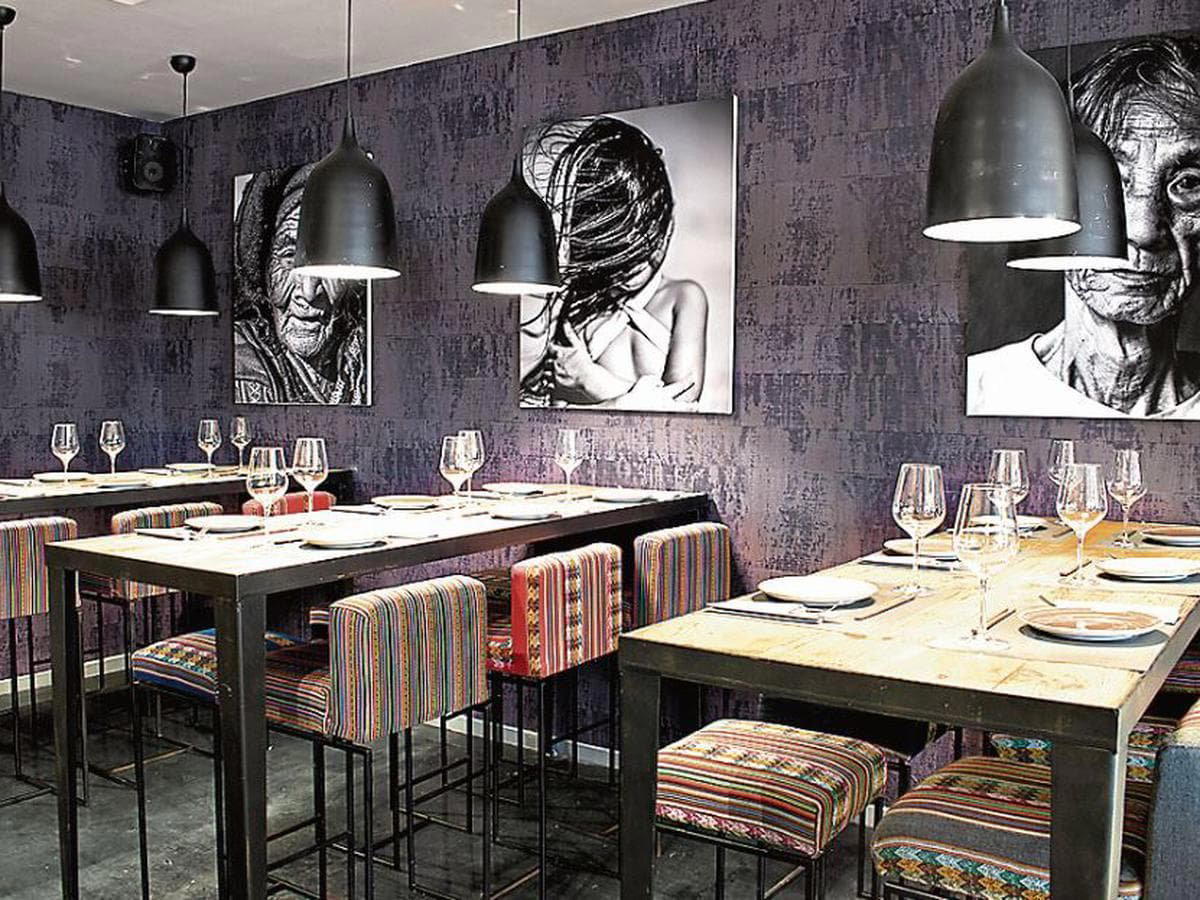
Ramen in Madrid: Where Chuka Sits in the City's Asian Dining Map
Madrid's relationship with Japanese cuisine has always been uneven. The city has accumulated serious fine-dining credentials in the Asian-inflected register DiverXO operates at the three-Michelin-star level with a menu that pulls aggressively from Chinese and Japanese reference points, but the casual, disciplined, single-bowl format that defines Tokyo's neighbourhood ramen culture has been slower to establish itself with any depth. The reasons are partly structural: Spanish lunch culture runs long and social, which sits awkwardly against ramen's fast, focused, counter-service logic.
That cheap-eats placement is the more instructive of the two. OAD's cheap-eats list is generated from a large panel of informed diners and food professionals; reaching #147 across the entirety of Europe signals that the value-to-quality ratio here is being noticed well beyond Madrid's local dining community. For a ramen kitchen in a city where the format has no deep structural tradition, that's a credential worth reading carefully.
The Address and What It Signals
Calle de Echegaray runs through the Barrio de las Letras, a stretch of Centro bounded by the Paseo del Prado to the east and the heavier tourist density of Puerta del Sol to the north. The street has historically concentrated late-night bars and small restaurants rather than destination dining, which makes Chuka Ramen Bar's positioning here somewhat counterintuitive. Serious ramen kitchens in Tokyo tend to anchor in residential or commuter-dense zones, not in entertainment corridors. But the trade-off works in the other direction too: foot traffic from the surrounding hotel and cultural district feeds the lunch service reliably, and the neighbourhood's general openness to non-Spanish food formats lowers the resistance a ramen kitchen might face in more locally rooted parts of the city.
The operating hours reflect a conscious decision about format. The kitchen opens for lunch from 1:30 to 4 pm and returns for dinner from 8:30 to 11:30 pm, Tuesday through Saturday, with Sunday and Monday closed. Those windows are tighter than a typical Madrid restaurant's, which usually runs longer on both ends. The compression is likely deliberate: ramen broth requires sustained production investment, and a focused service window allows quality control across both sessions without overstretching a kitchen team working with time-intensive stocks.
Menu Architecture: What the Format Reveals
Ramen as a menu format is unusually transparent about a kitchen's technical commitments. Unlike a tapas spread or a sharing-plate menu where dishes can be added or rotated with relative ease, a ramen programme stakes its credibility on the broth. The bowl is almost entirely the sum of its stock, its fat layer, its tare (the seasoning concentrate), and the quality of the noodle. There is almost nowhere to hide a weak foundation. This is why the format rewards narrow, obsessive kitchens over broad generalist ones.
Chuka Ramen Bar operates in this discipline. The name itself signals something about the kitchen's orientation: "chuka" in Japanese refers to Chinese-style cooking as interpreted through a Japanese lens, the same tradition that originally gave ramen its foundational techniques. Using that term in the name places the kitchen in a specific lineage, one that acknowledges the Chinese roots of noodle-soup culture while working within the Japanese discipline that systematised and refined them. It is a more knowing reference than a straightforwardly Japanese name would suggest.
That averaging effect is a more reliable indicator of kitchen consistency than any single award or press mention.
Placing Chuka Against Madrid's Broader Restaurant Range
Madrid's highest-profile restaurant openings trend toward elaborate tasting formats. Coque, Deessa, DSTAgE, and Paco Roncero all operate in the multi-course, high-investment register. That is where critical attention in Madrid has concentrated, and it represents a real strength of the city's dining scene. But it is also a very different kind of eating from what a well-executed ramen kitchen offers, and the two are not in competition with each other. A reader planning a Madrid trip will likely want both ends of that range.
For ramen specifically, the relevant comparison is less about Spanish peers and more about where this kitchen sits in the broader European ramen conversation. Afuri in Tokyo and its international outpost Afuri Ramen in Portland represent the kind of format discipline that European ramen kitchens are increasingly benchmarking against. That is meaningful context for a kitchen operating in a city where ramen has no deep structural tradition.
Spain's broader restaurant conversation runs well beyond Madrid, of course. Kitchens like El Celler de Can Roca in Girona, Arzak in San Sebastián, Azurmendi in Larrabetzu, Martin Berasategui in Lasarte-Oria, Aponiente in El Puerto de Santa María, and Cocina Hermanos Torres in Barcelona define the country's high end. Chuka operates at a different altitude entirely, but the OAD recognition means it is being assessed by an overlapping audience of serious eaters who move across those tiers deliberately.
Planning a Visit
Chuka Ramen Bar opens for lunch at 1:30 pm and for dinner at 8:30 pm, Tuesday through Saturday. The Calle de Echegaray address is walkable from the Prado museum district and from the Antón Martín metro stop on Line 1, making it a natural option before or after an afternoon in the cultural corridor. Madrid's wider restaurant and bar scene across the Centro area is covered in our full Madrid restaurants guide, alongside our Madrid bars guide, our Madrid hotels guide, our Madrid wineries guide, and our Madrid experiences guide for readers building a fuller itinerary.
What Do People Recommend at Chuka Ramen Bar?
For current menu specifics, checking the venue directly when booking is advisable, as ramen menus often shift seasonally based on broth availability and ingredient sourcing.
Frequently asked questions
Is Chuka Ramen Bar open every day?
Hours at Chuka Ramen Bar: Hours: Monday Closed Tuesday 1:30–4 pm, 8:30–11:30 pm Wednesday 1:30–4 pm, 8:30–11:30 pm Thursday 1:30–4 pm, 8:30–11:30 pm Friday 1:30–4 pm, 8:30–11:30 pm Saturday 1:30–4 pm, 8:30–11:30 pm Sunday Closed.
Who's behind the kitchen at Chuka Ramen Bar?
The chef associated with Chuka Ramen Bar is Various.
What do people recommend at Chuka Ramen Bar?
Ramen formats reward repeat visits: broth depth, noodle texture, and topping ratios shift the experience meaningfully from bowl to bowl. Arriving at opening, 1:30 pm for lunch or 8:30 pm for dinner, gives the best read on the kitchen at full pace.
What kind of cuisine does Chuka Ramen Bar serve?
Cuisine and Credentials
| Venue | Cuisine | Price | Awards | Notes |
|---|---|---|---|---|
| Chuka Ramen BarThis venue (the venue you are viewing) | Modern Japanese Ramen Fusion | $20–30 | Macarfi 7.4 Food Rating | Not listed |
| DiverXO | Avant-Garde Spanish Tasting Menu | $300–500 | 3 Michelin Stars · World's 50 Best #4 | Progressive - Asian, Creative |
| Deessa | Modern Valencian Fine Dining | $150–200 | 2 Michelin Stars · La Liste Top Restaurants | Modern Spanish, Creative |
| Smoked Room | Modern Japanese Fire Omakase | $200–300 | 2 Michelin Stars · La Liste Top Restaurants | Progressive Asador, Contemporary |
| Coque | Modern Spanish Fine Dining | $300–500 | 2 Michelin Stars · La Liste Top Restaurants | Spanish, Creative |
| Paco Roncero | Avant-Garde Spanish Fine Dining | $150–200 | 2 Michelin Stars · La Liste Top Restaurants | Creative |
Recognition history
Dated appearances from independent guides and award organizations, with the underlying list record or original source where available.
Macarfi 7.4 Food Rating
Macarfi
Opinionated About Dining Cheap Eats in Europe Ranked #140
Opinionated About Dining
Full recognition history (4 entries)
Opinionated About Dining Casual in Europe Ranked #855
Opinionated About Dining
Opinionated About Dining Cheap Eats in Europe Ranked #147
Opinionated About Dining