Château de Montreuil
Our verdict
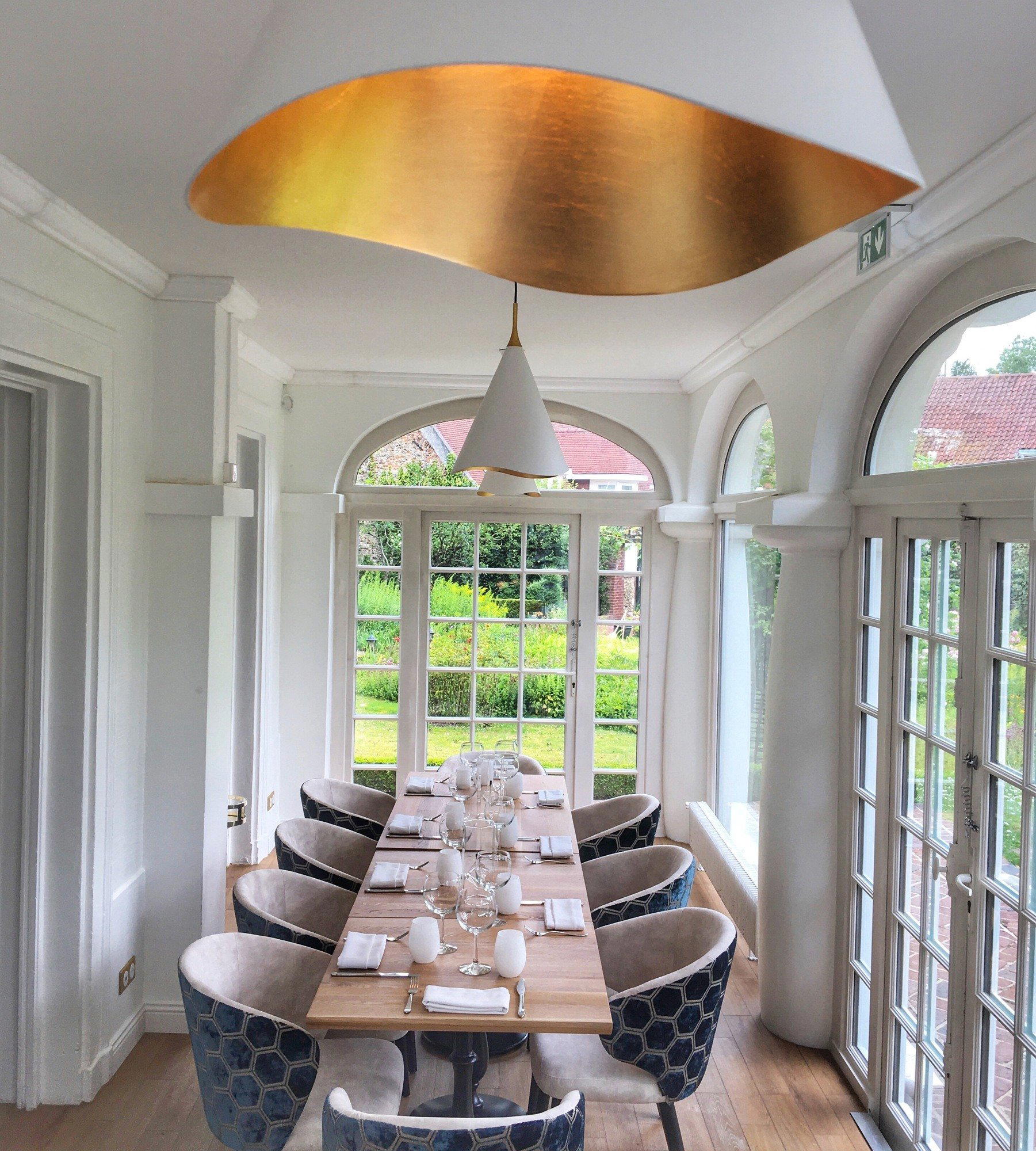
Château de Montreuil occupies a quietly commanding position in one of northern France's most intact medieval walled towns, where the cooking draws on the produce-rich hinterland of the Canche valley and the Opal Coast. The address sits within the ramparts of Montreuil-sur-Mer, a town that has attracted serious French dining for decades without acquiring the profile its geography deserves.

Pearl is the En Primeur Club membership app, where members save venues, book tables and use the concierge.
Cooking from the Edges of the Opal Coast
Northern France's relationship with fine dining has always been shaped by proximity to the sea and the particular fertility of its chalk-and-clay soils. The Pas-de-Calais, running from the Flemish border down toward the Somme estuary, produces some of the most underexamined ingredients in French gastronomy: the saltmarsh lamb of the bay areas, the Étaples fish market that supplies the coast between Boulogne and Berck, the early-season vegetables grown in the polders, and the dense, sweet shellfish pulled from the Channel's cooler waters. Restaurants that place themselves within this supply chain are making a deliberate argument about where northern France sits in the national culinary conversation.
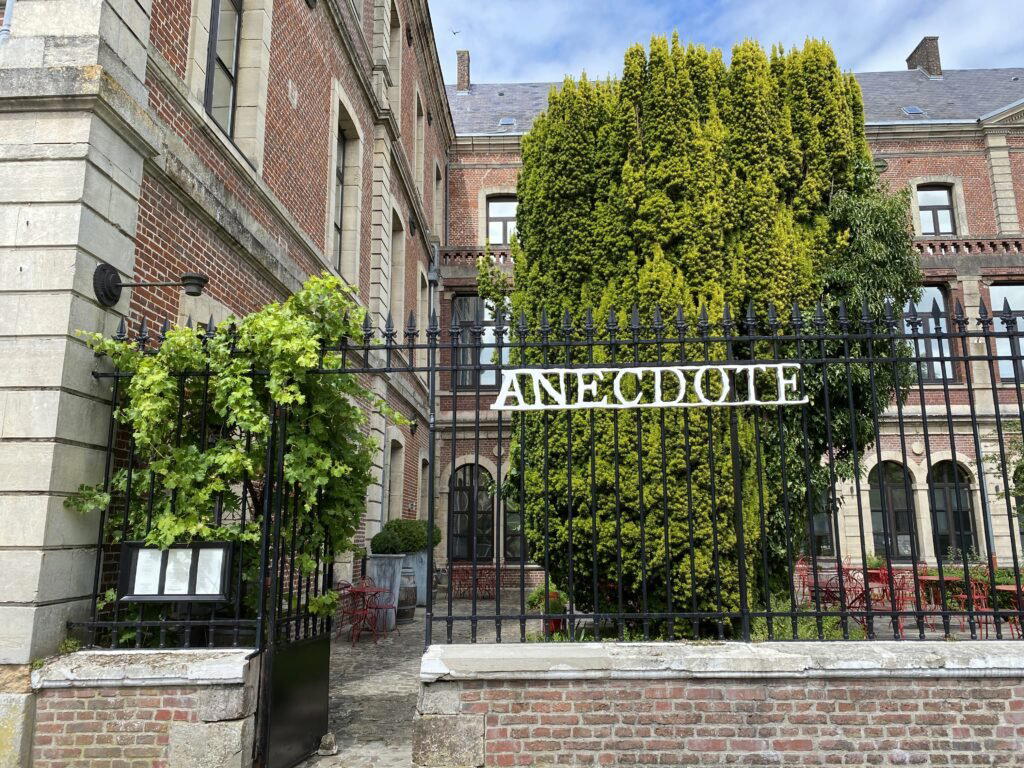
Château de Montreuil, at 4 Chaussée des Capucins in Montreuil-sur-Mer, operates within exactly that tradition. The address places it inside the medieval ramparts of a town that sits roughly halfway between Calais and Boulogne, closer to the Channel Tunnel than most visitors realise, and within an hour of Lille. The town itself is the kind of place that reveals itself slowly: the ramparts are walkable, the lanes are narrow, and the scale is resolutely pre-industrial. For a dining address, that context matters. The Château sits on refined ground, its approach framed by the stone walls that have defined the town since the seventeenth century.
Ingredient Geography as Kitchen Logic
In the broader French fine dining tradition, regional kitchens have increasingly made sourcing the legible spine of their menus. This is not a recent trend at serious addresses: Bras in Laguiole has been building its menu around the Aubrac plateau since the 1990s, and Auberge de l'Ill in Illhaeusern has anchored its kitchen in Alsatian produce across three Michelin-starred generations. What distinguishes the northern French table is the sheer range of source materials available within a short radius: freshwater fish from the Canche, flatfish from the Channel, salt-meadow lamb from the bay of the Somme, and game from the inland bocage during autumn months.
For a kitchen operating in Montreuil-sur-Mer, the Étaples fish market is the most significant local institution. One of the largest fish auctions on the French Channel coast, it operates daily and supplies restaurants from Calais to Paris with brill, sole, turbot, skate, and the small crustaceans that characterise the Opal Coast's coastal cooking. Produce from this proximity tends to arrive at the kitchen faster than at addresses in the capital, and the difference in condition between a turbot landed and driven to Montreuil versus one transported to a Paris kitchen four or five hours away is not negligible. This is what kitchen geography actually means in practice.
Where Montreuil-sur-Mer Sits in the French Restaurant Landscape
France's tradition of destination dining in market towns and small cities outside Paris is documented and long-standing. Georges Blanc in Vonnas, Les Prés d'Eugénie in Eugénie-les-Bains, and Auberge du Vieux Puits in Fontjoncouse all demonstrate that geography does not impede serious recognition when a kitchen is sufficiently committed to its terroir and execution. The northern corridor has historically been less celebrated in this respect, partly because the Paris-to-London axis treats Calais as a transit point rather than a destination, and partly because the Pas-de-Calais lacks the wine production that tends to pull critics toward other French regions.
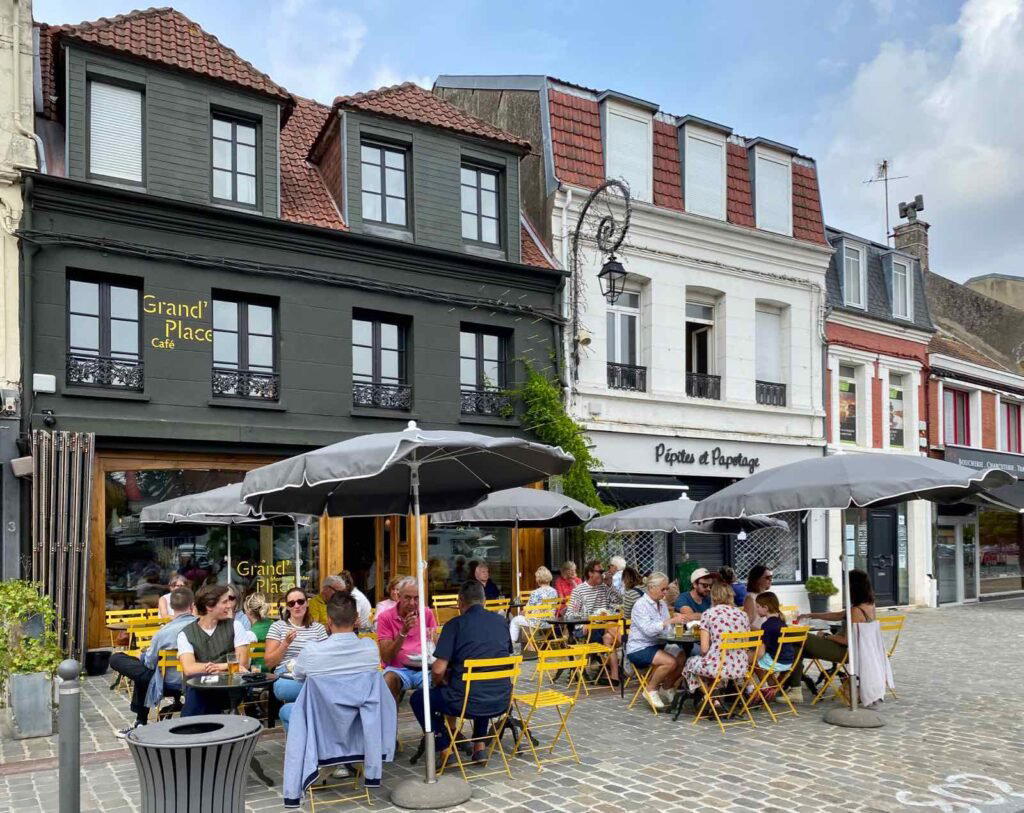
Château de Montreuil belongs to a small cohort of addresses that treat the town as a destination rather than a stop. In that context it sits alongside Grand'Place and Froggy's Tavern as part of a dining offer that gives the town substance beyond its ramparts and its association with Victor Hugo's time here while drafting Les Misérables. The Château's refined position and the château-hotel format it occupies place it in a different tier from the town's brasseries, closer in ambition and format to addresses like La Table du Castellet in Le Castellet or L'Oustau de Baumanière in Les Baux, where a hotel-restaurant pairing in a historical setting anchors a local dining identity.
The broader French fine dining calendar is centred elsewhere: Mirazur in Menton, Flocons de Sel in Megève, and Alléno Paris au Pavillon Ledoyen draw international visitors specifically for their kitchens. Montreuil-sur-Mer operates at a different register, it is a town you choose to visit rather than pass through, and the Château's dining room rewards that decision.
Arriving and Planning Your Visit
Montreuil-sur-Mer sits approximately 38 kilometres south of Boulogne-sur-Mer and is accessible by car from the A16 autoroute in around 20 minutes from the coast. From the Channel Tunnel terminal at Coquelles, the drive is roughly 75 kilometres along the A16 and D901. TGV connections to Boulogne from Paris Gare du Nord run in under two hours, with onward transfer by car. The Château address on the Chaussée des Capucins is within the walls, accessed through the Porte de Boulogne gate; parking within the ramparts is limited, and visitors arriving by car should plan to park at the base of the hill and walk up through the old town. That approach, on foot, through the medieval gate, with the walls rising on either side, sets the register for the evening before you reach the door.
For wider context on where the Château sits in the town's food offer, the full Montreuil-sur-Mer restaurants guide maps the range from casual to formal. Visitors combining northern France dining with the wider French restaurant circuit might also consider that the Paris addresses, including Troisgros - Le Bois sans Feuilles in Ouches and Paul Bocuse - L'Auberge du Pont de Collonges, represent a different scale of operation and require advance planning at a different level of lead time. Château de Montreuil sits in a quieter niche, where the booking window and the room-rate commitment are more approachable than at the headline addresses of the French dining calendar. Transatlantic visitors routing through northern France may also find points of comparison with Le Bernardin in New York City or Lazy Bear in San Francisco, both kitchens that demonstrate what serious commitment to sourcing produces at a high level.
Frequently asked questions
Is Château de Montreuil child-friendly?
Château de Montreuil sits within a formal château property in Montreuil-sur-Mer, a setting that signals a quieter, adult-oriented dining register rather than a casual family environment. Families with older children who are comfortable at a table-service pace will find it more suited to the format than those with young children. check the venue's official channels to confirm any specific accommodations before visiting.
What should I expect atmosphere-wise at Château de Montreuil?
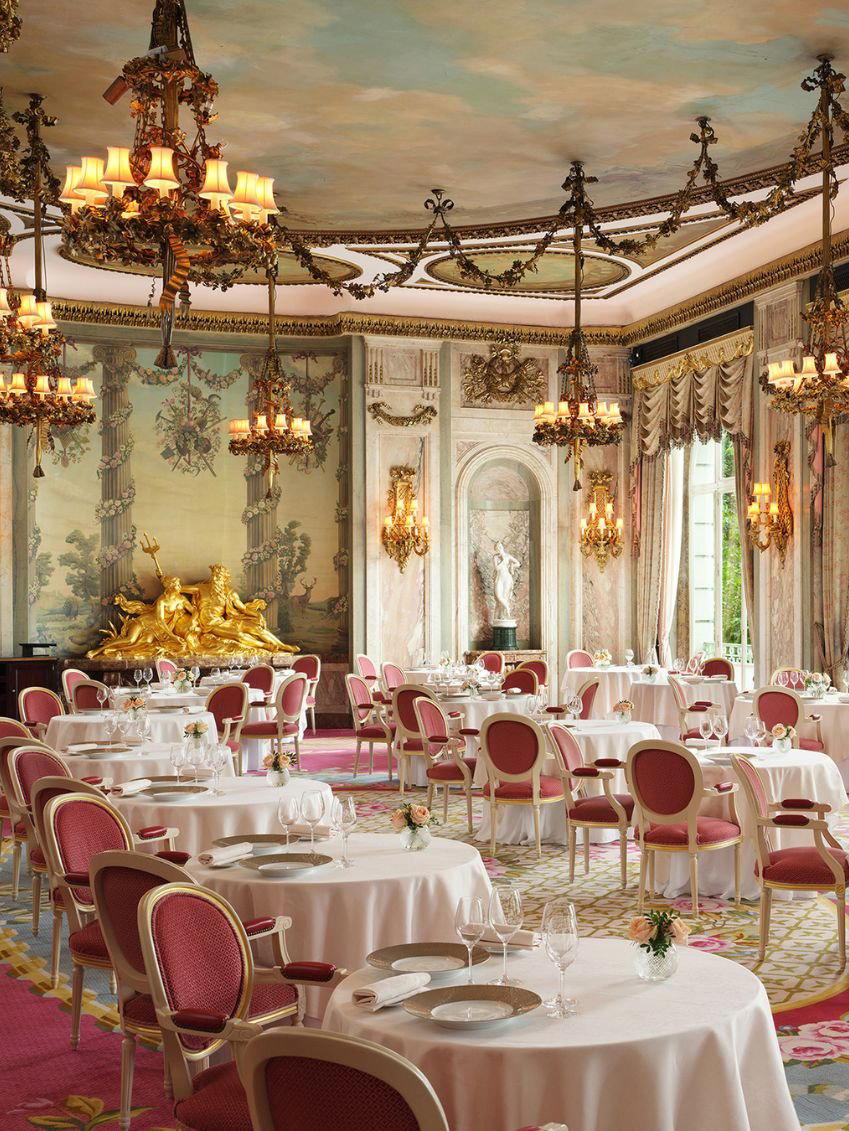
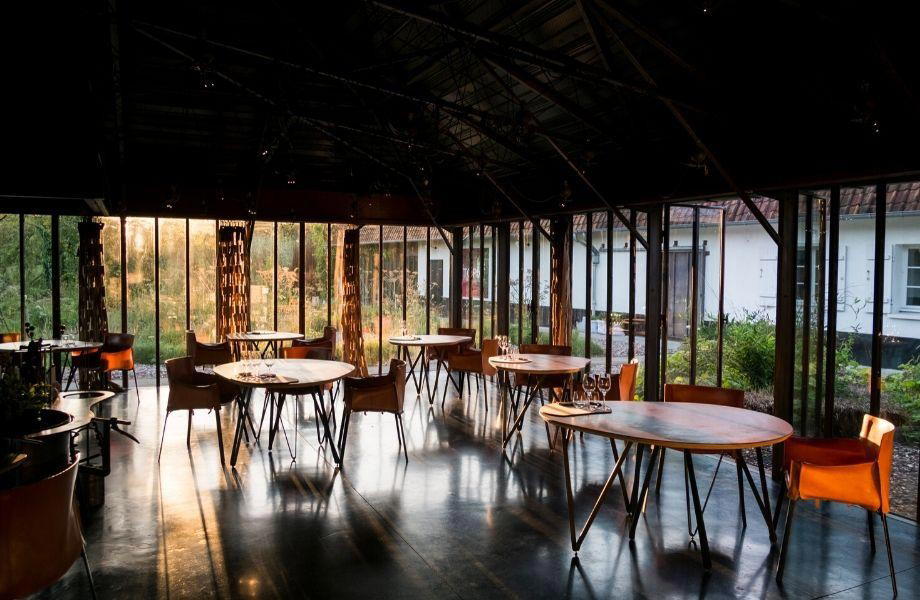
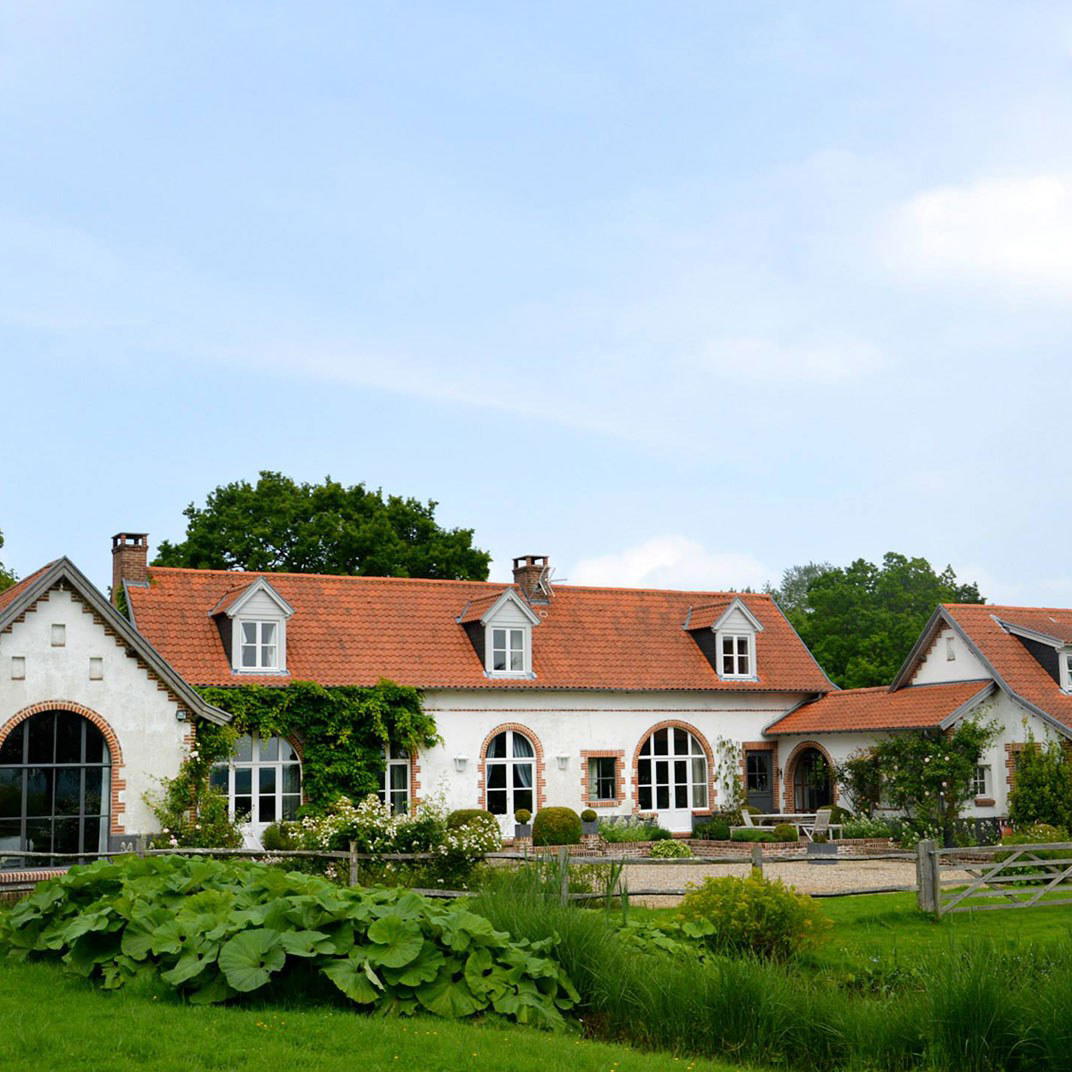
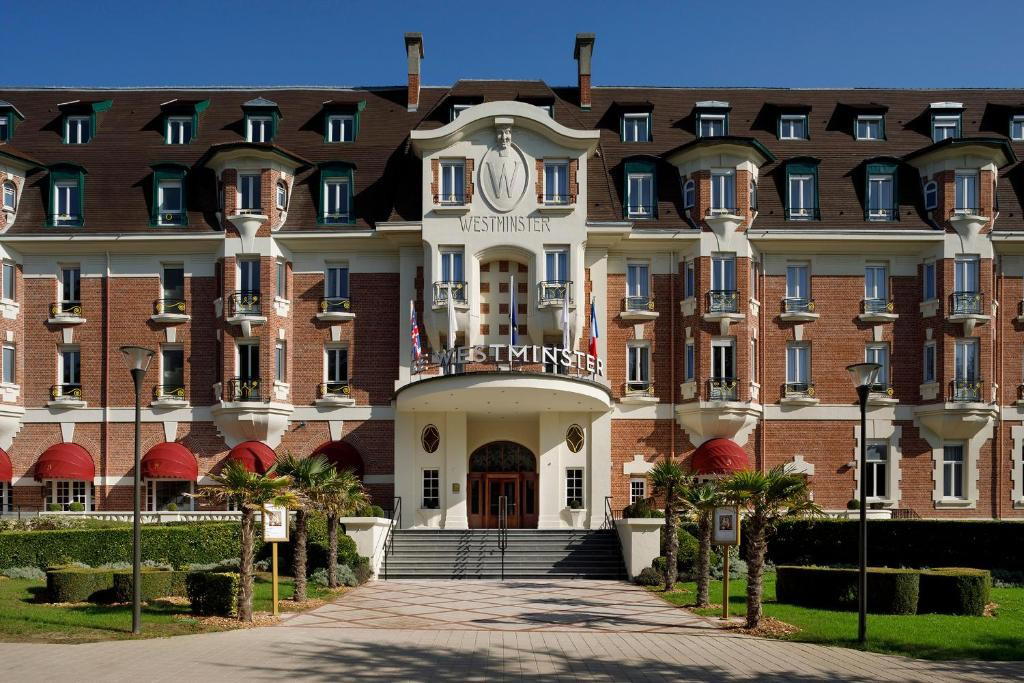
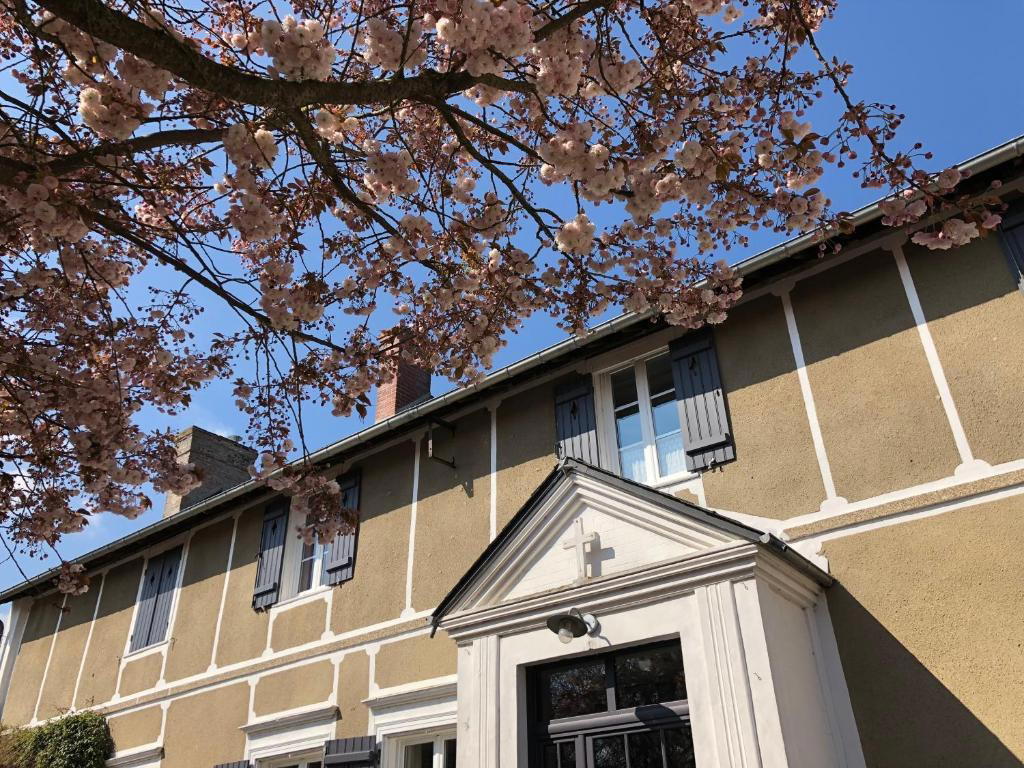
The property is a traditional French château inside Montreuil-sur-Mer's fortified walls, which shapes the tone considerably: stone architecture, formal grounds, and a pace that favours unhurried meals over passing trade. The surrounding town is small and quiet, which reinforces rather than disrupts that register. It is the kind of setting where northern France's market-town dining tradition is most legible.
Is Château de Montreuil worth a special trip from the Channel ports?
Montreuil-sur-Mer sits roughly 38 kilometres south of Boulogne-sur-Mer, making it a credible detour or overnight stop for travellers arriving via the Channel Tunnel or ferry. The town itself, a preserved walled citadel with a documented role in French literary and military history, provides a self-contained reason to visit beyond the restaurant alone. France's tradition of destination dining in smaller historic towns, from Vonnas to Eugénie-les-Bains, gives Montreuil-sur-Mer a recognised place in that circuit.
What should I order at Château de Montreuil?
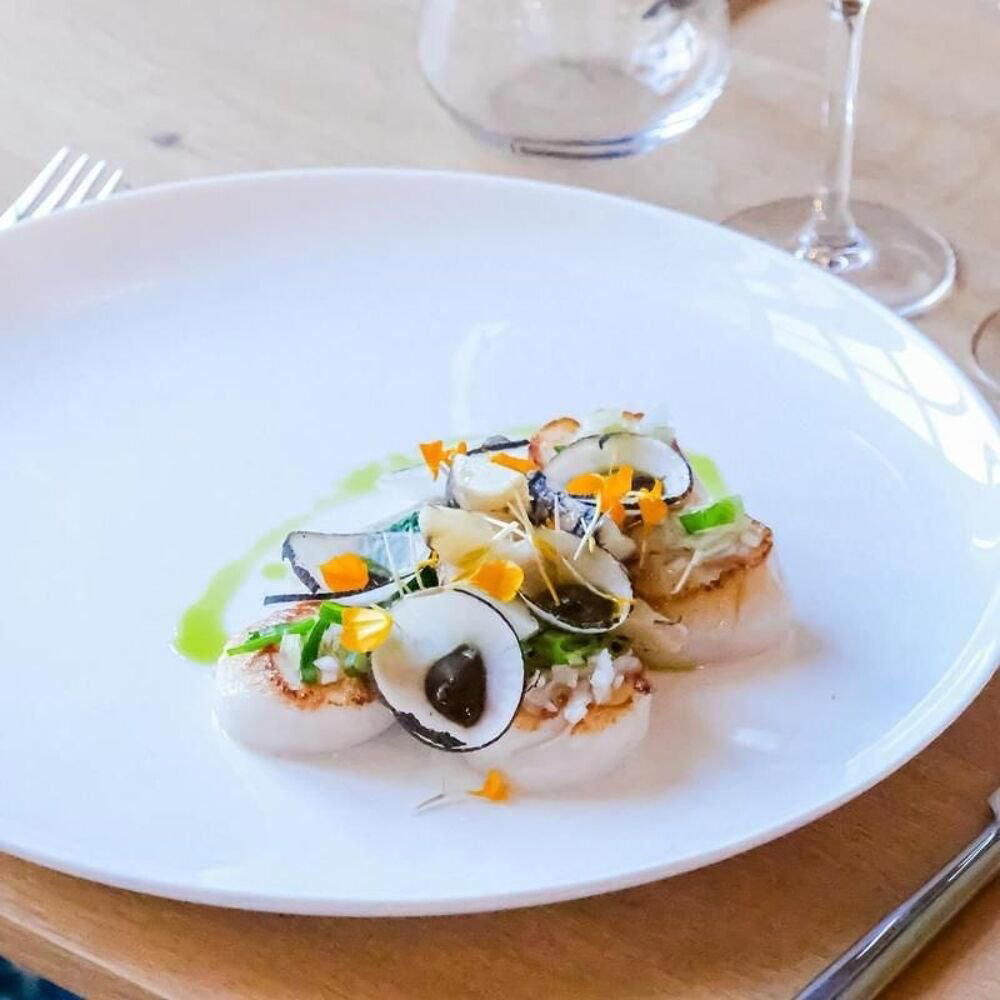
Kitchens in this part of northern France lean heavily on the produce geography of the Opal Coast: channel fish, locally raised livestock, and vegetables from chalk-and-clay soil that has a distinct mineral character. Dishes aligned to that regional sourcing logic tend to represent the kitchen's strongest arguments. For current menu specifics, check directly with the restaurant, as seasonal offerings shift with the northern growing calendar.
Where exactly is Château de Montreuil?
Château de Montreuil is located at 4 Chau. des Capucins, 62170 Montreuil-sur-Mer, France, Montreuil Sur Mer.
Side-by-Side Snapshot
| Venue | Cuisine | Price | Awards | Notes |
|---|---|---|---|---|
| Château de MontreuilThis venue (the venue you are viewing) | Modern Creative French Bistro | $50–100 | Not listed | Not listed |
| Mirazur | Modern French Fine Dining | $300–500 | 3 Michelin Stars · World's 50 Best #1 | Modern French, Creative |
| Alléno Paris au Pavillon Ledoyen | Modern French Fine Dining | $150–200 | 3 Michelin Stars · World's 50 Best #79 | Creative |
| Kei | Modern French with Japanese Influences | $300–500 | 3 Michelin Stars · World's 50 Best #93 | Contemporary French, Modern Cuisine |
| L'Ambroisie | Classic French Haute Cuisine | $300–500 | 2 Michelin Stars · World's 50 Best #23 | French, Classic Cuisine |
| Le Cinq - Four Seasons Hôtel George V | Modern French Fine Dining | $300–500 | 3 Michelin Stars · World's 50 Best #24 | French, Modern Cuisine |
Continue exploring
More in Montreuil Sur Mer
Details
- Elegant
- Romantic
- Cozy
- Sophisticated
- Date Night
- Special Occasion
- Historic Building
- Garden
- Terrace
- Hotel Restaurant
- Extensive Wine List
- Local Sourcing
- Garden
- A La Carte
- Vegetarian Friendly
- Gluten Free Options
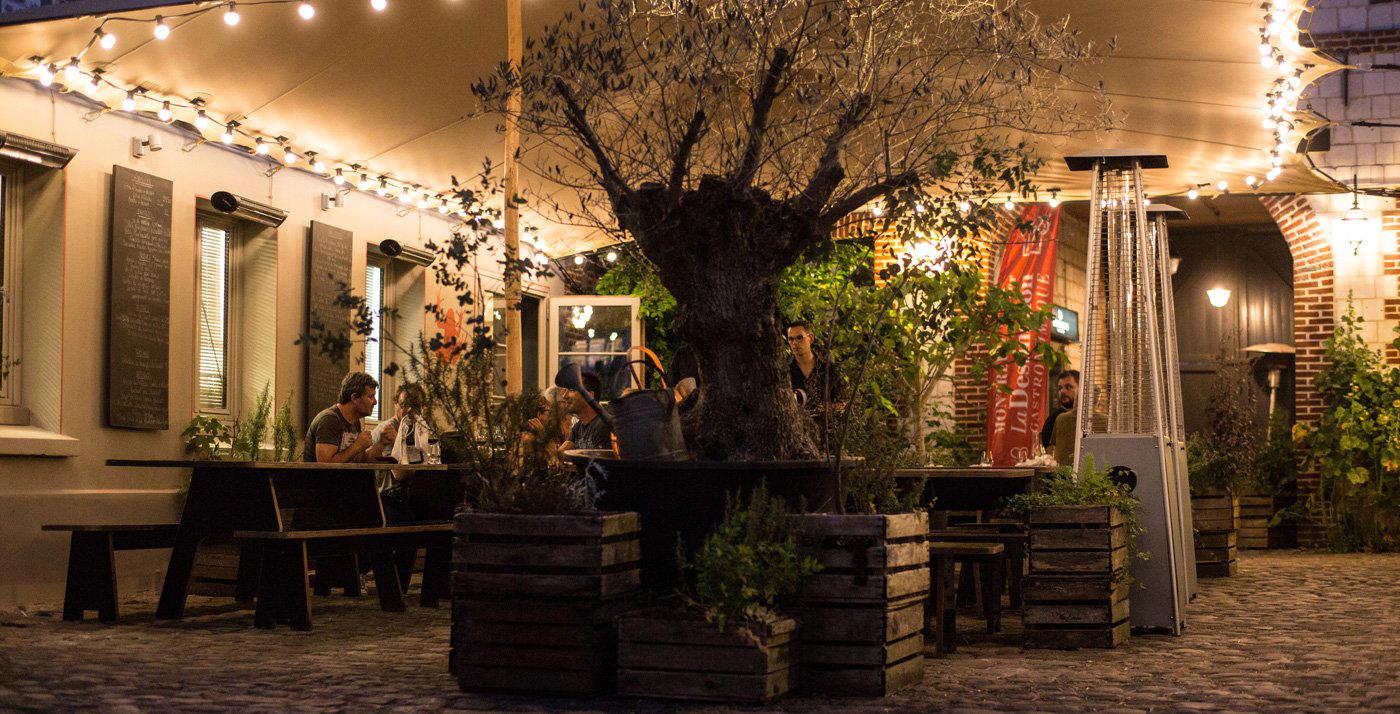
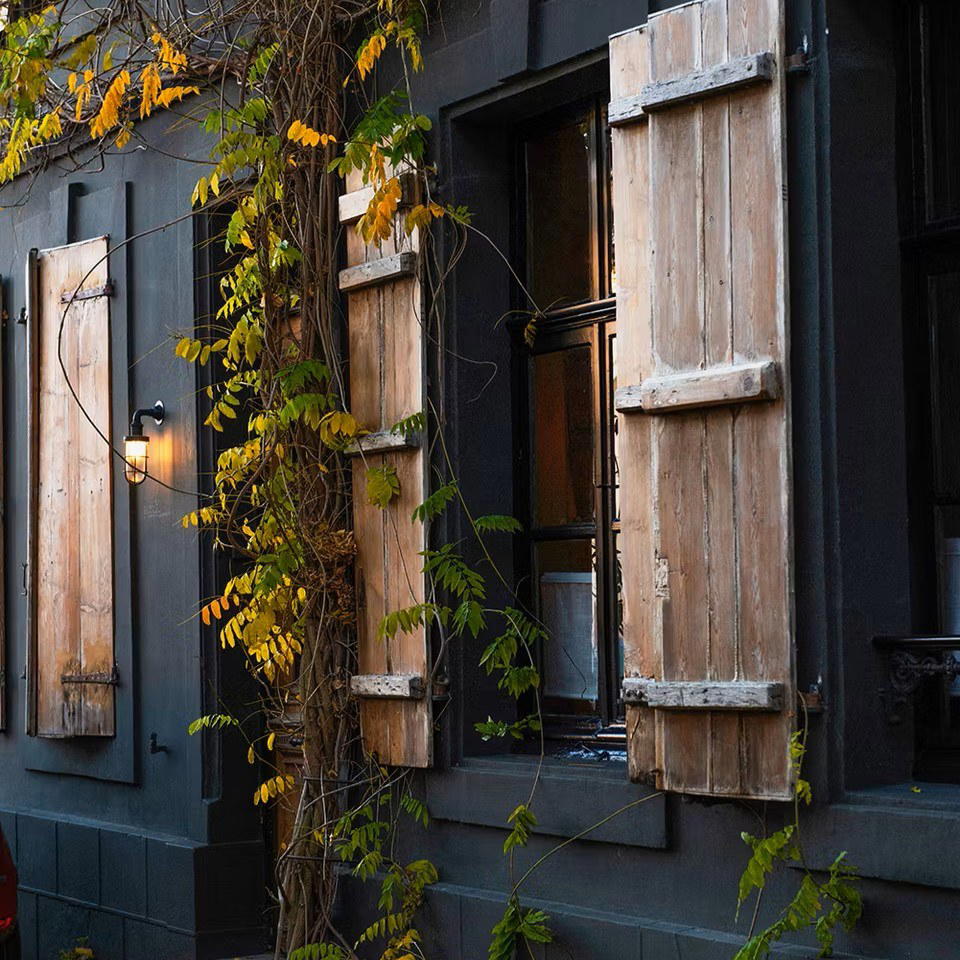
Hushed elegant decor with tranquil landscaped garden surroundings and terrace seating.