1 Michelin Star
Our verdict
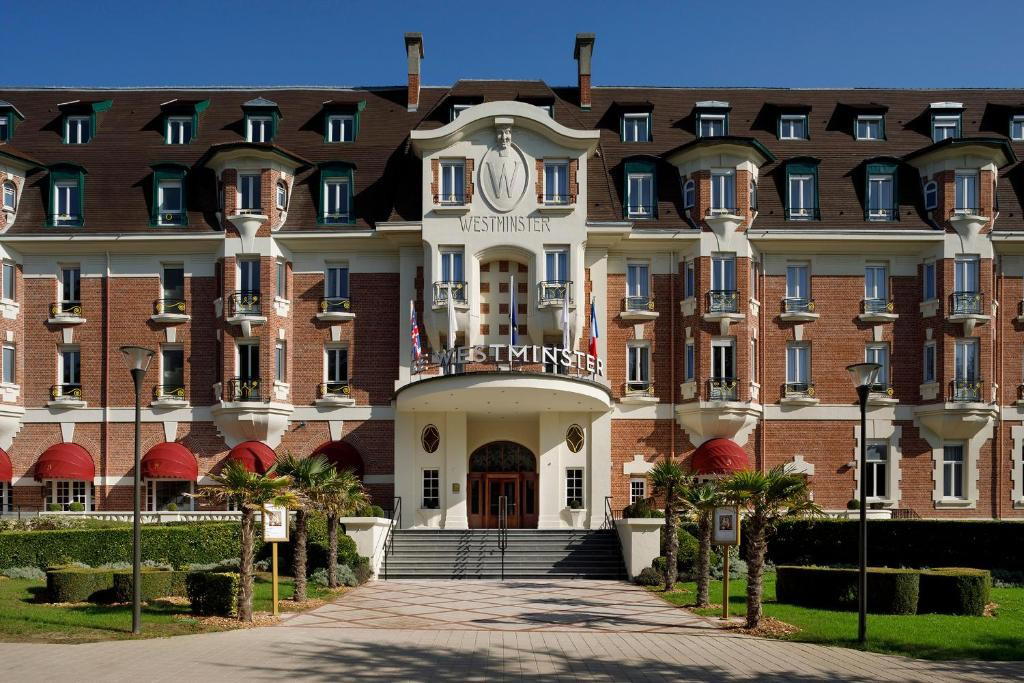
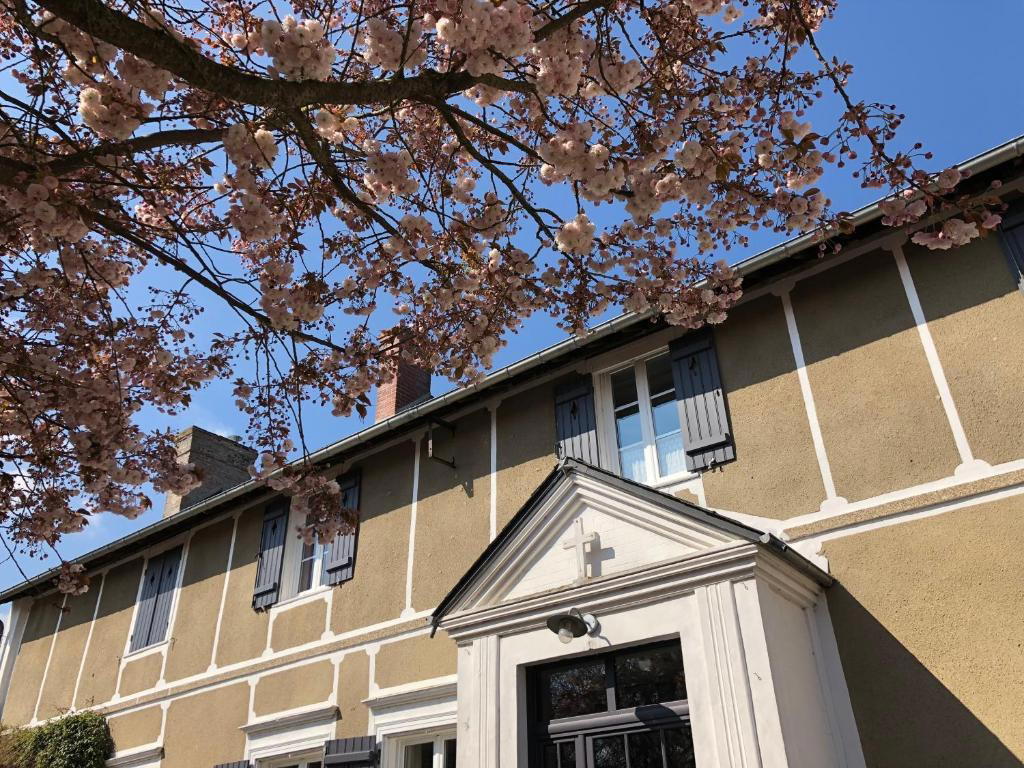
Le Pavillon at the Hôtel Westminster holds a Michelin star for 2024 and 2025, placing it among the Côte d'Opale's most formally recognised creative kitchens. The restaurant operates within a grand hotel setting in Le Touquet-Paris-Plage, where the sourcing of regional ingredients from the Channel coast and the Opal Coast hinterland shapes the creative menu. For visitors willing to travel beyond the capital, it represents a serious dining destination in the northern French tradition.

Pearl is the En Primeur Club membership app, where members save venues, book tables and use the concierge.
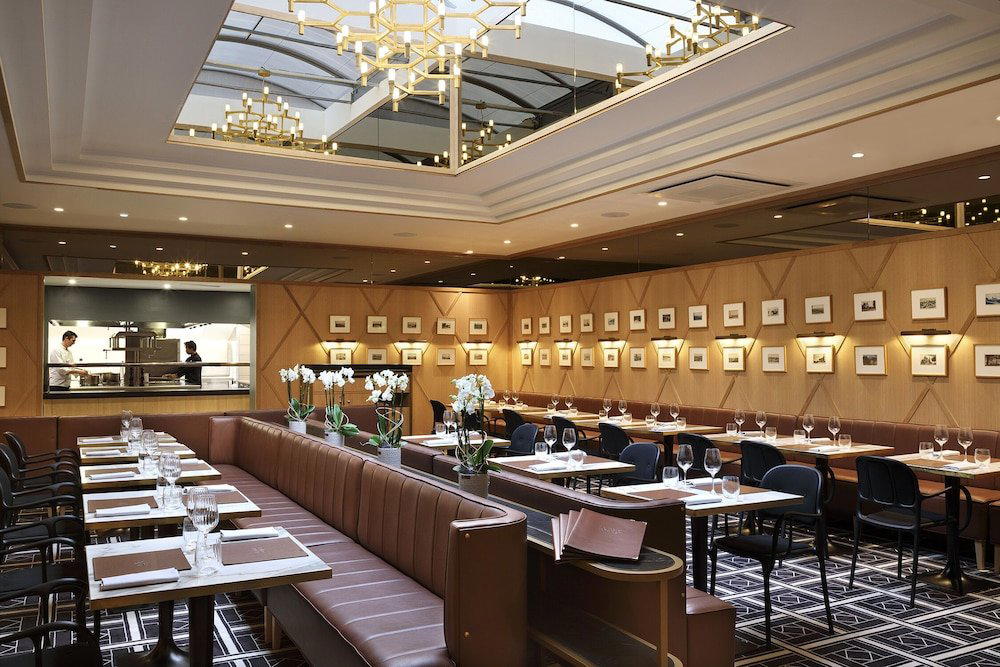
A Grand Hotel Dining Room on the Opal Coast
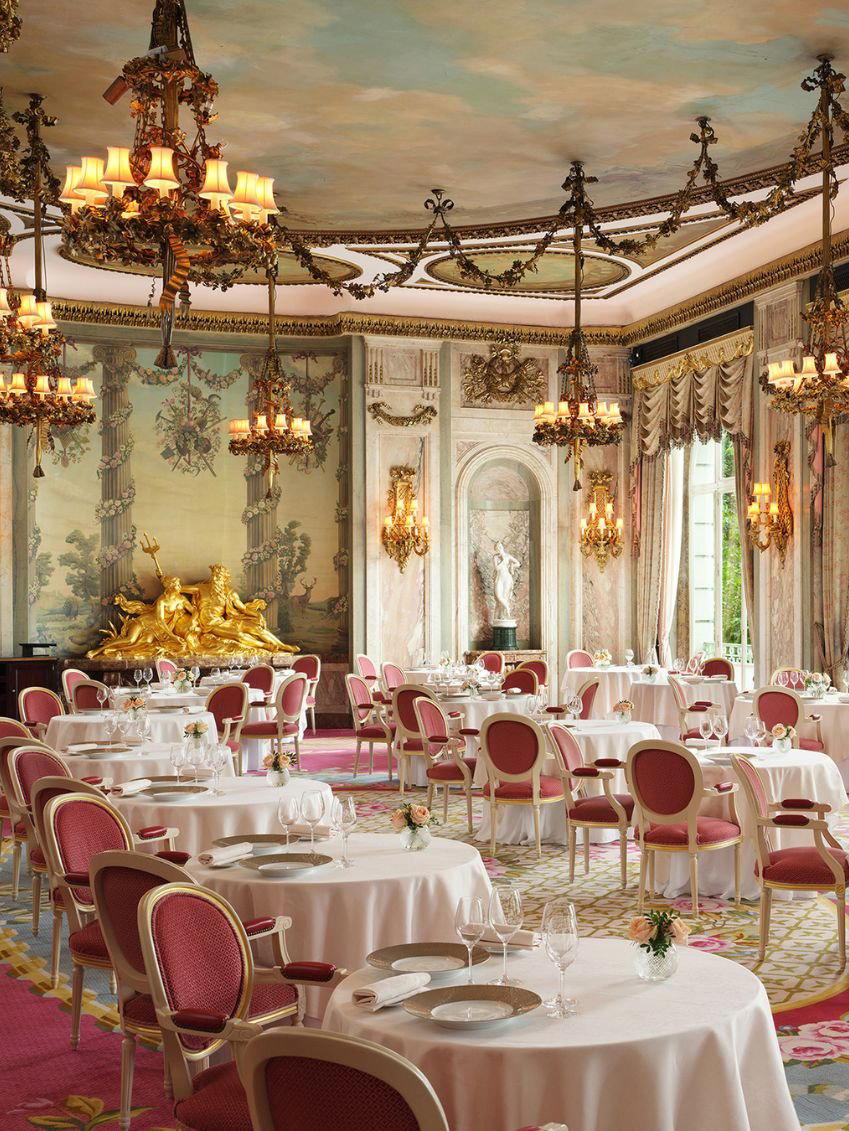
The northern French resort tradition runs deep along the Côte d'Opale. Le Touquet-Paris-Plage was developed in the late nineteenth century as a seaside destination for the Parisian and British upper classes, and the Hôtel Westminster has been part of that story for well over a century. Grand hotel dining in this region was always about more than the meal: the ritual of dressing for dinner, the proximity to the sea, the expectation of formality in a setting that was also meant to feel like leisure. That tradition has thinned considerably across northern France, which makes the survival and continued relevance of a restaurant like Le Pavillon a point of genuine interest for anyone tracking where formal French dining still holds its ground outside Paris.
The restaurant has carried a Michelin star in both 2024 and 2025, which positions it at the upper end of the Hauts-de-France dining tier and in a different conversation to the three-star concentration of the capital. For context, the Paris creative category at €€€€ includes tables such as Alléno Paris au Pavillon Ledoyen and the broader French modern tier represented by Le Gabriel at La Réserve Paris. Le Pavillon operates at the same price bracket, €€€€, but within a coastal resort context that changes both the sourcing possibilities and the rhythm of service. The Michelin recognition across two consecutive years signals a kitchen operating with consistency, not merely a one-season performance.
What the Opal Coast Puts on the Plate
Editorial angle that matters most at Le Pavillon is ingredient sourcing, and the geography here is genuinely instructive. The Côte d'Opale sits between Boulogne-sur-Mer to the north, historically one of France's most significant fishing ports, and the agricultural plains of the Pas-de-Calais stretching inland. The Channel provides flatfish, sole, and shellfish that move from water to kitchen with a speed that interior French cities cannot replicate. The agricultural hinterland supplies root vegetables, chicory (a defining product of the north), and dairy from a landscape that has fed northern Europe for centuries.
Creative cuisine at this price point and with this geography carries a specific obligation: the kitchen should be doing something that could not be done as well anywhere else. The leading regional creative kitchens in France have always understood that their sourcing is a structural advantage, not a marketing point. Tables like Bras in Laguiole built an entire aesthetic around the Aubrac plateau's flora and seasons; Flocons de Sel in Megève anchors its menu in Alpine provenance. Along the Channel coast, the equivalent logic points toward the sea and the flat, wind-shaped farmland behind it. That sourcing logic is the frame through which a creative menu at Le Pavillon should be read.
At €€€€, the price signal also indicates that this is not a casual regional stop. The bracket places Le Pavillon alongside multi-star Paris addresses in terms of spend expectation, which means the kitchen's creative ambition and the quality of its sourcing are both under genuine scrutiny. The Michelin star confirms that scrutiny has been met, but the reader who arrives expecting provincial comfort cooking at hotel prices will be in the wrong room.
Creative Cuisine in the French Regional Hierarchy
France's one-star tier outside Paris performs a specific function in the national dining system. These are restaurants that have passed the consistency and quality threshold for formal recognition without yet reaching the two-star territory where destination travel becomes the primary driver of covers. For a northern French coastal town, a single Michelin star is significant: the Hauts-de-France region has a smaller concentration of starred kitchens than Alsace, Burgundy, or the Loire, which means each recognition carries more weight in context.
The creative classification is also meaningful. French cuisine's formal categories tend to reward classical technique and regional codification; the creative label at this level signals a kitchen willing to depart from established form while remaining within the discipline of fine dining. That's a harder position to sustain than either pure classicism or the kind of casual innovation that works without stars. Peers in the creative French category at comparable price points, including Blanc in Paris, demonstrate that the classification covers a wide range of approaches, from produce-led minimalism to technique-heavy contemporary menus.
For comparison outside France, creative one-star kitchens operating within hotel settings appear in other European contexts: Enrico Bartolini in Milan and JAN in Munich both move through the challenge of hotel-restaurant identity while sustaining Michelin recognition. The tension is consistent: hotel dining rooms serve guests who may not have chosen the restaurant independently, which can dilute the sense of a self-selected audience that a standalone destination kitchen attracts. The leading hotel restaurants resolve this by maintaining a programme serious enough to draw covers from beyond the property's own guests.
The Resort Setting and Its Dining Logic
Le Touquet-Paris-Plage has always operated on a seasonal rhythm. The town reaches its peak between late spring and early September, when the beach and the casino draw visitors from northern France, Belgium, and the UK. The winter months see a quieter, more local clientele. This seasonal pattern affects dining in predictable ways: the Michelin inspection cycle, which includes visits across different times of year, rewards consistency regardless of season. A kitchen that performs in August when the dining room is full and again in February when covers are thin is a kitchen with genuine operational depth.
The hotel dining context also shapes the service register. Grand hotel restaurants along the northern coast have historically maintained a more formal service style than their Paris counterparts, a legacy of the resort's original clientele and the expectations that came with them. Whether that formality reads as a feature or a friction point depends on what the visitor is looking for. Those who find the theatre of formal French service a pleasure rather than a burden will be in familiar territory.
France's Starred Regional Circuit
Anyone building a longer itinerary around France's Michelin circuit will find Le Pavillon sits at the northern end of a route that extends south through some of the country's most documented addresses. The Loire and Burgundy corridors anchor the middle tier; the far south brings Provence and the Mediterranean into the picture, with Mirazur in Menton at one extreme and Alsace's long tradition represented by Auberge de l'Ill in Illhaeusern at another. The Burgundy heartland carries its own weight through tables like Troisgros in Ouches, while the Lyon axis is anchored historically by Paul Bocuse's Auberge du Pont de Collonges. The northern end of that circuit, from Paris outward to the coast, is less travelled by international visitors, which is precisely what gives a stop at Le Touquet its particular logic.
For those whose primary base is Paris, the journey to Le Touquet takes roughly two and a half hours by car from the capital, making it viable as an overnight or weekend proposition rather than a day trip with a serious dinner at the end. Arpège and Le Meurice Alain Ducasse represent the Paris pole of the creative and classical French spectrum; Le Pavillon offers a counterpoint that is coastal, regional, and operating in a different register entirely.
See our full Paris restaurants guide, our full Paris hotels guide, our full Paris bars guide, our full Paris wineries guide, and our full Paris experiences guide for broader coverage of the French capital and its surroundings.
Know Before You Go
- Address: 5 Av. du Verger, 62520 Le Touquet-Paris-Plage, France
- Price range: €€€€
- Cuisine: Creative
- Awards: Michelin 1 Star (2024, 2025)
- Setting: Hotel restaurant within the Hôtel Westminster
- Getting there: Approximately 2.5 hours by car from central Paris; the nearest train station is Étaples-Le Touquet on the TGV network
Frequently asked questions
Who is the chef at Le Pavillon - Hôtel Westminster?
The chef associated with Le Pavillon - Hôtel Westminster is Le Pavillon - Hôtel Westminster.
What awards or recognition does Le Pavillon - Hôtel Westminster have?
Le Pavillon - Hôtel Westminster has received recognition including: Michelin 1 Star (2025); Michelin 1 Star (2024).
What dish is Le Pavillon - Hôtel Westminster famous for?
The Michelin inspectors have awarded Le Pavillon a star in both 2024 and 2025 for its creative cuisine, which draws on the produce of the Côte d'Opale, Channel seafood, northern French dairy, and regional vegetables. No single signature plate is consistently documented in public sources, which is fairly typical for this tier of French creative cooking, where menus shift with season and supply. The through-line is the kitchen's commitment to the region's larder rather than any single showpiece dish.
Is Le Pavillon - Hôtel Westminster focused on a specific cuisine style?
What's the pricing like at Le Pavillon - Hôtel Westminster?
Pricing at Le Pavillon - Hôtel Westminster is listed as €€€€.
What's Le Pavillon - Hôtel Westminster's location?
Le Pavillon - Hôtel Westminster is located at 5 Av. du Verger, 62520 Le Touquet-Paris-Plage, France, Paris.
Can I walk in to Le Pavillon - Hôtel Westminster?
At the €€€€ price point and with a current Michelin star, advance reservation is the practical standard here. French one-star hotel restaurants at this level typically hold limited covers, and Le Touquet's seasonal peak between late spring and early September compresses demand further. Booking ahead, ideally several weeks out during summer, is the reliable approach.
The Short List
| Venue | Cuisine | Price | Awards | Notes |
|---|---|---|---|---|
| Le Pavillon - Hôtel WestminsterThis venue (the venue you are viewing) | Michelin-Starred Modern French Fine Dining | Not listed | 1 Michelin Star | Not listed |
| Alléno Paris au Pavillon Ledoyen | Modern French Fine Dining | $150–200 | 3 Michelin Stars · World's 50 Best #79 | Creative |
| Kei | Modern French with Japanese Influences | $300–500 | 3 Michelin Stars · World's 50 Best #93 | Contemporary French, Modern Cuisine |
| L'Ambroisie | Classic French Haute Cuisine | $300–500 | 2 Michelin Stars · World's 50 Best #23 | French, Classic Cuisine |
| Le Cinq - Four Seasons Hôtel George V | Modern French Fine Dining | $300–500 | 3 Michelin Stars · World's 50 Best #24 | French, Modern Cuisine |
| Plénitude | Modern French Sauce-Led Fine Dining | $300–500 | 3 Michelin Stars · World's 50 Best #14 | Contemporary French |
Recognition history
Dated appearances from independent guides and award organizations, with the underlying list record or original source where available.
Michelin 1 Star
Michelin
Full recognition history (3 entries)
Michelin 1 Star
Michelin
Michelin 1 Star
Michelin