Avitar operates from a Route de Lavaur address in Montrabé, east of Toulouse, placing it squarely within Occitanie's deep regional supply network of Gascon producers, Lauragais market gardens, and specialist farmers. The peri-urban setting favours locals and destination drivers over passing trade, concentrating the kitchen's focus on seasonal sourcing rather than volume. It represents the provincial French dining tradition at its most geographically grounded.
 Discover on Pearl
Pearl is the En Primeur Club membership app — saves, bookings, and concierge access live there. Same editors, same standards.
- Address
- 69 Rte de Lavaur, 31850 Montrabé, France
- Phone
- +33561484321
- Website
- avitar.fr
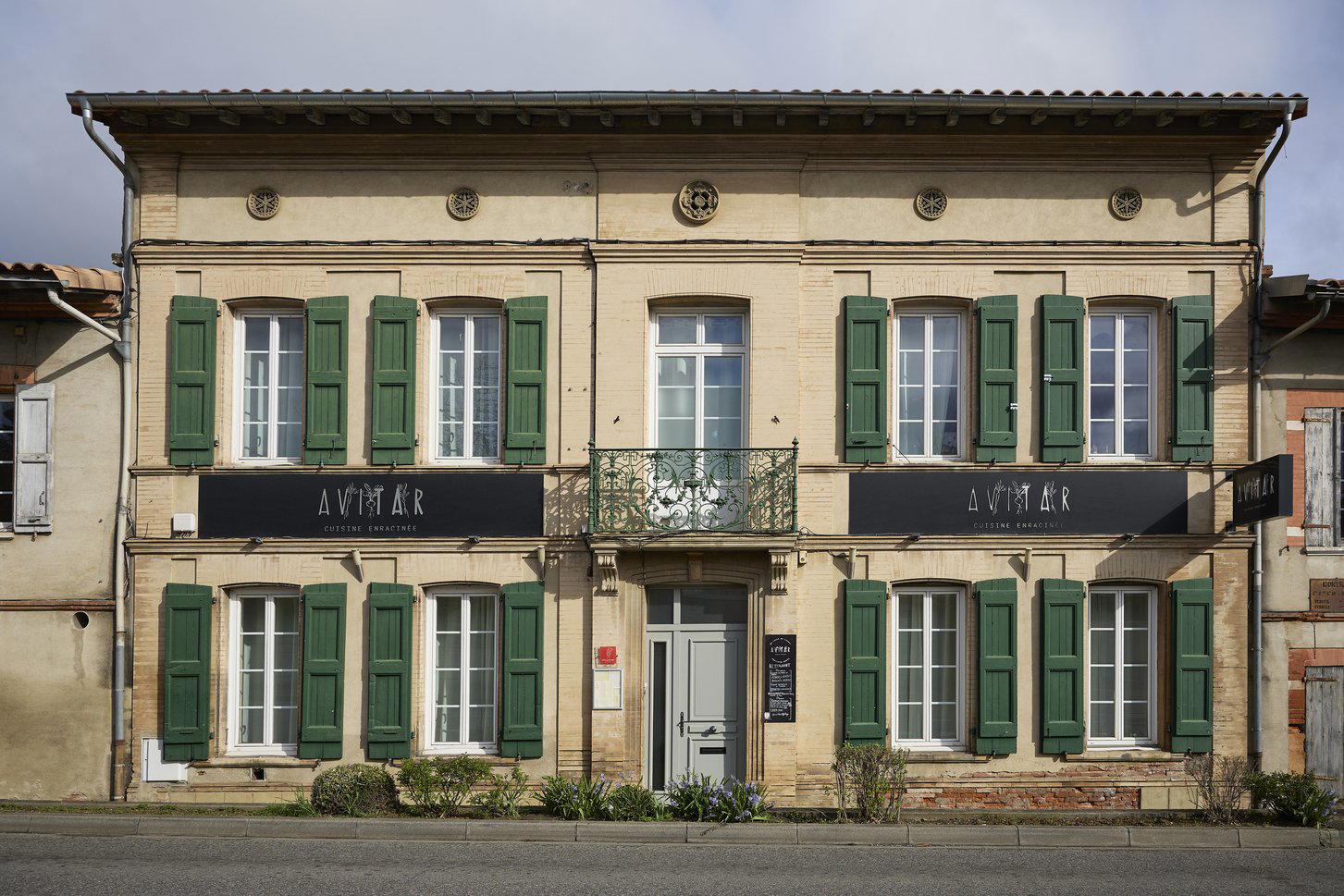
On the Eastern Edge of Toulouse: What Dining in Montrabé Signals
The communes that ring Toulouse have never carried the gastronomic weight of the city centre, and that asymmetry is partly what makes them worth paying attention to. Montrabé sits on the Route de Lavaur corridor heading northeast, a stretch that reads as residential and agricultural before urban until you start looking at what has quietly taken root there. French provincial dining has a long tradition of quality migrating outward from major cities, whether that is the Burgundian pattern represented by Maison Lameloise in Chagny, the Alsatian model at Auberge de l'Ill in Illhaeusern, or the Aveyron tradition that produced Bras in Laguiole. The idea that serious cooking belongs exclusively inside city limits is a convention that France has been disproving for decades.
Avitar, addressed at 69 Route de Lavaur in Montrabé, participates in that provincial tradition. The setting is the kind of roadside address that rewards drivers over pedestrians, embedded in the peri-urban fabric east of Toulouse rather than any walkable dining quarter. That physical position is itself a signal: restaurants in these locations typically build their reputation through word-of-mouth and repeat clientele rather than passing trade, which tends to concentrate attention on the cooking itself.
Ingredient Sourcing and the Southwest Larder
The Haute-Garonne department and the broader Occitanie region constitute one of the most ingredient-dense territories in France. This is duck and foie gras country in the Gascon tradition, home to Noir de Bigorre pork, Tarbais beans with IGP status, and a violet garlic from Lautrec that carries its own AOC designation. The markets at Saint-Aubin and Victor Hugo in Toulouse, both within direct reach of Montrabé, channel regional producers who have supplied serious kitchens for generations. Any restaurant operating at this address, with access to that supply network, is working from a rich regional larder.
The sourcing logic of French cuisine at this level operates on proximity and relationship rather than catalogue purchasing. Chefs in the greater Toulouse orbit have historically worked with farmers in the Gers to the west, market gardeners in the Lauragais to the southeast, and specialist producers across the Tarn. This is the supply geography that shapes what ends up on a plate, and it is a geography Avitar draws from by virtue of where it sits. That connection to place distinguishes this tier of provincial French dining from cooking that depends on overnight deliveries.
France's most-discussed sourcing-forward restaurants, including Mirazur in Menton and Les Prés d'Eugénie in Eugénie-les-Bains, have built their identities substantially around direct producer relationships. That approach is not exclusive to three-star operations. It is also the framework within which mid-tier and emerging restaurants in the southwest make their strongest arguments, particularly when the local supply chain is as compelling as Occitanie's.
Where Avitar Sits in the Montrabé Context
Montrabé does not operate as a dining destination in the way that a Vonnas, anchored by Georges Blanc, or a Fontjoncouse, defined by Auberge du Vieux Puits, might. It is a commune that Toulouse residents reach rather than one that visitors travel to specifically. That shapes the competitive dynamic. Avitar's peer reference is the cluster of restaurants across the Toulouse agglomeration, which includes Casa Perlita at the local level, see our coverage of Casa Perlita for comparison, rather than the ranked tables at Alléno Paris au Pavillon Ledoyen or the alpine precision of Flocons de Sel in Megève.
That distinction matters. Provincial restaurants at this distance from a major city tend to operate with shorter menus, tighter kitchen teams, and a closer relationship between what is available in the market that week and what appears on the plate. The seasonal drift is more visible, the portion of the menu that changes with supply is typically larger, and the dining room often reflects a regular clientele who know what to order. These are features of proximity and scale.
The Broader Arc of French Provincial Dining
The tradition that Avitar joins, whether consciously or as a structural result of its location, is one that runs through some of the most compelling addresses in French gastronomy. Paul Bocuse - L'Auberge du Pont de Collonges in Collonges-au-Mont-d'Or and Troisgros in Ouches are the canonical examples of serious French kitchens that chose or maintained provincial addresses while operating at the highest level of the discipline. More recently, addresses like La Table du Castellet in Le Castellet and L'Oustau de Baumanière in Les Baux have reinforced that the province-versus-city hierarchy is not the organizing principle it once appeared to be. What matters is the cooking and the sourcing behind it.
International comparisons point in the same direction. Le Bernardin in New York City built a forty-year reputation on the premise that ingredient integrity is the non-negotiable foundation of serious cooking. Lazy Bear in San Francisco demonstrates that format and narrative around sourcing can be as compelling as the food itself. The through-line across these very different operations is a relationship with ingredients that goes beyond procurement. In Occitanie, that relationship is available to any kitchen willing to build it. The Route de Lavaur address is not an obstacle to that ambition. It may, in fact, be an advantage.
Planning a Visit
Avitar is located at 69 Route de Lavaur in Montrabé, a short drive east of Toulouse and most practically reached by car. The address sits within the peri-urban zone rather than central Montrabé, which means parking is generally less constrained than city-centre dining. For visitors arriving from Toulouse-Blagnac Airport, the drive is manageable and positions Avitar as a realistic option for an arrival or departure dinner, depending on flight timing. Booking ahead is advisable, particularly for weekend service.
At-a-Glance Comparison
Comparable venues nearby, for context on price, style, and recognition.
| Venue | Cuisine | Price | Awards | Notes |
|---|---|---|---|---|
| AvitarThis venue — the venue you are viewing | Modern French Bistronomic | $$ | , | |
| L'Instant... | Modern French Bistronomic | $$$ | Michelin Plate | Montrabé |
| Casa Perlita | Italian Trattoria & Pizzeria | $$ | , | Montrabé |
| L'Aparté | Modern French Gastronomic | $$$ | Michelin 1 Star | Montrabé |
| Brasserie & Brunch des Consuls | French Brasserie & Brunch | $$ | , | Capitole / Arnaud Bernard / Carmes |
| LOU BOURDIE | Traditional Quercy Regional French Bistro | $$ | , | Bach |
Continue exploring
More in Montrabé
Restaurants in Montrabé
Browse all →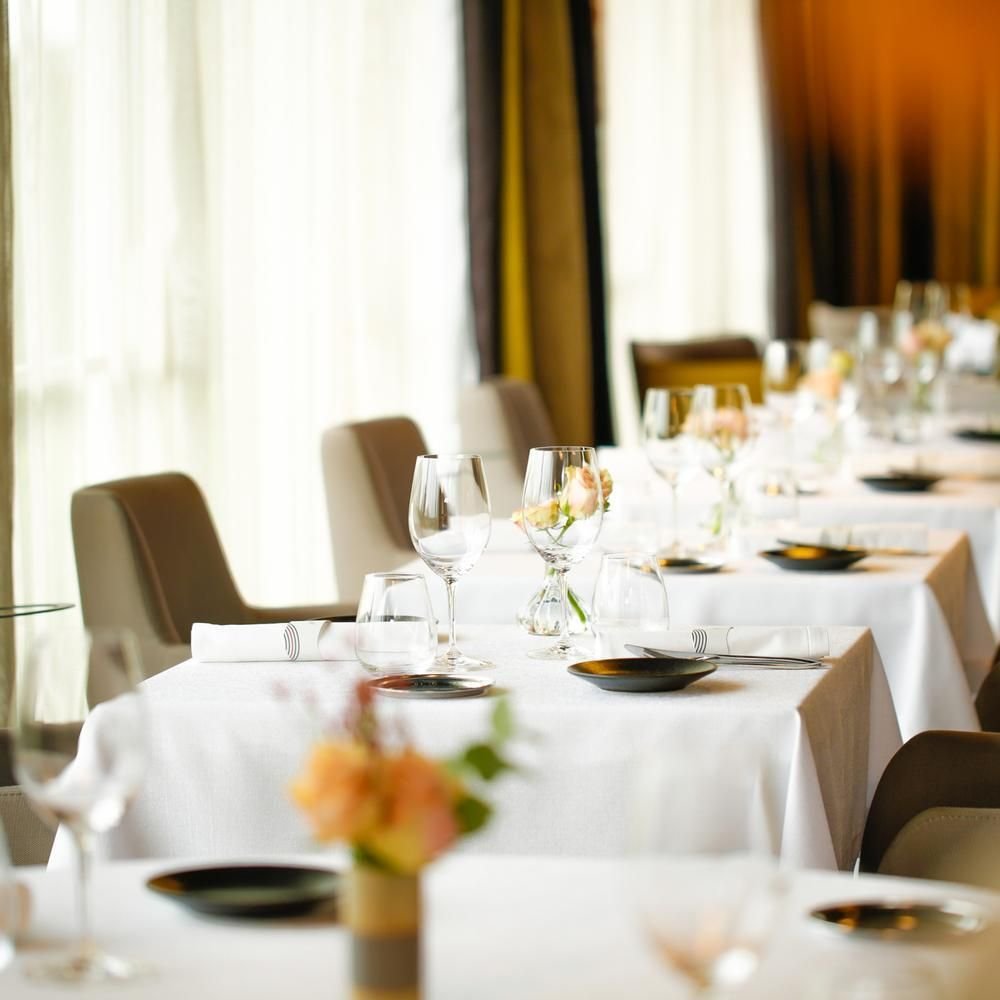

At a Glance
- Cozy
- Elegant
- Intimate
- Date Night
- Special Occasion
- Terrace
- Private Dining
- Local Sourcing
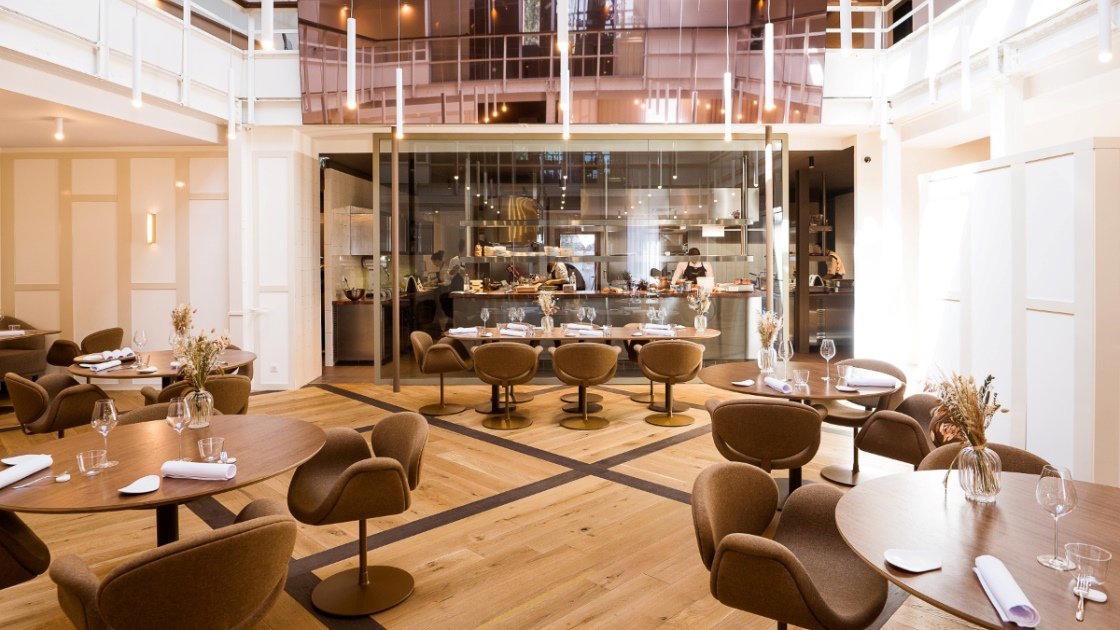
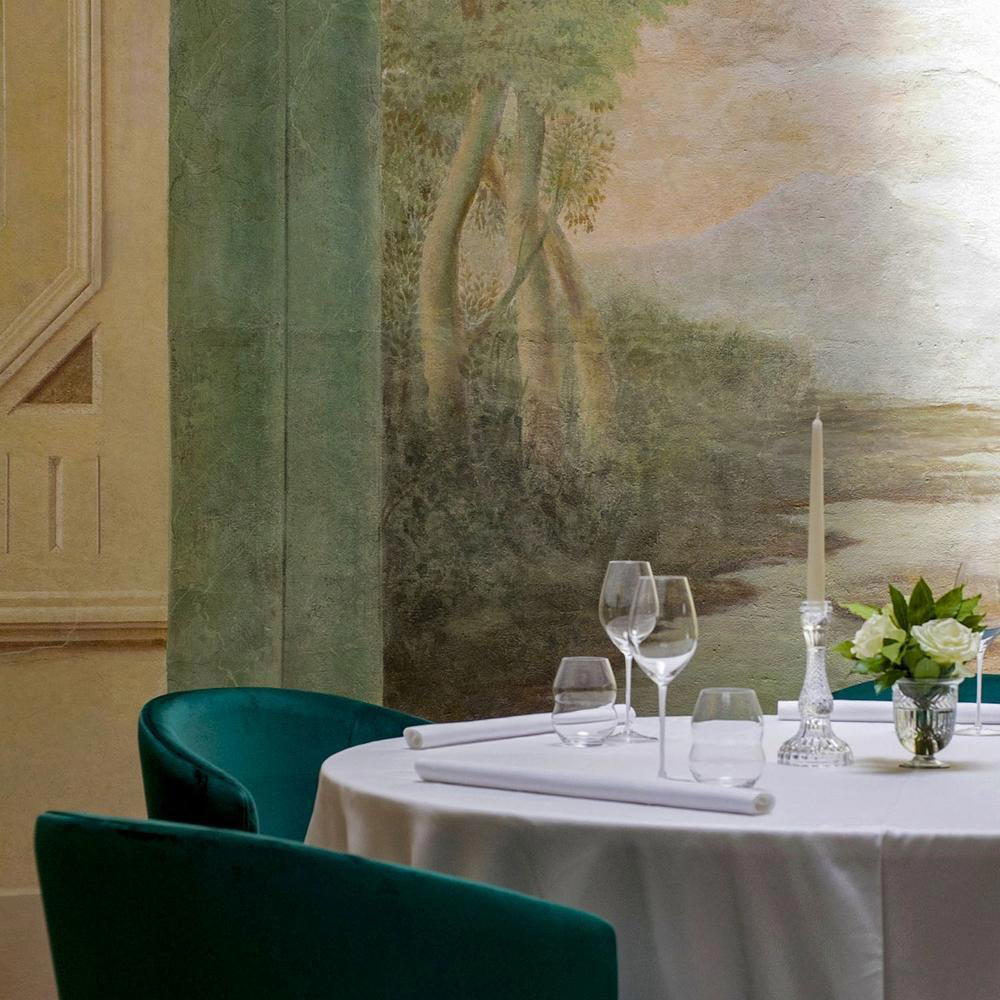
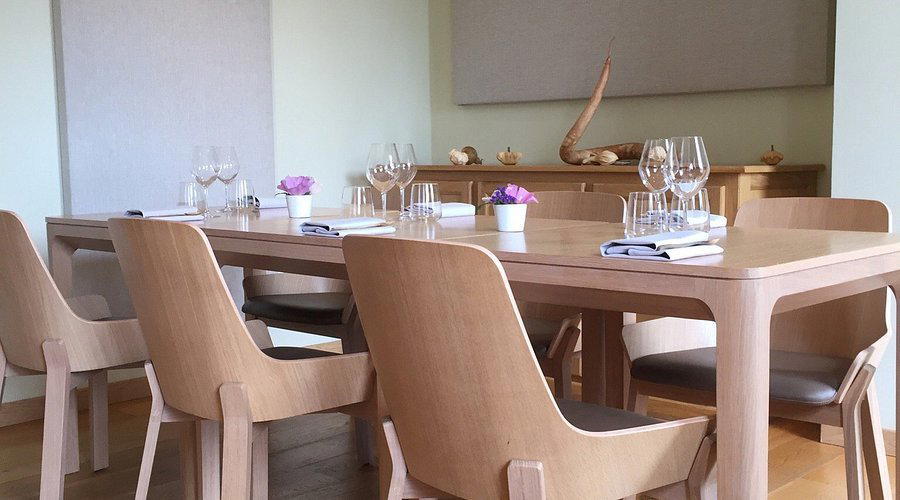
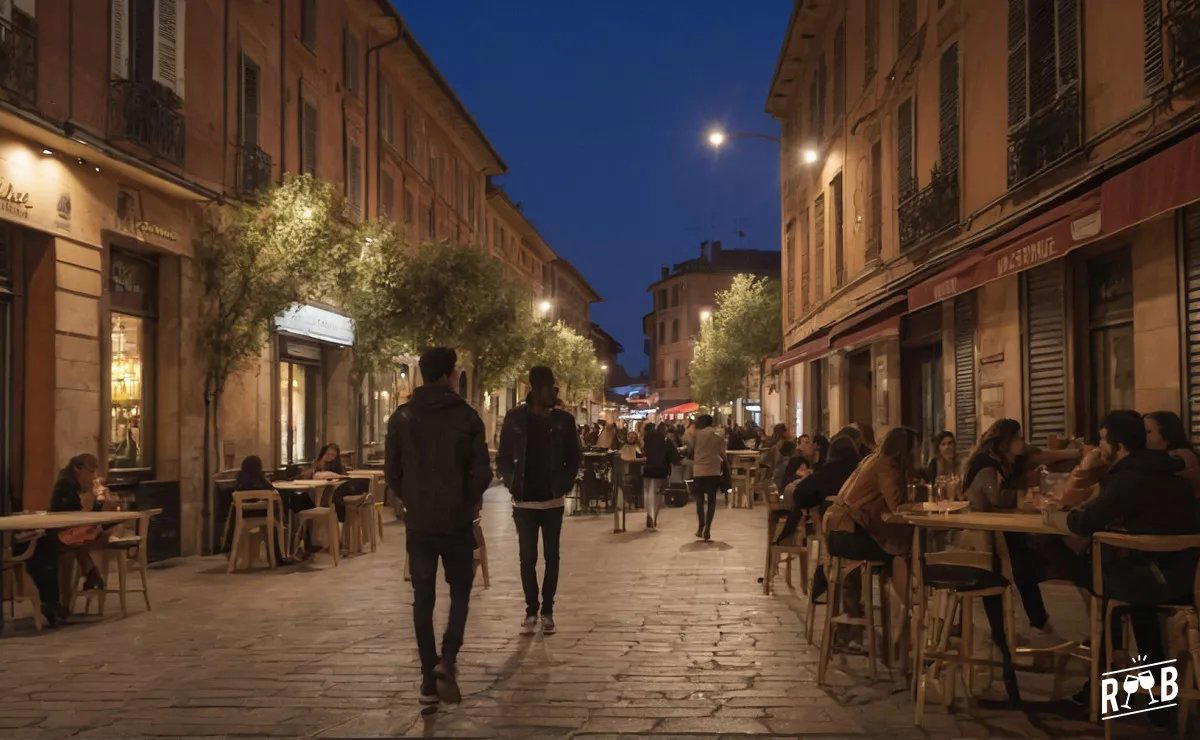
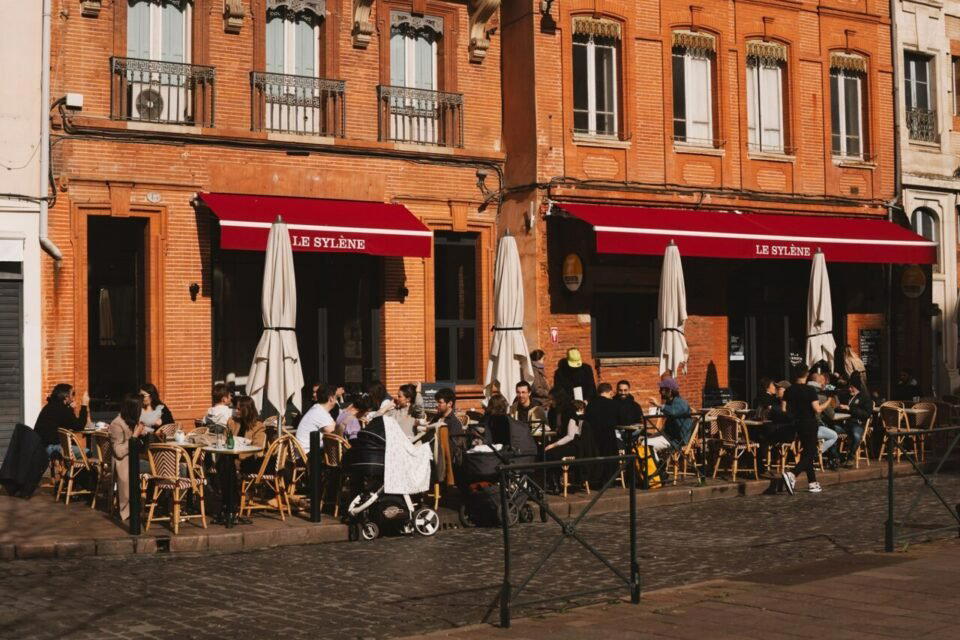
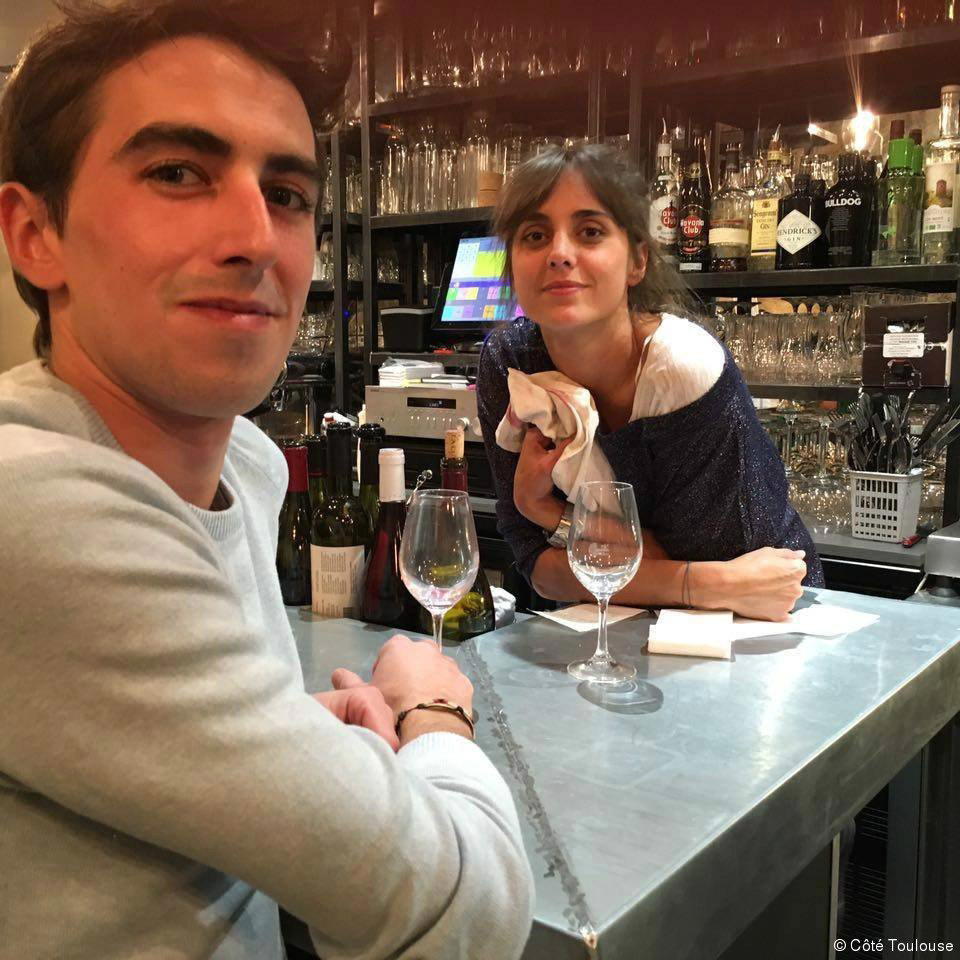
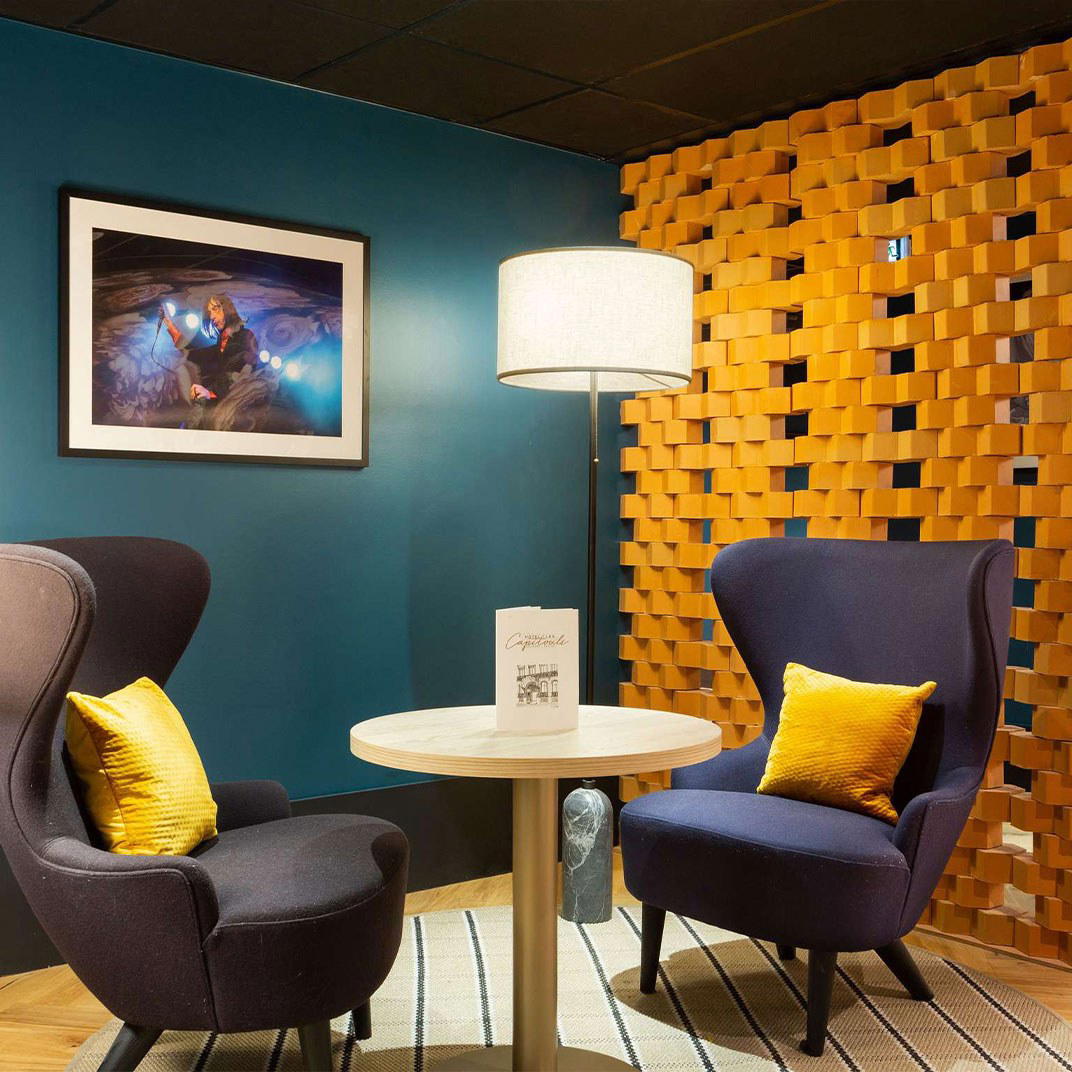
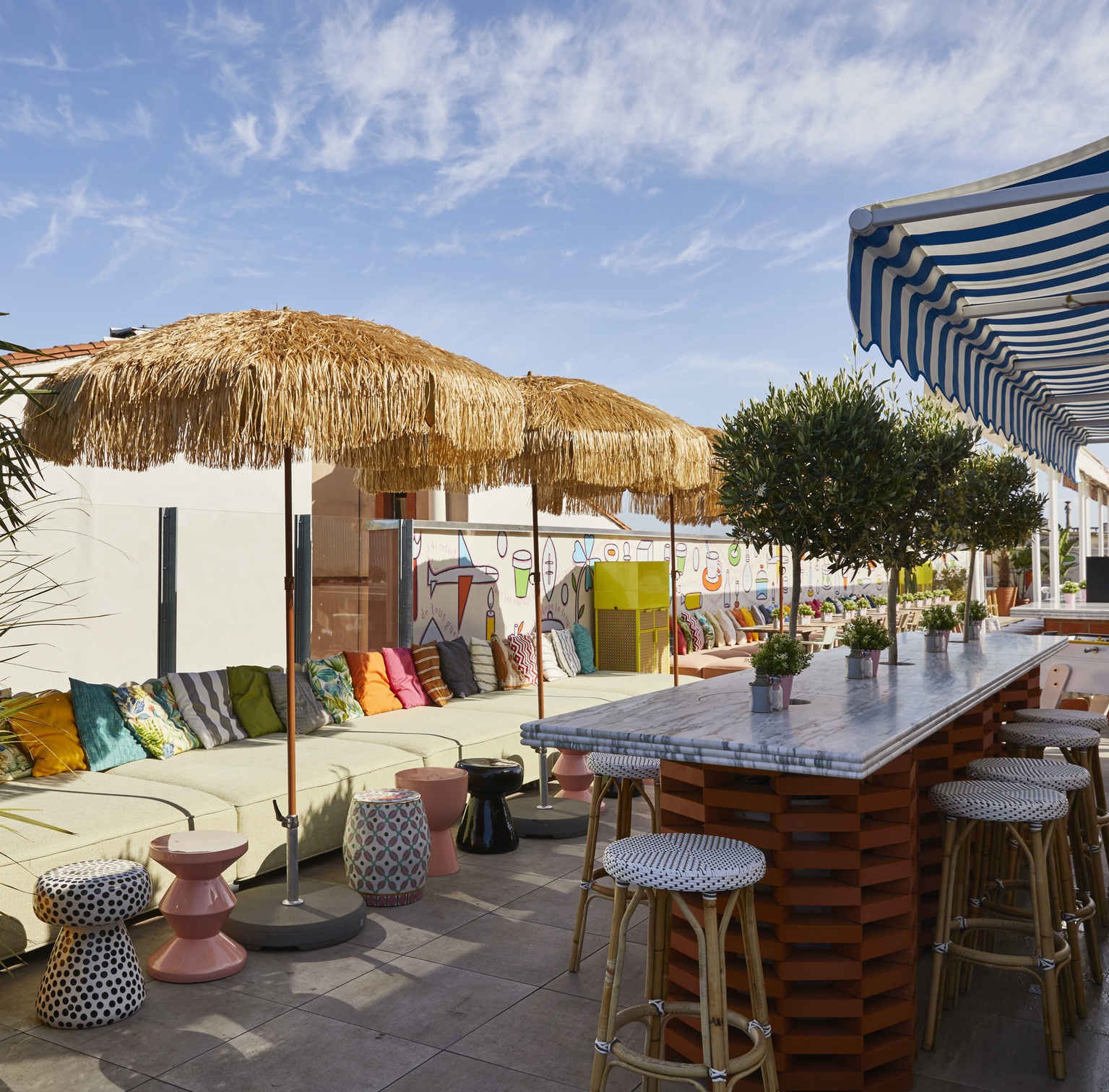
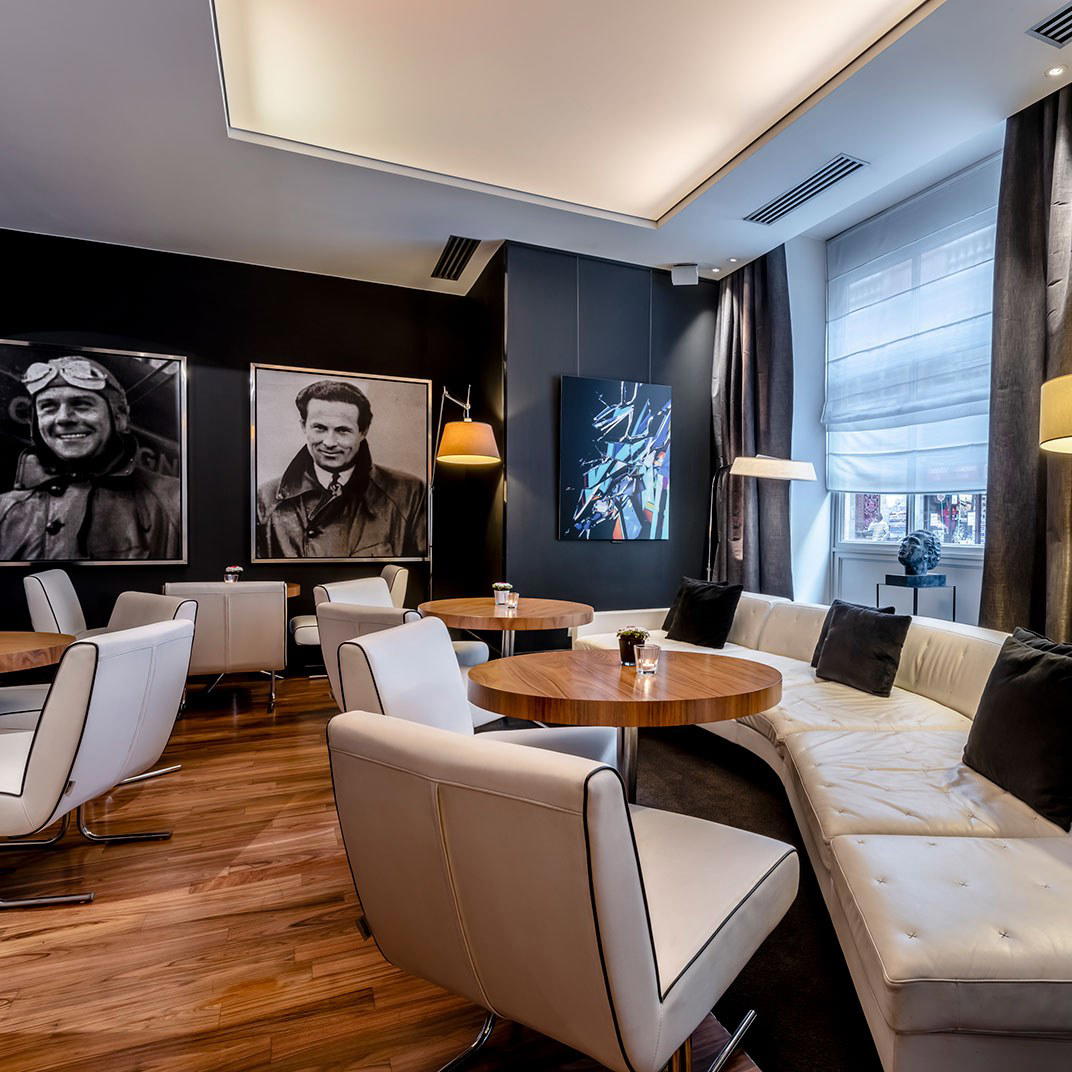
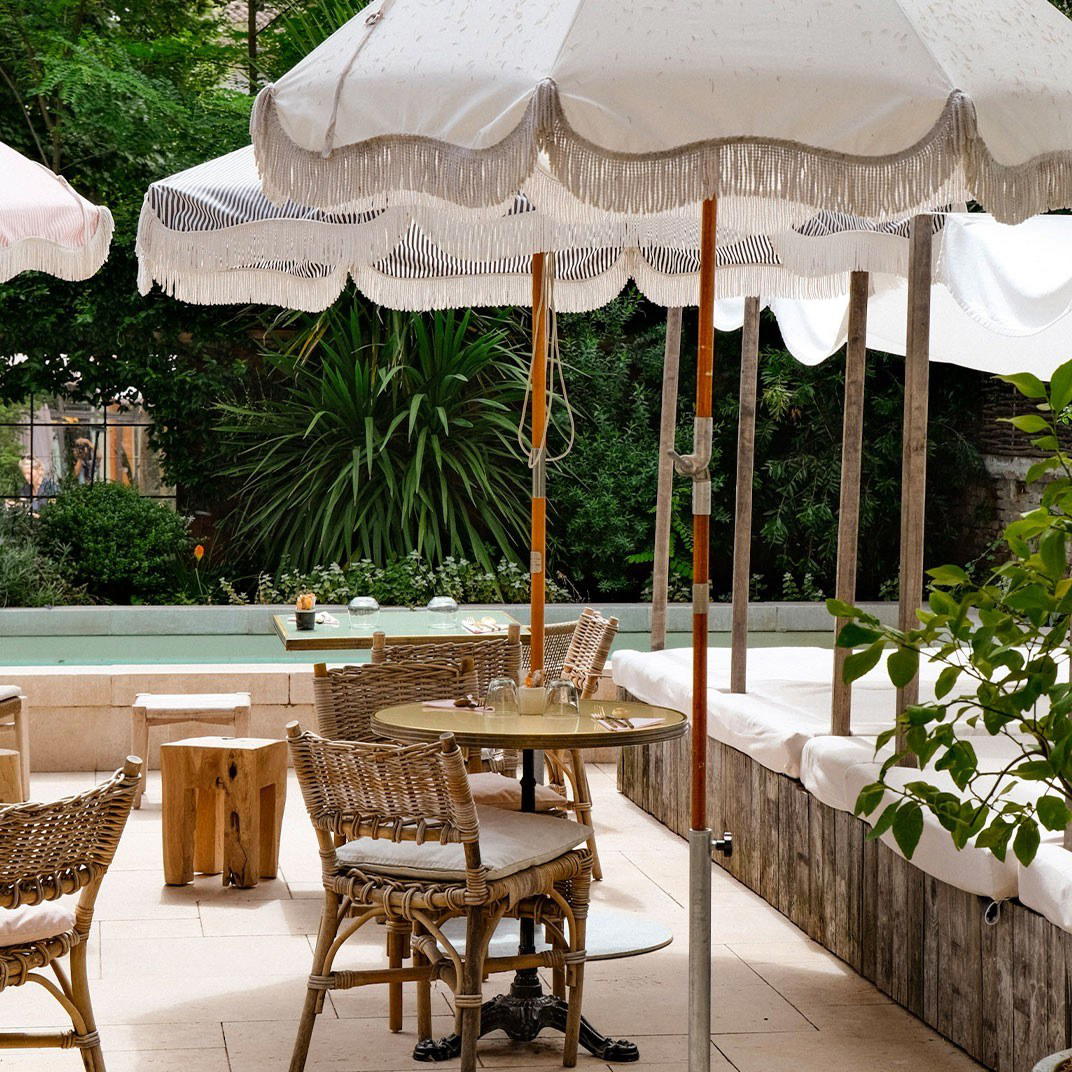
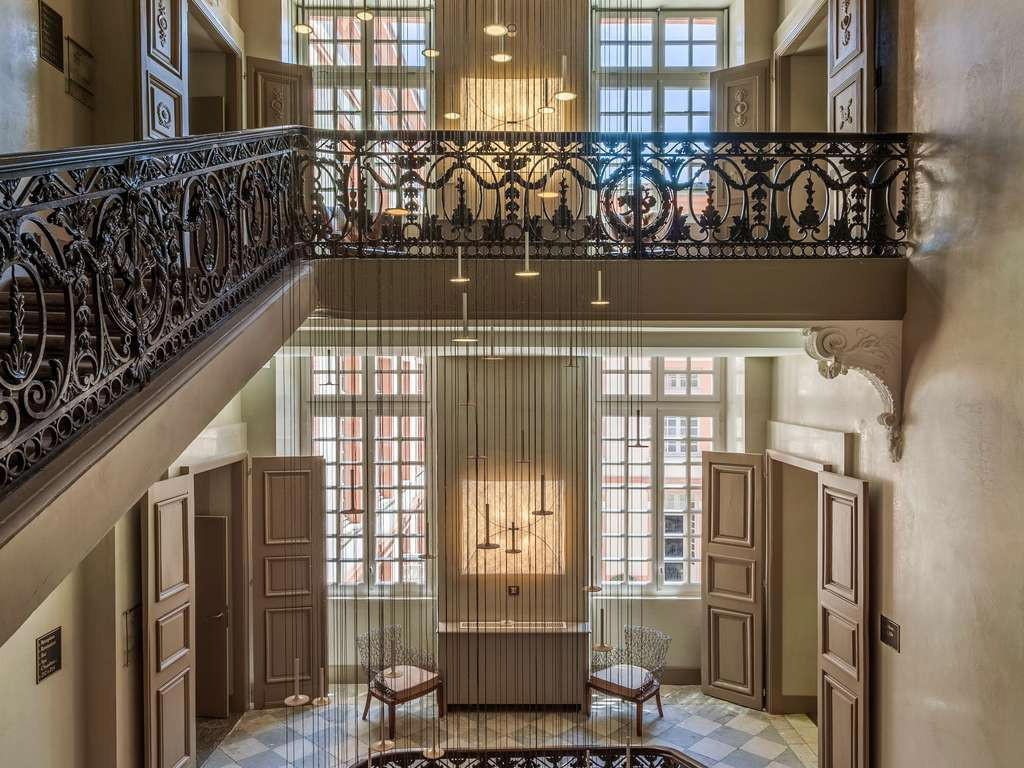
Calm and flowery interior with a bright room, pleasant terrace shaded by pergolas and lights, simple and neat setting.