Christner's Prime Steak & Lobster
A Lee Road fixture in north Orlando, Christner's Prime Steak & Lobster represents the city's enduring appetite for the traditional American chophouse format, serious cuts, practiced tableside service, and a dining room where the front-of-house rhythm matters as much as what arrives on the plate. In a market increasingly pulled toward resort-adjacent dining, it occupies a distinct lane as a freestanding, neighbourhood-rooted steakhouse.
Pearl is the En Primeur Club membership app — saves, bookings, and concierge access live there. Same editors, same standards.
- Address
- 729 Lee Rd, Orlando, FL 32810
- Phone
- +14076454443
- Directions
- Get directions
 Saves & bookings on Pearl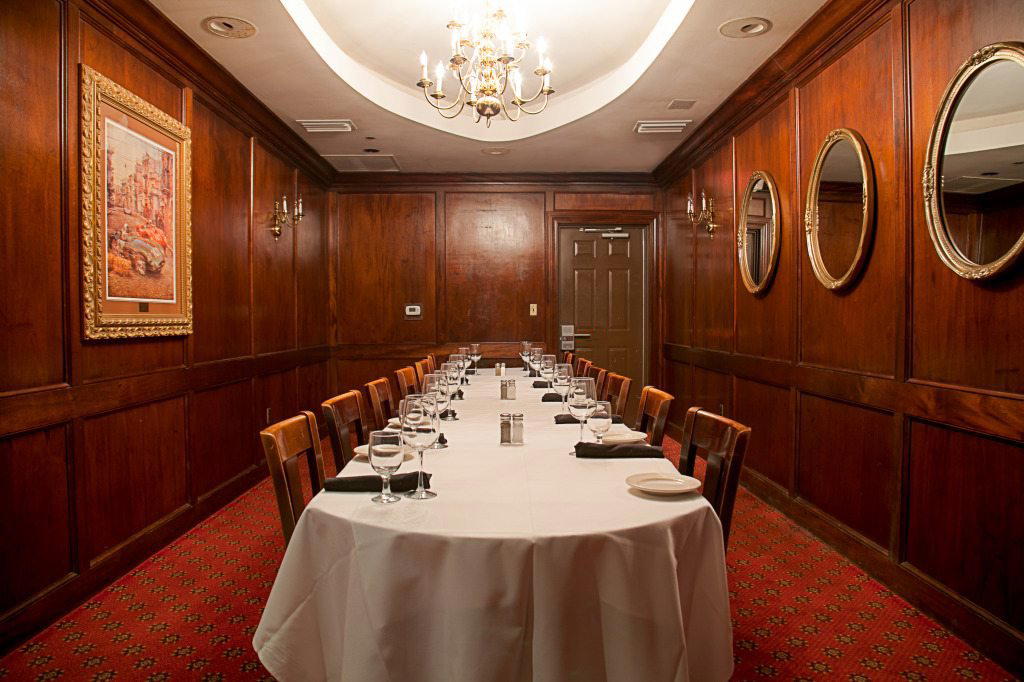
The Chophouse as a Constant in a City Built on Change
Orlando's dining identity has long been shaped by forces that work against the kind of quiet institutional authority a great steakhouse requires. Resort corridors, theme-park adjacency, and a transient visitor base push the market toward spectacle and novelty. Against that pressure, the traditional American chophouse, dark wood, leather banquettes, the smell of dry-aged beef and warm bread, has survived in a handful of places by doing the opposite of everything the resort district demands. Christner's Prime Steak & Lobster on Lee Road is one of those places, and its position in north Orlando, away from the International Drive corridor, is as much a statement of intent as anything on the menu.
The chophouse format it represents has deep roots in the American dining canon. From the mid-20th century forward, the premium steakhouse operated as a space where ritual mattered: the tableside preparation, the deliberate wine service, the sense that a well-trained floor team could carry an evening as much as the kitchen. That model never fully disappeared, but it did get crowded out in many markets by celebrity-chef steakhouses and hotel-branded concepts. In Orlando, where Capa at the Four Seasons represents the polished resort-steakhouse tier, Christner's holds a different position, the independent, neighbourhood-anchored alternative with a longer local memory.
The Room and What It Signals
Approaching a venue like this along Lee Road, away from the engineered sightlines of Disney Springs or the neon of International Drive, already changes the register. The physical environment of the traditional steakhouse communicates specific things before the menu arrives: permanence, predictability in the leading sense, and a service culture that values repeat guests over one-time visitors. Interiors at this tier typically run toward the classic, wood paneling, low lighting, leather, white tablecloths, because the aesthetic is designed to focus attention on the table rather than the architecture. The room recedes so the conversation and the food can come forward.
That design logic connects to a broader point about how the American chophouse built its authority. Unlike the chef-driven tasting-menu restaurant, where the kitchen's narrative arc is the product, the steakhouse positions the dining room team as co-equal participants. The sommelier's read on the table, the captain's judgment about pacing, the timing of the carving cart or the tableside preparation, these are not peripheral details. They are the format. For readers who have experienced this dynamic at its leading elsewhere in the United States, at places like The Inn at Little Washington or Emeril's in New Orleans, the expectation is that the front-of-house carries genuine expertise rather than rehearsed script.
Steak, Lobster, and the Logic of the Surf-and-Turf Menu
The pairing of prime beef and lobster is among the more durable combinations in American restaurant history, and the reasons are structural rather than merely traditional. Both proteins require precision at the high end, the degree of doneness on a prime cut, the exact moment a lobster tail crosses from yielding to tight, and both reward a kitchen with genuine command of heat and timing. The dual focus also serves the sommelier: Chardonnay and Cabernet can share a table without compromise when the menu is built around surf and turf, which is part of why the format became a vehicle for serious wine programs.
In Orlando's higher tier, the steakhouse category competes on exactly these variables. The premium end of the local market, which also includes newer entrants in the Japanese and Vietnamese fine-dining space (see Sorekara, Camille, and Kadence), has diversified considerably in the last decade. But the chophouse occupies a lane those formats don't challenge directly. Its appeal is to a guest who wants the comfort of known territory alongside serious execution, a different ask than the exploratory omakase or the chef's-tasting narrative that drives places like Natsu.
The Team Dynamic in a Service-Led Format
What separates a credible chophouse from a merely adequate one is almost always found in the coordination between the floor and the kitchen rather than in the protein sourcing alone. A prime cut is table stakes at this price point; what differentiates the experience is whether the sommelier pairing lands, whether the captain's read on the table's pace is accurate, whether the side dishes arrive with the steaks rather than five minutes behind. These are execution problems, and they are solved by experienced teams who have worked the room long enough to read it correctly.
The comparison to what this looks like at its most developed form, at, say, Le Bernardin in New York City, where front-of-house rigor is as deliberate as the kitchen's, is instructive even if the formats differ. The principle is the same: the guest's experience is the product of a coordinated team, not a solo kitchen performance. Independently operated steakhouses with deep local roots tend to develop this coordination over years of staff continuity, which is one reason longevity in this format means something.
Planning Your Visit
Christner's sits at 729 Lee Rd in north Orlando, a location that places it outside the resort-corridor concentration of the city's most visited dining areas. For visitors staying on the resort strip, the drive north is deliberate, which tends to self-select for guests who know what they want from the format. Reservations are advisable, particularly on weekends, when the local clientele that sustains a neighbourhood steakhouse of this type fills the room. The fall and winter months, when Orlando's humidity recedes and the seasonal resident population increases, represent the busiest stretch for the city's independent dining establishments.
Peers You’d Cross-Shop
Comparable venues nearby, for context on price, style, and recognition.
| Venue | Cuisine | Price | Notes |
|---|---|---|---|
| Christner's Prime Steak & LobsterThis venue — the venue you are viewing | Classic Prime Steakhouse & Lobster | $$$$ | Not listed |
| Yachtsman Steakhouse | New England-Style Steakhouse | $$$$ | Disney's Yacht Club Resort |
| Kres Chophouse | Classic Steakhouse with Modern Eclectic Flair | $$$ | Downtown Orlando |
| Bourbon Steak Orlando | Modern American Steakhouse | $$$$ | Lake Buena Vista |
| Foreigner Restaurant | Innovative American Fine Dining Tasting Menu | $$$$ | Audubon Park |
| Le Cellier | Canadian Steakhouse | $$$$ | EPCOT |
At a Glance
- Elegant
- Classic
- Sophisticated
- Date Night
- Business Dinner
- Celebration
- Special Occasion
- Live Music
- Private Dining
- Wine Cellar
- Extensive Wine List
- Sommelier Led
- Corkage Allowed
Current opening hours
- Monday
- 5–10 PM
- Tuesday
- 5–10 PM
- Wednesday
- 5–10 PM
- Thursday
- 5–10 PM
- Friday
- 5–10 PM
- Saturday
- 5–10 PM
- Sunday
- Closed
Hours can change for holidays and private events. Last verified .
Classy, clean atmosphere well-suited for romantic dinners, celebrations, or business meetings with warm, hands-on personal hospitality.