Bourbon Steak Orlando
Bourbon Steak Orlando occupies a deliberate position inside Walt Disney World's resort corridor, where the expectations of hotel dining and serious American steakhouse cooking converge. The Michael Mina-affiliated concept brings dry-aged beef and a considered wine program to a market that has historically undersold that combination. For guests staying on Epcot Resort Boulevard, it represents the most ambitious protein-forward option within walking distance.
 Discover on Pearl
Pearl is the En Primeur Club membership app — saves, bookings, and concierge access live there. Same editors, same standards.
- Address
- 1500 Epcot Resorts Blvd, Lake Buena Vista, FL 32830
- Phone
- +14079341362
- Website
- swandolphin.com
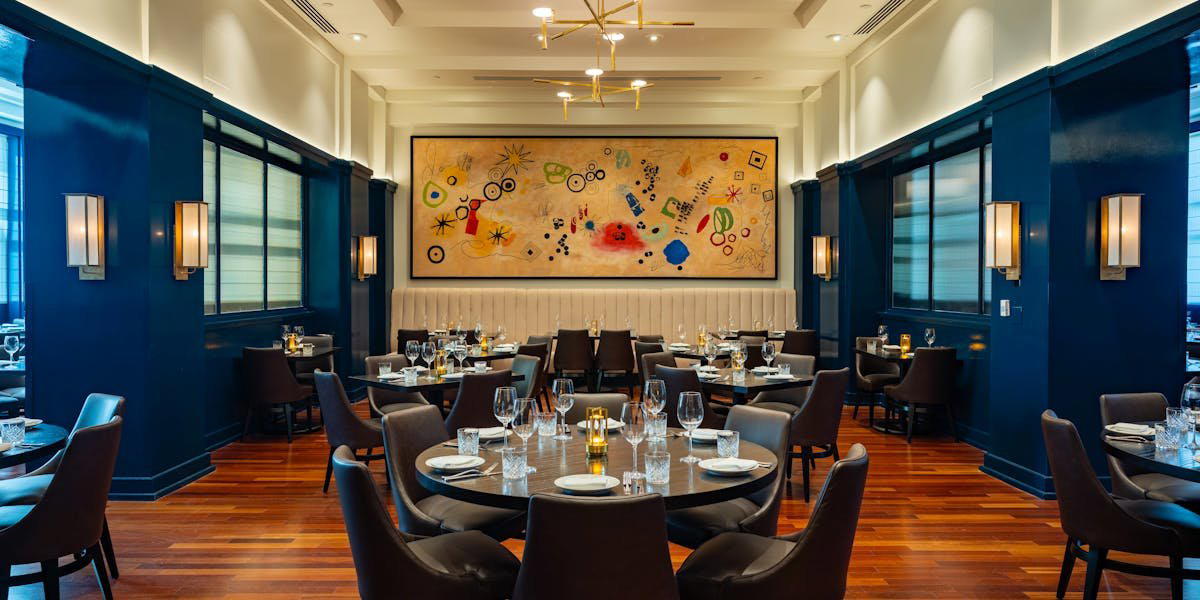
Where Resort Dining Meets Serious Steakhouse Intent
Bourbon Steak Orlando is a Modern American Steakhouse in Lake Buena Vista, Florida, with a Google rating of 4.0 from 174 reviews and an average price of about $100 per person. The corridor is built around convenience and scale, and most restaurants within it operate accordingly: broad menus, high covers, formulaic execution. Bourbon Steak Orlando functions as a counter-argument to that pattern. Positioned inside the Walt Disney World Swan Reserve, it draws from the Michael Mina hospitality group's broader steakhouse format, which has placed outposts in San Francisco, Washington D.C., and Miami, each version calibrated to its market without abandoning the program's central commitment to dry-aged and butter-poached beef as the structural anchor of the meal.
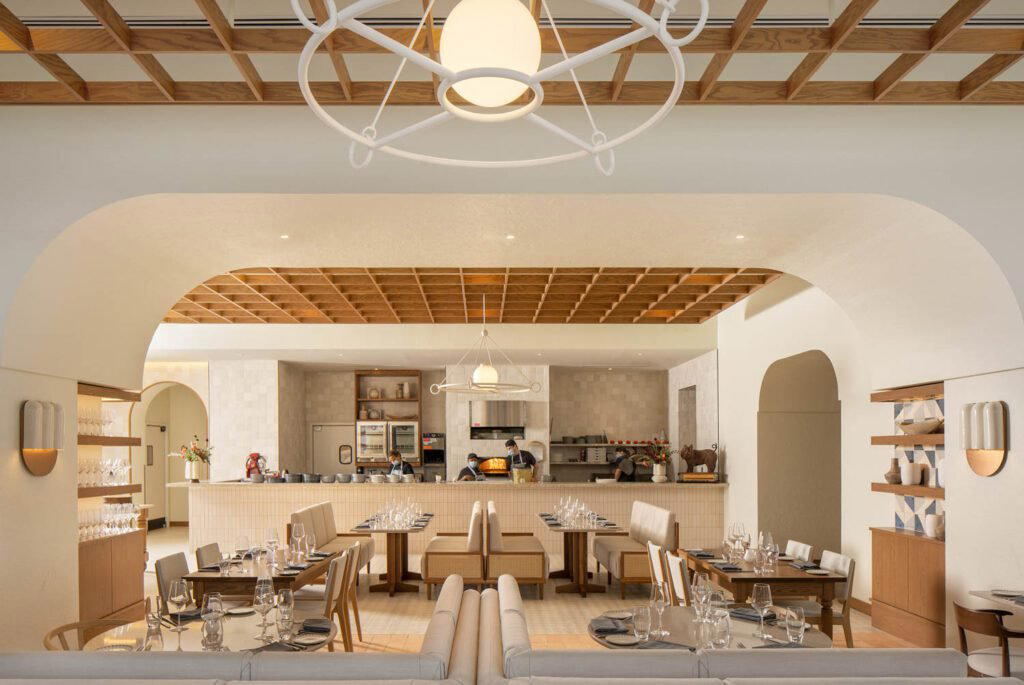
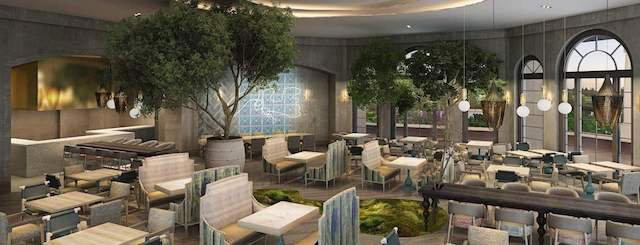
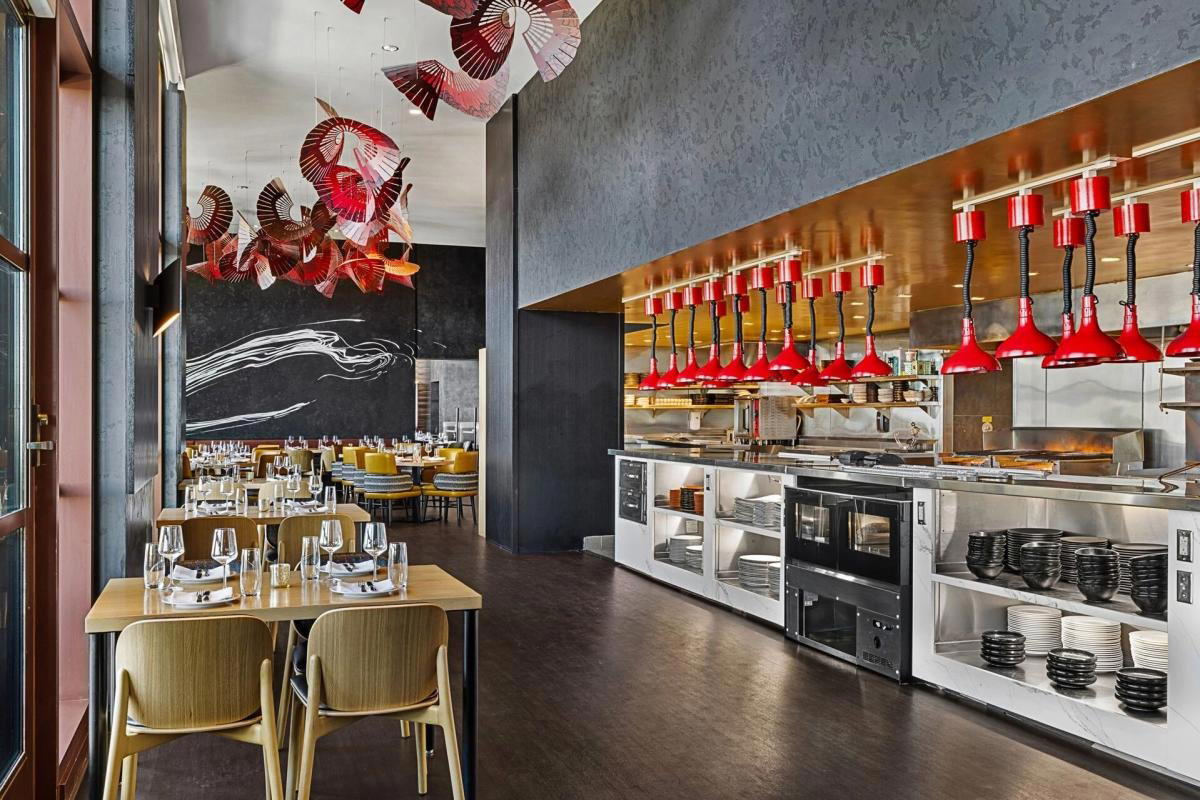
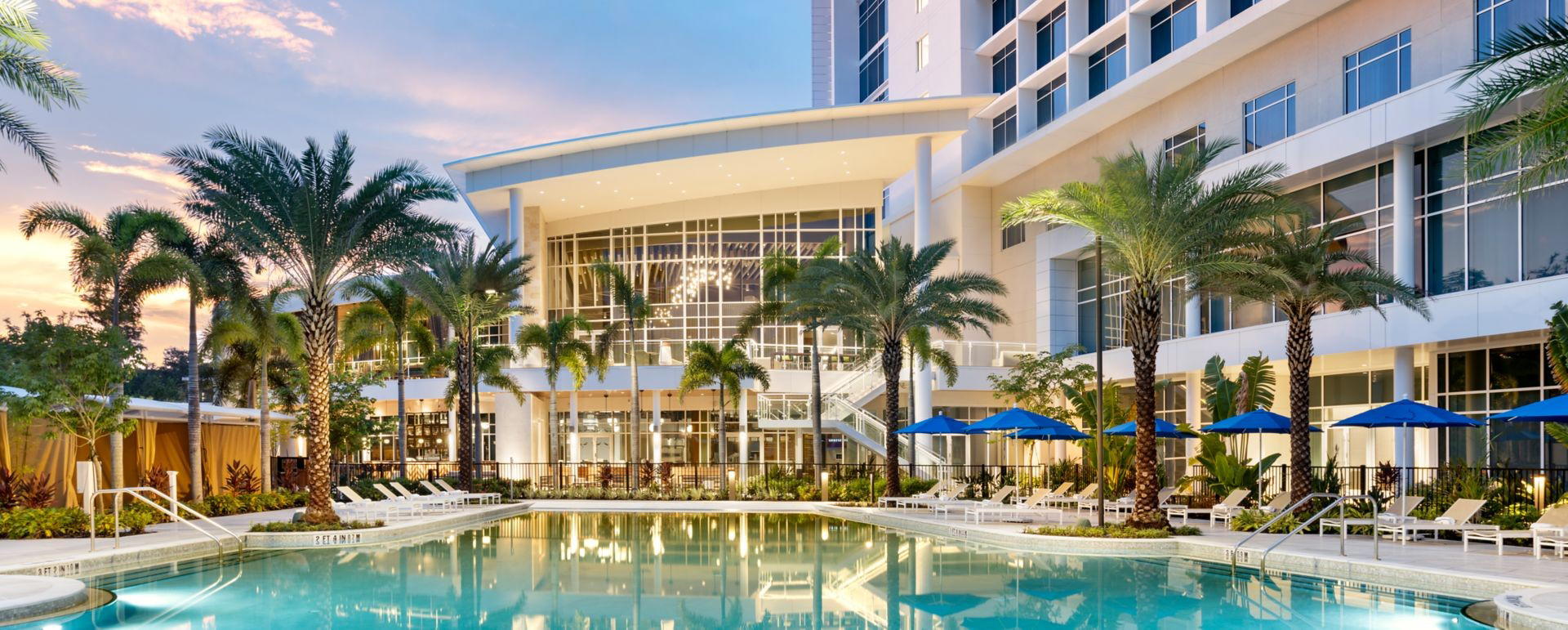
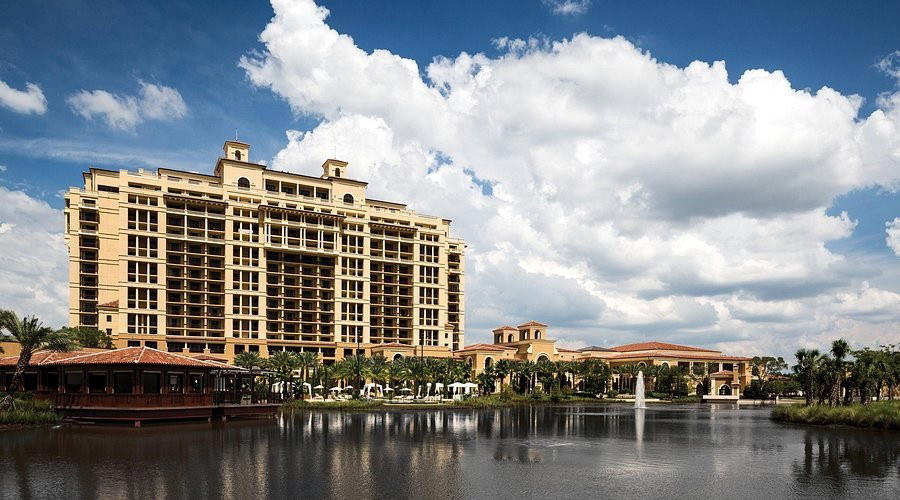
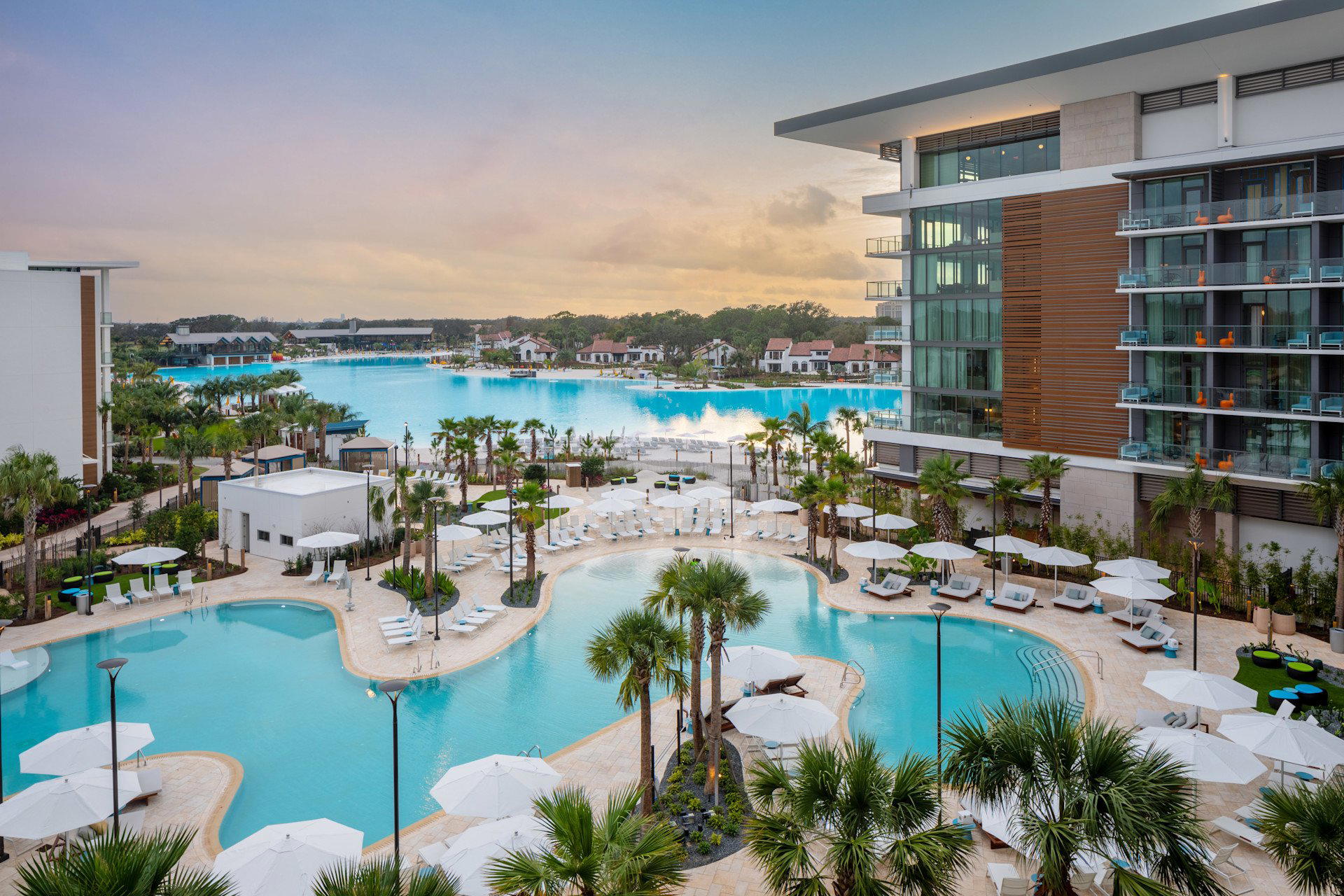
Arriving from the hotel lobby, the room reads differently from the surrounding resort environment. The lighting registers several degrees lower than the convention-center brightness that characterizes much of the Disney hotel stock. The design vocabulary tends toward dark wood and banquette depth, the kind of physical grammar that signals the kitchen intends for guests to stay through multiple courses rather than turn tables on a theme-park schedule. That deliberate contrast with its immediate context is part of what defines the experience here: Bourbon Steak positions itself as a destination within a destination, a place that functions on its own logic even as it exists inside one of the most engineered hospitality ecosystems on the continent.
The Steakhouse Tier in Orlando and Where Bourbon Steak Sits
Orlando's upper-tier steakhouse market is smaller than its tourist volume would suggest. The city's fine dining attention has historically concentrated in Winter Park and downtown rather than on resort property, with a handful of notable exceptions. Capa at the Four Seasons Orlando represents the most direct peer comparison: another hotel-anchored steakhouse operating at the top of the resort price tier, with Spanish-inflected seasoning and a rooftop position that gives it a different atmospheric argument. Bourbon Steak's case rests on the Mina group's track record with aged beef programs and a wine list architecture that skews toward California and Bordeaux in a way that maps onto the preferences of the resort-hotel guest demographic.
The broader Orlando dining scene has grown considerably more sophisticated in recent years. Sorekara and Kadence anchor a serious Japanese contingent, while Camille represents the Vietnamese end of the city's expanding Southeast Asian conversation, and Natsu adds further Japanese depth to the mix. Against that broader field, Bourbon Steak operates in a different register entirely, targeting guests whose dining calculus centers on protein quality and wine depth rather than genre exploration. That is a narrower audience, but within the resort corridor, a very reliable one. For a fuller map of the city's dining options,
The Format and What It Implies About the Kitchen
Michael Mina-group steakhouses are built around a central technical proposition: beef finished in clarified butter before plating, which produces a different surface texture and internal temperature uniformity than a conventionally rested cut. This is not a gimmick specific to the Orlando outpost; it is a kitchen protocol that runs across the Bourbon Steak network and requires consistent temperature management across service. The format implies a line trained to execute a multi-step finishing process during peak covers, which is a meaningful operational commitment in a resort hotel context where volume pressure can push kitchens toward simpler execution.
Alongside the beef program, the Bourbon Steak format traditionally incorporates a fries-as-amuse-bouche opener, arriving before the meal proper in duck-fat-cooked form. This small structural choice has become associated with the brand across its locations and signals the kitchen's interest in setting a tone before the main selections arrive. For guests arriving from a long day in the parks, the pacing of a multi-course steakhouse format also functions as a deliberate pause before dinner.
Placing Bourbon Steak Against the National Steakhouse Conversation
American steakhouse cooking sits in an interesting critical position nationally. The format has been both celebrated and dismissed in the same decade, with critics at outlets like Le Bernardin-adjacent fine dining circles often treating aged beef programs as a category apart from tasting-menu ambition. Yet the most considered American restaurant programs, from The French Laundry in Napa to Smyth in Chicago, have consistently engaged with protein quality and sourcing as a foundational concern rather than a secondary one. What Bourbon Steak represents in that context is the hotel-anchored expression of steakhouse seriousness, comparable in format philosophy (if not in ambition or price ceiling) to what Single Thread Farm in Healdsburg or Blue Hill at Stone Barns represent in the farm-to-table segment: a conviction that the sourcing and handling of primary ingredients justifies a premium price point and a specific format.
Among hotel-anchored fine dining on the East Coast, peers worth contextualizing include The Inn at Little Washington, Addison in San Diego, and Providence in Los Angeles, all of which operate with similar hotel-adjacent positioning but in different cuisine registers. Atomix in New York City and Emeril's in New Orleans round out a national picture in which destination-quality cooking within or adjacent to large hospitality operations has become a more coherent category than it was fifteen years ago. Lazy Bear in San Francisco and Atelier Moessmer Norbert Niederkofler in Brunico offer further reference points for how serious culinary programs operate within defined geographic and hospitality contexts.
Cuisine Context
Comparable venues nearby, for context on price, style, and recognition.
| Venue | Cuisine | Price | Awards | Notes |
|---|---|---|---|---|
| Bourbon Steak OrlandoThis venue — the venue you are viewing | Modern American Steakhouse | $$$$ | , | |
| A Land Remembered | Florida-Inspired Prime Steakhouse | $$$$ | , | Convention Center |
| Le Cellier | Canadian Steakhouse | $$$$ | , | EPCOT |
| Spencer's For Steak & Chops | New American Steakhouse | $$$$ | , | Convention Center |
| Kres Chophouse | Classic Steakhouse with Modern Eclectic Flair | $$$ | , | Downtown Orlando |
| Norman's | New World Fusion | $$$$ | , | Little Sand Lake |
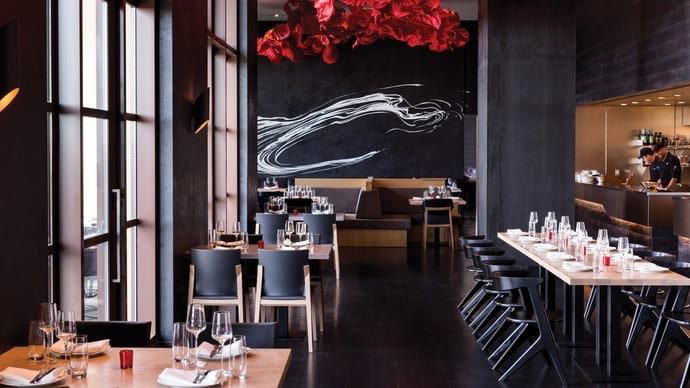
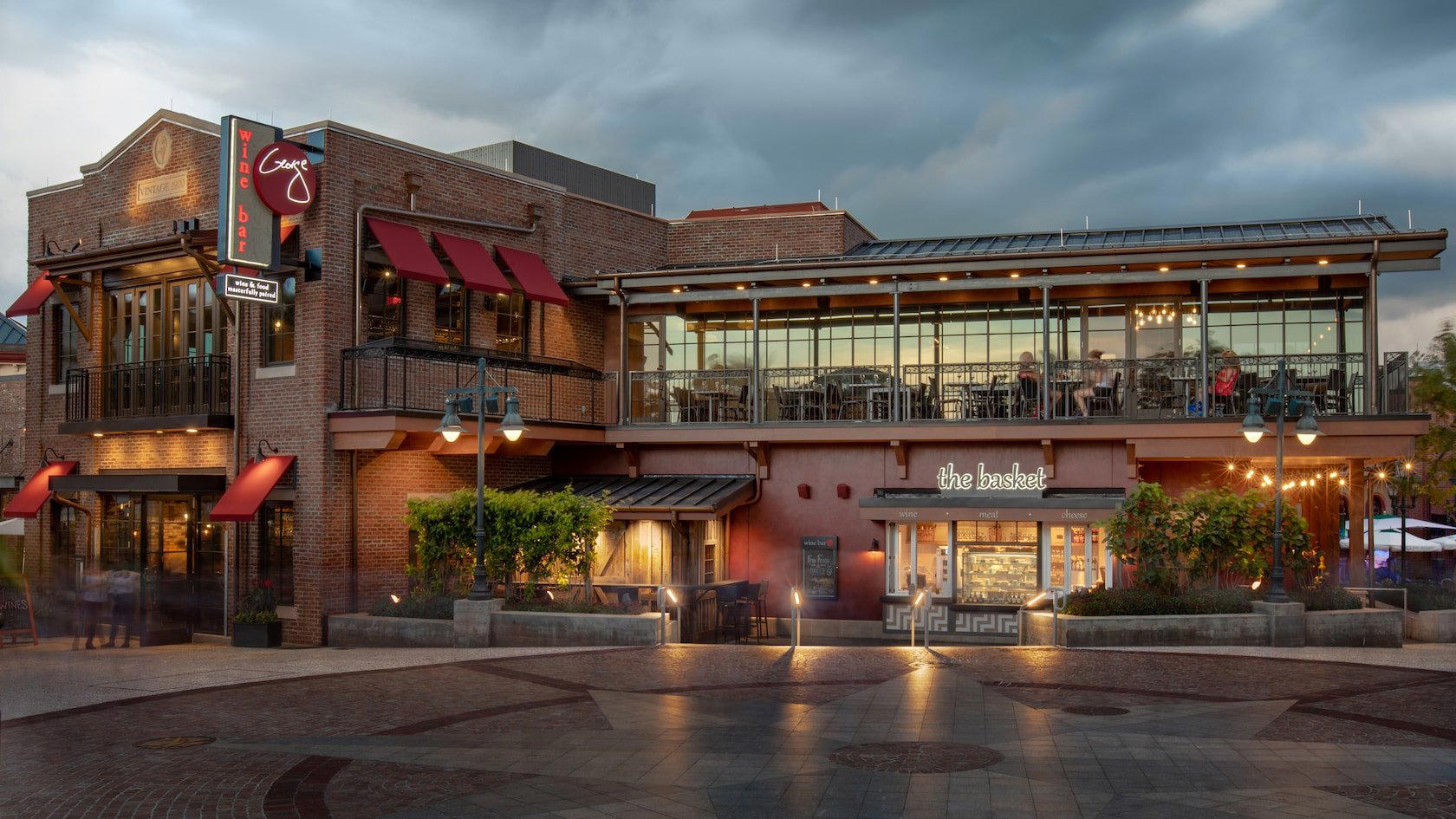
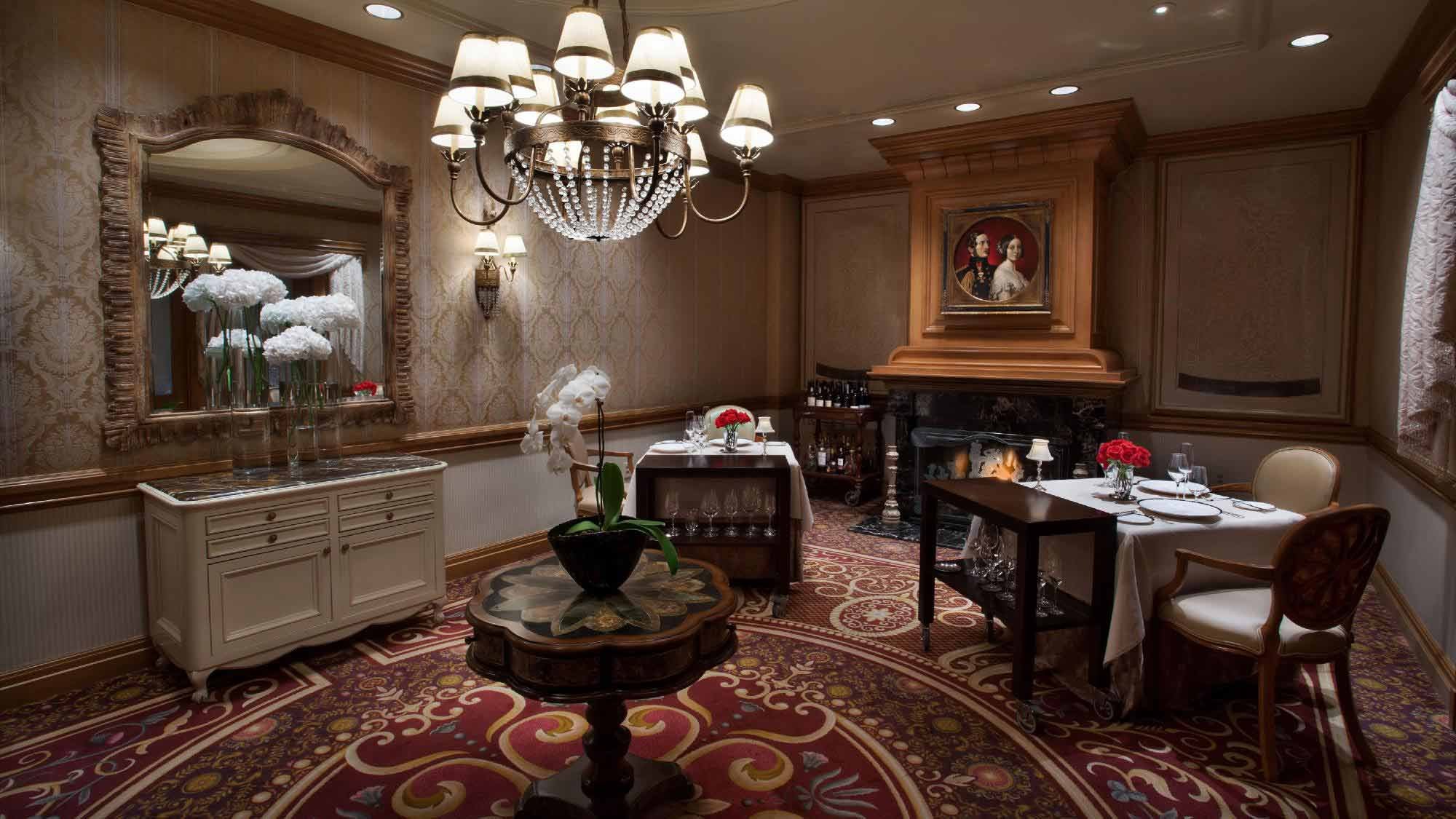
At a Glance
- Elegant
- Sophisticated
- Modern
- Date Night
- Celebration
- Special Occasion
- Hotel Restaurant
- Private Dining
- Extensive Wine List
- Craft Cocktails
- Local Sourcing
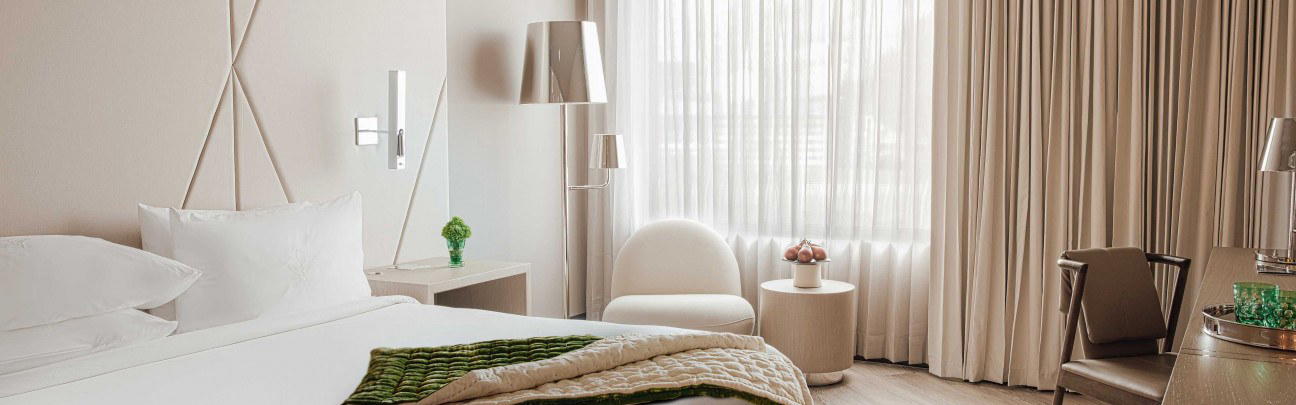
Elegant yet approachable design blending rich textures and contemporary elements for a warm, sophisticated atmosphere.