Ômo by Jônt





1 Michelin Star · James Beard Award Semi Finalist · Wine Spectator Award of Excellence
Our verdict
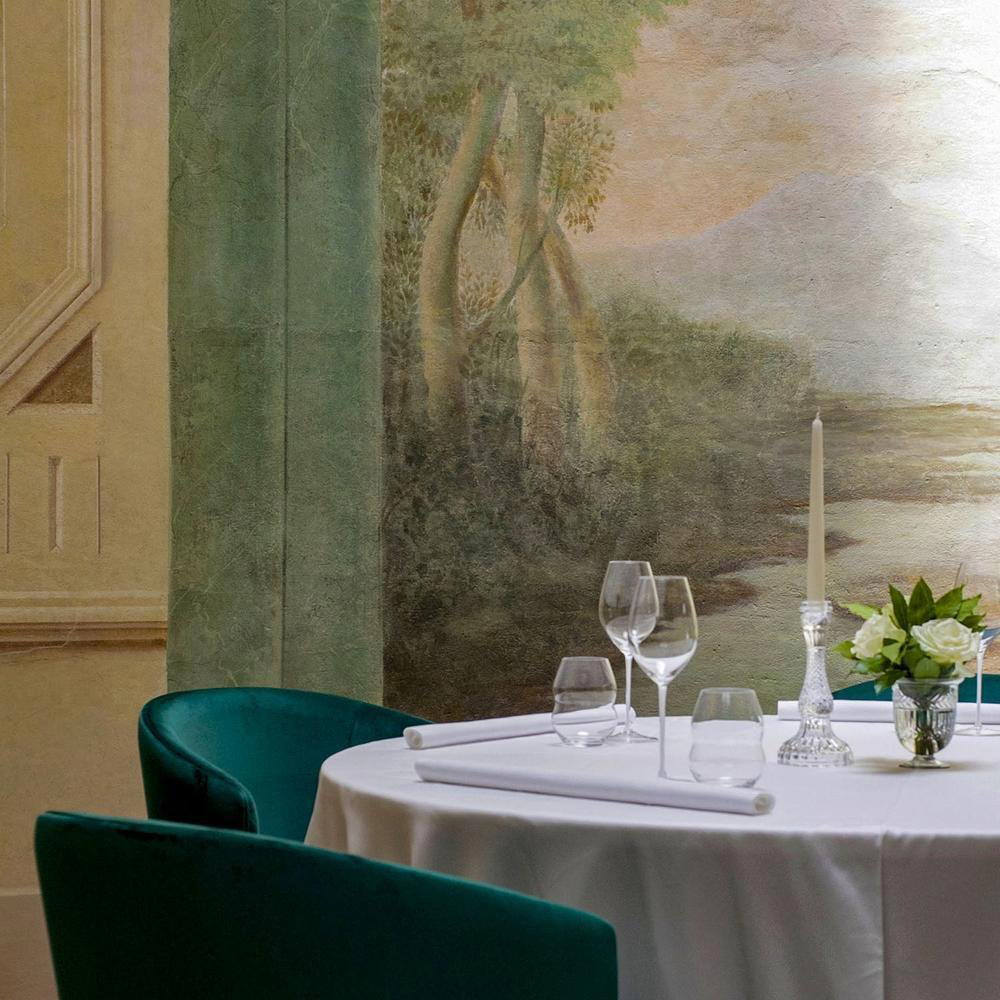
Ômo by Jônt brings a Michelin-starred Japanese contemporary format to Winter Park, Florida, operating from 115 E Lyman Ave with sommelier Juan Valencia overseeing a 530-bottle list weighted toward California and France. Chef and owner Ryan Ratino positions it at the upper end of Central Florida dining, with dinner-only service and cuisine pricing in the $$$ tier.

Pearl is the En Primeur Club membership app — saves, bookings, and concierge access live there. Same editors, same standards.
- Address
- 115 E Lyman Ave, Winter Park, FL 32789
- Phone
- (321) 972-5225
- Hours
- Mon–Tue ClosedWed–Sun 5–9:30 PM
- Website
- omobyjont.com
- Directions
- Get directions
- Booking
- Book on OpenTable
The menu
What to order
- Nanatsuboshi Rice with crab and truffle
- Scallops two ways
- Wagyu beef
Where Japanese Precision Meets a Florida Dining Room
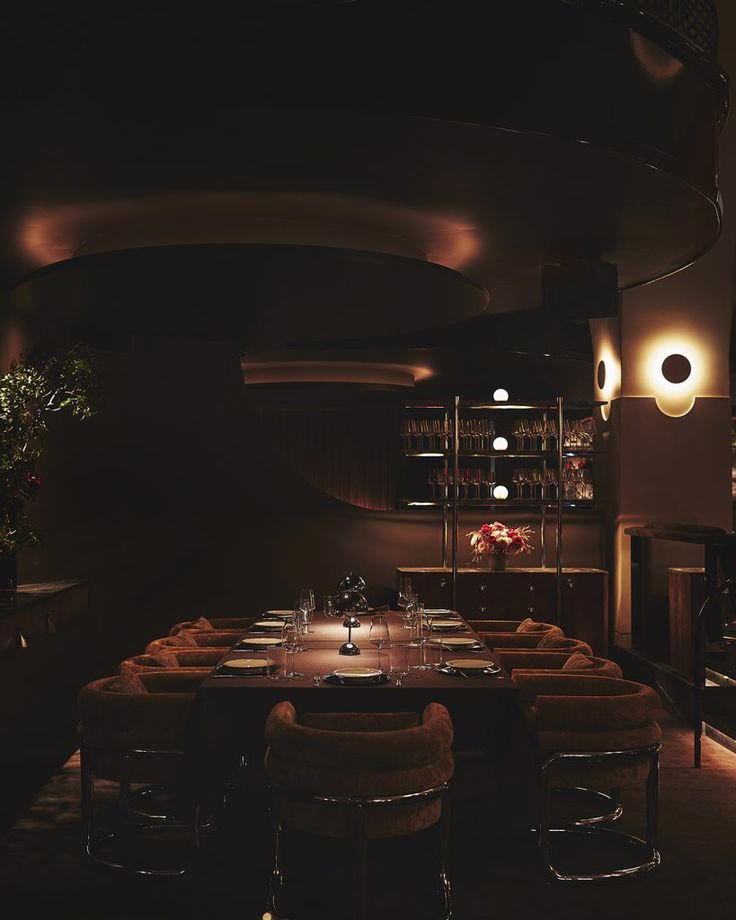
East Lyman Avenue in Winter Park is a quieter corridor than the main stretch of Park Avenue, which makes arriving at Ômo by Jônt a slightly different exercise in expectation calibration. The broader Park Avenue district has built its reputation on accessible, mid-range dining — places like Prato and Chuan Fu fill that register well — but Ômo operates at a tier where the room, the pacing, and the depth of the wine program signal something structurally different before the first course arrives.
Earning a Michelin star in 2025, Ômo by Jônt now sits in a small group of Florida restaurants that carry that credential. For context, the state's Michelin coverage only expanded to include Orlando and its surrounding communities relatively recently, meaning the 2025 award reflects current inspector evaluation rather than accumulated institutional history. That distinction matters: the star here is a present-tense signal, not legacy recognition.
Japanese Contemporary in a Florida Context
The broader category of Japanese contemporary dining in the United States has become one of the more contested format questions in fine dining. At one end, the kaiseki-adjacent omakase counter has multiplied across major coastal cities, with seats priced between $250 and $450 and menus that lean heavily on Japanese ingredient sourcing. At the other end, chefs trained across French and Japanese traditions have constructed hybrid formats that use Japanese technique and ingredient philosophy as a structural lens rather than a literal template. Ômo sits closer to the second model, classified under the Contemporary label with Japanese pricing and cuisine positioning.
That positioning puts it in conversation with a peer group that extends well beyond Central Florida. Restaurants like Lazy Bear in San Francisco and Single Thread Farm in Healdsburg have navigated a similar interpretive space, using format discipline and sourcing specificity to anchor menus that don't conform to single national traditions. Further along the formality register, Alinea in Chicago and The French Laundry in Napa demonstrate what sustained Michelin recognition looks like in the American fine dining model, while internationally, Jungsik in Seoul shows how Asian-rooted contemporary formats translate into Western critical frameworks. Ômo's 2025 star places it in active dialogue with that broader ecosystem.
Within Winter Park specifically, the $$$$-tier dining set is compact. Soseki occupies a fusion format at the same price point, and AVA MediterrAegean brings Greek-inflected Mediterranean cooking to that bracket. Ômo's Japanese Contemporary positioning means it isn't competing directly with either, but all three function as the upper tier of what Winter Park currently offers at dinner.
The Cultural Architecture of the Menu
Japanese culinary tradition carries one of the more codified relationships between technique, seasonality, and restraint in global gastronomy. The kaiseki tradition in particular, historically rooted in the tea ceremony culture of Kyoto, established a framework in which the progression of courses, the sourcing of ingredients, and the physical presentation of each dish are treated as an integrated whole rather than individual flourishes. Contemporary Japanese-influenced fine dining in the United States often takes this structural logic and reroutes it through Western protein sourcing, regional ingredients, and kitchen training that crosses multiple national traditions.
What this means practically at a restaurant like Ômo is that the menu's cultural referencing operates at the level of philosophy, in the pacing, the visual discipline, the relationship between temperature and texture, rather than as a direct recreation of a Tokyo counter experience. That interpretive distance is precisely what gives the Contemporary classification its meaning. Diners approaching Ômo through the lens of Japanese dining tradition will find those reference points embedded in the format; diners arriving from a French fine dining background will find familiar structural markers in the progression and plating language.
For a broader frame of reference, Le Bernardin in New York City offers a useful comparison in how a cuisine's philosophical commitments can persist across decades and geography without requiring literal transplantation. César in New York City and Emeril's in New Orleans represent different points on the spectrum of how American fine dining anchors itself to specific cultural traditions.
The Wine Program
A 530-bottle inventory with 250 selections on the list places Ômo's wine program well above what most restaurants at its price point maintain. Sommelier Juan Valencia oversees a list with documented strength in California and France, the two regions that continue to define the premium end of American restaurant wine culture. The list prices at the $$$ tier, meaning multiple bottles above $100 are available, and the corkage fee is set at $100 for guests bringing their own bottles.
The depth of this program matters beyond the numbers. At the $$$$ cuisine price point, a wine list of this scale suggests the room is structured for extended, multi-course meals where wine pairing is part of the format rather than an afterthought. California and French strength is the conventional alignment for this format, Burgundy and northern California Pinot and Chardonnay tend to move well alongside Japanese-inflected menus, while Bordeaux and Napa Cabernet selections offer the high-end anchor points that $$$ list pricing typically requires. The Wine Room on Park Avenue covers different ground in Winter Park's wine access, operating as a retail and tasting format rather than a pairing-driven dining program.
Where Ômo Sits in the Wider Winter Park Picture
Winter Park's dining scene has expanded in both range and ambition over the past several years. The city's restaurant base now covers enough ground to warrant serious attention from diners who might previously have defaulted to Orlando's urban core for high-end meals. Ômo's Michelin star accelerates that shift, providing a nationally legible credential that positions the city alongside markets that have historically held that recognition.
For visitors building a broader picture of what the area offers, the full range is covered across our full Winter Park restaurants guide, with additional resources in our full Winter Park hotels guide, our full Winter Park bars guide, our full Winter Park wineries guide, and our full Winter Park experiences guide.
Planning a Visit
Ômo by Jônt is located at 115 E Lyman Ave, Winter Park, FL 32789, and operates dinner service only. The cuisine is priced at the $$$ tier for a typical two-course meal, and the overall venue sits at $$$$, consistent with other high-format Contemporary restaurants in this category. The 530-bottle wine list carries a $100 corkage fee for personal bottles. General Manager Tracy Grady oversees operations, and the restaurant operates under the ownership of Ryan Ratino and Hive Hospitality. Given the Michelin star awarded in 2025 and the dinner-only format, advance reservations are advisable.
Frequently asked questions
Where exactly is Ômo by Jônt?
Ômo by Jônt is located at 115 E Lyman Ave, Winter Park, FL 32789, Winter Park.
Cuisine and Recognition
| Venue | Cuisine | Price | Awards | Notes |
|---|---|---|---|---|
| Ômo by JôntThis venue — the venue you are viewing | Modern Japanese-French Fusion Tasting | $150–200 | 1 Michelin Star · James Beard Award Semi Finalist | Not listed |
| Soseki | Modern Japanese Omakase | $200–300 | 1 Michelin Star | Fusion |
| AVA MediterrAegean | Modern Greek Mediterranean | $50–100 | Michelin Plate · Wine Spectator Award of Excellence | Not listed |
| Chuan Fu | Authentic Szechuan Chinese | $20–30 | Michelin Plate | Not listed |
| Prato | Modern Italian with Wood-Fired Pizzas | $30–50 | Michelin Plate | Not listed |
| The Wine Room on Park Avenue | Wine Bar with Small Plates | Not listed | Wine Spectator Best of Award of Excellence | Not listed |
Recognition history
Dated appearances from independent guides and award organizations, with the underlying list record or original source where available.
Michelin 1 Star
Michelin
James Beard Award Semi Finalist
James Beard Award
Opinionated About Dining Top Restaurants in North America Recommended
Opinionated About Dining
Wine Spectator Award of Excellence
Wine Spectator
Wine Enthusiast Best Wine Restaurants
Wine Enthusiast
Full recognition history (7 entries)
Michelin 1 Star
Michelin
Wine Spectator Award of Excellence
Wine Spectator
Continue exploring
More in Winter Park
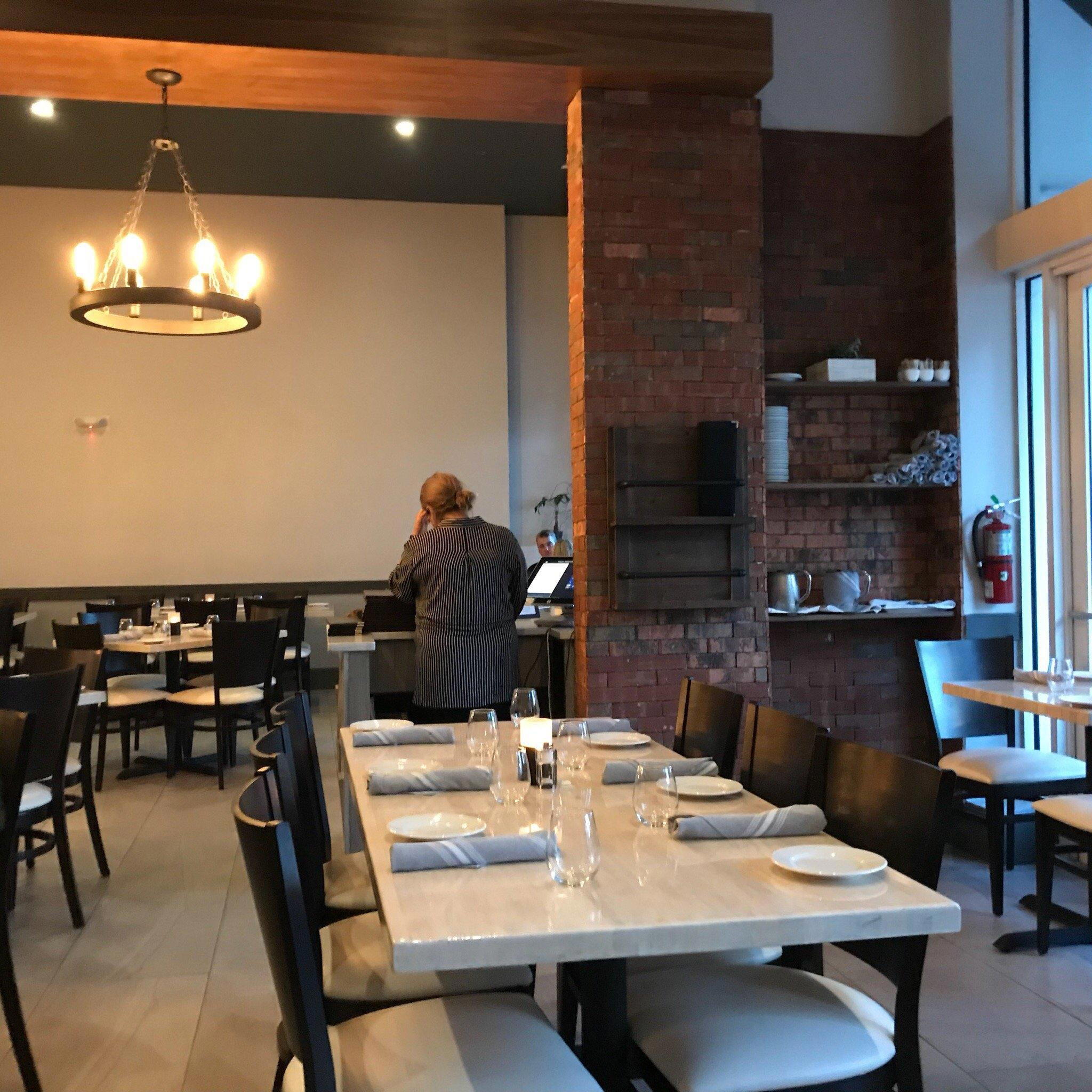
Restaurants in Winter Park
Browse all →
Bars in Winter Park
Browse all →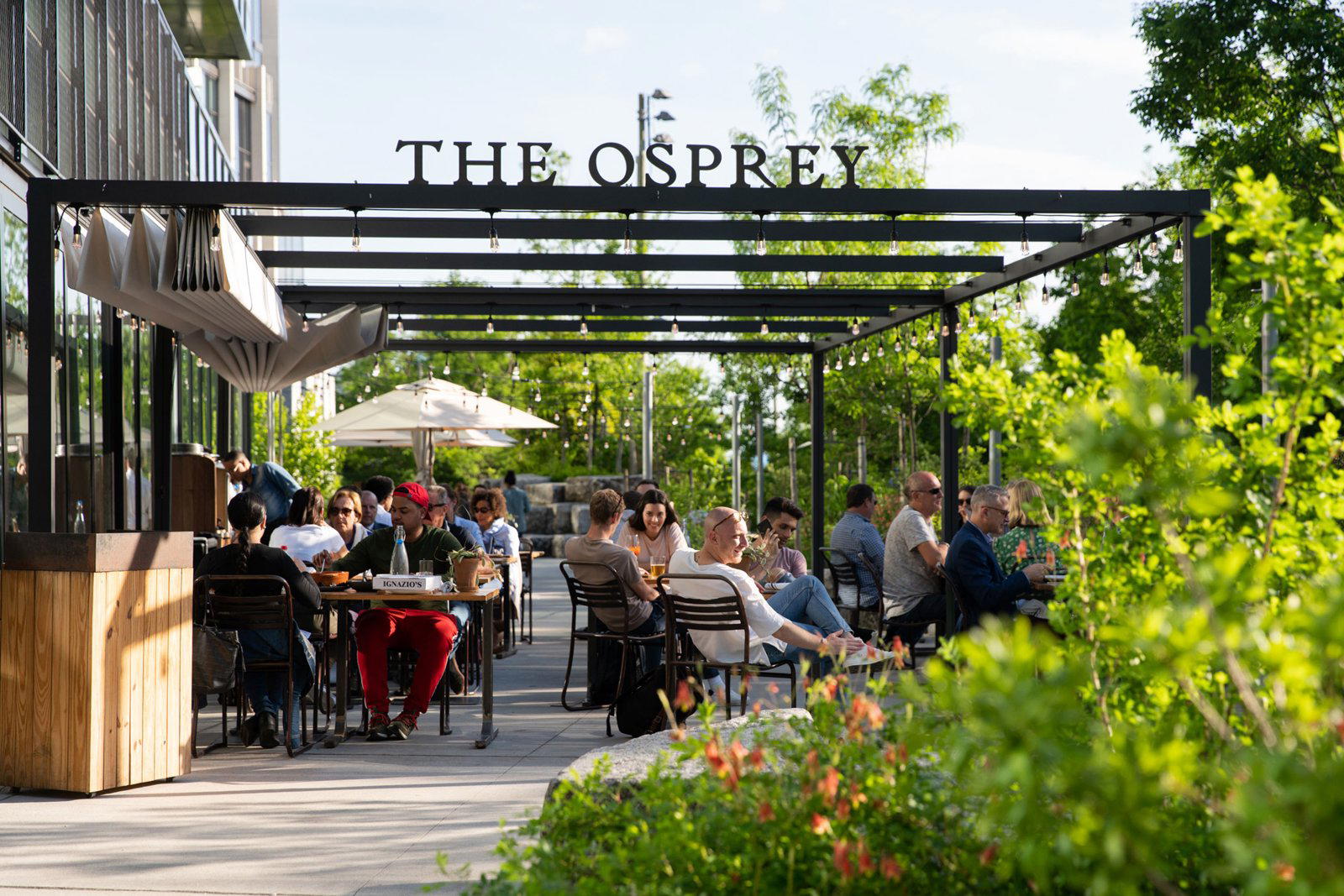
Details
- Modern
- Elegant
- Intimate
- Sophisticated
- Trendy
- Date Night
- Special Occasion
- Celebration
- Chefs Counter
- Open Kitchen
- Extensive Wine List
- Sake Program
- Tasting Menu
- Counter Dining
- Wine
- Sake
Current opening hours
- Monday
- Closed
- Tuesday
- Closed
- Wednesday
- 5–9:30 PM
- Thursday
- 5–9:30 PM
- Friday
- 5–9:30 PM
- Saturday
- 5–9:30 PM
- Sunday
- 5–9:30 PM
Hours can change for holidays and private events. Last verified .
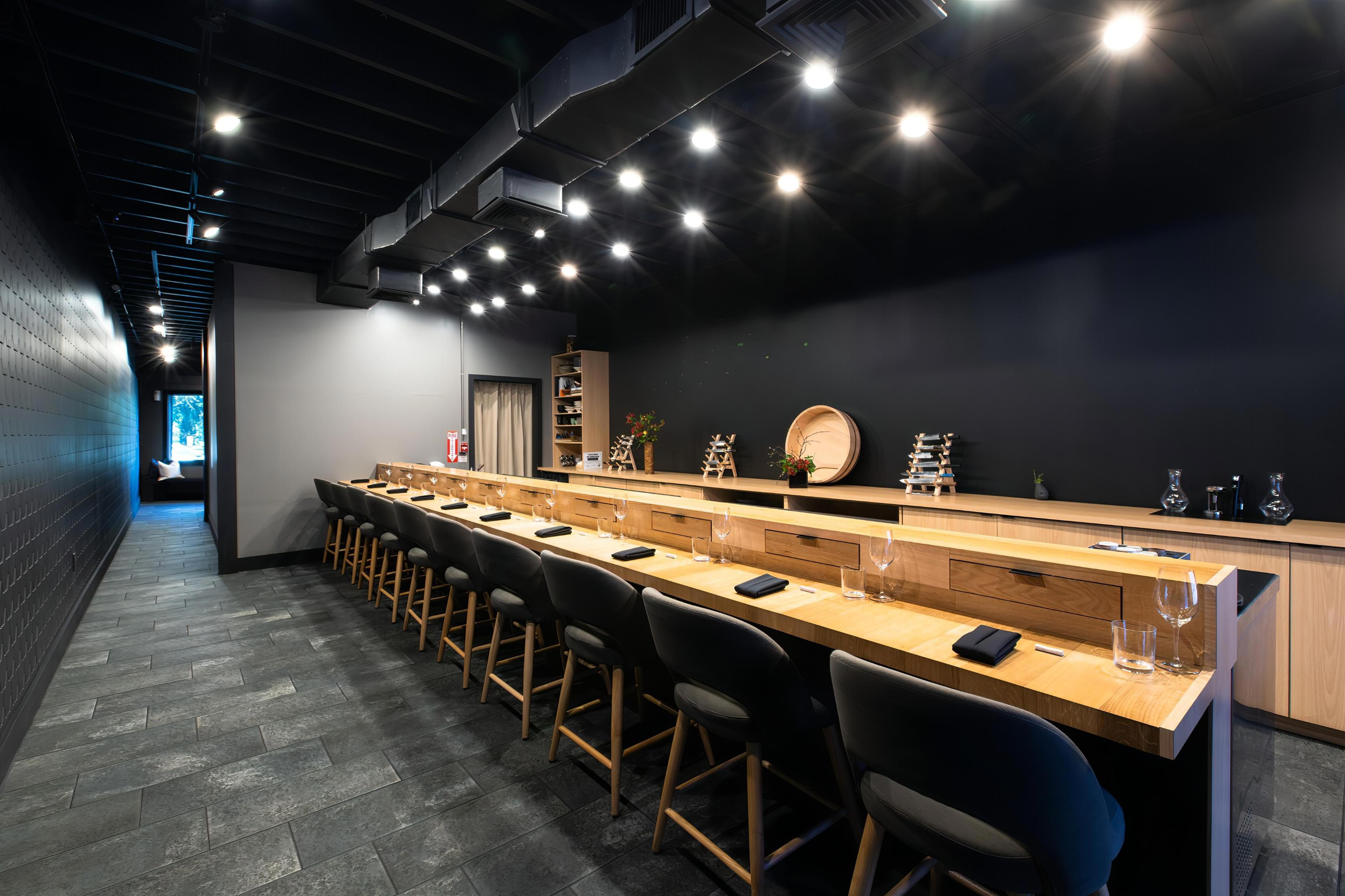
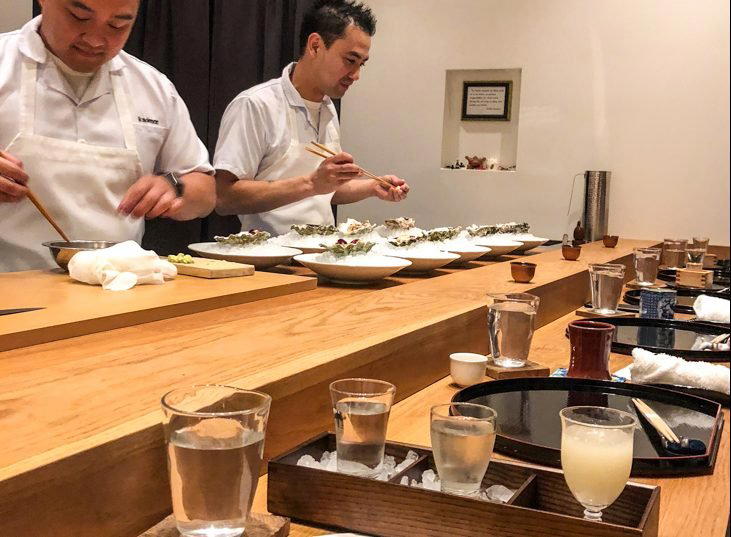
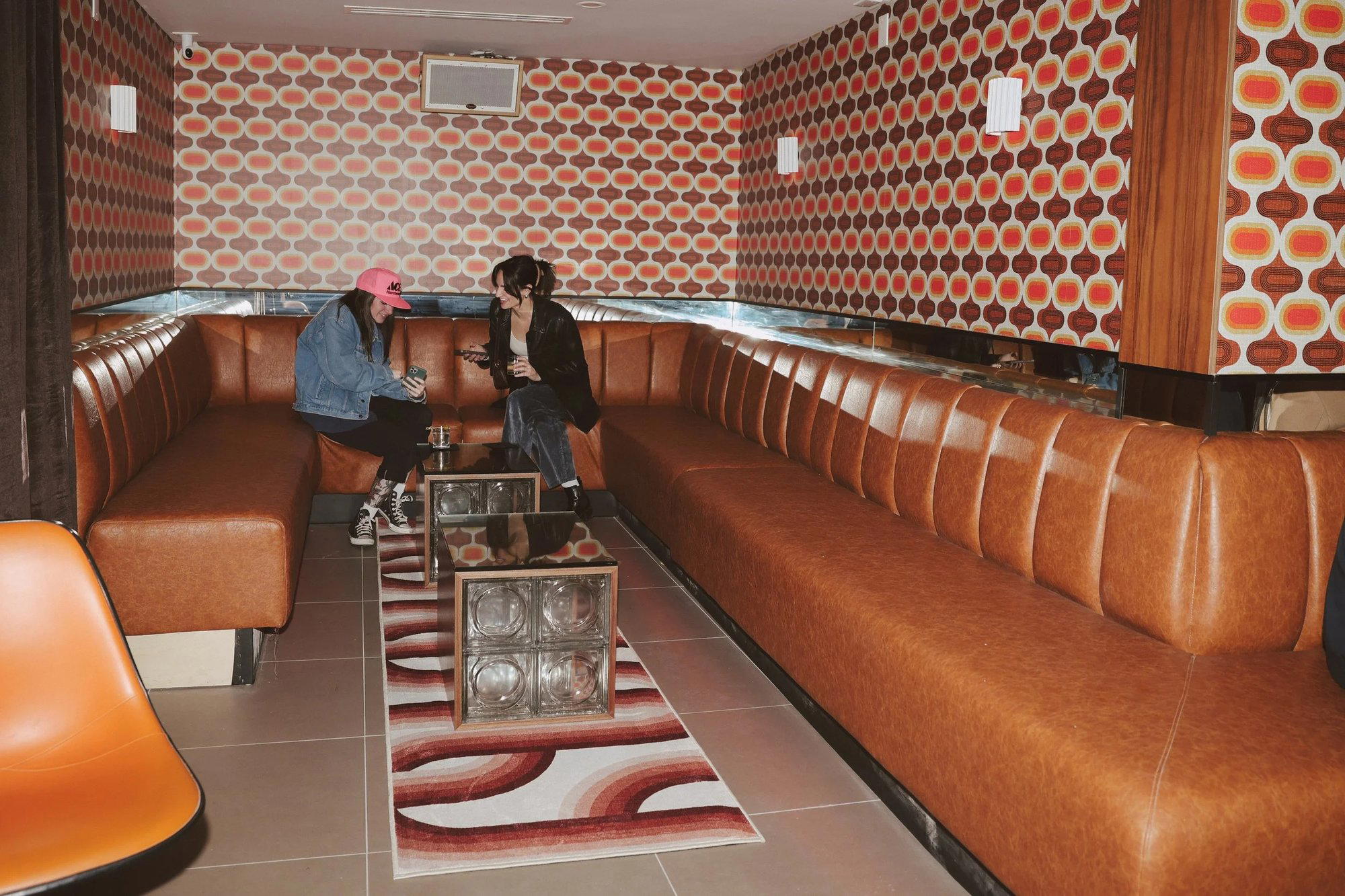
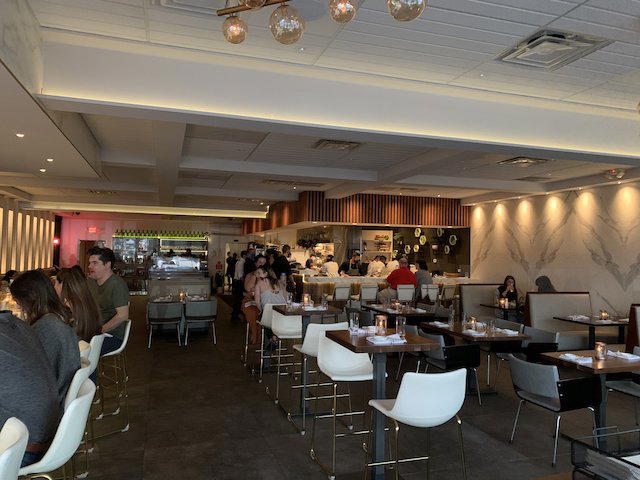
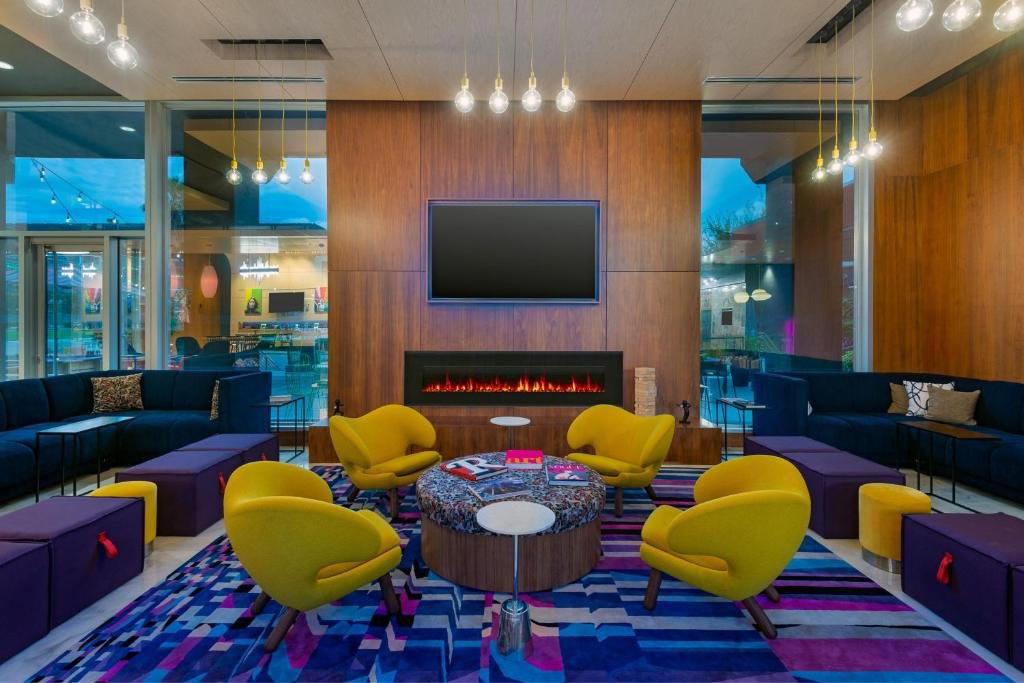
Modern, interactive open kitchen with hip-hop soundtrack, chic living room lounge, and cozy pastry parlor; lively yet refined atmosphere.