Foreigner Restaurant
Our verdict
Foreigner Restaurant arrives in Orlando's increasingly sophisticated dining conversation as a venue that draws a line between imported culinary technique and the produce available from Florida's year-round growing season. The premise sits inside a broader city-wide shift toward global methods applied to regional ingredients. For visitors assessing Orlando's premium tier, it belongs in the same conversation as Sorekara and Camille.

Pearl is the En Primeur Club membership app — saves, bookings, and concierge access live there. Same editors, same standards.
- Address
- 2816 Corrine Dr, Orlando, FL 32803
- Phone
- (321) 517-6985
- Hours
- Mon–Tue ClosedWed 5:30–9:30 PMThu–Sat 5:30–10 PMSun Closed
- Website
- foreignerrestaurant.com
- Directions
- Get directions
- Booking
- Book on Tock
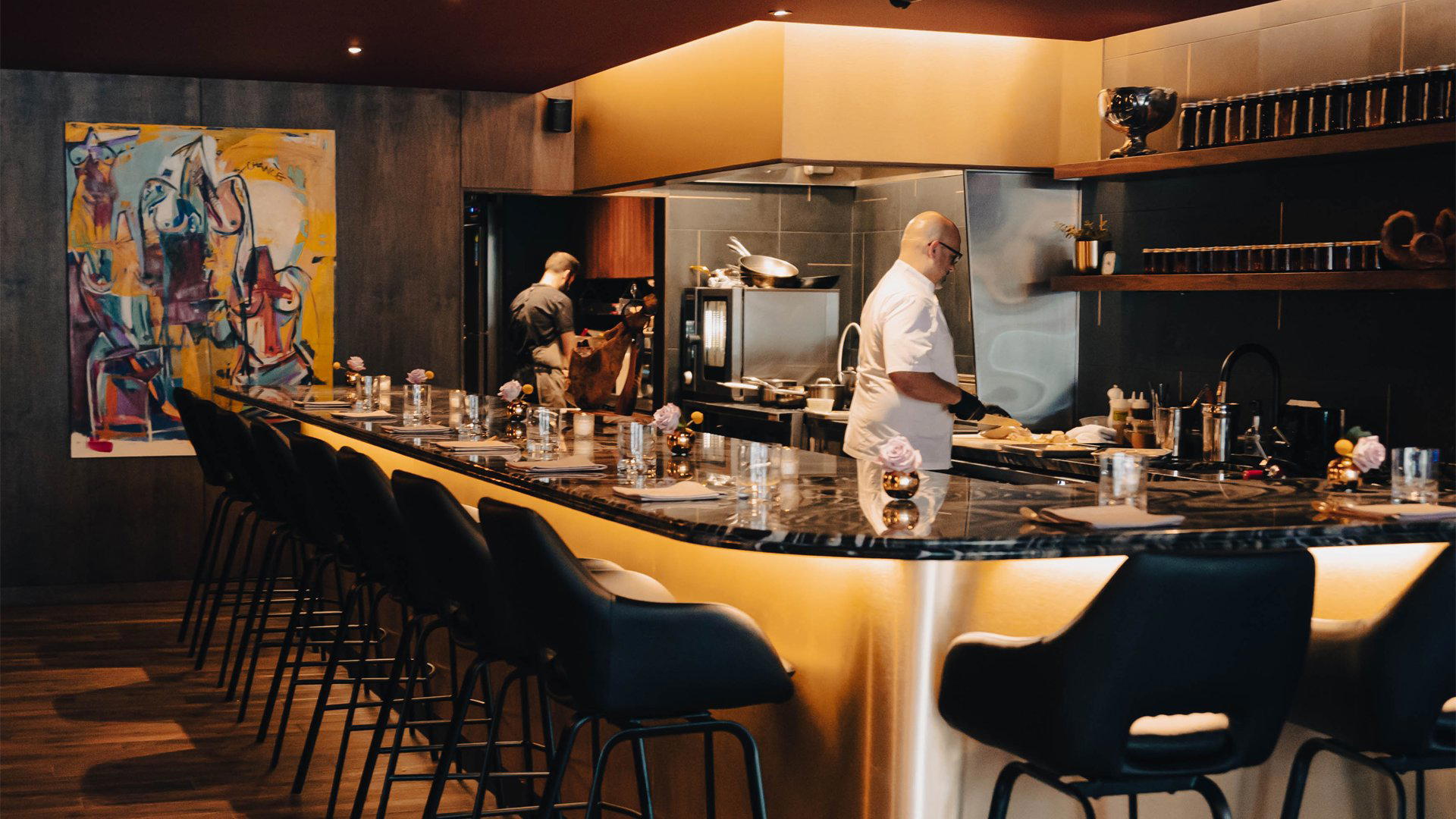
The menu
What to order
- Poached Pacific Northwest oyster with potato-turnip mousse
Where Global Technique Meets Florida's Growing Season
Orlando's premium dining tier has spent the better part of a decade shedding its theme-park adjacency and building a scene with its own logic. The restaurants that have defined that shift share a common trait: they apply internationally sourced technique to the specific agricultural reality of Central Florida, a state where the growing calendar runs longer than almost anywhere else in the continental United States. Foreigner Restaurant arrives inside that tradition, its name itself a useful signal about the tension the kitchen is working with — the productive friction between imported culinary grammar and genuinely local produce.
That friction is not ornamental. Florida's subtropical climate produces ingredients that most global culinary traditions were never designed around: citrus varieties that skew bitter and aromatic rather than simply sweet, stone crabs with a different structural character than Atlantic or Pacific alternatives, hearts of palm that retain a grassy freshness when sourced within the state. Kitchens that apply French classical method, Japanese precision, or modern Scandinavian technique to these products are not simply transplanting a cuisine — they are negotiating a new set of conditions. The most interesting results tend to be neither purely local nor purely imported.
Orlando's Position in the Broader American Fine Dining Conversation
To understand where a restaurant like Foreigner sits, it helps to map Orlando against the cities that set the reference points for American fine dining. The technique-driven, produce-focused model that defines the country's serious kitchens runs from Le Bernardin in New York City through The French Laundry in Napa and Blue Hill at Stone Barns in Tarrytown, each of which treats the sourcing relationship as inseparable from the cooking itself. Further along that spectrum, kitchens at Single Thread Farm in Healdsburg and Alinea in Chicago push the method-versus-material balance in different directions. Orlando's premium restaurants have not historically carried that kind of national weight, but venues like Kadence and Sorekara have demonstrated that the city's dining public is prepared to meet serious kitchens at their own level.
The comparison set that matters most for Foreigner is the local one. Camille, which operates at the $$$$ price tier with a Vietnamese framework, and Capa, the steakhouse that anchors the Four Seasons on International Drive, both represent Orlando's upper bracket. Natsu extends the city's Japanese dining conversation into a more intimate format. These are the peer venues, and the venues against which a booking decision at Foreigner is implicitly being made.
The Logic of Local Ingredients and Global Technique
The editorial angle that makes venues like this worth serious attention is not novelty but viability. Using global technique on local produce is not automatically a good idea: it can produce category confusion, dishes that satisfy neither a tradition nor a region. The kitchens that make it work tend to share a few operating principles. First, they select techniques that amplify the specific character of an ingredient rather than imposing a predetermined flavor profile on it. Second, they show restraint in the transformation, knowing when Florida citrus is better served by a minimal Japanese treatment than by a reduction that would strip its volatile aromatics. Third, they build a menu architecture around seasonal availability rather than around a fixed set of globally sourced hero ingredients.
This approach has precedents in American dining that go well beyond the obvious examples. Providence in Los Angeles applies classical French-influenced seafood technique to Pacific coastal catch with considerable discipline. Addison in San Diego anchors its tasting menu in Southern California's agricultural output while drawing on European brigade structure. Atomix in New York City demonstrates how Korean culinary logic can be rearticulated through a fine dining format without dissolving its source material. The through-line across these examples is that the technique serves the ingredient rather than the reverse. Lazy Bear in San Francisco and Emeril's in New Orleans both represent different resolutions of the same tension, how much transformation serves the material, and how much begins to obscure it.
For an Orlando kitchen, the seasonal dimension of this question is particularly pointed. Florida's peak produce months run from late autumn through early spring, when the heat has eased enough for brassicas, citrus, and root vegetables to develop properly. Summer kitchens are working with a different pantry, one dominated by heat-tolerant produce and gulf seafood, and the technique applied needs to shift accordingly. Restaurants that acknowledge this seasonal switching in their menu structure are making an implicit editorial statement about what they are actually cooking, versus restaurants that maintain a year-round menu of consistent hero dishes regardless of what the state's farms are actually producing.
Planning a Visit
For guests approaching Orlando's premium dining tier from outside the city, the practical orientation is worth framing clearly. The full range of the city's serious restaurants is covered in our full Orlando restaurants guide, which maps the competitive set by price tier, cuisine type, and booking lead time. For reference against the broader American fine dining context, The Inn at Little Washington and 8½ Otto e Mezzo Bombana in Hong Kong represent international benchmarks at the format's upper end, useful for calibrating what technically demanding fine dining looks like at its most resolved. Within Orlando specifically, the $$$$ tier restaurants, Capa, Camille, Sorekara, Natsu, tend to book out on weekend evenings two to four weeks in advance, and Foreigner should be approached with similar planning assumptions.
Florida's cooler months, roughly November through April, represent the state's agricultural high point and the period when produce-driven kitchens are working with the widest and most interesting range of local material. For a restaurant that frames itself around the intersection of imported technique and local ingredients, those months offer the clearest demonstration of what the kitchen is actually doing. Summer visits remain worthwhile, but the menu's seasonal range will be narrower, and the gulf seafood story tends to dominate where root vegetables and citrus might have done so months earlier.
Frequently asked questions
How does Foreigner Restaurant fit into Orlando's broader dining scene compared to theme-park-adjacent options?
Foreigner Restaurant operates within Orlando's growing premium dining tier, a segment that has spent the last decade building a culinary identity independent of the city's entertainment infrastructure. While theme-park-adjacent dining in Orlando largely optimises for volume and accessibility, restaurants in this tier, Foreigner among them, are building menus around technique and local sourcing in ways that track closer to what is happening in Miami or Atlanta. For visitors who identify Orlando primarily with resort dining, this segment represents a materially different set of priorities.
What's the best thing to order at Foreigner Restaurant?
Given the kitchen's editorial positioning around global technique applied to Florida's seasonal produce, dishes that bridge local sourcing with international preparation methods are likely the most coherent expression of what the restaurant is doing. Asking the front-of-house for the kitchen's current focus is the more reliable approach than arriving with a fixed target.
Do they take walk-ins at Foreigner Restaurant?
Walk-in policy has not been formally confirmed for Foreigner Restaurant in Orlando. At restaurants operating in the premium tier of the Orlando dining scene, counter seats or bar positions are often held for same-day arrivals, but that depends on the format. Contacting the restaurant directly before arrival is the practical step.
What do critics highlight about Foreigner Restaurant?
Formal critical coverage tied to named publications or award bodies has not been documented in available editorial records for Foreigner Restaurant. What the venue's positioning suggests, placing global culinary technique inside Florida's seasonal-produce framework, is precisely the kind of editorial angle that serious food writers in the American fine dining conversation have paid attention to across comparable Orlando openings in recent years.
Do they accommodate allergies at Foreigner Restaurant?
No formal allergy or dietary accommodation policy has been confirmed for Foreigner Restaurant. At Orlando restaurants working with seasonal and market-driven menus, kitchen flexibility on dietary requirements varies week to week depending on what produce is in rotation. The direct approach is to call or email ahead with specific requirements rather than assume a standing policy.
Should I splurge on Foreigner Restaurant?
Pricing details for Foreigner Restaurant have not been formally published. What frames the decision is context: Orlando's premium dining tier now operates alongside reference points in Miami, New York, and Chicago, and restaurants positioning themselves around technique-driven, local-ingredient menus in that tier generally sit in a range that rewards a full commitment rather than a partial one. If the kitchen's approach aligns with what you're after, the abbreviated version rarely does it justice.
What's the best season to visit Foreigner Restaurant?
Florida's growing calendar peaks in the cooler months, roughly October through April, when the heat drops and local farms produce a broader and more interesting range of vegetables and citrus. For a restaurant in Orlando that foregrounds seasonal Florida produce as part of its editorial identity, that window is when the ingredient side of the menu is working hardest. Summer visits are viable but the produce profile narrows.
Nearby-ish Comparables
Comparable venues nearby, for context on price, style, and recognition.
| Venue | Cuisine | Price | Awards | Notes |
|---|---|---|---|---|
| Foreigner RestaurantThis venue — the venue you are viewing | Innovative American Fine Dining Tasting Menu | $150–200 | Not listed | Not listed |
| Russell's on Lake Ivanhoe | Modern American Steakhouse | $50–100 | Not listed | Ivanhoe |
| Bites & Bubbles | Contemporary American with European Flair | $50–100 | Not listed | Mills 50 District |
| Krazy Good Food | American Seafood and Burgers | $20–30 | Not listed | Millenia |
| Tobias Burgers & Brews | Gourmet Burgers & Craft Beers | $20–30 | Not listed | Convention Center |
| Norman's | New World Fusion | $50–100 | James Beard Award Best Chefs | Little Sand Lake |
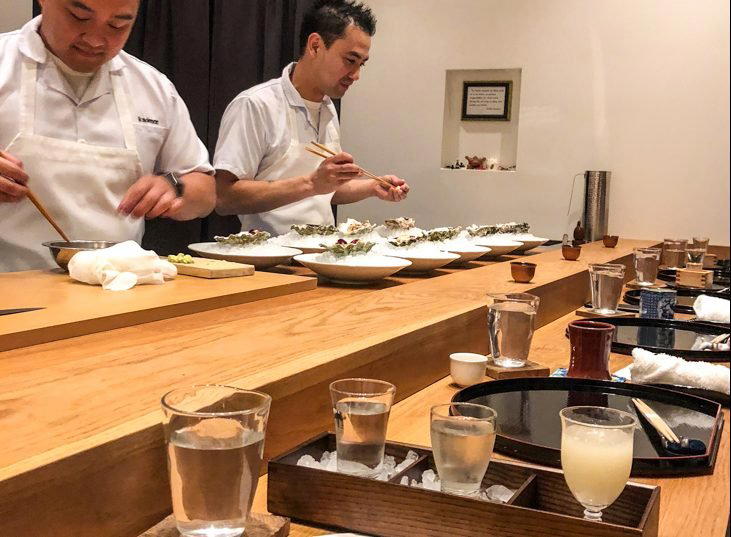
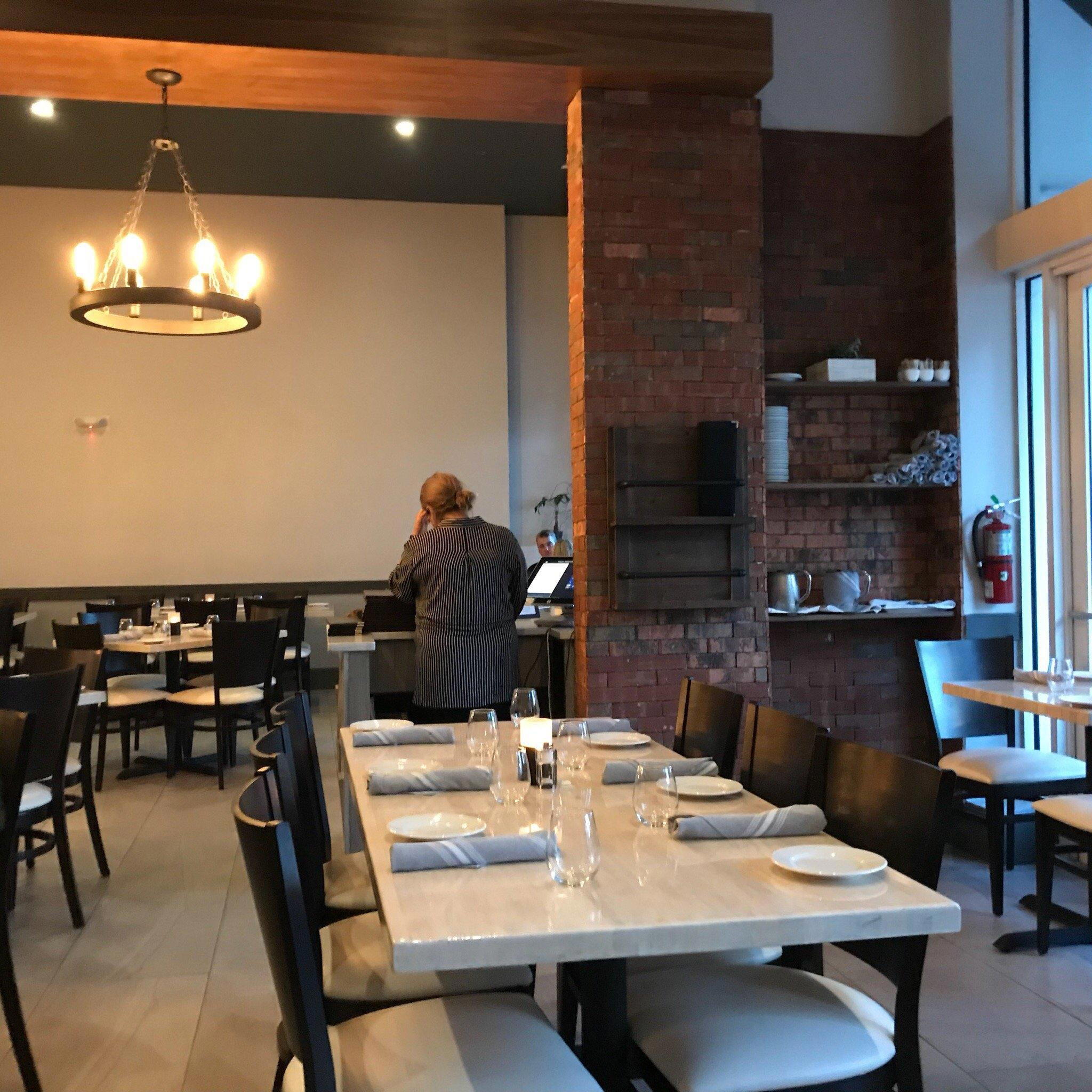
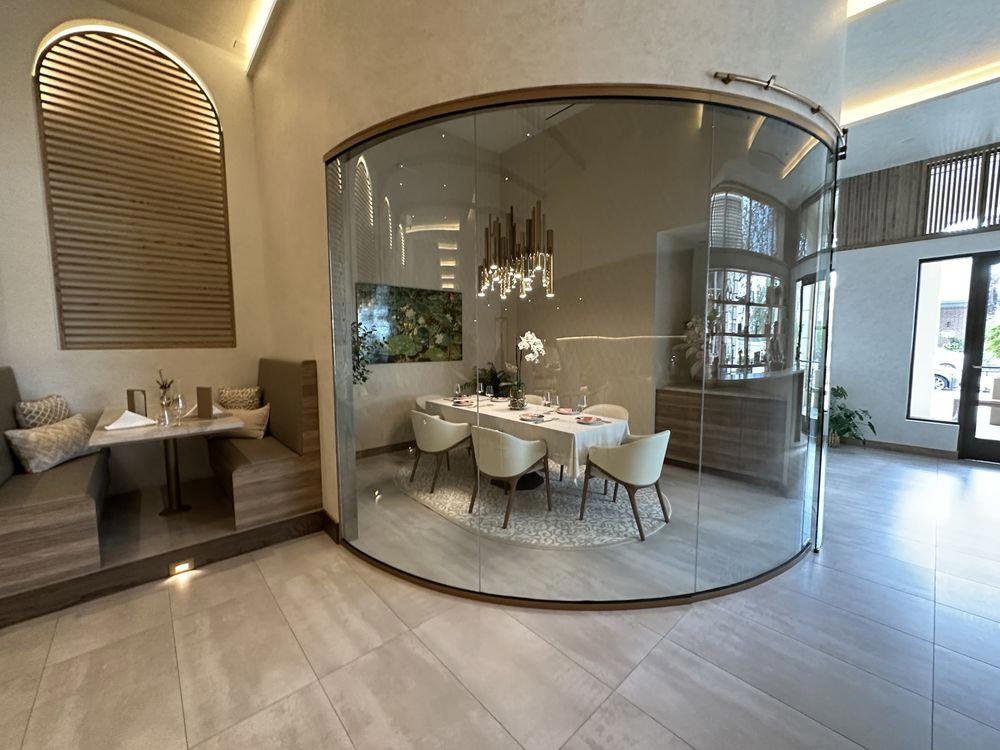
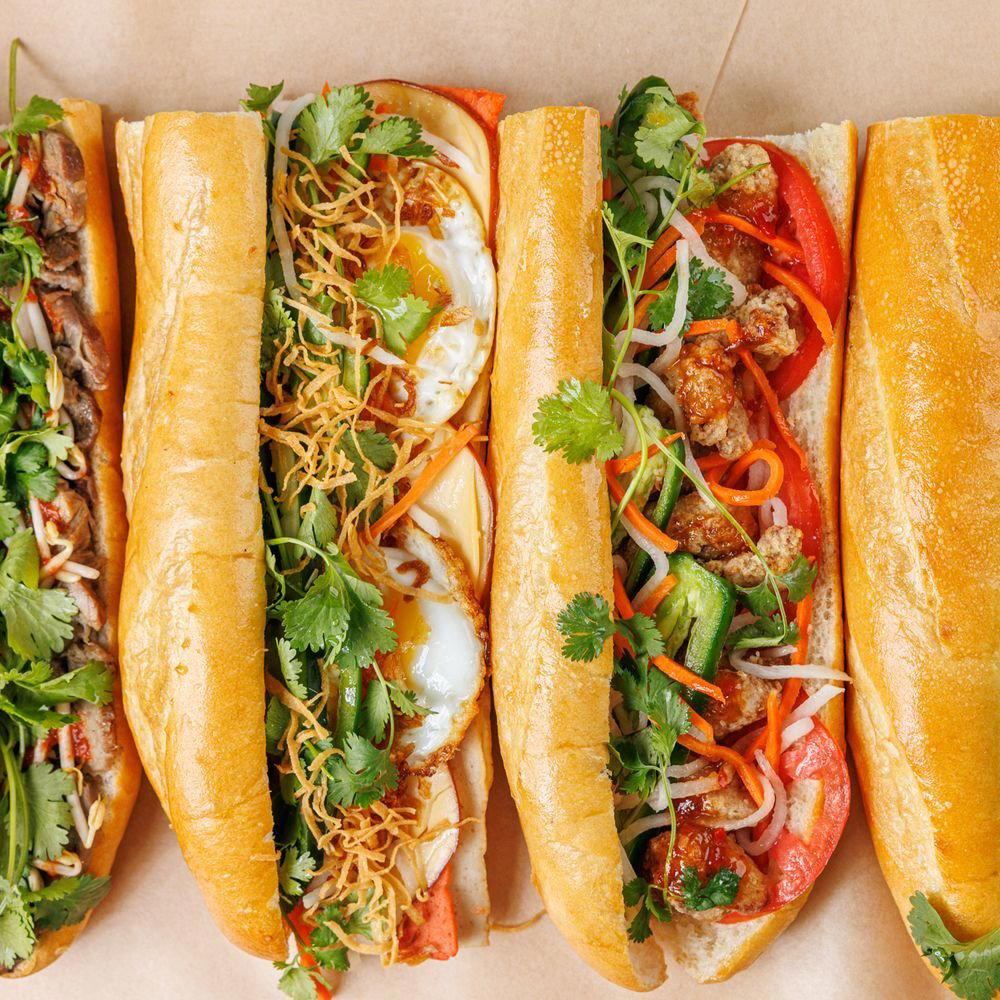
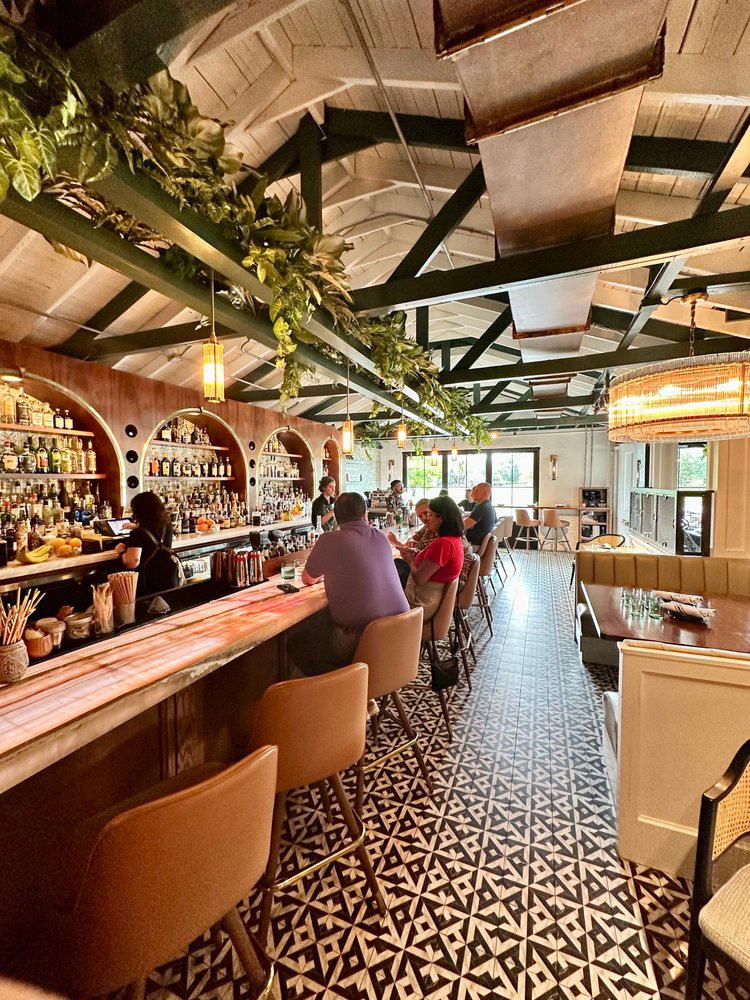
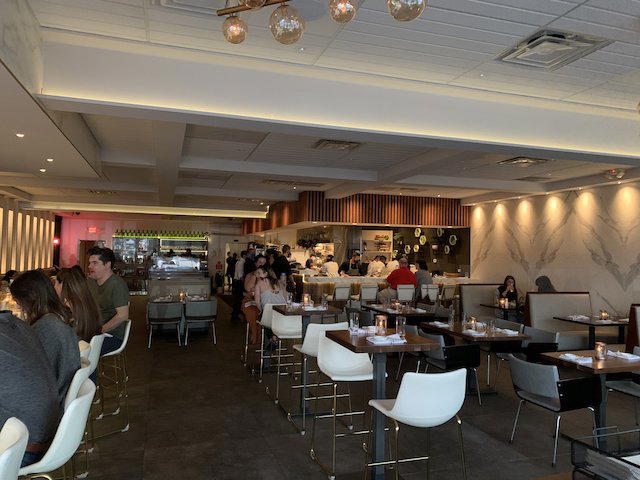
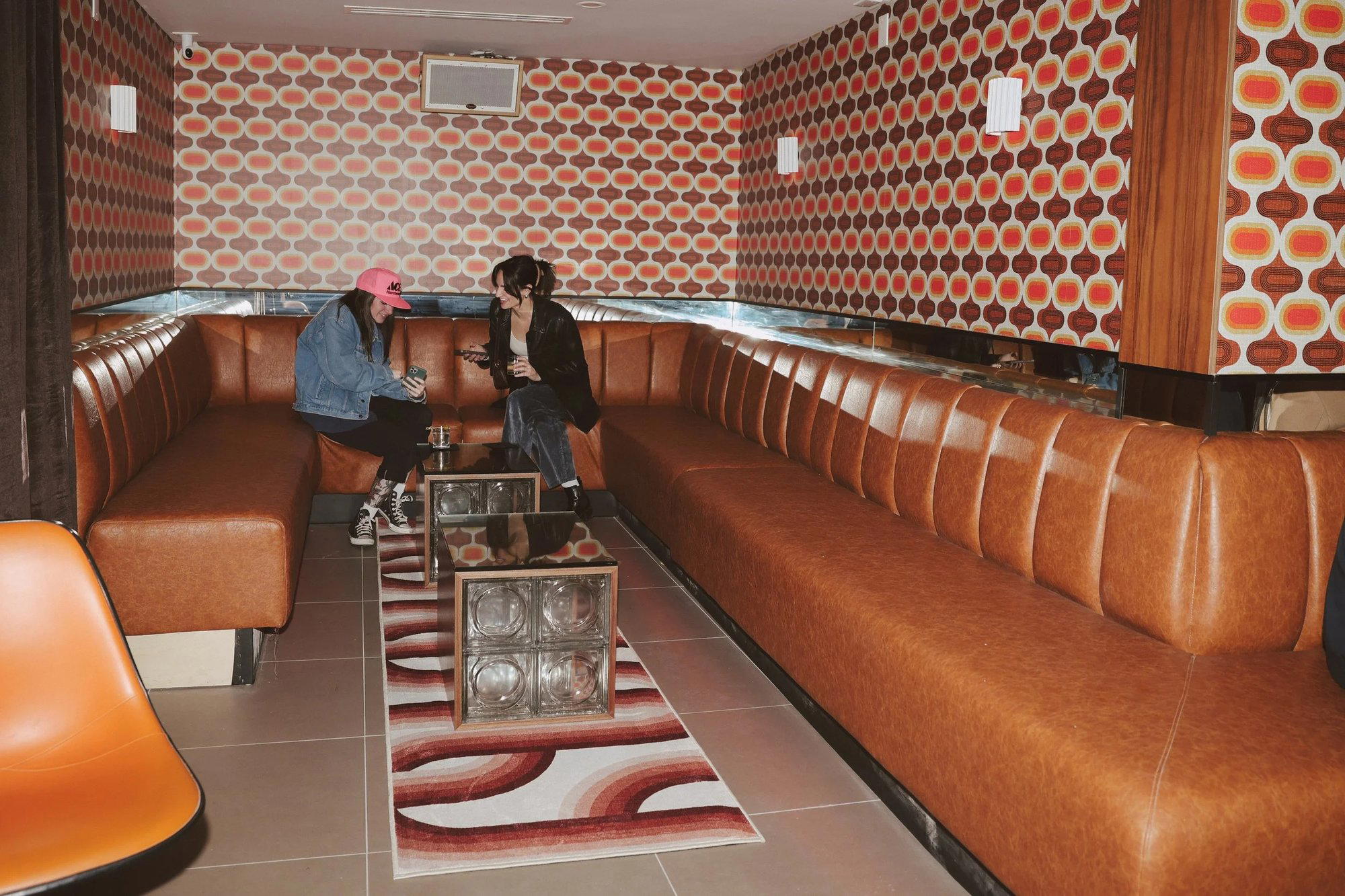

Foreigner Restaurant
The wine
- Wine program
- Exceptional wine program
- Extensive wine list
- Sommelier-led
Details
- Elegant
- Sophisticated
- Intimate
- Special Occasion
- Date Night
- Celebration
- Private Dining
- Extensive Wine List
- Sommelier Led
- Local Sourcing
- Tasting Menu
Current opening hours
- Monday
- Closed
- Tuesday
- Closed
- Wednesday
- 5:30–9:30 PM
- Thursday
- 5:30–10 PM
- Friday
- 5:30–10 PM
- Saturday
- 5:30–10 PM
- Sunday
- Closed
Hours can change for holidays and private events. Last verified .
Tiny fine-dining space emphasizing anticipation and decadence with enthusiastic wine service.