China Grill Bal Harbour
Our verdict
China Grill Bal Harbour sits in Miami’s Asian fusion lane, where shared plates, cross-cultural seasoning, and table pacing matter more than formal tasting-menu choreography. The draw is the ritual: a meal built for groups, passing dishes, and reading the room between Bal Harbour polish and Miami’s appetite for high-energy dining.

Pearl is the En Primeur Club membership app, where members save venues, book tables and use the concierge.
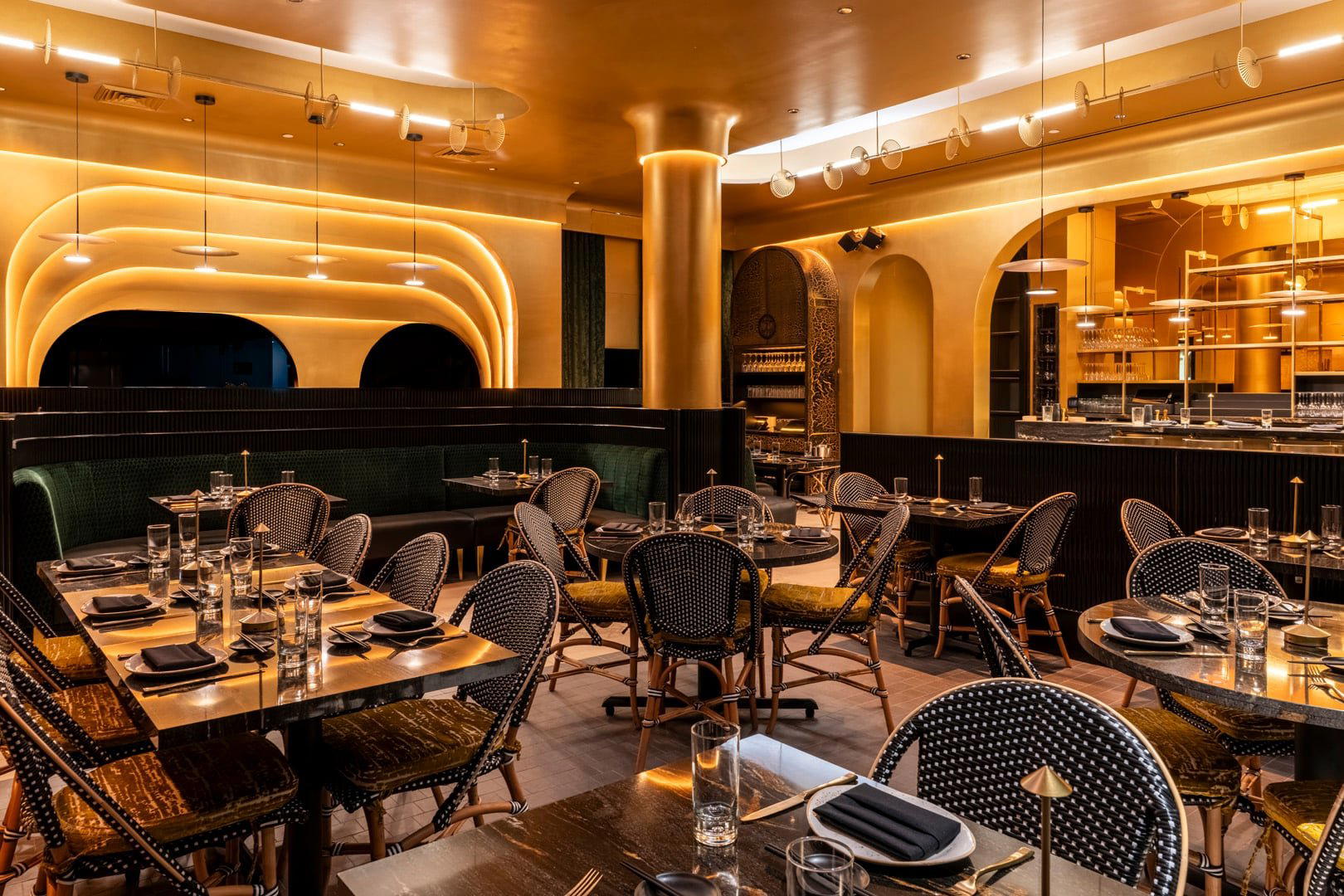
The menu
What to order
- Shanghai Lobster with spinach
- Lobster pancakes
- Chinese Chicken Salad
- Fried rice
- Lamb spare ribs
Miami dining has a different tempo from its louder moments. The approach is polished, socially calibrated, and built around visibility: arrivals are observed, tables settle into groups, and the meal often works less like a sequence of courses than a controlled exchange across the table. China Grill Bal Harbour belongs to that ritual. Its Asian fusion label matters because the category is not about orthodoxy; it is about translation, portioning, and pace.
Miami has long been receptive to restaurants that treat dinner as a social format rather than a strict culinary argument. In that context, Asian fusion succeeds when it gives a table enough range to order communally without turning the meal into a checklist. The point is not to prove fidelity to one national cuisine. It is to create a shared grammar of spice, smoke, acidity, sweetness, and texture that can hold a mixed group through a full evening.
Asian fusion in Miami is a table ritual, not a tasting-menu exercise
The dining custom here is built around negotiation. A couple can order tightly, but the room makes more sense for three or four people deciding what should sit at the center, what should be passed, and what needs a second round. That is the durable appeal of Asian fusion in Miami: it fits a city where dinner frequently doubles as a social appointment, and where rigid course structures can feel less natural than a table that keeps moving.
China Grill Bal Harbour should be read inside that broader pattern. The cuisine type signals a restaurant designed for combination rather than purity, where the meal’s success depends on balance across the order. A richer plate needs something sharper beside it; a sweet-leaning sauce needs heat or bitterness elsewhere; a large-format dish works only if the table has enough contrast around it. The diner’s job is not passive. The ritual asks for editing.
This is also where the restaurant’s Miami setting matters. The city rewards composed dining rooms and a measured sense of occasion, not only counter-service speed or late-night chaos. For a broader map of the city’s range, our full Miami restaurants guide is the better starting point, while hotel-led itineraries sit in our full Miami hotels guide and post-dinner drinking belongs in our full Miami bars guide.
The order should be built for contrast, not accumulation
Asian fusion restaurants often fail when the table orders by appetite alone. Too many glazed, fried, or sauce-heavy dishes create a flat meal. The better method is structural: choose one or two anchors, then add brightness, crunch, greens, rice or noodles if the menu supports them, and something with heat. That approach respects the category. Fusion cooking needs friction between elements, not a parade of similar intensities.
In Miami, that logic has several expressions. High-gloss dining rooms, casual formats, and neighborhood specialists all occupy different parts of the same appetite for cross-border dining. Readers comparing formats should think less about a single hierarchy and more about how each room organizes the table: some restaurants lean into shared spectacle, others into speed, intimacy, or local regulars. China Grill Bal Harbour sits in the more polished social-dinner lane.
The same question travels beyond any one city. Drinking-and-snack formats, compact comfort-food counters, casual neighborhood rooms, and plant-led cooking all underline the same editorial point: format shapes how a table behaves. A restaurant’s cuisine matters, but so do its pacing, portioning, room energy, and the way the menu encourages people to order together rather than separately.
Where it fits in a Miami itinerary
China Grill Bal Harbour makes the most sense when the evening calls for a composed group dinner rather than a chef-counter performance. The useful expectation is not a rigid awards ceremony, but a notable revival of Jeffrey Chodorow’s China Grill name in a polished Miami setting, with Asian fusion as the operating language. That distinction matters. Diners looking for a narrow culinary thesis may prefer a different format; diners who want a table that can absorb different appetites will understand the appeal faster.
Miami also changes the before-and-after plan. This is not a setting where every dinner should be treated as an improvised crawl. Build the evening with intent: dinner first, then choose the next stop from the wider city rather than assuming the immediate area will supply every option. For broader planning, our full Miami experiences guide, our full Miami wineries guide, and the city restaurant guide give the clearest picture of how to frame the night.
Frequently asked questions
What kind of cuisine does China Grill Bal Harbour serve?
China Grill Bal Harbour serves Asian fusion cuisine.
Should I book China Grill Bal Harbour in advance?
Advance booking is sensible for China Grill Bal Harbour in Miami, especially if you are planning a group dinner. The Asian fusion format is best approached with enough time and space for the table to order and share.
What's the defining dish or idea at China Grill Bal Harbour?
The defining idea is Asian fusion rather than a single regional cuisine, so the meal is built around contrast and sharing. In Miami, that usually means thinking in terms of dishes for the table instead of treating it like a tasting-menu room.
Would China Grill Bal Harbour be comfortable with kids?
It may work for families who are comfortable with a polished Miami dinner setting, but parents should check the current menu and booking details before reserving. The shared-table format can be flexible, depending on the group.
What should I expect atmosphere-wise at China Grill Bal Harbour?
Expect the idea of a social Miami dining room rather than a hushed counter format. China Grill Bal Harbour is framed around the revival of a power-dining name and an Asian fusion approach.
Is China Grill Bal Harbour good for vegetarians?
Vegetarians should review the current menu before booking. In Miami, the Asian fusion format can offer flexibility, but the exact options depend on the restaurant’s live menu.
Comparable venues nearby, for context on price, style, and recognition.
| Venue | Cuisine | Price | Awards | Notes |
|---|---|---|---|---|
| China Grill Bal HarbourThis venue (the venue you are viewing) | Asian-inspired global fusion | Not listed | Not listed | Not listed |
| Shiso | Asian Smokehouse with Caribbean-Japanese Fusion | $50–100 | Resy Best of the Hit List | Wynwood |
| Calle Dragones | Cuban-Asian Fusion | $30–50 | Not listed | Little Havana |
| KOW Restaurant | Global Fusion Comfort Food | $20–30 | Not listed | Westwood Lake |
| Sofia - Design District | Modern Italian Fine Dining | $30–50 | Wine Spectator Award of Excellence | Design District |
| Swan | Refined Rustic American Brasserie | Not listed | Not listed | Design District |
Continue exploring
More in Miami
Restaurants in Miami
All restaurants in Miami →
Bars in Miami
All bars in Miami →



Details
- Lively
- Energetic
- Trendy
- Well Known
- Sophisticated
- Date Night
- Business Dinner
- Group Dining
- Celebration
- Special Occasion
- After Work
- Late Night
- Standalone
- Design Destination
- Craft Cocktails
- Beer Program
- A La Carte
- Family Style
- Small Plates
- Cocktails
- Beer
- Wine
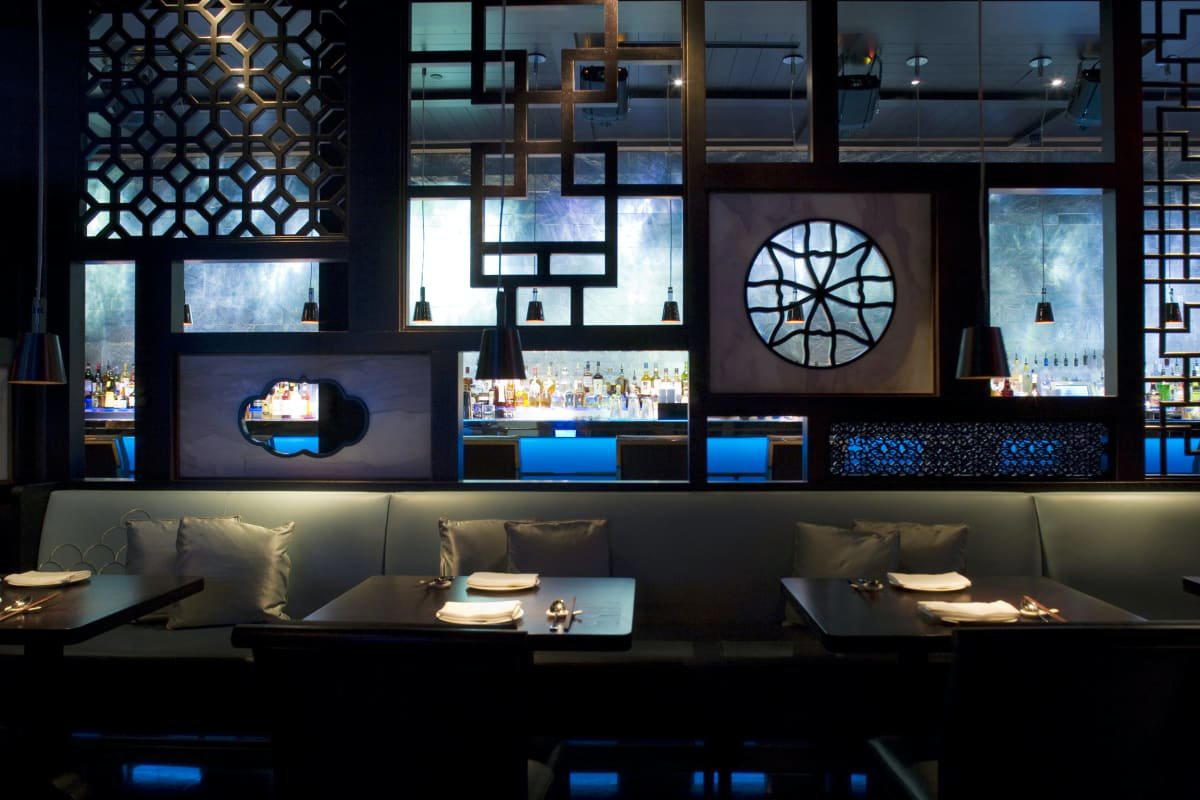
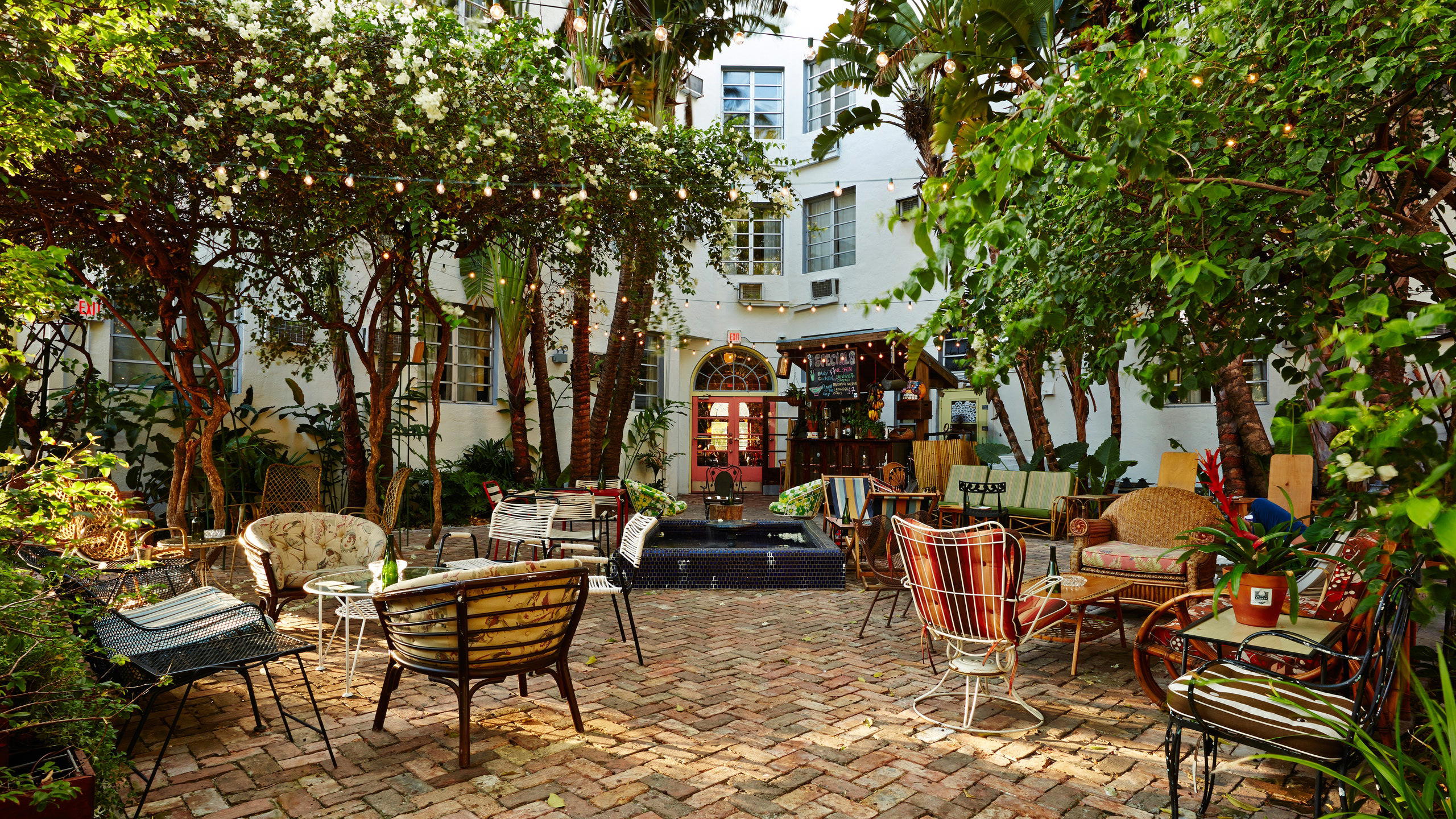
Upscale, high-energy restaurant in Bal Harbour Shops with a glamorous, nostalgic feel that echoes its South Beach nightlife roots, geared toward stylish dining and social gatherings rather than quiet meals.