Chez Pipo is Nice's most referenced address for socca, the chickpea flour pancake that defines street-level Niçoise cooking. Located on Rue Bavastro near the port, it operates as a direct link to the culinary tradition that predates the Riviera's fine-dining reputation. For anyone tracing where Nice's food culture actually comes from, this is the logical starting point.
Pearl is the En Primeur Club membership app — saves, bookings, and concierge access live there. Same editors, same standards.
- Address
- 13 Rue Bavastro, 06300 Nice, France
- Phone
- +33 4 93 55 88 82
- Website
- chezpipo.fr
- Directions
- Get directions
 Saves & bookings on Pearl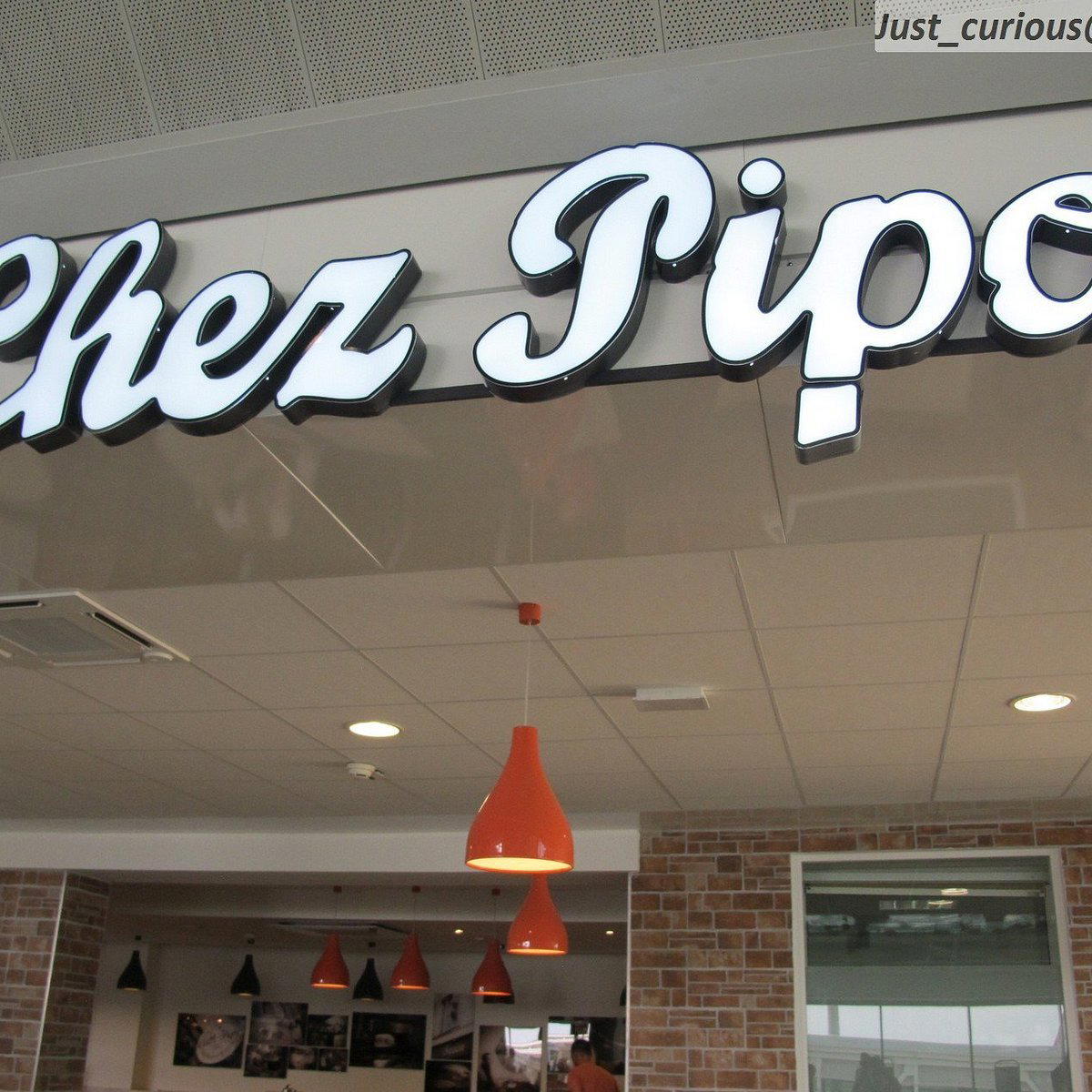
The Chickpea Flour Counter That Anchors Niçoise Food Culture
Approach Rue Bavastro on the eastern edge of Nice's old port quarter and the signals are deliberate in their modesty: no valet stand, no dressed frontage, no architectural statement. What you find instead is a room organised around the logic of its cooking, a wood-fired oven, a circular iron pan, and a queue of locals who have decided, as they do most days, that this is where they want to eat. Chez Pipo has occupied this address long enough that it functions less as a restaurant than as a civic fixture, the kind of place that tells you more about a city's food priorities than any tasting menu could.
That reading is deliberate. Nice's dining scene has split clearly in recent years between a tier of creative modern restaurants, Flaveur, L'Aromate, Le Chantecler, Les Agitateurs, and ONICE among them, and a much older, more compressed tradition of street-derived cooking that those restaurants frequently reference as source material. Chez Pipo operates at the root of that second category, and understanding it means understanding where Niçoise cuisine actually comes from before it became a subject of fine-dining interpretation.
Socca: A Dish With Geography Baked In
Socca is the food that serious visitors to Nice spend greater time arguing about. At its simplest, it is a thin crepe made from chickpea flour, water, olive oil, and nothing else, cooked at high heat in a copper or iron pan and served in irregular pieces, usually with black pepper. The simplicity is not a limitation; it is the point. Every variable matters: the hydration ratio of the batter, the temperature of the oven, the time the surface spends crisping without drying out, and the quality of the olive oil, which is the only fat present and therefore entirely exposed.
The dish traces its lineage to Liguria, following trade routes that ran between Genoa and the Comté de Nice before the region formally became French in 1860. That cross-border origin is part of what makes Niçoise cooking so distinct within French gastronomy: it carries Italian coastal DNA in the form of socca, pissaladière, and pan bagnat, traditions assembled from the specific produce that the western Mediterranean littoral has always produced well, dried legumes, olive oil, anchovies, and seasonal vegetables that arrive in concentrated form under the Provençal sun. The chickpea flour used in socca was historically an ingredient of the poor, calorie-dense and shelf-stable, but the dish it produces rewards attention to sourcing. The quality of the flour and the provenance of the olive oil determine whether the result is banal or compelling.
Chez Pipo sits in this tradition without apology. Socca here is not positioned as a heritage curiosity or an artisanal revival, it is simply what the kitchen does, as it has for decades. That continuity is its own form of credibility. For a broader sense of how this fits into the city's food culture,
What the Ingredient Story Tells You
French regional cuisine's relationship to its raw materials is well documented, but the Niçoise case is specific. The Mediterranean diet, in its original coastal form, was built around ingredients that preserved well and travelled poorly, meaning produce that was consumed close to where it was grown or caught. Socca represents exactly that logic: chickpeas grown in the interior, olive oil pressed nearby, water from the Alps via the Var. There is no component of the dish that required long-distance logistics, which is why it survived for centuries as everyday food rather than evolving into a restaurant showpiece.
That resistance to elaboration distinguishes the Niçoise street food tradition from the haute cuisine lineages that have defined French gastronomy's international reputation. The restaurants cited internationally, from Paul Bocuse and Auberge de l'Ill to Les Prés d'Eugénie and Georges Blanc, represent a French cooking tradition centred on technique, brigade structure, and classical saucing. Niçoise cooking at its most honest represents something different: a Mediterranean peasant tradition that achieved flavour through ingredient quality and proximity rather than transformation. Chez Pipo operates within that counter-tradition, which is precisely what makes it a useful corrective for anyone whose understanding of French food comes primarily from the tasting-menu circuit, whether in France or at outposts like Le Bernardin in New York.
The contrast is worth holding alongside places like Mirazur in Menton or Flocons de Sel in Megève, both of which represent the ambition end of southern French and Alpine cooking. The restaurant does not compete in that space and does not attempt to. Its relevance is in a different register entirely.
Practical Notes for Your Visit
The restaurant is located at 13 Rue Bavastro in the port neighbourhood, a short walk east of the Vieux-Nice lanes and close enough to the waterfront that a meal here fits naturally into an afternoon circuit that also takes in the Cours Saleya market. The port quarter is less trafficked by tourists than the old town proper, which affects the rhythm of the room: the crowd skews local, the pace is direct, and there is no pressure to linger once you have finished. Socca is leading consumed immediately after it leaves the pan, and the kitchen operates accordingly, this is not a place built for extended table time.
Arriving early or mid-afternoon outside peak meal hours is the practical approach for anyone who does not want to wait. The menu centres on socca alongside other Niçoise preparations, pissaladière, beignets de fleurs de courgette, and similar dishes from the same root tradition, rather than pivoting toward contemporary or imported formats. Rosé from Provence is the obvious pairing and the house approach to it is direct.
For anyone triangulating Nice's food scene with comparative references from further afield, Lazy Bear in San Francisco represents an interesting counterpoint: a modern communal-format restaurant that frames sourcing and provenance as its editorial argument. The restaurant makes the same argument without the framing, which is a reasonable definition of what an institution actually is. And closer to home, La Table du Castellet and Alléno Paris au Pavillon Ledoyen show where the French fine-dining axis sits when it is operating at full ambition, useful context for calibrating just how far the restaurant sits from that conversation, and how deliberately.
Comparable Venues
Comparable venues nearby, for context on price, style, and recognition.
| Venue | Cuisine | Price | Notes |
|---|---|---|---|
| Chez PipoThis venue — the venue you are viewing | Niçoise Socca Specialist | $ | Not listed |
| Socca'Tram | Niçoise Socca Street Food | $$ | Cœur de Nice |
| Café Paulette | French Mediterranean Bistro | $$ | Nice Historique |
| L'Escalinada | Traditional Niçoise Cuisine | $$ | Nice Historique |
| Le Safari | Authentic Niçoise Cuisine | $$ | Nice Historique |
| L'Ovale | Southwest French Brasserie | $$ | Cœur de Nice |
Continue exploring
More in Nice
Restaurants in Nice
Browse all →
Bars in Nice
Browse all →
Hotels in Nice
Browse all →

At a Glance
- Rustic
- Lively
- Well Known
- Cozy
- Casual Hangout
- Late Night
- Open Kitchen
Current opening hours
- Monday
- Closed
- Tuesday
- Closed
- Wednesday
- 11:30 AM–2:30 PM, 5:30–10 PM
- Thursday
- 11:30 AM–2:30 PM, 5:30–10 PM
- Friday
- 11:30 AM–2:30 PM, 5:30–10 PM
- Saturday
- 11:30 AM–2:30 PM, 5:30–10 PM
- Sunday
- 11:30 AM–2:30 PM, 5:30–10 PM
Hours can change for holidays and private events. Last verified .
Casual and convivial with tomette tile floors, simple furniture, industrial lamps, and a bustling local atmosphere.