La Ratapignata serves Traditional Niçoise & French Bistro cooking at 63 Av. du Ray, with local sourcing, terrace seating, and a conversational pace.
Pearl is the En Primeur Club membership app — saves, bookings, and concierge access live there. Same editors, same standards.
- Address
- 63 Av. du Ray, 06100 Nice, France
- Phone
- +33492150639
- Directions
- Get directions
 Saves & bookings on Pearl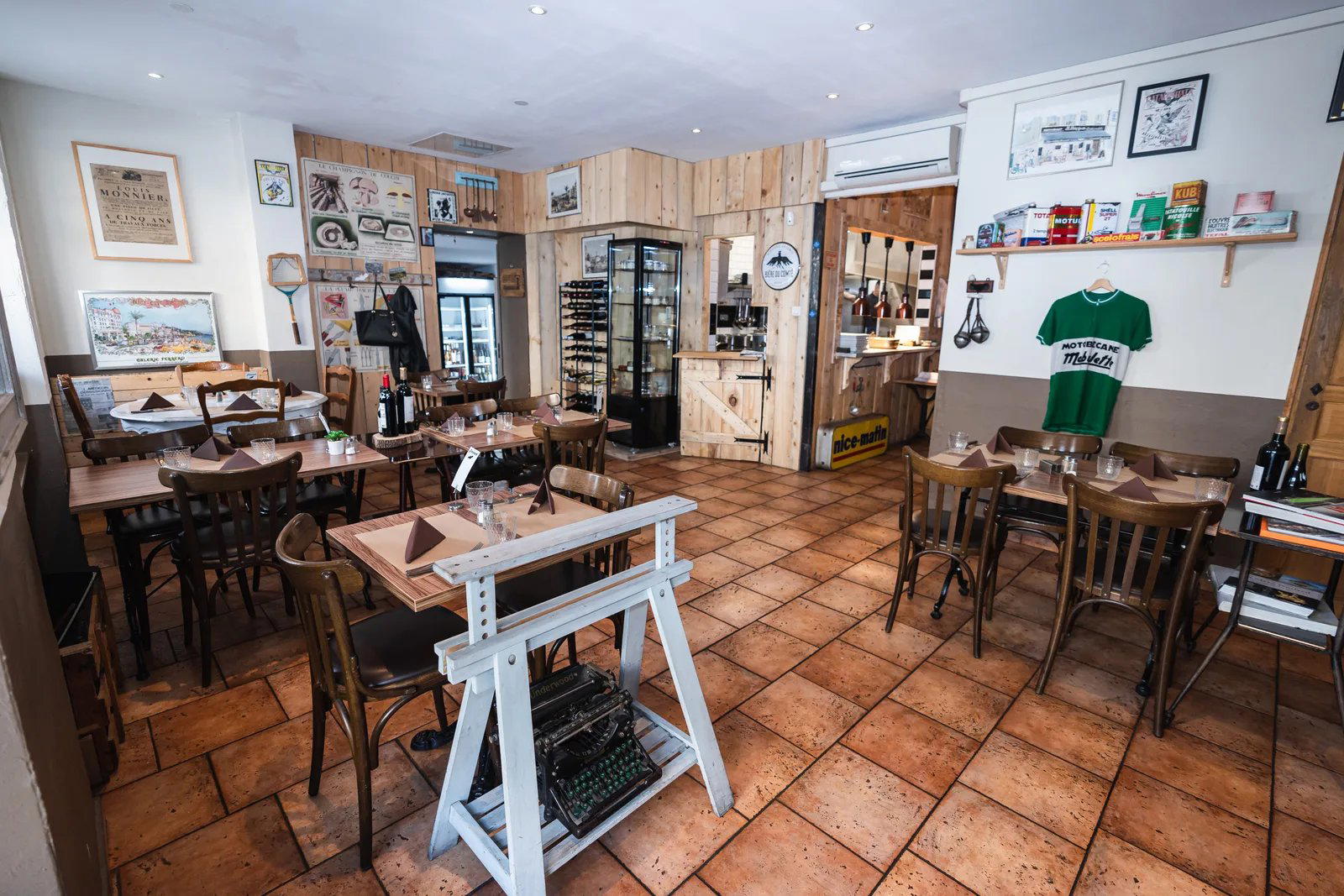
Dining Off the Tourist Circuit in Nice
Nice has two distinct restaurant cities operating simultaneously. The first runs along the Promenade des Anglais and through the pedestrian lanes of Vieux-Nice. The second is quieter, residential, and found in neighbourhoods like the Ray quarter, where Avenue du Ray runs through a part of the city that most visitors never reach. La Ratapignata sits at number 63 on that avenue, and its address alone signals something about how it positions itself relative to the more aggressively visible dining rooms closer to the waterfront.
Nice's dining scene has fragmented considerably over the past decade. At one end, a cluster of formally recognised restaurants, including Flaveur, L'Aromate, and Le Chantecler, operate with Michelin recognition and structured tasting formats. At the other end, neighbourhood rooms and bistros maintain the Niçoise tradition of socca, pissaladière, and petits farcis without institutional validation. La Ratapignata, based on its location in a residential district rather than a gastronomic corridor, reads more naturally into the second category.
The Ritual of a Neighbourhood Meal
Neighbourhood restaurants in French cities tend to operate on different terms than destination dining rooms: the pacing is set by the kitchen rather than front-of-house management, the menu changes according to what arrived that morning rather than a fixed programme, and the clientele is largely local, which shifts the atmosphere from performance to routine. That routine, repeated over years, is how a dining room earns its place in the fabric of a neighbourhood rather than in the pages of a guide.
The broader Provençal and Niçoise tradition that defines this end of the French Riviera is built around exactly this kind of eating. Markets like Cours Saleya, open most mornings except Monday, have for generations dictated what appears on the plates of the city's smaller kitchens. The seasonal logic is not a marketing claim here but a structural reality: produce availability drives menu construction in a way that larger, more formalised restaurants sometimes struggle to maintain. For diners accustomed to the tasting menus of addresses like Les Agitateurs or ONICE, a meal at a genuine neighbourhood address in the Ray quarter represents a different kind of engagement with the city's food culture, one grounded in repetition and locality rather than invention and occasion.
What the Address Tells You
Avenue du Ray is not a dining destination street in the way that certain addresses in cities like Lyon or Paris carry instant culinary associations. It sits in a part of Nice that functions primarily for the people who live there, which means that a restaurant operating at number 63 is likely drawing its regulars from within walking distance. That is not a limitation in the French context; it is frequently a mark of a room that has earned its place through consistency rather than publicity.
Across France, the restaurants that accumulate the longest records of community trust tend to be exactly this kind: unmarked from the outside, unreviewed in the major guides, and full on a Tuesday. The formal recognition tier, from addresses like Mirazur in Menton to Flocons de Sel in Megève, represents one model of French restaurant culture. The neighbourhood room represents another, and historically the latter has been just as central to how the French actually eat. Institutions like Auberge de l'Ill, Bras, and Paul Bocuse occupy the historical peak of that formal tier, but the culture that sustains French cooking at the everyday level lives in the kind of room that La Ratapignata, by address and situation, appears to represent.
Nice in the Wider French Dining Context
The Côte d'Azur has always occupied an unusual position in French culinary geography. Its proximity to Italy, its North African immigrant communities, and its access to both Mediterranean seafood and Alpine produce from the hinterland give the region a pantry that differs substantially from northern France. The socca of Nice, the daube of the Var, and the pistou of the surrounding countryside are not borrowed from the French classical canon; they developed independently and were absorbed into it only partially.
That independent tradition is what makes dining in the residential quarters of Nice different from eating in, say, a bistro in central Lyon or Strasbourg, where addresses like Au Crocodile anchor a classical Alsatian lineage. The south operates on different ingredients, different service rhythms, and different expectations about what a meal is for. The creative wave that has produced internationally recognised rooms in Marseille, like AM par Alexandre Mazzia, or in Reims, like Assiette Champenoise, exists in parallel with this older residential tradition, not in place of it.
For visitors to Nice who have worked through the formal tier, or who are simply more interested in how the city actually feeds itself than in how it presents itself to critics, the neighbourhood rooms around Avenue du Ray offer a different itinerary. The comparison to destination addresses like Le Bernardin in New York or Atomix is not the relevant one here; the relevant comparison is with the kind of cooking that sustains a community across seasons and years, which is a different standard and a different kind of achievement.
Planning a Visit
The restaurant is recommended for reservations, with casual dress and an estimated price of about $25 per person. Avenue du Ray is accessible by public transport from central Nice, and the surrounding quarter is a working residential neighbourhood rather than a tourist zone, so expectations about English-language menus or service should be adjusted accordingly. The Ray quarter is best approached as part of a morning that begins at one of the city's markets, giving the meal a context that the neighbourhood itself would naturally support.
Pricing, Compared
Comparable venues nearby, for context on price, style, and recognition.
| Venue | Cuisine | Price | Notes |
|---|---|---|---|
| La RatapignataThis venue — the venue you are viewing | Not listed | $$ | Not listed |
| Chez Palmyre | Not listed | $$ | Nice Historique, Authentic Niçoise Bistro |
| L'Autobus | Not listed | $$ | Hauts de Nice, Traditional Niçoise French |
| Le Tire Bouchon | Nice Historique, Bistronomic French | $$ | Not listed |
| Lou Balico | Cœur de Nice, Authentic Niçoise | $$ | Not listed |
| Café Paulette | Not listed | $$ | Nice Historique, French Mediterranean Bistro |
Continue exploring
More in Nice
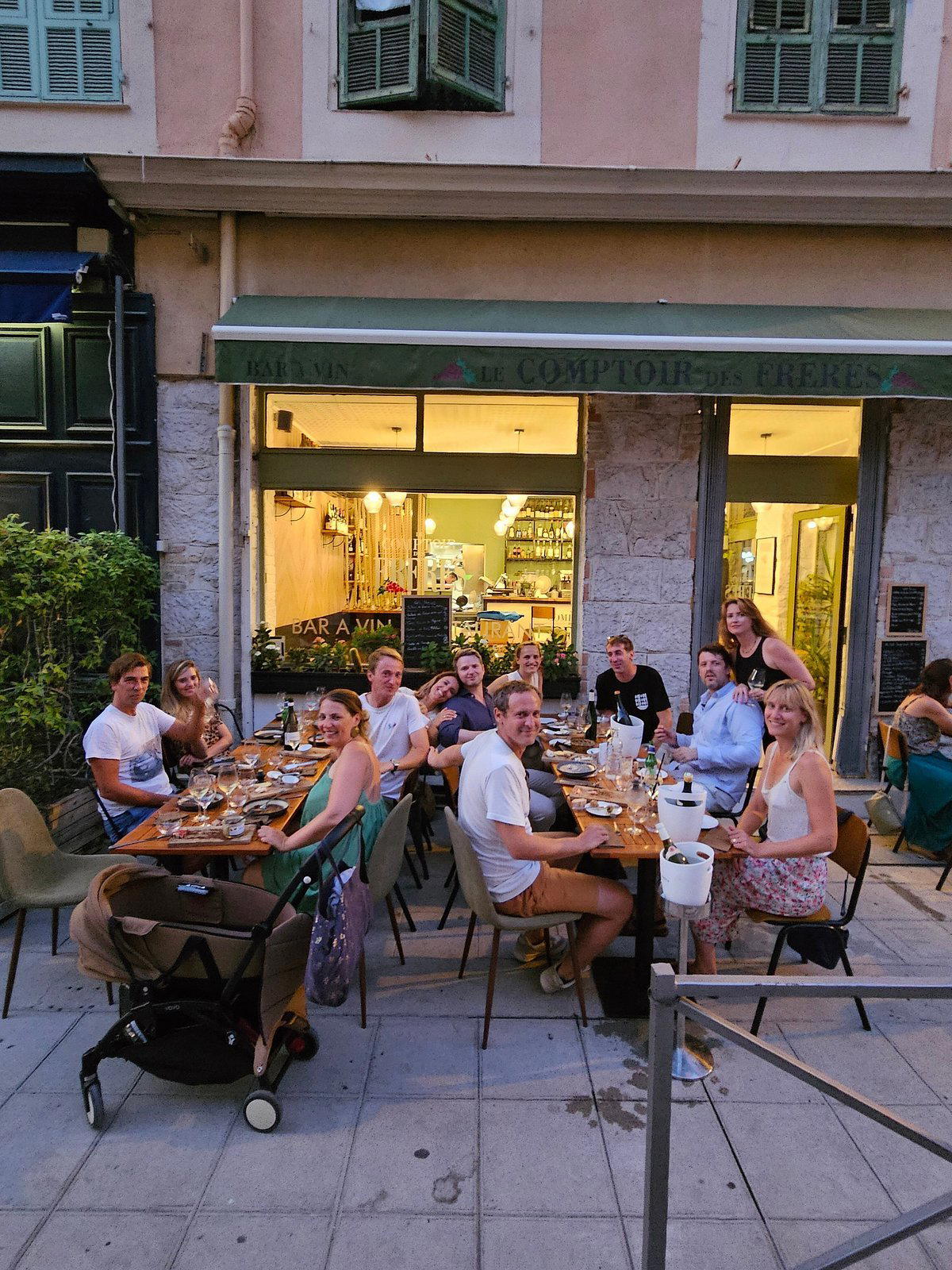
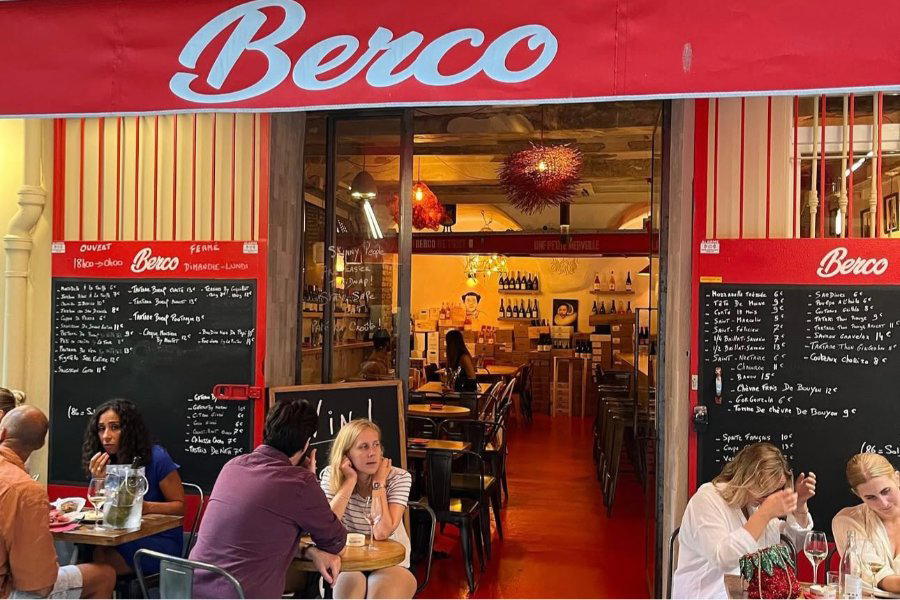
Restaurants in Nice
Browse all →
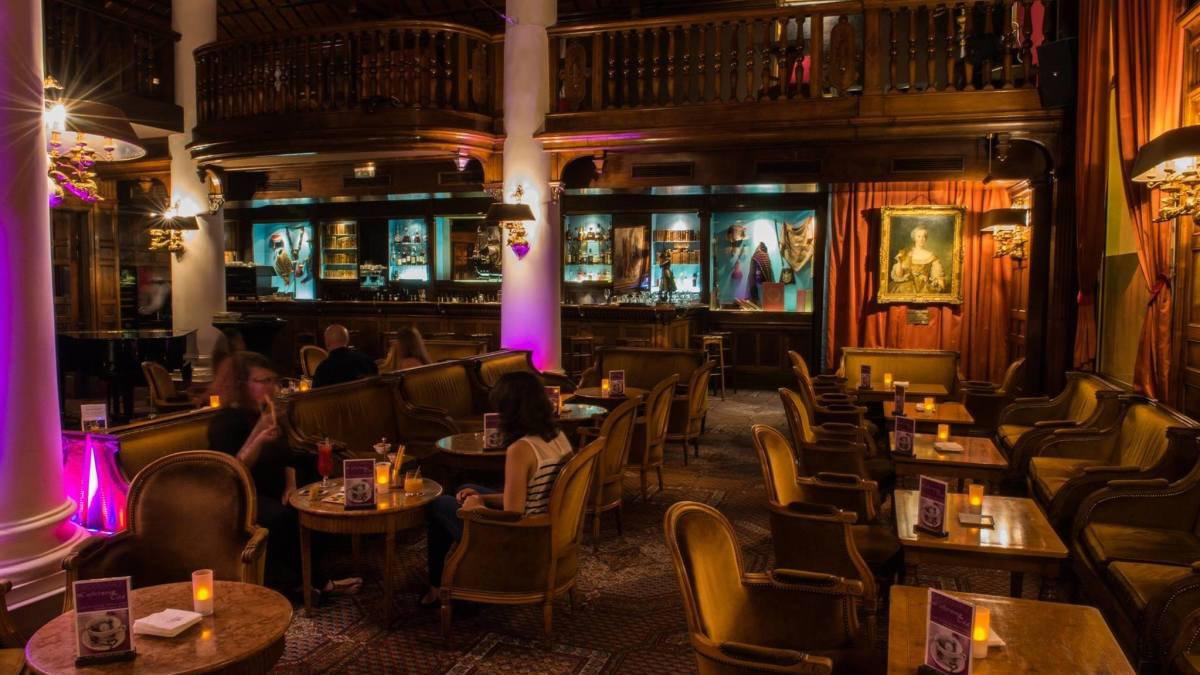
Bars in Nice
Browse all →
Hotels in Nice
Browse all →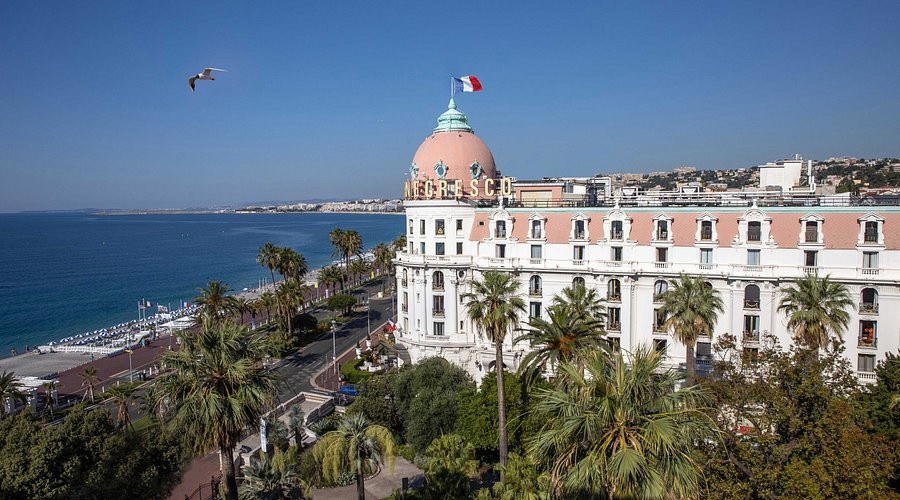

At a Glance
- Rustic
- Cozy
- Classic
- Family
- Casual Hangout
- Group Dining
- Open Kitchen
- Terrace
- Local Sourcing
Current opening hours
- Monday
- Closed
- Tuesday
- 12–2 PM
- Wednesday
- 12–2 PM
- Thursday
- 12–2 PM
- Friday
- 12–2 PM, 7–9 PM
- Saturday
- 12–2 PM, 7–9 PM
- Sunday
- Closed
Hours can change for holidays and private events. Last verified .
Rustic and genuine setting with warm, relaxed atmosphere, nicely decorated rooms, and an open kitchen.