
Michelin Plate
Our verdict
Au Vieux Moulin sits in the quiet Alsatian village of Graufthal, holding a Michelin Plate in both 2024 and 2025 for its modern cuisine approach. At the €€€ price tier, it occupies a considered middle ground between the rustic auberge tradition of the region and more ambitious contemporary cooking.

Pearl is the En Primeur Club membership app, where members save venues, book tables and use the concierge.
The menu
What to order
- Venison Tataki with Red Berries and Spruce Shoots
- Roasted Squab with Porcini Praline
- Trout Three Ways
- Contemporary Vacherin
Where the Northern Vosges Sets the Table
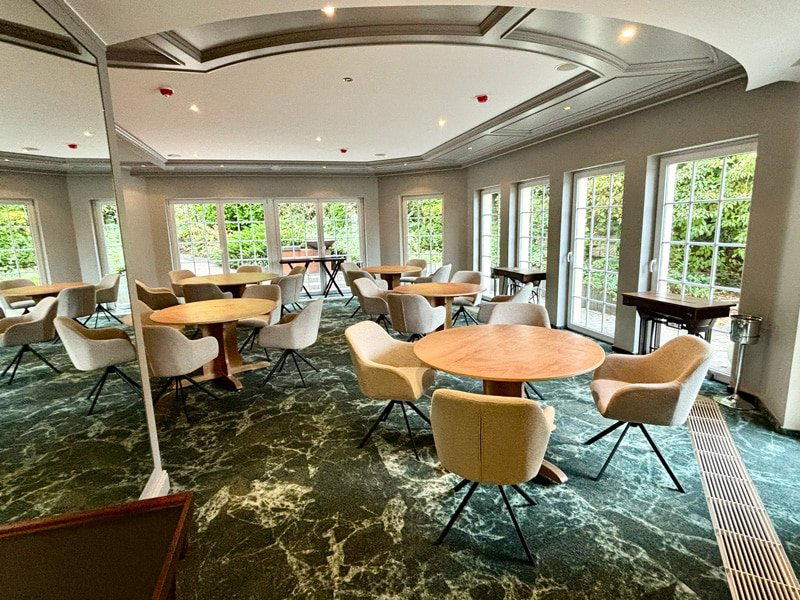
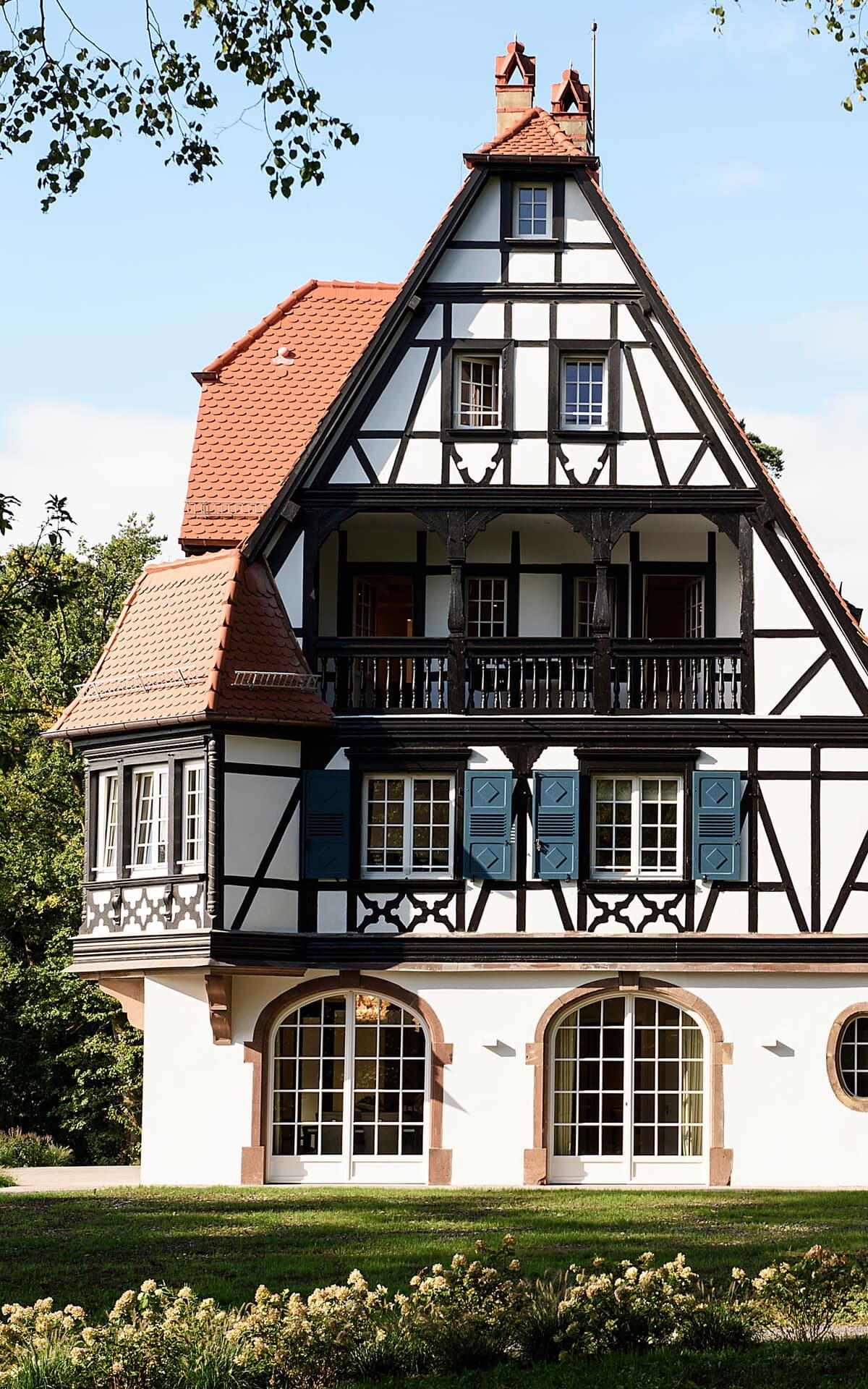
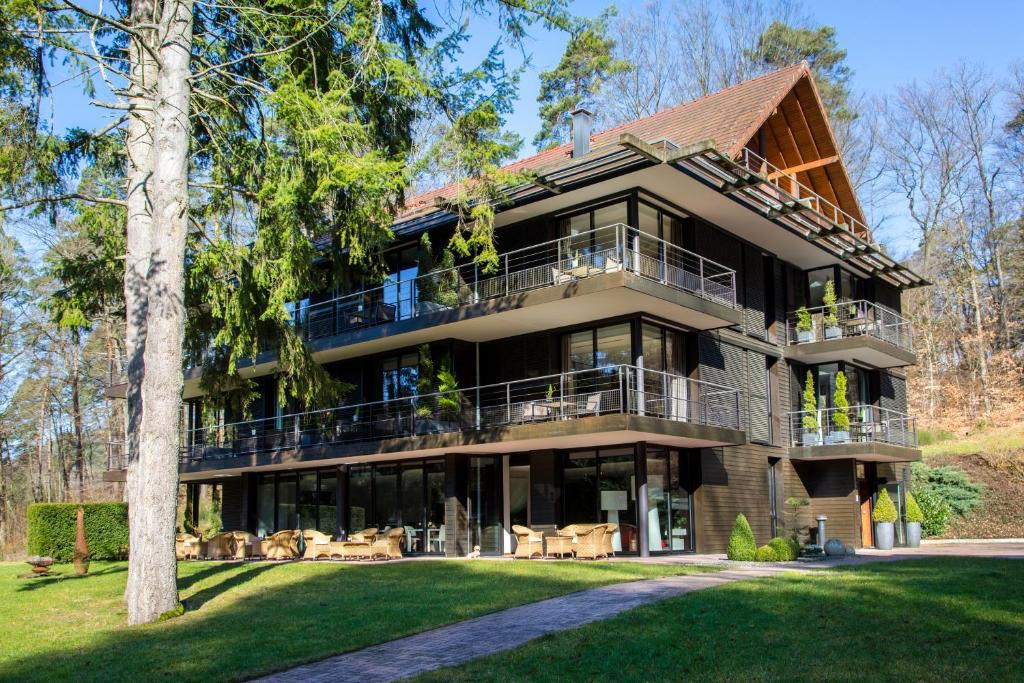
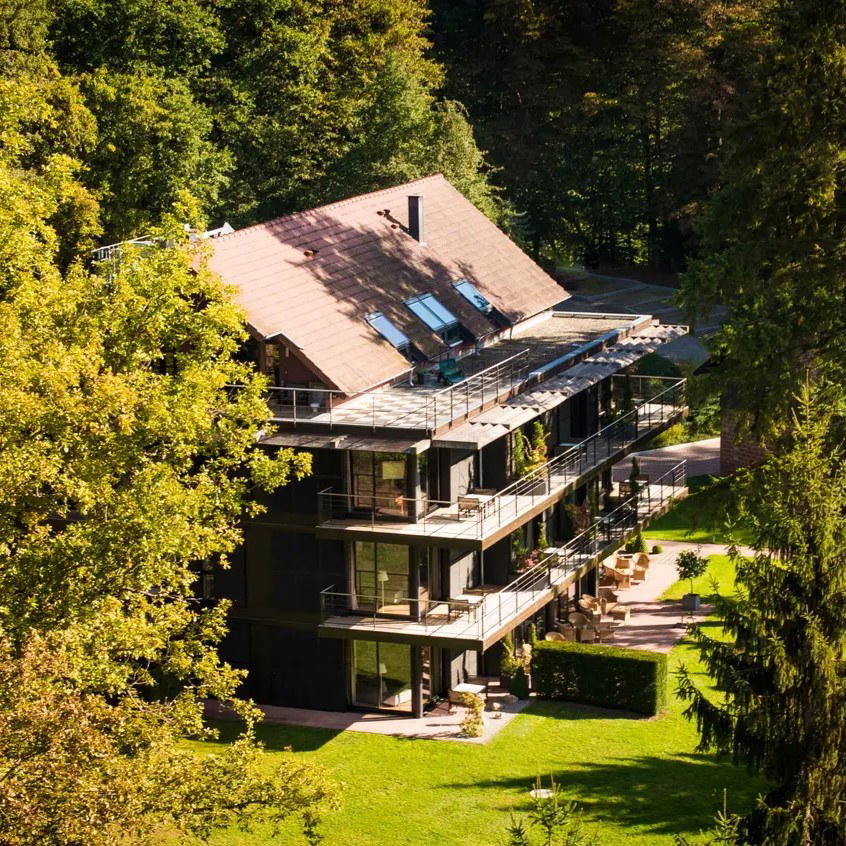
There is a particular kind of French village restaurant that operates at a remove from the noise of city dining guides, sustained not by press cycles but by the loyalty of a regional clientele who return across seasons. Graufthal, a hamlet in the Bas-Rhin department tucked into the northern reaches of the Vosges du Nord Regional Nature Park, produces exactly that atmosphere. The village itself is known for its troglodyte houses carved directly into sandstone cliffs, and arriving on Rue du Vieux Moulin, you encounter a setting shaped by water, stone, and dense forest rather than anything designed for tourism. Au Vieux Moulin occupies this environment without theatrics, and the landscape does considerable work before a dish arrives.
This is not the Alsace of Strasbourg wine bars or Colmar tourist routes. The northern Vosges sits at the quieter edge of a region already undervalued by international visitors. That positioning matters for how the kitchen operates: supply chains here are shorter and more local by necessity, and the surrounding forest and agricultural land define what appears on the plate across the year.
What the Michelin Plate Actually Signals
Au Vieux Moulin has held the Michelin Plate in both 2024 and 2025, a distinction that warrants a word of context. The Plate sits below the star tiers but above the Guide's basic inclusion threshold; it signals that inspectors found cooking of genuine quality and consistency, without the technical ambition or conceptual rigour required at star level. Across Alsace, this bracket contains a specific type of restaurant: serious regional kitchens that have committed to a style and execute it reliably, without chasing the kind of theatre that drives starred recognition. Venues like Au Crocodile in Strasbourg and Auberge de l'Ill in Illhaeusern represent the upper end of Alsatian fine dining, operating at a different price tier and scale of ambition. Au Vieux Moulin at €€€ positions itself below that bracket but above the basic village bistro, which is a deliberate and commercially coherent choice for a rural location.
The Ingredient Logic of the Northern Vosges
Modern cuisine as a category covers considerable ground, but in a rural Alsatian context it tends to mean something fairly specific: classical French technique applied to regional produce, with contemporary plating sensibility and fewer nods to the heavy cream-and-choucroute traditions that still define the brasserie tier of the region. The northern Vosges supplies a kitchen like this with material that urban restaurants have to source at considerably greater effort and cost. Wild mushrooms from the surrounding forest, freshwater fish from the Zorn and its tributaries, game in autumn, and the agricultural produce of the Alsatian plain to the east all fall within a tight geographic radius.
This is the sourcing logic that distinguishes rural French kitchens operating at the Plate level from their urban equivalents at similar price points. A Paris bistro at €€€ is buying from Rungis and competing on technique. A Vosges kitchen at the same price is buying from closer in, with less cost friction between producer and plate, and that proximity often registers in flavour if the kitchen is paying attention. Restaurants like Bras in Laguiole and Flocons de Sel in Megève have built substantial reputations around exactly this logic in their respective regions, at considerably higher price points. Au Vieux Moulin operates a quieter version of the same principle.
The broader argument for terroir-driven rural restaurants across France, from Auberge du Vieux Puits in Fontjoncouse to Mirazur in Menton, is that geography shapes the menu in ways that seasonal produce lists at destination restaurants can only approximate. In Graufthal, the forest is not a marketing concept. It is what is outside the window.
Where Au Vieux Moulin Fits in the Regional Dining Picture
For visitors building a dining itinerary around Alsace, the northern Vosges is underrepresented relative to the Strasbourg-Colmar corridor. That gap has practical implications: booking at Graufthal is a different exercise from securing a table at a well-publicised urban address. The relative obscurity of the location works in the diner's favour in terms of accessibility, while the Michelin recognition provides a quality floor that removes meaningful risk from the decision.
At €€€, Au Vieux Moulin sits above the casual lunch trade and below the special-occasion pricing of starred Alsatian addresses. That range is where considered regional cooking tends to live in France: ambitious enough to justify the drive, priced to allow a full meal with wine without the financial commitment of a three-star evening. For the broader context of what serious French regional cooking looks like at different price tiers and ambition levels, the contrast with Alléno Paris au Pavillon Ledoyen or AM par Alexandre Mazzia in Marseille is instructive, as those addresses represent where modern French cuisine goes when ambition and resource are aligned at the highest level. Au Vieux Moulin is not competing in that conversation. It is making a different case, one rooted in place and continuity rather than technical spectacle.
For readers exploring the full range of dining, accommodation, and cultural options in the area, our full Graufthal restaurants guide maps the broader scene, and our guides to hotels, bars, wineries, and experiences in Graufthal cover the surrounding offer.
Planning a Visit
Graufthal is accessible by car from Strasbourg in under an hour, which makes Au Vieux Moulin a credible destination for a rural lunch or dinner without requiring an overnight stay, though the northern Vosges rewards slower travel. The €€€ price point means a full meal with wine sits comfortably in the range of a considered but not extravagant evening.
Frequently asked questions
Does Au Vieux Moulin work for a family meal?
A village restaurant in Graufthal at the €€€ price tier suggests a setting oriented toward considered dining rather than casual drop-in meals, though rural French restaurants of this profile typically accommodate mixed-age groups with more flexibility than their city equivalents. The Michelin Plate recognition in 2024 and 2025 points to consistent kitchen quality, which often correlates with menu range broad enough for varying appetites. For specific family provisions or children's options, contacting the restaurant directly before visiting is advisable.
What should I expect atmosphere-wise at Au Vieux Moulin?
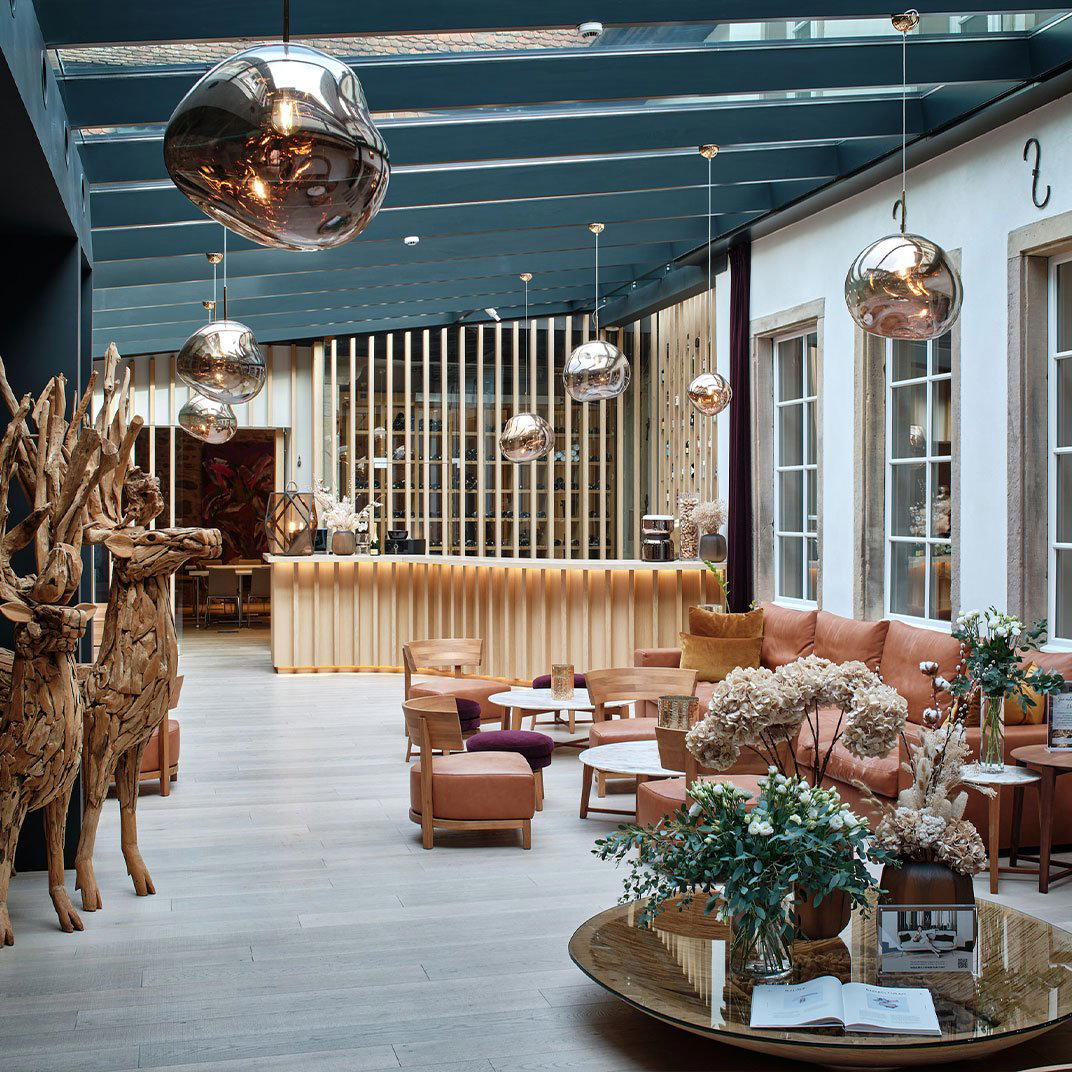
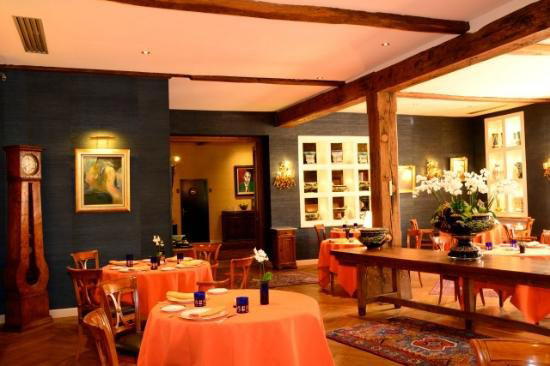
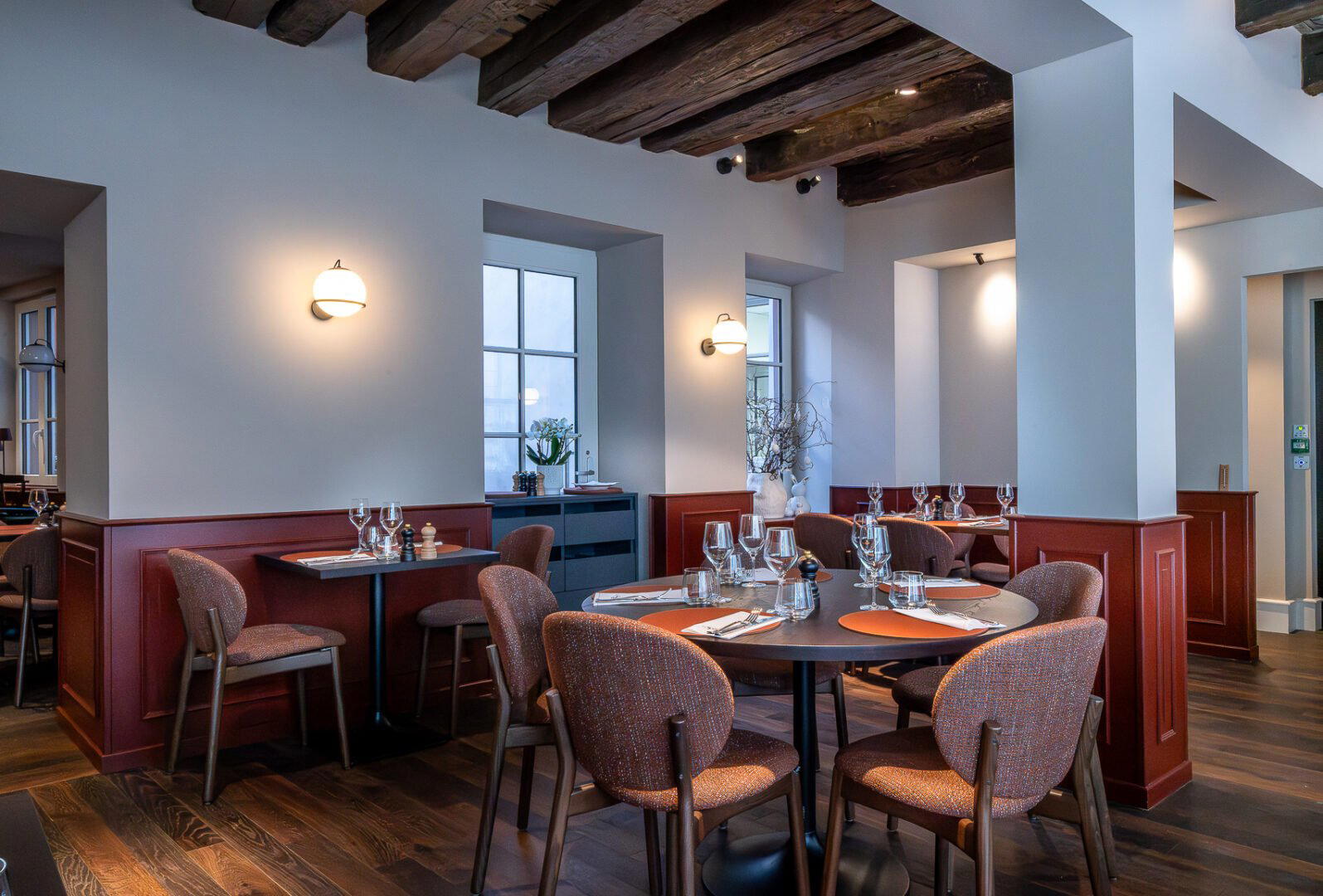
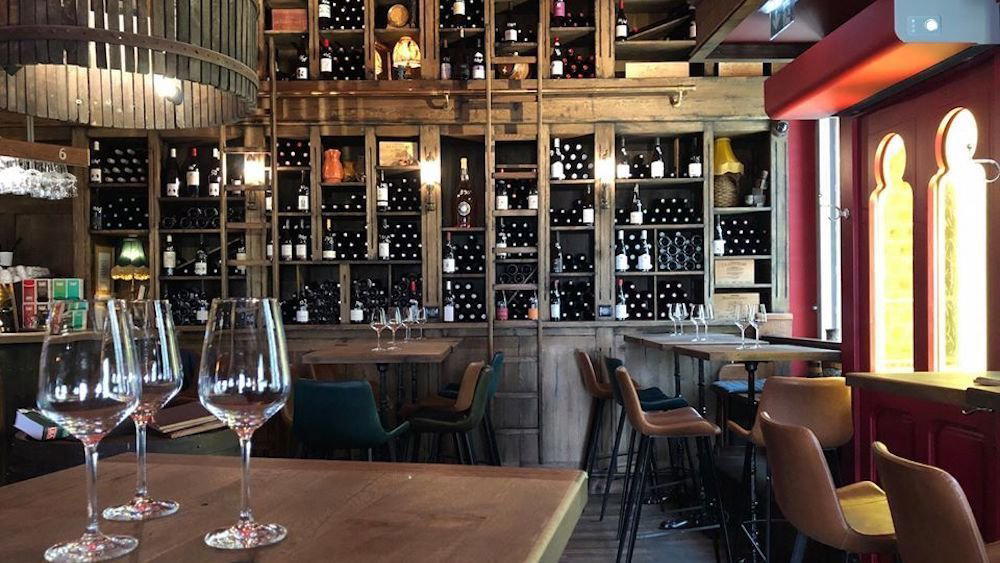
The address on Rue du Vieux Moulin in Graufthal, a small Alsatian village in the northern Vosges, frames the experience before you arrive: this is not a city dining room but a rural destination with its own pace. Michelin Plate venues at the €€€ level in this region typically run as owner-operated rooms with a more personal register than urban fine dining. Expect a quieter cadence and proximity to the surrounding landscape rather than the energy of a Strasbourg service.
What's Au Vieux Moulin known for in terms of accolades?
Au Vieux Moulin has received recognition including: Michelin Plate (2025); Michelin Plate (2024).
What's the best thing to order at Au Vieux Moulin?
The menu specifics are not published in advance, which is common for modern cuisine restaurants in rural Alsace that adjust to seasonal and local supply. The Michelin Plate in both 2024 and 2025 confirms the kitchen meets consistent standards across its offering, so the approach here is less about targeting a single dish and more about trusting the current menu. Asking the room what is cooking that day is the most reliable strategy.
| Venue | Cuisine | Price | Awards | Notes |
|---|---|---|---|---|
| Au Vieux MoulinThis venue (the venue you are viewing) | Modern Alsatian Fine Dining | $50–100 | Michelin Plate | Not listed |
| Alléno Paris au Pavillon Ledoyen | Modern French Fine Dining | $150–200 | 3 Michelin Stars · World's 50 Best #79 | Creative |
| Kei | Contemporary French, Modern Cuisine | Not listed | Michelin 3 Star | Not listed |
| L'Ambroisie | Classic French Haute Cuisine | $300–500 | 2 Michelin Stars · World's 50 Best #23 | French, Classic Cuisine |
| Le Cinq - Four Seasons Hôtel George V | Modern French Fine Dining | $300–500 | 3 Michelin Stars · World's 50 Best #24 | French, Modern Cuisine |
| Plénitude | Modern French Sauce-Led Fine Dining | $300–500 | 3 Michelin Stars · World's 50 Best #14 | Contemporary French |
Recognition history
Dated appearances from independent guides and award organizations, with the underlying list record or original source where available.
Michelin Plate
Michelin
Full recognition history (3 entries)
Michelin Plate
Michelin
Michelin Plate
Michelin
Continue exploring
More in Graufthal
Restaurants in Graufthal
All restaurants in Graufthal →
Bars in Graufthal
Browse all →

Details
- Romantic
- Scenic
- Quiet
- Elegant
- Rustic
- Date Night
- Special Occasion
- Celebration
- Business Dinner
- Terrace
- Garden
- Waterfront
- Historic Building
- Hotel Restaurant
- Extensive Wine List
- Sommelier Led
- Local Sourcing
- Farm To Table
- Waterfront
- Garden
- A La Carte
- Tasting Menu
- Wine
- Riesling
- Vegetarian Friendly
- Allergy Accommodating
Current opening hours
- Monday
- 9 AM–10 PM
- Tuesday
- 9 AM–10 PM
- Wednesday
- 9 AM–10 PM
- Thursday
- 9 AM–10 PM
- Friday
- 9 AM–10 PM
- Saturday
- 9 AM–10 PM
- Sunday
- 9 AM–4 PM
Hours can change for holidays and private events. Hours as of .
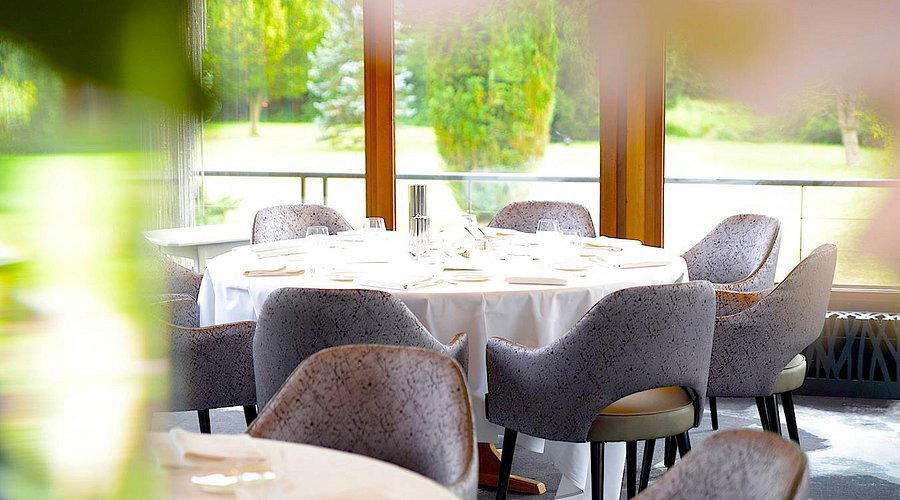
Soft natural light floods the glass-walled dining room, framed by forested hills and a peaceful pond, creating an intimate yet convivial atmosphere without pretension.