Auberge de la Forêt

Michelin Plate
Our verdict
A Michelin Plate-recognised address in the Moselle valley village of Abreschviller, Auberge de la Forêt delivers modern cuisine in a forest-edged setting that draws on the agricultural depth of the Lorraine-Alsace borderlands.

Pearl is the En Primeur Club membership app, where members save venues, book tables and use the concierge.
The menu
What to order
- Truite de la pisciculture Messang
- Gibier
- Foie gras
Forest Edge Dining in the Vosges: What Abreschviller Does Differently
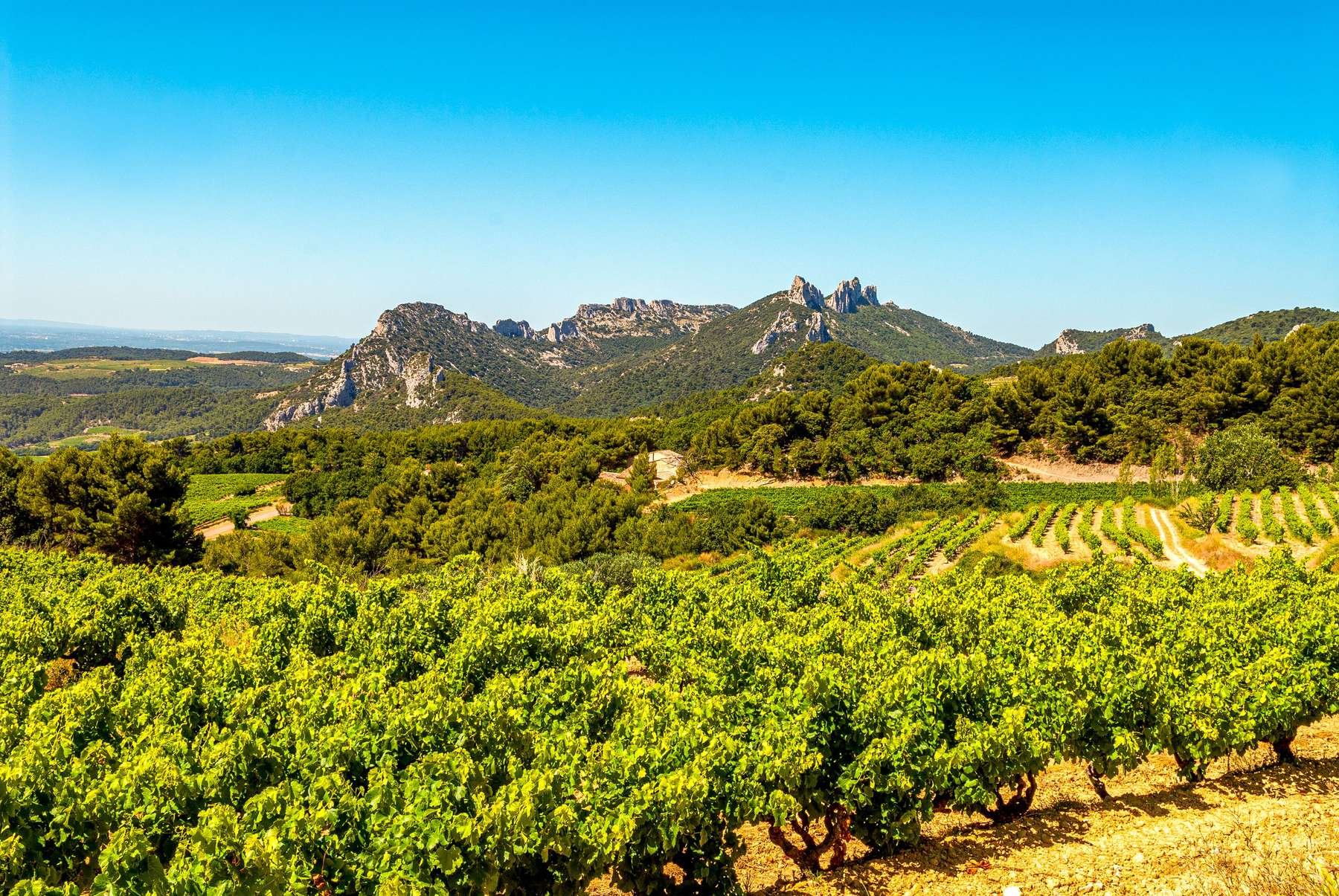
The drive into Abreschviller along the Vallée de la Bièvre prepares you better than any menu description could. The Vosges forest presses in from both sides of the road, and by the time the village materialises, the surrounding landscape has already made the argument for why a restaurant here would organise itself around what grows, grazes, and runs nearby. Auberge de la Forêt sits inside that logic. The physical environment is not backdrop; it is sourcing premise.
This is a pattern seen across France's more serious rural auberges: where urban restaurants must construct a sourcing narrative through supplier relationships and delivery logistics, a well-run village address in a region like the Moselle simply has proximity. The Lorraine-Alsace borderlands, this corner of the Grand Est, offer game from the surrounding forest, freshwater fish from the Vosges streams, dairy from the plateau farms, and a produce calendar that shifts sharply with the seasons. Kitchens that pay attention to that calendar cook differently from those that don't.
The Michelin Plate Signal and What It Tells You About This Category
Auberge de la Forêt has carried the Michelin Plate in both 2024 and 2025. It is worth understanding what that recognition means at this price tier. The Plate, Michelin's signal for good cooking that does not yet meet the threshold for a star, appears in the Guide as an indicator of quality food worth seeking out. In a region where the starred table closest in culinary tradition, Auberge de l'Ill in Illhaeusern, has held three stars for decades and prices accordingly, the Plate category fills a real gap: professionally executed modern cuisine at the €€ price point, accessible to a wider diner without the booking lead times and occasion pressure of a star-holder.
The sustained recognition across consecutive years matters more than a single listing. It indicates a kitchen operating at a consistent level rather than producing one strong showing. For a village restaurant in a low-footfall location, maintaining that standard across two Guide cycles represents a meaningful operational achievement. Consistency at this tier is harder than it looks: rural kitchens face supply chain variability and staffing constraints that city addresses rarely encounter.
For comparative context on what the modern cuisine category looks like further up the price ladder in France, the Alléno Paris au Pavillon Ledoyen and Mirazur in Menton occupy the three-star end of the same broad category. The gap in price and ceremony is significant. What the Plate tier offers is the discipline of Michelin scrutiny without the full apparatus of the haute cuisine experience.
Ingredient Sourcing as the Defining Logic of the Vosges Table
Modern cuisine at a forest-edge address in the Vosges carries specific sourcing implications. The Grand Est sits at the intersection of French and German culinary traditions, the charcuterie culture of Alsace, the game cookery of Lorraine, the freshwater fish preparations that the Moselle and its tributaries have supplied for centuries. A kitchen working in this geography with any seriousness will engage those traditions even when the menu language is contemporary.
Game is the most direct expression of this. The Vosges forest is among France's more productive hunting territories, and autumn tables in this region historically anchor around venison, wild boar, and woodcock. Modern cuisine technique applied to those ingredients tends to produce dishes that are more restrained and less sauce-heavy than classical French game preparation, but the raw material itself carries the same regional identity. Freshwater fish, trout and perch in particular, from the clean streams of the Vosges massif provide the lighter protein option that balances a menu structured around forest produce.
The dairy and produce supply from the plateau farms north and south of Abreschviller completes the picture. Lorraine's agricultural identity is less celebrated than Normandy's or the Périgord's, but the quality of its dairy output and the diversity of its market garden produce support serious kitchen work. Chefs in this part of the Grand Est who source deliberately have access to ingredients that urban kitchens would need to import at considerable cost.
This sourcing geography also places Auberge de la Forêt in an interesting position relative to the destination-restaurant tradition in rural France. Addresses like Bras in Laguiole or Flocons de Sel in Megève have built internationally recognised cases for place-specific cuisine in remote French locations. Those are three-star operations at four-figure price points. The argument they make about landscape and ingredient provenance, however, is structurally the same one a committed kitchen in Abreschviller makes at the Plate level: the journey to the table is part of what you are eating.
Planning Your Visit: Practical Intelligence
Abreschviller sits in the Moselle department of the Grand Est, roughly 60 kilometres southwest of Strasbourg. The village is accessible by car along the D993 through the Vallée de la Bièvre, and the forest road approach is part of the experience of arriving. There is no rail connection to the village itself, so road travel is the practical option for most visitors. Strasbourg, with its full range of transport connections and its own serious dining scene anchored by addresses like Au Crocodile, serves as the natural base for a broader Grand Est itinerary.
At the €€ price point, Auberge de la Forêt sits below the occasion-dining threshold that typically requires advance booking weeks out. That said, a village restaurant with genuine Michelin recognition draws visitors from across the region, and weekend tables in autumn, when the forest sourcing is at its most compelling, will fill earlier than the price tier might suggest. Checking availability and booking ahead for Friday or Saturday dinner is the sensible approach.
For visitors building a stay around the area, our full Abreschviller hotels guide covers accommodation options in and around the valley. The full Abreschviller restaurants guide maps the broader dining picture for the village. Those extending further into the region can also explore bars, wineries, and experiences across Abreschviller.
It places Auberge de la Forêt comfortably ahead of the average for its category and geography.
How It Sits in the Broader Modern Cuisine Field
Modern cuisine in France covers a wide range of ambition and price. At the three-star extreme, kitchens like Assiette Champenoise in Reims or AM par Alexandre Mazzia in Marseille operate with budgets and staffing levels that allow for extreme technical precision and ingredient costs that a village restaurant cannot match. The relevant comparison for Auberge de la Forêt is not those addresses but rather the broader population of Michelin Plate-recognised auberges across rural France that are doing honest, sourcing-led modern work at accessible prices.
That category is where serious travel eating happens most of the time. The three-star circuit is a small and expensive subset of French dining. The Plate tier, when it is operating well, represents the working argument for French restaurant culture: technical competence, ingredient awareness, and regional identity at a price that does not require an occasion to justify. Auberge de la Forêt, with two consecutive years of Michelin recognition and a strong review base, makes that argument credibly in a part of France that visitors tend to pass through rather than pause in. The Vosges, for diners willing to slow down, has a table worth sitting at.
Frequently asked questions
Is Auberge de la Forêt expensive?
Pricing at Auberge de la Forêt is listed as €€.
| Venue | Cuisine | Price | Awards | Notes |
|---|---|---|---|---|
| Auberge de la ForêtThis venue (the venue you are viewing) | Seasonal French Regional Gastronomic | $30–50 | Michelin Plate | Not listed |
| Alléno Paris au Pavillon Ledoyen | Modern French Fine Dining | $150–200 | 3 Michelin Stars · World's 50 Best #79 | Creative |
| Kei | Contemporary French, Modern Cuisine | Not listed | Michelin 3 Star | Not listed |
| L'Ambroisie | Classic French Haute Cuisine | $300–500 | 2 Michelin Stars · World's 50 Best #23 | French, Classic Cuisine |
| Le Cinq - Four Seasons Hôtel George V | Modern French Fine Dining | $300–500 | 3 Michelin Stars · World's 50 Best #24 | French, Modern Cuisine |
| Plénitude | Modern French Sauce-Led Fine Dining | $300–500 | 3 Michelin Stars · World's 50 Best #14 | Contemporary French |
Recognition history
Dated appearances from independent guides and award organizations, with the underlying list record or original source where available.
Michelin Plate
Michelin
Full recognition history (3 entries)
Michelin Plate
Michelin
Michelin Plate
Michelin
Continue exploring
More in Abreschviller
Restaurants in Abreschviller
All restaurants in Abreschviller →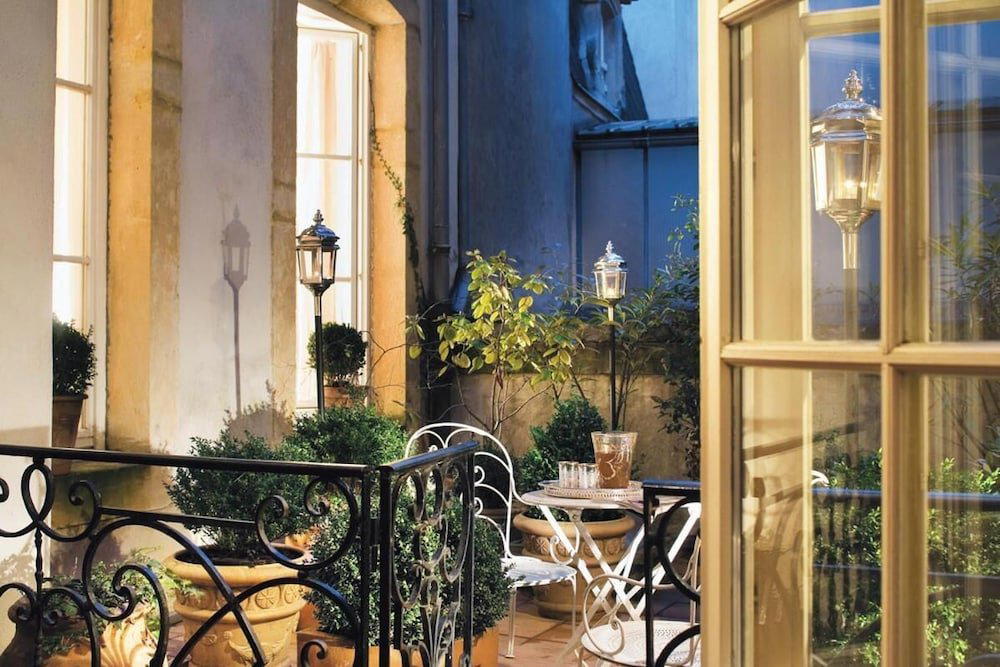
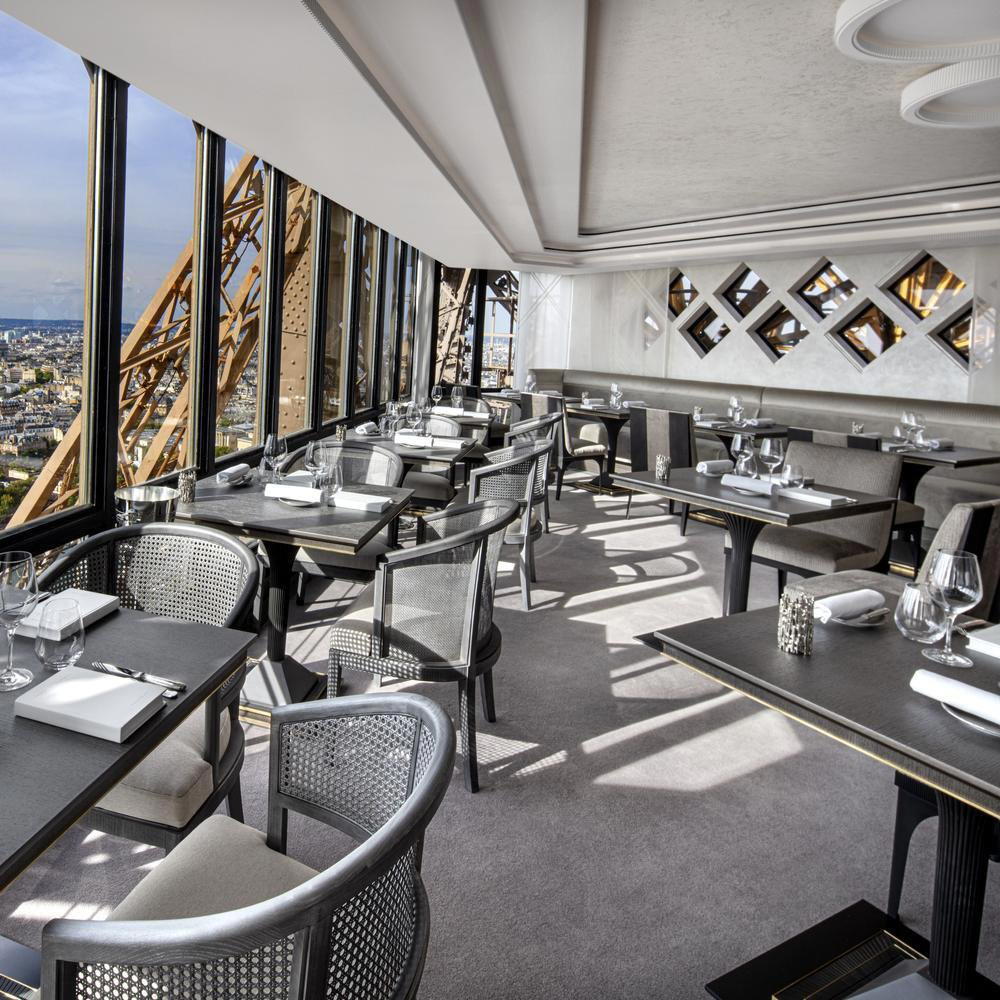
Bars in Abreschviller
Browse all →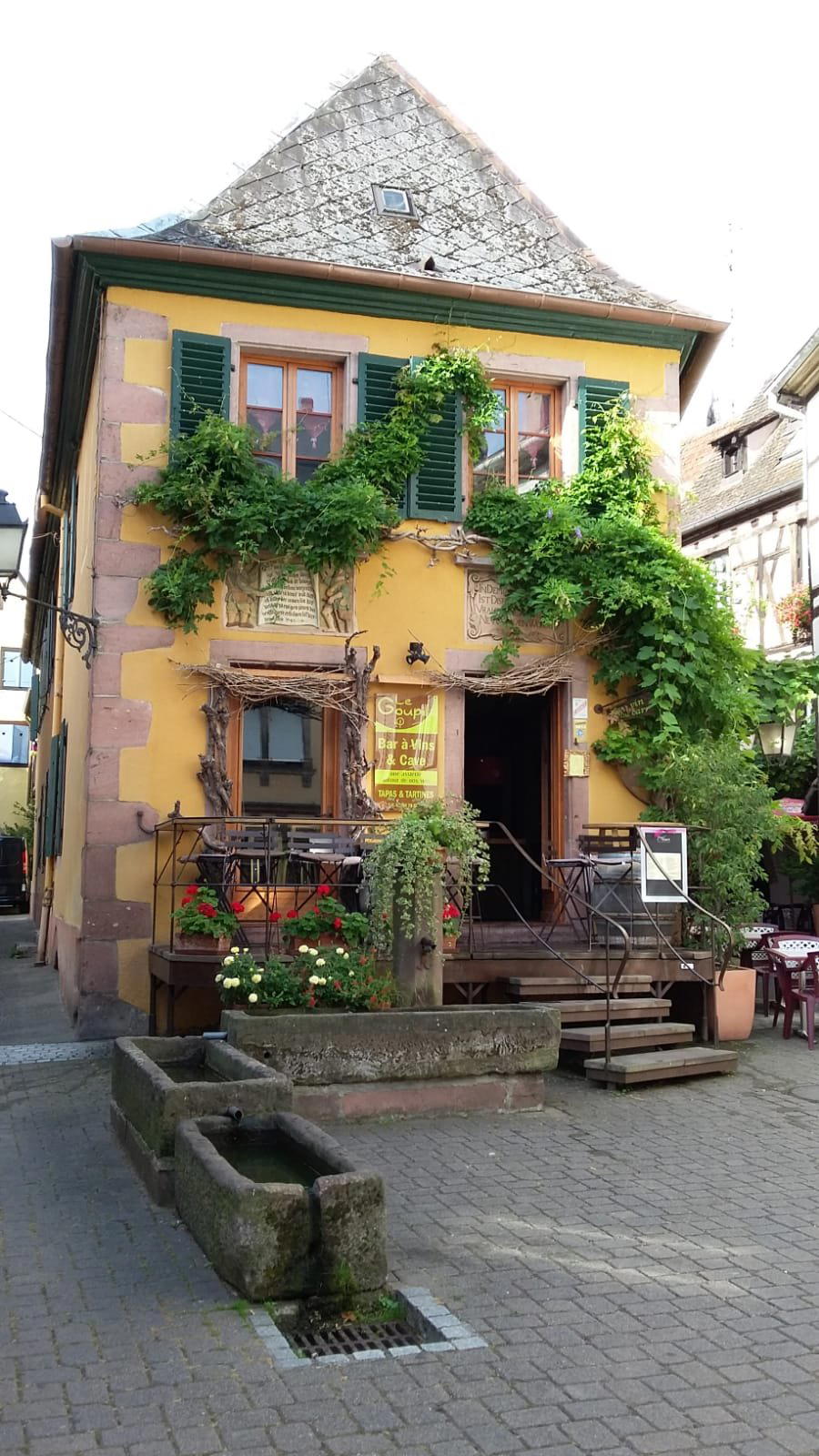
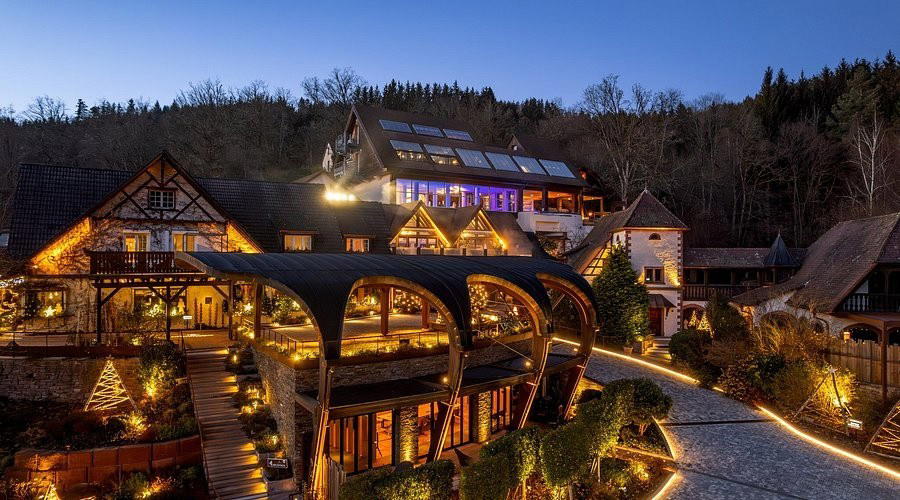

Details
- Cozy
- Rustic
- Elegant
- Scenic
- Family
- Special Occasion
- Group Dining
- Terrace
- Garden
- Private Dining
- Extensive Wine List
- Local Sourcing
- Garden
- A La Carte
- Prix Fixe
- Vegetarian Friendly
Current opening hours
- Monday
- Closed
- Tuesday
- 12–1:30 PM
- Wednesday
- 12–1:30 PM
- Thursday
- 12–1:30 PM
- Friday
- 12–1 PM, 7–8:30 PM
- Saturday
- 12–1:30 PM, 7–8:30 PM
- Sunday
- 12–1:30 PM
Hours can change for holidays and private events. Hours as of .
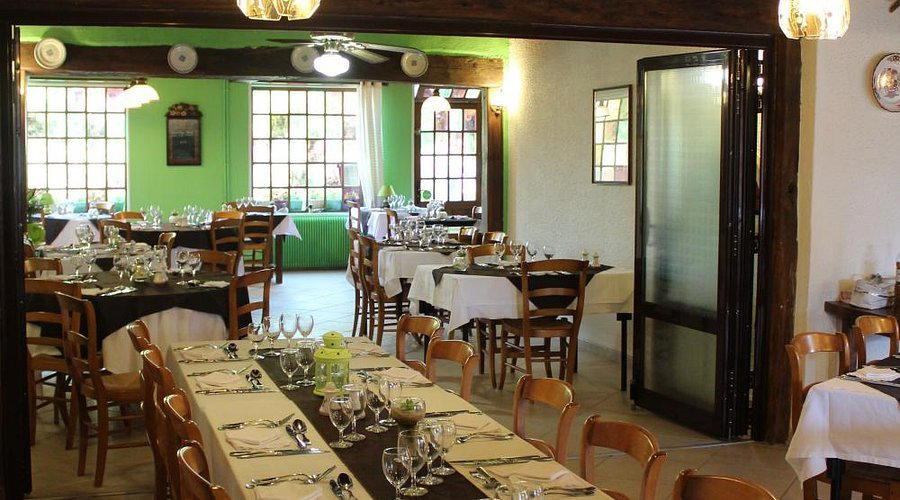
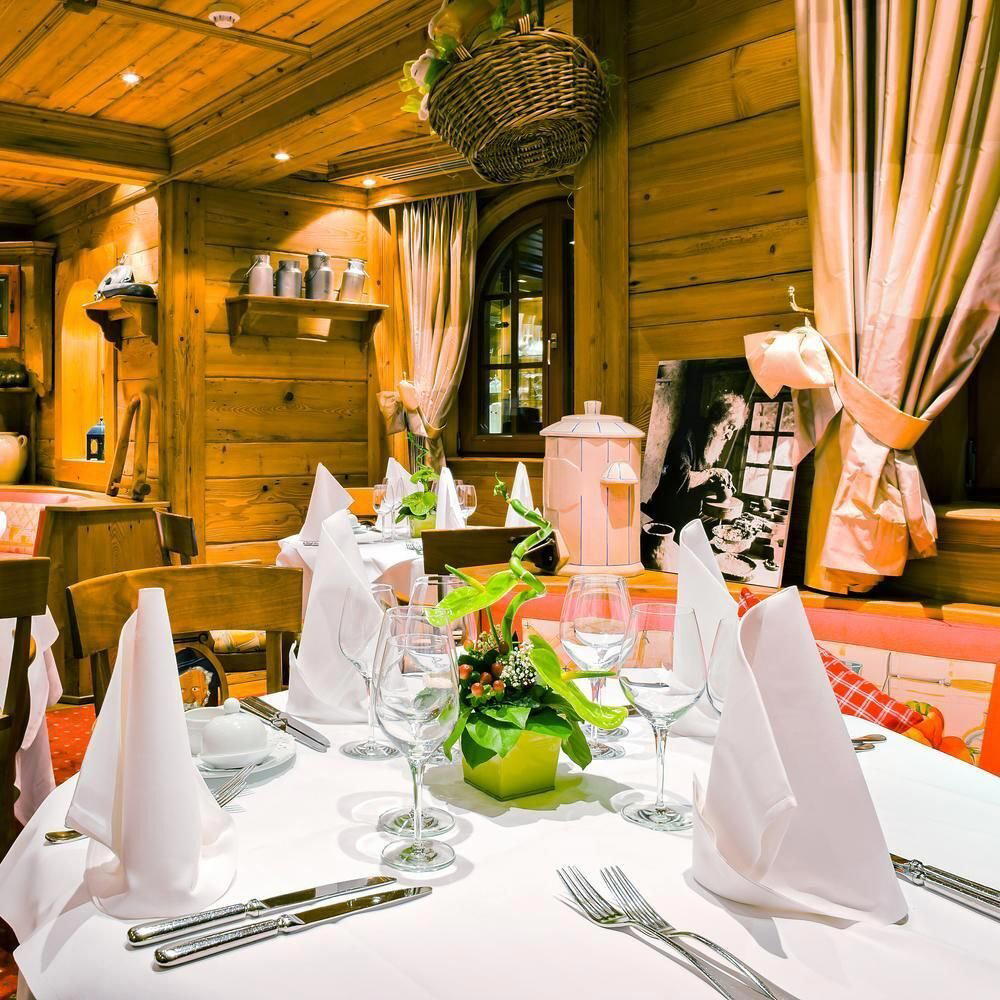
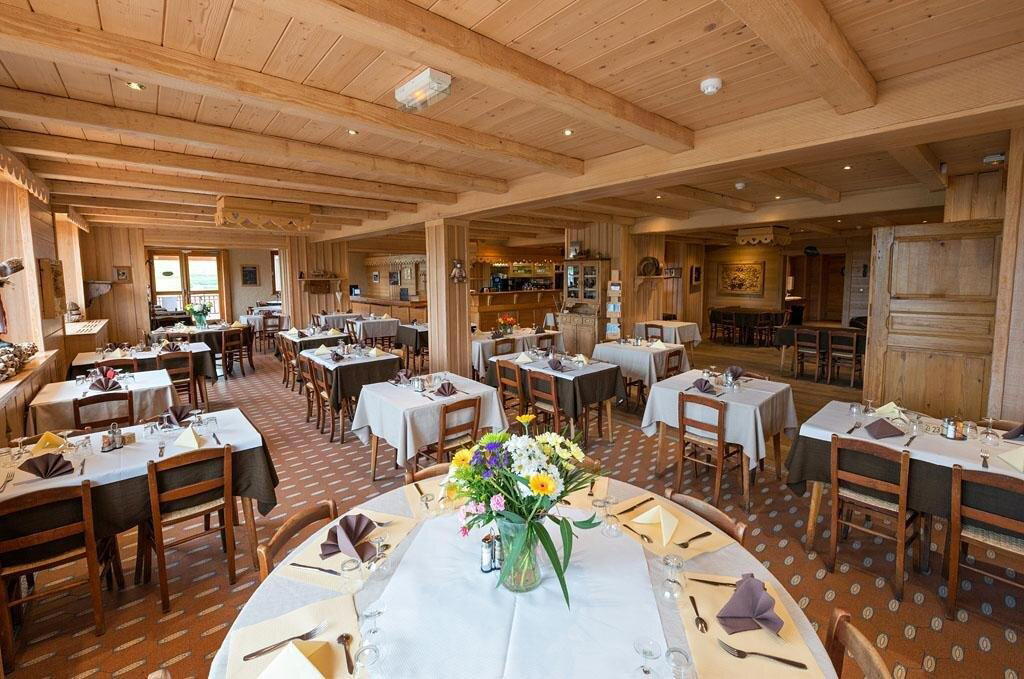
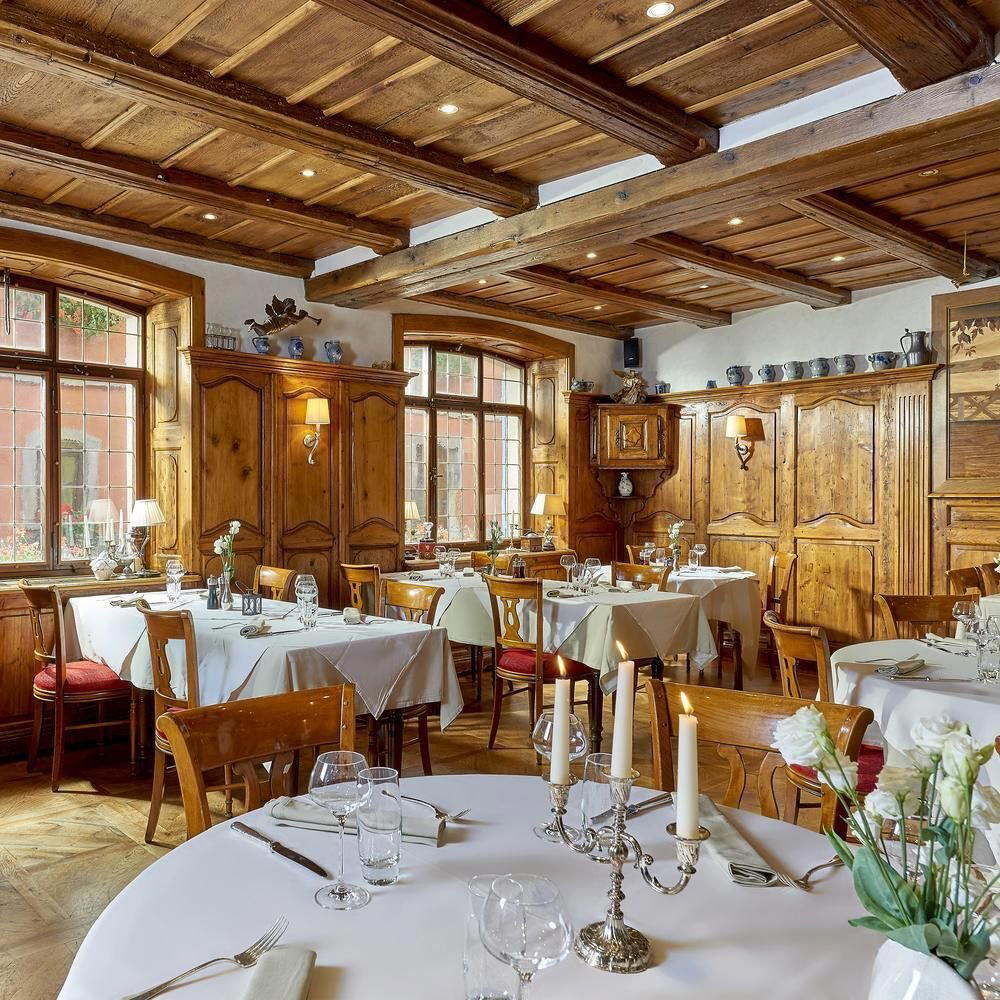
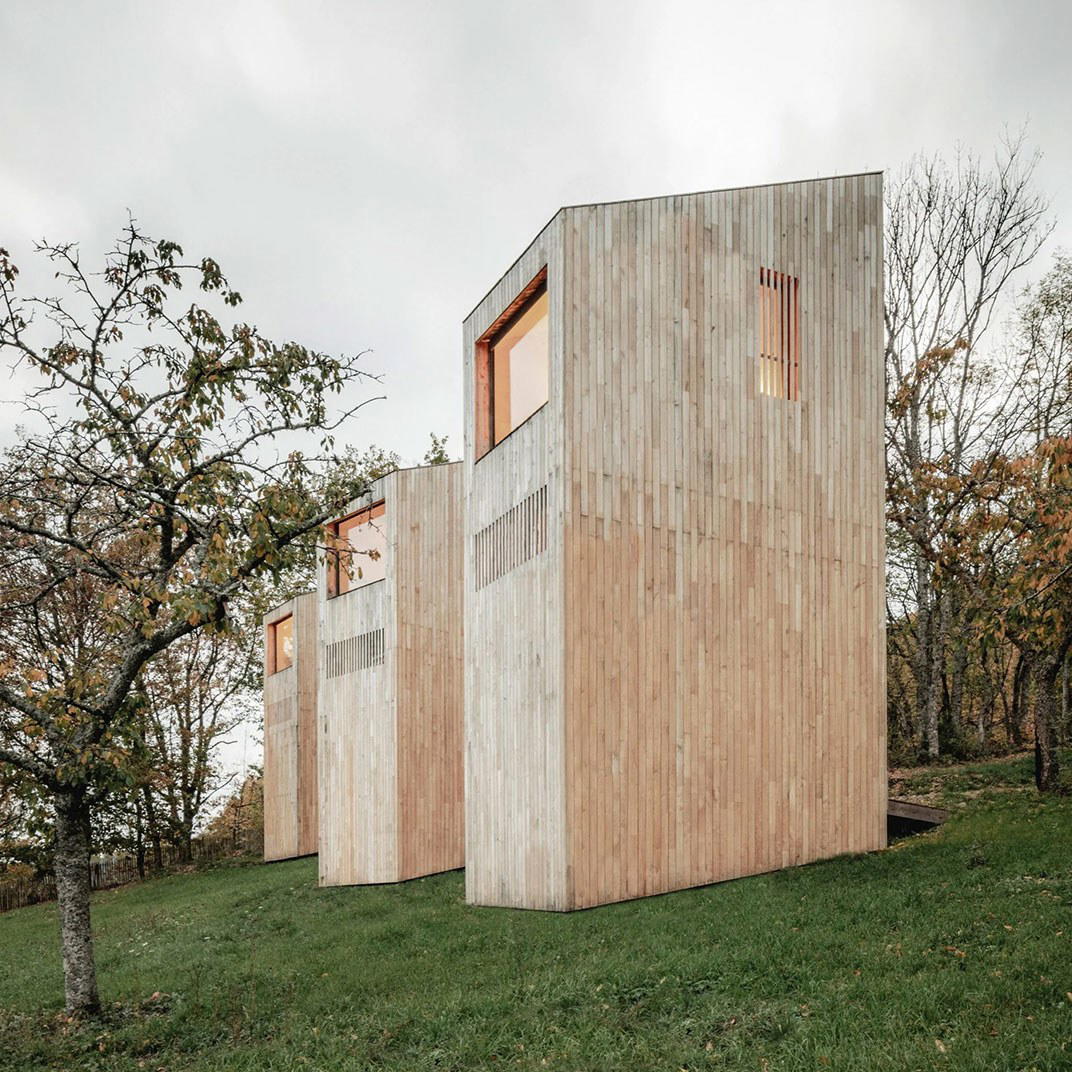
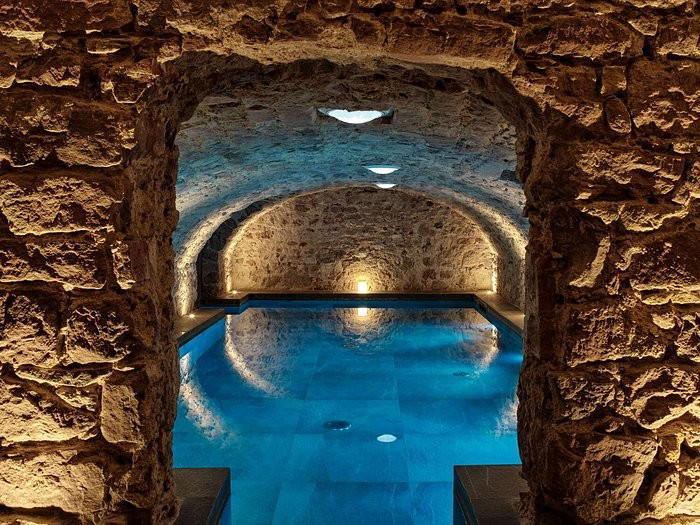
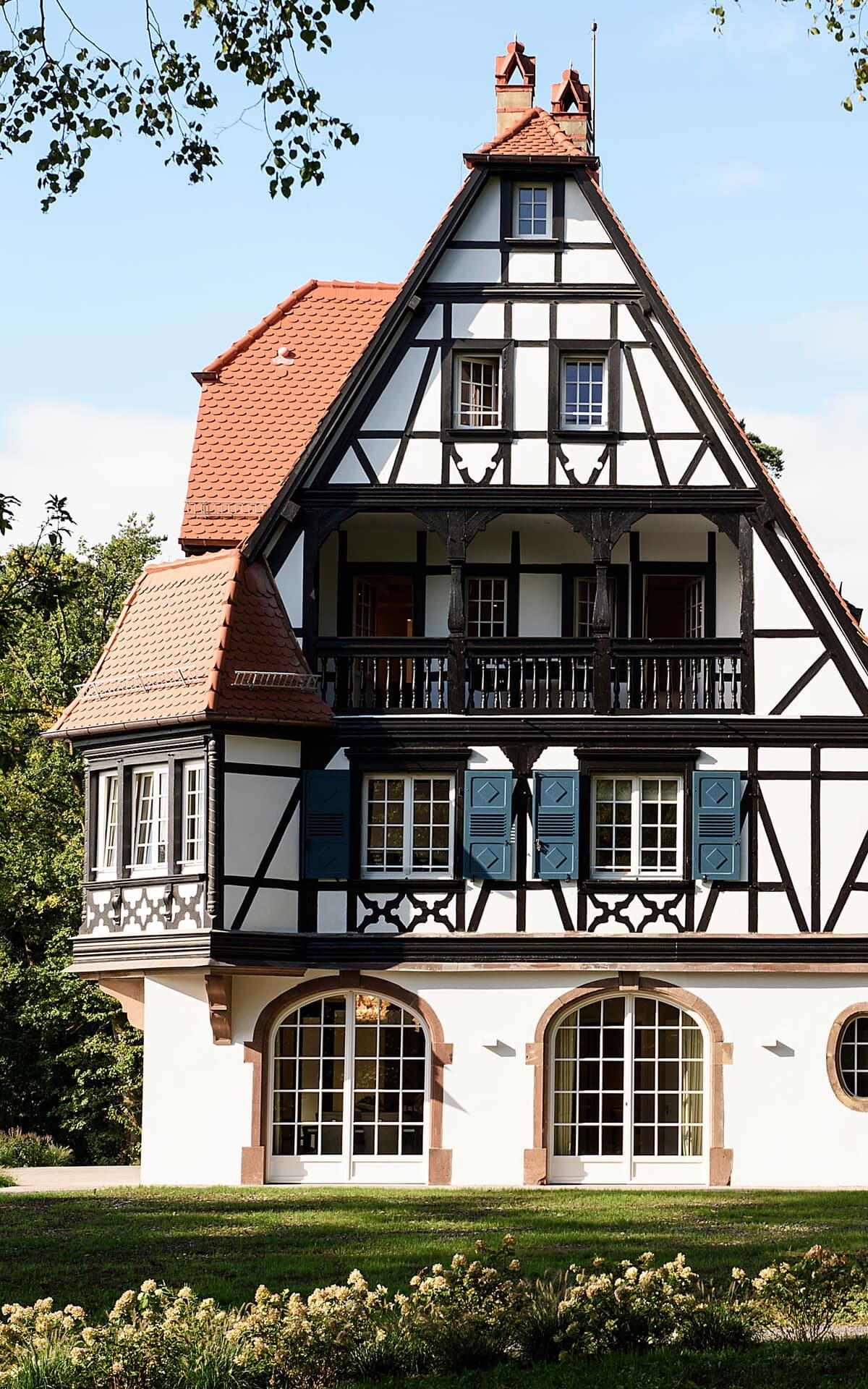
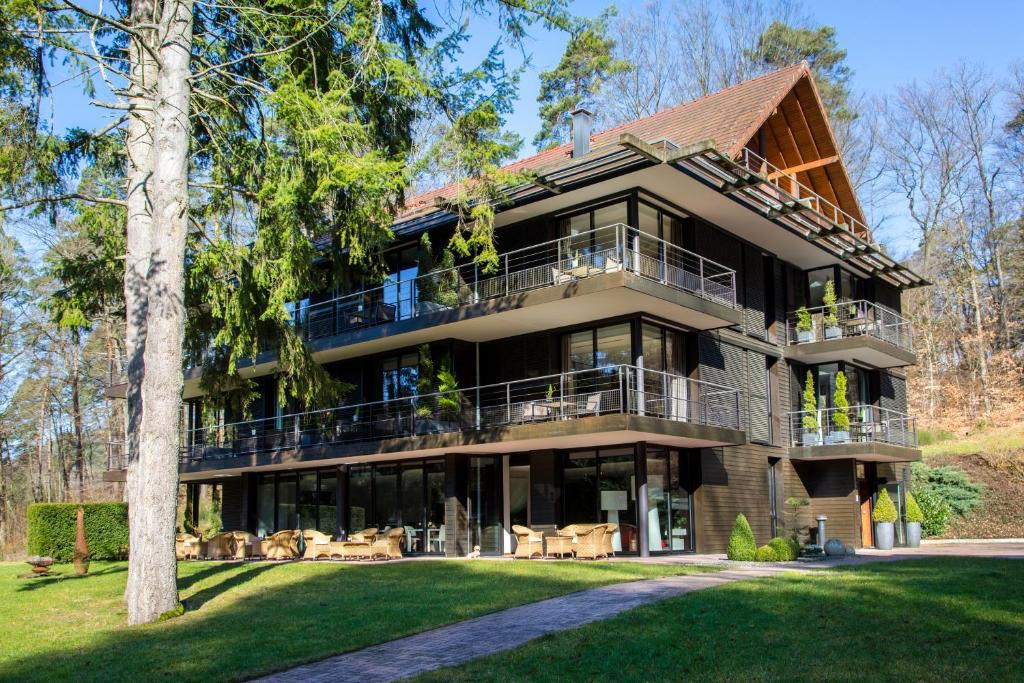
Chaleureux cadre with light wood, white tablecloths, forest-themed decor; four ambiances including cosy Salle du Cerf like a chalet, luminous veranda with garden views, contemporary colorful room, and covered terrace.