Chez Jean
Chez Jean occupies a quiet address at Dorp 10 in Sint-Martens-Latem, the Flemish village long associated with the artist colony that shaped Belgian cultural identity in the early twentieth century. The restaurant sits within a dining scene that punches well above the village's modest population, drawing visitors who treat the journey from Ghent as part of the occasion rather than an inconvenience.
Pearl is the En Primeur Club membership app — saves, bookings, and concierge access live there. Same editors, same standards.
- Address
- Dorp 10, 9830 Sint-Martens-Latem, Belgium
- Phone
- +3293108494
- Website
- chez-jean.be
- Directions
- Get directions
 Saves & bookings on Pearl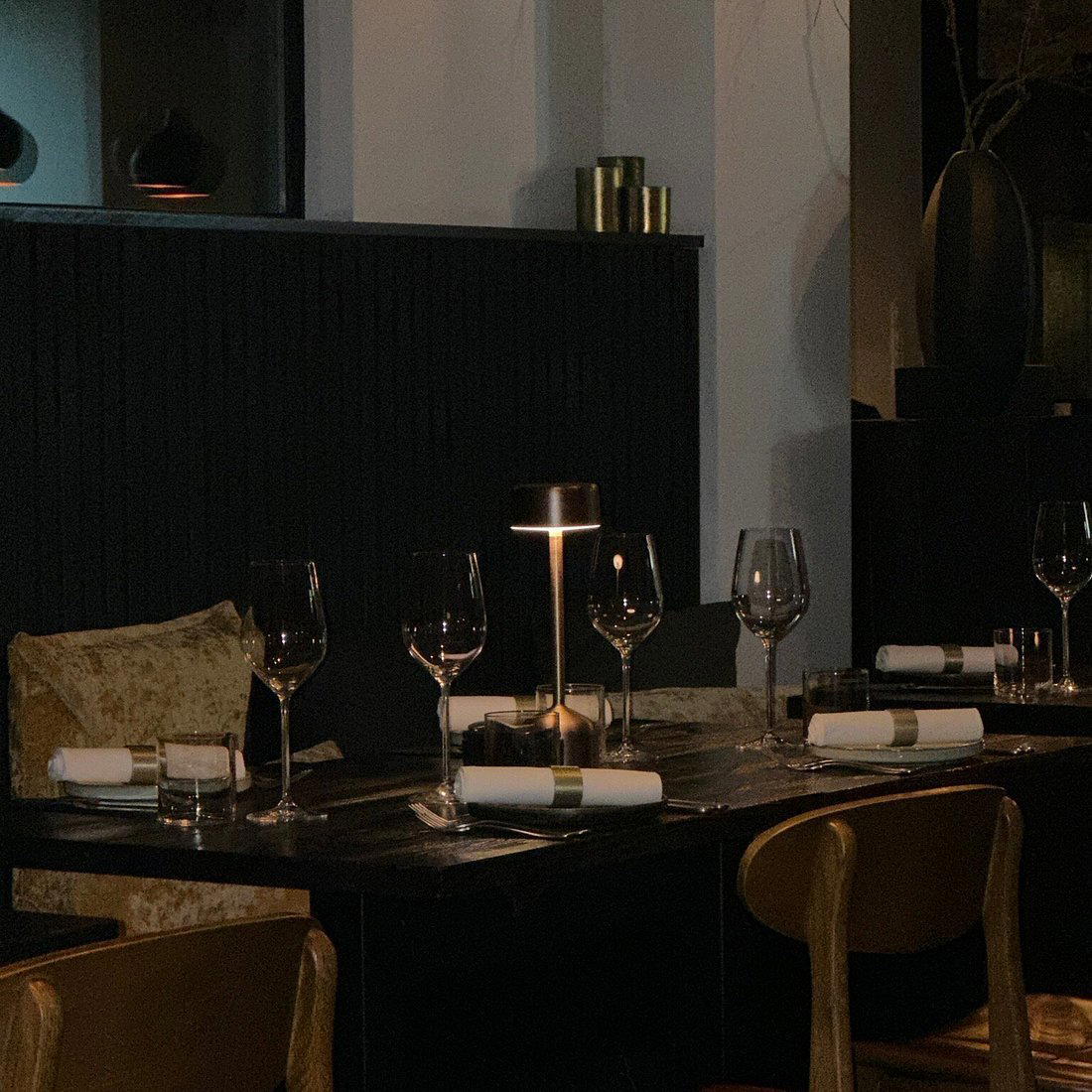
A Village That Takes Its Tables Seriously
Sint-Martens-Latem sits a short drive west of Ghent along the Leie river, a village whose reputation has always outrun its size. The artist colony that gathered here in the late nineteenth and early twentieth centuries left behind a particular atmosphere: quiet, considered, oriented toward the made thing rather than the mass-produced one. That disposition persists in the dining culture. The restaurants that have established themselves along Dorp and its surrounding streets attract Ghent residents willing to make a proper occasion of the trip, and that expectation shapes how kitchens here approach the meal. Chez Jean, at Dorp 10, is a Classic French Brasserie in Sint-Martens-Latem.
The Rhythm of a Meal at Dorp 10
Belgian fine dining in the Flemish villages around Ghent tends to follow a cadence that differs from the urban rush. Tables here are not turned. The assumption is that you have arrived with time and appetite. This pacing is not incidental; it is structural. The meal is the event, not the prelude to one. Chez Jean operates at this address in Sint-Martens-Latem within that tradition, where the ritual of sitting down, unfolding the evening course by course, and allowing the room to settle around you is the whole point.
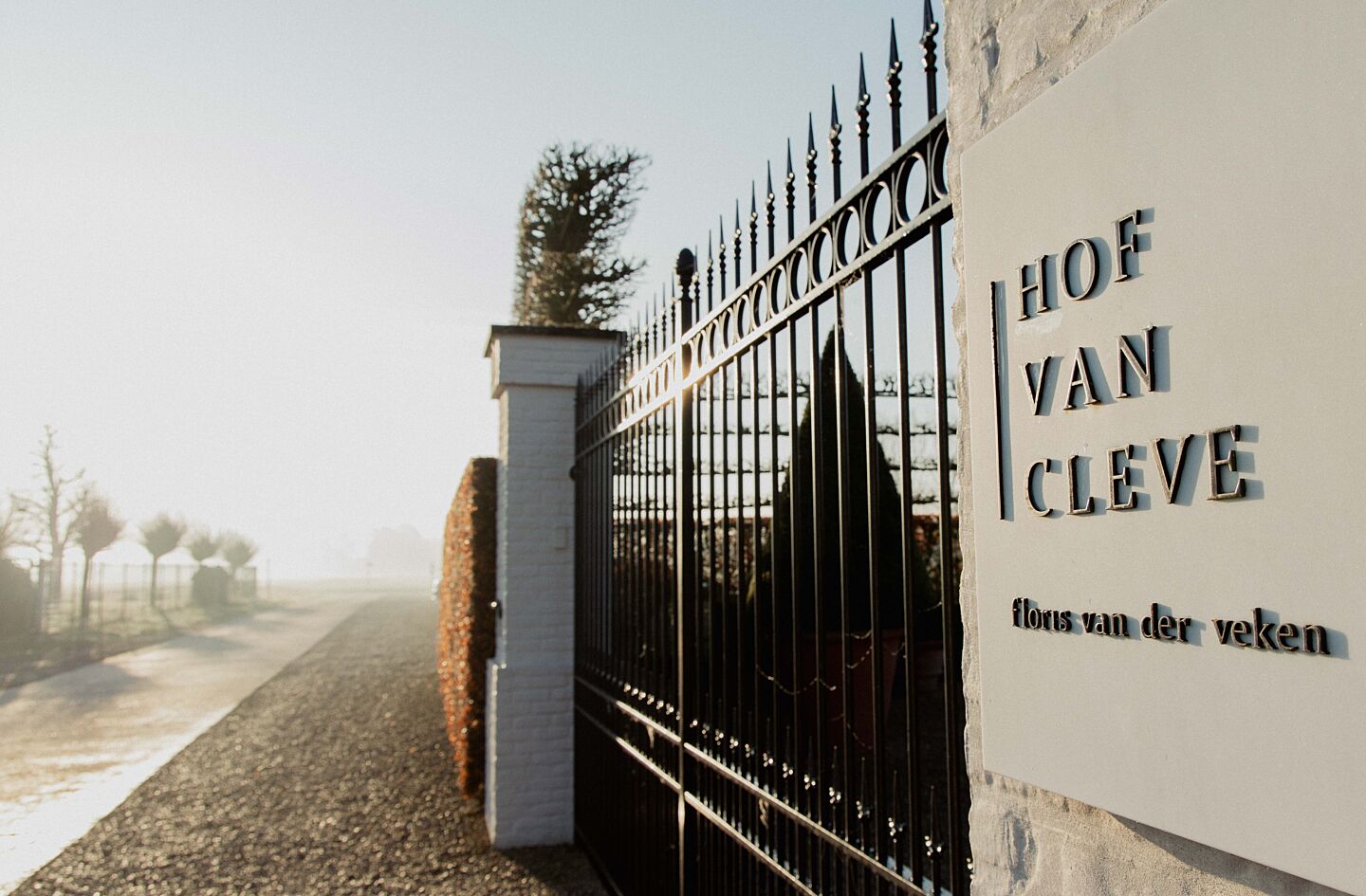
Flemish restaurant culture in this tier draws on a deep tradition of classical French technique applied to Belgian produce, a combination that has produced some of the country's most decorated kitchens. The pattern is visible across the region: at Hof van Cleve in Kruishoutem, which holds three Michelin stars, and at Vrijmoed in Gent, which approaches the same classical foundation from a more contemporary angle. Sint-Martens-Latem's dining rooms, including Chez Jean, sit within that continuum.
What the Setting Tells You
Approaching along Dorp, the street that anchors Sint-Martens-Latem's small commercial centre, you read the village before you read any individual address. The scale is domestic. Restaurants on this strip occupy converted bourgeois houses and repurposed village structures rather than purpose-built dining rooms, which gives the interior arrangements a particularity you do not get in a designed-from-scratch restaurant. The proportions are human, the light is shaped by windows that predate the kitchen inside them.
This physical context matters because it conditions expectation. Belgium's restaurant culture at this level tends toward intimacy over spectacle. The comparison with larger urban formats, such as Zilte in Antwerp with its Museum aan de Stroom setting, or Bozar Restaurant in Brussels and its institutional grandeur, clarifies what the Latem model offers instead: a smaller room, a more private occasion, and a kitchen that is close enough to feel present.
Placing Chez Jean in the Belgian Dining Scene
Belgium's restaurant geography is unusual. A country of eleven million supports a density of Michelin-starred and critically recognised kitchens that would be impressive in a country three times its size. The concentration along the Flemish arc from Ghent to the coast has produced a comparable set worth mapping. Boury in Roeselare holds two Michelin stars and represents the region's capacity for sustained technical ambition. Willem Hiele in Oudenburg works a more idiosyncratic coastal register. La Durée in Izegem and Ralf Berendsen in Neerharen represent the wider spread of serious cooking across the Flemish provinces.
Within this field, village restaurants in the Latem area occupy a niche defined by proximity to Ghent's eating public and a quieter operating model than the city allows. The dinner at a table like Chez Jean's is not competing with the same occasion as Le Chalet de la Forêt in Uccle or d'Eugénie à Emilie in Baudour. The comparison is lateral rather than hierarchical: different registers for different kinds of evening. Internationally, the village-destination model has parallels at places like Lazy Bear in San Francisco, where the communal-table format and fixed-programme meal ask guests to commit to an experience rather than construct one, and at fish-focused rooms like Le Bernardin in New York City, where the pacing of the meal is itself the primary product. The scale and geography are different, but the underlying premise, that the ritual of eating deserves its own time and attention, is shared.
Planning the Visit
Sint-Martens-Latem is reachable from Ghent's centre in under twenty minutes by car. The village does not have significant public transport connections to the restaurants on Dorp, so most visitors drive or arrange a taxi from Ghent's Sint-Pieters station. The restaurant's address at Dorp 10 places it at the navigable heart of the village, accessible on foot from the limited parking nearby. The restaurant is recommended for reservations. Its regular opening hours are Wednesday and Thursday 12 to 2 PM and 6:30 to 9 PM, Friday 12 to 2 PM and 6 to 10 PM, Saturday 6 to 10 PM, and Sunday 12 to 2 PM and 6 to 9 PM; it is closed Monday and Tuesday. Cuchara in Lommel is one example of the kind of destination-format restaurant elsewhere in Flanders where the same advance planning logic applies.
Cuisine and Recognition
Comparable venues nearby, for context on price, style, and recognition.
| Venue | Cuisine | Price | Awards | Notes |
|---|---|---|---|---|
| Chez JeanThis venue — the venue you are viewing | Classic French Brasserie | $$ | Not listed | Not listed |
| Baarle 90 | Dining | Not listed | Michelin Plate | Sint-Martens-Latem |
| De Klokkeput | French-Belgian Brasserie | $$ | Not listed | Sint-Martens-Latem |
| A Table | Classic French Bistro | $$$ | Not listed | Sint-Martens-Latem |
| Brasserie Latem | Classic French Brasserie with Asian Fusion | $$$$ | Michelin Plate | Sint-Martens-Latem |
| Brasserie Boulevard | Modern French Brasserie | $$$ | Michelin Plate | Sint-Martens-Latem |
Continue exploring
More in Sint-Martens-Latem
Restaurants in Sint-Martens-Latem
Browse all →
Bars in Sint-Martens-Latem
Browse all →

At a Glance
- Cozy
- Romantic
- Elegant
- Date Night
- Family
- Business Dinner
- Terrace
- Extensive Wine List
Current opening hours
- Monday
- Closed
- Tuesday
- Closed
- Wednesday
- 12–2 PM, 6:30–9 PM
- Thursday
- 12–2 PM, 6:30–9 PM
- Friday
- 12–2 PM, 6–10 PM
- Saturday
- 6–10 PM
- Sunday
- 12–2 PM, 6–9 PM
Hours can change for holidays and private events. Last verified .
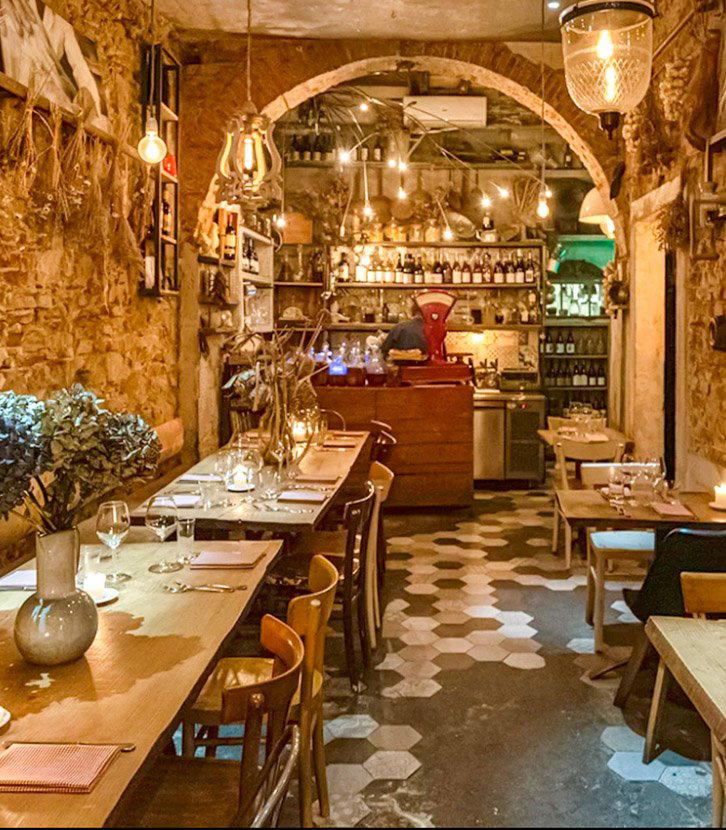
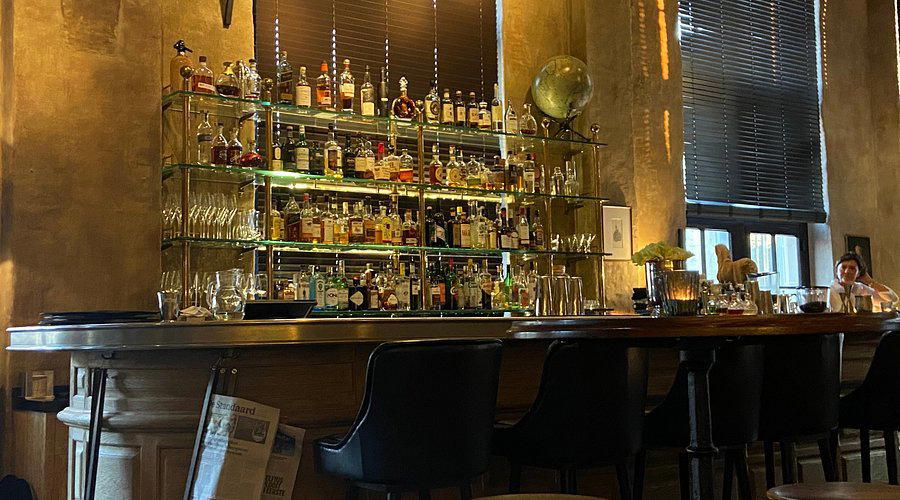
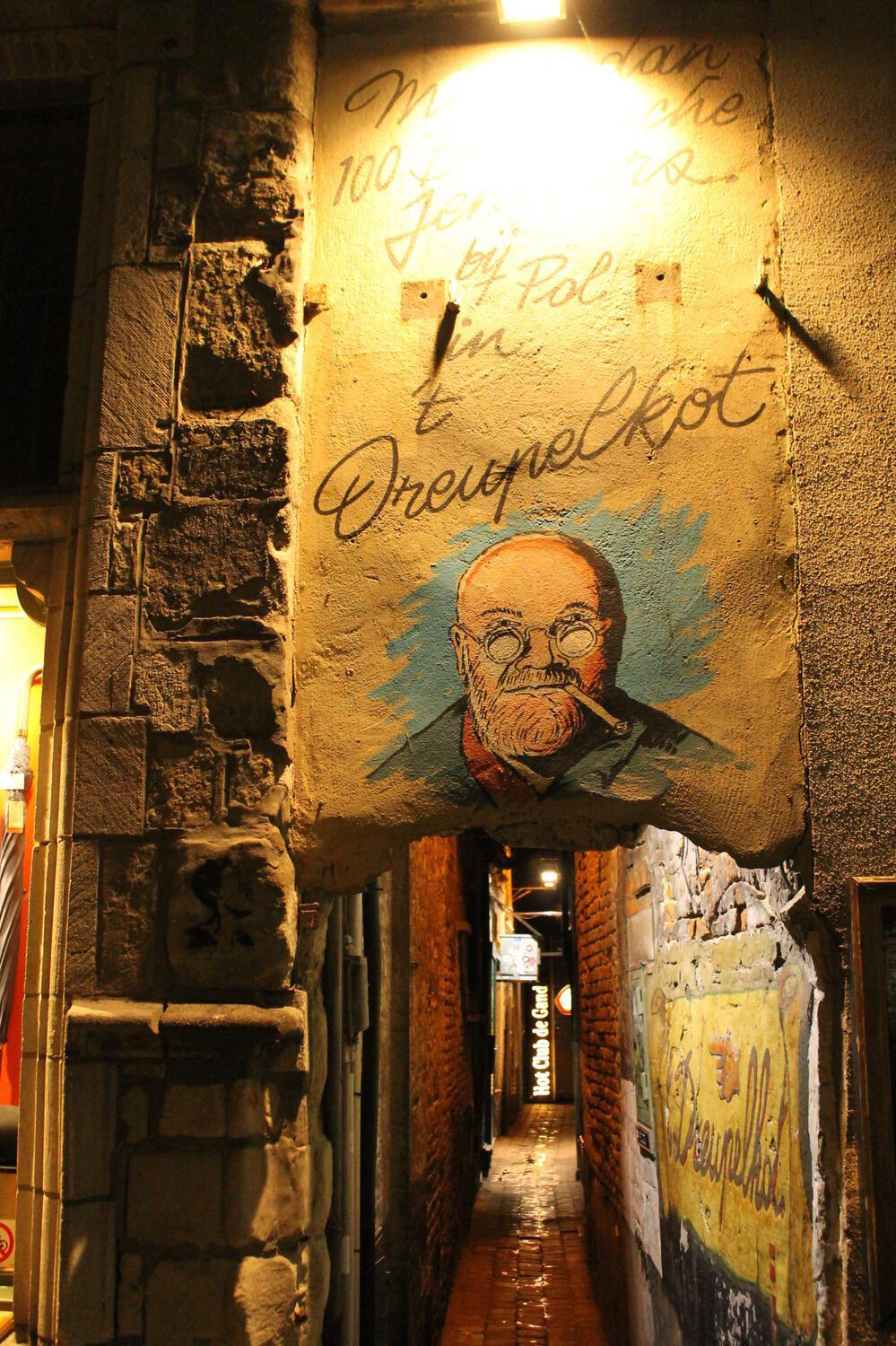
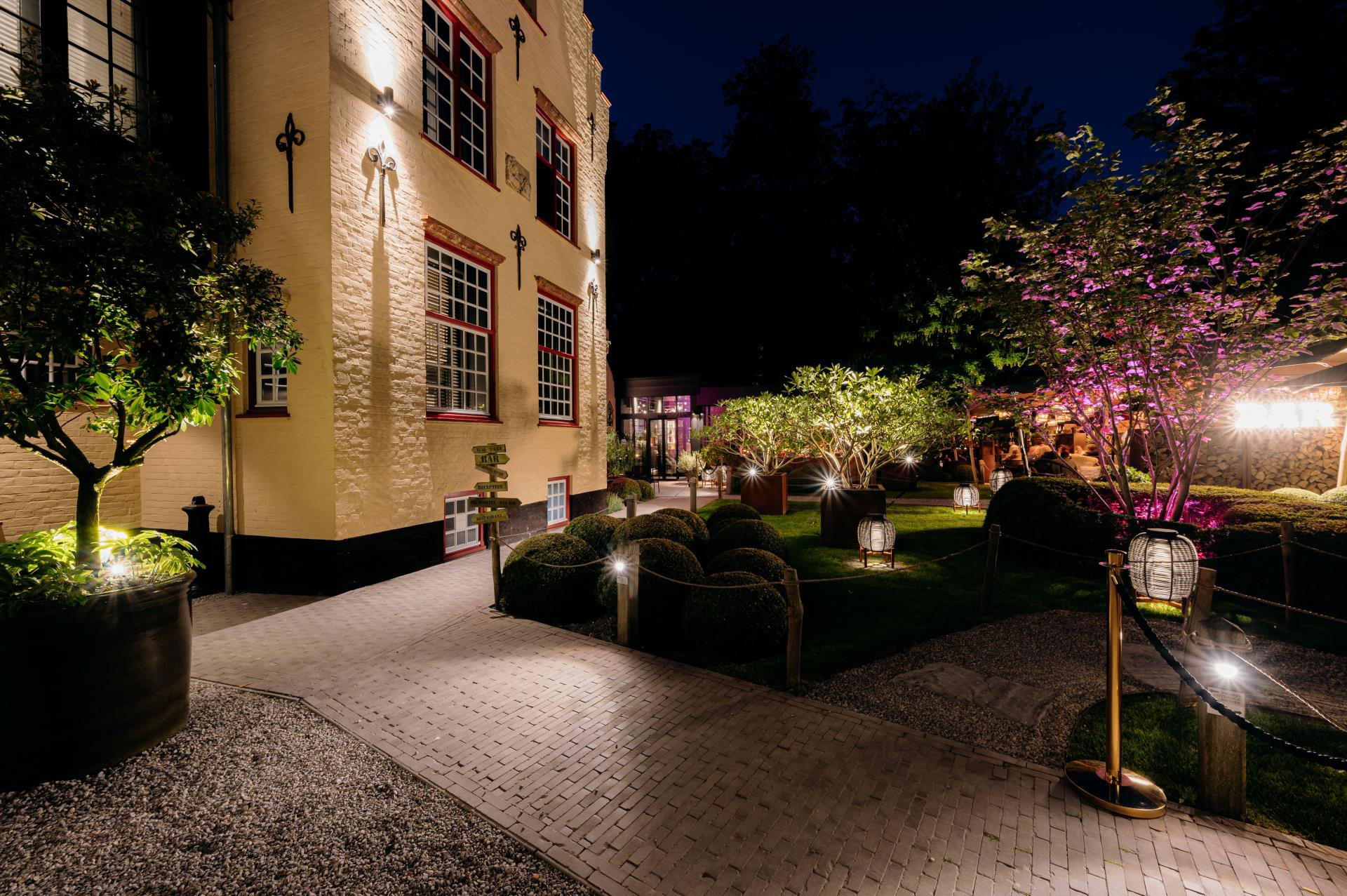
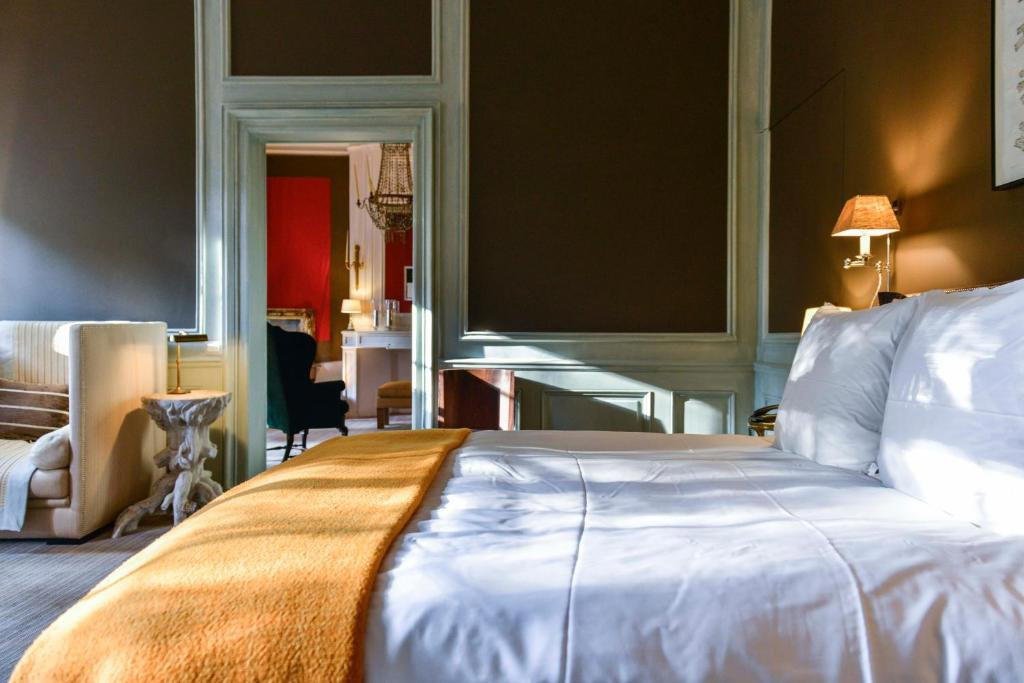
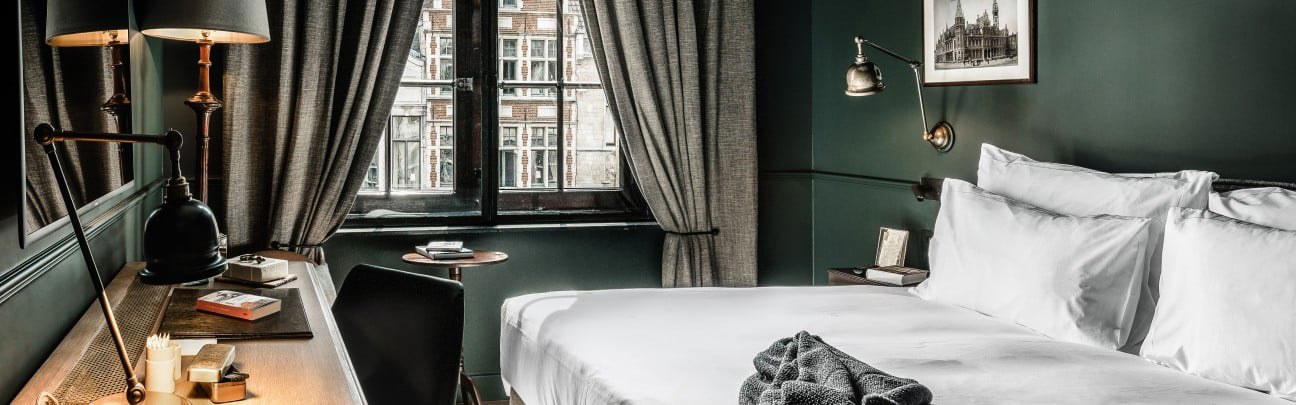
Cozy and relaxed brasserie setting with pleasant lighting, jovial service, and a funky yet detailed interior.