Google: 4.7 · 95 reviews
Wirtshaus Zur Säge

A Michelin-starred inn in the Swiss-French borderland village of Flüh, Wirtshaus Zur Säge serves classic French cuisine with a pronounced seasonal sensibility inside a room of wooden panelling and old ceiling beams. Chef Patrick Zimmermann's sauces are widely cited as a benchmark of his technique. At the €€€€ tier, the Sägi earns its place among Switzerland's most purposeful regional fine-dining addresses.
 Discover on Pearl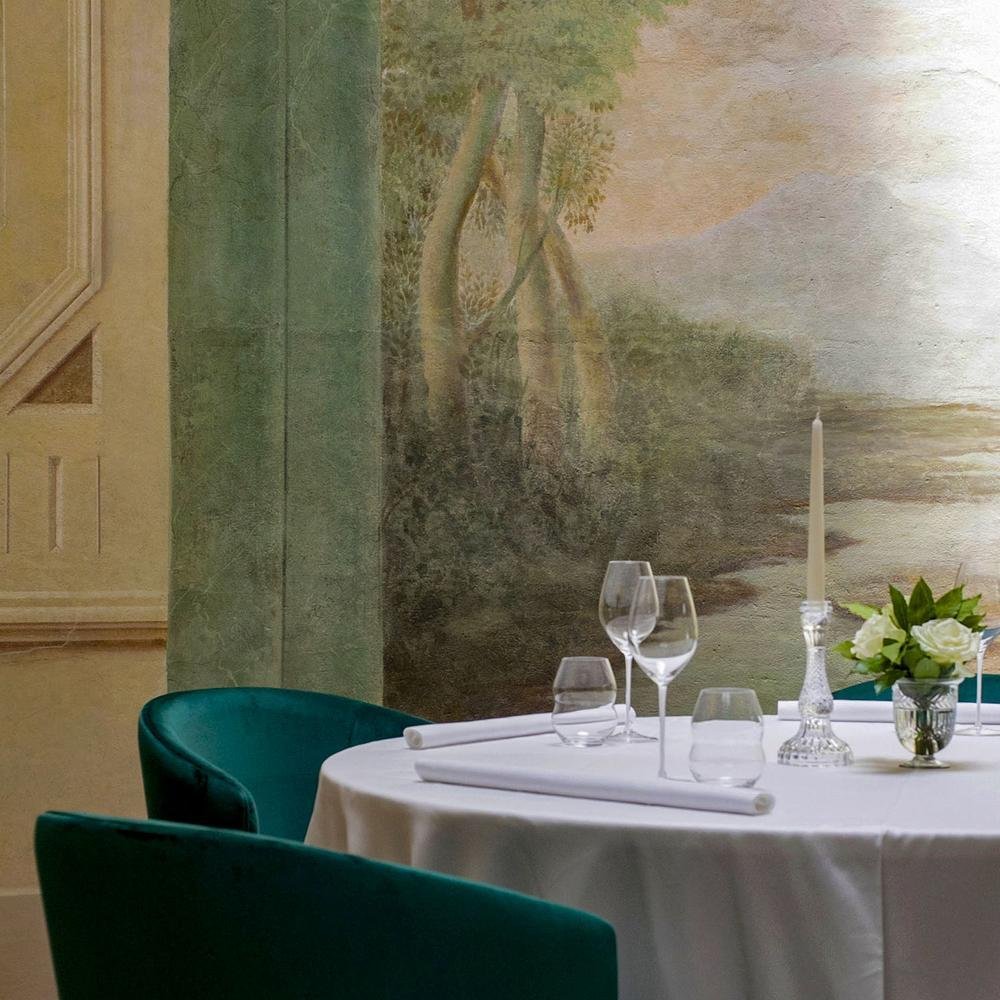
Where the Borderland Sets the Table
The village of Flüh sits at a geographical inflection point: Swiss address, French culinary grammar, and an Alsatian temperament that bleeds across the nearby border. In this part of the Leimental valley, close to where Switzerland meets the Alsace and the German Baden, the cooking tradition has never been purely one thing. Classic French technique arrived here not as an import but as a neighbourhood idiom, absorbed over generations by cooks who could reach a French market town in under an hour. That context matters when you walk into Wirtshaus Zur Säge on a Tuesday evening, past the vine-framed terrace and through a door that opens onto wooden panelling, aged ceiling beams, and the kind of room that does not announce itself as a destination restaurant. It is, nonetheless, exactly that.
The Sägi, as locals call it, holds a Michelin star (2024) and carries a Google rating of 4.8 from 92 reviews — a pairing that positions it firmly in the upper tier of Switzerland's smaller-town fine dining. For context, the country's starred table count is concentrated in cities and resort towns; a single star in a village of this scale represents something more deliberate than a metropolitan address would. The kitchen here is not chasing a metropolitan audience. It is cooking, with considerable precision, for the place it occupies.
Ingredient Logic: What the Borderland Provides
Classic French cuisine in its most considered form is an argument about produce. The canon of sauce-led cooking, from which this kitchen draws its methods, was built on the premise that technique exists to express raw material rather than obscure it. In the Alsace-Switzerland borderland, that premise has unusually good raw material to work with. The Rhine plain to the east produces some of Europe's most mineral-forward market vegetables. Alsatian forests and Swiss foothills supply game in autumn. The proximity to Burgundy and the northern Rhône means that wine-based reductions and classical pairing logic are culturally embedded rather than academically applied.
Chef Patrick Zimmermann has run this long-established inn alongside his wife Corinne, and the kitchen's emphasis on seasonality is a structural commitment rather than a marketing position. His sauces in particular have drawn comment as evidence of classical training: a well-made sauce is the slowest, most labour-intensive output of a French kitchen, and it cannot be faked at speed. Produce quality provides the foundation; the cooking then builds upward from it. This is a kitchen that operates in alignment with its geography, sourcing from a region that sits at the productive intersection of three culinary cultures.
For readers tracking this approach across Switzerland, the contrast with the country's newer fine-dining wave is instructive. Houses like Schloss Schauenstein in Fürstenau and focus ATELIER in Vitznau operate under a modern Swiss and creative idiom, prioritising regional identity expressed through contemporary technique. IGNIV Zürich by Andreas Caminada structures the meal around sharing formats. Wirtshaus Zur Säge sits in a different tradition entirely: classical French discipline, sustained across years rather than reinvented by season, in a room that does not trade on spectacle.
The Room: Rustic as a Deliberate Register
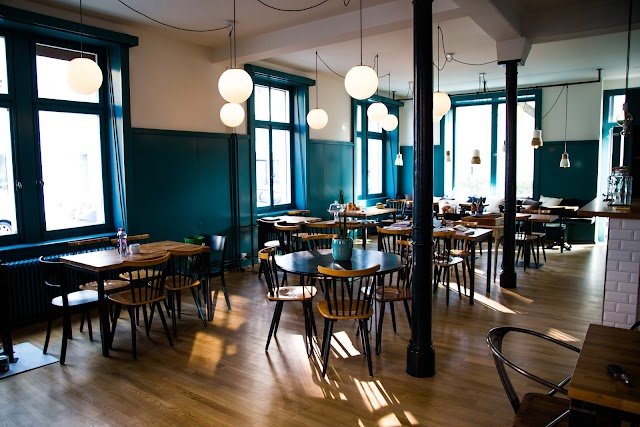
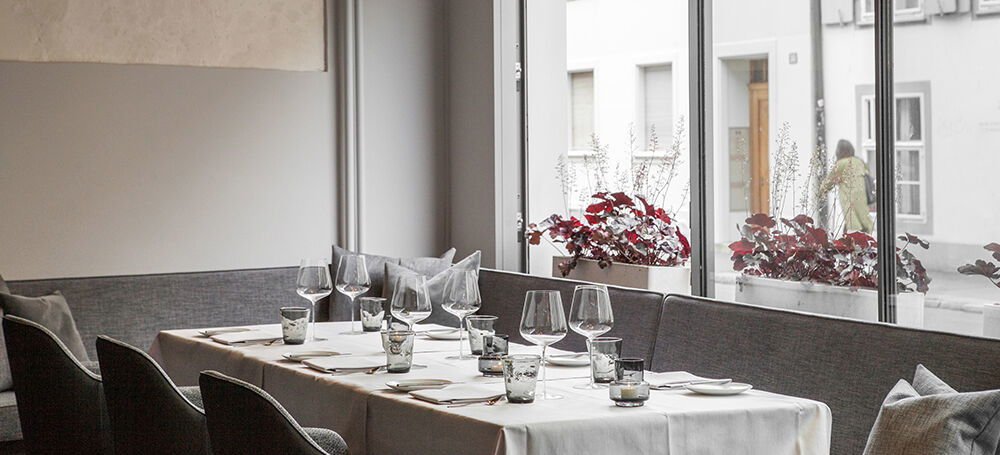
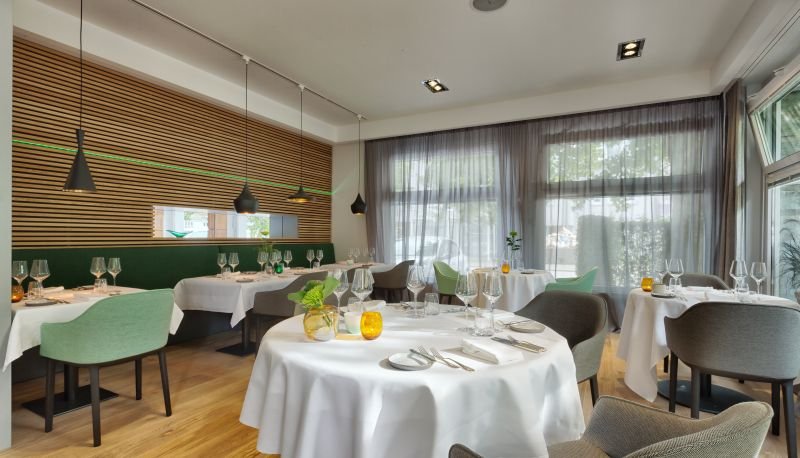
Atmosphere in a starred village inn operates by different rules than in an urban restaurant. There is no architectural drama, no design statement announced by a PR team. What the Sägi offers instead is a register of comfort that takes years to accumulate: wooden panelling that has absorbed decades of good meals, ceiling beams that predate the Michelin guide by several generations, pictures and floral decorations that belong to the owner's taste rather than a hired stylist's brief. The front-of-house team is described as attentive and willing to engage on wine — a relevant detail in a room where the wine list presumably draws from the neighbouring French and Swiss regions.
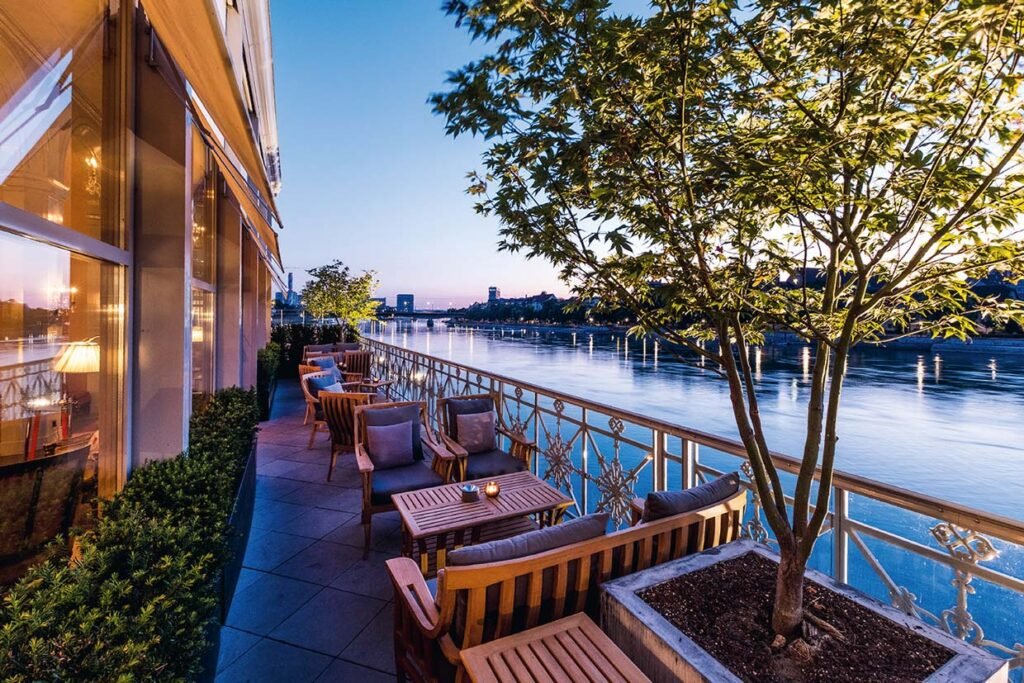
In summer, the terrace shifts the atmosphere again. Vines and a chestnut tree frame an outdoor space that in this part of Switzerland, close to the warmth of the Rhine plain, is usable from late spring through early autumn. A terrace lunch here, in the middle of the week, is a different meal from a Friday evening in the dining room , the kitchen open from midday on Tuesday through Friday, with dinner service beginning at 6:30 PM on those same days, and Saturday evenings running until 11:30 PM. The restaurant is closed Sunday and Monday. Booking ahead is advisable for any table here, and dinner on a Saturday, the week's longest service, warrants reserving early.
Where the Sägi Sits in the Swiss Fine-Dining Map
Switzerland's Michelin-starred count runs above 100 tables in most recent guides, making it one of the densest concentrations of starred cooking in Europe relative to population. The majority of those tables cluster in Zurich, Geneva, Basel, and the resort towns of the Graubünden and Valais. The borderland between Basel and Alsace is less represented, which gives the Sägi a regional significance that its single star alone does not fully communicate.
Within the broader Swiss classical French category, the comparison points are instructive. Cheval Blanc by Peter Knogl in Basel operates at three stars in an urban hotel context , a different scale and formality. Hotel de Ville Crissier in Crissier anchors the Vaud end of classical French tradition. The Sägi occupies neither the metropolitan nor the resort-town position; it functions instead as the kind of address that sustains a serious kitchen in a community setting over a long arc of time. That longevity has its own credibility.
For those following classic French cooking beyond Switzerland, the tradition finds expression at different latitudes: Waterside Inn in Bray and d'Eugénie à Emilie in Baudour both represent the style at its most sustained in northwestern Europe. The Sägi belongs in that conversation, scaled to its village context and its specific piece of borderland geography.
Other starred Swiss tables worth knowing include Memories in Bad Ragaz, 7132 Silver in Vals, Colonnade in Lucerne, Da Vittorio in St. Moritz, Einstein Gourmet in Sankt Gallen, and L'Atelier Robuchon in Geneva , each occupying a distinct position in the country's fine-dining spread.
Planning a Visit
Flüh is a small settlement within the municipality of Hofstetten-Flüh, south of Basel in the canton of Solothurn. The address at Steinrain 5 is reachable by car from Basel in roughly 30 minutes; the village is also served by regional public transport connections from the Basel S-Bahn network, making it accessible without a hire car for those based in the city. The price tier is €€€€, appropriate for a Michelin-starred kitchen. Lunch service Tuesday through Friday opens at noon and runs to 3 PM; dinner runs from 6:30 PM to 11 PM on those days. Saturday is dinner only, closing at 11:30 PM.
For those planning a wider stay in the region, our full Flüh hotels guide covers accommodation options. The wider area around the restaurant is detailed in our full Flüh restaurants guide, and for drinks and wine beyond the meal, our Flüh bars guide, Flüh wineries guide, and Flüh experiences guide provide further context for building a visit around the area.
Fast Comparison
These are the closest comparables we have in our database for quick context.
| Venue | Cuisine | Price | Awards | Notes |
|---|---|---|---|---|
| Wirtshaus Zur Säge | Classic French | €€€€ | Michelin 1 Star | This venue |
| Schloss Schauenstein | Modern European, Creative | €€€€ | Michelin 3 Star | Modern European, Creative, €€€€ |
| Memories | Modern Swiss | €€€€ | Michelin 3 Star | Modern Swiss, €€€€ |
| focus ATELIER | Modern Swiss, Creative | €€€€ | Michelin 2 Star | Modern Swiss, Creative, €€€€ |
| IGNIV Zürich by Andreas Caminada | Sharing | €€€€ | Michelin 2 Star | Sharing, €€€€ |
| La Table du Lausanne Palace | Modern French | €€€€ | Michelin 2 Star | Modern French, €€€€ |
At a Glance
- Cozy
- Rustic
- Elegant
- Intimate
- Date Night
- Special Occasion
- Terrace
- Extensive Wine List
- Vineyard
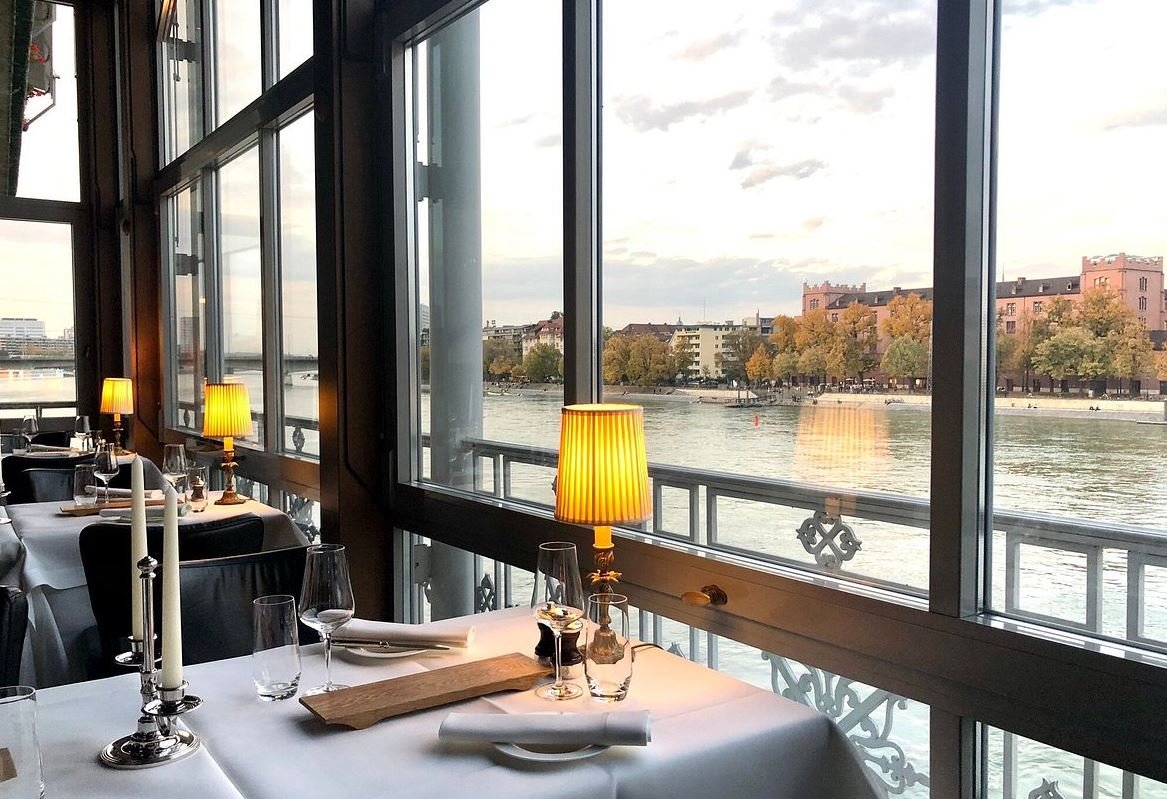
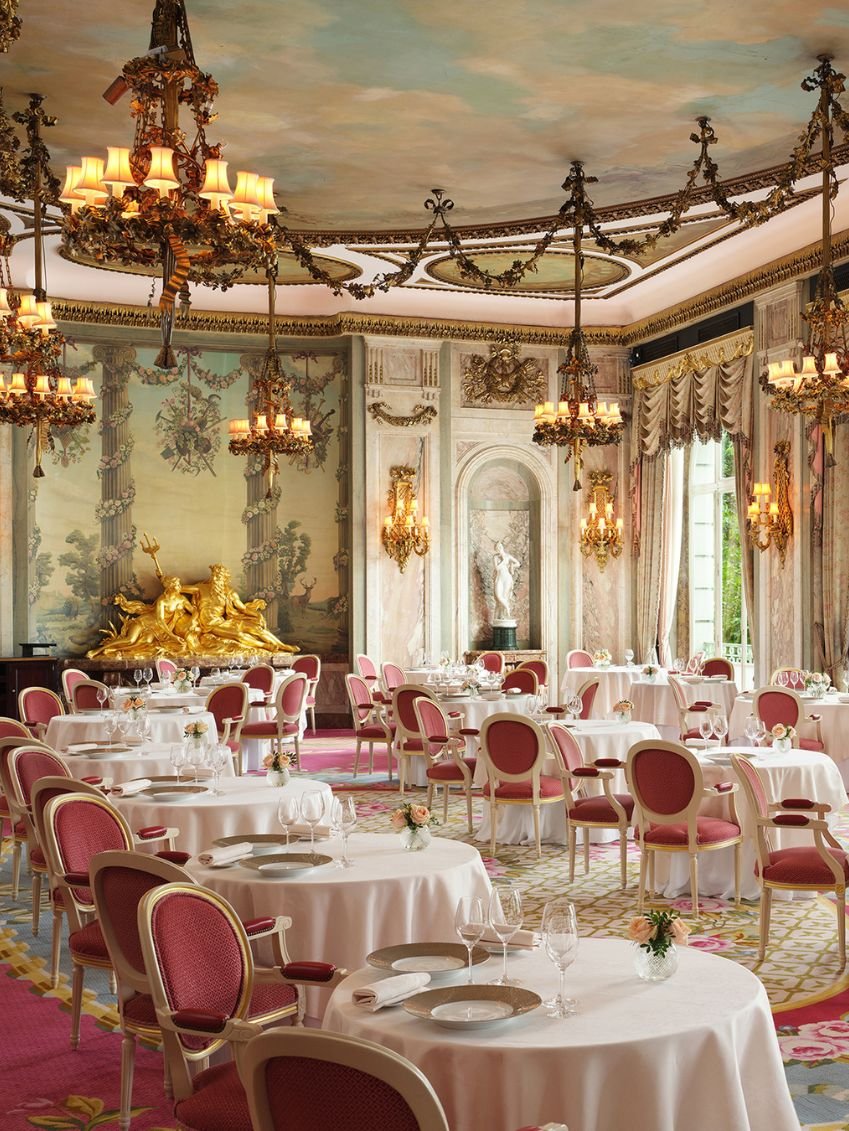
Cosy, rustic and elegant interior with wooden panelling, old ceiling beams, pictures, and floral decorations, creating a welcoming living room-like atmosphere.