
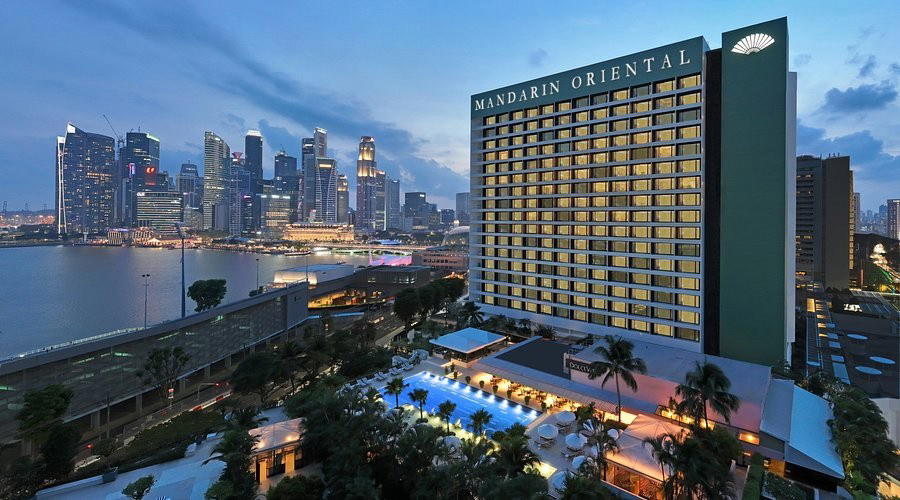
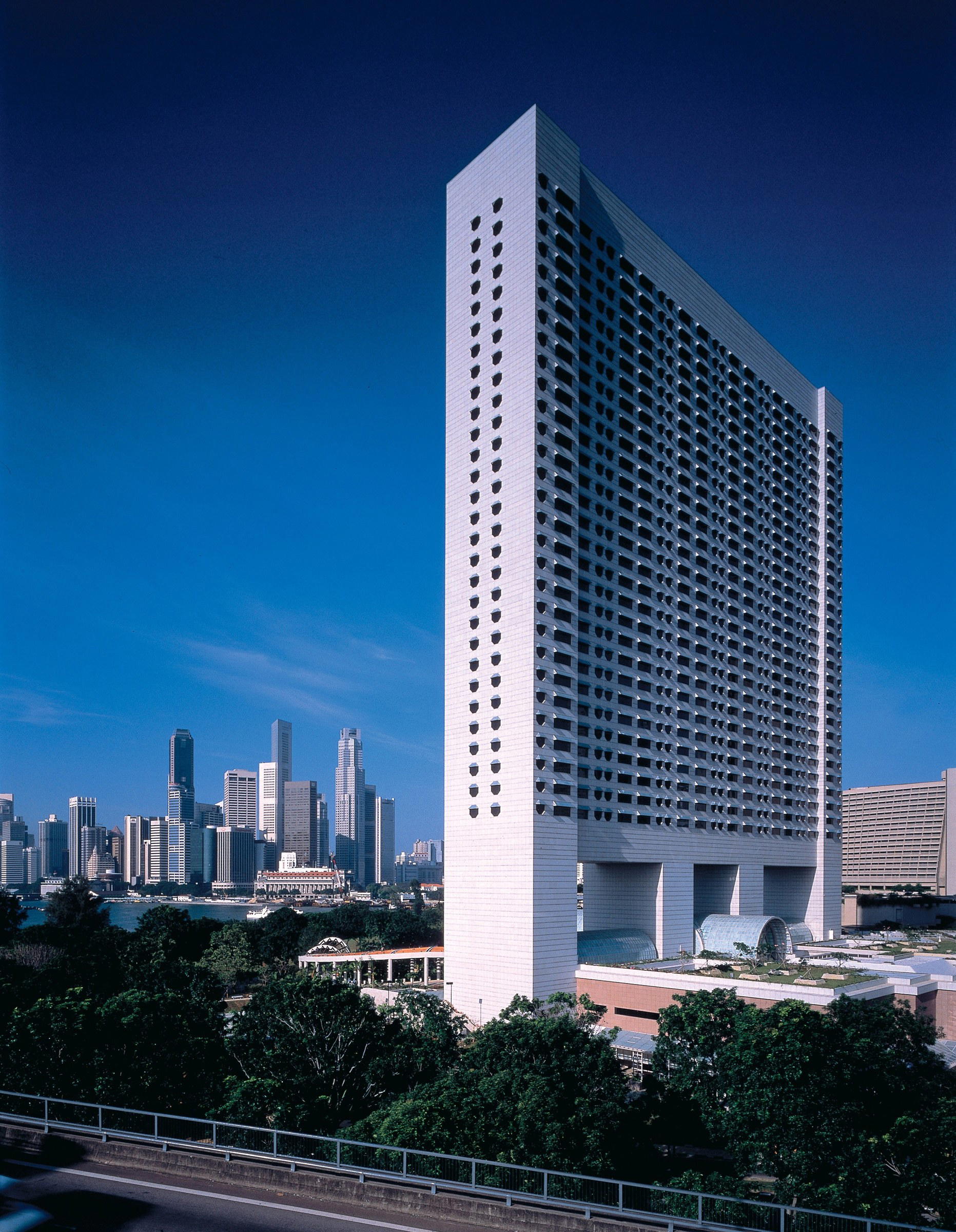
Cherry Garden occupies the fifth floor of a Raffles Avenue address in Singapore's Downtown Core, positioning it among the district's established Chinese dining rooms. The restaurant draws on Cantonese and broader Chinese culinary traditions at a location that places Marina Bay's waterfront within immediate reach. Advance reservations are advised, particularly for weekend dim sum service.
- Address
- 5 Raffles Ave., Floor 5, Singapore 039797
- Phone
- +6568853500
- Website
- mandarinoriental.com
- Directions
- Get directions
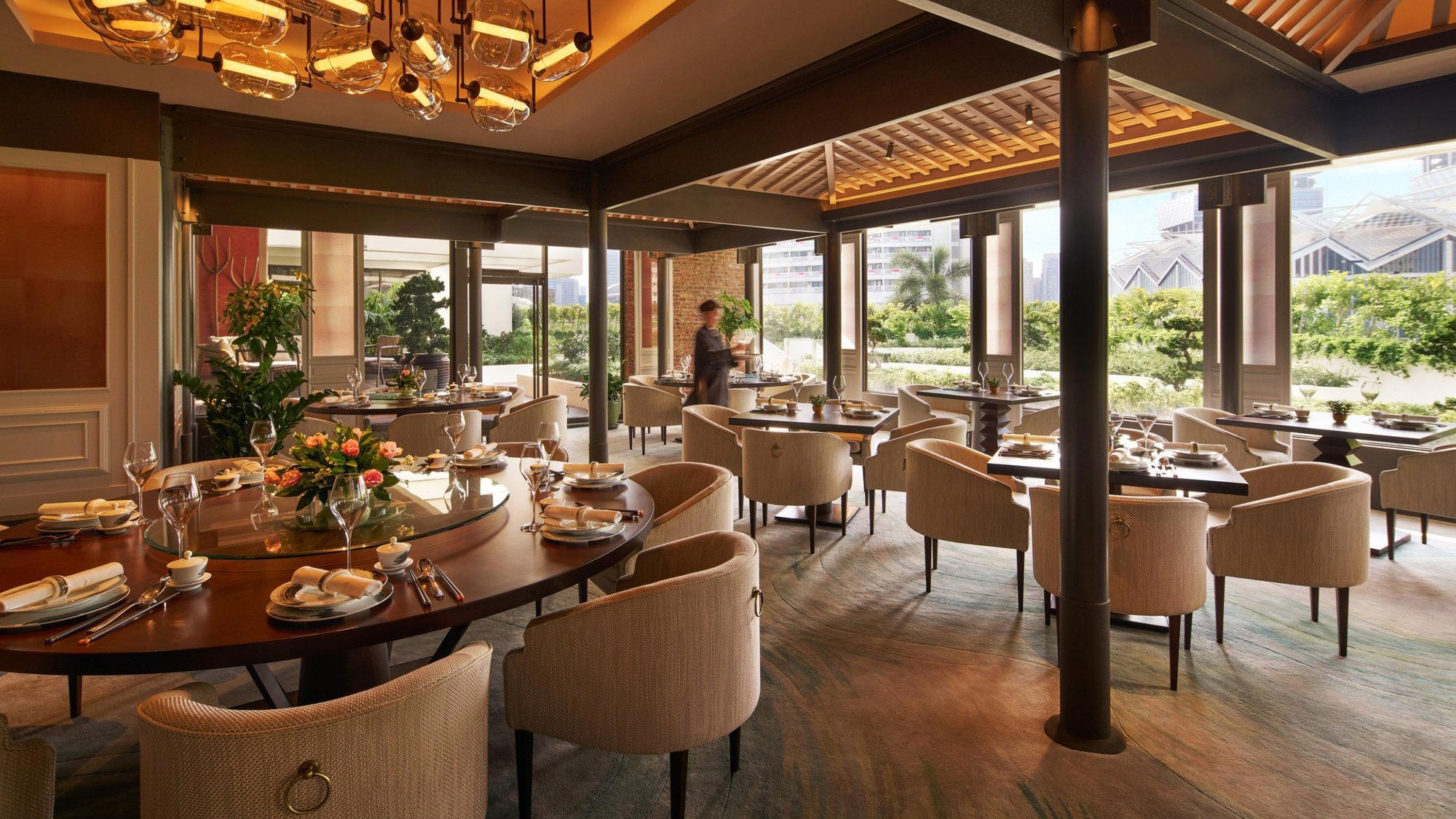
Where Cantonese Tradition Meets the Marina Bay Waterfront
Cherry Garden is a Modern Cantonese restaurant in Singapore at 5 Raffles Ave. Singapore's Downtown Core has long functioned as the city-state's most concentrated zone for formal Chinese dining. The district's hotel dining rooms and standalone restaurants occupy a tier where classical Cantonese technique, premium ingredients, and service formality converge in ways that are difficult to replicate at lower price points. Cherry Garden, on the fifth floor of 5 Raffles Avenue, sits inside that tradition. From this address, the kitchen operates with Marina Bay at its periphery, a setting that, in Singapore's dining geography, signals a specific kind of seriousness: the sort of room where roast meats are carved tableside, where dim sum is made to order rather than wheeled from a trolley, and where the tea programme is treated as a course in itself.
The broader context matters here. Cantonese cuisine, the dominant register of formal Chinese cooking across much of Southeast Asia, rewards slow attention. Its vocabulary includes roasting technique, stock depth, the precise timing of steamed dishes, and a sauce philosophy that relies on reduction rather than addition. Singapore's leading Chinese dining rooms have preserved this vocabulary even as the city's food scene has diversified sharply toward European and Japanese formats. The Downtown Core, in particular, remains the district where that Cantonese formality is most legible: the tablecloths, the private dining rooms, the wine lists that run alongside Shaoxing and tea selections.
The Cantonese Dining Tradition in Singapore's Premium Tier
To understand where Cherry Garden sits in Singapore's dining ecosystem, it helps to trace how Cantonese restaurant culture arrived and evolved here. The Cantonese diaspora shaped hawker culture and formal dining simultaneously, bequeathing the city char siu roasting traditions, clay pot rice, and the dim sum canon. Over decades, the formal end of that tradition migrated into hotel dining rooms, where consistency, ingredient sourcing, and kitchen infrastructure could be sustained at scale. The result is a category of restaurant that operates differently from both the hawker stall and the contemporary tasting-menu format: it is built around sharing, around a long menu read in sequence, and around the social architecture of the Chinese family table.
That architecture has its own grammar. The lazy Susan, the ordering of cold dishes before hot, the particular honour attached to ordering whole fish or whole poultry, these are not decorative flourishes but functional elements of a dining system developed over centuries. Singapore's premium Cantonese rooms, Cherry Garden among them, are among the few places in the city where that grammar is followed in full. Comparison venues in the Downtown Core that occupy adjacent territory include Golden Peony and Imperial Treasure Fine Chinese Cuisine, both of which operate in the same formal Chinese register. Each addresses the tradition from a slightly different angle; Cherry Garden's fifth-floor waterfront position gives it a spatial distinctiveness within that peer group.
Dim Sum as a Serious Programme
Across Asia's premium Chinese dining rooms, dim sum has undergone a quiet re-evaluation over the past decade. What was once treated as a casual morning ritual, the yum cha session, the shared pot of tea, the trolley, has been reconsidered in upmarket contexts as a kitchen showcase. The logic is direct: dim sum requires more technique per item than almost any other Chinese cooking format. A properly pleated har gow demands a specific flour blend, a timed steam, and a wrapper thin enough to show the prawn through the skin. A well-made cheung fun requires temperature control across a thin, eggy sheet. These are not dishes that tolerate inattention.
At Singapore's upper-tier Chinese rooms, dim sum service is now frequently offered as a formal lunch programme, with items made to order and presented with the same sequencing logic as a dinner menu. This shift places the dim sum kitchen in the same evaluative frame as the main kitchen, a significant change from the trolley era. For visitors timing a visit to Cherry Garden, weekend dim sum service draws consistent demand, and advance booking is the practical default rather than the exception.
The Raffles Avenue Address in Context
Singapore's dining geography rewards some attention. The Raffles Avenue address places Cherry Garden in the Marina Bay precinct, a zone that draws both hotel guests and destination diners rather than neighbourhood regulars. This has implications for how the restaurant functions: the pace is more deliberate, the room quieter at lunch than in the shophouse districts, and the service model calibrated for guests who may be marking an occasion rather than grabbing a meal between appointments. The contrast with the city's hawker belt, places like Ah Ter Teochew Fishball Noodles, which anchors a completely different register of Downtown Core eating, is instructive. Singapore's food culture holds both simultaneously, and the distance between them is part of what makes the city's dining scene function as a coherent whole rather than a hierarchy with a single peak.
For a different kind of Downtown Core break, TWG TEA and Nutmeg & Clove offer complementary experiences, the former for a post-meal tea service, the latter for a historically rooted Singaporean food narrative.
Internationally, the formal Chinese dining room occupies a specific and underappreciated place in the global restaurant conversation. While tasting-menu formats at places like Le Bernardin in New York City or collaborative dining experiences such as Lazy Bear in San Francisco generate most of the critical attention in Western food media, the technical demands of a properly executed Cantonese menu are no less rigorous, only less legible to critics trained in European frameworks. Singapore is one of the few cities where that legibility problem is partially solved.
Elsewhere in Singapore's broader dining geography, the Chinese tradition surfaces in different registers. Asian Twist by 365 Food in Queenstown and Du Du Shou Shi in Jurong West represent how Chinese culinary traditions translate into neighbourhood formats well beyond the hotel dining room. The formal Cantonese room at the premium end of the Downtown Core represents the other pole of that same tradition.
Planning a Visit
Cherry Garden is located on the fifth floor of 5 Raffles Avenue, Singapore 039797. The Marina Bay area is well-served by public transport, with Promenade MRT station providing access from most parts of the city. Given the consistent demand for weekend dim sum, contacting the restaurant in advance is the practical approach regardless of party size. For larger groups or private dining occasions, the Downtown Core hotel dining format typically accommodates round-table configurations; confirming requirements at the time of booking avoids complications on arrival. Smart casual attire aligns with the room's register.
Those building a longer dining itinerary in the area might consider Les Amis for a contrasting perspective on Singapore's premium dining scene, or Béni in Orchard for French-Japanese technique at the upper tier. The full range of the city's restaurant culture, from Cicheti in Rochor to Etna Restaurant in Outram and Little Italy in Marine Parade, demonstrates how far Singapore's dining geography extends beyond any single district or register.
Price and Recognition
Comparable venues nearby, for context on price, style, and recognition.
| Venue | Cuisine | Price | Notes |
|---|---|---|---|
| Cherry GardenThis venue — the venue you are viewing | Marina Centre, Modern Cantonese | $$$$ | Not listed |
| TWG TEA | Downtown Core, Luxury Tea Salon | $$$ | Not listed |
| Golden Peony | Downtown Core, Modern Cantonese | $$$$ | Not listed |
| Nutmeg & Clove | Not listed | $$ | Bugis, Modern Singapore Cuisine with Progressive Cocktails |
| Imperial Treasure Fine Chinese Cuisine | Not listed | $$$$ | Downtown Core, Fine Cantonese Chinese Cuisine |
| Wine Universe Singapore | Not listed | $$$ | Downtown Core, Contemporary Swiss Gastrobar |
Recognition history
Dated appearances from independent guides and award organizations, with the underlying list record or original source where available.
Michelin Plate
Michelin
Michelin Guide 1 Star
Michelin Guide
Continue exploring
More in Singapore
Restaurants in Singapore
Browse all →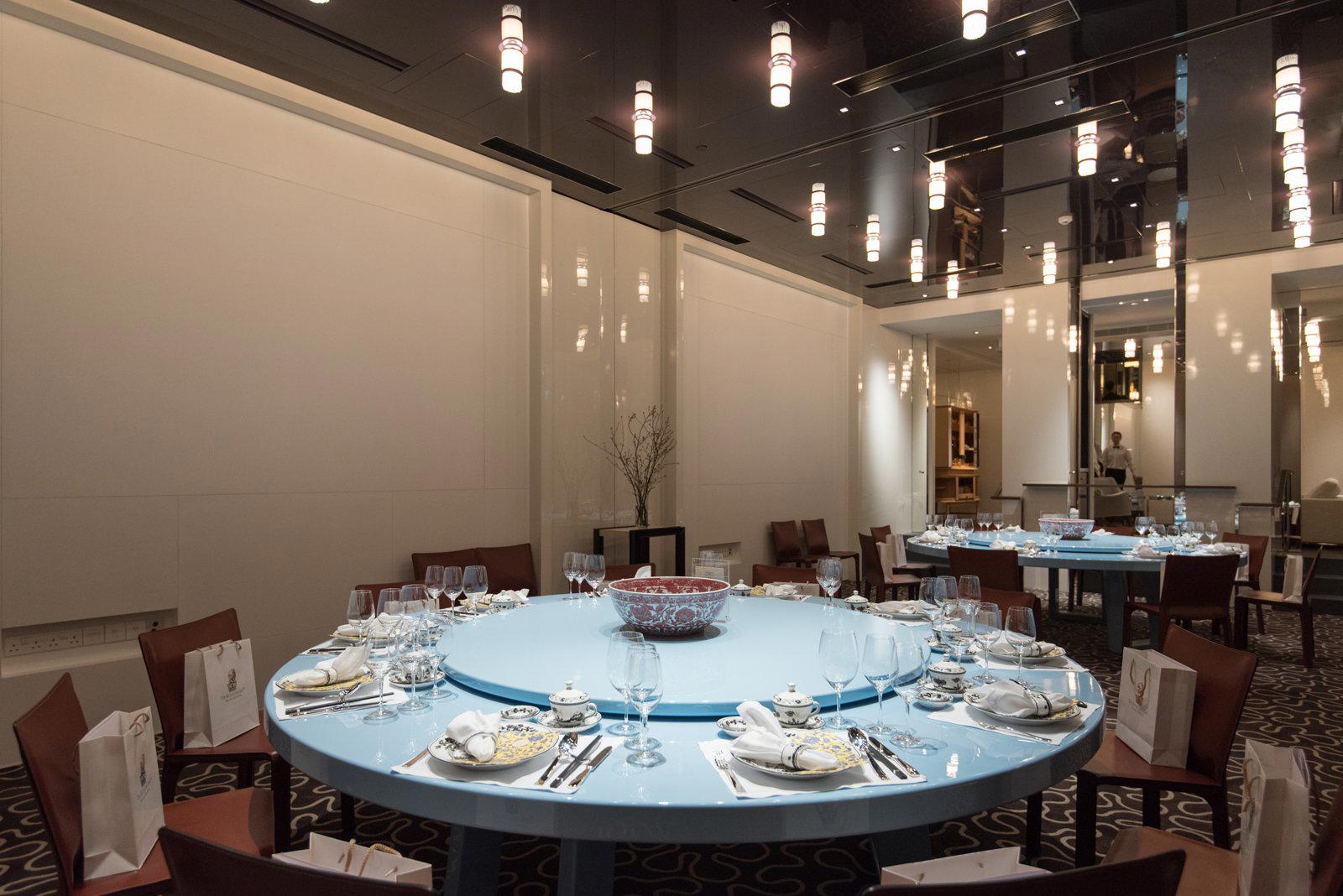
Bars in Singapore
Browse all →
At a Glance
- Elegant
- Sophisticated
- Classic
- Business Dinner
- Special Occasion
- Celebration
- Private Dining
- Hotel Restaurant
- Extensive Wine List
Current opening hours
- Monday
- 12–2:30 PM, 6–10 PM
- Tuesday
- 12–2:30 PM, 6–10 PM
- Wednesday
- 12–2:30 PM, 6–10 PM
- Thursday
- 12–2:30 PM, 6–10 PM
- Friday
- 12–2:30 PM, 6–10 PM
- Saturday
- 12–2:30 PM, 6–10 PM
- Sunday
- 12–2:30 PM, 6–10 PM
Hours can change for holidays and private events. Last verified .
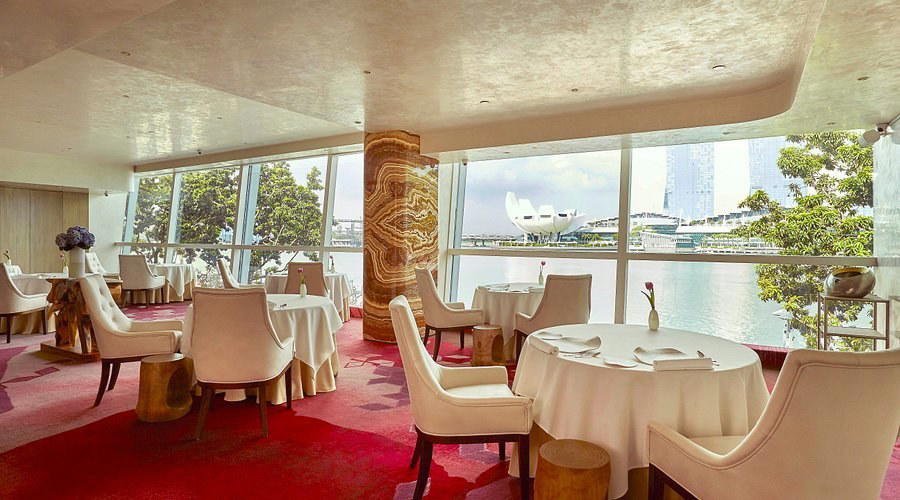
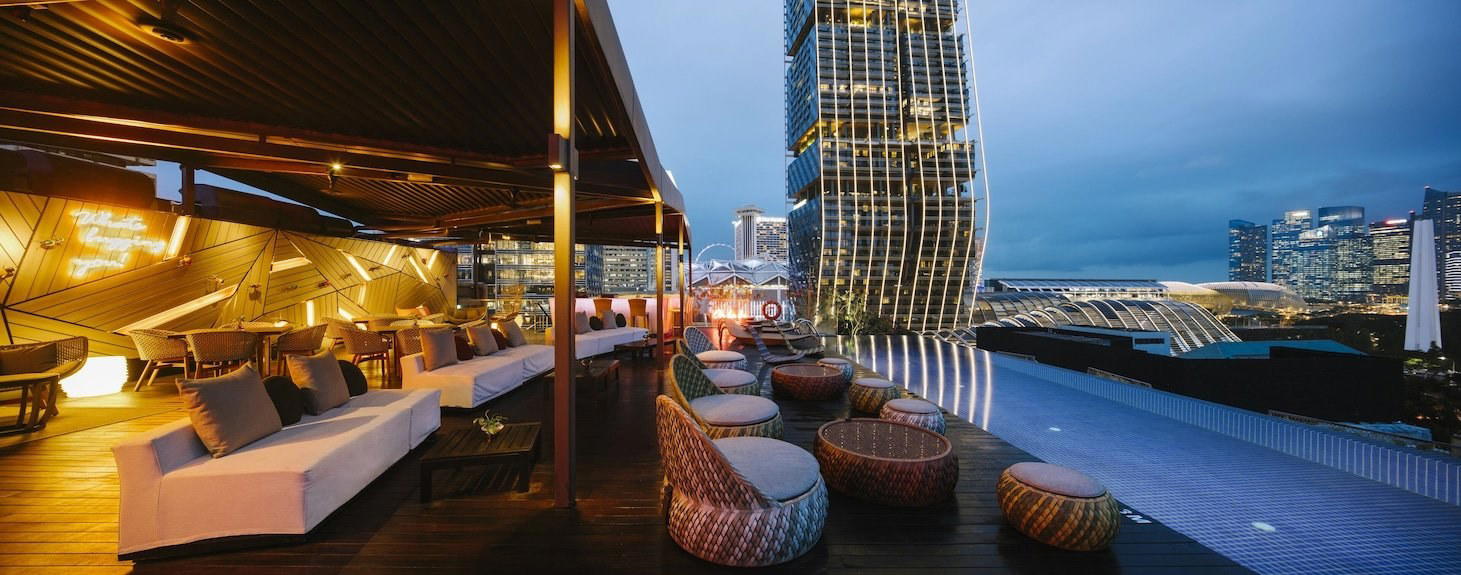
Awash in natural daylight by day and soft ambient lighting at night, with old-world stone walls and wooden trellises evoking classic elegance and Chinese architectural heritage.