
Michelin Bib Gourmand
Our verdict
A family operation since the 1970s on Rua da Felicidade, Cheong Kei holds a 2025 Michelin Bib Gourmand for bamboo-pole noodles pressed in its own nearby factory. The soup base cooks for eight hours with dried prawns and dried plaice. Order the noodles with dried shrimp roe, and don't leave without trying the dace balls with fermented clam sauce.

Pearl is the En Primeur Club membership app, where members save venues, book tables and use the concierge.
The menu
What to order
- Shrimp roe noodles
- Wonton noodles
- Fried wontons
- Dace balls
Rua da Felicidade and the Noodle Shops That Refuse to Move
Walk down Rua da Felicidade on any weekday morning and the Macau that exists beneath the casino resort layer becomes briefly visible. The street, once the city's red-light district and now a protected heritage corridor, holds a cluster of low-margin, high-craft operations that have been feeding residents rather than tourists for decades. Cheong Kei sits at ground level on this stretch, its shopfront unadorned, its queue composed largely of people who already know what they're ordering. This is where the city eats when it isn't performing for visitors.
The wider context matters here. Macau's dining scene spans extraordinary register, from Robuchon au Dôme and Alain Ducasse at Morpheus at the trophy end to the Cantonese heritage operators that predate the casino boom entirely. Cheong Kei belongs to neither the luxury tier nor the trendy bistro set. It operates in a bracket defined by craft repetition, deep local loyalty, and a production model that hasn't changed because changing it would compromise the product. The Michelin Bib Gourmand, awarded for 2025, recognises exactly this kind of operation: technically accomplished, price-honest, uninterested in spectacle.
The Production Logic Behind the Bowl
What distinguishes Cheong Kei from a typical noodle shop is a manufacturing detail that most diners never see. The noodles are pressed by bamboo pole, a traditional Cantonese technique in which a bamboo staff is used to compress and aerate the dough, producing a texture that machine-rolling cannot replicate, in a factory the family operates nearby. The shop and the production facility are not separate entities; the noodles that arrive in your bowl are made specifically for this kitchen, to the same specification the family has maintained since the 1970s.
That continuity is what Michelin inspectors are signalling when they award a Bib Gourmand to a $-price-range operation. The distinction isn't about nostalgia or heritage branding. It's about a supply chain that remains vertically integrated precisely because outsourcing would introduce variables the kitchen can't control. Across China, the noodle shop category has bifurcated sharply between small producers maintaining craft methods and mass-market chains using industrial noodles at scale. Cheong Kei sits firmly in the former group, alongside Bib Gourmand-level noodle operations in other cities, including A Bing Bao Shan Mian in Hangzhou and A Kun Mian in Taichung, where the making of the noodle is treated as seriously as the cooking of the broth.
Eight Hours in the Pot
The broth is the other technical anchor. Cheong Kei's soup base is built from dried prawns and dried plaice, cooked for eight hours. This isn't a shortcut formula. Dried seafood-based broths are common in Cantonese cooking precisely because they produce a depth of umami that fresh ingredients, cooked quickly, cannot achieve. The drying process concentrates glutamates; the long cook extracts them into the liquid. The result is a soup that reads as simultaneously clean and dense, without the cloudiness of bone-heavy ramen stocks or the sweetness of short-boiled shellfish broths.
It's a technique with deep roots in southern Chinese cooking, and one that Macanese noodle culture has preserved more consistently than many mainland cities, where culinary homogenisation has flattened regional distinctions. For a sense of how seriously Macau takes its Cantonese heritage at every price point, the contrast with high-end practitioners like Jade Dragon and Chef Tam's Seasons is instructive: different registers, same underlying respect for the tradition.
What to Order and Why
The noodles with dried shrimp roe are the benchmark order. The roe adds a briny, slightly fermented note that the broth alone doesn't carry, and the bamboo-pressed noodles hold the topping differently from machine-rolled alternatives, there's more surface texture for the roe to adhere to. It's a combination that makes sense technically, not just traditionally.
The wontons deserve attention too. Cantonese wontons at this level are assessed on wrapper thinness and filling ratio, both of which require consistent handwork. The dace balls, available deep-fried or blanched, represent a different product category: pressed fish cake, which in this context comes with fermented clam sauce as accompaniment. The fermented clam sauce is the detail that separates this kitchen from operations working from a simpler condiment list. Fermentation takes time and produces an acidic, savoury counterpoint to the richness of the dace. It's the kind of finishing note that gets quietly eliminated when operations prioritise speed over specificity.
If you're building a broader picture of Chinese regional cooking beyond Macau, the approaches seen here, long-cooked broths, fermented condiments, handmade noodles, connect to traditions visible at Xin Rong Ji in Beijing, Ru Yuan in Hangzhou, and Imperial Treasure Fine Chinese Cuisine in Guangzhou. For Hunanese and Sichuan flavour contrast within Macau itself, Feng Wei Ju operates at a different price tier but is a useful complement to a day that starts here.
Family Operation, Consistent Execution
The editorial angle assigned here is team dynamic, and in the context of a family-run noodle shop, that concept takes a different shape than it does in a brigade-style kitchen. Chef Cheong Keng Lei leads an operation in which production, sourcing, and service are not divided into separate departments. The noodle factory, the soup pot, and the counter are parts of one continuous workflow managed by people whose institutional knowledge isn't documented in recipe cards. This is a meaningful operational distinction from the large-format restaurants in Macau's casino hotels, where consistency is achieved through standardised systems. Here, consistency is achieved through repeated human practice across generations, a family business running since the 1970s by people who learned the techniques from the people before them.
That model is increasingly rare in urban Chinese dining at any price point. High-end practitioners like Dai Yuet Heen in Nanjing and 102 House in Shanghai represent a different form of heritage, curated, restaurant-scaled, capital-intensive. Cheong Kei's version is smaller and less visible, which is partly what makes the Michelin recognition meaningful: it certifies a type of operation the guide is not always set up to assess.
Planning Your Visit
Cheong Kei is located at G/F, 68, 65 Rua da Felicidade, in the Macau peninsula's heritage district, walkable from the Ruins of St. Paul's and a short taxi ride from the Cotai casino strip. The price range sits at the lowest tier on the Macau dining scale, making it a natural morning or midday stop before higher-spend meals elsewhere. Given the Bib Gourmand recognition and the address on a high-footfall heritage street, arrive early or outside peak meal hours to minimise wait time. No booking method is listed; this is a counter-service or walk-in format consistent with the category. For context on where this fits within the city's full dining range, see our full Macau restaurants guide. For accommodation planning, our Macau hotels guide covers the full spread from casino integrated resorts to smaller peninsula properties. Bars, experiences, and winery visits are mapped in our bars guide, experiences guide, and wineries guide respectively. Also worth cross-referencing: Xin Rong Ji in Chengdu for regional Chinese noodle context if Cheong Kei forms part of a broader Greater China itinerary.
Frequently asked questions
What distinctions does Cheong Kei have?
Cheong Kei has received recognition including: Michelin Bib Gourmand (2025); A family business since the '70s, this noodle shop sticks to its roots and its thin, fine noodles are pressed by bamboo pole in its own factory nearby. Their soup is cooked with dried prawns and dried plaice fo….
What do people recommend at Cheong Kei?
The noodles with dried shrimp roe are the standard-bearer order, pairing the shop's bamboo-pressed thin noodles with a briny, fermented note the broth alone doesn't deliver. Wontons and dace balls are equally worth ordering, the dace balls come deep-fried or blanched, and the fermented clam sauce served alongside is the condiment the dish is built around. Cheong Kei's 2025 Michelin Bib Gourmand recognition specifically calls out all three.
What's the pricing like at Cheong Kei?
Pricing at Cheong Kei is listed as $.
What's Cheong Kei's location?
Cheong Kei is located at G/F, 68, 65 R. da Felicidade, Macao, Macau.
Who runs the kitchen at Cheong Kei?
The chef associated with Cheong Kei is Cheong Keng Lei.
How hard is it to get a table at Cheong Kei?
Cheong Kei operates as a small shopfront on Rua da Felicidade at G/F, 68, 65, in Macau's heritage district, so seating is limited and morning hours tend to draw the heaviest foot traffic from both locals and visitors. No advance booking system is documented for this style of operation, arriving early or off-peak is the practical approach. The Bib Gourmand listing in 2025 has raised its profile, so expect queues on weekends.
Standing Among Peers
Comparable options at a glance, pulled from our tracked venues.
| Venue | Cuisine | Price | Awards | Notes |
|---|---|---|---|---|
| Cheong KeiThis venue (the venue you are viewing) | Traditional Cantonese Noodles | $10–20 | Michelin Bib Gourmand | Not listed |
| Aji | Asian Bistronomy (Nikkei Fusion) | $50–100 | 1 Michelin Star · Wine Spectator Best of Award of Excellence | Nikkei, Innovative |
| Ying | Modern Cantonese Fine Dining | Not listed | 1 Michelin Star · La Liste Top Restaurants | Cantonese |
| Five Foot Road | Modern Sichuan Fine Dining | Not listed | 1 Michelin Star · La Liste Top Restaurants | Sichuan |
| Robuchon au Dôme | Contemporary French Fine Dining | $150–200 | 3 Michelin Stars · La Liste Top Restaurants | French Contemporary |
| Feng Wei Ju | Refined Hunan & Sichuan Chinese | Not listed | 2 Michelin Stars · La Liste Top Restaurants | Hunan-Sichuan, Hunanese |
Recognition history
Dated appearances from independent guides and award organizations, with the underlying list record or original source where available.
Michelin Bib Gourmand
Michelin
Full recognition history (3 entries)
Michelin Bib Gourmand
Michelin
Michelin Bib Gourmand
Michelin
Continue exploring
More in Macau
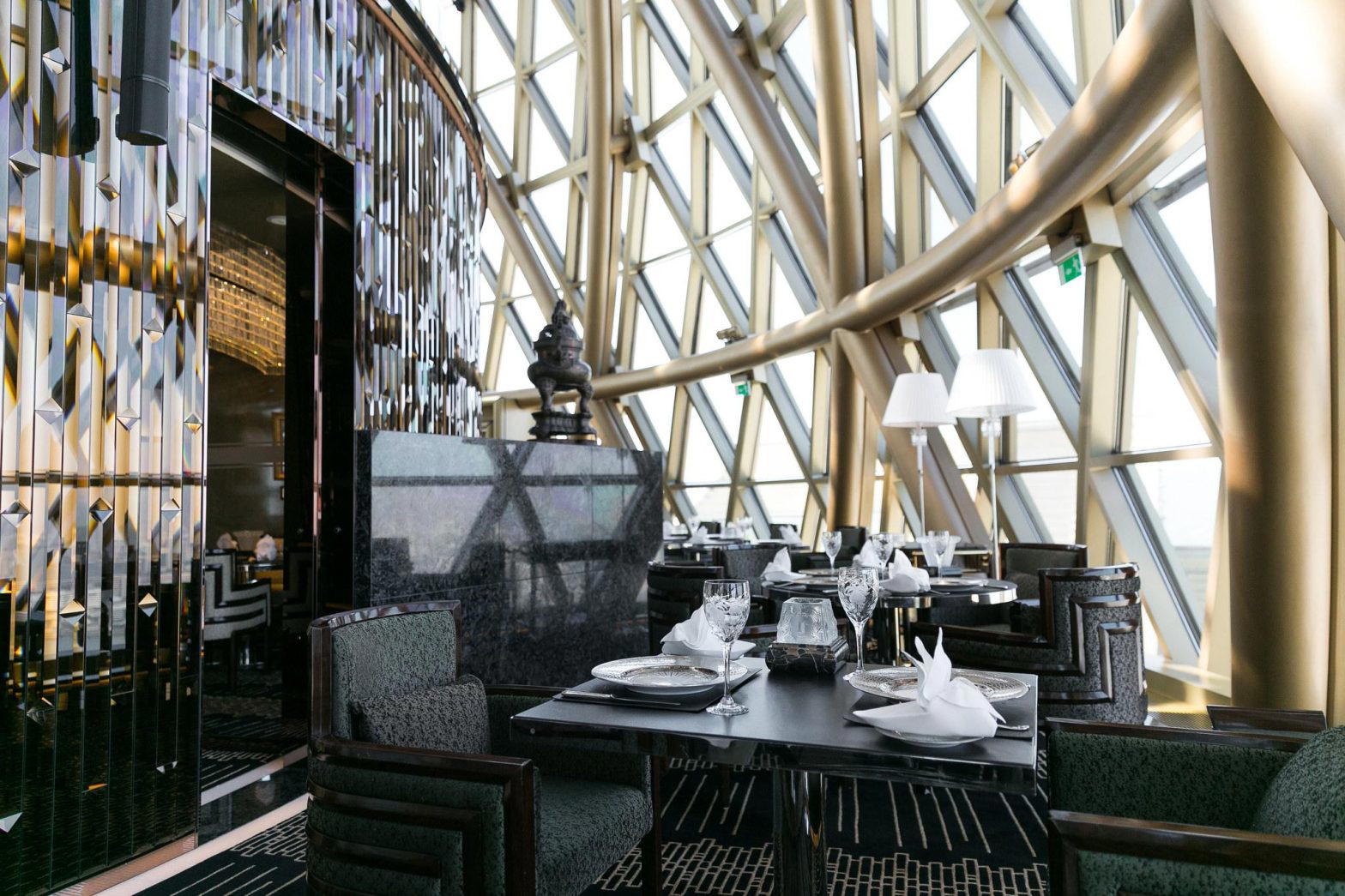
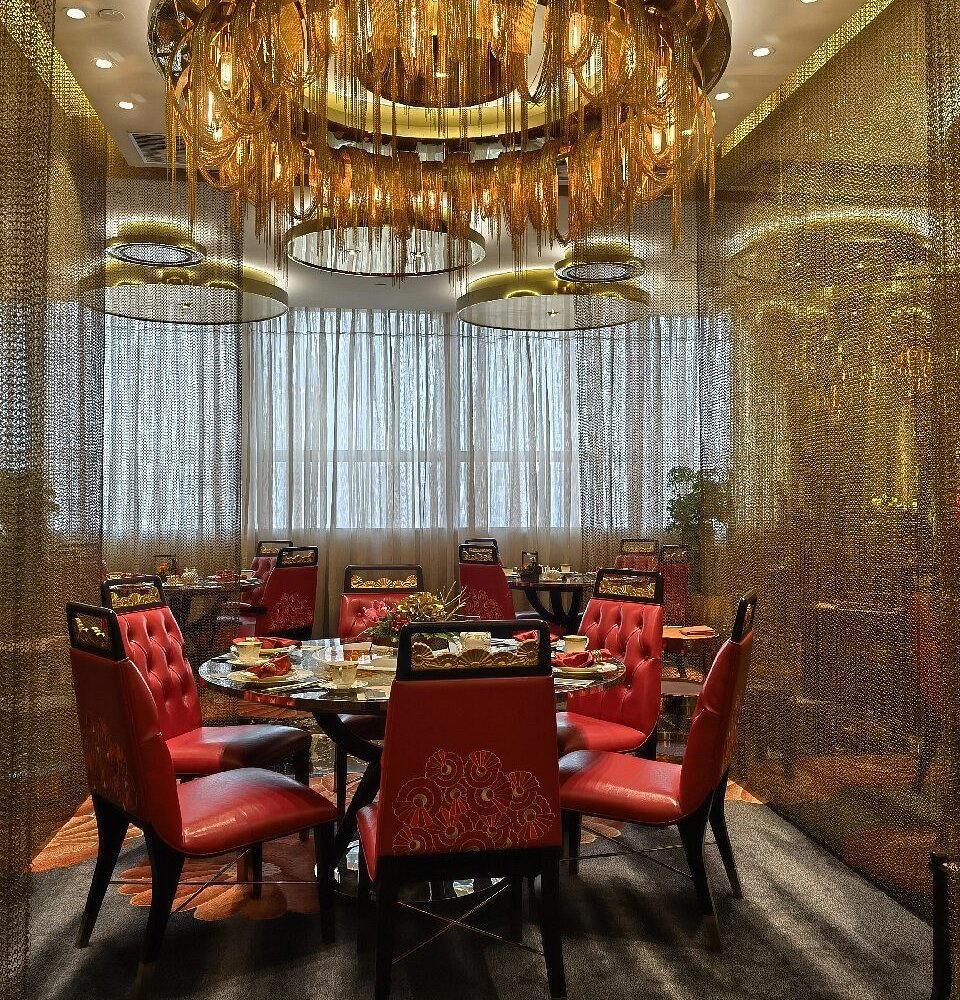
Restaurants in Macau
All restaurants in Macau →
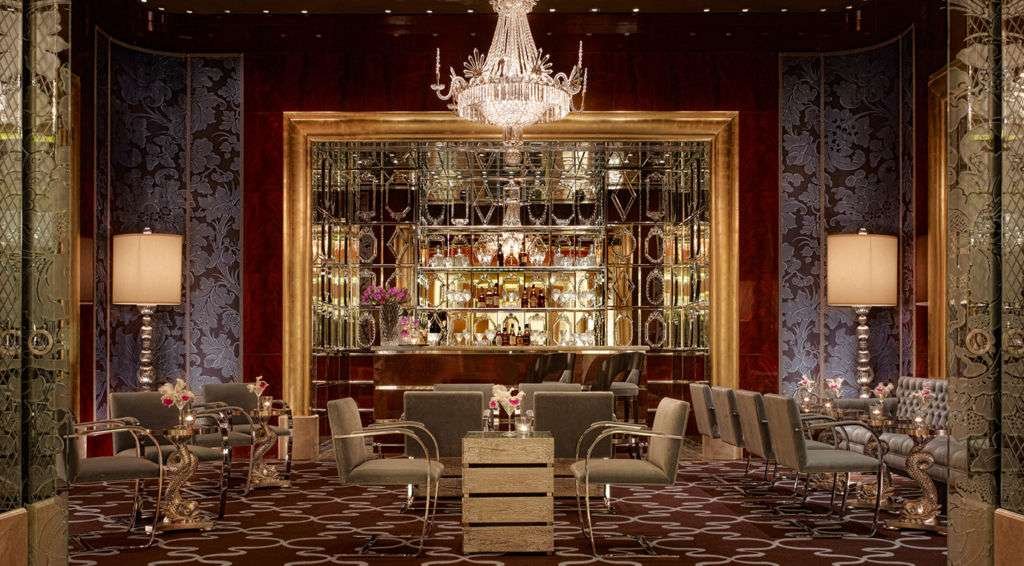
Bars in Macau
All bars in Macau →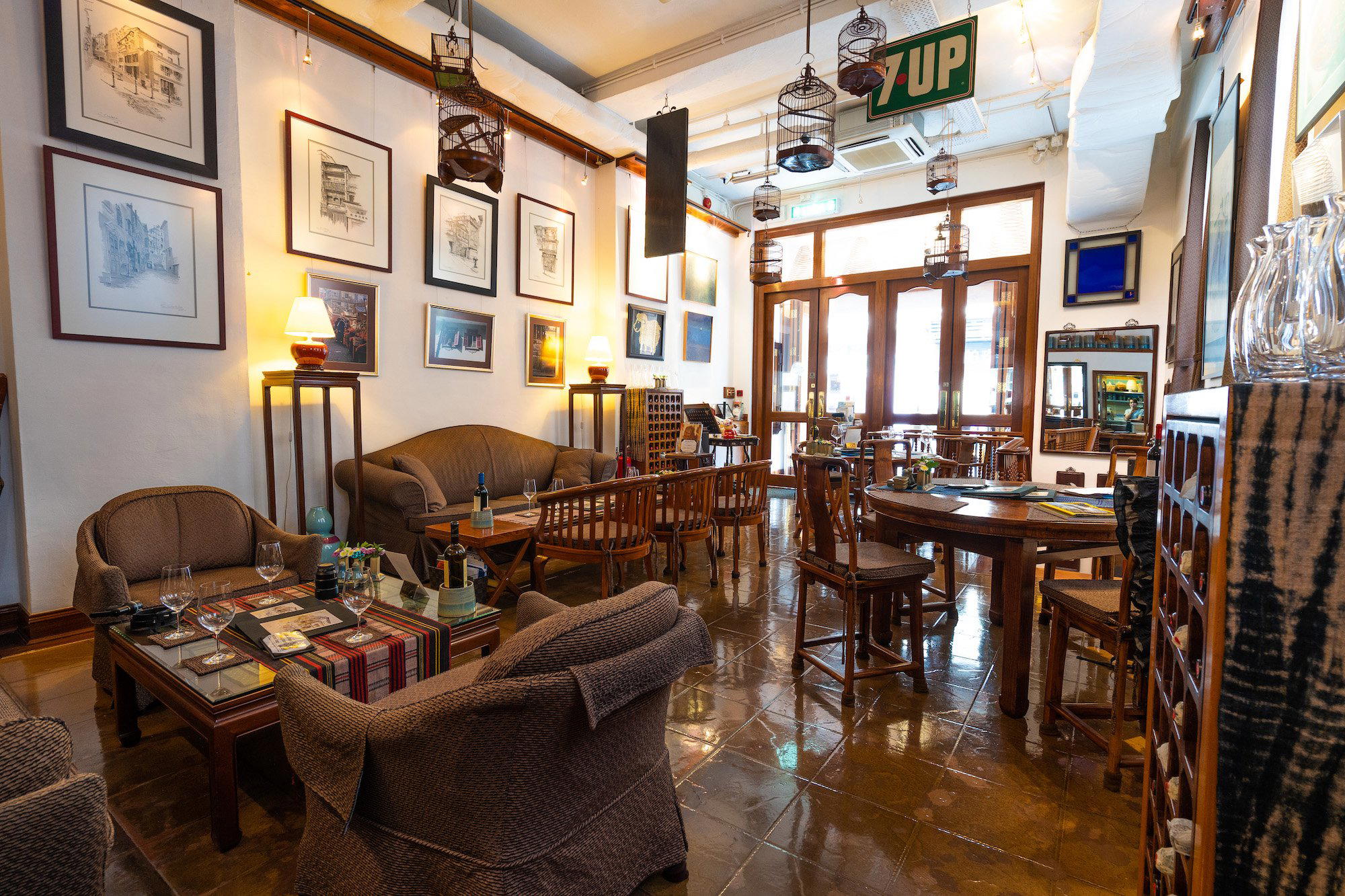

Details
- Classic
- Cozy
- Casual Hangout
- Standalone
- A La Carte
Current opening hours
- Monday
- 11:30 AM–9 PM
- Tuesday
- 11:30 AM–9 PM
- Wednesday
- 11:30 AM–9 PM
- Thursday
- 11:30 AM–9 PM
- Friday
- 11:30 AM–9 PM
- Saturday
- 11:30 AM–9 PM
- Sunday
- 11:30 AM–9 PM
Hours can change for holidays and private events. Hours as of .
Simple, welcoming, and cramped with a bustling local atmosphere filled with press clippings on the walls.