Chemin à la Mer

Wine Spectator Award of Excellence
Our verdict
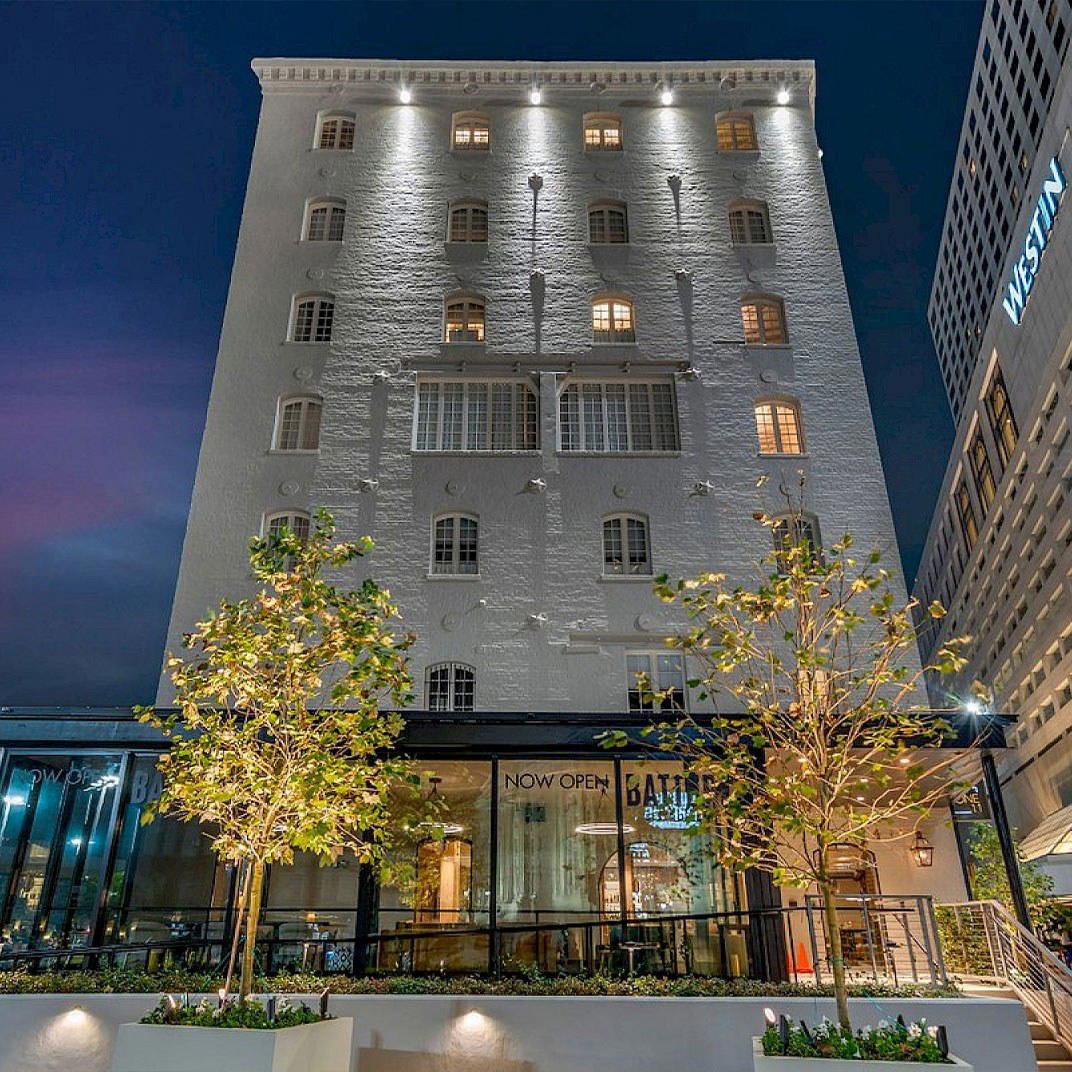
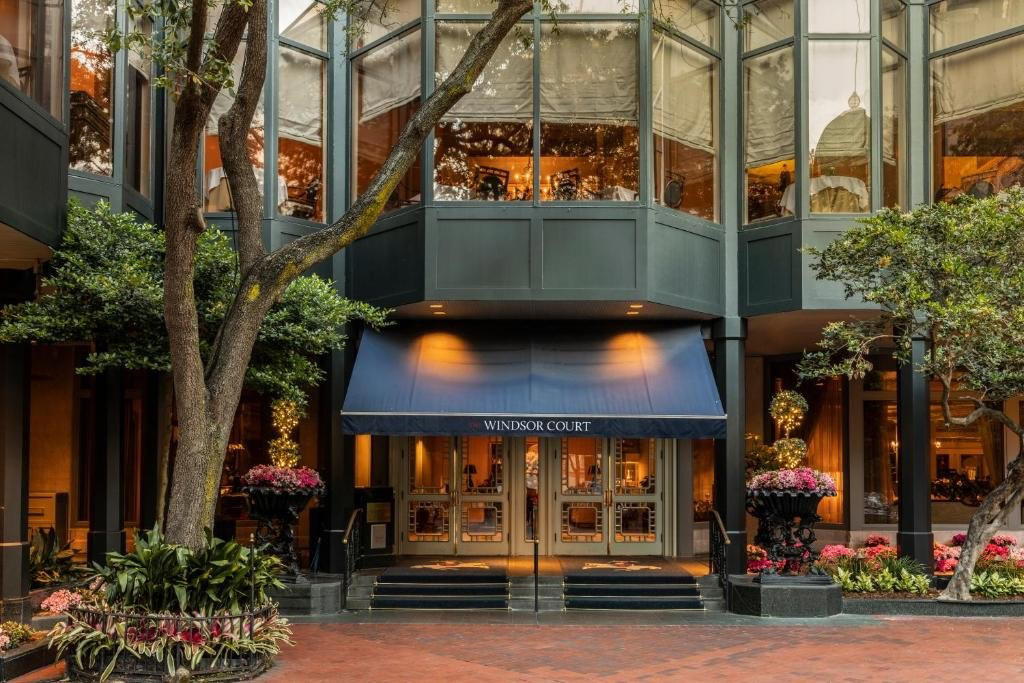
Chemin à la Mer occupies 2 Canal Street in New Orleans, a city where the convergence of French, Creole, and Gulf Coast traditions has produced one of America's most layered dining scenes. Positioned at the edge of the French Quarter and the Central Business District, the restaurant sits where the city's appetite for serious seafood meets its hunger for European culinary rigour.

Pearl is the En Primeur Club membership app, where members save venues, book tables and use the concierge.

The menu
What to order
- A5 Japanese Wagyu Striploin
- Donald's Seafood Gumbo
- West Indies Crab Salad
- Oyster Bar Selection
Where Canal Street Meets the Gulf
Canal Street has always been New Orleans' great dividing line: the neutral ground between the French Quarter's dense, centuries-old hospitality culture and the Central Business District's newer ambitions. Restaurants that occupy this threshold carry an unusual weight. They inherit the expectations of a city that invented its own cuisine and, simultaneously, field a clientele with one eye on what the rest of America's fine-dining circuit is doing. Chemin à la Mer, at 2 Canal Street, sits precisely at that intersection, in a city where the physical address often functions as editorial positioning.
New Orleans' seafood tradition is not a single thing. It runs from the wood-fire whole-animal informality of Bayona's New American register through the Gulf-focused American Regional cooking at places like Pêche Seafood Grill, upward into the Creole formalism of Commander's Palace, and outward into the Cajun register that Emeril's helped codify for a national audience. The name Chemin à la Mer, literally, the road to the sea, reads as a deliberate positioning within that tradition: a commitment to the Gulf as source material, and to French culinary grammar as the interpretive frame.
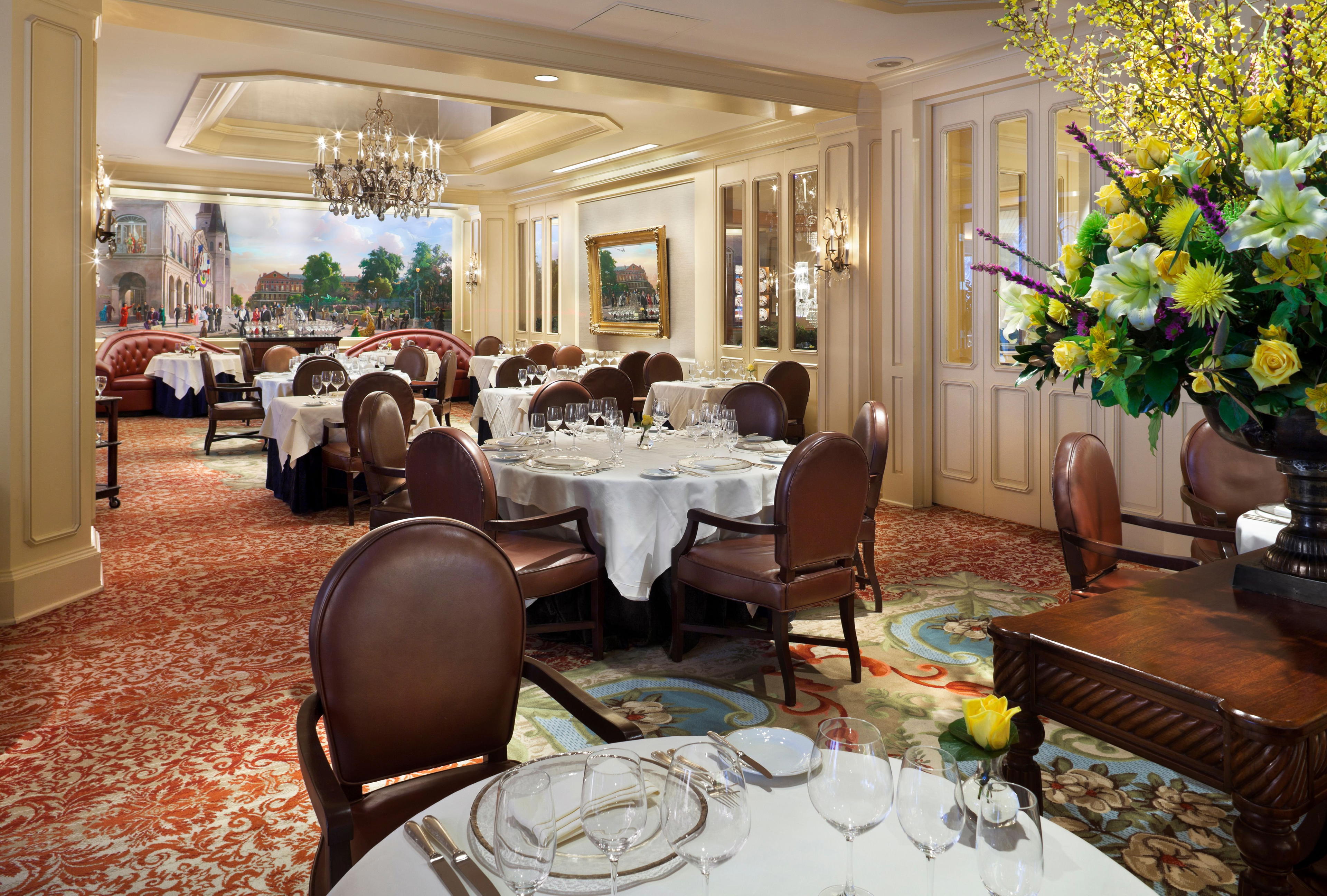
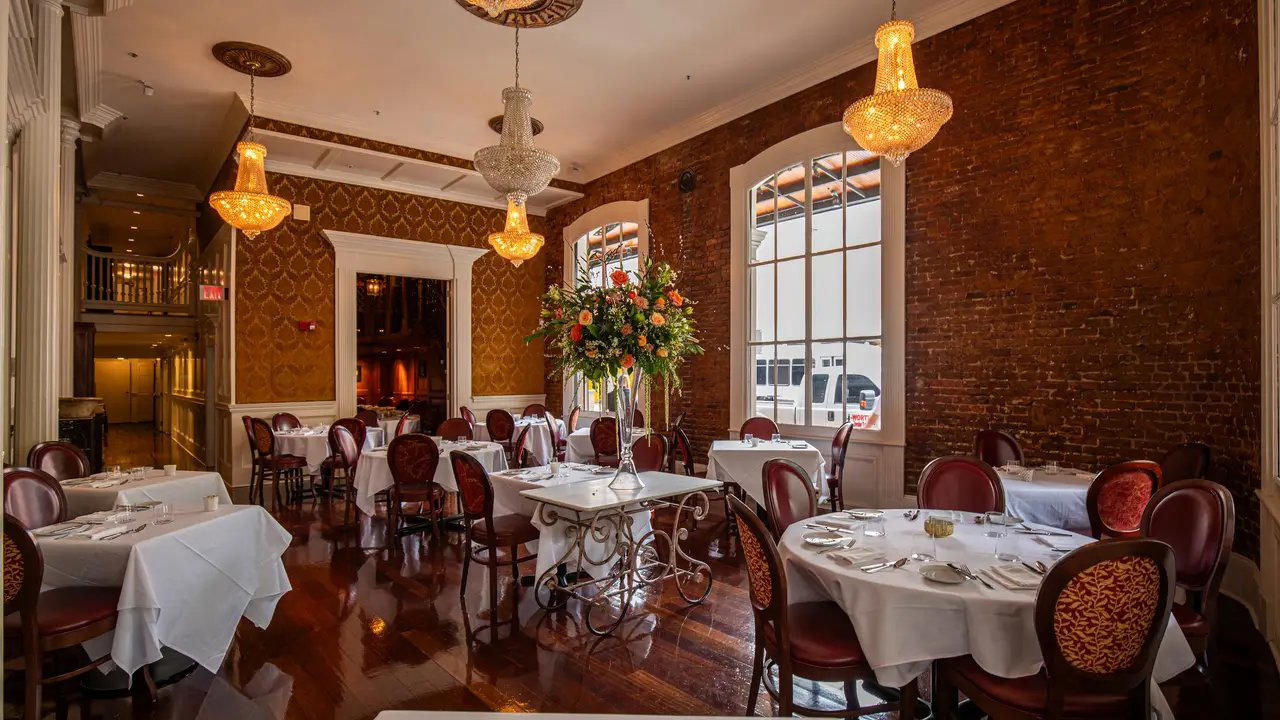
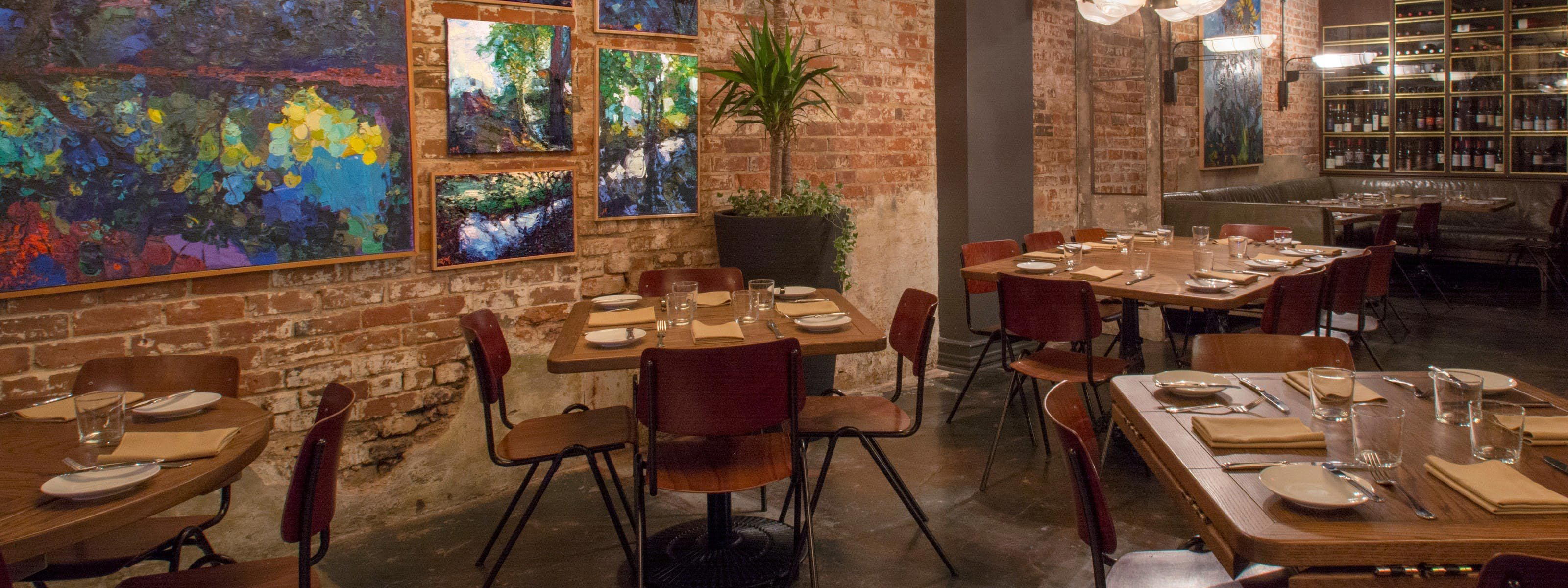
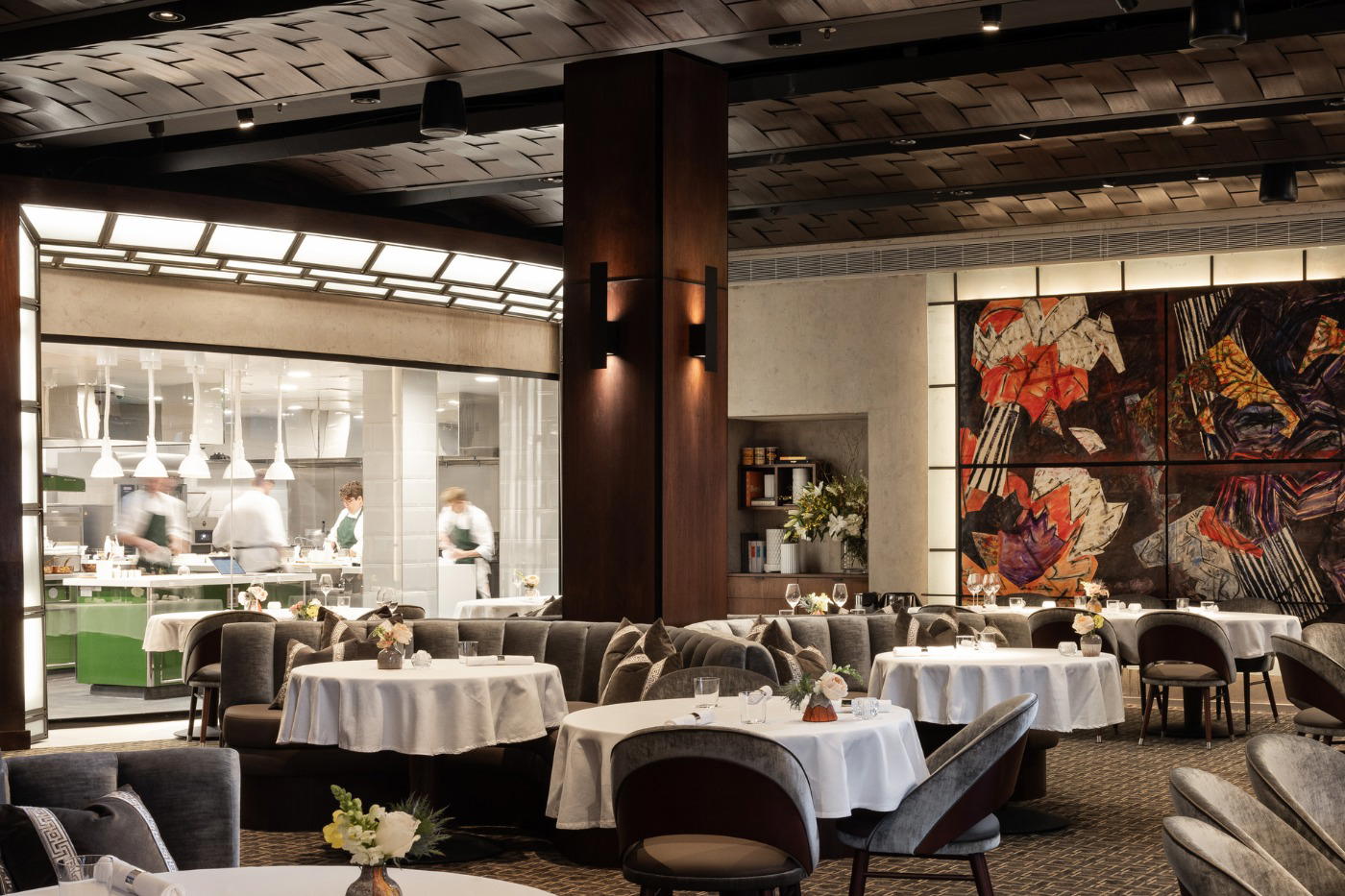
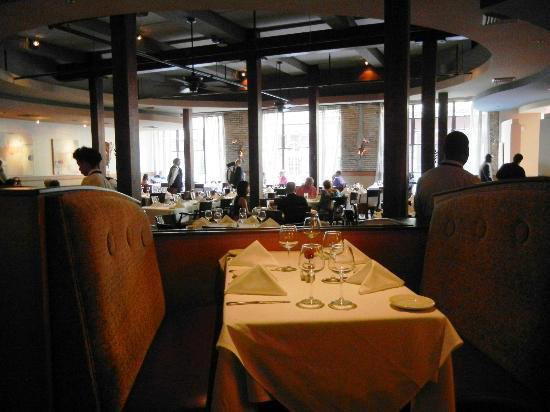
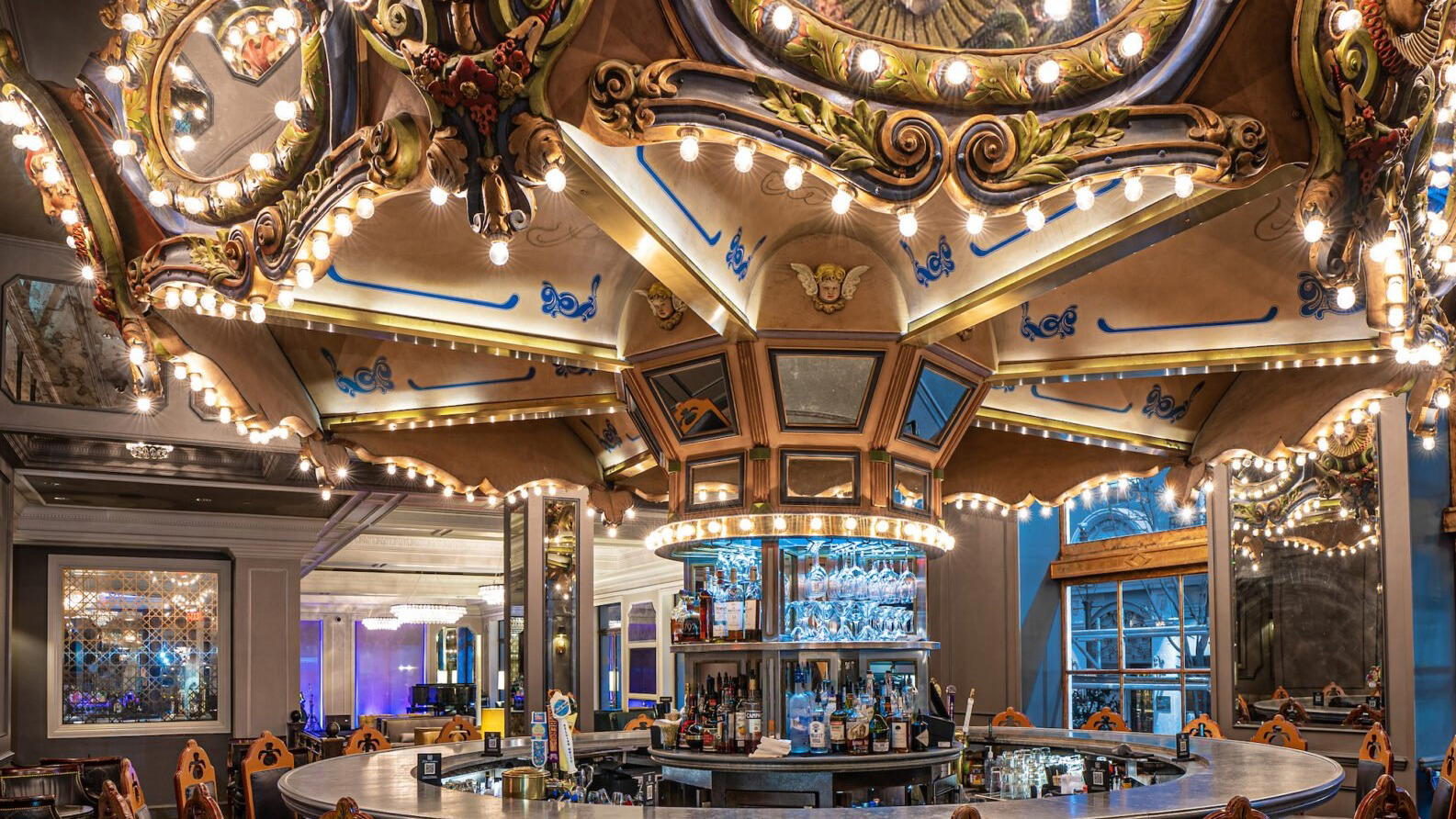
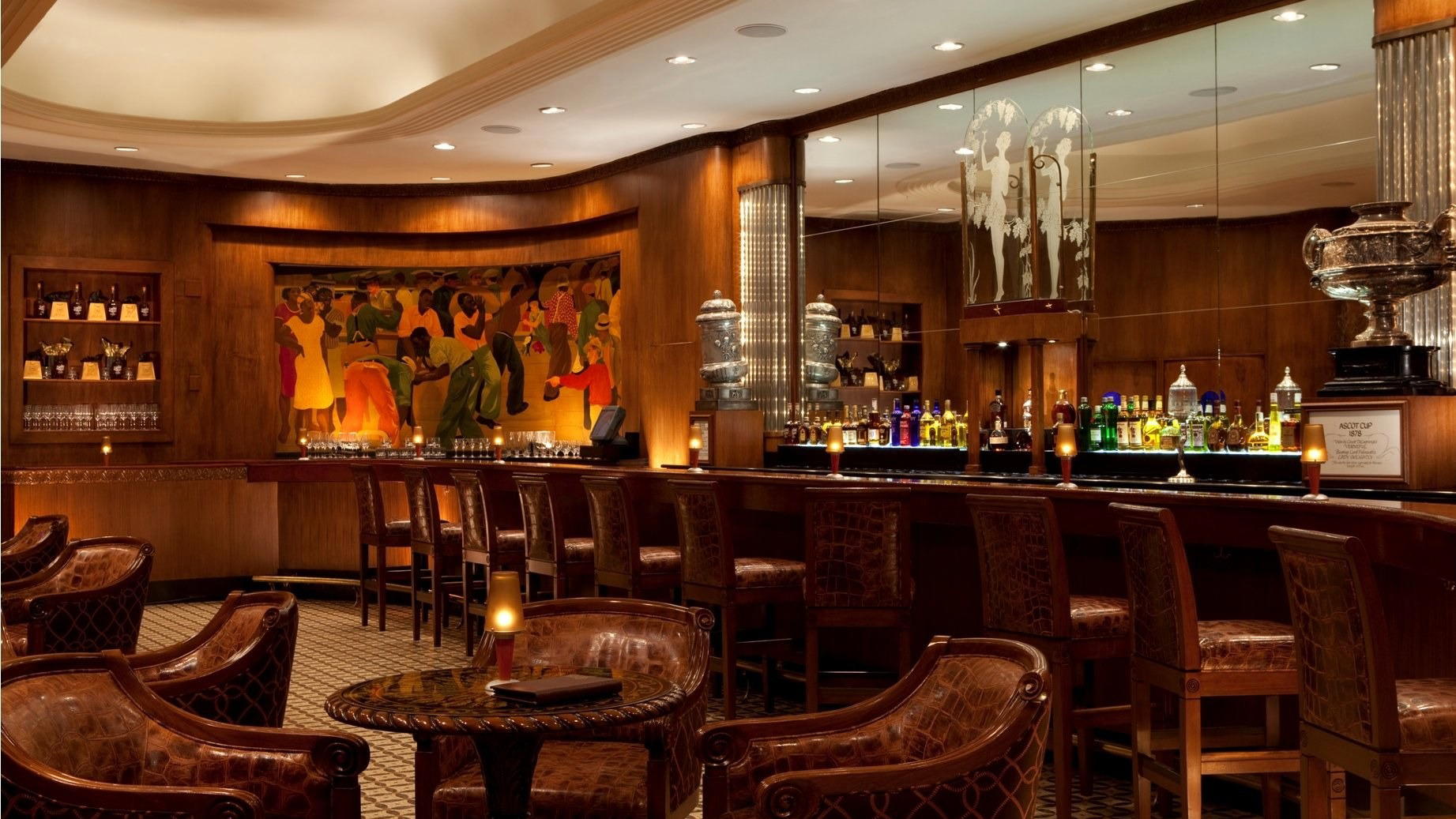
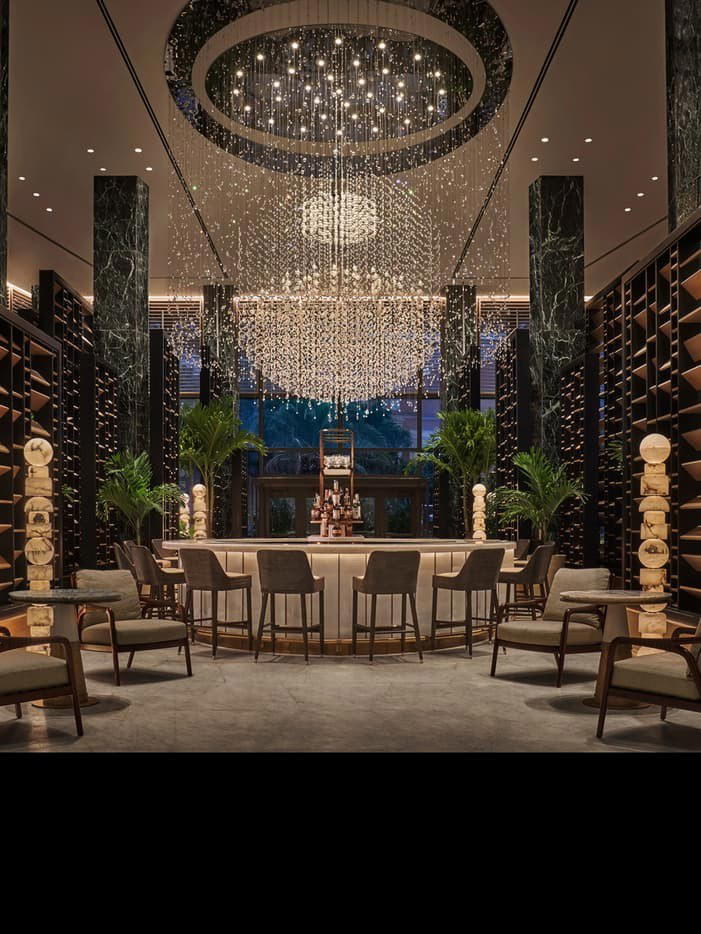
The Atmosphere at 2 Canal Street
The physical address matters for reasons beyond geography. Canal Street's scale is operatic by New Orleans standards: wide neutral ground, the rumble of streetcars, the collision of tourist traffic with working-city movement. A restaurant here does not have the intimacy of the French Quarter's narrow streets or the residential quiet of Uptown. What it has instead is a kind of civic theatricality, the sense of a room designed to hold its own against the noise and movement outside.
In New Orleans' higher-end dining tier, rooms tend to signal their seriousness through restraint rather than spectacle. The city's most respected addresses, places that have drawn critical attention from national outlets over the past decade, generally share a quality of compression: the sense that the room is sized to the food rather than the other way around. Whether Chemin à la Mer follows that model or occupies something larger and more public-facing is part of what makes a Canal Street address interesting as a proposition.
For the sensory architecture that defines New Orleans dining at its most considered, the reference points are instructive. The city's leading rooms tend to layer Gulf light, dark wood, and linen in combinations that feel simultaneously French and subtropical, a register that no other American city quite replicates. It sits in a different register from the tasting-menu minimalism of, say, Smyth in Chicago or the produce-forward intensity of Blue Hill at Stone Barns in Tarrytown, and closer to the European-inflected formal seafood tradition exemplified nationally by Le Bernardin in New York City.
New Orleans Fine Dining in Context
The city's fine-dining tier has shifted considerably since 2015. Where Commander's Palace and Antoine's once defined the ceiling almost alone, a second generation of serious independent restaurants has complicated the picture. Saint-Germain, in the Marigny, brought a $$$$ Contemporary format with a wine program that drew attention well beyond Louisiana. Re Santi e Leoni occupies the Contemporary tier with a European sensibility. Zasu operates in the $$$ American Contemporary register. Together these restaurants signal that New Orleans' serious-dining circuit has broadened without losing its regional specificity.
Nationally, the restaurants that have built the strongest reputations for place-specific, ingredient-led fine dining over the past decade share a common quality: a sourcing logic that makes the geography legible on the plate. Single Thread Farm in Healdsburg built its entire proposition on a farm-to-table circuit so compressed it is almost tautological. The French Laundry in Napa remains the benchmark for French-inflected American tasting menus. Providence in Los Angeles has spent twenty years making the case that West Coast seafood deserves the same formal treatment that France has long given its Atlantic catch. Addison in San Diego and The Inn at Little Washington in Washington represent the broader American tradition of French-schooled fine dining applied to regional American ingredients. New Orleans, with its Gulf Coast supply chain and its French colonial culinary history, is arguably better positioned than any of those cities to make that argument.
The comparison to Frasca Food and Wine in Boulder is worth making for a different reason: Frasca built a national reputation in an unlikely geography by committing fully to a specific regional European tradition rather than trying to synthesize everything. The discipline of a single, clear culinary argument tends to produce more memorable dining than creative ambiguity. The name Chemin à la Mer makes a clear argument. How the kitchen executes it is the question the room will be asked to answer.
Lazy Bear in San Francisco built its identity around a specific format and a committed point of view. Atomix in New York City demonstrated that a clearly articulated culinary identity, expressed through format as much as food, can achieve recognition that transcends geography. Atelier Moessmer Norbert Niederkofler in Brunico represents the international version of that argument: place-specificity taken to its logical extreme.
Planning Your Visit
Canal Street places a restaurant within easy reach of the French Quarter on foot and close to the major downtown hotels. For visitors working through New Orleans' broader dining scene, see our full New Orleans restaurants guide for neighbourhood-level context and category comparisons across the city's full range of options.
How does Chemin à la Mer fit into New Orleans' broader seafood dining scene?
New Orleans has one of the deepest Gulf seafood traditions in American dining, running from Creole-inflected formal rooms to casual raw bars and Cajun-style fish houses. A restaurant at 2 Canal Street, with a name that translates directly as the road to the sea, positions itself within the formal end of that spectrum, where French technique and Gulf sourcing have historically produced the city's most critically recognised cooking. For diners building a full picture of the city's seafood options, the range runs from Emeril's Cajun register through the Contemporary formats at Re Santi e Leoni, with awards-tracked options across multiple price points covered in our full New Orleans guide.
Frequently asked questions
What's Chemin à la Mer's location?
Chemin à la Mer is located at 2 Canal St, New Orleans, LA 70130, New Orleans.
How does Chemin à la Mer's location at 2 Canal Street affect the dining experience?
The address at 2 Canal Street places Chemin à la Mer at the precise boundary between the French Quarter and New Orleans' downtown hotel district, one of the highest-traffic corridors in the city. Canal Street's scale, with its wide neutral ground and streetcar line, gives the approach a different register than the narrow side streets of the Quarter. For visitors based in the major downtown properties, the restaurant is within walking distance without requiring a car or rideshare.
What's the signature dish at Chemin à la Mer?
The name, French for 'path to the sea', points clearly toward Gulf seafood as the kitchen's orientation, which aligns with New Orleans' deepest culinary tradition. Canal Street's position at the edge of the French Quarter places the restaurant within a neighbourhood where Creole-inflected seafood has been the reference point for generations.
What's the best way to book Chemin à la Mer?
Phone and website details are not currently listed for Chemin à la Mer at 2 Canal St. For Canal Street addresses of this type, checking reservation platforms such as OpenTable or Resy is the most reliable first step. Contacting the restaurant directly through the hotel or building management at 2 Canal Street is a practical fallback.
Price Lens
Comparable venues nearby, for context on price, style, and recognition.
| Venue | Cuisine | Price | Awards | Notes |
|---|---|---|---|---|
| Chemin à la MerThis venue (the venue you are viewing) | Louisiana Steakhouse & Seafood with French Technique | $100–150 | Wine Spectator Award of Excellence | Not listed |
| Dickie Brennan's Steakhouse | Steakhouse with Cajun & Creole | $50–100 | Wine Spectator Best of Award of Excellence | French Quarter, Steakhouse with Cajun & Creole |
| Studio | Modern Mediterranean Steakhouse | $50–100 | Not listed | Uptown, Modern Mediterranean Steakhouse |
| Morrow Steak | Modern Steakhouse with Seafood and Sushi | $50–100 | Not listed | Arts District, Modern Steakhouse with Seafood and Sushi |
| Mr. John's Steakhouse | Classic New Orleans Steakhouse | Not listed | Not listed | Central City, Classic New Orleans Steakhouse |
| The Steakhouse New Orleans | Steakhouse with Southern Flair | Not listed | Not listed | Central Business District, Steakhouse with Southern Flair |
Recognition history
Dated appearances from independent guides and award organizations, with the underlying list record or original source where available.
Wine Spectator Award of Excellence
Wine Spectator