Dickie Brennan's Steakhouse

A fixture of the French Quarter's steakhouse tier, Dickie Brennan's Steakhouse on Iberville Street sits within one of New Orleans' most storied restaurant families. The Brennan name carries decades of Creole dining authority, and this address applies that legacy to aged beef, classical sides, and a dining room that feels rooted in the city rather than imported from a national chain playbook.
Pearl is the En Primeur Club membership app — saves, bookings, and concierge access live there. Same editors, same standards.
- Address
- 716 Iberville St, New Orleans, LA 70130
- Phone
- +15045222467
- Website
- dickiebrennanssteakhouse.com
- Directions
- Get directions
 Saves & bookings on Pearl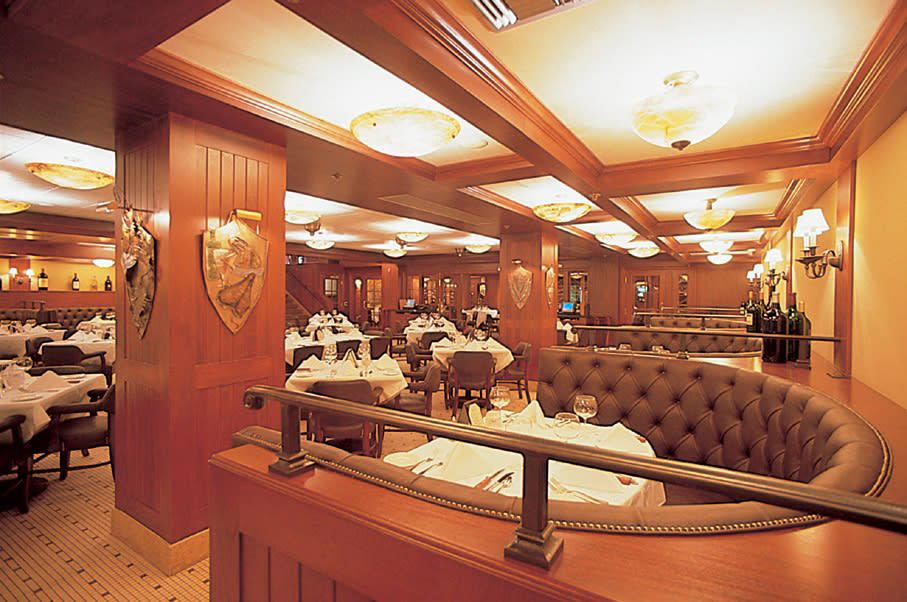
Iberville Street After Dark
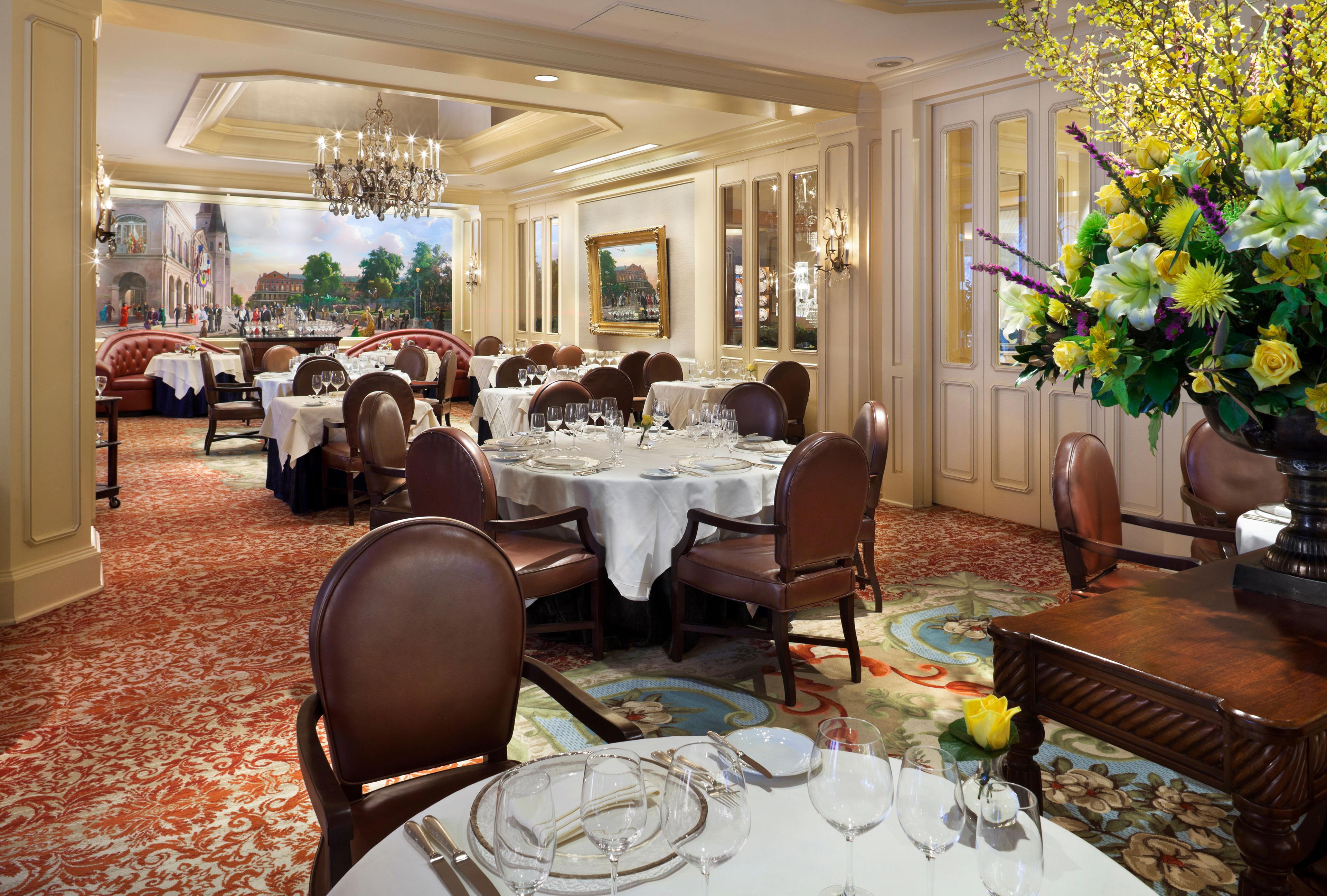
The French Quarter has a specific grammar at night: gas lanterns, the low percussion of a brass band two blocks away, iron lacework catching the light. Walking into Dickie Brennan's Steakhouse on Iberville Street, you step into something more deliberate. The dining room trades the Quarter's carnival energy for pressed linens, dark wood, and the kind of measured quiet that signals the kitchen is the main event. It is a steakhouse in a city that is not, historically, a steakhouse city, and that tension is precisely what makes it interesting.
In New Orleans, that conversation intersects with a strong regional food culture that has always prioritized provenance, not as a marketing badge but as a practical matter of knowing your supplier.
Operations linked to the Brennan name have long drawn from Louisiana's agricultural network, where the supply chain between Gulf Coast producers, local farms, and restaurant kitchens is shorter and more traceable than in cities where hospitality depends on national distributors. Choosing beef from known regional ranches, supplementing the menu with Louisiana seafood and seasonal produce, and reducing the distance between farm and plate are not aspirational gestures in this context, they are the operational baseline for a kitchen that takes the Brennan standard seriously.
Where It Sits in the New Orleans Dining Map
New Orleans has a layered fine dining ecology. At the Creole and Cajun end, institutions like Emeril's and Commander's Palace define one axis. At the contemporary end, addresses like Saint-Germain and Re Santi e Leoni pull the city toward a more international reference frame. Dickie Brennan's occupies a third position: the premium steakhouse format, a category with its own logic of dry-aged cuts, classic sides, and a wine list calibrated to red Bordeaux and Napa Cabernet.
That category is not especially common in New Orleans, which means the competitive set is thin. Visitors choosing between Bayona for New American cooking, Zasu for American Contemporary, or Dickie Brennan's for a direct premium steak are making different decisions, not ranking the same type of experience. The steakhouse is its own genre, and within that genre, the Brennan name provides the credibility that a newer or unnamed operation would need years to build.
What the Menu Rewards
Steakhouse menus are conservative by design: cuts, temperature, sides, sauces. The variance between a competent and an excellent steakhouse rarely shows up in concept but in execution, the quality of the beef aging, the temperature control on the sear, the calibration of butter-to-salt on a classic preparation. At Dickie Brennan's, Louisiana inflections appear through the supporting cast: Gulf seafood appetizers, locally sourced vegetables, and the kind of bread pudding or praline dessert that signals the kitchen has not forgotten it is operating in New Orleans rather than midtown Manhattan.
Those Louisiana-specific elements are where the menu earns its local authority. Comparable steakhouses in cities without New Orleans' food culture tend to source sides from the same national distributors as the beef. Here, the expectation, and the standard the Brennan name implies, is that the accompaniments carry regional identity. That matters for the sustainability argument: a locally sourced side dish is not a garnish, it is evidence of a supply chain relationship.
Travelers who have spent time at more explicitly farm-integrated formats, Smyth in Chicago, Lazy Bear in San Francisco, or Providence in Los Angeles, will find Dickie Brennan's a different register entirely. The kitchen lets the food speak for itself. It is a kitchen that operates within a regional food culture where provenance is assumed rather than announced.
Seasonal Timing and the French Quarter Context
New Orleans runs hottest from June through August, and the French Quarter tourist density peaks around Mardi Gras (February or March, depending on the year) and Jazz Fest (late April into May). Visiting Dickie Brennan's outside those windows, in late September, October, or the quieter weeks of January, means a more measured pace in the dining room and, practically, more flexibility in booking. The city's restaurant community also tends to rotate its seasonal menus around Louisiana's harvest rhythms, meaning fall and early spring bring interesting local produce into kitchens operating at this level.
Dickie Brennan's operates at a different register from tasting-menu-led formats like Atomix in New York City or Le Bernardin, the ambition here is precision within a known format, not reinvention.
Know Before You Go
- Address: 716 Iberville St, New Orleans, LA 70130
- Neighbourhood: French Quarter
- Category: Premium steakhouse with Louisiana regional influences
- Leading timing: Fall and early spring for seasonal local produce; avoid Mardi Gras and Jazz Fest weeks for easier reservations
- Dress code: Business casual in the evening
Peers in This Market
Comparable venues nearby, for context on price, style, and recognition.
| Venue | Cuisine | Price | Notes |
|---|---|---|---|
| Dickie Brennan's SteakhouseThis venue — the venue you are viewing | Steakhouse with Cajun & Creole | $$$$ | Not listed |
| The Steakhouse New Orleans | Steakhouse with Southern Flair | $$$$ | Central Business District |
| GAIA Steakhouse | Seafood and Steakhouse | $$$$ | Central City |
| Chemin à la Mer | Louisiana Steakhouse & Seafood with French Technique | $$$$ | French Quarter |
| Mr. John's Steakhouse | Classic New Orleans Steakhouse | $$$$ | Central City |
| Rizzuto Prime | Premium Steakhouse with Italian Specialties | $$$ | Central Business District |
Recognition history
Dated appearances from independent guides and award organizations, with the underlying list record or original source where available.
Wine Spectator Best of Award of Excellence
Wine Spectator
Continue exploring
More in New Orleans
Restaurants in New Orleans
Browse all →
Bars in New Orleans
Browse all →
At a Glance
- Elegant
- Sophisticated
- Classic
- Date Night
- Business Dinner
- Special Occasion
- Celebration
- Private Dining
- Historic Building
- Craft Cocktails
Current opening hours
- Monday
- 5–9 PM
- Tuesday
- 5–9 PM
- Wednesday
- 5–9 PM
- Thursday
- 5–9 PM
- Friday
- 5–9 PM
- Saturday
- 5–9 PM
- Sunday
- 5–9 PM
Hours can change for holidays and private events. Last verified .
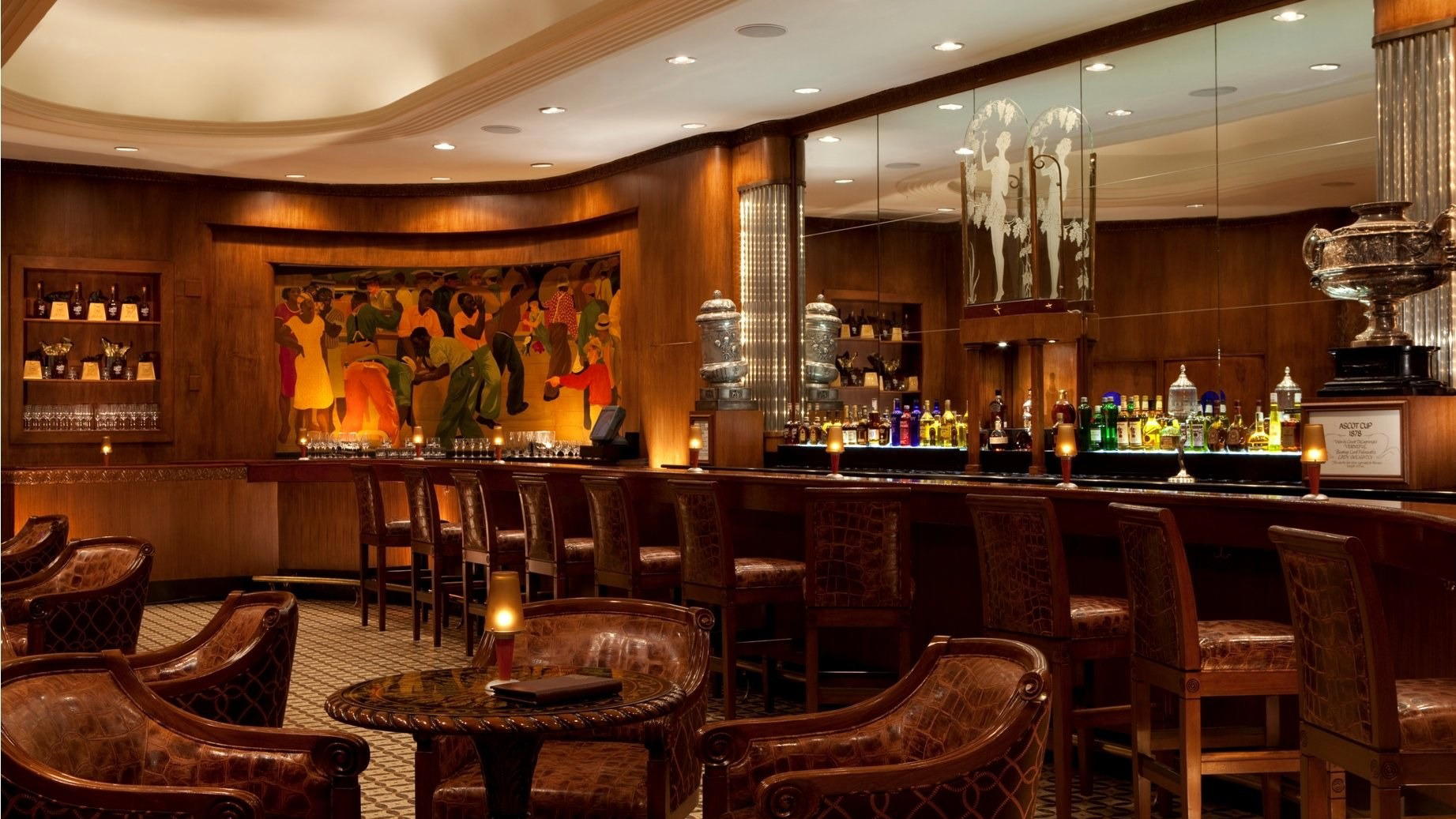
Sophisticated and classic atmosphere with attentive service in the heart of the French Quarter.