Morrow Steak
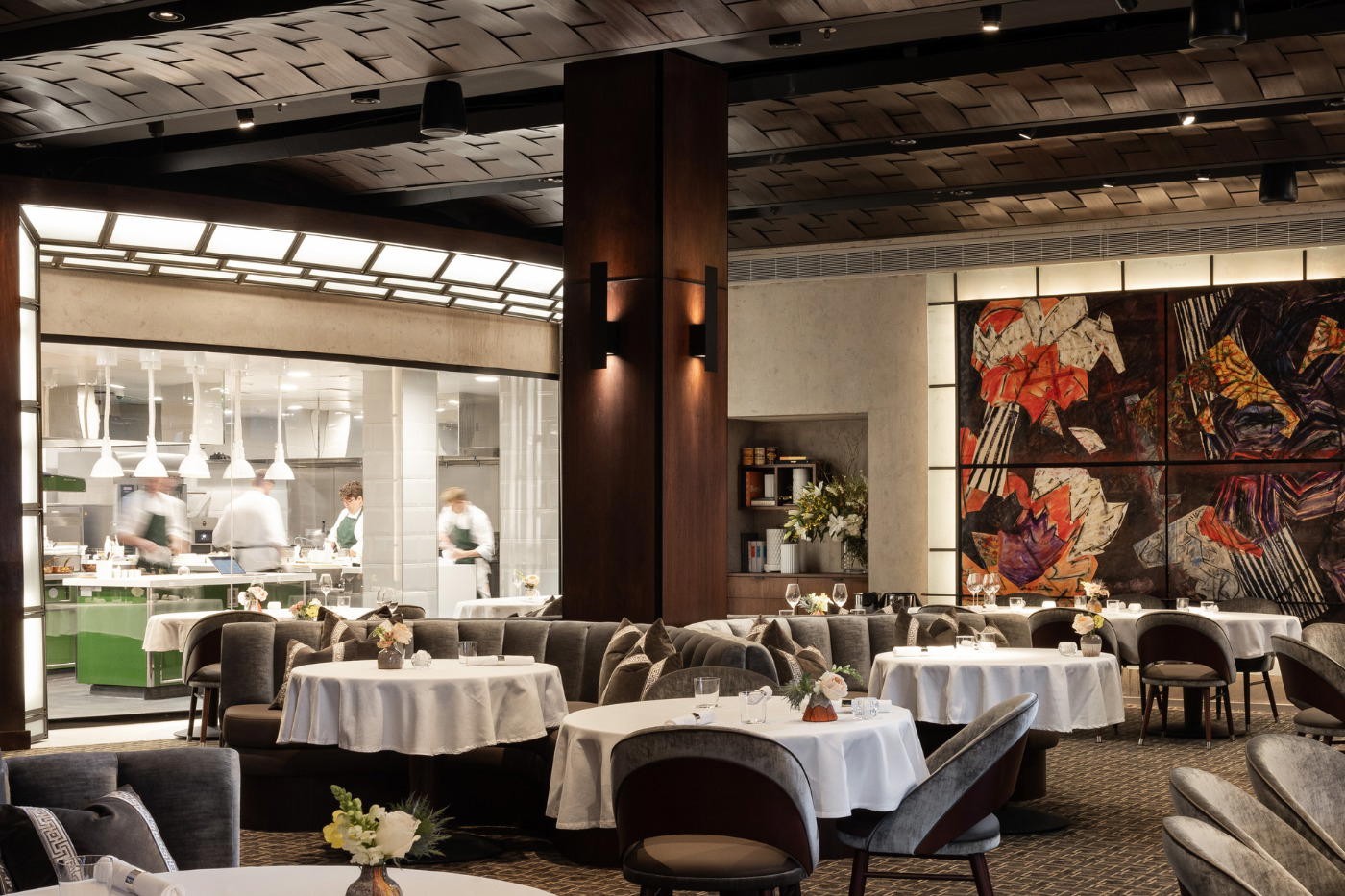
Morrow Steak occupies a Julia Street address in New Orleans' Arts District, positioning itself within a neighbourhood more associated with gallery openings than serious beef programs. The restaurant draws on the city's broader tradition of ceremonial dining while targeting a clientele that moves between the Warehouse District's cultural institutions and its evolving restaurant row.
Pearl is the En Primeur Club membership app — saves, bookings, and concierge access live there. Same editors, same standards.
- Address
- 1003 Julia St, New Orleans, LA 70113
- Phone
- +15043549805
- Website
- morrowsteak.com
- Directions
- Get directions
 Saves & bookings on Pearl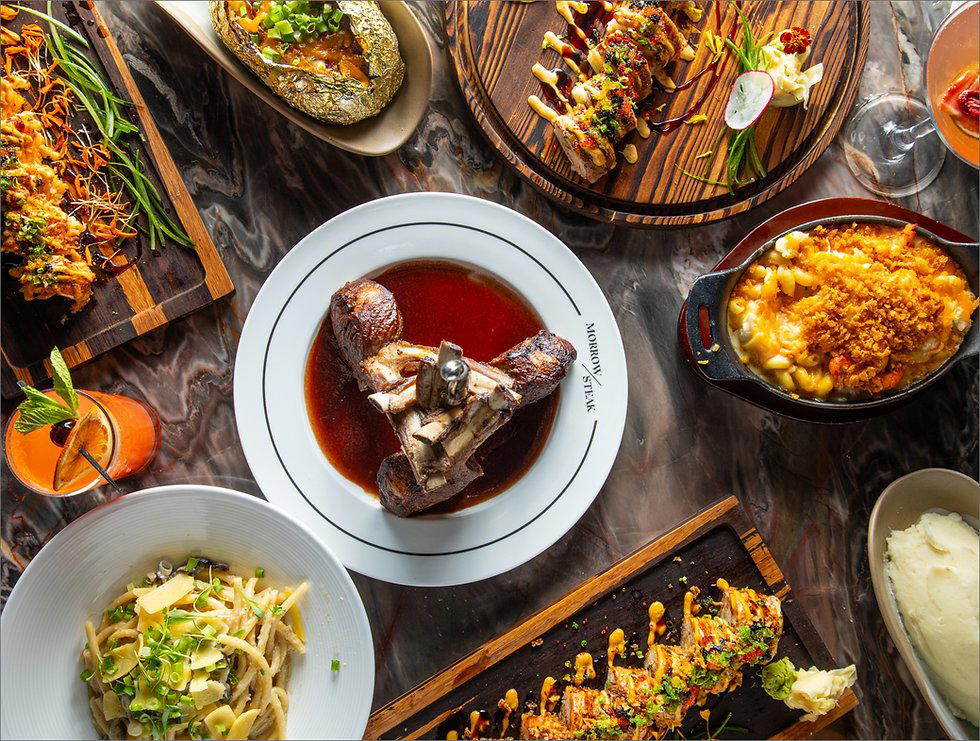
Where the Arts District Meets the Steakhouse Tradition
New Orleans has always kept two dining registers running simultaneously: the loud, celebratory table where every course arrives as theatre, and the quieter room where the food does the talking without needing an introduction. The American steakhouse, in its most considered form, belongs to the second category. It is a format built on sourcing discipline, dry-aging programs, and the kind of service pacing that signals the kitchen is not in a hurry. Morrow Steak, at 1003 Julia Street in the city's Arts District, is a restaurant with a modern steakhouse menu that includes seafood and sushi.
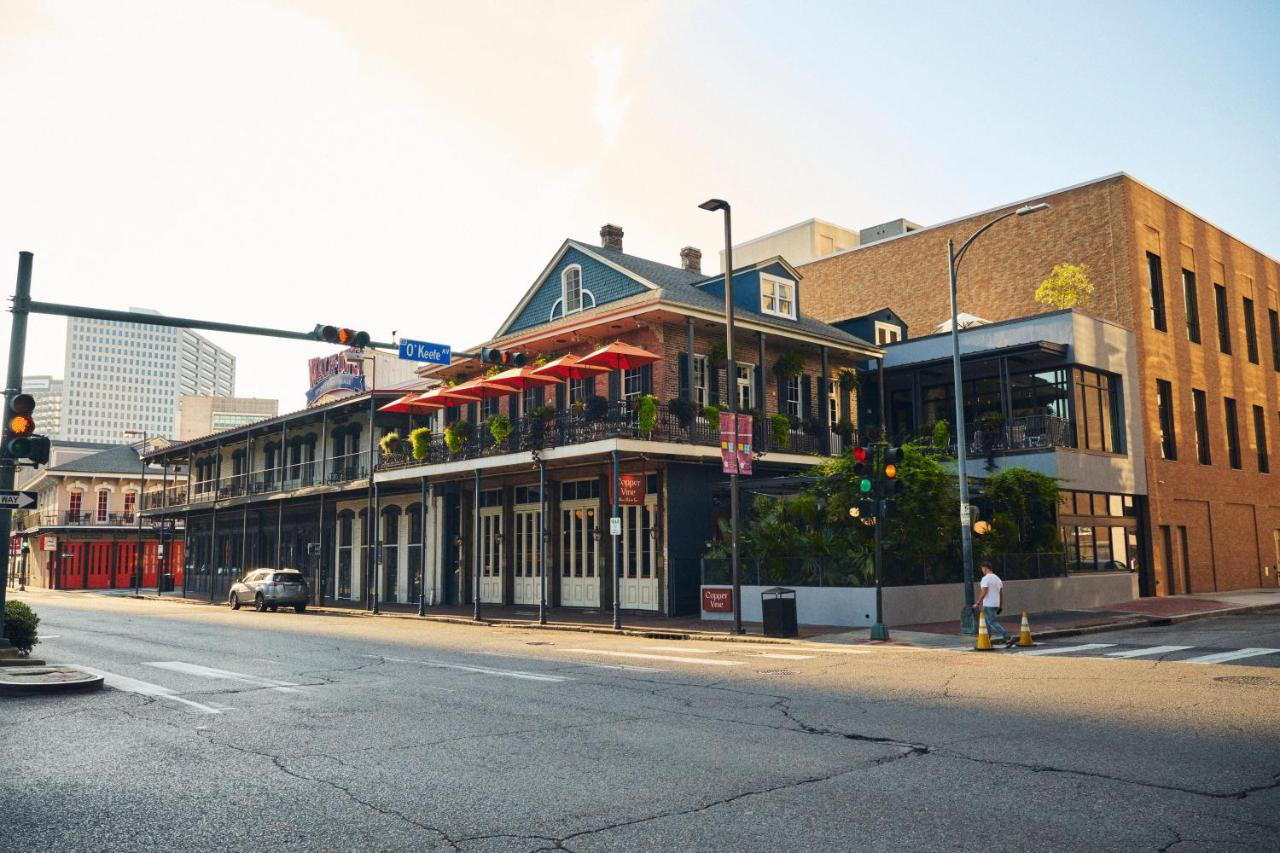
Julia Street's dining character is worth placing on the map before examining any individual address. The stretch running through the Warehouse District draws a different crowd than the French Quarter's restaurant row or the neighbourhood bistros of Uptown. Visitors here tend to arrive with a purpose, whether that is a gallery opening at a nearby contemporary art space or a reservation made days in advance. That context shapes how a steakhouse on this street functions: it is not a walk-in convenience but a deliberate choice, made by people who have already decided to spend an evening in this part of the city.
The Lunch-Dinner Divide in a Steakhouse Context
The steakhouse format across American cities has developed a pronounced split between its daytime and evening identities. Lunch service at steakhouses in this category tends to compress the menu, accelerate the pace, and attract a different demographic: business dining, deal-closing tables, and guests who want the quality of the dinner program without the full evening commitment. The mood is lighter, the room less self-conscious, and the price-to-value ratio often shifts in the diner's favour as kitchens use midday service to move premium cuts at adjusted price points.
Evening service at the same address operates on a different rhythm. The room darkens, the pace slows, and the wine list becomes the second conversation at the table rather than an afterthought. For steakhouses in arts district locations specifically, dinner service carries an additional layer: the crowd frequently arrives already primed by a cultural experience, looking to extend the evening rather than conclude it efficiently. This is the version of the meal that justifies the reservation lead time and the full menu commitment.
At Morrow Steak, this structural divide between daytime and evening service shapes the dining experience. The Julia Street address puts the restaurant within reach of the Ogden Museum of Southern Art and the Contemporary Arts Center. Timing a visit to coincide with a major opening or performance at either institution changes the room's energy in ways that a mid-week dinner cannot replicate.
The New Orleans Steakhouse in a Competitive Frame
New Orleans' fine dining ecosystem has historically tilted toward Creole and Cajun formats. Commander's Palace, which has anchored the Garden District for well over a century, and Emeril's, which helped define the city's modern fine dining identity in the 1990s, both operate within that regional tradition. Bayona, in the French Quarter, represents the New American strand of the same conversation. The steakhouse, by contrast, is a format that sits slightly outside the city's culinary identity, which means venues operating in that space are competing less against local tradition and more against the national standard for the category.
That national standard is set by programs with aging protocols, sourcing transparency, and wine lists calibrated to red-wine consumption. Restaurants like Saint-Germain and Zasu occupy the contemporary fine dining tier in New Orleans, while Re Santi e Leoni represents the city's European-inflected dining options. A serious steakhouse on Julia Street positions itself in a gap within that ecosystem, targeting guests who want the ceremonial weight of a premium beef program within a city more famous for its seafood and its gumbo.
For context on where New Orleans sits within the broader American fine dining conversation, the comparable set includes restaurants like Le Bernardin in New York City, Alinea in Chicago, The French Laundry in Napa, and Providence in Los Angeles, each of which anchors a distinct regional identity. New Orleans' contribution to that national conversation has been strongest in Creole technique and cocktail culture; the steakhouse format represents a deliberate move into a different category tier.
Planning Your Visit
The Arts District's restaurant density has increased steadily over the past decade, which means visitors to this part of the city now have genuine choices for pre- and post-experience dining. Morrow Steak's Julia Street address places it within walking distance of the neighbourhood's gallery cluster, making it a logical anchor for an evening that begins with culture and ends with a serious meal. The surrounding blocks also hold options across price points, from casual wine bars to more formal tasting menu formats, giving groups with varying preferences a workable geography for splitting the evening.
For travellers building a broader New Orleans dining itinerary, our full New Orleans restaurants guide maps the city's dining options across neighbourhoods and formats. Those interested in how other American fine dining programs structure their seasonal and format decisions can also reference Lazy Bear in San Francisco, Single Thread Farm in Healdsburg, Blue Hill at Stone Barns in Tarrytown, Addison in San Diego, The Inn at Little Washington, Bacchanalia in Atlanta, and Atomix in New York City for comparison. International reference points include 8 1/2 Otto e Mezzo Bombana in Hong Kong, which demonstrates how a beef-forward menu operates within a non-native culinary tradition, a parallel worth noting for any steakhouse operating outside its obvious geographic context.
Reservations are essential, and the restaurant is open Monday through Thursday from 4 to 10 PM, Friday and Saturday from 4 PM to 12 AM, and Sunday from 11 AM to 10 PM.
Price Lens
Comparable venues nearby, for context on price, style, and recognition.
| Venue | Cuisine | Price | Notes |
|---|---|---|---|
| Morrow SteakThis venue — the venue you are viewing | Not listed | $$$$ | Not listed |
| Bon Ton Prime Rib | Not listed | $$$$ | Central Business District, Classic Steakhouse with Cajun Influences |
| The Steakhouse New Orleans | Not listed | $$$$ | Central Business District, Steakhouse with Southern Flair |
| GAIA Steakhouse | Central City, Seafood and Steakhouse | $$$$ | Not listed |
| Steak Knife Restaurant | Lakeview, Classic Steakhouse | $$$$ | Not listed |
| Rizzuto Prime | Not listed | $$$ | Central Business District, Premium Steakhouse with Italian Specialties |
Continue exploring
More in New Orleans
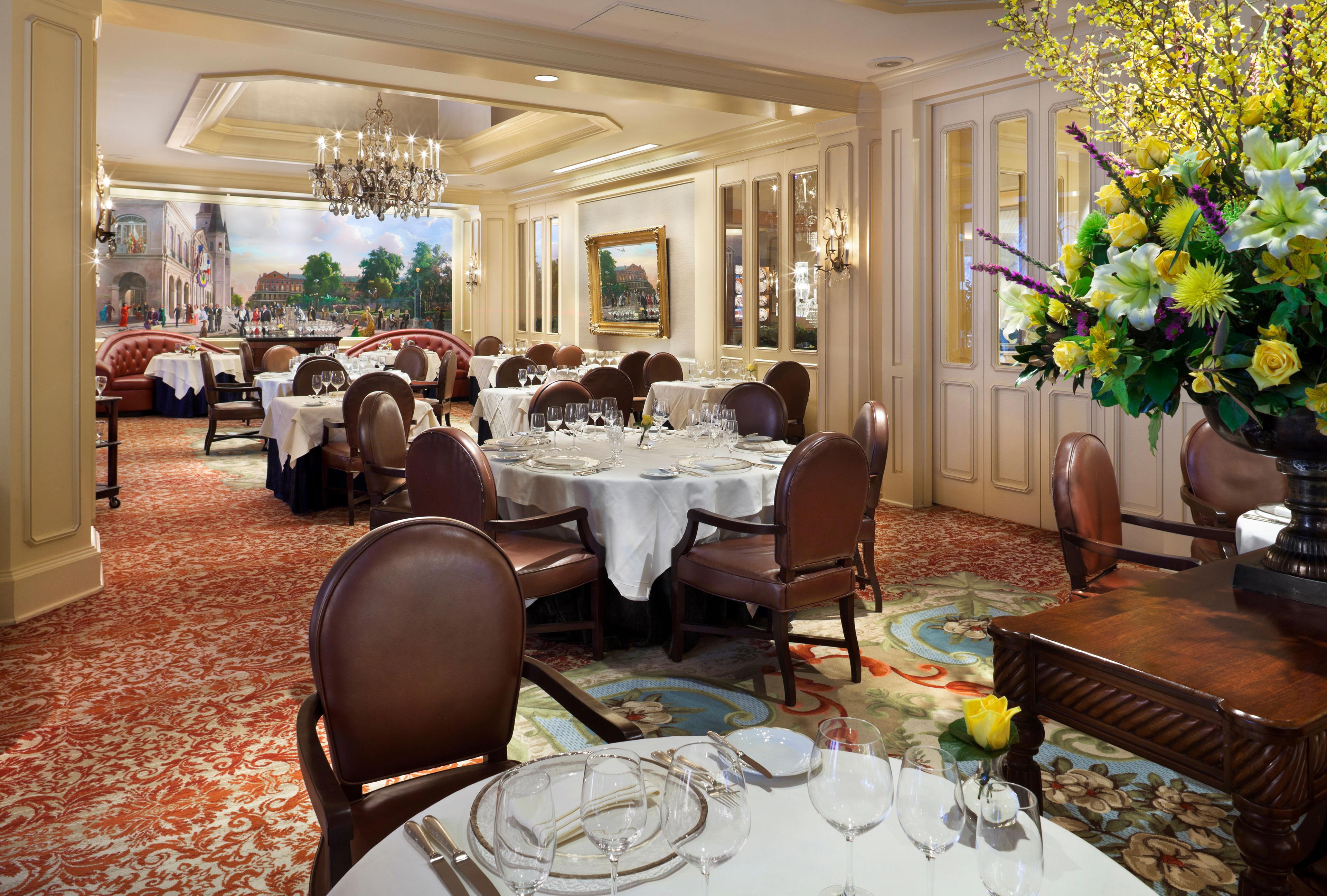
Restaurants in New Orleans
Browse all →
Bars in New Orleans
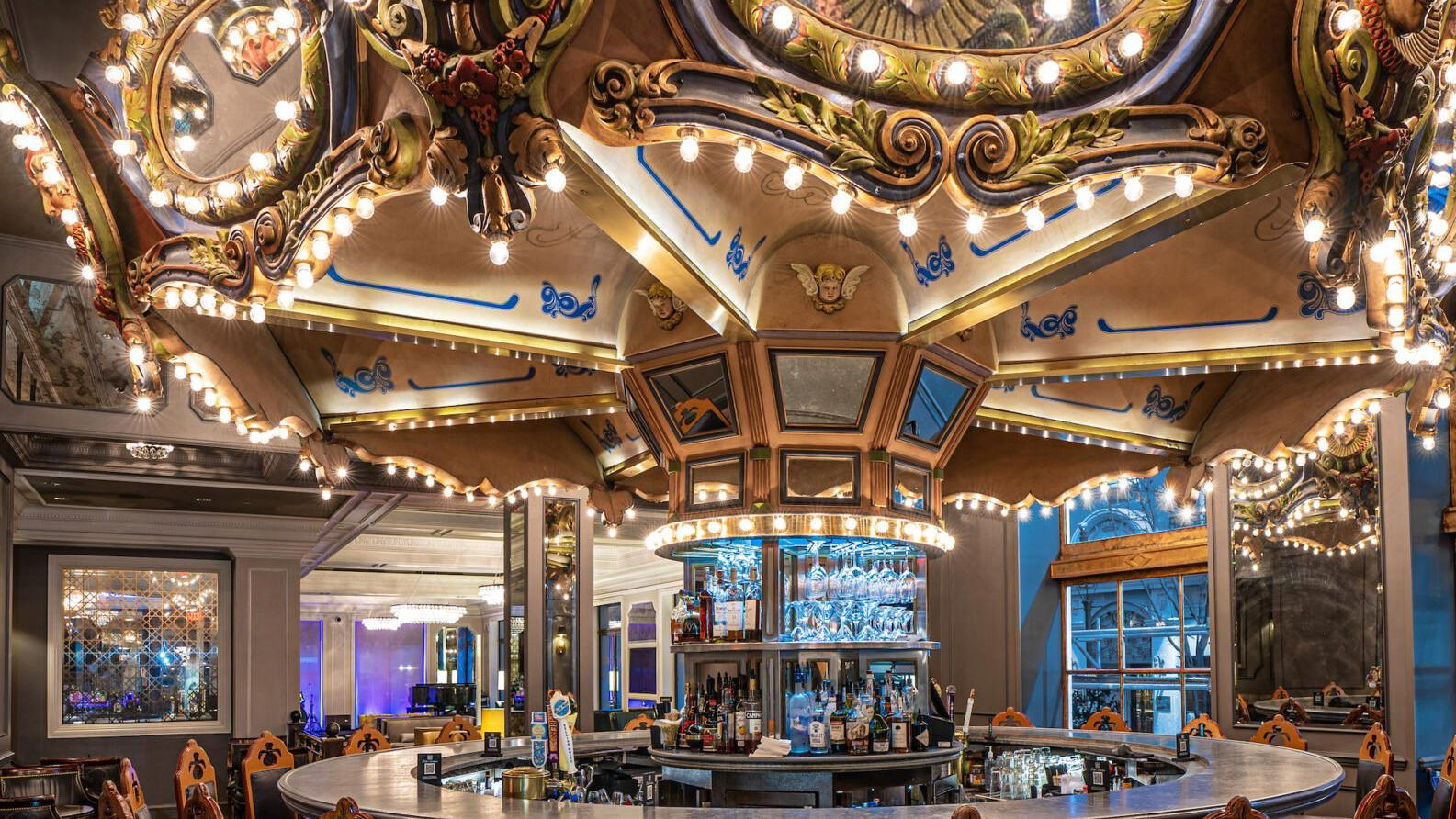
Browse all →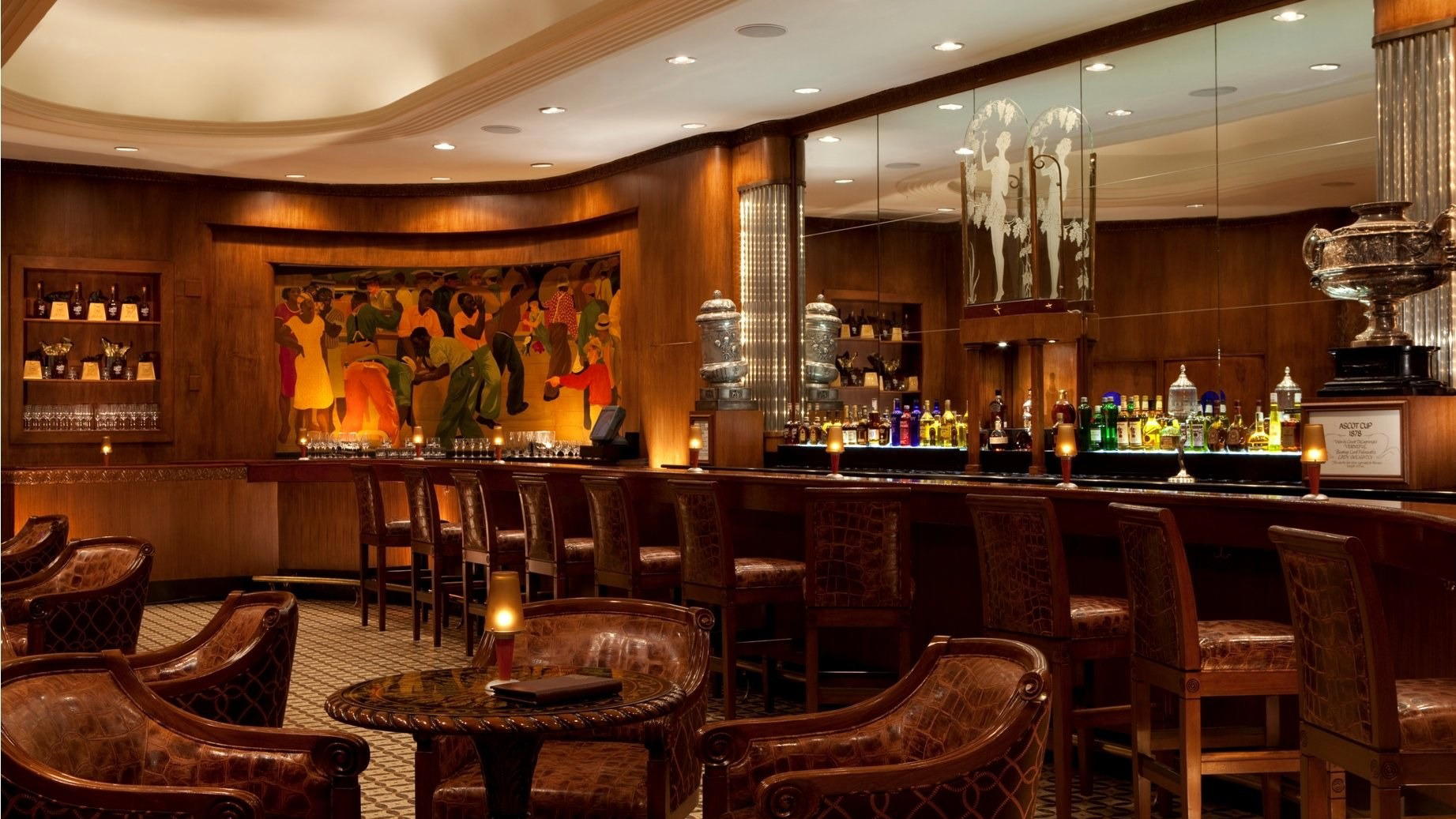
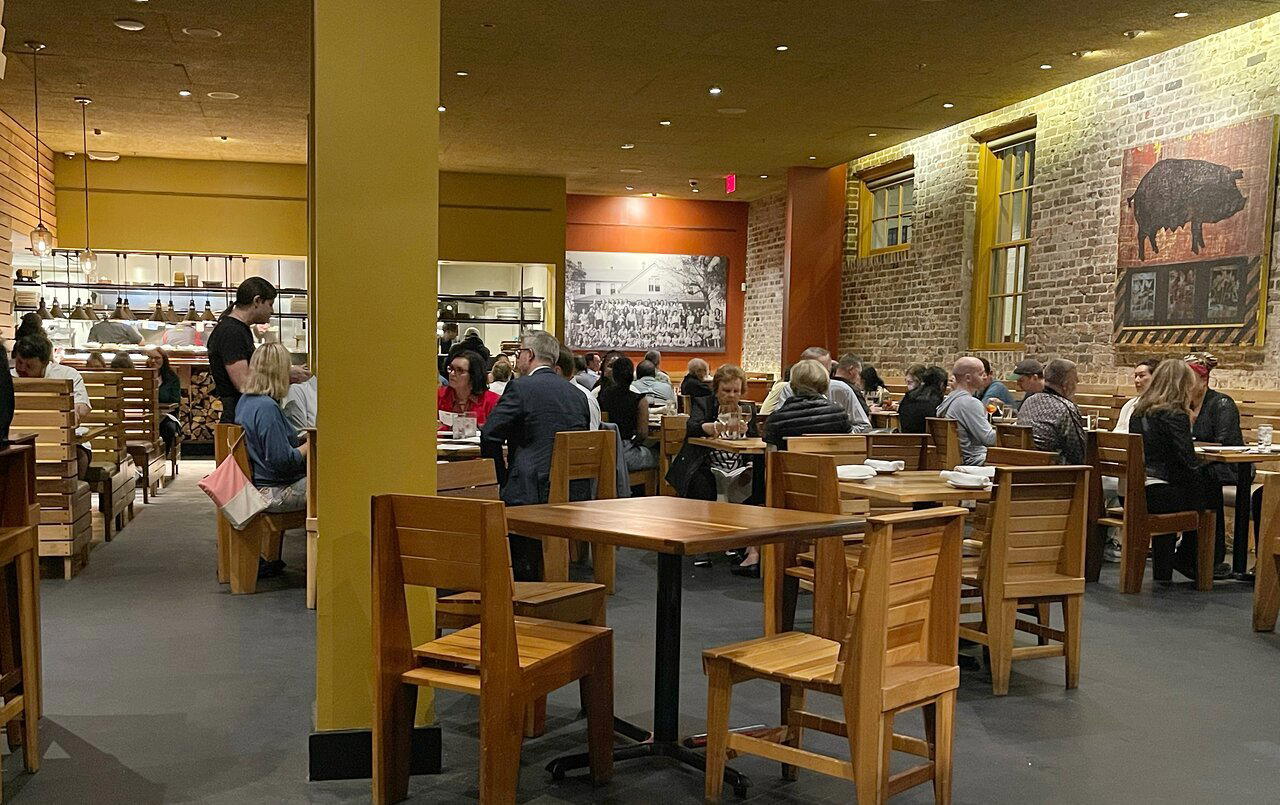
At a Glance
- Elegant
- Modern
- Sophisticated
- Ornate
- Date Night
- Special Occasion
- Business Dinner
- Open Kitchen
- Craft Cocktails
Current opening hours
- Monday
- 4–10 PM
- Tuesday
- 4–10 PM
- Wednesday
- 4–10 PM
- Thursday
- 4–10 PM
- Friday
- 4 PM–12 AM
- Saturday
- 4 PM–12 AM
- Sunday
- 11 AM–10 PM
Hours can change for holidays and private events. Last verified .
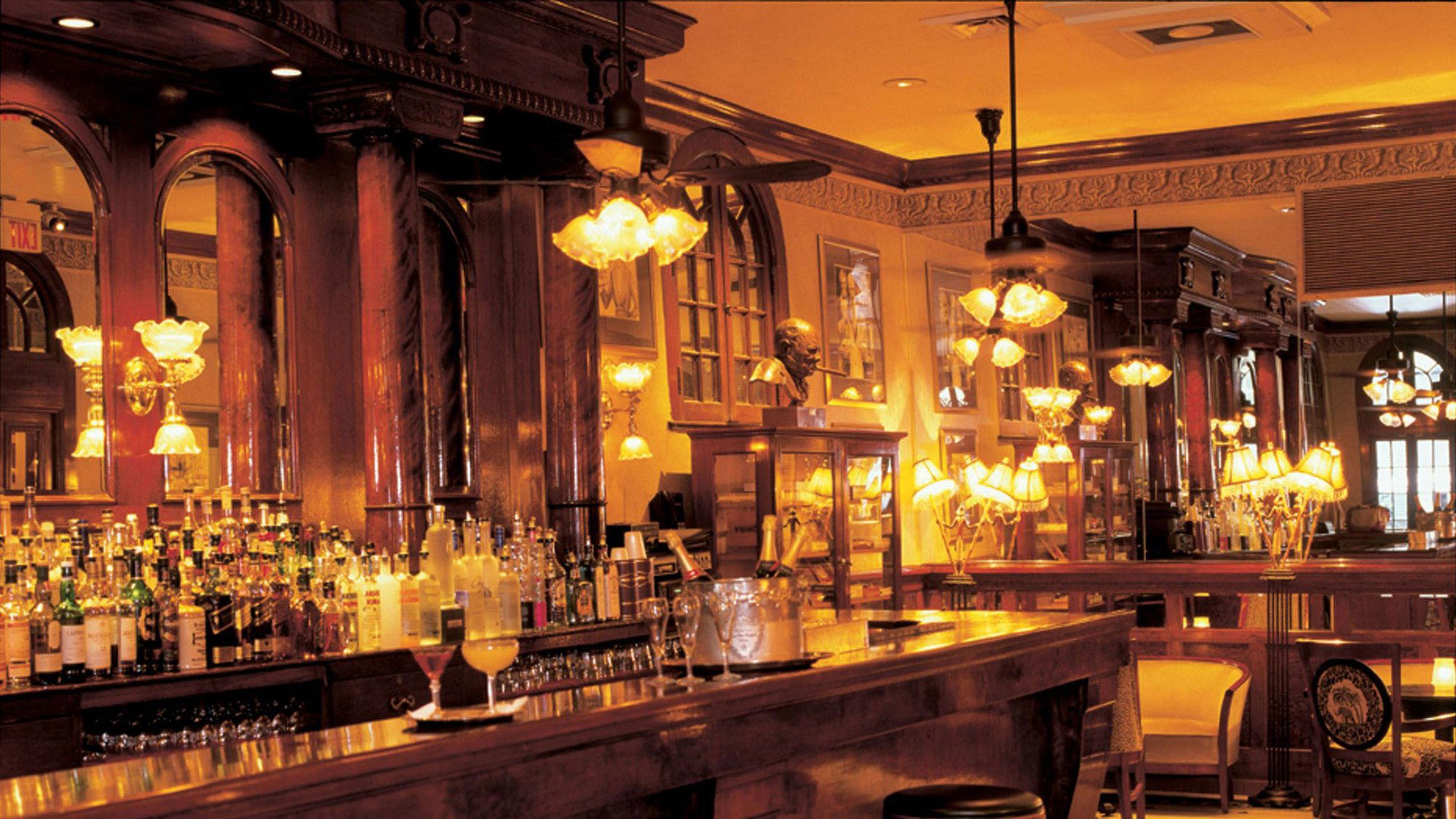
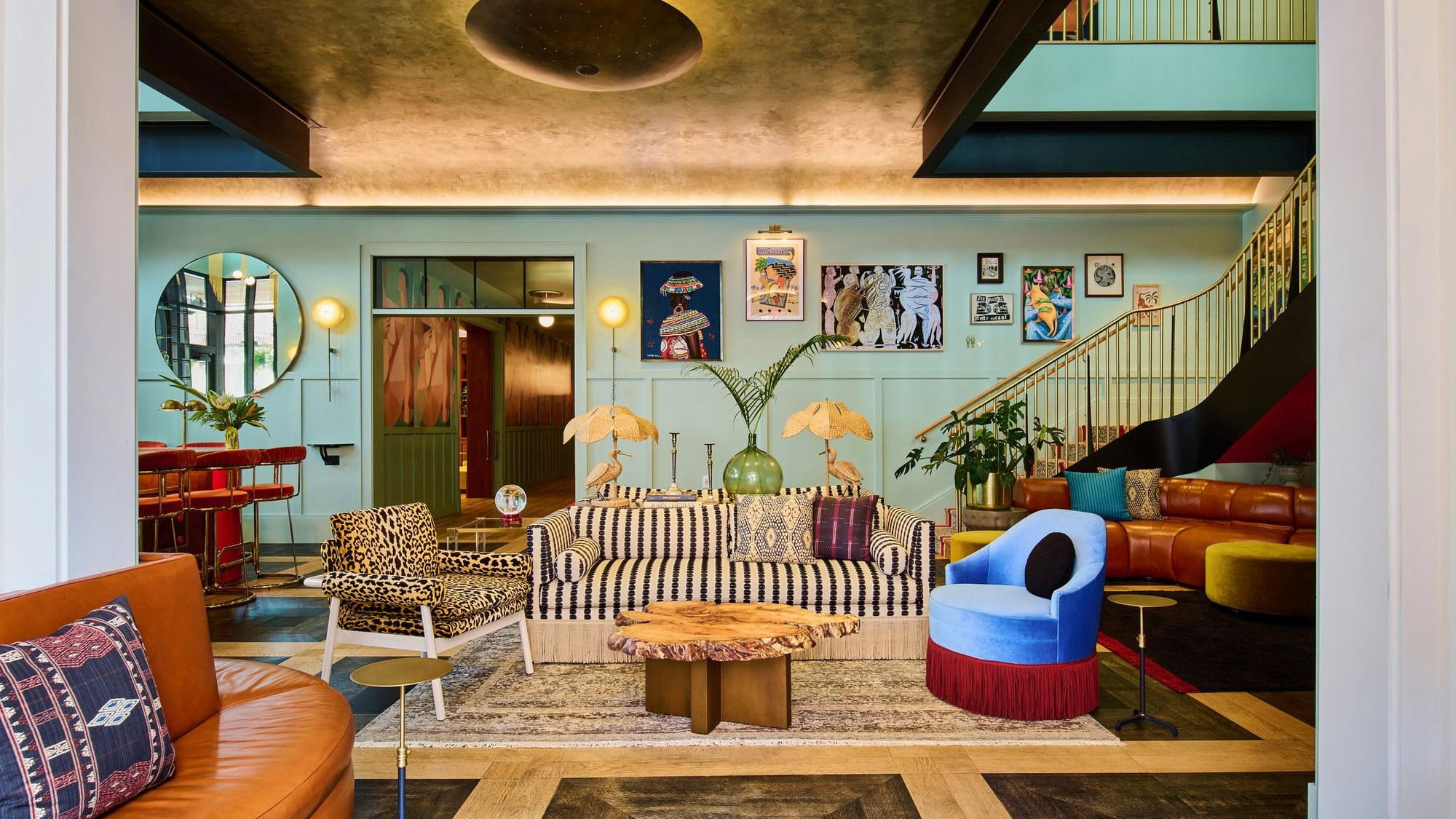
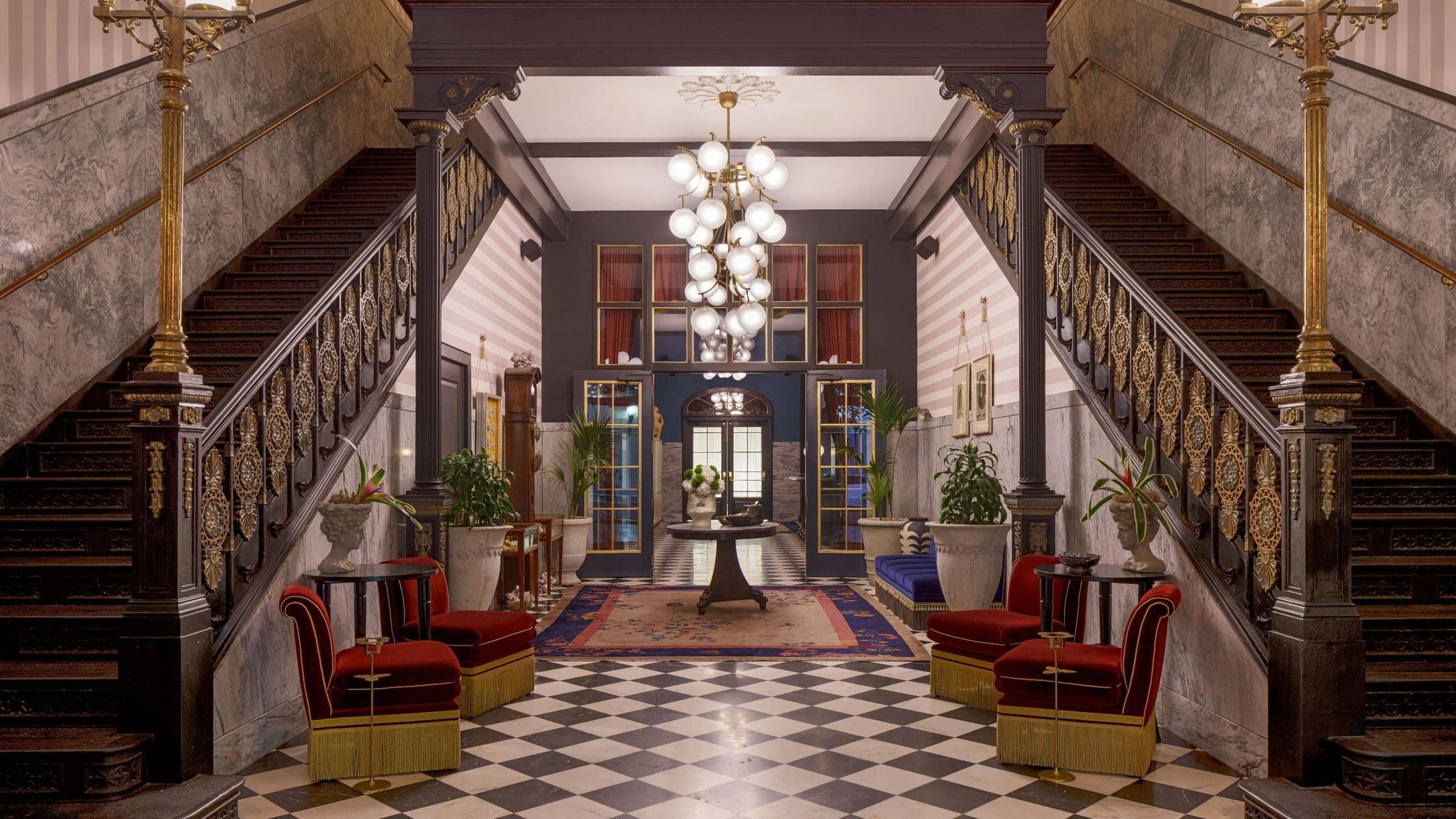
Sleek, upscale atmosphere with elegant lighting and meticulous attention to detail, blending opulence with innovation.