CHEFlja operates on Kovinska ul. in Zagreb, sitting within a city that has developed one of Central Europe's more considered fine-dining scenes over the past decade. Where peers like Noel push creative tasting formats at the higher price tier, CHEFlja occupies a distinct address in the Croatian capital's restaurant conversation. Visitors with a sustainability-forward mindset will find Zagreb's broader shift toward ethical sourcing well represented here.
Pearl is the En Primeur Club membership app — saves, bookings, and concierge access live there. Same editors, same standards.
- Address
- Kovinska ul. 1, 10000, Zagreb, Croatia
- Phone
- +38598864823
- Website
- hotpot-chef.com
- Directions
- Get directions
 Saves & bookings on Pearl
Zagreb's Dining Scene and Where CHEFlja Fits
Zagreb has spent the better part of a decade building a restaurant culture that punches above its size. The Croatian capital now hosts tasting menus that sit comfortably alongside regional peers in Ljubljana and Budapest, a circuit of chef-driven rooms that have moved decisively away from the Balkan tourist-trap template. Within that context, two distinct tiers have emerged: the high-formality creative format, represented by places like Noel (Modern Cuisine) at the upper price bracket, and a second, more grounded tier that pulls its identity from Croatian ingredients, slower supply chains, and a closer relationship to producers. CHEFlja, located at Kovinska ul. 1 in Zagreb, is an Italian Mediterranean restaurant in the city's casual, reservation-recommended tier.
The address itself signals something. Kovinska ul. sits away from the Old Town pedestrian circuit where most visitors congregate, placing CHEFlja inside a quieter part of the city. That geographic choice is consistent with a broader trend visible across Central European dining: restaurants that root themselves in local neighbourhoods tend to develop a more consistent, repeat-visit clientele than those positioned for tourist throughput. It is a practical commitment as much as an aesthetic one.
The Sustainability Frame: How Croatian Fine Dining Is Changing
Croatia's restaurant scene is undergoing a slower, quieter transformation than its Mediterranean neighbours receive credit for. The country's geography, including a long Adriatic coastline, inland agricultural plains, and forested hills, supports farm-to-table sourcing in ways that are harder to achieve in denser urban markets. Restaurants at Agli Amici Rovinj in Rovinj and Pelegrini in Sibenik have built reputations that rest partly on this producer proximity, relationships with small-scale growers, fishermen working sustainable catch methods, and winemakers farming without heavy chemical intervention.
Zagreb sits at the centre of that network. As the capital, it receives produce from Zagorje to the north, Slavonia to the east, and coastal suppliers from the Kvarner and Dalmatian regions. Restaurants in the city that work directly with those supply lines help sustain small-scale Croatian agriculture by making it commercially viable. Korak in Jastrebarsko, just outside Zagreb, is one of the clearest examples of this dynamic in action, with its menu built directly around estate-grown produce. CHEFlja's presence in Zagreb points toward that orientation within the city itself.
The sustainability conversation in Croatian fine dining is also shaped by what it rejects. The country's Adriatic coast has faced significant pressure from overfishing and mass-market seafood supply chains, and the more considered restaurants have responded by sourcing more selectively, sometimes at a higher input cost. That constraint tends to push menus toward seasonal flexibility and waste-reduction discipline: using whole animals, preserving excess summer produce for winter service, and building dishes around what is available rather than what is expected. These are operational choices with genuine environmental consequences, and they require a kitchen culture that is both skilled and philosophically aligned.
Placing CHEFlja in Zagreb's Competitive Set
Zagreb's mid-to-upper dining tier is not large. Alongside CHEFlja, the city's more discussed rooms include Dubravkin Put (Mediterranean Cuisine), which has held a consistent position in the city's fine-dining conversation for years, and Izakaya (Japanese Contemporary), which occupies a different price point and format entirely. For visitors building a Zagreb itinerary across multiple meals, Al Dente and Amfora round out the city's accessible dining options.
What differentiates the upper tier in Zagreb from comparable European capitals is the relative absence of international chain influence. Unlike Prague or Warsaw, Zagreb's fine-dining scene has developed almost entirely through locally rooted operators, which means the category's character is genuinely Croatian rather than a franchise of global fine-dining conventions. That insularity has both advantages and constraints: the ingredient connections are authentic, but the investment infrastructure and international recognition have arrived more slowly. Michelin entered Croatia in 2020, and the guide's presence has accelerated attention on Zagreb specifically, creating a clearer benchmark for what the city's leading rooms are competing against.
Croatia Beyond Zagreb: Context for the Wider Trip
Visitors combining Zagreb with travel along the Croatian coast will find that the sustainability ethos present in the capital's better restaurants translates, in different registers, across the country. Nebo by Deni Srdoč in Rijeka brings a technically ambitious format to the Kvarner coast. Alfred Keller in Mali Lošinj works within the constraints of island supply chains in ways that sharpen rather than limit the kitchen's output. Further south, LD Restaurant in Korčula, Boskinac in Novalja, Krug in Split, and Restaurant 360 in Dubrovnik each represent different facets of what Croatian fine dining looks like when it operates with strong regional identity. San Rocco in Brtonigla adds an Istrian dimension that connects Croatian produce culture to the broader Adriatic peninsula tradition.
For a broader framework of what drives chef-led, sustainability-conscious formats internationally, the comparison set extends well beyond Croatia. Le Bernardin in New York City has long set a standard for responsible sourcing at the highest formal tier. Lazy Bear in San Francisco represents the community-table, producer-relationship model that has influenced a generation of chef-driven rooms. Both demonstrate that the sustainability frame is not a regional quirk but a structural direction that premium dining is moving toward globally.
Planning a Visit
CHEFlja is located at Kovinska ul. 1, 10000 Zagreb. CHEFlja is open Monday through Friday from 7 AM to 7 PM, Saturday from 7 AM to 4 PM, and closed Sunday. Reservations are recommended.
A Minimal comparable set
Comparable venues nearby, for context on price, style, and recognition.
| Venue | Cuisine | Price | Notes |
|---|---|---|---|
| CHEFljaThis venue — the venue you are viewing | western Zagreb, Italian Mediterranean | $$ | Not listed |
| Otto & Frank | Not listed | $$ | Tkalčićeva Street, City Centre, Contemporary Croatian Bistro |
| Market street food & drinks | City Centre, Modern Croatian Bistro | $$ | Not listed |
| Trilogija Fino&Vino | Not listed | $$ | Kaptol, Contemporary Croatian with Mediterranean Influences |
| Burgeraj | Lower Town, American Burgers | $$ | Not listed |
| Ježeva kućica | Not listed | $$ | Maksimir, Traditional Croatian Mediterranean |
Continue exploring
More in Zagreb
Restaurants in Zagreb
Browse all →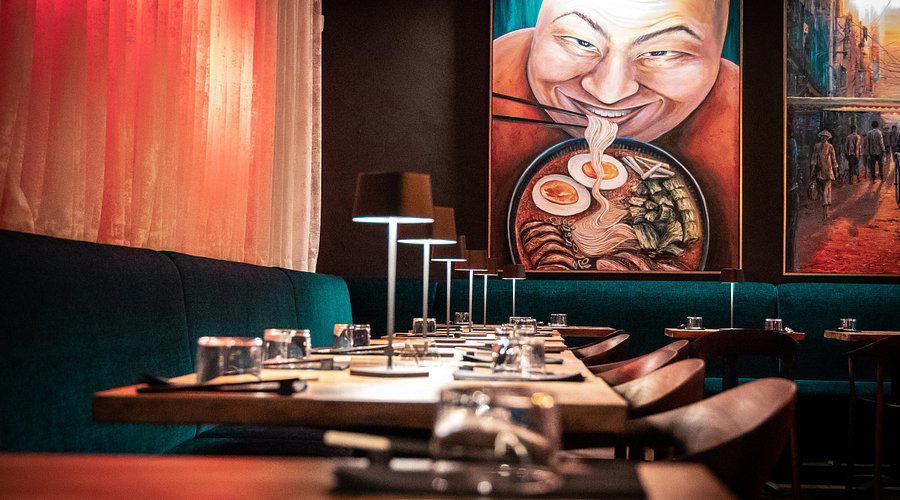
Bars in Zagreb
Browse all →
Hotels in Zagreb
Browse all →


At a Glance
- Casual
- Cozy
- Elegant
- Business Dinner
- Group Dining
- Casual Hangout
- Brunch
- Terrace
- Private Dining
- Local Sourcing
Current opening hours
- Monday
- 7 AM–7 PM
- Tuesday
- 7 AM–7 PM
- Wednesday
- 7 AM–7 PM
- Thursday
- 7 AM–7 PM
- Friday
- 7 AM–7 PM
- Saturday
- 7 AM–4 PM
- Sunday
- Closed
Hours can change for holidays and private events. Last verified .
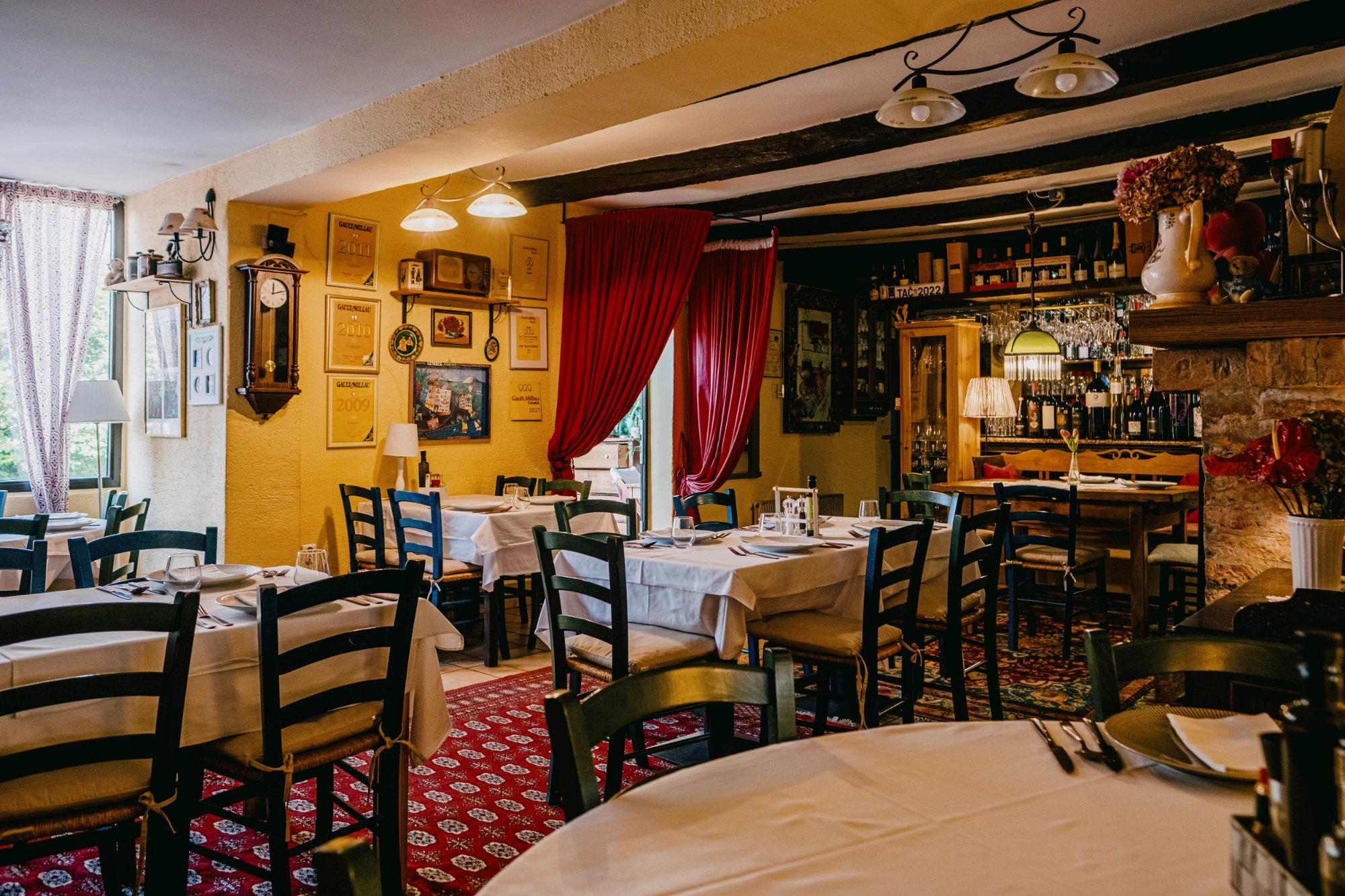
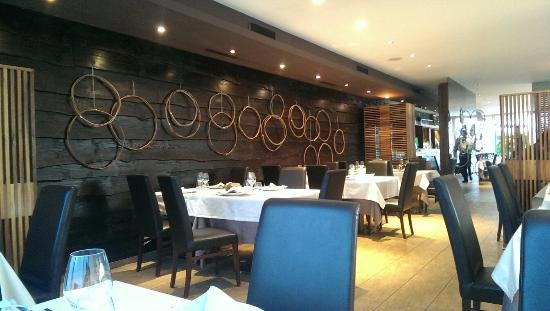
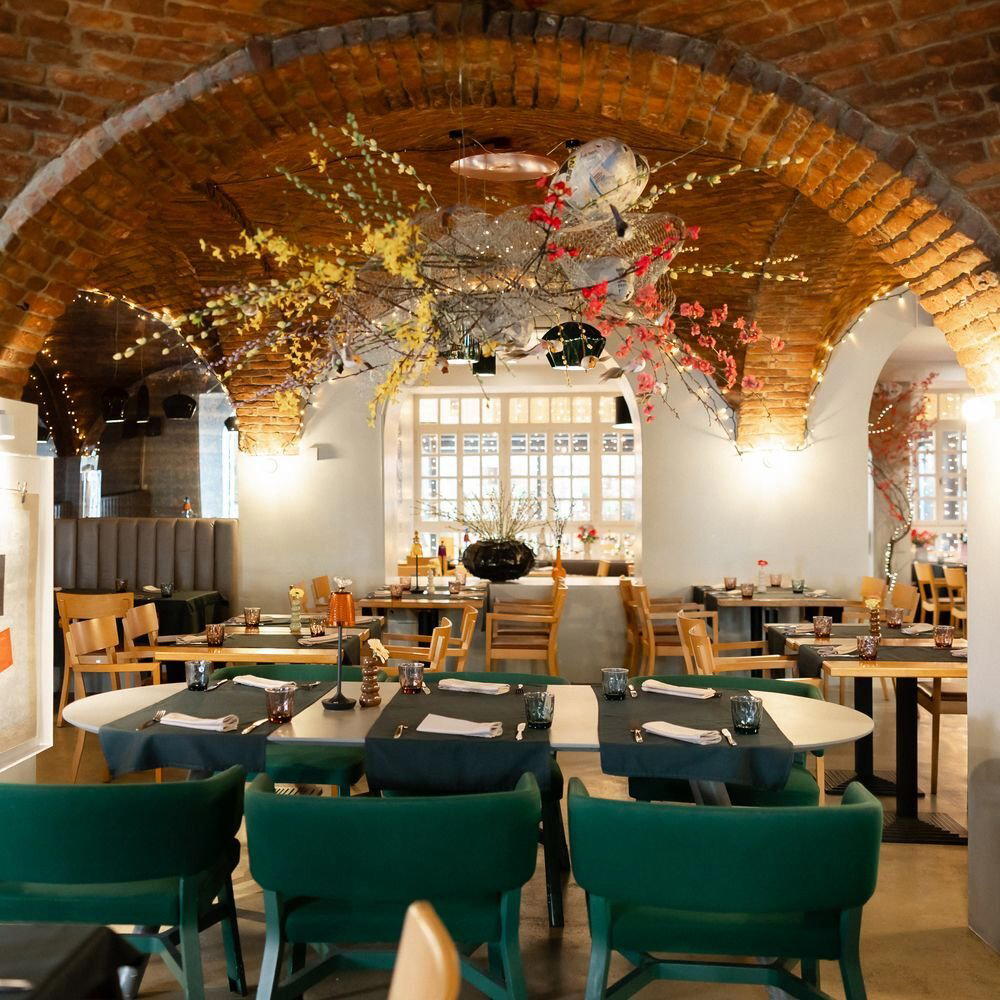
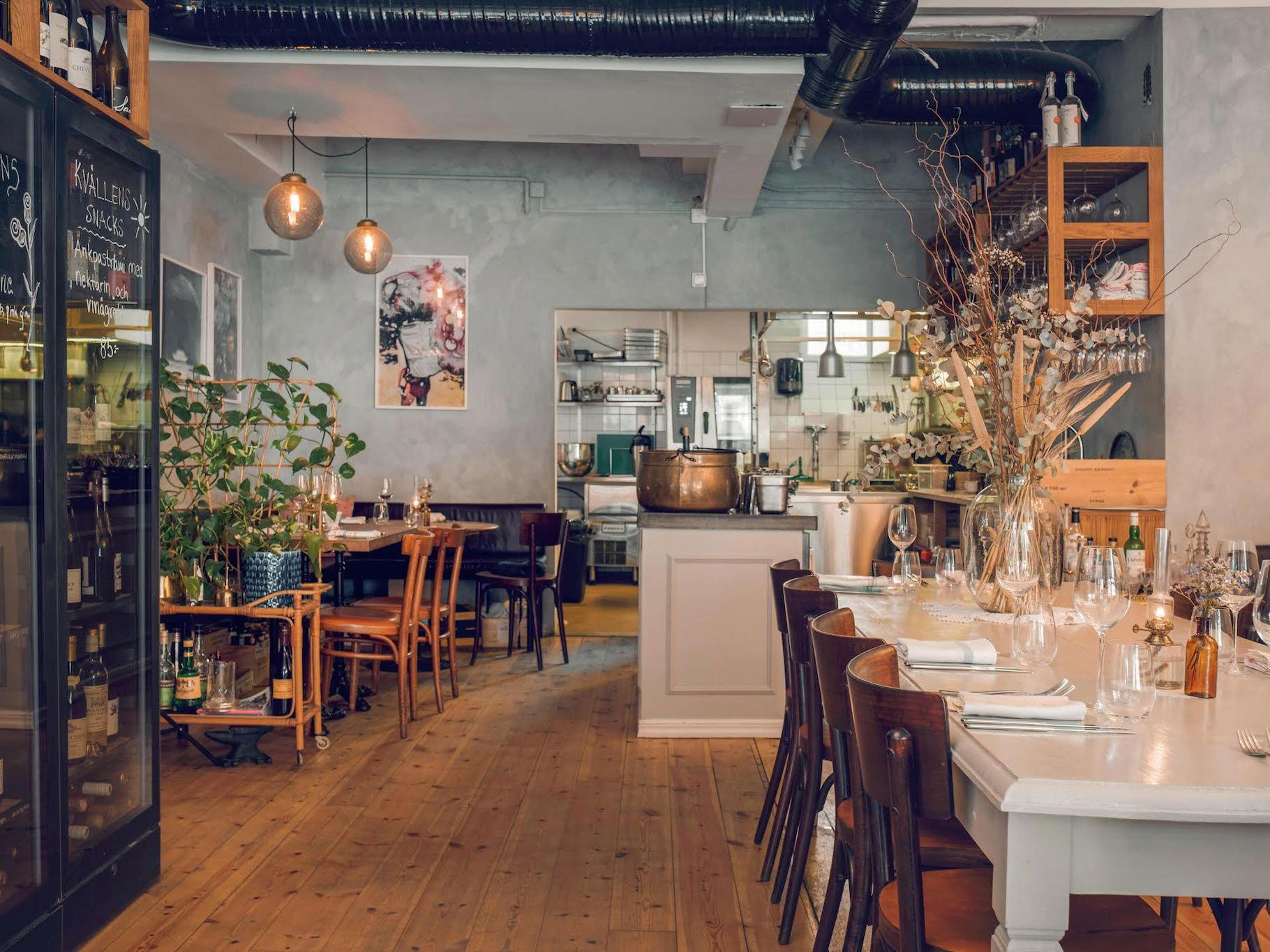
Casual and friendly atmosphere with clean, nicely decorated interior; calm and pleasant ambiance suitable for brunch and business dining.