Ježeva kućica occupies a quiet address at Fakultetsko dobro 8, sitting at the edge of Zagreb's academic quarter where the city's dining scene tends toward local regulars over tourist circuits. The name, Croatian for 'hedgehog's little house', signals a particular register: small, deliberate, unhurried. For visitors building a serious itinerary through the Croatian capital, it belongs in the conversation alongside the city's more documented dining addresses.
Pearl is the En Primeur Club membership app — saves, bookings, and concierge access live there. Same editors, same standards.
- Address
- Fakultetsko dobro 8, 10000, Zagreb, Croatia
- Phone
- +38513535222
- Website
- jezeva-kucica.hr
- Directions
- Get directions
 Saves & bookings on Pearl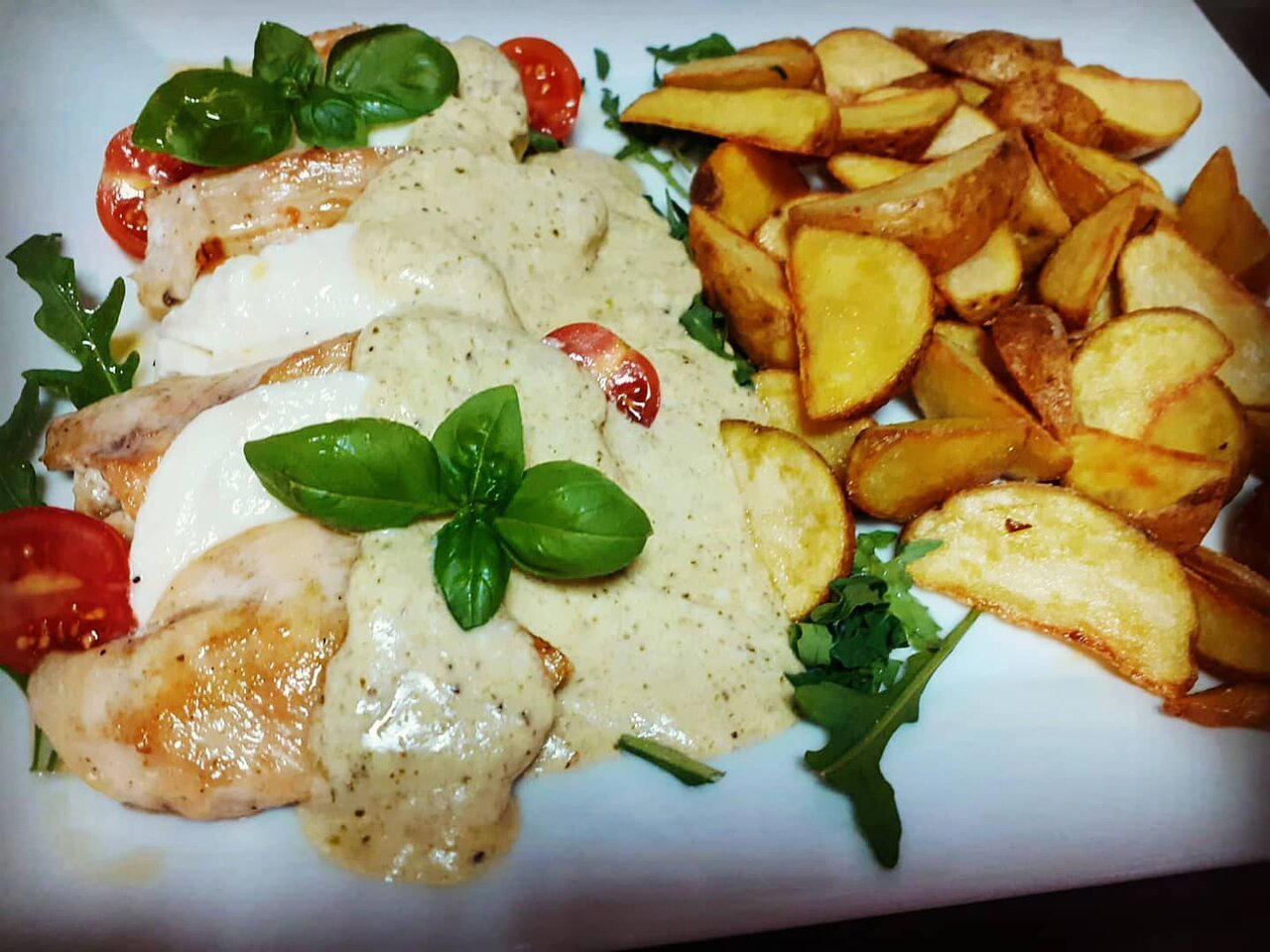
Where Zagreb Slows Down
Zagreb's restaurant scene divides along a familiar axis. On one side sit the hotel-adjacent and media-friendly addresses that attract regional attention: places like Noel, which operates at the summit of the modern Croatian tasting-menu format, or Dubravkin Put, where Mediterranean cooking and a park-edge setting have made it a reliable fixture in the city's better-dining conversation. On the other side are addresses that function more quietly, places the city's residents return to without much external prompting, and which rarely appear in the first wave of international coverage. Ježeva kućica is a restaurant in Zagreb, Croatia, serving traditional Croatian Mediterranean cooking at a casual price tier.
The name translates to 'hedgehog's little house,' drawn from a well-known Croatian children's story. That reference is not incidental. It sets an expectation of scale and warmth before a guest has walked through the door, an intimacy that the broader Zagreb dining scene, now maturing into more ambitious territory, still makes room for alongside its more formal addresses.
The Address and What It Signals
Fakultetsko dobro is not a street that appears in most visitor itineraries. It sits outside the compressed tourist triangle of Gornji Grad and Tkalčićeva, closer to the institutions and green corridors of the city's western academic edge. In most European cities, the districts adjacent to university faculties develop their own dining logic: lower price sensitivity among regulars, more tolerance for format experimentation, and a kitchen that doesn't need to perform for first-time visitors. Zagreb follows that pattern in several neighbourhoods, and this address fits that character.
For visitors arriving from the coast, from Restaurant 360 in Dubrovnik, Pelegrini in Sibenik, or LD Restaurant in Korčula, the shift in register that Ježeva kućica represents is part of what makes Zagreb worth spending time in. The Adriatic coast has developed a recognisable premium dining identity tied to wine, seafood, and architectural drama. Zagreb's better addresses operate with a different grammar: more Central European in structure, more focused on the interior, and considerably less seasonal in their audience.
Seasonal Timing and the Zagreb Calendar
Zagreb rewards visits across a wider seasonal window than most Croatian destinations. While the coast compresses its serious dining into the May-to-September arc, with addresses like Boskinac in Novalja or Alfred Keller in Mali Lošinj shaped heavily by the summer visitor cycle, Zagreb's dining scene runs year-round. Autumn, when the city's markets move toward mushrooms, game, and the first Slavonian truffle hauls, is the period when smaller neighbourhood addresses tend to show their leading form. The winter pre-Christmas period, with Advent markets running through Advent and into early January, brings a different energy to the city's streets and tends to fill local restaurants with a mix of domestic visitors and city regulars.
Spring is the quieter, more considered window. Fewer crowds, longer evenings by April, and a local restaurant culture that settles back into its routine rhythm after the Advent season. For addresses like Ježeva kućica, which appear to operate for a local rather than visitor audience, spring visits often mean shorter waits and a room that reflects its actual clientele rather than peak-season overflow.
Zagreb's Neighbourhood Dining Tier
Zagreb has developed a recognisable tiering in its restaurant options over the past decade. At the formal end, a handful of addresses compete for regional recognition and attract the kind of guests building Croatian itineraries around food: Noel at the tasting-menu level, Dubravkin Put for Mediterranean cooking in a setting that justifies the fare, and more casual but considered options like Izakaya for Japanese contemporary or Al Dente and Amfora for more familiar formats at accessible price points.
Below that visible tier sits a layer of addresses that don't market outward but sustain loyal regulars across years. These are often the restaurants that tell you more about how a city actually eats than the award-chasing addresses do. The restaurant appears to operate in that space. Its local standing comes from its neighbourhood function and the persistence of its address in a city where restaurant turnover is not insignificant.
For comparison: Croatia's more documented dining addresses, Agli Amici Rovinj, Nebo by Deni Srdoč in Rijeka, or Korak in Jastrebarsko, have built their reputations through consistent format discipline and, in several cases, Michelin recognition. The restaurant does not sit in that credentialed tier, but that is not necessarily what it is attempting. The city needs both kinds of address, and a well-constructed Zagreb itinerary makes room for each.
Planning a Visit
The restaurant recommends reservations, and it is open Tuesday through Sunday from 11 AM to 10 PM; Monday is closed. Given the address sits away from the main tourist corridors, walk-in possibilities during off-peak periods are plausible, though any address functioning as a neighbourhood regular tends to fill its room with returning guests rather than leaving open seats. A weekday visit is the lower-risk approach for those without a confirmed reservation.
For anyone planning a broader Croatian dining itinerary, Zagreb offers dining across categories and price tiers, with a different rhythm from the coastal cities. For reference on the global standards that inform Croatia's most ambitious kitchens, Le Bernardin in New York and Atomix in New York represent the kind of benchmark precision that filters into European fine dining at various levels of influence.
Zagreb's dining scene has earned serious attention in its own right, not as a footnote to the Adriatic coast but as a Central European capital with its own culinary logic. The restaurant represents one thread of that, the neighbourhood address that sustains a city's dining culture without needing external validation to do so.
Peers in This Market
Comparable venues nearby, for context on price, style, and recognition.
| Venue | Cuisine | Price | Notes |
|---|---|---|---|
| Ježeva kućicaThis venue — the venue you are viewing | Traditional Croatian Mediterranean | $$ | Not listed |
| Otto & Frank | Contemporary Croatian Bistro | $$ | Tkalčićeva Street, City Centre |
| Vinodol | Traditional Croatian | $$ | Downtown |
| Arepera Maracay | Venezuelan Street Food | $$ | Zagreb City Center |
| Zrno bio bistro | Certified Organic Vegan Bistro | $$ | city center |
| Kaiser | Authentic Croatian Seafood and Grill | $$ | Kajzerica |
Continue exploring
More in Zagreb
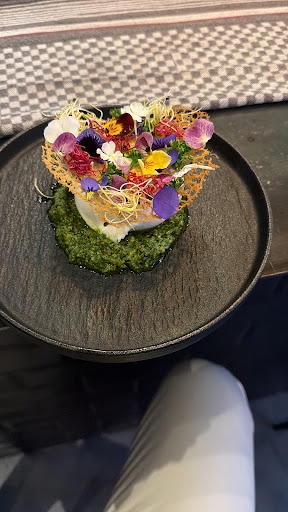
Restaurants in Zagreb
Browse all →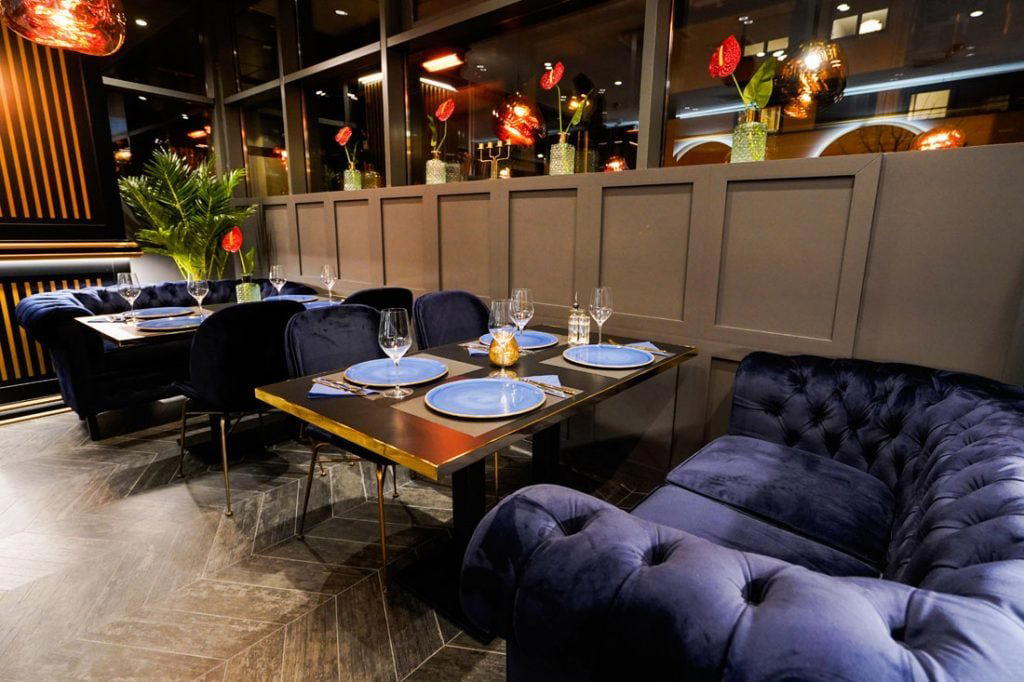
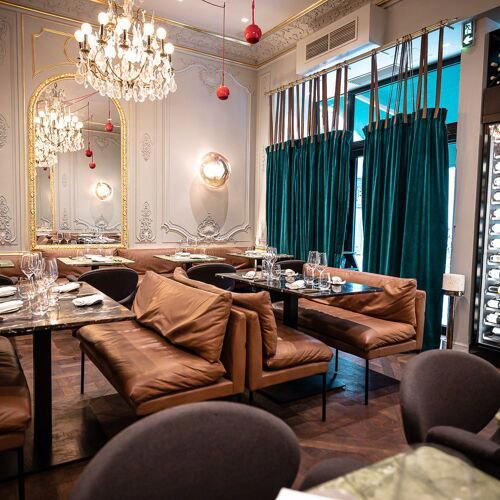
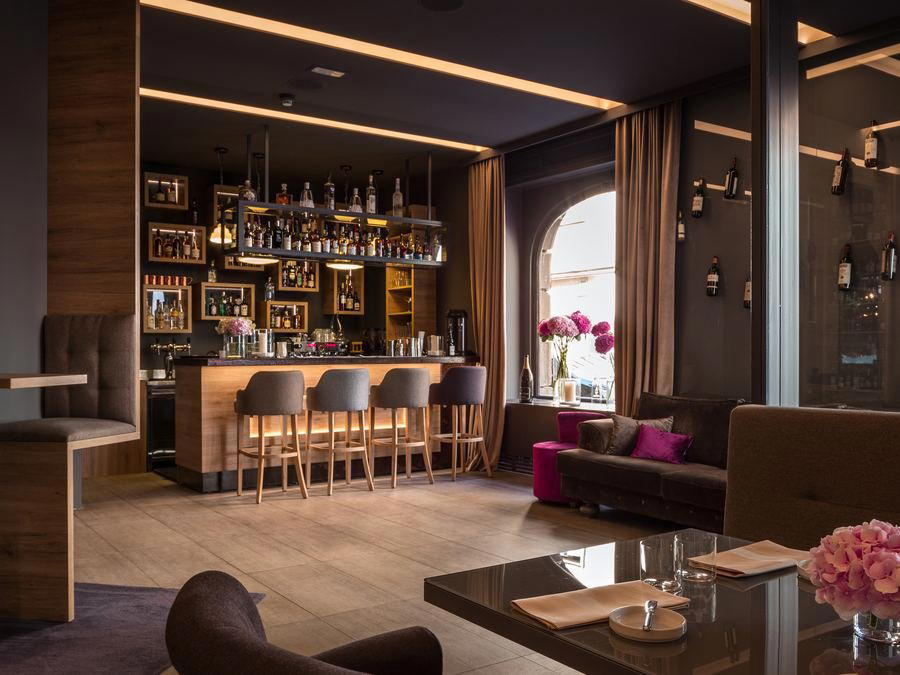
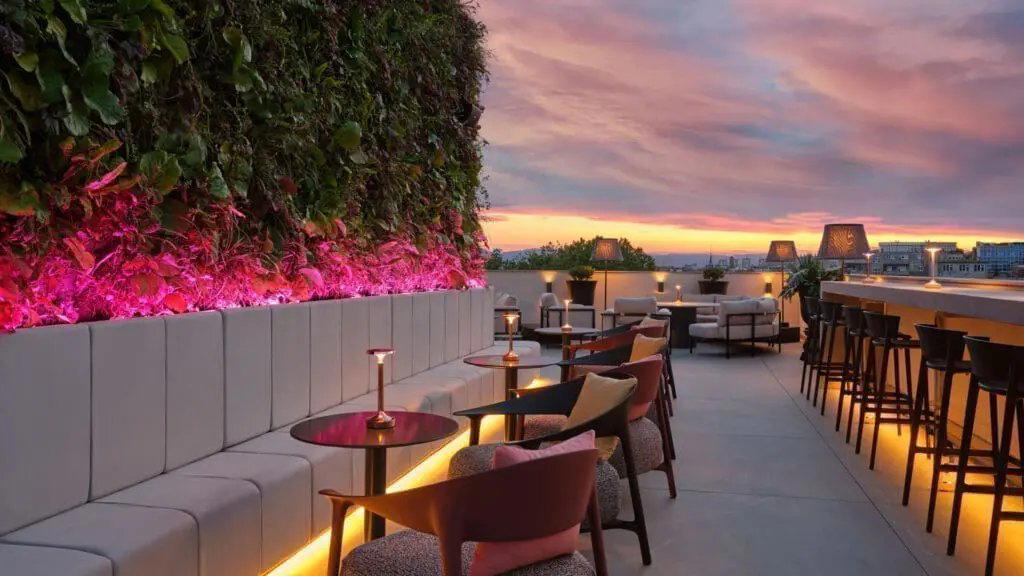
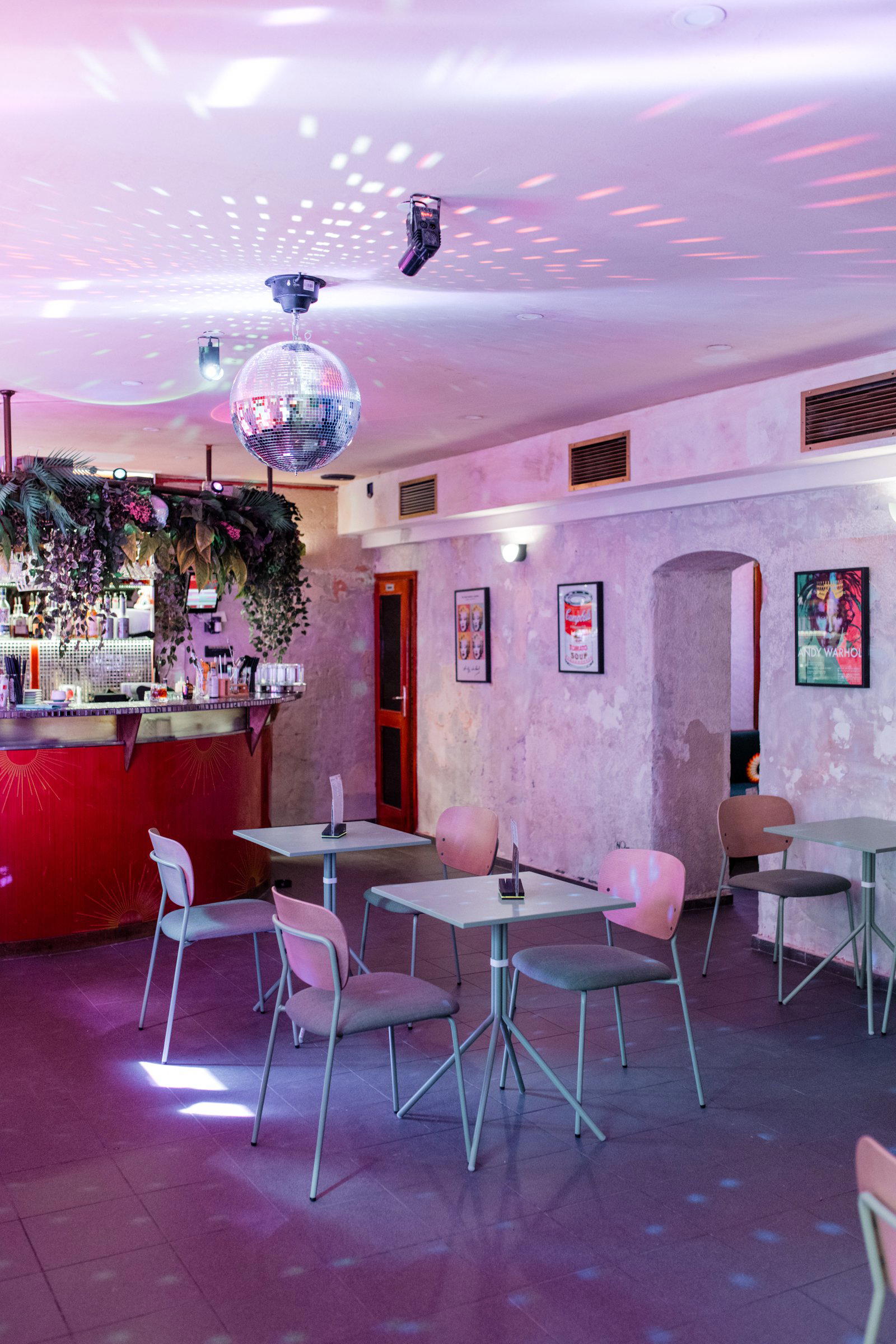
Bars in Zagreb
Browse all →
Hotels in Zagreb
Browse all →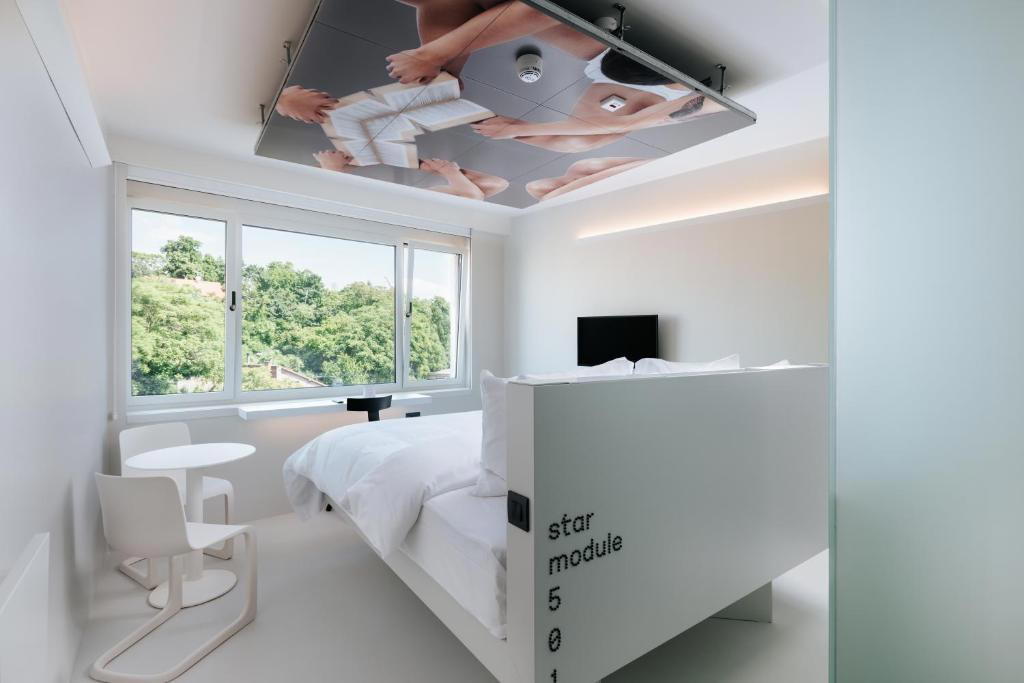

At a Glance
- Cozy
- Rustic
- Relaxed
- Casual Hangout
- Family
- Local Sourcing
Current opening hours
- Monday
- Closed
- Tuesday
- 11 AM–10 PM
- Wednesday
- 11 AM–10 PM
- Thursday
- 11 AM–10 PM
- Friday
- 11 AM–10 PM
- Saturday
- 11 AM–10 PM
- Sunday
- 11 AM–10 PM
Hours can change for holidays and private events. Last verified .
Relaxed and pleasant atmosphere with warm, welcoming surroundings ideal for enjoying home-made cuisine.