Our verdict
On Vlaška ulica, one of Zagreb's most character-laden streets, Burgeraj occupies a position in the city's casual dining conversation that rewards closer attention. The address places it within easy reach of the Upper Town and Kaptol district, situating it well for visitors moving between Zagreb's historic core and its more everyday neighbourhoods. For those tracing the city's food scene beyond formal dining rooms, it merits a look.

Pearl is the En Primeur Club membership app, where members save venues, book tables and use the concierge.

The menu
What to order
- Pepper Jam Burger
- Tamari Mushroom Burger
- Bacon Cheeseburger
Vlaška and the Street It Sits On
Zagreb's Vlaška ulica runs east from the city centre with a rhythm that few tourist itineraries follow closely enough. It is a working street, pharmacies, bakeries, the occasional wine bar, and its dining spots tend to reflect the preferences of residents rather than the priorities of visitors. That texture makes it a useful lens for understanding how Zagrebians actually eat when they are not performing for an occasion. Burgeraj, at number 35, occupies a spot on this street that places it squarely in that everyday register, accessible on foot from both the Upper Town and Tkalčićeva without requiring a tram. The address alone signals something about the venue's intended audience and price positioning, even before you consider what is on offer.
In cities like Zagreb, where fine dining has sharpened considerably over the past decade, the casual end of the market is where local food culture tends to show its real character. The tasting-menu rooms, places like Noel (Modern Cuisine) at the higher end or the Mediterranean-leaning kitchen at Dubravkin Put (Mediterranean Cuisine), define one axis of the city's ambitions. But the ground-level spots on streets like Vlaška define a different and arguably more durable one.
Where Burgeraj Sits in Zagreb's Casual Dining Scene
Zagreb's burger category has followed a trajectory visible across Central European capitals: a first wave of American-format imports in the mid-2000s, a longer consolidation phase as local operators adapted the format to domestic tastes and supply chains, and more recently a split between high-volume, delivery-oriented operations and smaller, more considered spots that rely on neighbourhood foot traffic. Burgeraj sits in the latter category by location if nothing else. Vlaška is not a delivery-optimised strip; it is a walk-in street.
Across Zagreb's dining spectrum, the contrast between the casual and the formal is sharper than in some Western European cities. At one end, you have Japanese contemporary formats like Izakaya (Japanese Contemporary) operating at a low price point with high turnover; at the other, tasting-menu operations that price against international peer sets. Burgeraj occupies a middle register that Zagreb handles with less fanfare than other categories, direct, address-led casual dining that does not require a reservation window weeks out or a dress consideration beyond comfort.
For broader context on how this fits within the city's dining geography, the full Zagreb restaurants guide maps the neighbourhood patterns in more detail, including how Vlaška and the surrounding Gornji Grad area function relative to the more concentrated dining corridors further west.
Croatia's Dining Scene Beyond the Capital
Understanding where a Zagreb casual address sits requires some awareness of where Croatian dining has moved nationally. The country's most formally recognised kitchens are concentrated on the coast and islands: Agli Amici Rovinj in Rovinj, Pelegrini in Sibenik, and Restaurant 360 in Dubrovnik anchor the premium end of a coastal fine dining circuit that draws international visitors alongside domestic ones. Inland, the picture is different. Zagreb's best-known addresses compete on culinary ambition rather than setting or seasonal tourism pull.
Elsewhere in the country, places like Korak in Jastrebarsko, Boskinac in Novalja, and Alfred Keller in Mali Lošinj demonstrate how Croatian hospitality at the premium tier is increasingly tied to provenance, local ingredient sourcing, and wine programs that draw on Dalmatian and Istrian producers. Even Nebo by Deni Srdoč in Rijeka and Krug in Split reflect a coastal fine dining identity shaped partly by wine list depth and regional producer relationships. LD Restaurant in Korčula and San Rocco in Brtonigla similarly anchor their offers in local terroir. That national context matters because it shapes what Zagreb's casual spots are measured against locally: a dining public increasingly aware of what good Croatian wine and produce looks like, even at informal price points.
The Wine Question at Casual Zagreb Addresses
The editorial angle worth pressing on for any casual Zagreb venue is wine. Croatian wine has moved faster than most international observers have tracked. Producers in Istria, working with Malvazija and Teran, and in Dalmatia, with Plavac Mali and Pošip, have developed a category depth that the country's food press began taking seriously around the same time as the coastal fine dining scene consolidated. At the formal end of Zagreb dining, wine lists at places like Noel or Dubravkin Put reflect this shift with domestic selections alongside European references.
At the casual tier, the gap between what is available from Croatian producers and what actually ends up on informal wine lists remains uneven. Some Vlaška-area spots have responded to this by keeping tight, considered lists anchored in domestic producers; others default to mass-market imports. What is fair to say is that the street's dining culture, and the customer expectations it generates, create conditions where a thoughtful by-the-glass selection, even a brief one, would not be out of place and would reflect a broader shift in how Zagreb casual dining has started to position itself against the national benchmark set by the coastal fine dining circuit.
For comparison, the international premium casual tier, operators like Lazy Bear in San Francisco or the institutional precision of Le Bernardin in New York City, frames wine as integral to the experience at every price point. Croatian casual dining is still building toward that expectation, but the direction is clear, and Vlaška's address profile suggests customers who would notice the difference.
Also on EP Club's Zagreb Radar
Visitors to Zagreb who want to triangulate across the city's dining registers should note a few reference points. Al Dente and Amfora offer further entry points into the city's mid-range dining options, while the contrast with the formal tasting rooms gives a useful sense of where the city's culinary ambitions are concentrated and where they are still developing.
Planning a Visit
Burgeraj is located at Vlaška ulica 35 in Zagreb's 10000 postal district, reachable on foot from the city's main tram corridor along Ilica and from the Kaptol area in under fifteen minutes. The street's character is residential-commercial, which means lunch and early evening tend to see the most natural foot traffic. Given the casual register of the address and the street's walk-in dining culture, advance reservation is unlikely to be required for most visits, though peak weekend evenings in Zagreb's busier seasons may change that calculus.
Frequently asked questions
What's Burgeraj's location?
Burgeraj is located at Vlaška ul. 35, 10000, Zagreb, Croatia, Zagreb.
How does Burgeraj compare to other burger spots in Zagreb?
Zagreb's burger segment developed through a wave of American-format imports in the mid-2000s, followed by a second generation of locally oriented casual addresses that leaned into Croatian produce and neighbourhood identity. Burgeraj's position on Vlaška ulica 35 puts it outside the tourist-facing centre, which typically signals a local-first operation rather than a tourist-trap format. That distinction matters in Zagreb, where the most consistent casual dining tends to sit on residential streets rather than in the main squares.
What do people recommend at Burgeraj?
The address on Vlaška ulica 35 places it squarely in a residential neighbourhood context, where formats tend toward straightforward burger-focused menus rather than rotating seasonal concepts.
Is Burgeraj reservation-only?
Vlaška ulica operates as a walk-in neighbourhood corridor rather than a destination dining street, which typically means counter or casual seating without advance reservations required. Arriving during off-peak hours is a reasonable precaution if you want to avoid a wait.
Side-by-Side Snapshot
Comparable venues nearby, for context on price, style, and recognition.
| Venue | Cuisine | Price | Notes |
|---|---|---|---|
| BurgerajThis venue (the venue you are viewing) | American Burgers | $10–20 | Not listed |
| Arepera Maracay | Venezuelan Street Food | $10–20 | Zagreb City Center |
| SOI fusion | Asian Fusion Street Food | $10–20 | Donji Grad |
| Gostionica Ficlek | Authentic Croatian / Zagreb Traditional | $10–20 | Gornji Grad - Medveščak |
| Boteko Latin Street Food | Brazilian Street Food | $10–20 | Zagreb city center |
| R&B Food | American BBQ & Croatian Grilled Meats | $10–20 | Puljska Ulica |
Continue exploring
More in Zagreb
Restaurants in Zagreb
All restaurants in Zagreb →

Details
- Lively
- Cozy
- Trendy
- Casual Hangout
- Late Night
- Standalone
- Beer Program
- Local Sourcing
- A La Carte
- Craft Beers
- Vegetarian Friendly
Current opening hours
- Monday
- 12–9 PM
- Tuesday
- 12–9 PM
- Wednesday
- 12–9 PM
- Thursday
- 12–9 PM
- Friday
- 12–10 PM
- Saturday
- 12–10 PM
- Sunday
- Closed
Hours can change for holidays and private events. Hours as of .
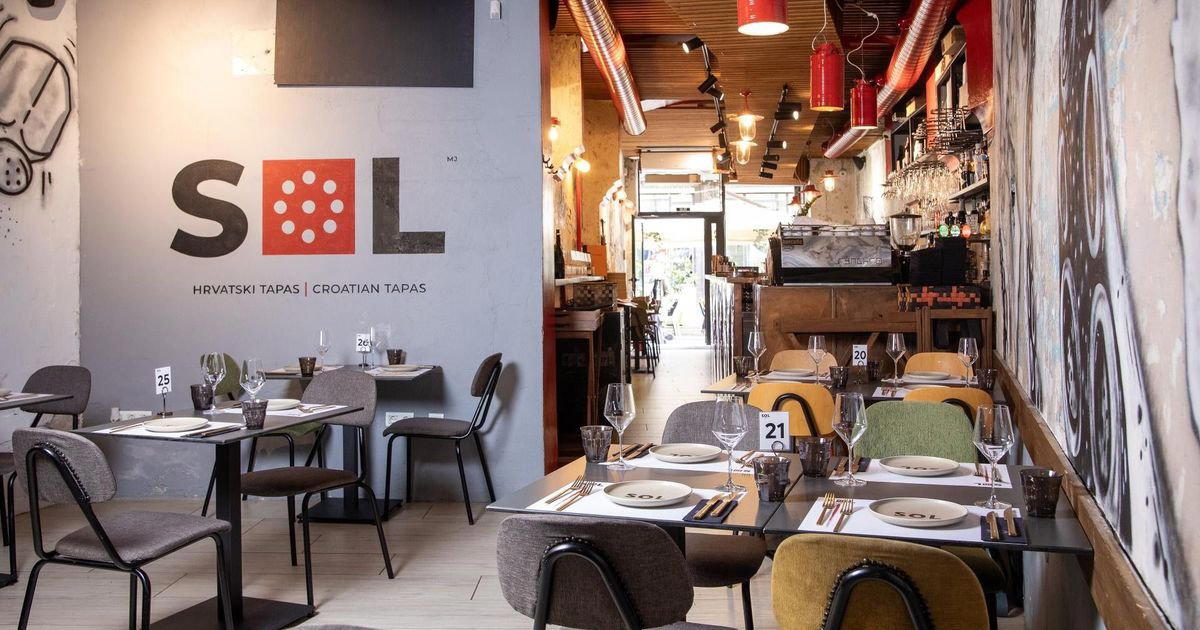
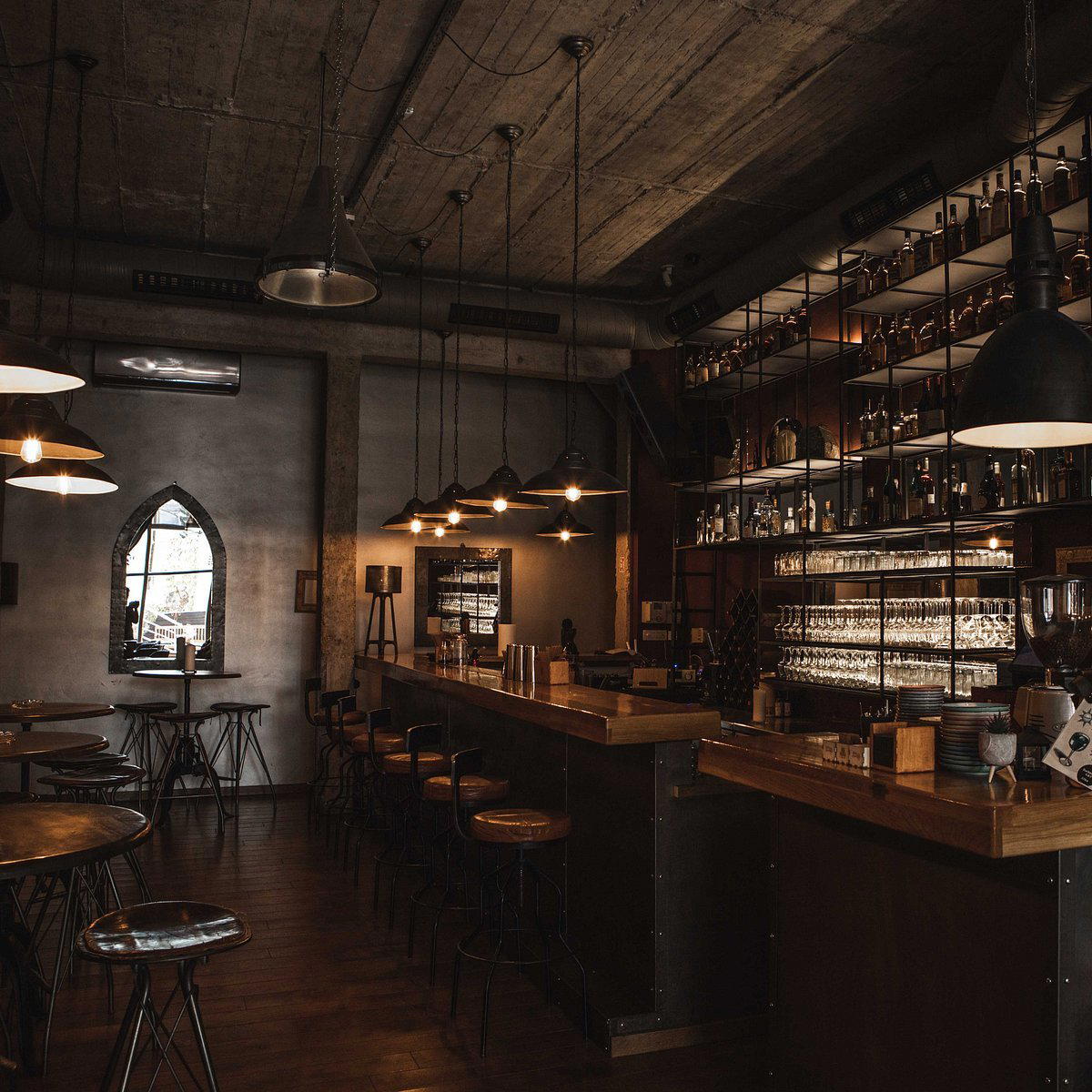
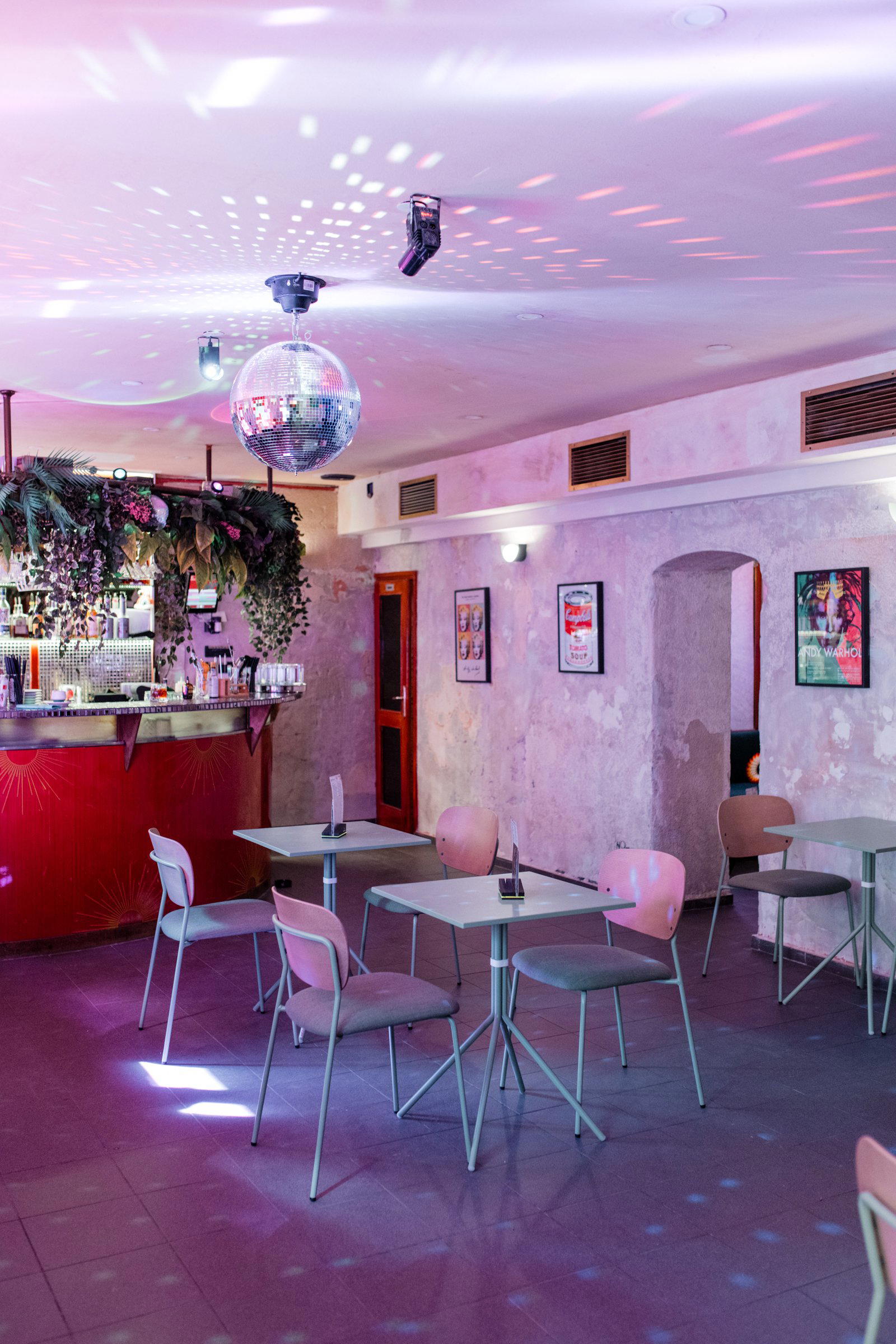
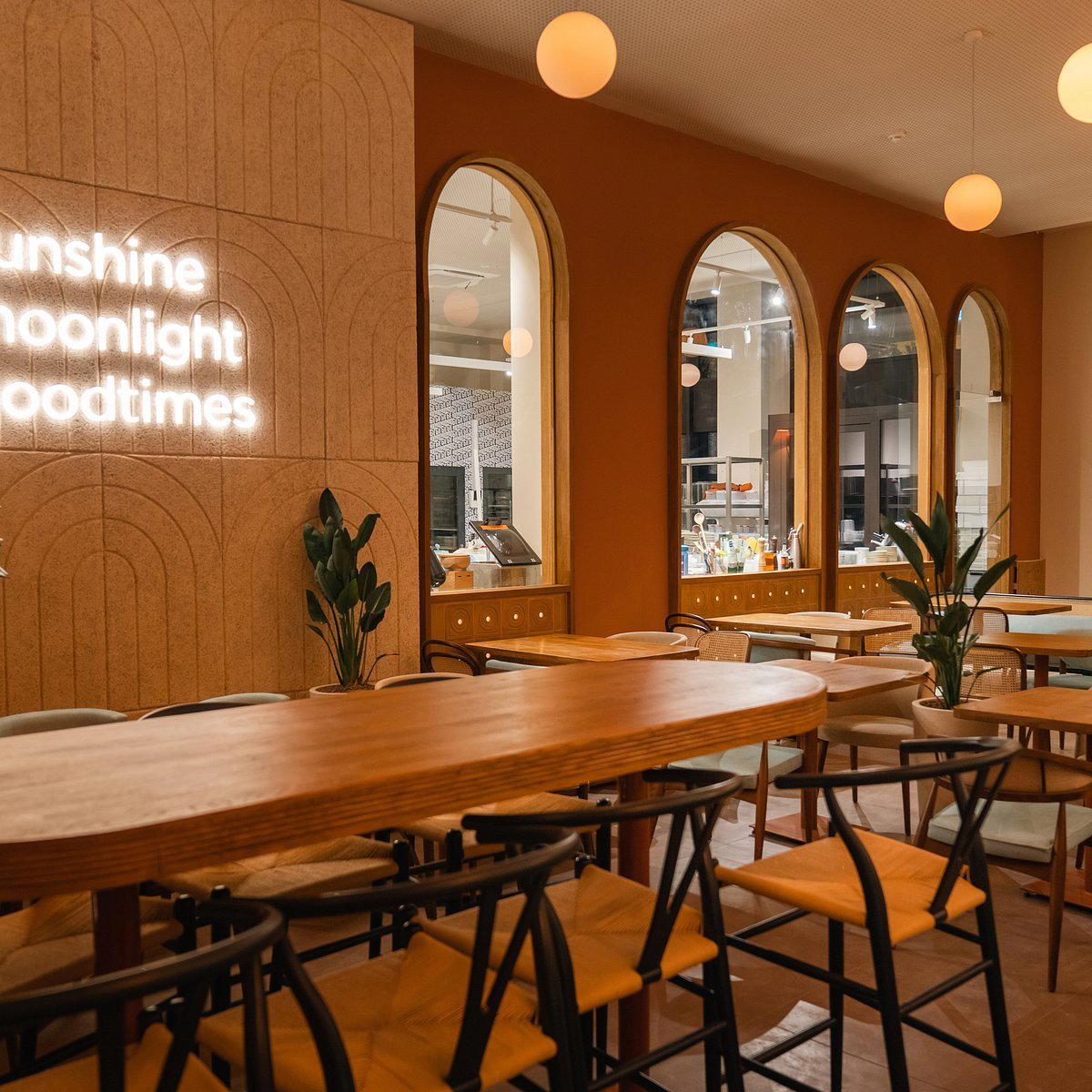
Cozy, homey American diner-style interior with distinctive decor, great music (funk, soul, old school hip-hop), and a lively, relaxed atmosphere.