The Northeast Side Gets a Restaurant Worth the Drive
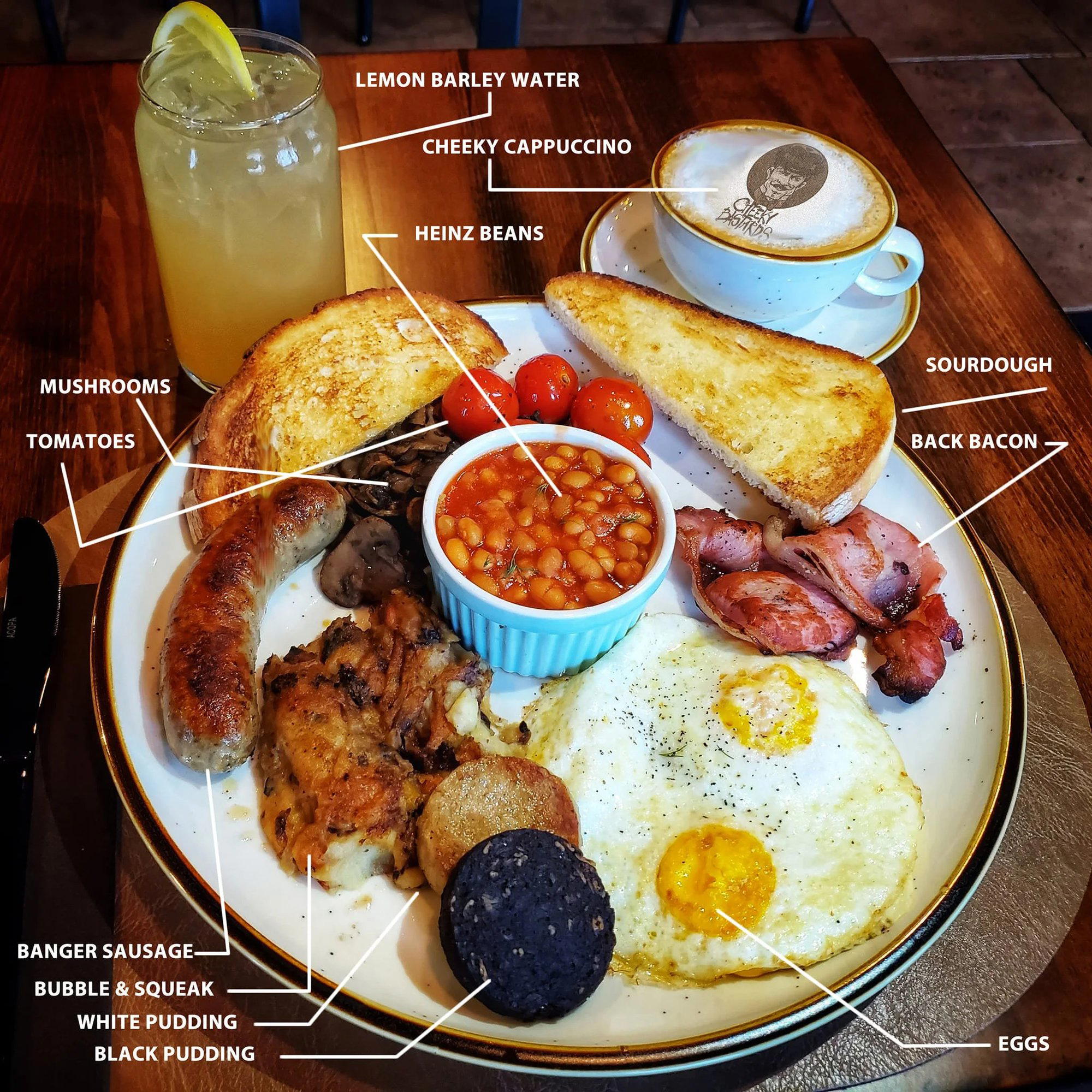
Indianapolis dining has long concentrated its ambition downtown and along Mass Ave, leaving the northeast corridor, the stretch of Fall Creek Road and its surrounding neighbourhoods, to operate on a quieter register. That pattern is shifting. Across American mid-sized cities, a recognizable dynamic has emerged: trained cooks and chefs who cut their teeth at destination restaurants in Chicago, New York, or the coasts return home and open somewhere that surprises a local dining public still accustomed to driving inward for serious food. Cheeky Bastards Restaurant, at 11210 Fall Creek Rd, sits within that broader American restaurant trend, planting itself in a residential corridor rather than a high-visibility entertainment strip.
The name carries intention. In an era when Indianapolis restaurants default to either earnest farm-to-table branding or polished Italian-American warmth, venues like Balena Cucina Italiana and Ambrosia occupy those registers well, a restaurant that leads with irreverence makes a different kind of promise. It signals that the food will have a point of view, that the kitchen is not trying to please everyone, and that the experience will have some friction alongside its hospitality. Whether that promise is fully kept is what any first visit will test.
Local Roots, Imported Method
The most productive frame for understanding what Cheeky Bastards is attempting is the tension between indigenous Midwestern ingredients and globally absorbed technique. Indiana agriculture is underutilized by the national dining conversation. The state produces pork, corn, soybeans, and heritage grains at a volume that should inform restaurant menus far more directly than it currently does. When a kitchen in this city actually commits to sourcing those products and treating them with the discipline that, say, Blue Hill at Stone Barns in Tarrytown or Single Thread Farm in Healdsburg applies to their regional agricultural contexts, the results are qualitatively different from what a generic American bistro produces.
That intersection, global technique applied to local product, is precisely where Indianapolis dining is developing its most interesting work. Across the city, you can trace it in different registers: Milktooth applied it to the brunch format before that restaurant became a national reference point. Goose the Market applies it through charcuterie and prepared goods. The question for Cheeky Bastards is which technique vocabulary it draws on and how rigorously it applies that vocabulary to what grows or is raised within the region.
The editorial angle that leading positions this restaurant against its peers is not the name or the address, it is this methodological question. Kitchens that do this work well tend to share certain characteristics: they change their menus with genuine seasonal rhythm rather than a fixed rotation, they credit suppliers visibly, and they treat technique as a means to express ingredient quality rather than as a display of culinary virtuosity for its own sake. Where Cheeky Bastards lands on that spectrum will determine whether it belongs in a conversation with restaurants like Smyth in Chicago or operates at a more casual register closer to the neighbourhood dining category.
Indianapolis as a Dining City: The Peer Context
Placing Cheeky Bastards requires understanding what Indianapolis has become as a restaurant city. A decade ago, the serious dining conversation centred almost entirely on a handful of downtown addresses and the predictable steakhouse tier anchored by institutions like St. Elmo Steak House. That tier has expanded significantly. The city now supports genuine category diversity: Jewish deli tradition through Shapiro's Delicatessen, Mexican-leaning bar formats at Bakersfield Mass Ave, Greek neighbourhood dining at ATHENS ON 86th, and social dining formats at Aberdeen Social House.
What the city has been slower to develop is the mid-size, chef-driven restaurant that operates outside downtown density and builds its reputation on a clear culinary identity rather than a convenient location. That is a gap that exists in most American cities of Indianapolis's size, and it is the gap that restaurants opening on corridors like Fall Creek Road are implicitly trying to fill. The ambition is visible in restaurants nationally, from Addison in San Diego to Providence in Los Angeles, where destination-worthy cooking operates outside the most obvious zip codes. The model works when the food is specific enough to justify the trip. For our full Indianapolis restaurants guide, this is one of the addresses drawing attention in the northeast corridor.
Planning a Visit
Fall Creek Road sits in the northeastern residential band of Indianapolis, accessible primarily by car. For visitors staying downtown or near the convention corridor, the drive is direct on surface roads heading northeast. Restaurants at this positioning in American cities typically operate a dinner-forward schedule with limited weekend lunch service, but that is a pattern, not a confirmed detail for this address.
For travellers building a broader Indianapolis dining itinerary, the northeast side pairs naturally with a visit to ATHENS ON 86th, which occupies the same geographic band. Anchoring an evening at Cheeky Bastards and spending a lunch nearby creates a northeast itinerary that does not require returning downtown between meals.
For reference on what serious American farm-technique cooking looks like at its highest expression nationally, The French Laundry in Napa, Le Bernardin in New York City, Emeril's in New Orleans, The Inn at Little Washington, Atomix in New York City, Lazy Bear in San Francisco, and Atelier Moessmer Norbert Niederkofler in Brunico establish the benchmark against which local ambition is measured. Cheeky Bastards is operating in a different tier, but the criteria, ingredient sourcing clarity, technique discipline, menu specificity, translate across scales.