Château de Rochecotte
.png)
Set within a Loire Valley château that has hosted aristocracy since the 19th century, Château de Rochecotte's restaurant holds consecutive Michelin Plates for 2024 and 2025, placing it among the region's more carefully considered tables. The kitchen works within a modern cuisine framework, and with a 4.7 Google rating across more than 560 reviews, the dining room consistently delivers at the level the address suggests.
 Discover on Pearl
Pearl is the En Primeur Club membership app — saves, bookings, and concierge access live there. Same editors, same standards.
- Address
- 43 Rue Dorothée de Dino, 37130 Coteaux-sur-Loire, France
- Phone
- +33 2 47 96 16 16
- Website
- chateau-de-rochecotte.com
Where the Loire Sets the Table
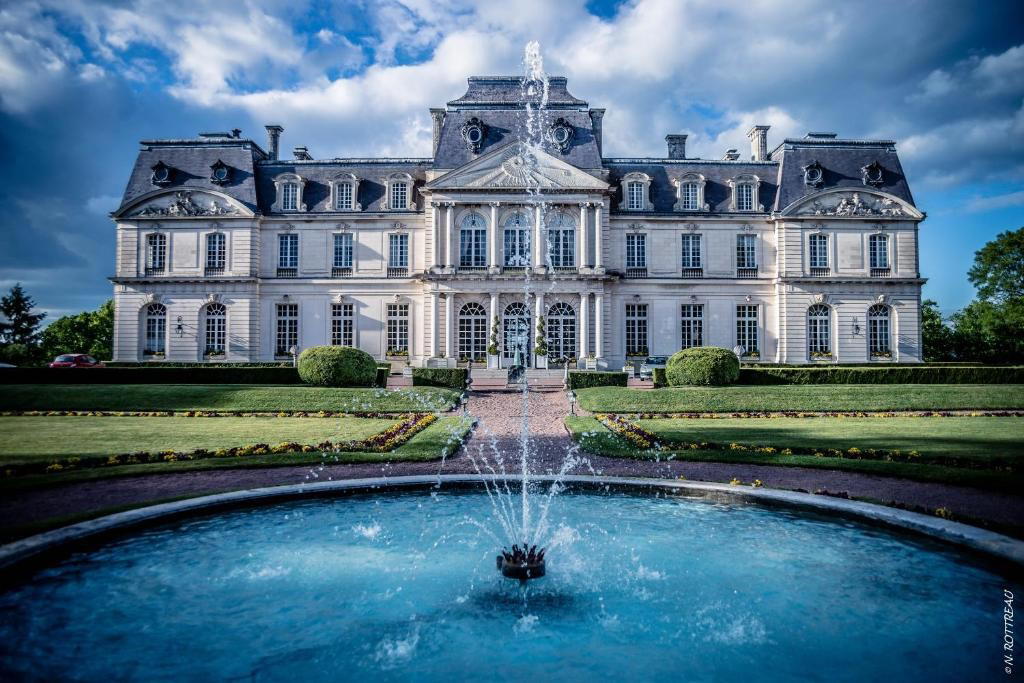
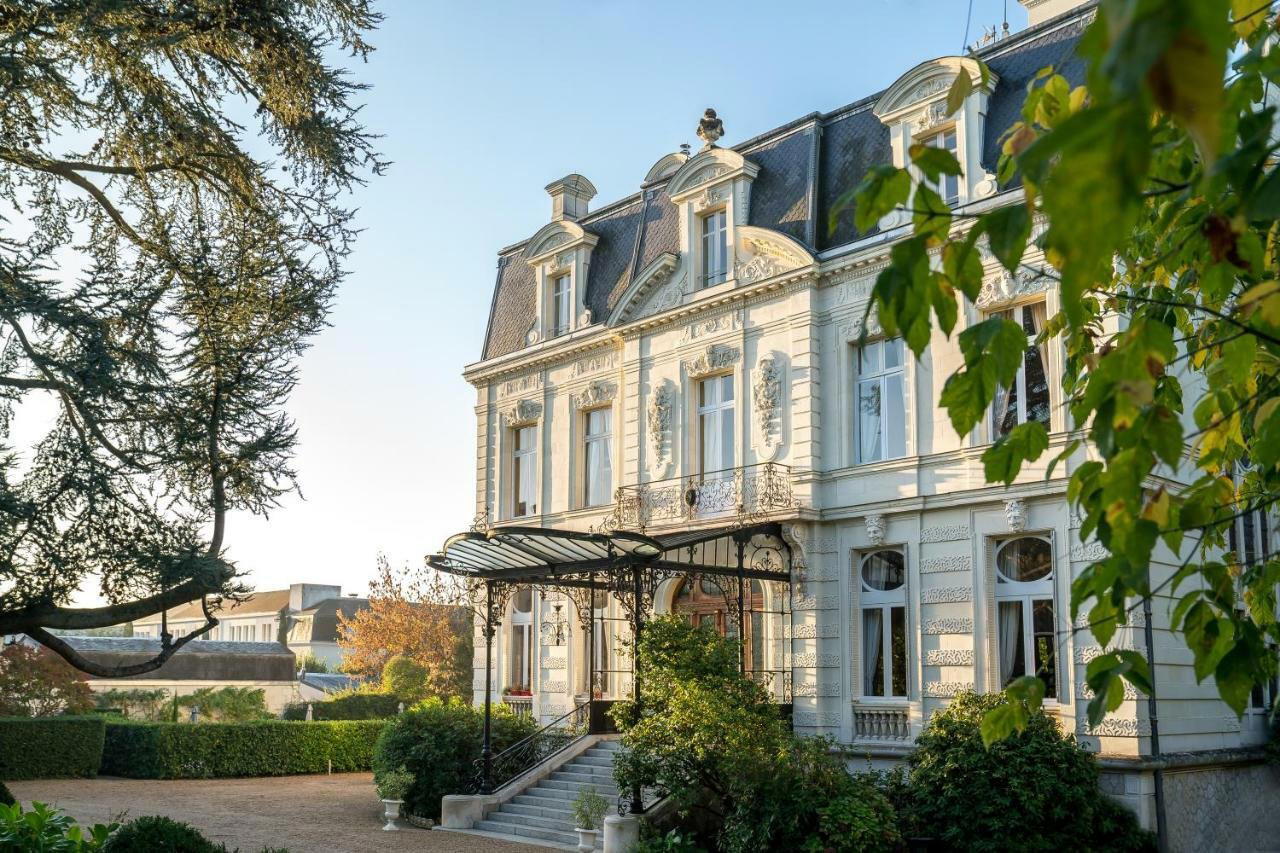
The Loire Valley has long organised French provincial dining around a particular logic: the river, the soil, and the château kitchen form a triangle that the leading regional tables refuse to break. Arrive at Saint-Patrice along the Coteaux-sur-Loire stretch and the pattern holds, the stone architecture frames expectations before you reach the dining room. At Château de Rochecotte, that framing is deliberate. The property at 43 Rue Dorothée de Dino sits within a setting that traces its hospitality lineage to 19th-century aristocratic ownership, and the restaurant inherits both the weight of that context and the discipline it demands.
This part of Indre-et-Loire sits downstream from Tours, in a corridor where Bourgueil and Saint-Nicolas-de-Bourgueil reds grow on tufa and gravel soils, and where the kitchen gardens and small-scale producers that supply château tables have operated through generations of agricultural continuity. That supply chain matters when assessing what a modern cuisine format can actually mean in this setting.
The Ingredient Question in Loire Château Cooking
Modern cuisine, as a category, covers considerable ground across France. At its weakest, it signals fusion drift and technique deployed without terroir. At its most coherent, the format is a discipline of restraint: letting regional ingredients express their specificity through preparation that clarifies rather than obscures. The Loire Valley, with its riverine microclimate, produces asparagus in spring, pike and zander from the river, rillons and rillettes from pork traditions rooted in the Touraine, and goat cheeses, Sainte-Maure de Touraine carries a protected designation, that anchor the cheese course in any kitchen serious about the region.
The question for any château restaurant at this price register is how tightly the menu aligns with that local supply. The €€€ positioning at Château de Rochecotte places it below the top tier of destination dining, houses like Mirazur in Menton or Alléno Paris au Pavillon Ledoyen operate at €€€€ with correspondingly different sourcing infrastructures, but above the bistro tier where ingredient provenance is rarely the central editorial project. At this middle register, ingredient sourcing tends to be the differentiator that separates tables earning sustained recognition from those that plateau.
Consecutive Michelin Plates in 2024 and 2025 indicate that the kitchen is operating to a consistent standard that Michelin inspectors consider worth signalling to readers, not a starred recommendation, but a clear signal of quality cooking within the guide's framework. For comparison, many of the Loire's most-discussed provincial tables cluster at exactly this recognition level before ascending or remaining as reliable regional fixtures. The 4.7 Google rating across 593 reviews adds a separate signal.
The Setting as Context for the Plate
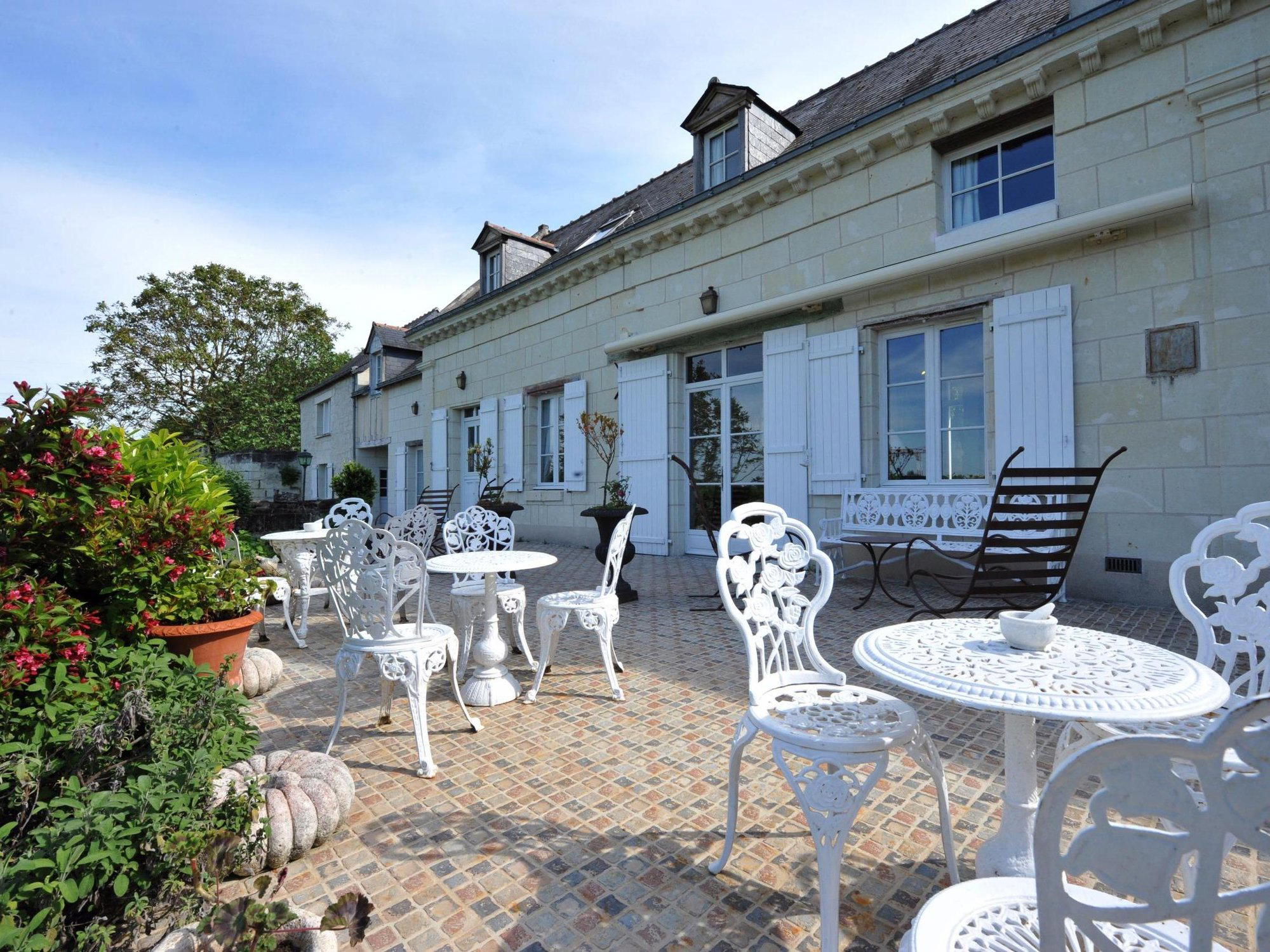
Approaching a Loire château restaurant carries a specific atmospheric logic that differs from urban fine dining. The exterior, stone, formal gardens, the particular quality of light that the river valley produces in the late afternoon, conditions what arrives at the table. Château de Rochecotte's dining room operates within that inherited architecture, and the tension between a historic envelope and a modern cuisine format is one that French regional cooking has worked through productively in recent decades. The most interesting Loire addresses treat the setting not as decoration but as an argument: we are here because of the soil and the river, and the plate should reflect that argument.
This dynamic plays out differently from, say, a destination mountain table like Flocons de Sel in Megève, where Alpine altitude defines the ingredient vocabulary, or a Languedoc address like Auberge du Vieux Puits in Fontjoncouse, where isolation drives hyper-local sourcing out of necessity. The Loire corridor is agriculturally dense and logistically connected, which means sourcing discipline is a choice, not a constraint, and the leading regional kitchens make that choice visibly.
Where It Sits Among French Regional Tables
French provincial fine dining has produced a roster of address types: the multi-generational family house (see Auberge de l'Ill in Illhaeusern or Troisgros in Ouches), the chef-driven destination that organises a visit around a single table (as Bras in Laguiole does), and the château restaurant that functions as part of a hotel-and-table proposition. Château de Rochecotte falls into the third category, which means the dining experience is embedded within a broader stay rather than positioned as a standalone destination. That context changes how the table should be evaluated: the relevant comparable set includes other château hotel restaurants in the Loire and wider France, not the standalone three-star houses.
Within that comparable set, the Michelin Plate signals a kitchen punching at the competent-to-serious end of the spectrum. Tables like Au Crocodile in Strasbourg and Assiette Champenoise in Reims illustrate the range of regional recognition structures, from long-established institutions to hotel restaurants that have built their own dining reputations. Château de Rochecotte is positioned at a similar intersection: an address where the hotel context and the kitchen quality reinforce each other rather than one carrying the other.
Planning a Visit
Saint-Patrice sits in Coteaux-sur-Loire, reachable from Tours by road in under thirty minutes, which makes it a viable day-trip from the city or, more naturally, a component of a multi-day Loire itinerary. The property's address is 43 Rue Dorothée de Dino, 37130 Coteaux-sur-Loire. At about $85 per person, an evening here is a considered regional dinner rather than a special-occasion spend. Booking ahead is advisable, particularly in spring and summer when Loire Valley tourism is at its peak and château hotel restaurants fill from both resident guests and external diners.
In Context: Similar Options
Comparable venues nearby, for context on price, style, and recognition.
| Venue | Cuisine | Price | Awards | Notes |
|---|---|---|---|---|
| Château de RochecotteThis venue — the venue you are viewing | Modern French Gastronomique | $$$$ | Michelin Plate | |
| L'Aigle d'Or | Modern French Gastronomic | $$$$ | Michelin Plate | Azay-le-Rideau |
| Orbys | Modern French Fine Dining | $$$$ | Michelin Plate | Centre-ville |
| La Table de la Caillère | Modern French Fine Dining | $$$$ | Michelin Plate | Candé-sur-Beuvron |
| La Mère Hamard | Creative French Bistro | $$$ | Michelin Plate | Semblançay |
| Le Lucé | Modern French Farm-to-Table | $$$$ | Michelin Plate | Le Grand-Lucé |
Continue exploring
More in Saint-Patrice
Restaurants in Saint-Patrice
Browse all →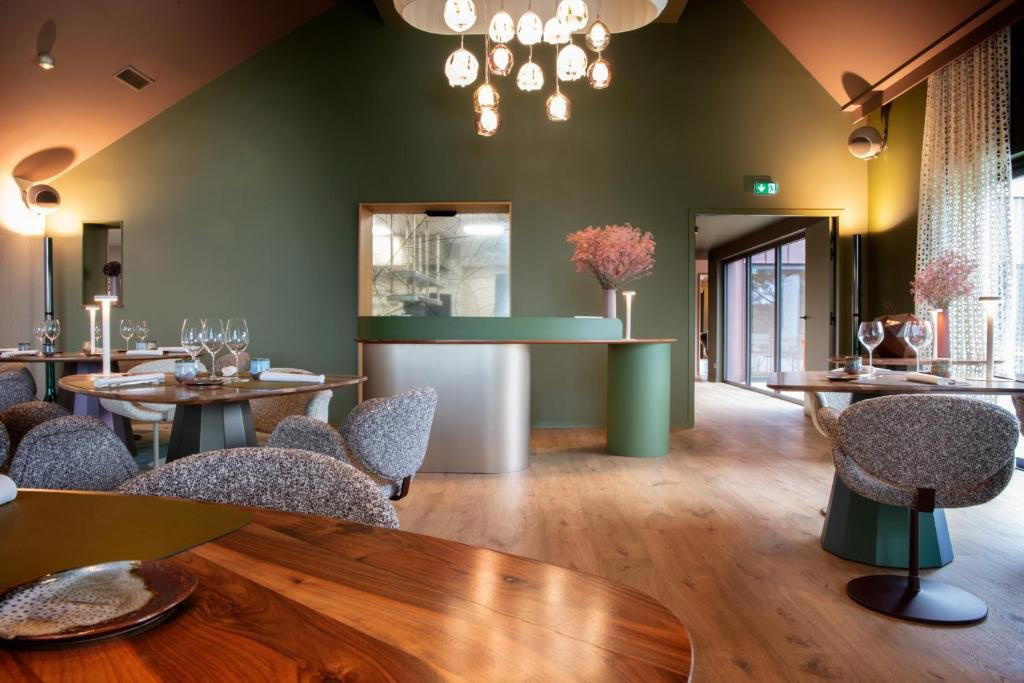
Bars in Saint-Patrice
Browse all →
At a Glance
- Romantic
- Elegant
- Sophisticated
- Scenic
- Date Night
- Special Occasion
- Celebration
- Business Dinner
- Terrace
- Garden
- Private Dining
- Historic Building
- Panoramic View
- Hotel Restaurant
- Extensive Wine List
- Sommelier Led
- Local Sourcing
- Garden
- Vineyard
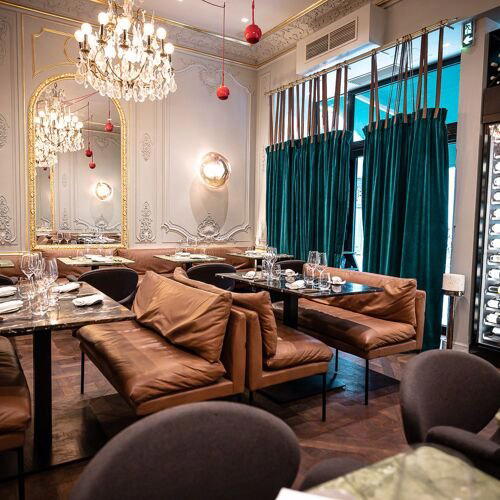
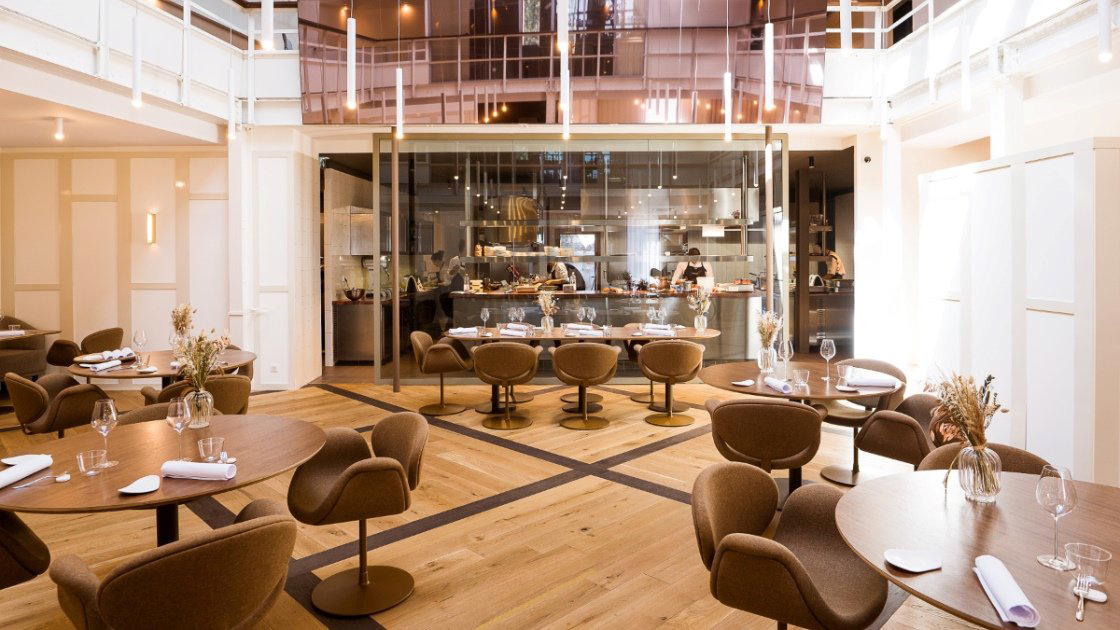
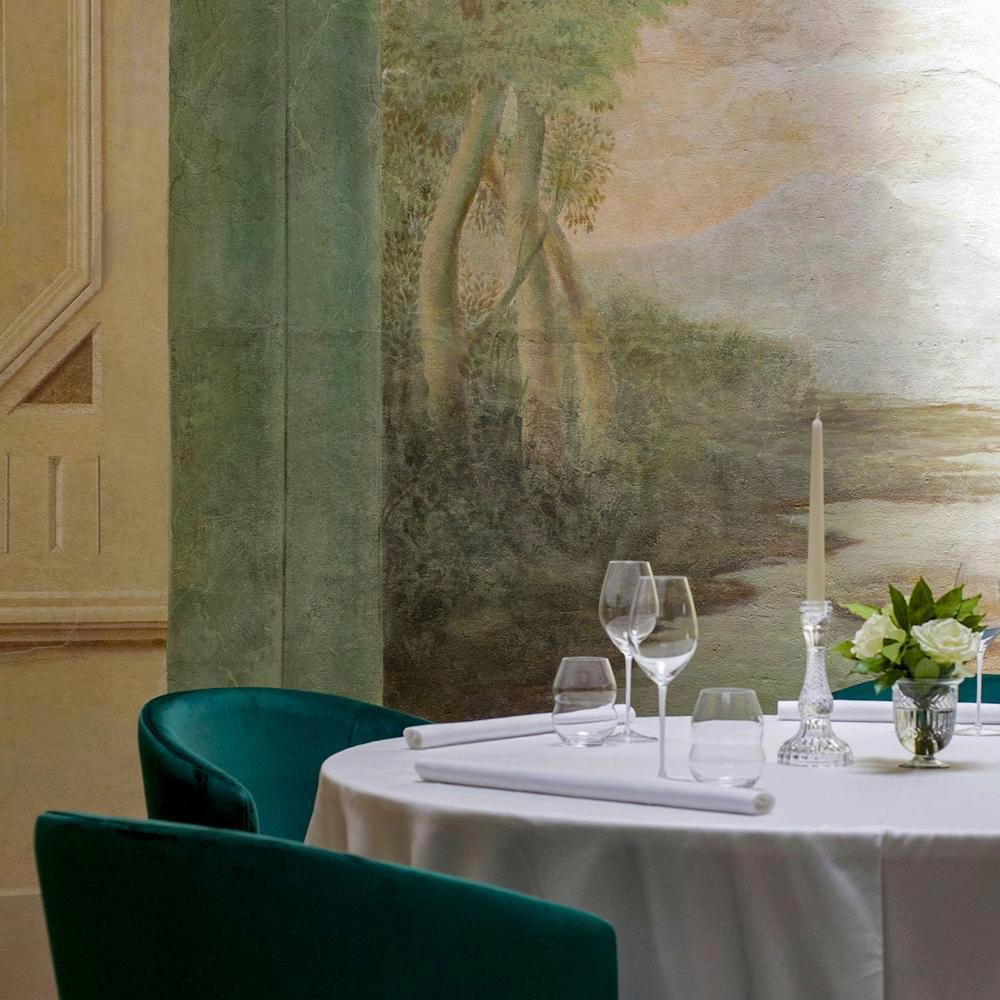
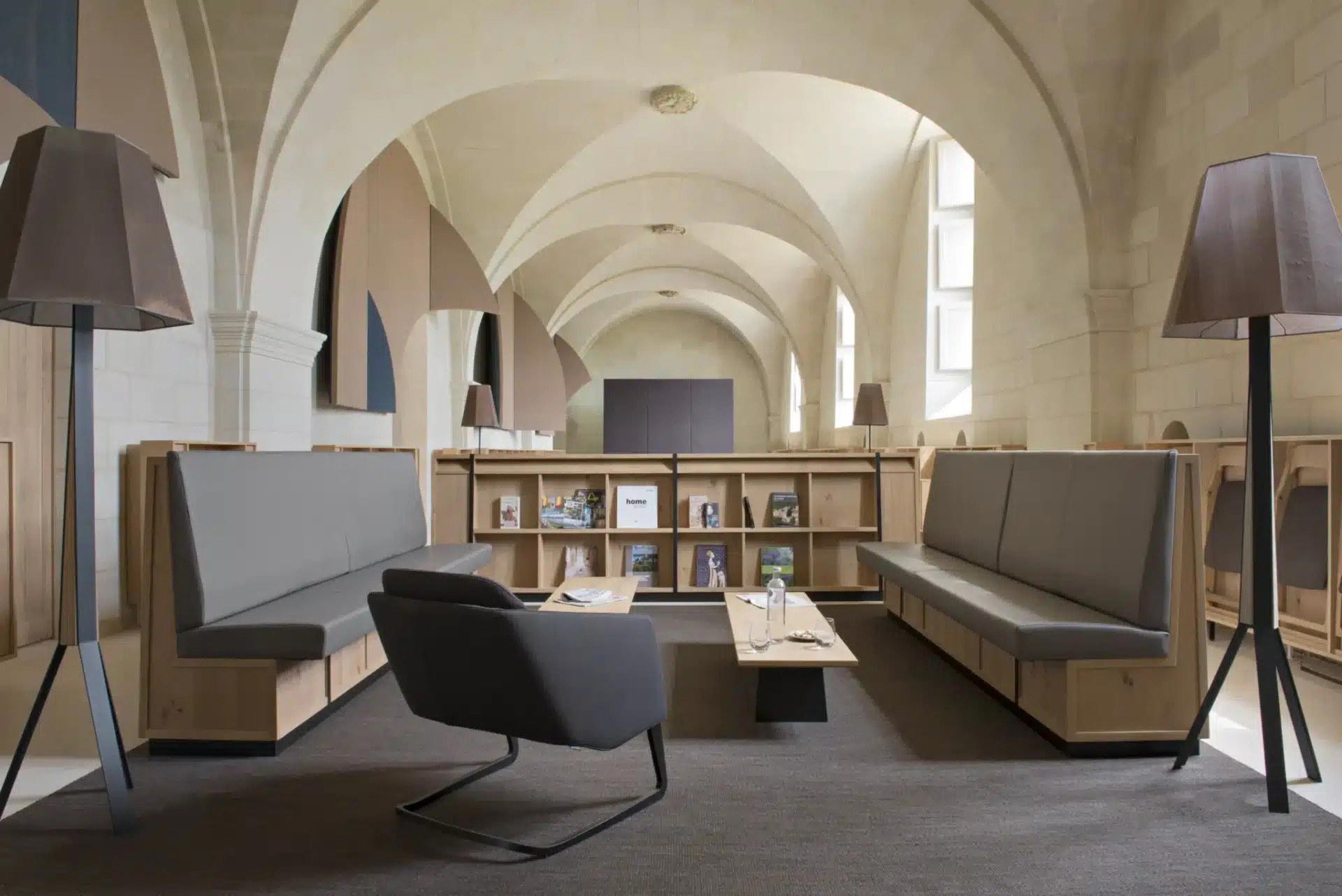
Elegant and sophisticated with neoclassical décor in Le Dino; contemporary and modern in La Verrière with garden views. Warm lighting, refined furnishings, and intimate salon spaces with fireplaces for aperitifs and coffee service.