Verre Bouteille
Our verdict
On a narrow street in La Rochelle's old quarter, Verre Bouteille makes the case that wine curation and food are inseparable. The address on Rue Saint-Nicolas places it steps from the Vieux-Port, inside a city that takes Atlantic seafood seriously. For visitors working through the local dining scene, this is where the bottle becomes as much the story as the plate.

Pearl is the En Primeur Club membership app, where members save venues, book tables and use the concierge.

The menu
What to order
- Tartare de saumon mariné
- Filet mignon de porc en croûte
- Steak tartare
Rue Saint-Nicolas and the Wine-Forward Dining Tradition
La Rochelle has long oriented its restaurant culture around the water. The Vieux-Port sets the tone: Atlantic fish pulled in close enough to trace the trawler, oysters from Marennes-Oléron arriving with their provenance intact, and a civic pride in produce that makes the city one of the more ingredient-honest stops on France's western coast. Within that context, a wine bar and bistro format on Rue Saint-Nicolas, a pedestrian-scale street in the old quarter, reads as a deliberate counterpoint to the heavier, destination-format restaurants nearby. Where Christopher Coutanceau operates at the ceiling of the city's formal dining register, venues like Verre Bouteille occupy the register below it, where the bottle and the plate hold equal authority and the service model is closer to conversation than ceremony.
Across France, this format has developed its own credibility over the past two decades. The cave à manger, a wine shop that serves food, or a restaurant that curates wine with the seriousness of a cellar, has moved from Paris's Oberkampf corridor into provincial cities that have the producer relationships and the clientele to sustain it. In La Rochelle, with proximity to the Loire, Bordeaux, and Cognac country all within a reasonable radius, the raw material for a serious wine list is there. The question any address in this format has to answer is whether the curation matches that geography, and whether the food is designed to let the wine work.
The Wine List as the Organizing Principle
The name Verre Bouteille, glass and bottle, states the proposition plainly. In the cave à manger format, the wine list is not a supporting document; it is the editorial position of the house. The leading operators in this tier build their lists around relationships with small producers, often bypassing the major négociant chains in favor of domaines with limited distribution. This is particularly legible in the Loire Valley, which sits within two hours of La Rochelle and produces the Muscadet, Sancerre, Vouvray, and Chinon that pair most naturally with Atlantic seafood and charcuterie-led small plates.
French wine lists at this level tend to bifurcate between those that follow fashion, natural wine's low-sulfite orthodoxy, for instance, and those that follow quality across whatever production method achieves it. The more durable operators tend toward the latter. They stock orange wines if the producer is serious, conventional whites if the viticulture is sound, and they do not subordinate taste to ideology. For a dining room where the glass drives the experience, that approach produces a list that rewards the curious diner rather than the ideologically committed one.
La Rochelle's position also gives a list like this regional coherence. Cognac's white Ugni Blanc base, Bordeaux's left-bank whites from Graves and Pessac-Léognan, the overlooked Charentais IGP category, these are not wines that dominate Parisian wine lists, but they make geographic sense here and offer a more grounded point of difference than a list built around trophy appellations. Compare the regional specificity possible here to the broader competitive context: at the Michelin-starred tier, places like Mirazur in Menton or Flocons de Sel in Megève anchor their lists to their own terrain. A well-run wine bar in La Rochelle can do the same at a different price point and without the formal structure.
Food in Service of the Glass
The cave à manger format imposes a discipline on kitchen output that full-service restaurants do not face in the same way. Dishes need to function as wine vehicles: they should carry enough flavor to be satisfying on their own terms while leaving structural room for what is in the glass. This generally means acidic, saline, or fat-cut preparations rather than the rich, sauce-forward cooking that works at higher temperature and formality levels. Charcuterie, cured fish, oysters, rillettes, aged cheeses, these are not lazy choices but format-appropriate ones.
In a port city with La Rochelle's seafood access, the natural direction for a food program is Atlantic-facing. Oysters from Marennes-Oléron, a designation with its own controlled geographic identity, are the obvious anchor. Smoked or marinated fish preparations extend the seafood logic. The lighter end of the charcuterie range, duck rillettes, country terrines, provides contrast without weight. For visitors already planning to sit down at Annette or Arco for a more structured meal, Verre Bouteille functions as a different register entirely: an earlier stop, a lateral detour, or a standalone evening built around grazing and good wine rather than a composed progression.
Where Verre Bouteille Sits in La Rochelle's Dining Map
La Rochelle's restaurant geography concentrates around the Vieux-Port and the streets radiating from it. Rue Saint-Nicolas sits within that zone, making the address accessible on foot from the main visitor circuit. The city's dining range runs from the €€€€ formality of Christopher Coutanceau down through mid-register modern cuisine operations and into the casual wine bar tier. Verre Bouteille's positioning in that lower-to-mid register means it functions as a complement to rather than a replacement for the city's more ambitious kitchens.
For those building an itinerary across multiple evenings, the local dining scene also includes André and Arkham, which each occupy different parts of the format spectrum. The fuller picture of where each venue sits is covered in our full La Rochelle restaurants guide. For context on France's more celebrated wine-forward fine dining operations, places where cellar depth operates at a different scale, the lists at Alléno Paris au Pavillon Ledoyen, Auberge de l'Ill in Illhaeusern, or Assiette Champenoise in Reims set the upper benchmark. Further afield, Le Bernardin in New York City and Atomix demonstrate how wine programming at the highest levels operates in a different market context altogether. Verre Bouteille is not competing in those tiers, nor should it be judged against them, the cave à manger format answers a different question.
Planning Your Visit
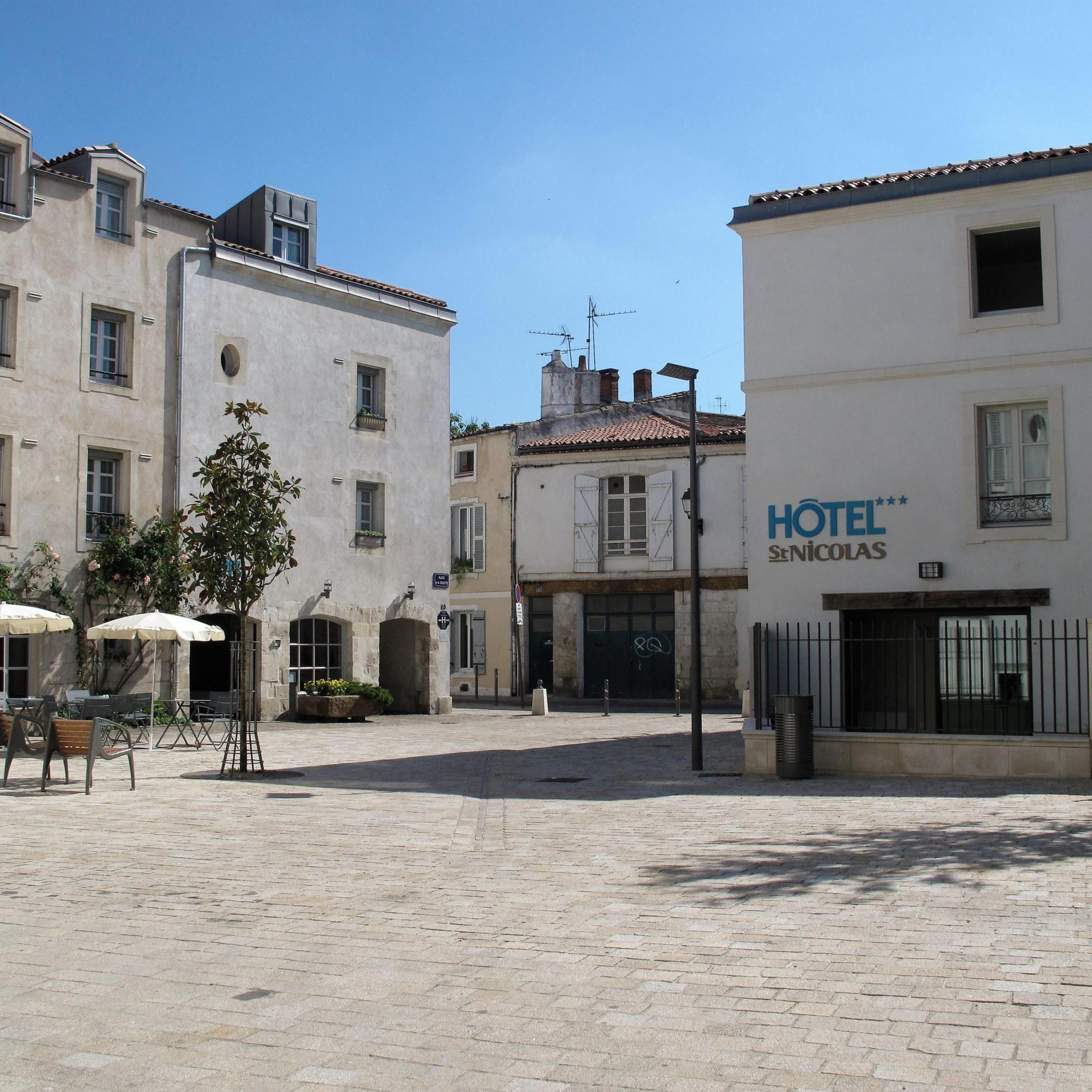
The address at 6 Rue Saint-Nicolas puts Verre Bouteille within the old quarter's pedestrian grid, reachable from the Vieux-Port in a few minutes on foot. In La Rochelle's busier summer months, when the port draws significant tourist volume, wine bar formats in the old quarter tend to fill quickly after early evening. Arriving on the earlier side of service gives the leading chance of a relaxed entry without a wait.
Frequently asked questions
What part of town is Verre Bouteille in?
Verre Bouteille is located at 6 Rue Saint-Nicolas, 17000 La Rochelle, France, La Rochelle.
Is Verre Bouteille a good option for exploring regional French wines from the Charente-Maritime?
La Rochelle sits at the northern edge of Cognac country and within reach of the Loire's southern Atlantic producers, making it a logical base for anyone tracking west coast French wine. A cave à manger format like Verre Bouteille, where the list is the central proposition, tends to reflect local and regional sourcing more directly than a conventional restaurant wine program would. For guests staying in La Rochelle's old quarter, the address at 6 Rue Saint-Nicolas places it within the Vieux-Port dining circuit where regional producers have historically had the strongest foothold.
What's the must-try dish at Verre Bouteille?
The cave à manger format, however, shapes output toward plates built to complement wine rather than carry an evening independently, think charcuterie, aged cheese, and shareable small preparations. The kitchen at 6 Rue Saint-Nicolas operates in service of the glass, which tells you more about portion strategy and intent than any single dish could.
How hard is it to get a table at Verre Bouteille?
Booking specifics are not confirmed for Verre Bouteille. As a general pattern, wine bar formats on La Rochelle's Vieux-Port circuit fill quickly in summer, when the city draws significant Atlantic coast traffic between June and September. If you're visiting during peak season, contacting the venue directly in advance is standard practice for addresses of this type in the old quarter.
What's the signature at Verre Bouteille?
The format is the signature. Verre Bouteille, the name translates literally as glass and bottle, positions the wine list as the primary editorial statement, with food structured to extend and support the drinking rather than compete with it. That wine-first logic is what separates a cave à manger from a conventional restaurant, and it's the governing principle at 6 Rue Saint-Nicolas.
Side-by-Side Snapshot
Comparable venues nearby, for context on price, style, and recognition.
| Venue | Cuisine | Price | Notes |
|---|---|---|---|
| Verre BouteilleThis venue (the venue you are viewing) | Modern French Bistro | Not listed | Not listed |
| Bon Temps | Contemporary French Brasserie | $50–100 | Vieux Port |
| La Fleur de Sel | French Coastal Bistro | $30–50 | Saint Jean du Pérot |
| Gaée | Bistronomic French with Maritime Influences | $30–50 | Vieux-Port |
| Le Tout du Cru | French Seafood & Oyster Bar | $30–50 | La Rochelle city center |
| Lerouge aux Lèvres | French Bistro with Natural Wine Focus | $30–50 | La Rochelle |
Continue exploring
More in La Rochelle
Restaurants in La Rochelle
All restaurants in La Rochelle →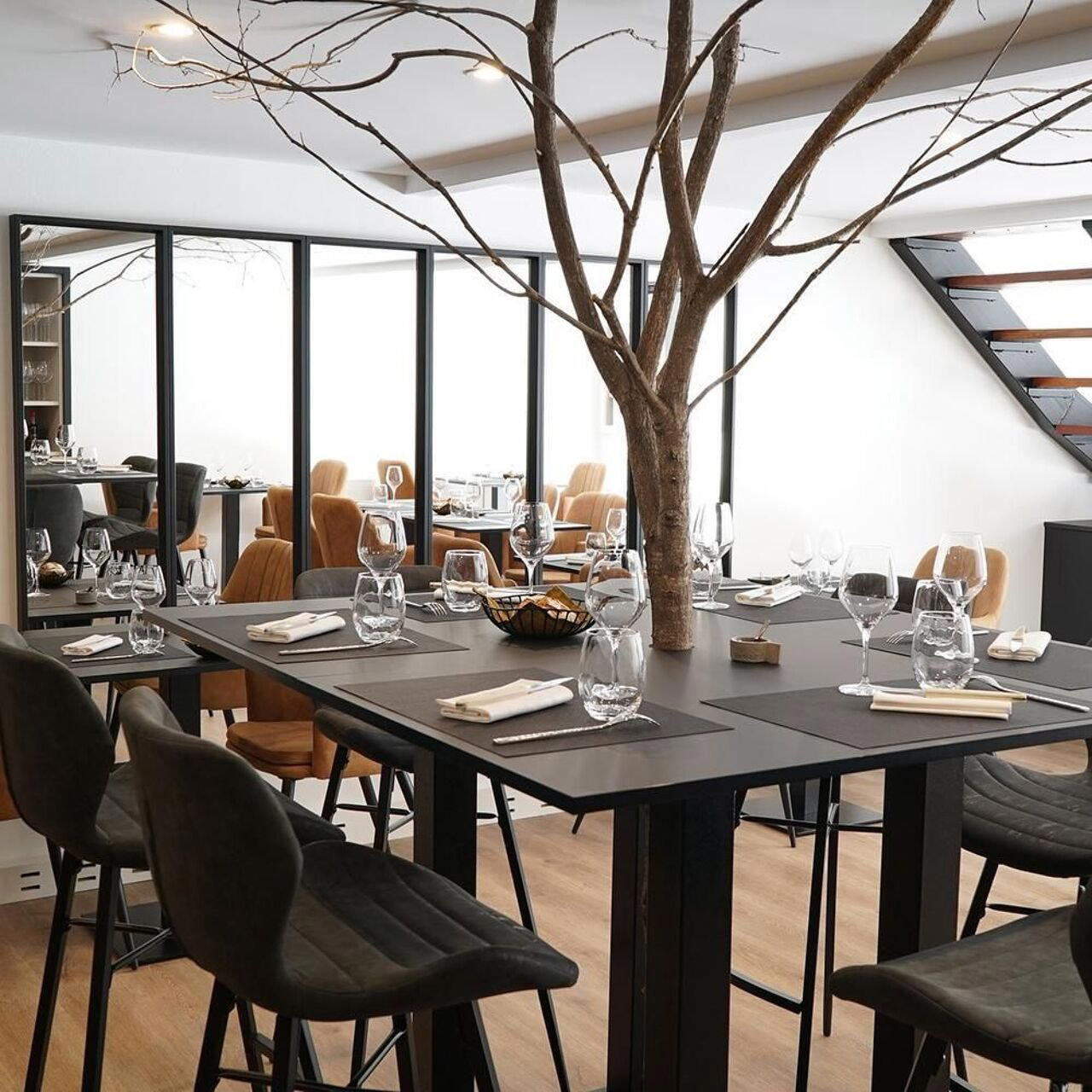


Details
- Cozy
- Intimate
- Lively
- Date Night
- Family
- Casual Hangout
- Terrace
- Courtyard
- Local Sourcing
- A La Carte
- Vegetarian Friendly
Current opening hours
- Monday
- Closed
- Tuesday
- 10 AM–2:30 PM, 6–10 PM
- Wednesday
- 10 AM–2:30 PM, 6–10 PM
- Thursday
- 10 AM–2:30 PM, 6–10 PM
- Friday
- 10 AM–2:30 PM, 6–10 PM
- Saturday
- 10 AM–2:30 PM, 6–10 PM
- Sunday
- Closed
Hours can change for holidays and private events. Hours as of .
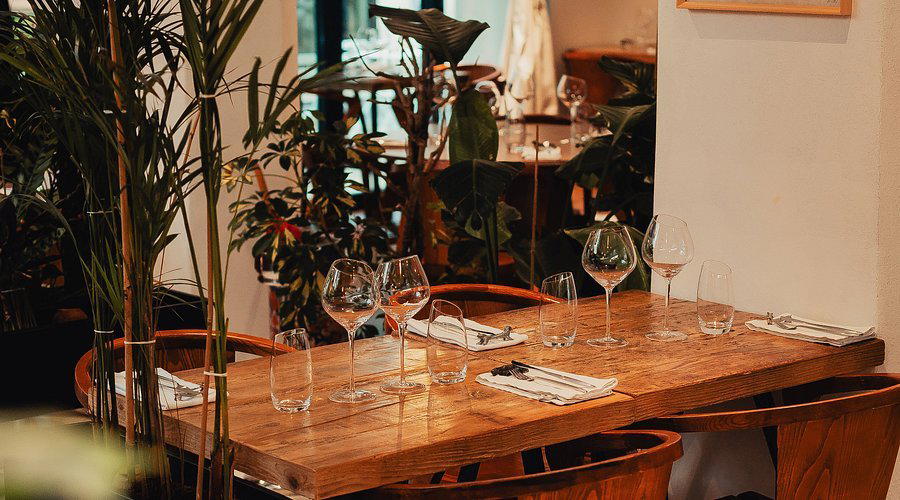
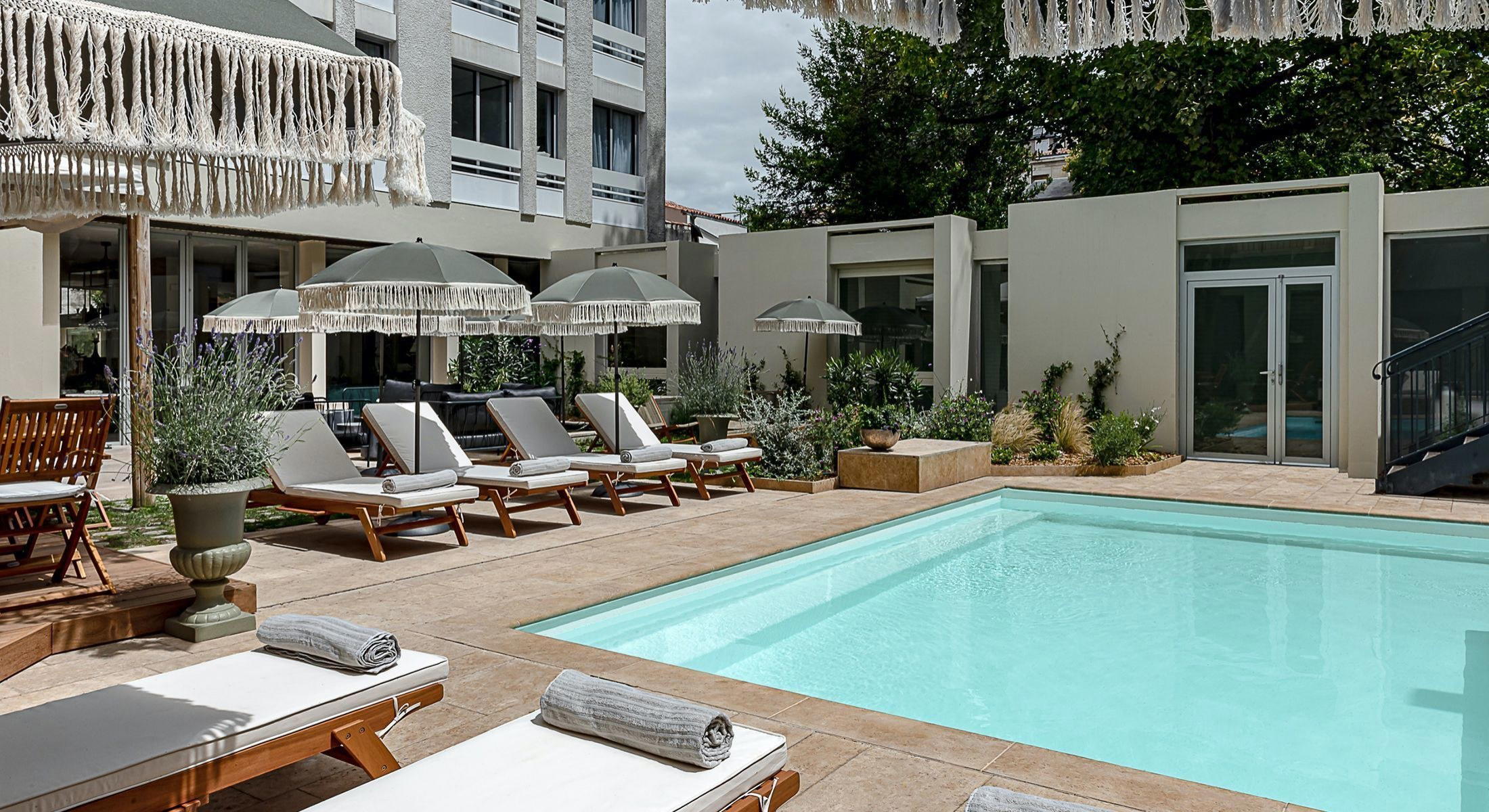
Convivial and cozy atmosphere in a modern setting with a sheltered, shaded patio providing a charming, intimate dining experience.