On the Atlantic edge of the Loire-Atlantique, Éco-domaine La Fontaine sits along the Rue des Noëlles in Pornic, a coastal town where farm-to-table is less a trend than a geographic necessity. The property positions itself within France's growing eco-domain movement, where sourcing discipline and environmental accountability shape the experience as directly as the cooking does.
Pearl is the En Primeur Club membership app — saves, bookings, and concierge access live there. Same editors, same standards.
- Address
- Rue des Noëlles, 44210 Pornic, France
- Phone
- +33251740808
- Website
- ecodomaine-la-fontaine.fr
- Directions
- Get directions
 Saves & bookings on Pearl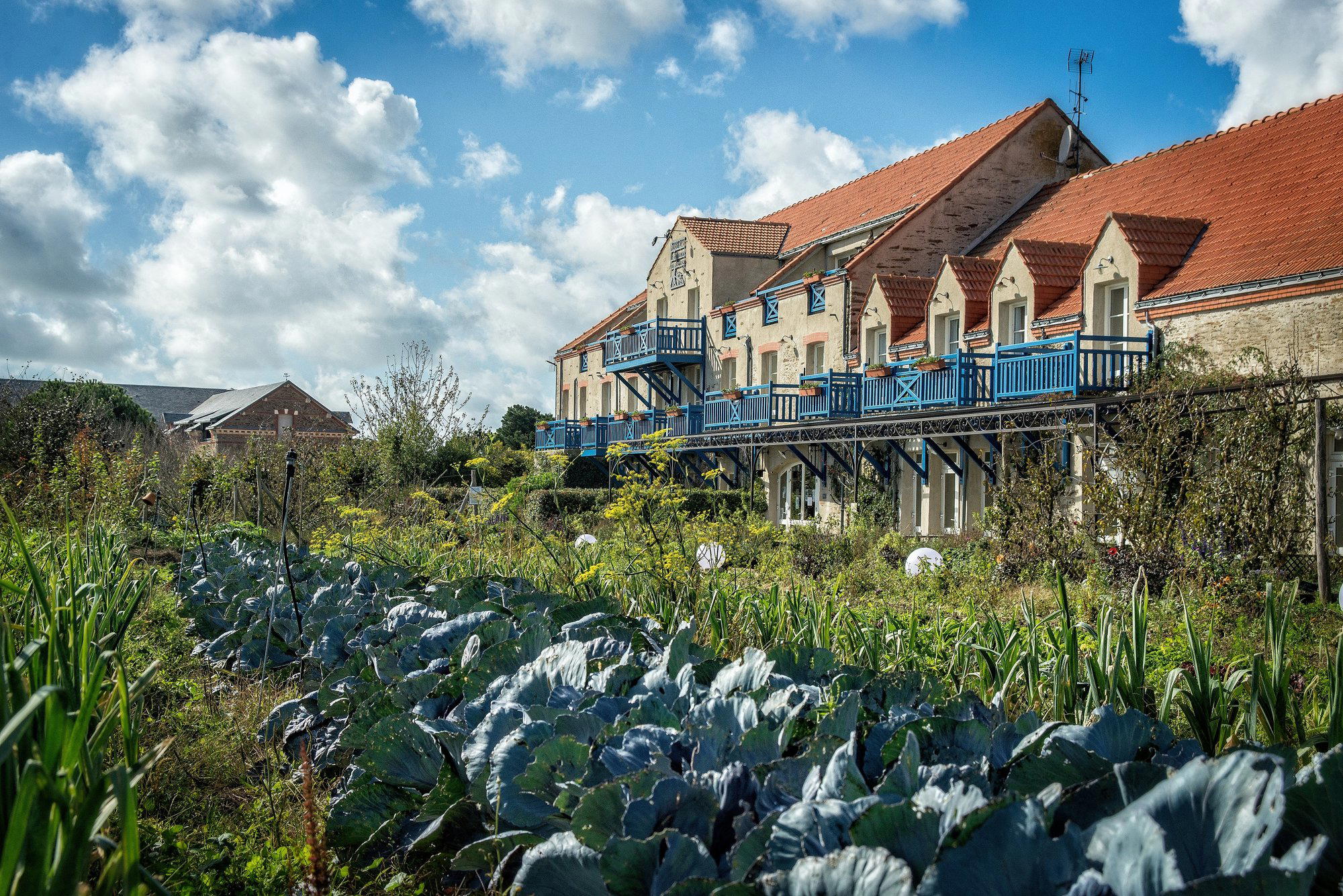
Where the Atlantic Coast Sets the Sourcing Agenda
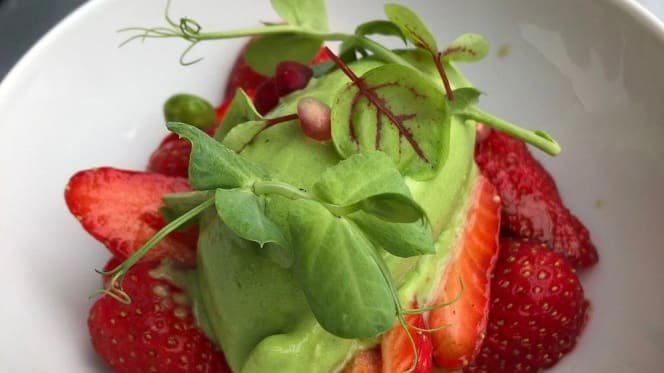
Pornic has never competed with Saint-Nazaire or Nantes for industrial ambition. The town faces the Atlantic, leans into its tidal rhythms, and has historically fed itself from what the sea and the bocage behind it provide. That geography makes it a natural home for the kind of hospitality France has begun grouping under the eco-domain label: properties where the land is not decoration but operational infrastructure. Éco-domaine La Fontaine is a restaurant in Pornic on Rue des Noëlles, with a smart casual dress code and recommended reservations. It belongs to this emerging category, where what arrives on the plate traces a short, verifiable path from soil or water to table.
This matters more than it might appear. France's most celebrated kitchens, from Mirazur in Menton to Bras in Laguiole, built their reputations in part by treating the surrounding terroir as a co-author of the menu. For a traveller accustomed to the polished abstraction of a Parisian tasting room like Alléno Paris au Pavillon Ledoyen, the contrast is instructive rather than hierarchical.
The Eco-Domain Format in Western France
The Loire-Atlantique sits at a productive intersection: Atlantic seafood from the bay of Bourgneuf, salt marsh lamb and poultry from the bocage interior, and the saline-influenced vegetables that grow in coastal soil with a mineral quality distinct from further inland. Properties in this corner of the Pays de la Loire that commit to eco-domain principles are, in effect, committing to a specific larder. The menu, whatever its format, becomes a map of that larder at a particular moment in the season.
This is the core distinction between eco-domain hospitality and conventional country-house hotels. At establishments like Georges Blanc in Vonnas or Auberge de l'Ill in Illhaeusern, regional identity is expressed through classical technique applied to regional ingredients. The eco-domain model inverts the emphasis: the ingredient's provenance and seasonality drive the format, and technique follows. Neither approach is superior, but they reward different kinds of attention from the traveller.
Pornic's coastal setting adds a specific variable. The town's position on the bay means tides govern what is available in a literal sense, and properties that source from local fishermen must accommodate that variability. Spring and early summer bring different shellfish availability than autumn. September, when the Atlantic still holds warmth but the first cépages arrive from the Loire Valley, is frequently cited by regional food writers as one interesting window for coastal Loire dining.
Approaching the Property
Rue des Noëlles runs through the kind of Pornic that visitors who know only the harbour miss: quieter, less tourist-facing, with land that opens up behind the coastal development. The approach to a property set on this road carries the sensory logic of Atlantic Brittany's southern border, salt in the air, hedged lanes, the sound of the coast present but not dominant. For properties operating an eco-domain model, this setting is not incidental; it is the sourcing zone made visible.
The Loire-Atlantic coastline has become a meaningful reference point for travellers already familiar with France's prestige dining addresses. Those who have made the pilgrimage to Flocons de Sel in Megève or Les Prés d'Eugénie in Eugénie-les-Bains understand the tradition of destination properties where the setting directly informs the cuisine.
Pornic's Dining Context
The town's restaurant scene is smaller than its summer visitor numbers might suggest. The permanent population keeps year-round dining tight and local-facing, which tends to produce a more honest representation of regional cooking than resort towns with inflated seasonal menus. L'Orangerie works in the modern cuisine register, while Le 21 focuses on French seafood with a contemporary approach. The eco-domain model sits adjacent to both: it shares the modern kitchen's interest in technique while grounding itself in the same sourcing geography as the seafood specialists.
The town does not have the award density of a Michelin-circuit destination, which means that properties are assessed on the quality of the local sourcing argument rather than on tasting menu architecture or sommelier programs.
France's broader tradition of destination dining outside Paris and Lyon tends to reward patience with logistics. Properties like Auberge du Vieux Puits in Fontjoncouse or La Table du Castellet in Le Castellet built reputations precisely by being places that required a deliberate journey. Pornic's position, roughly an hour from Nantes by car, places it in the accessible-destination tier rather than the remote pilgrimage category, which shapes both the visitor profile and the property's obligations.
Planning a Visit
Pornic is reachable from Nantes via the D751 coastal road, a route that adds context to the arrival by tracing the Loire estuary's southern bank before turning toward the Atlantic. Those travelling from Paris typically take the TGV to Nantes and hire a car for the final leg; the journey from Paris Saint-Lazare to Nantes runs under two and a half hours on high-speed rail. The coastal months of June through September concentrate visitor traffic significantly, so those seeking a less pressured experience may find May or early October more rewarding, when the local supply chains are active but the town is not operating at summer capacity.
Travellers comparing French eco-domain properties against larger international benchmarks, such as Le Bernardin in New York City or Lazy Bear in San Francisco, will find a different set of values at play. The Loire-Atlantic format is less about theatrical precision and more about the coherence between land, season, and table.
Fast Comparison
Comparable venues nearby, for context on price, style, and recognition.
| Venue | Cuisine | Price | Awards | Notes |
|---|---|---|---|---|
| Éco-domaine La FontaineThis venue — the venue you are viewing | French Farm-to-Table Potager | $$$ | Not listed | Not listed |
| L'Orangerie | Modern French Seasonal Bistro | $$$ | Bib Gourmand | Vieux Port |
| Le 21 | Modern French with seafood focus | $$$ | Michelin Plate | Plage de la Birochère |
| Atelier de Candale | Seasonal French wine‑country restaurant in the vineyards | $$$ | Not listed | Saint-Laurent-des-Combes / Saint-Émilion vineyards |
| Les Bafouettes | French Bistronomic and Gastronomic | $$$ | Not listed | Port-Joinville |
| Le Club Restaurant | Seasonal French Brasserie at Domaine de la Bretesche | $$$ | Not listed | . Domaine de la Bretesche |
Continue exploring
More in Pornic
Restaurants in Pornic
Browse all →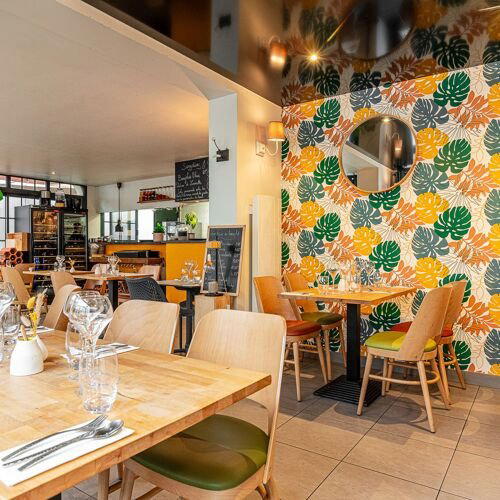
At a Glance
- Rustic
- Cozy
- Scenic
- Family
- Brunch
- Special Occasion
- Garden
- Farm To Table
- Local Sourcing
- Organic
- Waterfront
Current opening hours
- Monday
- 12–2 PM, 7–9:30 PM
- Tuesday
- 12–2 PM, 7–9:30 PM
- Wednesday
- 12–2 PM, 7–9:30 PM
- Thursday
- 12–2 PM, 7–9:30 PM
- Friday
- 12–2 PM, 7–9:30 PM
- Saturday
- 12–2 PM, 7–9:30 PM
- Sunday
- 12–2 PM
Hours can change for holidays and private events. Last verified .
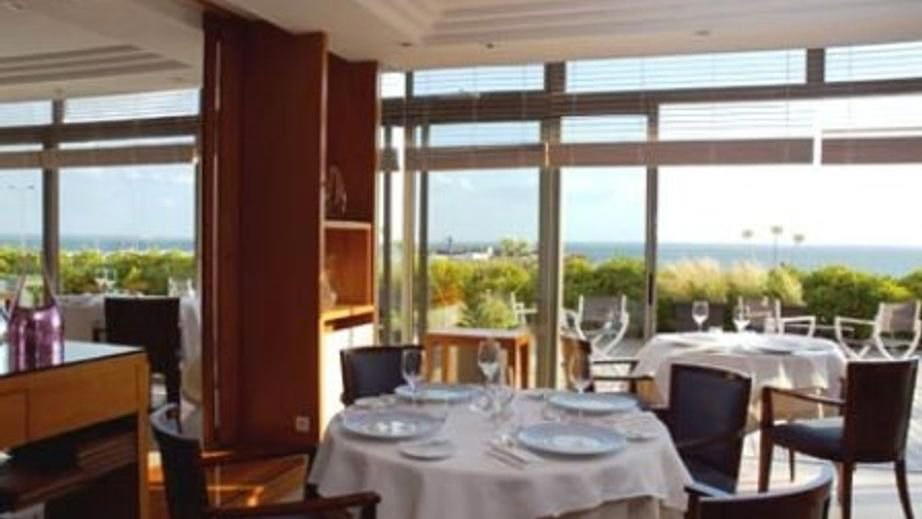
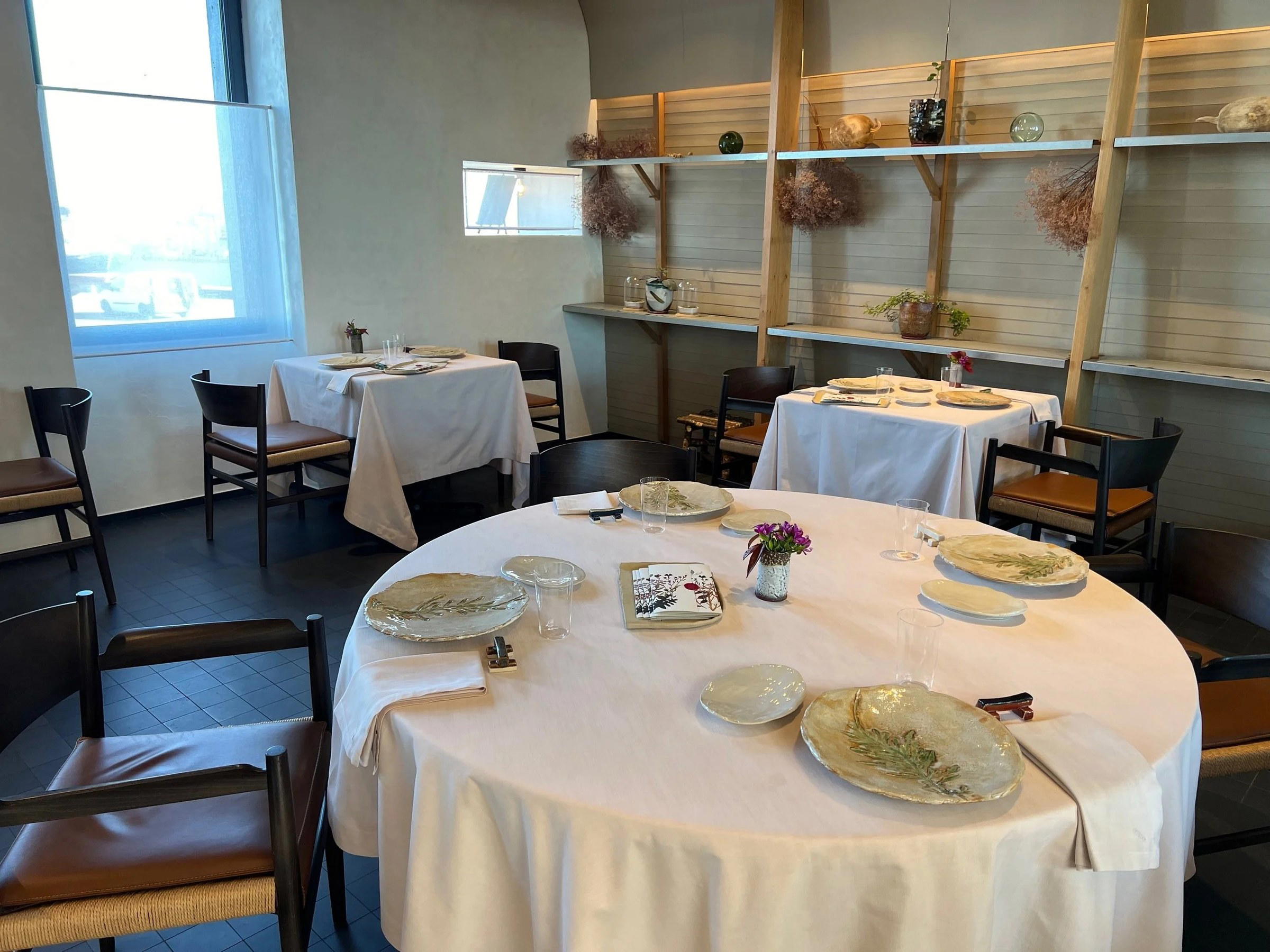
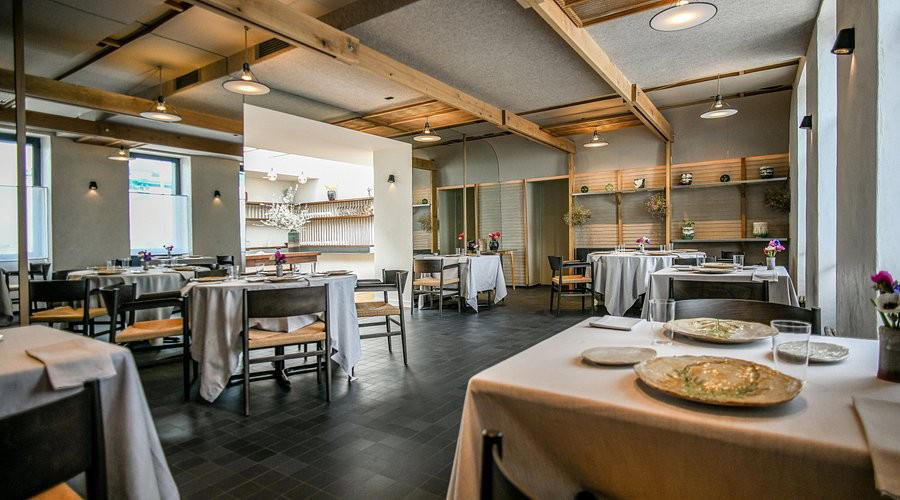
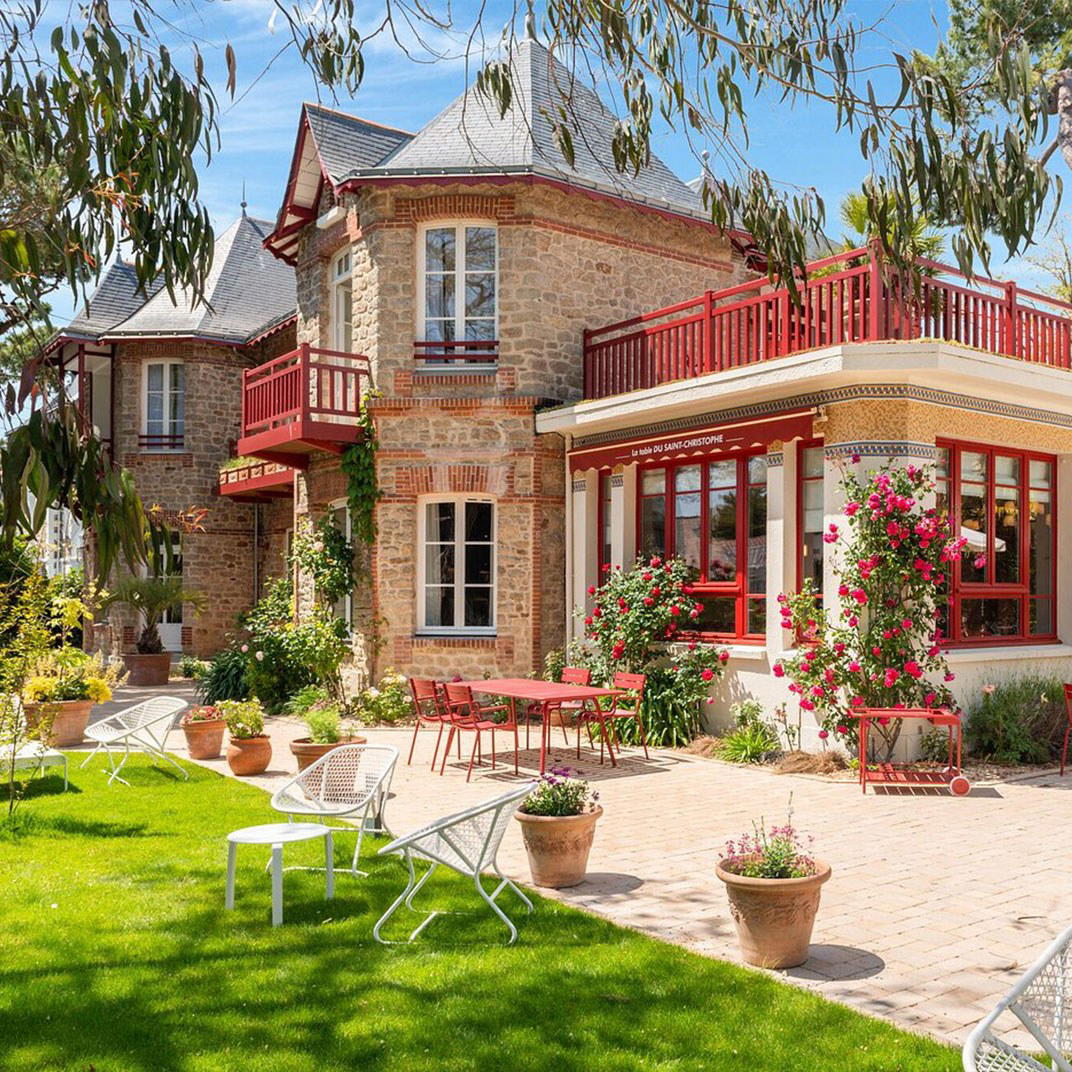
Convivial and warm auberge atmosphere with rustic decor, stone walls, wooden elements, and large windows offering coastal views.