Chapeau
Our verdict
On Clement Street in San Francisco's Inner Richmond, Chapeau occupies a distinct place in the city's French bistro tradition, a neighborhood address that draws serious diners from across the Bay Area. The wine program anchors the experience, with a cellar depth that positions Chapeau alongside more prominent destination restaurants while keeping the room intimate and the welcome genuine.

Pearl is the En Primeur Club membership app, where members save venues, book tables and use the concierge.

The menu
What to order
- Escargot
- French Onion Soup
- Cassoulet
- Filet Mignon
- Crème Brûlée
- Salmon Trio
Clement Street and the French Bistro in San Francisco
San Francisco's Inner Richmond has a long and underappreciated relationship with French cooking. While the city's most discussed fine-dining addresses cluster in the Financial District, SoMa, and Hayes Valley, the Richmond corridor has quietly sustained a different kind of French table: one that prioritizes the room's regulars as much as its critical reputation. Chapeau, at 126 Clement Street, sits squarely in that tradition. Its address alone signals a particular kind of commitment, Clement is a neighborhood street, not a destination boulevard, and restaurants that endure there do so on the strength of repeat custom rather than tourist traffic.
The broader context matters here. San Francisco's French-leaning dining scene has bifurcated sharply in recent years. At one end, Atelier Crenn operates as a poetic tasting-menu format with three Michelin stars, while Quince and Benu push French and European technique into contemporary or fusion territory at the city's highest price points. Chapeau occupies a different tier entirely: the bistro format that prizes culinary literacy over culinary theater. That positioning is not a compromise. It is a conscious stance, and one that has earned the restaurant a durable following in one of America's most competitive dining cities.
The Wine Program as the Room's Organizing Logic
The clearest editorial argument for Chapeau is its wine list, which operates at a depth unusual for a neighborhood bistro. Wine programs at restaurants of this format, mid-scale, French-focused, neighborhood-anchored, typically rely on approachable regional selections and a short by-the-glass rotation. The cellar at Chapeau has historically gone considerably further, with a French-weighted list that reflects serious curatorial intent. This is the kind of program where the Burgundy section rewards patience and the Rhône entries show range beyond the obvious appellations.
Comparison that matters here is not with Chapeau's Clement Street neighbors but with how wine-forward French bistros operate nationally. Frasca Food and Wine in Boulder built its entire identity around the proposition that a regional wine philosophy could anchor a fine-dining experience in a non-coastal city. Le Bernardin in New York treats its cellar as a parallel program to its kitchen. Chapeau's approach is less formal than either, but the underlying seriousness is comparable. In a city where Saison commands national attention partly through its beverage program, Chapeau's wine depth represents a quietly competitive asset.
For diners whose restaurant decisions begin with the wine list rather than the menu, the Inner Richmond address is worth the cross-city journey. The list rewards diners who arrive with specific asks rather than defaulting to the sommelier's pour, and regulars have historically found that engagement with the cellar is welcomed and reciprocated. That dynamic, where the wine list becomes a genuine conversation rather than a transaction, is what separates this kind of French bistro from a hotel restaurant or a brasserie chain.
The Room and Its Ritual
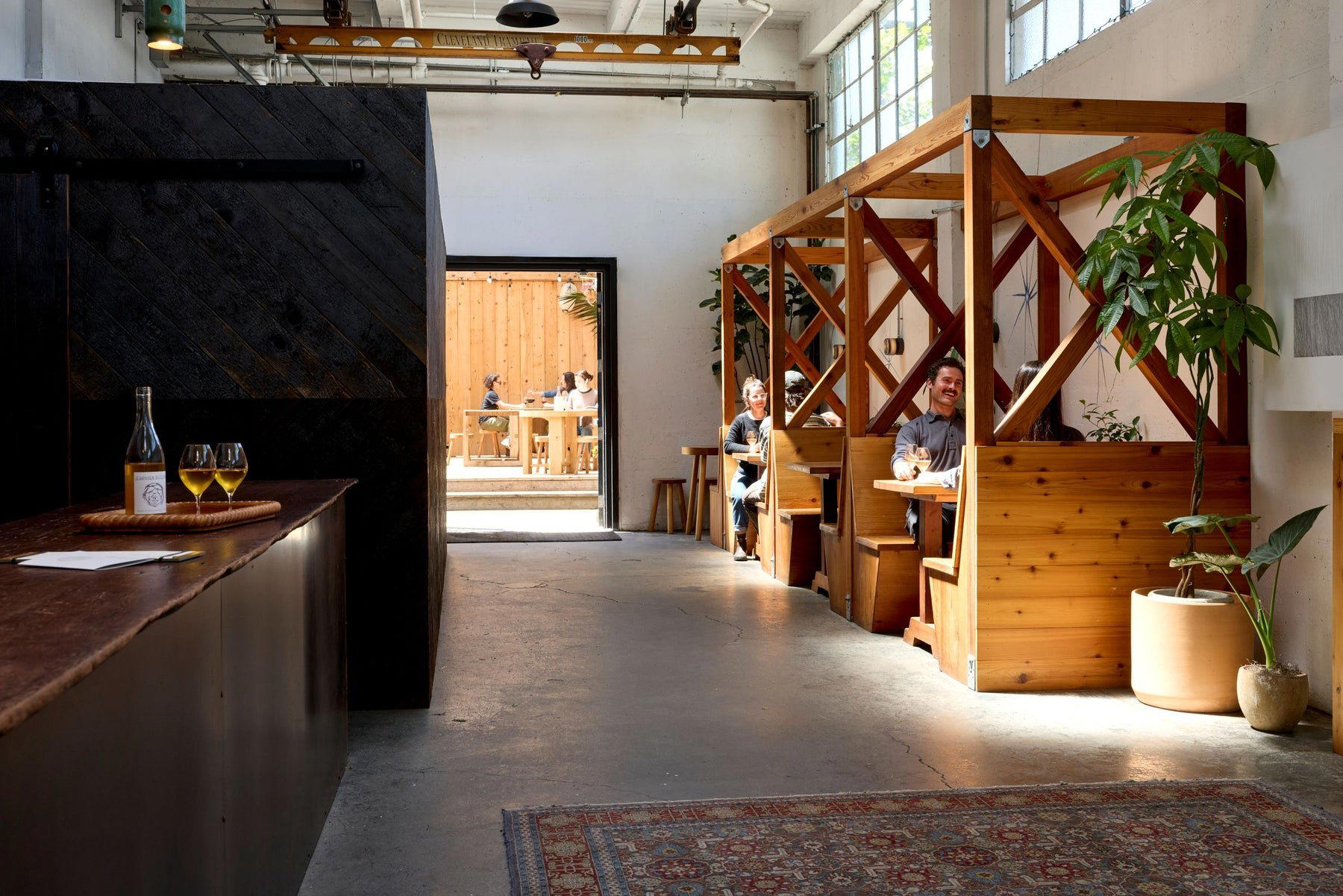
Approaching Chapeau from Clement Street, the physical environment carries the specific grammar of the serious neighborhood bistro: modest frontage, a room scaled for conversation rather than spectacle, and a density of tables that signals a kitchen confident in its throughput. The atmosphere operates in the register that French cooking in America has long aspired to, convivial without being loud, attentive without being formal. This is a room where the second bottle gets ordered without ceremony and where the cheese course is not optional.
That atmospheric register is worth taking seriously as a data point, not just a mood description. San Francisco's premium dining scene has moved decisively toward tasting-menu formats: Lazy Bear runs a fixed progressive American format, Smyth in Chicago operates on similar principles, and even Single Thread Farm in Healdsburg structures the evening around a fixed sequence. Chapeau offers a different proposition: a carte or prix-fixe approach where the diner retains choice, the pacing is negotiable, and the evening does not follow a predetermined script. For a significant cohort of serious diners, that flexibility is itself the point.
Chapeau in the San Francisco Dining Hierarchy
Placing Chapeau against its city peers requires honesty about what the comparison actually measures. Against the tasting-menu tier, Atelier Crenn, Benu, Quince, Saison, and Lazy Bear, all operating at the $$$$ price point with full mise en place and fixed sequences, Chapeau is not competing for the same occasion. It is competing for a different kind of evening: the dinner where the goal is pleasure rather than experience, where the wine matters as much as the food, and where the room's familiarity is an asset rather than a liability.
Nationally, the closest analogues are restaurants like Emeril's in New Orleans, which built a loyal following on French-Creole cooking that prized accessibility alongside technical depth, or Providence in Los Angeles, which operates as a serious seafood-forward address without the tasting-menu rigidity of its peers. For the reader considering a California wine country detour, the contrast with The French Laundry in Napa is instructive: the French Laundry charges for the performance of fine dining at its most elaborate; Chapeau charges for French cooking at its most considered, without the theater.
The broader EP Club view of San Francisco's dining scene, covered in our full San Francisco restaurants guide, is that the city rewards diners who look beyond the Michelin list for their most satisfying evenings. Chapeau is evidence for that argument. Internationally, the bistro format that Chapeau represents has produced some of the most enduring dining addresses in European cities; the comparison with places like Atelier Moessmer Norbert Niederkofler in Brunico or Atomix in New York is not about format equivalence but about the shared seriousness of purpose that distinguishes a restaurant with a genuine point of view from one that merely executes a category.
San Diego's Addison and Virginia's Inn at Little Washington demonstrate that French-influenced American fine dining can sustain Michelin recognition across very different market contexts. Blue Hill at Stone Barns in Tarrytown shows how a farm-anchored philosophy can command destination dining status. Chapeau's case is built on different foundations: longevity, neighborhood loyalty, and a wine program that outpaces the room's modest profile.
Planning Your Visit
Chapeau is located at 126 Clement Street in San Francisco's Inner Richmond district, a neighborhood most easily reached by car or rideshare from downtown. Reservations: Strongly advised; the room's size and regular clientele mean walk-in availability is limited, particularly on weekends. Book at least one to two weeks ahead for weekday tables; weekend bookings benefit from further lead time. Dress: Smart casual is the appropriate register, the room is not formal, but the occasion warrants some consideration. Budget: Pricing specific to the current menu is best confirmed directly with the restaurant; expect a French bistro price point that reflects the wine program's depth. Timing: Early seatings tend to move at a more relaxed pace; later seatings carry more energy as the room fills with regulars. The wine list rewards arriving with time to review it properly before ordering food.
Frequently asked questions
Where do I go for Chapeau?
Chapeau is located at 126 Clement St, San Francisco, CA 94118, San Francisco.
Does Chapeau work as a destination restaurant for visitors staying outside the Inner Richmond?
Chapeau sits at 126 Clement Street in San Francisco's Inner Richmond, a district that sees fewer out-of-town visitors than Union Square or the Embarcadero waterfront. The travel time from downtown by rideshare runs roughly fifteen to twenty minutes depending on traffic, which is a reasonable journey for a bistro with a wine program of this depth, though visitors optimizing for convenience over wine-list quality may find a closer alternative.
What dish is Chapeau famous for?
Chapeau's kitchen operates in the French bistro register, drawing on classical French technique applied to seasonal California produce. The cooking does not pivot around a single signature plate in the way a tasting-menu room would; instead, the consistency of the bistro format, executed across the menu, is what earns the restaurant its loyal following on Clement Street.
How far ahead should I plan for Chapeau?
Weekend evenings at Chapeau warrant booking at least two weeks ahead, given the restaurant's loyal local following and the room's limited size at 126 Clement Street. Weekday tables are more accessible, though reservations remain advisable to avoid disappointment.
What's the signature at Chapeau?
The wine list is the clearest signature at Chapeau, carrying a depth of French-weighted selection that exceeds what the room's neighborhood scale might suggest. Where comparable Inner Richmond bistros treat wine as an afterthought, Chapeau's cellar functions as a genuine editorial argument for the restaurant's identity.
What if I have allergies at Chapeau?
Arriving without advance notice at a bistro of this scale leaves limited room for kitchen adjustments on the night.
Is eating at Chapeau worth the cost?
The value case at Chapeau depends on the comparison. Against San Francisco's tasting-menu tier, Atelier Crenn, Benu, Quince, it occupies a different category entirely, offering French bistro cooking at neighborhood pricing rather than destination-restaurant spend. For a Clement Street dinner that pairs a serious wine list with classically grounded cooking, the cost-to-quality ratio holds up against the city's mid-tier French options.
The Essentials
Comparable venues nearby, for context on price, style, and recognition.
| Venue | Cuisine | Price | Notes |
|---|---|---|---|
| ChapeauThis venue (the venue you are viewing) | Authentic French Bistro | $50–100 | Not listed |
| Bon Marché Brasserie & Bar | Modern French Brasserie | Not listed | South of Market, Modern French Brasserie |
| Les Clos | SOMA, Modern French Bistro | Not listed | Not listed |
| Café Claude | Classic French Bistro | Not listed | Financial District, Classic French Bistro |
| Cote Ouest | Modern French Bistro | Not listed | Marina, Modern French Bistro |
| Chouquet's | Classic French Bistro | $30–50 | Pacific Heights, Classic French Bistro |
Continue exploring
More in San Francisco
Restaurants in San Francisco
All restaurants in San Francisco →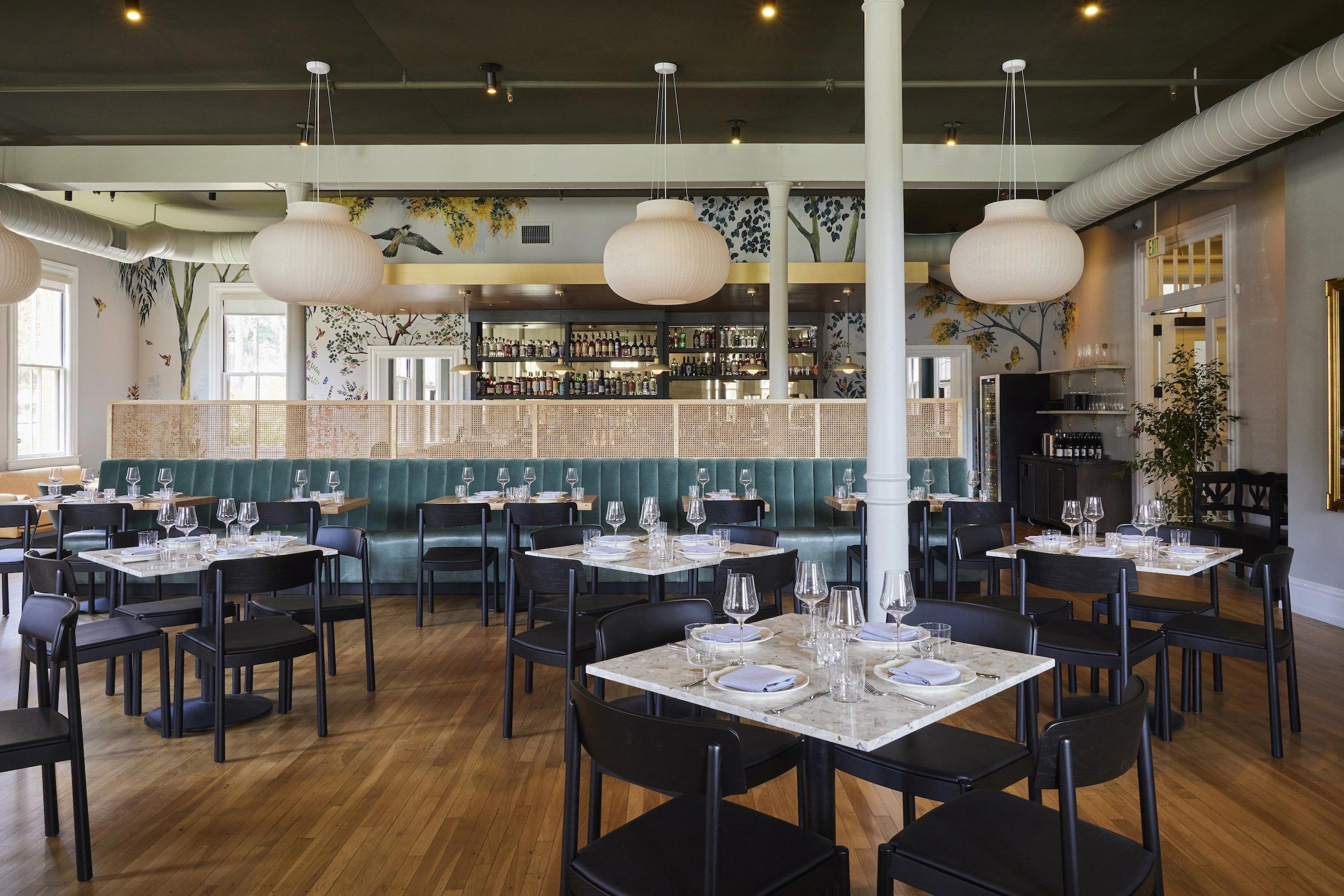
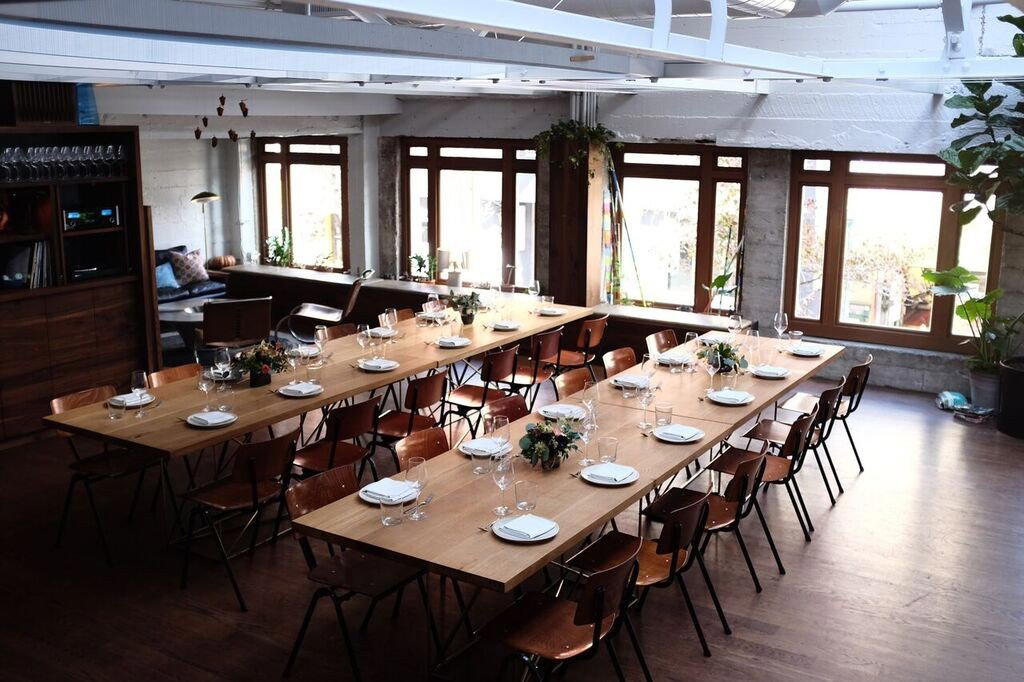
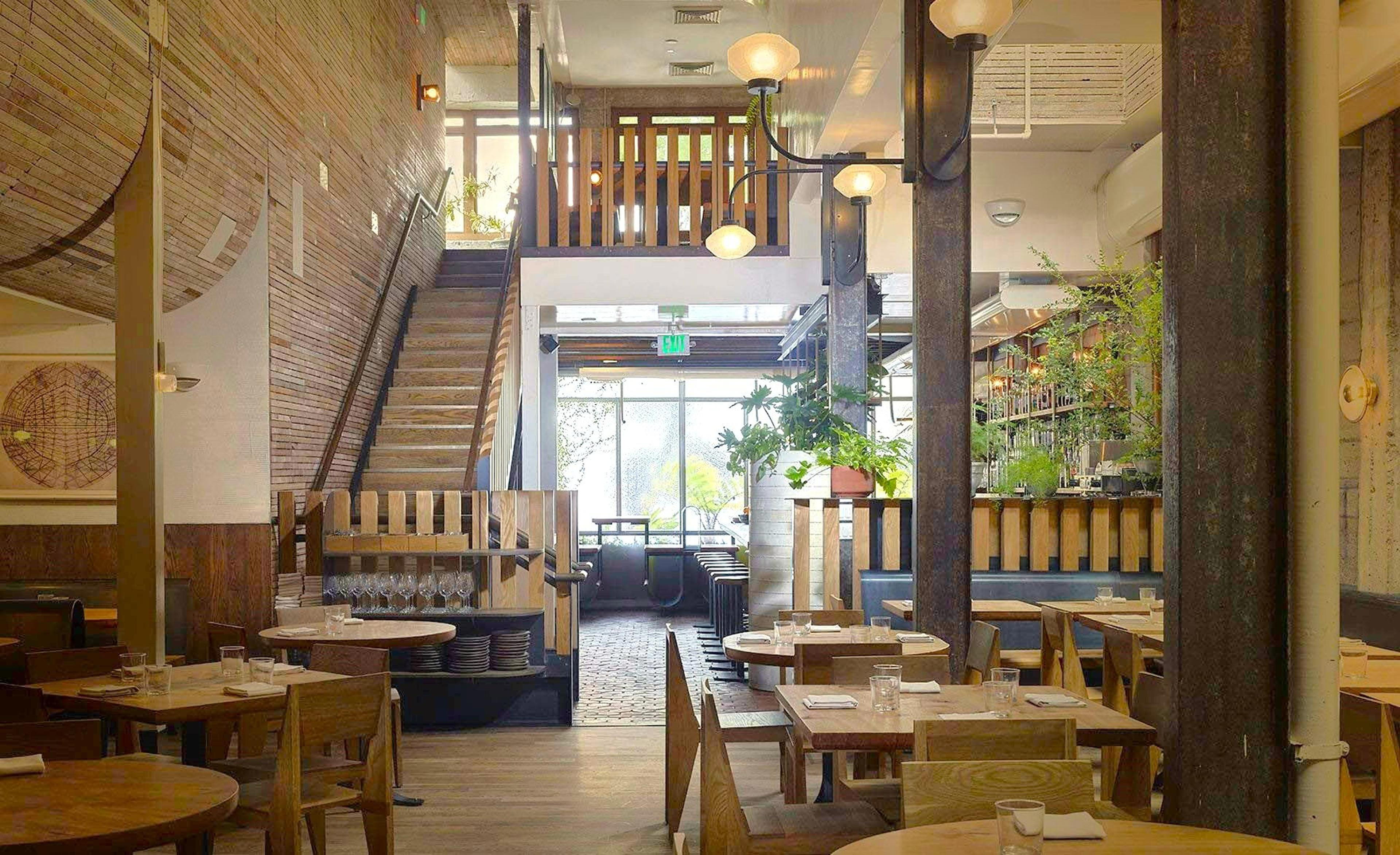
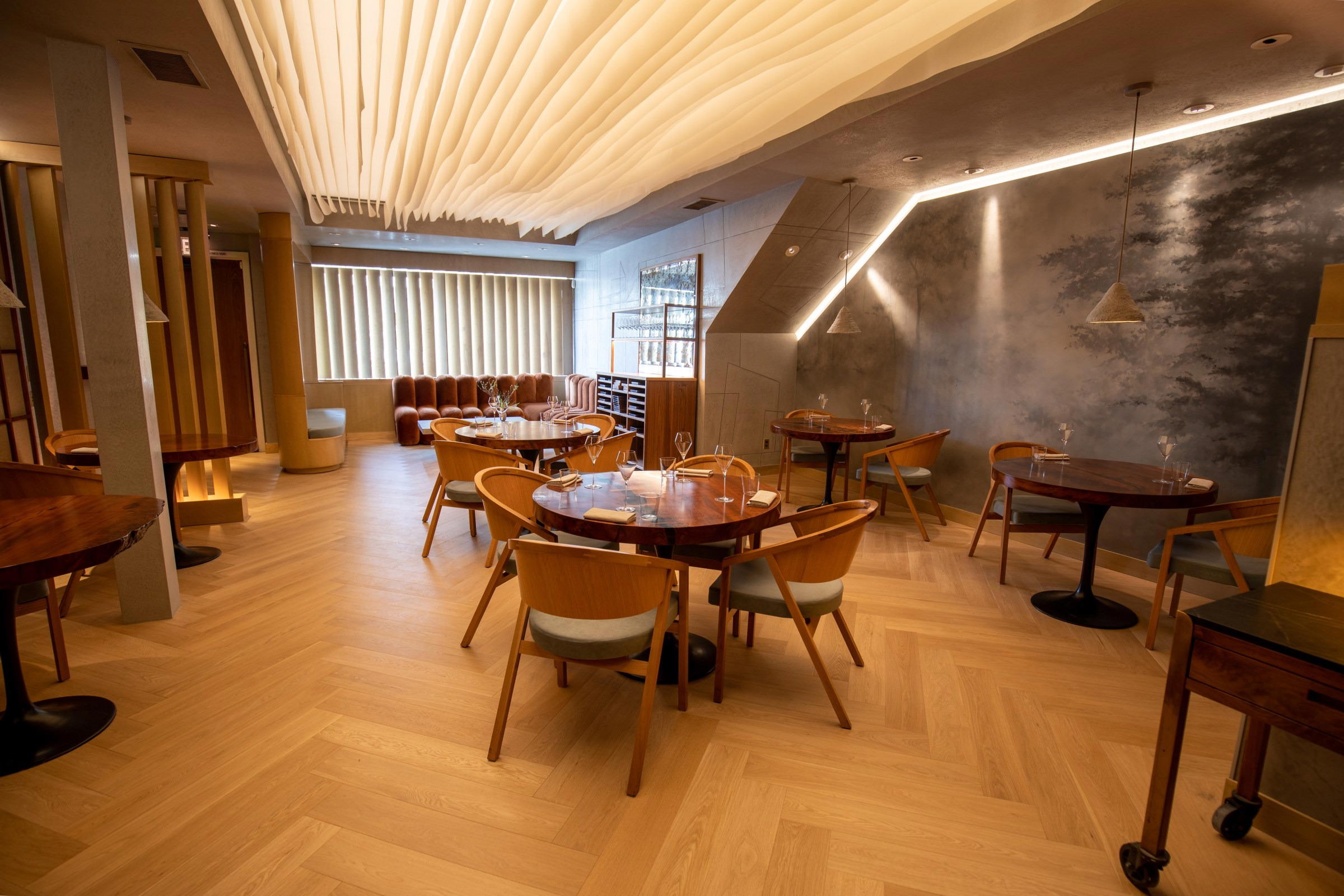
Bars in San Francisco
All bars in San Francisco →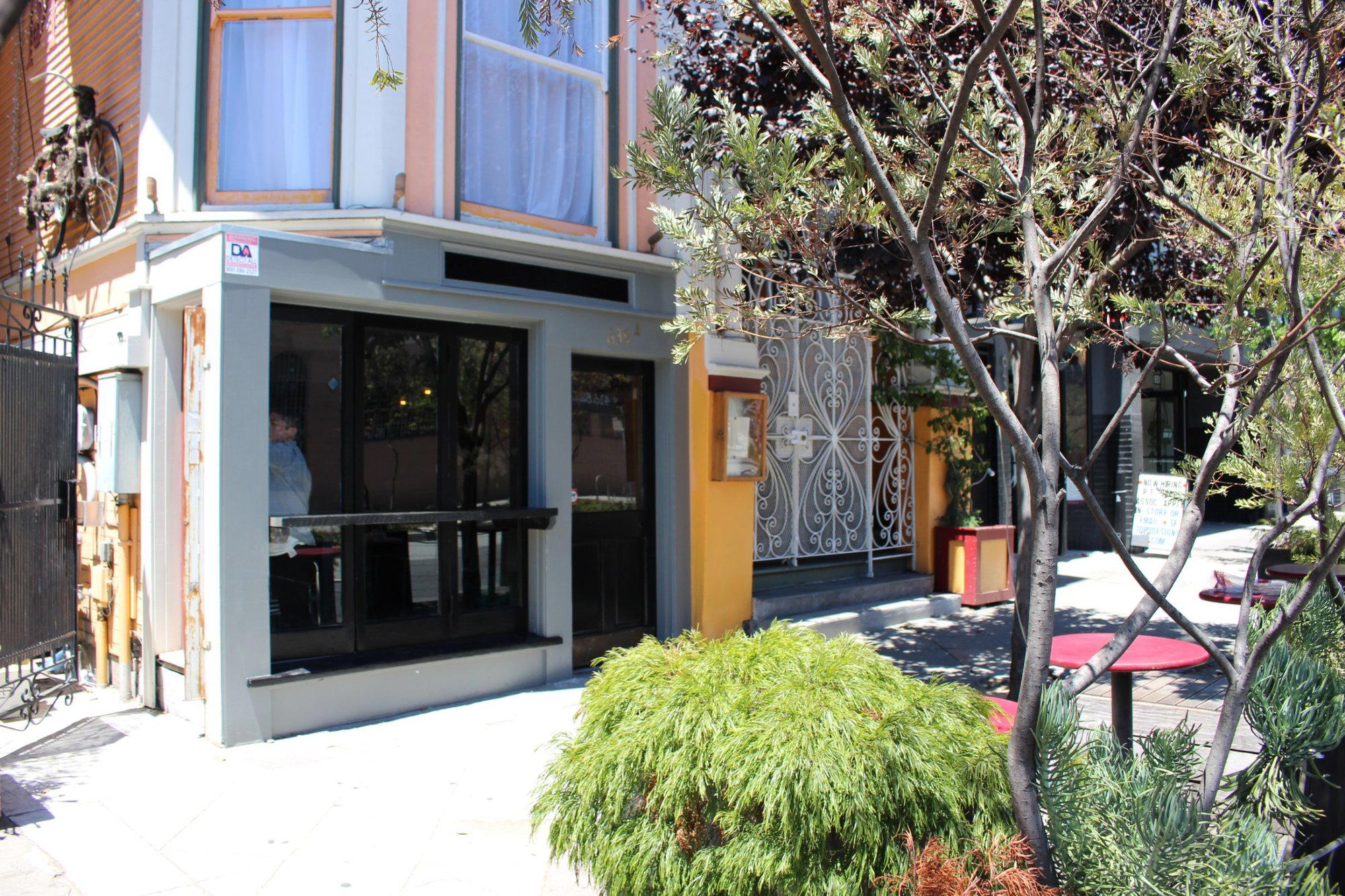

Details
- Romantic
- Classic
- Cozy
- Intimate
- Elegant
- Date Night
- Special Occasion
- Celebration
- Family
- Standalone
- Extensive Wine List
- Sommelier Led
- Local Sourcing
- Prix Fixe
- A La Carte
- French Wine
- Vegetarian Friendly
- Vegan Options
- Gluten Free Options
- Allergy Accommodating
Current opening hours
- Monday
- Closed
- Tuesday
- Closed
- Wednesday
- 5–9 PM
- Thursday
- 5–9 PM
- Friday
- 5–9:30 PM
- Saturday
- 5–9:30 PM
- Sunday
- 5–9 PM
Hours can change for holidays and private events. Hours as of .
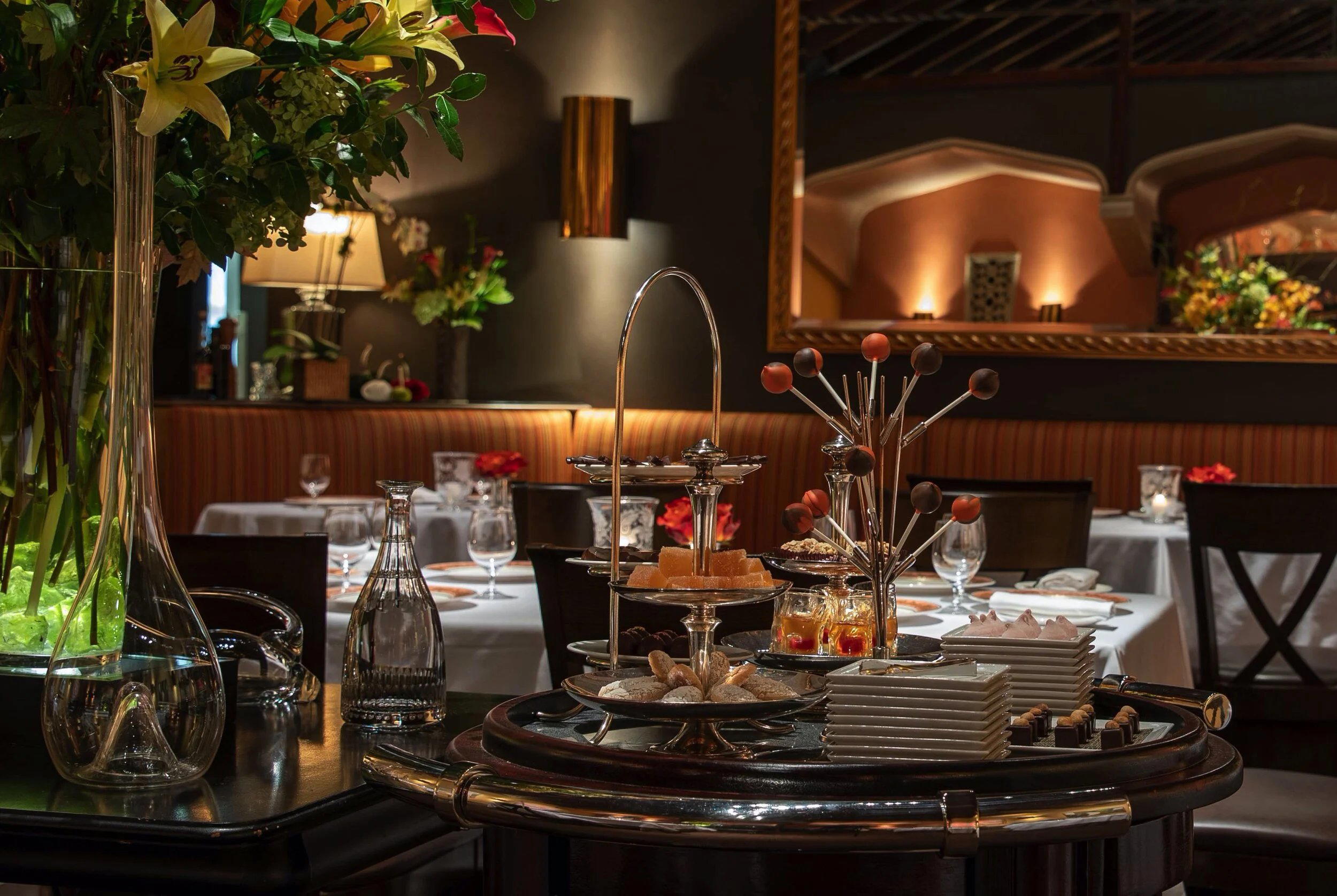
Warm and convivial with whimsical hat-themed murals covering the walls; intimate lighting and familial atmosphere that transports diners to France.