In the Loire plain market town of Feurs, Chalet de la Boule d'Or represents a category of French provincial dining that the country's gastronomic reputation was built on: kitchens anchored to their agricultural surroundings, cooking that earns its credibility from what grows and grazes nearby rather than from metropolitan acclaim. For travellers crossing the Loire corridor between Lyon and the Auvergne highlands, it is the kind of address that rewards the detour.
Pearl is the En Primeur Club membership app — saves, bookings, and concierge access live there. Same editors, same standards.
- Address
- 42 Rue René Cassin, 42110 Feurs, France
- Phone
- +33477262068
- Website
- labouledor-feurs.fr
- Directions
- Get directions
 Saves & bookings on Pearl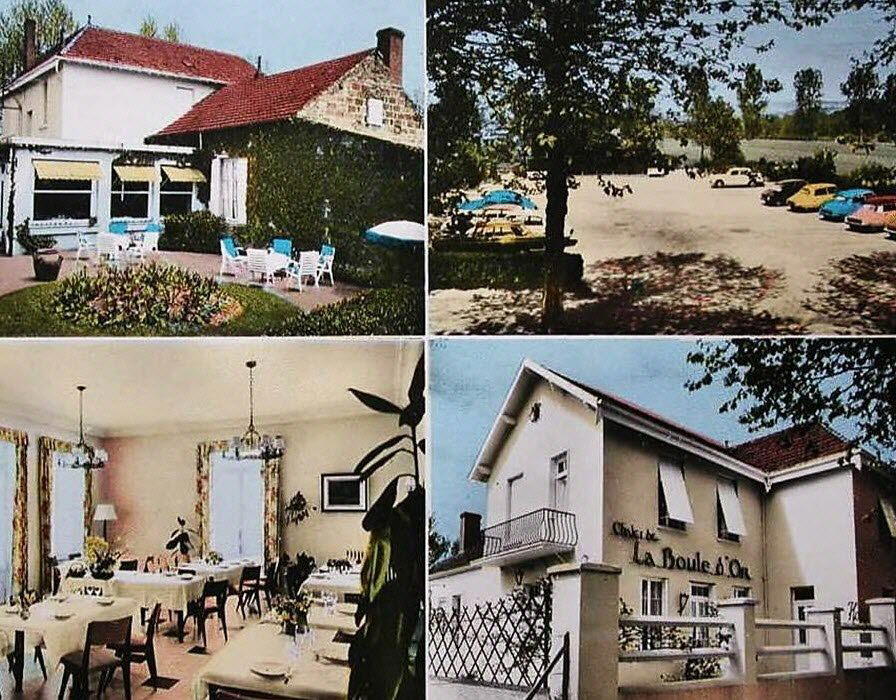
A Loire Plain Address and What It Tells You About Regional Cooking
Feurs sits on the flat agricultural apron of the Loire valley in the Loire department, roughly equidistant between Saint-Étienne and Roanne, at the edge of a region that produced some of France's most consequential cooking. Roanne itself is home to Troisgros - Le Bois sans Feuilles, one of the touchstone addresses of the French provincial tradition, and the wider corridor stretching from the Rhône valley north through Burgundy contains an unusual concentration of long-established kitchens. Maison Lameloise in Chagny and Georges Blanc in Vonnas both operate within this orbit. The point about all of them is the same: the cooking earns its standing from proximity to specific agricultural zones, not from urban density or tourism infrastructure.
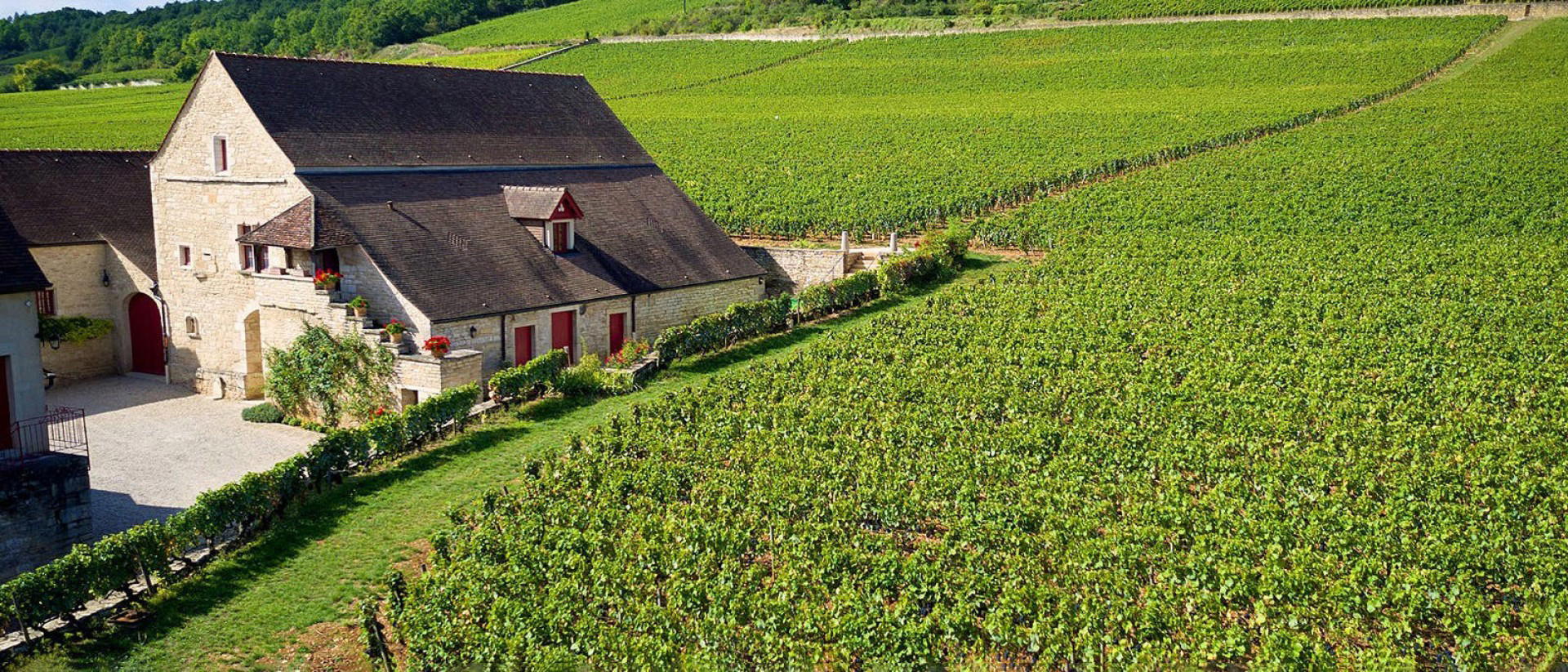
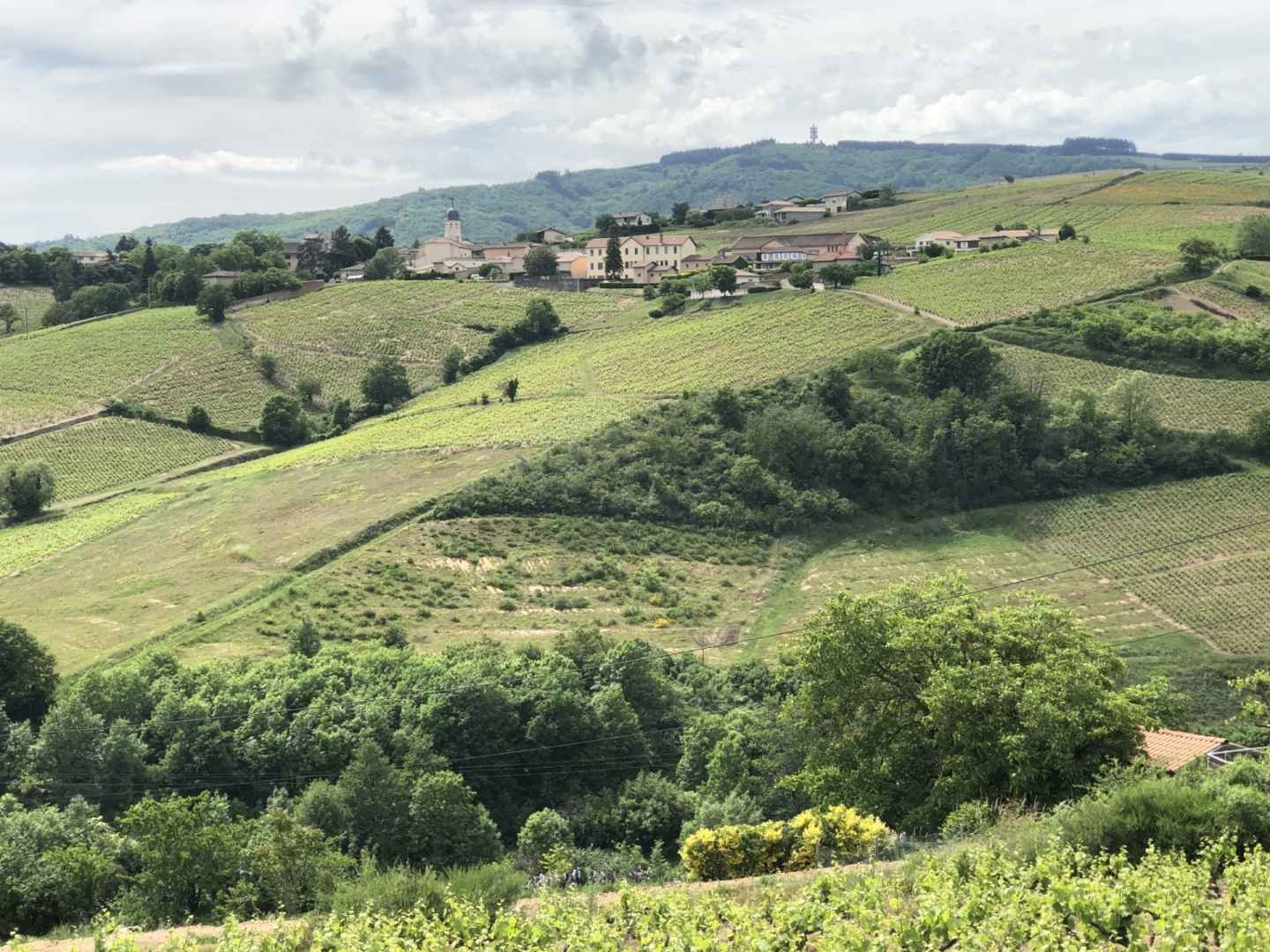
Chalet de la Boule d'Or, addressed at 42 Rue René Cassin in the centre of Feurs, belongs to this tradition of place-rooted dining. The town itself has a market history that predates its current identity, and the agricultural land surrounding it produces the kind of raw material that makes provincial French kitchens credible: cattle on open grazing, river fish from nearby waterways, and the seasonal produce cycle of the Loire plain. Understanding where a restaurant sits geographically is not a formality in this part of France. It is the premise of the cooking.
The Sourcing Logic of the Loire Plain
French provincial kitchens at this latitude operate within a sourcing geography defined by a few consistent categories. Charolais cattle are bred extensively in the broader region, and the leading cuts circulate through local supply networks before reaching restaurant kitchens. Freshwater fish, including perch, pike, and trout, remain embedded in the cooking traditions of Loire-adjacent towns. Charcuterie traditions run deep in the Forez and Auvergne uplands to the west, which sit within easy reach of Feurs. These are not incidental details. They describe the ingredient logic that shapes what provincial French menus at this level look like across the season.
Contrast this sourcing geography with the model at the summit end of the French fine dining spectrum, where ingredient sourcing becomes a globalised affair. At addresses like Mirazur in Menton or Alléno Paris au Pavillon Ledoyen, the kitchen sources across regions and seasons from a network that extends well beyond the surrounding countryside. The provincial model that places like Feurs represent operates differently: the seasonal availability of local suppliers is not a constraint but the menu's governing logic. What the land offers this week is what the kitchen cooks.
This is the framework in which Bras in Laguiole built its reputation around the Aubrac plateau's specific vegetation, and in which Auberge du Vieux Puits in Fontjoncouse made itself indispensable to its immediate territory. The mechanism is the same regardless of the award tier: a kitchen that can name its suppliers and describe the geography of its larder has a different kind of credibility than one importing from outside its natural range.
The Physical Setting and What to Expect
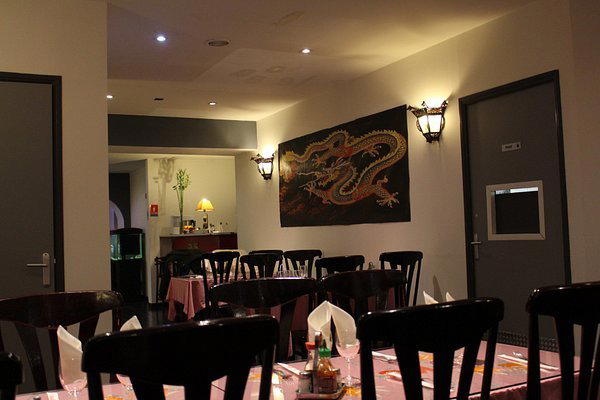
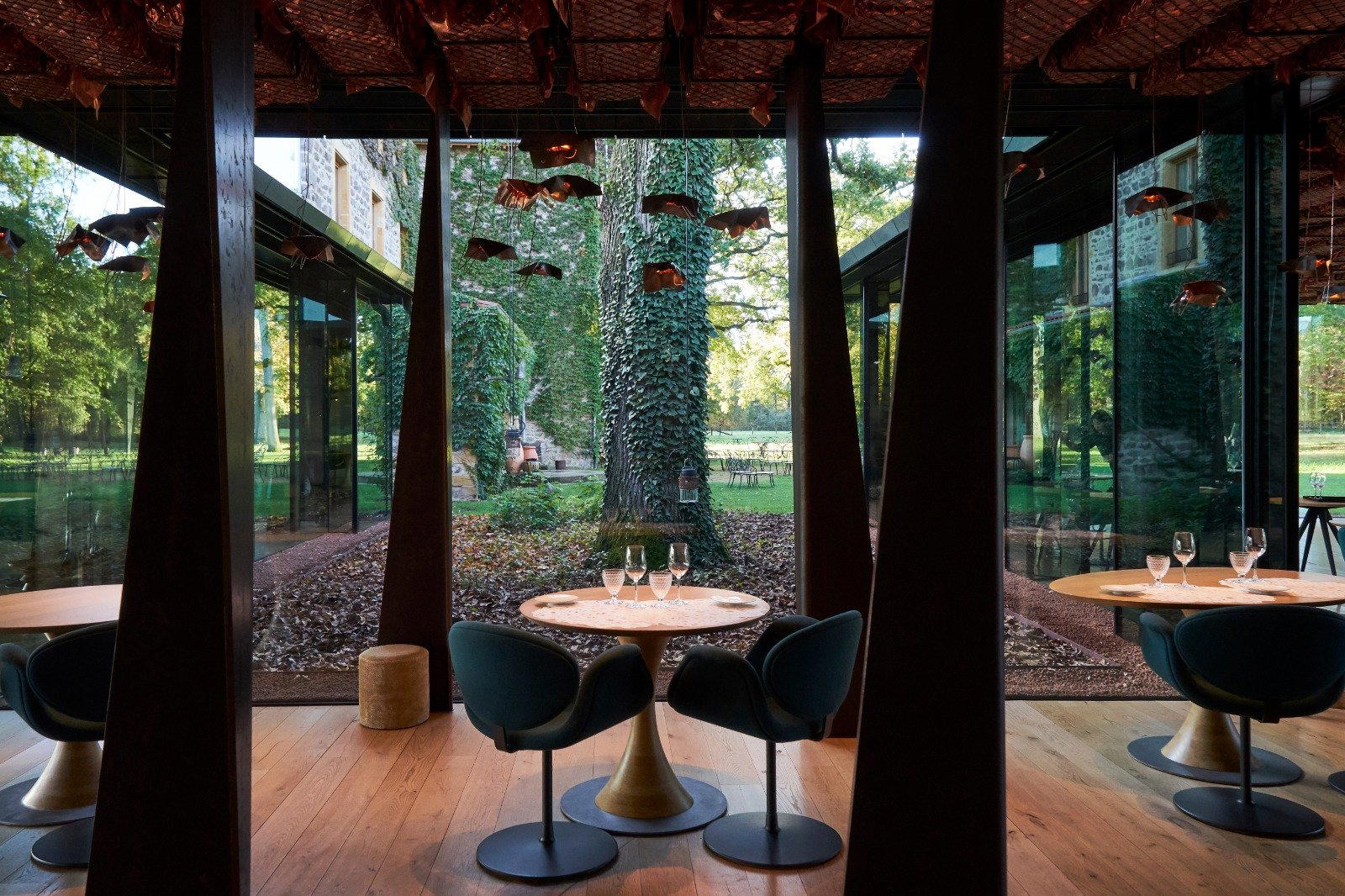
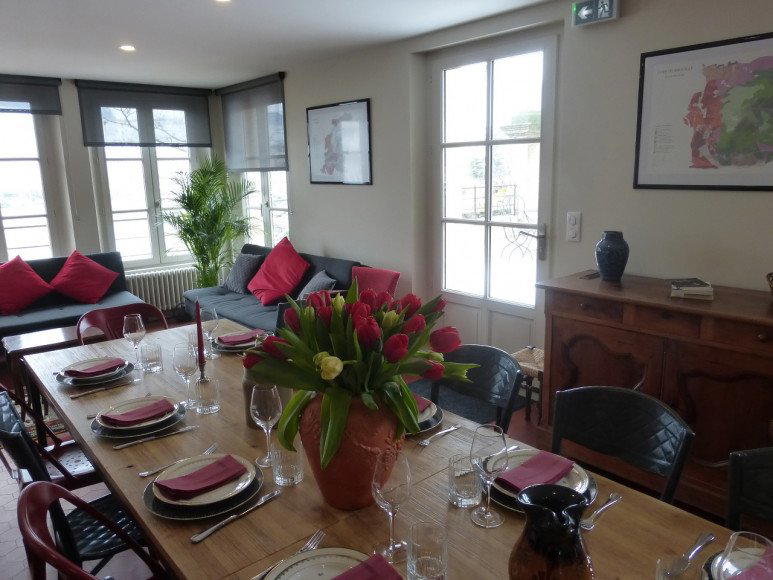
The chalet format in French provincial dining typically signals a certain kind of physical environment: timber detailing, interior warmth that reads as domestic rather than formal, and a relationship to the exterior landscape that the cooking mirrors. These are rooms where the mood is set by the season outside as much as by the décor inside. In winter, that means a closed-in conviviality; in the warmer months, the connection to the surrounding agricultural plain becomes more legible through open windows or terrace space.
Feurs as a town does not trade on gastronomy the way that Vonnas or Eugénie-les-Bains do. At Les Prés d'Eugénie - Michel Guérard, the destination itself is built around the restaurant. In Feurs, the restaurant exists within a functioning market town, which places the dining experience in a different register: less curated, more genuinely embedded in the local economy. That distinction matters for the kind of traveller who finds credibility in a kitchen that serves the surrounding community as well as visitors passing through.
Placing Chalet de la Boule d'Or in Its Peer Context
The relevant comparison for a kitchen at this address is not the three-Michelin-star corridor that runs through Lyon and into the Alps, where addresses like Flocons de Sel in Megève or Le 1947 à Cheval Blanc in Courchevel operate at a different price tier and with a different audience. The appropriate comparison is with the broader category of serious French provincial restaurants that maintain cooking standards above the brasserie tier without the infrastructure of a destination property.
This is a category that France produces with more consistency than any other country, and one that has diminished in some areas as rural demographics shift and younger cooks move toward urban kitchens. The restaurants that hold this position, serving regional produce with technical fluency in towns without significant tourist economies, are the less-discussed part of the French gastronomic record. They sit several categories below the institutional addresses like Paul Bocuse - L'Auberge du Pont de Collonges or Auberge de l'Ill in Illhaeusern, but they represent the daily functioning of a regional food culture that those institutions depend on for their broader meaning.
For travellers arriving in Feurs from Lyon, the drive northwest takes under an hour on the A89 motorway. From Saint-Étienne, Feurs is reachable in roughly 40 minutes by road. The town has a rail connection on the Saint-Étienne to Thiers line, though car access is considerably more practical for a destination of this kind.
Planning Your Visit
Reservations are recommended. Advance contact is advisable, especially for weekend lunch. Dress expectations at this category of French provincial table are smart-casual at minimum; the French provincial lunch tradition carries its own formality even when the setting is relaxed.
- pigeon rôti with foie gras bavarois
- homard thermidor grillé
- filet de carpe
- veal chop with forest sauce
- squab on chest
- terrine de lapin
- sandre with basil cream
At-a-Glance Comparison
Comparable venues nearby, for context on price, style, and recognition.
| Venue | Cuisine | Price | Notes |
|---|---|---|---|
| Chalet de la Boule d'OrThis venue — the venue you are viewing | Traditional French Bistro | $$$ | Not listed |
| Le Petit Canard | Traditional French Duck Bistro | $$$ | 9th arrondissement |
| Madame, table de cheffe | Modern French Creative | $$$ | Villeboeuf |
| Restaurant Du Pont de Jons | Classic French Gastronomic | $$$ | Jons |
| Bouchon Bât-d'Argent | Traditional Lyonnaise Bouchon | $$$ | Quartier Bas des Pentes Presqu'île |
| LE BOUCHON QUI CHANTE | French Bistronomy | $$$ | Lyas |

At a Glance
- Classic
- Rustic
- Cozy
- Intimate
- Family
- Casual Hangout
- Celebration
- Terrace
- Garden
- Local Sourcing
- Farm To Table
Current opening hours
- Monday
- Closed
- Tuesday
- 12–2 PM, 7–11:30 PM
- Wednesday
- 12–2 PM
- Thursday
- 12–2 PM, 7–11:30 PM
- Friday
- 12–2 PM, 7–11:30 PM
- Saturday
- 12–2 PM, 7–11:30 PM
- Sunday
- 12–2 PM
Hours can change for holidays and private events. Last verified .
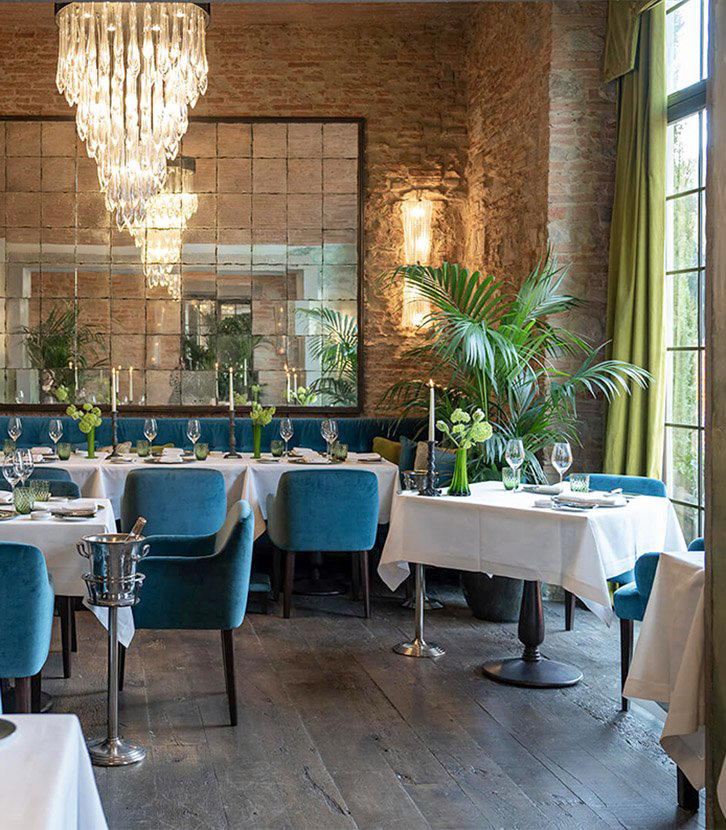
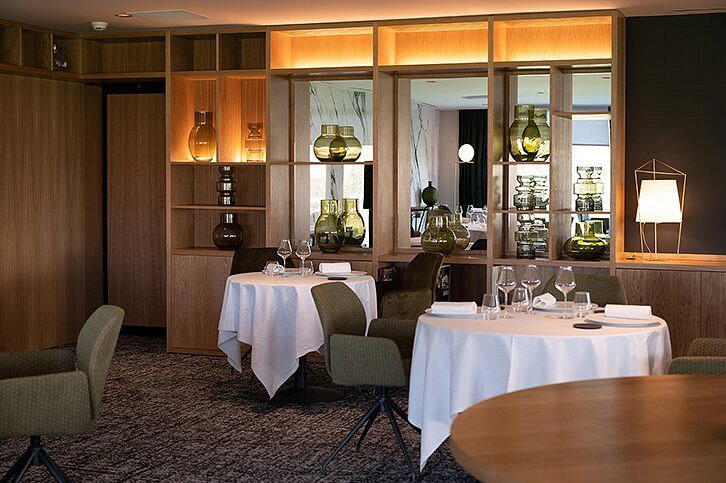
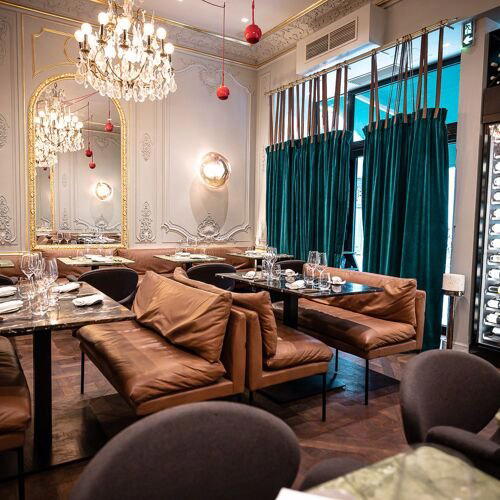
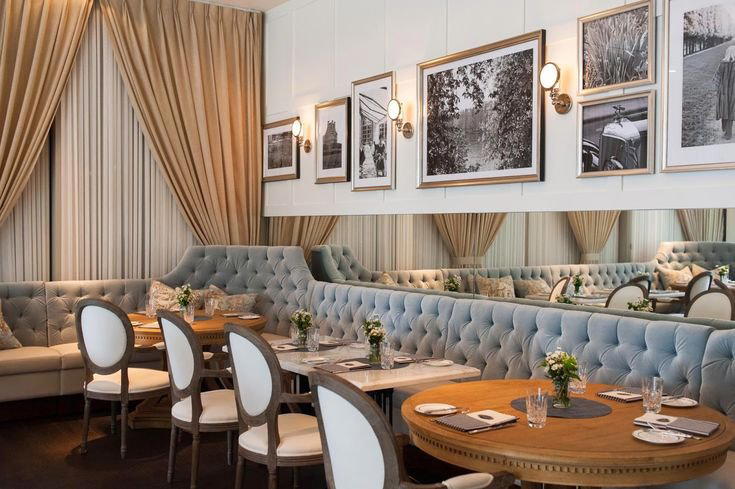
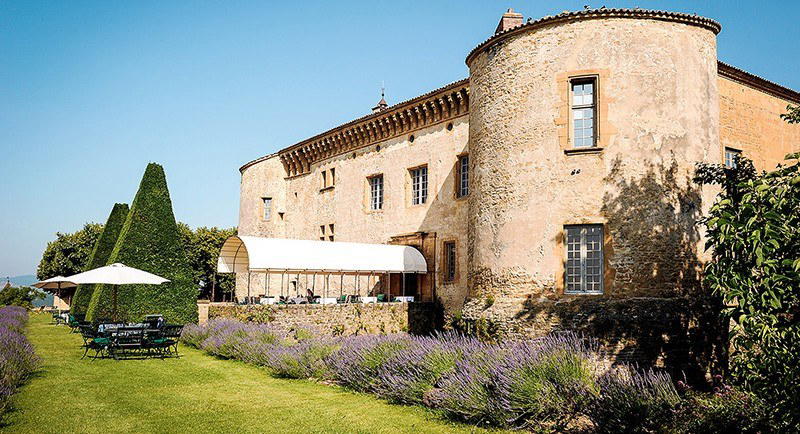
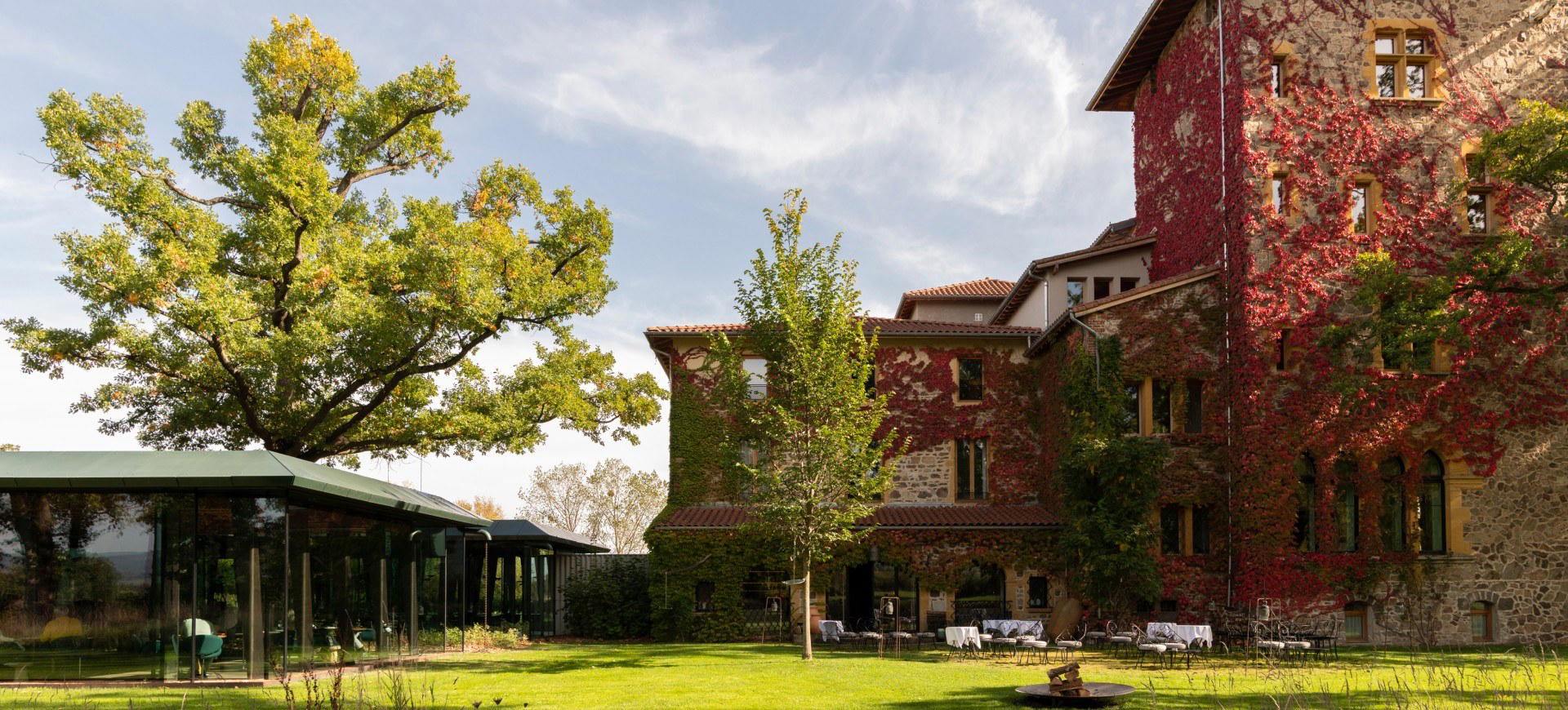
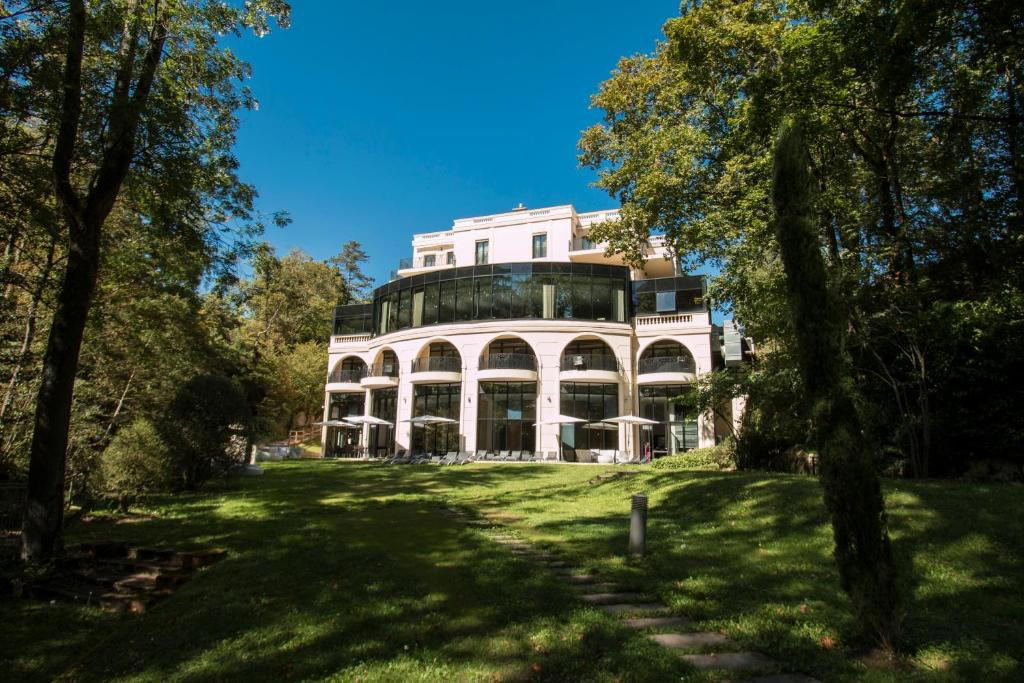
Classic, reliable décor with a warm, welcoming atmosphere; terrace seating under trees overlooking the Loire valley region.