Napoleon House
Our verdict
Few addresses in New Orleans carry the institutional weight of Napoleon House, a French Quarter landmark at 500 Chartres Street where the drink list has long anchored the experience. Positioned differently from the city's contemporary Creole dining circuit, it operates in a register closer to European café than American restaurant, making it a reference point rather than a competitor for venues like Bayona or Commander's Palace.

Pearl is the En Primeur Club membership app, where members save venues, book tables and use the concierge.

The Weight of a Room That Has Seen Everything
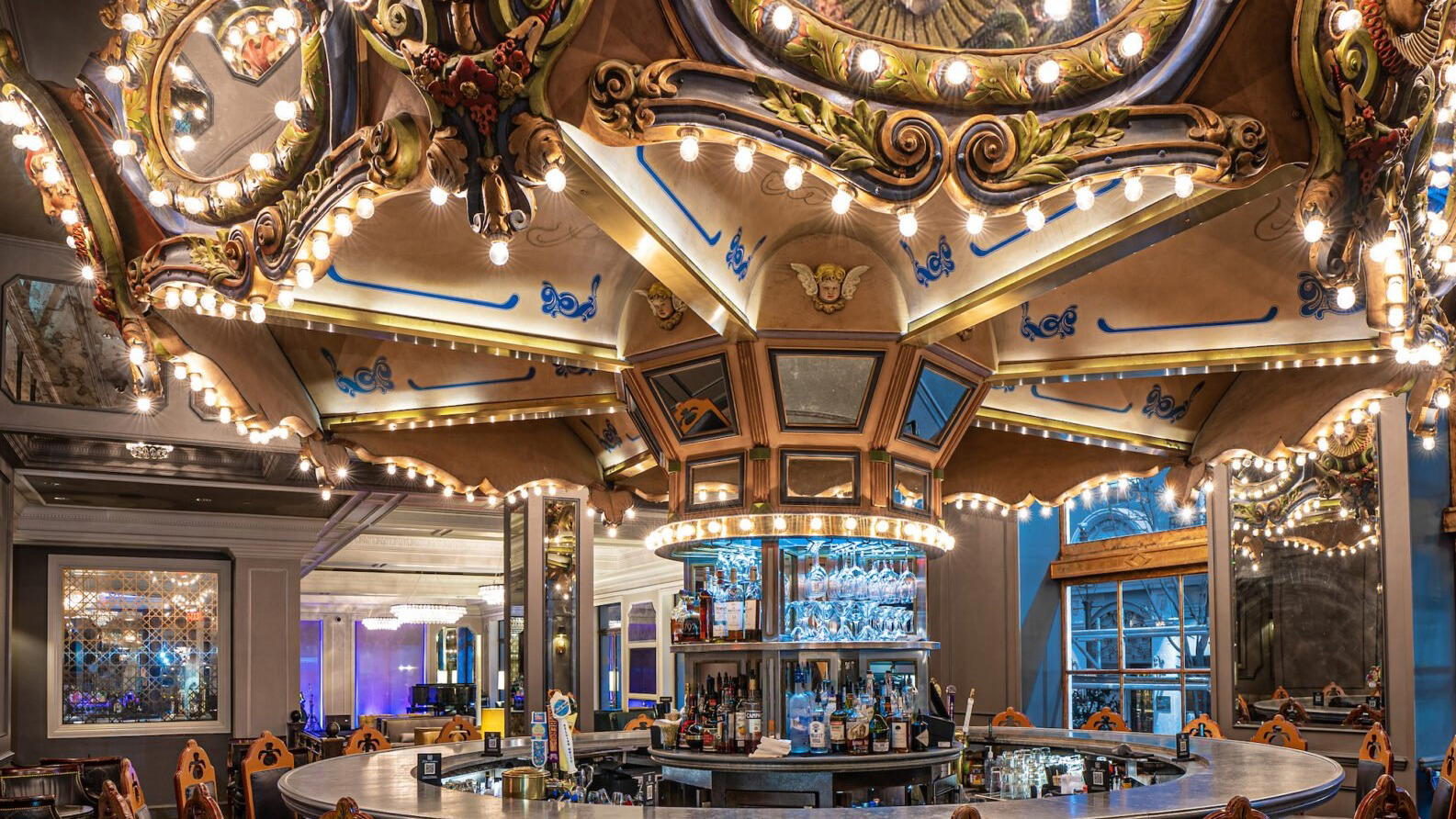
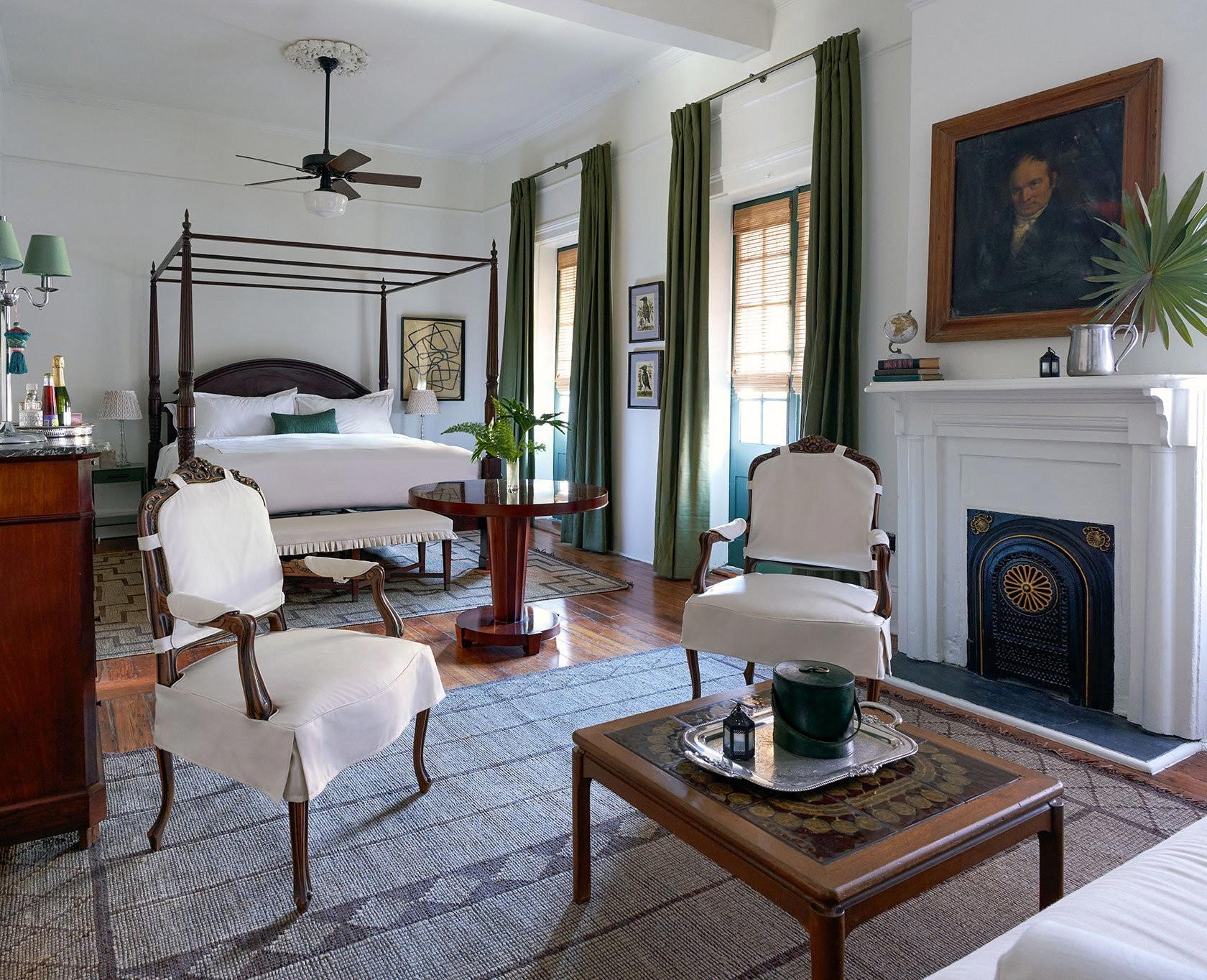
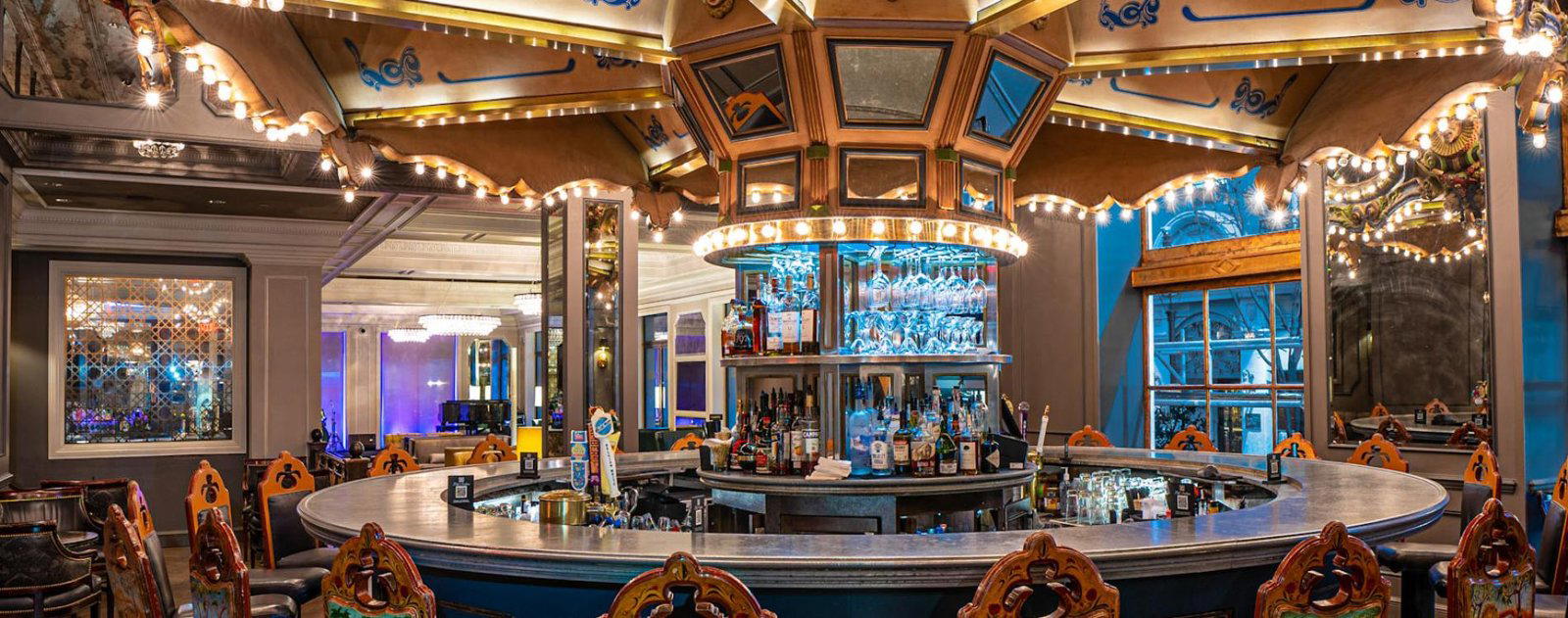
There is a particular quality of light in old New Orleans buildings that no renovation can manufacture: the kind that arrives through tall, slightly warped windows and lands on plaster walls that have absorbed a century of conversation. The ground floor of 500 Chartres Street has that quality in abundance. The building dates to the early nineteenth century, and the interior has accumulated its character the slow way, through time rather than design intent. Pressed tin ceilings, slowly rotating fans, a bar that looks as though it was built to last rather than to impress. For visitors arriving from the more polished end of the French Quarter dining circuit, the effect is deliberately disorienting in the leading possible sense.
Napoleon House sits in a specific tier of New Orleans hospitality that has no clean equivalent in other American cities. It is not fine dining in the way that Saint-Germain or Re Santi e Leoni are fine dining. It is not a destination table in the sense that The French Laundry in Napa or Le Bernardin in New York City command advance planning and occasion framing. What it represents instead is something older and arguably harder to sustain: a civic drinking and eating institution, the kind of place a city builds its sense of self around over generations.
The Pimm's Cup and the Logic of a Classic Drinks Program
The editorial angle here is not one venue's wine list but a broader question about what a drinks program communicates when it has been running long enough to outlast trends. New Orleans has always maintained a parallel drinks culture to the rest of the United States, one shaped by French and Caribbean influences and a civic tolerance for public consumption that has no equivalent in most American cities. The Sazerac, the Vieux Carré, the Ramos Gin Fizz: these are not cocktails that emerged from a contemporary mixology movement. They are historical documents served in a glass.
Napoleon House is most closely associated with the Pimm's Cup, a British aperitif drink that arrived in New Orleans via the city's mid-century bar culture and became sufficiently embedded that it now reads as a local fixture rather than an import. The Pimm's Cup illustrates something important about how certain bars become cultural anchors: the drink itself is not technically complex, but its presence in this room, in this city, over this many decades, has given it a meaning that no amount of technical sophistication can replicate. In a contemporary bar program at, say, Lazy Bear in San Francisco or Alinea in Chicago, the drink list is an argument about what cocktails can be. At Napoleon House, the drink list is an argument about what the city is.
The wine offering at venues of this type tends to be functional rather than curatorial, oriented toward pours that complement the food and the mood rather than toward cellar depth or sommelier-led discovery. The relevant comparison is not to the wine programs at Blue Hill at Stone Barns in Tarrytown or Providence in Los Angeles, where curation philosophy and producer relationships are part of the editorial identity. Here, the wine list operates in support of a different kind of experience, one where the room and the ritual matter more than the bin numbers.
Where Napoleon House Sits in the New Orleans Dining Map
New Orleans has a layered dining structure that visitors sometimes misread as flat. The city is not simply divided between tourist-facing Bourbon Street fare and a small cluster of serious restaurants. There is a middle tier of long-running institutions, and that tier carries disproportionate cultural weight. Commander's Palace, in the Garden District, is the most formally celebrated member of this group. Napoleon House occupies a different position on the same map: lower formality, higher historical texture, French Quarter adjacency rather than Garden District remove.
Within the French Quarter specifically, the comparison set includes Bayona, which operates at a higher price point with more focused kitchen ambition, and Emeril's, which represents a different strand of New Orleans dining, the celebrity-chef institutional model that became its own category from the 1990s onward. Napoleon House predates all of those categories and, in a sense, precedes the logic by which they are usually evaluated. Asking whether it competes with Addison in San Diego or Atomix in New York City is a category error. It competes with the passage of time, which is a harder contest and, so far, one it has managed adequately.
For visitors building a broader New Orleans itinerary, the venue sits comfortably alongside a stop at Zasu for contemporary American cooking or an evening at Bacchanalia in Atlanta if the trip extends regionally. The full picture of the city's dining options is mapped in our full New Orleans restaurants guide.
The Food as Supporting Character
In most contemporary dining criticism, the kitchen is the protagonist. At Napoleon House, the kitchen operates in a different role: supporting the room rather than defining it. The muffuletta, the sandwich built from Italian cold cuts, olive salad, and a round sesame loaf that became a New Orleans staple through the city's Sicilian immigrant community, is the food item most associated with the address. It is not a chef's statement dish in the way that a composed plate at The Inn at Little Washington or Single Thread Farm in Healdsburg would be. It is a civic artifact, a food that arrives because the city made it and the venue preserved it.
This is a useful distinction for the kind of traveler who calibrates every meal against a formal dining hierarchy. Napoleon House does not participate in that hierarchy and is not diminished by its absence from it. The food works because the room works, and the room works because the city has decided, collectively and over a long period, that it should.
Know Before You Go
| Address | 500 Chartres St, New Orleans, LA 70130 |
|---|---|
| Neighbourhood | French Quarter |
| Booking | Walk-ins accepted; no reservation infrastructure required for most visits |
| Ideal time to visit | Afternoon and early evening for quieter access to the bar; avoid peak Mardi Gras and Jazz Fest weekends unless you want the full crowd-level experience |
| Dress Code | None specified; the room sets its own tone |
| Context | Part bar, part café, part historical site; approach it accordingly |
Frequently asked questions
How do I find Napoleon House?
Napoleon House is located at 500 Chartres St, New Orleans, LA 70130, New Orleans.
Why do so many visitors single out Napoleon House when asking about historically significant bars in New Orleans?
The building at the corner of Chartres and St. Louis Streets dates to the early nineteenth century and carries a documented association with the plan to shelter Napoleon Bonaparte in exile, giving it a specific historical claim that most French Quarter bars cannot match. Its classical music soundtrack, faded plaster walls, and decades-long consistency with the Pimm's Cup place it in a category the city calls a 'legacy room': a bar whose atmosphere is the product of accumulated time rather than designed atmosphere. Few addresses in New Orleans combine that level of civic history with an active, daily-use bar programme.
What's the must-try dish at Napoleon House?
The muffuletta is the food item most historically associated with the address: a round sesame loaf packed with Italian cold cuts and olive salad, served warm rather than pressed cold as at Central Grocery. It functions as the kitchen's anchor and the reason most visitors order food at all. The Pimm's Cup runs parallel as the drink the bar is known for across New Orleans drinking culture. Between the two, you have the clearest summary of what Napoleon House does.
Do they take walk-ins at Napoleon House?
Napoleon House operates as a walk-in bar and café at 500 Chartres St in the French Quarter, with no reservation system in place. That format is consistent with its identity as a neighbourhood room rather than a dining destination built around booked tables. During peak French Quarter hours, particularly weekend afternoons and evenings, expect to queue for seating or take a spot at the bar.
At a Glance
Comparable venues nearby, for context on price, style, and recognition.
| Venue | Cuisine | Price | Notes |
|---|---|---|---|
| Napoleon HouseThis venue (the venue you are viewing) | New Orleans Creole & Cajun | $20–30 | Not listed |
| Evangeline | Authentic Cajun & Creole | $30–50 | French Quarter, Authentic Cajun & Creole |
| Sylvain | Southern Gastropub | Not listed | French Quarter, Southern Gastropub |
| The Company Burger | Classic American Burgers | $20–30 | Freret, Classic American Burgers |
| Cowbell | American Gastropub Burgers | Not listed | Carrollton, American Gastropub Burgers |
| Satsuma Maple | Organic American Cafe | $10–20 | East Carrollton, Organic American Cafe |
Continue exploring
More in New Orleans
Restaurants in New Orleans
All restaurants in New Orleans →
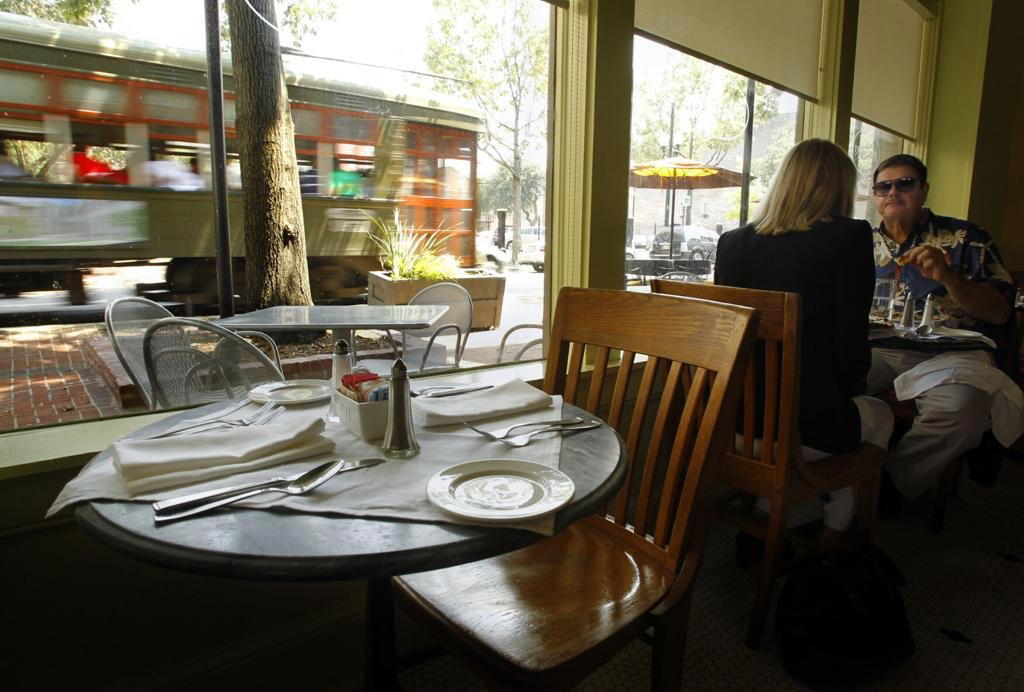
Bars in New Orleans
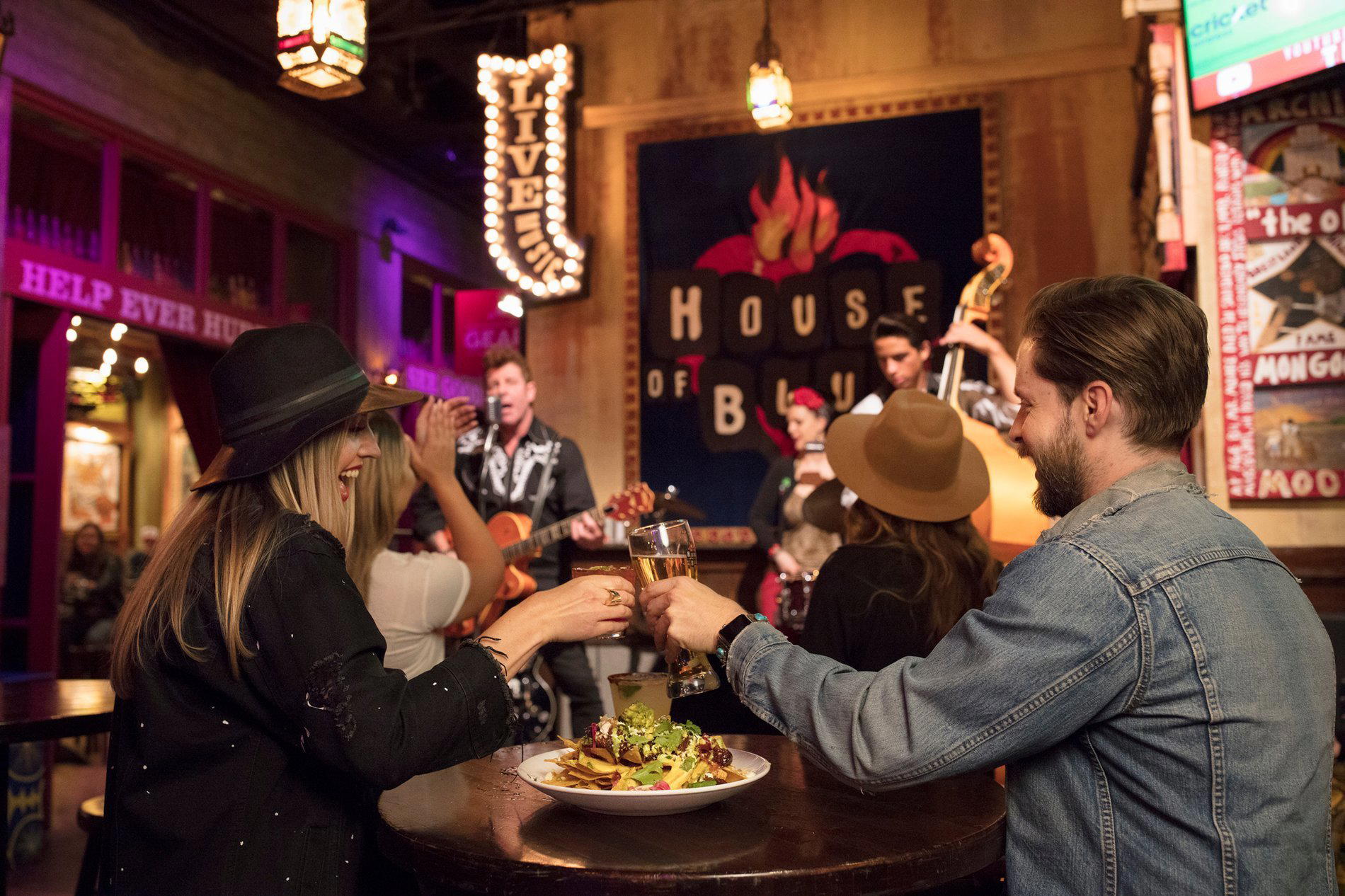
All bars in New Orleans →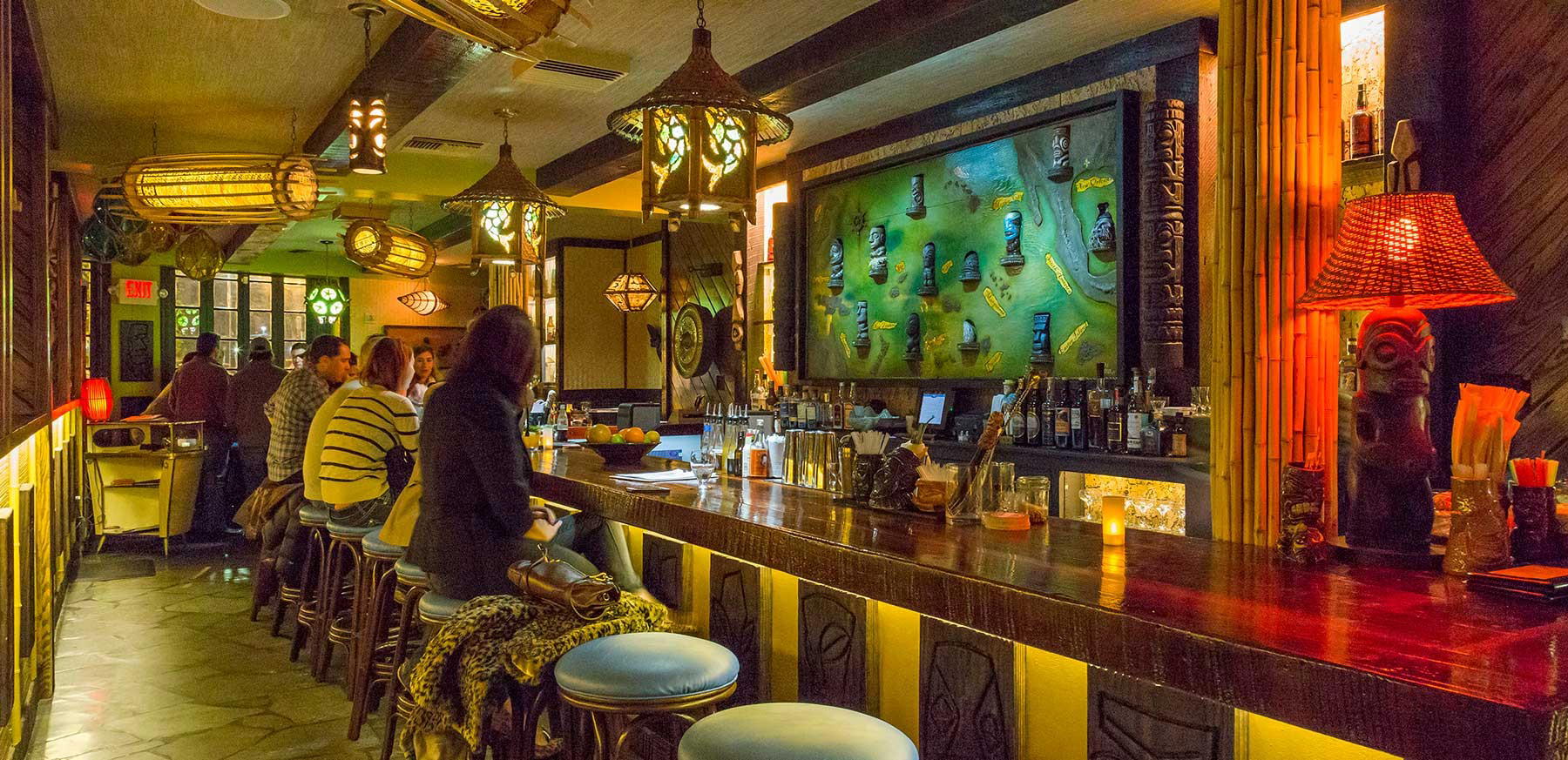
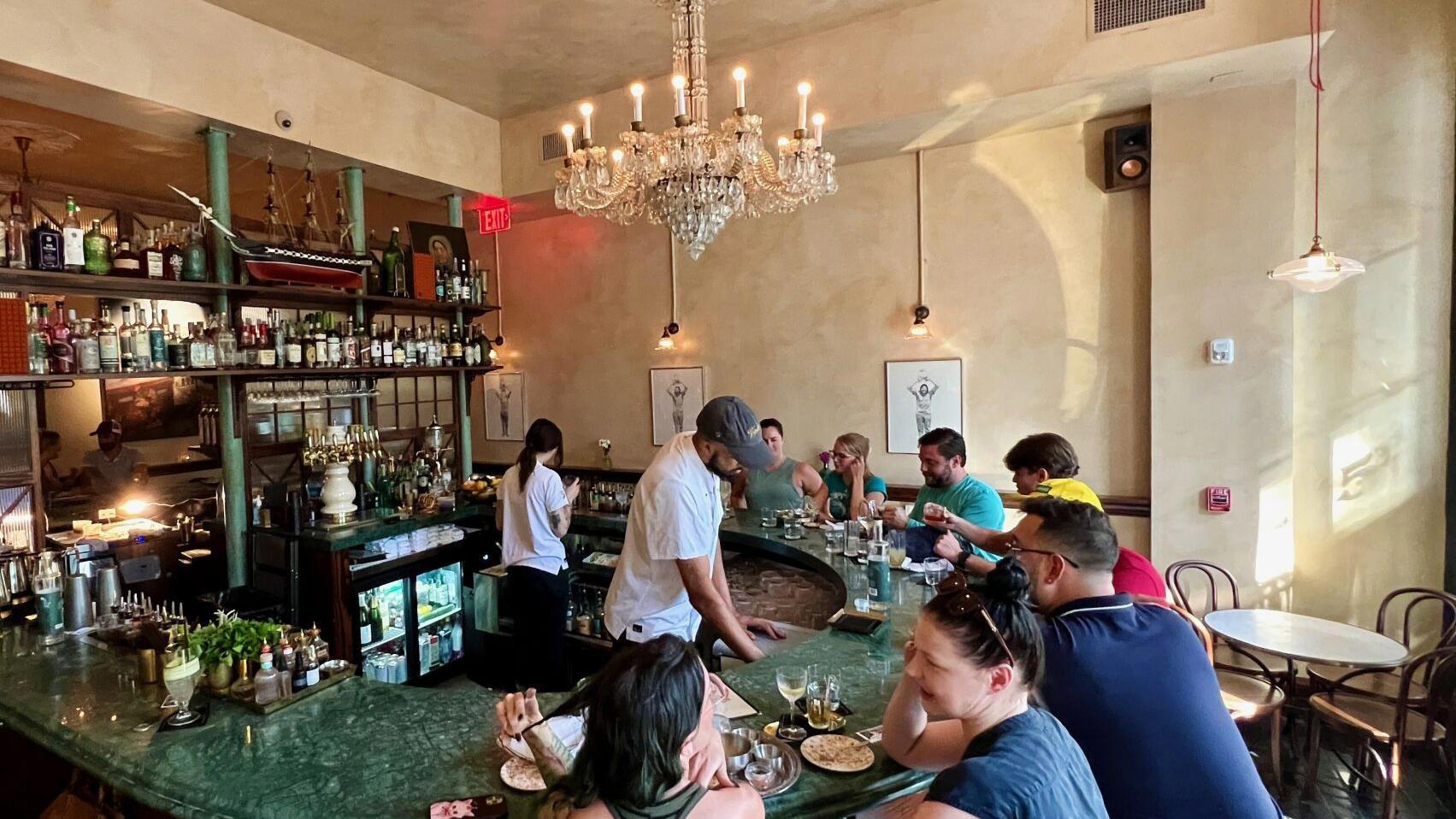
Details
- Historic
- Well Known
- Cozy
- Classic
- Casual Hangout
- Brunch
- Historic Building
- Craft Cocktails
- A La Carte
- Pimm's Cup
- Local Beer
- Cocktails
- Vegetarian Friendly
- Vegan Options
Current opening hours
- Monday
- 11 AM–10 PM
- Tuesday
- 11 AM–10 PM
- Wednesday
- 11 AM–10 PM
- Thursday
- 11 AM–10 PM
- Friday
- 11 AM–10 PM
- Saturday
- 11 AM–10 PM
- Sunday
- 11 AM–10 PM
Hours can change for holidays and private events. Hours as of .
Charming historic atmosphere with patina and authenticity in a nearly 200-year-old building, evoking the spirit of old New Orleans.