On Avenida da Liberdade, Cervejaria Ribadouro is one of Lisbon's most established seafood cervejarias, drawing locals and visitors alike to its tiled dining room for plates of percebes, gamba, and fresh shellfish. The format is built around the mariscada tradition rather than tasting-menu theatrics, placing it in a different tier from the city's Michelin-decorated modern Portuguese rooms, and closer in spirit to the working cervejaria culture that has defined Lisbon's casual dining for decades.
Pearl is the En Primeur Club membership app — saves, bookings, and concierge access live there. Same editors, same standards.
- Address
- Av. da Liberdade 155, 1250-144 Lisboa, Portugal
- Phone
- +351213549411
- Website
- cervejariaribadouro.pt
- Directions
- Get directions
 Saves & bookings on Pearl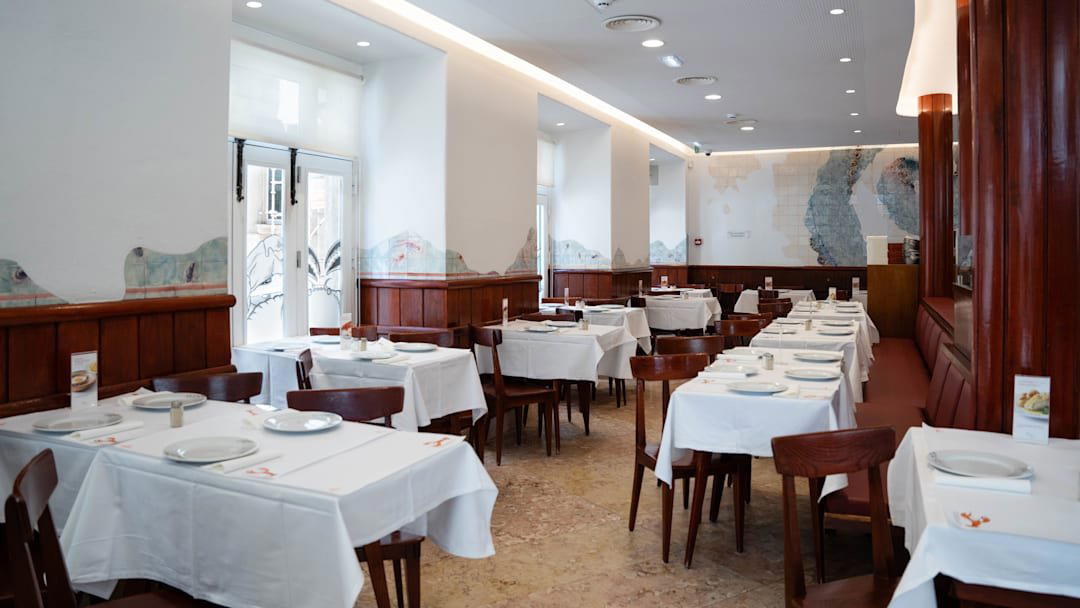
Avenida da Liberdade's Shellfish Anchor
Avenida da Liberdade is primarily understood as Lisbon's luxury commercial corridor, the address for international fashion houses and grand hotel facades. What that framing tends to obscure is the persistence of older, neighbourhood-rooted eating formats that have held their ground along the same boulevard. Cervejaria Ribadouro, at number 155, sits within that category: a cervejaria operating in the tradition of the tiled, high-ceilinged shellfish house that has been a functional institution of Portuguese city eating for well over a century.
The cervejaria format itself is worth understanding before arriving. The term translates literally as "brewery," but in practice it describes a specific type of Portuguese dining room built around cold beer, chilled white wine, and fresh shellfish displayed on ice at the counter. The format predates the tasting-menu era entirely. It is communal, loud, and oriented around abundance rather than restraint. Where Lisbon's current wave of high-concept Portuguese cooking at restaurants like Belcanto, CURA, and Eleven works by reduction and precision, the cervejaria tradition operates on the opposite logic: volume of good raw material, simply treated.
The Physical Space as the Argument
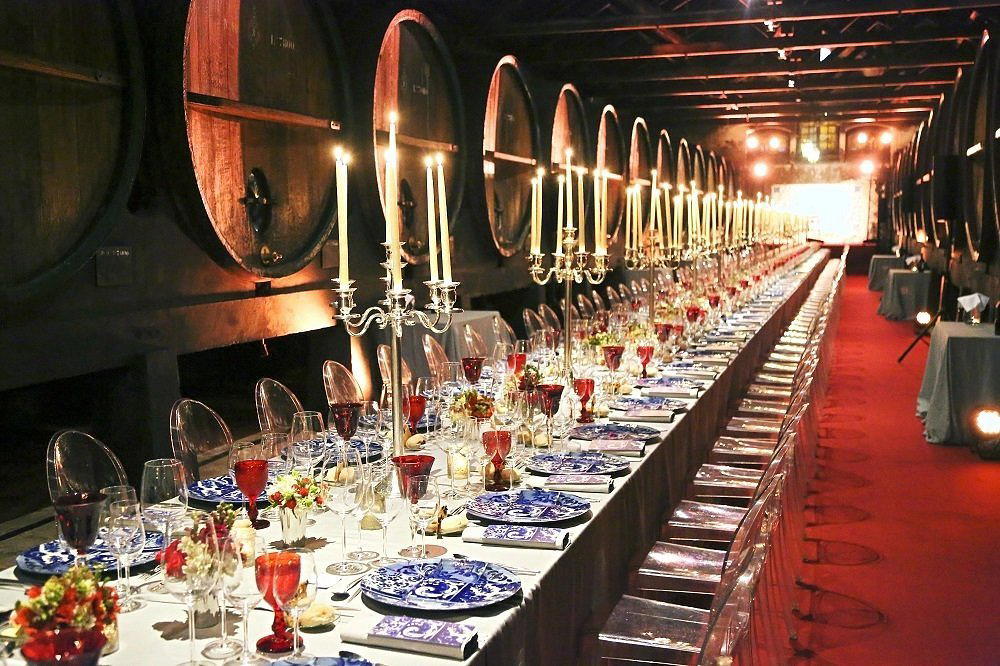
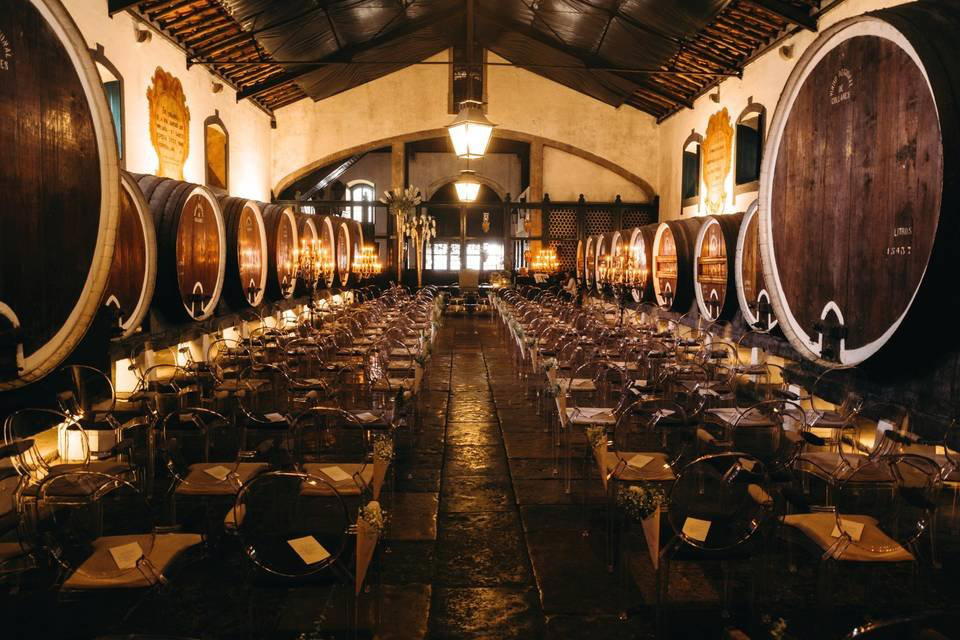
The interior of a traditional cervejaria makes its case before any food arrives. The design language is consistent across the leading examples of the type: white ceramic tiles rising to a mid-height dado, marble or tiled counter surfaces, rows of bench seating or close-set tables, and a visible shellfish display that functions as both menu and theatre. These are rooms built for the noise of a full house, with hard surfaces that carry conversation and the sound of cracking shells.
Ribadouro's position on Avenida da Liberdade gives it an address that might, in another context, signal formality. The interior resists that. The dining room's materials and layout belong to an older Portuguese vernacular, where the investment went into the quality of what was on the plate and the ice, rather than into curated lighting or table spacing. That architectural decision is also a positioning decision. The room communicates, without ambiguity, that the focus is the seafood and the company.
This places Ribadouro among Lisbon's other cervejarias and marisqueiras, the shellfish restaurants that represent one of the city's oldest dining traditions. Compared to the stripped-back modern interiors at 2Monkeys or the architectural drama of 50 Seconds from Martin Berasategui, Ribadouro's room reads as deliberately, functionally traditional.
What People Order and Why
The shellfish counter at a Lisbon cervejaria functions as the kitchen's primary statement. At Ribadouro, the expectation is built around the categories that define the format nationally: percebes (barnacles), gambas (prawns), amêijoas (clams), sapateira (spider crab), and larger centolla presentations for groups. These are not dishes assembled in a kitchen in the conventional sense. They are procured from the market and served with minimal intervention, which means the quality of sourcing is the entire editorial argument.
Portugal's Atlantic coastline produces shellfish of genuine quality, particularly from the cooler waters of the north and the Algarve. The percebes culture alone places Portugal in a specific European tier, alongside Galicia, where the barnacle is treated as a premium product rather than a curiosity. A cervejaria like Ribadouro sits within that tradition, operating as a reliable access point for produce that, in other European cities, would require significant research or specialist contacts to find. For context on how seriously Portugal takes its seafood heritage across formats and regions, the cooking at Casa de Chá da Boa Nova in Leça da Palmeira and the kitchen approach at Ocean in Porches represent different expressions of the same national obsession with Atlantic produce.
Where Ribadouro Fits in Lisbon's Dining Structure
Lisbon's restaurant scene has bifurcated over the past decade in a way that mirrors patterns visible in cities from Porto to San Francisco. At the leading end, tasting-menu restaurants have moved toward higher price points, longer seatings, and formal wine pairings. The mid-level has largely been colonised by the contemporary casual format: natural wine bars, share-plate concepts, and modernist petiscos. What this bifurcation tends to squeeze is the mid-century institution: the restaurant that does one thing well, charges a fair price for it, and has been doing so for long enough to constitute an actual tradition. Cervejaria Ribadouro is a traditional Portuguese seafood restaurant on Av.
Ribadouro occupies that older stratum. It is the kind of address that regulars return to not because it is changing or evolving but precisely because it is not. That consistency is a form of curatorial argument, even if it is never articulated as such. Portugal's Michelin-decorated houses, from Vila Joya in Albufeira to The Yeatman in Vila Nova de Gaia to Fortaleza do Guincho in Cascais, operate in a register that demands advance planning, specific dress expectations, and a particular kind of occasion. A cervejaria like Ribadouro asks for none of that. The occasion is the Tuesday night hunger, the post-flight beer, or a spontaneous group meal.
The Cervejaria in a European Context
It is worth placing the cervejaria tradition against its European equivalents to understand what the format actually delivers. The French brasserie de fruits de mer, best understood through the grand oyster counters of Paris or the seafood plateaux of Lyon, operates on similar logic but at a different price point and with a heavier emphasis on presentation ritual. The Belgian moules-frites house is a reduced version of the same idea. The Galician marisqueira, across the border in Spain, is probably the closest cultural cousin to the Portuguese cervejaria in terms of product focus and informality of service.
What the Portuguese version does distinctively is anchor the shellfish tradition to beer culture in a way that France, for instance, does not. The cerveja and marisco pairing is as codified in Lisbon as the oyster-Muscadet pairing is in a Paris brasserie. It is a cultural specificity worth understanding, particularly for visitors accustomed to the wine-forward framing of most European fine dining. Comparable commitments to seafood as cultural heritage, rather than as luxury product, can be found at different price points in destinations like Le Bernardin in New York City or in the local sourcing philosophy that drives kitchens like Lazy Bear in San Francisco, but the register and the room tell entirely different stories.
Portugal's broader coastal dining network, from Antiqvvm in Porto to Il Gallo d'Oro in Funchal to Al Sud in Lagos and Gusto by Heinz Beck in Almancil, reflects how seriously the country treats its Atlantic position as a culinary asset. The cervejaria sits at the accessible base of that structure, and Ribadouro is among Lisbon's more consistent examples of the format.
Know Before You Go
- Address: Av. da Liberdade 155, 1250-144 Lisboa, Portugal
- Format: Traditional cervejaria; shellfish-focused, walk-in friendly
- Leading for: Spontaneous shellfish meals, cold beer and percebes, group eating without formal occasion
- Booking: Walk-in format typical of the cervejaria tradition; confirm current policy before visiting
- Dress code: None expected; the room is casual by design
- Occasion tier: Informal; not appropriate as a fine-dining substitute but authoritative within its own format
In Context: Similar Options
Comparable venues nearby, for context on price, style, and recognition.
| Venue | Cuisine | Price | Notes |
|---|---|---|---|
| Cervejaria RibadouroThis venue — the venue you are viewing | Traditional Portuguese Seafood | $$$ | Not listed |
| Marítima de Xabregas | Traditional Portuguese Seafood & Grill | $$ | Xabregas |
| Copo de Mar | Modern Portuguese Seafood | $$ | Rego |
| HUNGRY HOUSE | Fusion | $$$ | Telheiras |
| Volver de Carne y Alma | Argentine-Portuguese Steakhouse | $$$ | Lumiar |
| Caracóis de São Bento | Traditional Portuguese Snails & Seafood | $ | Bairro Alto |
Continue exploring
More in Lisbon
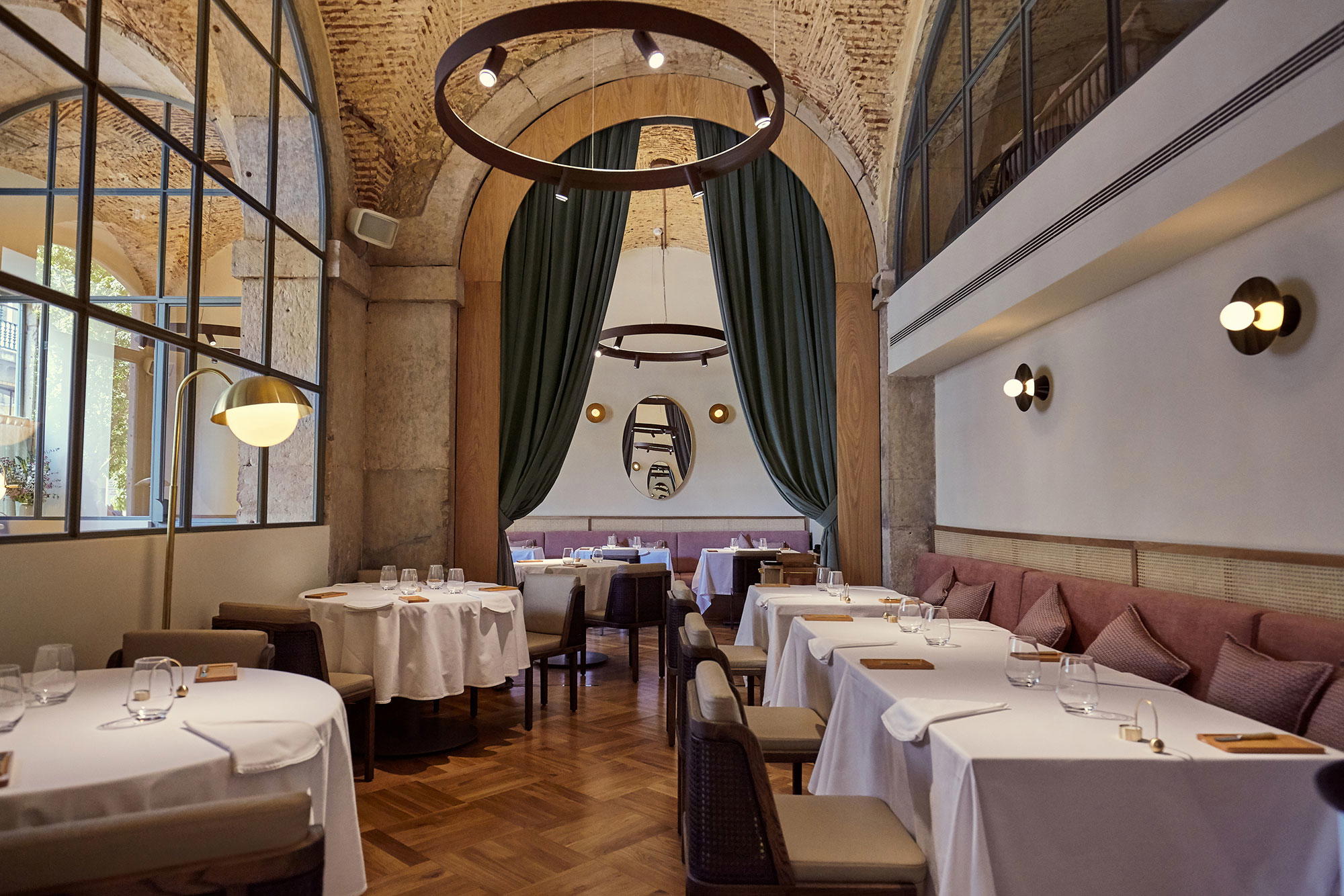
Restaurants in Lisbon
Browse all →

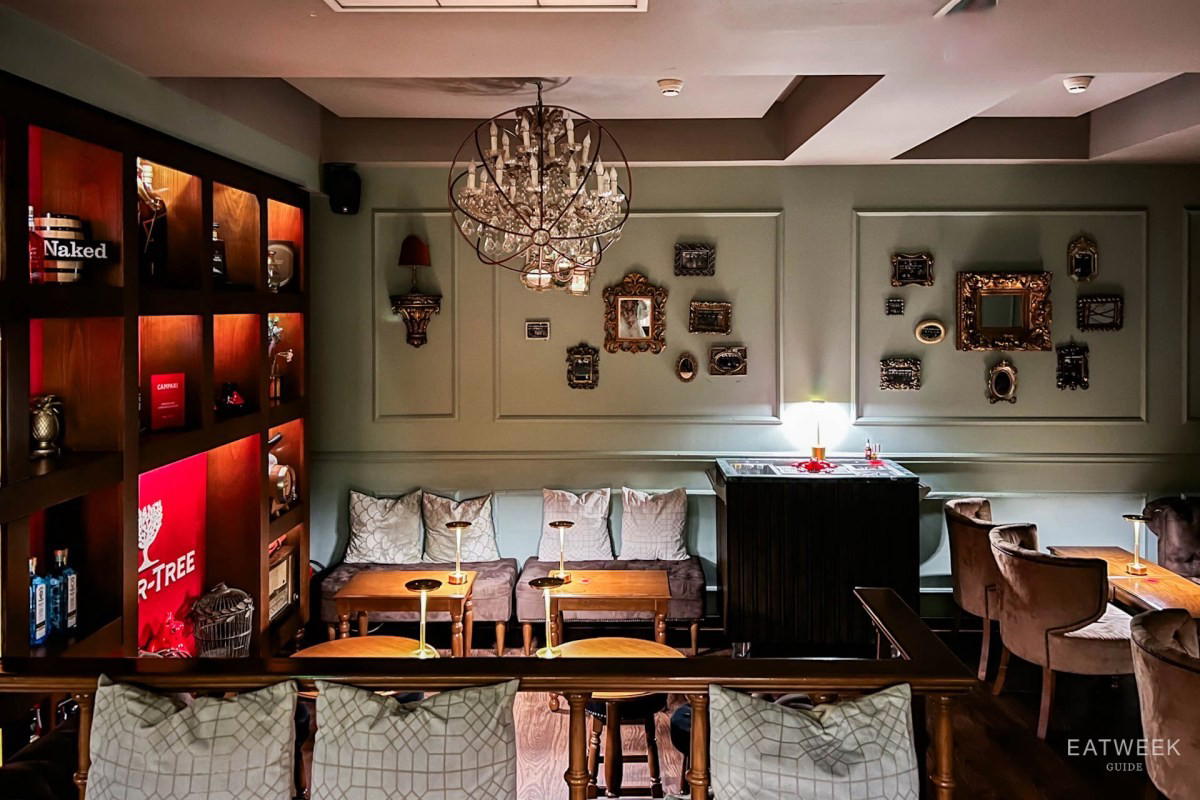
Bars in Lisbon
Browse all →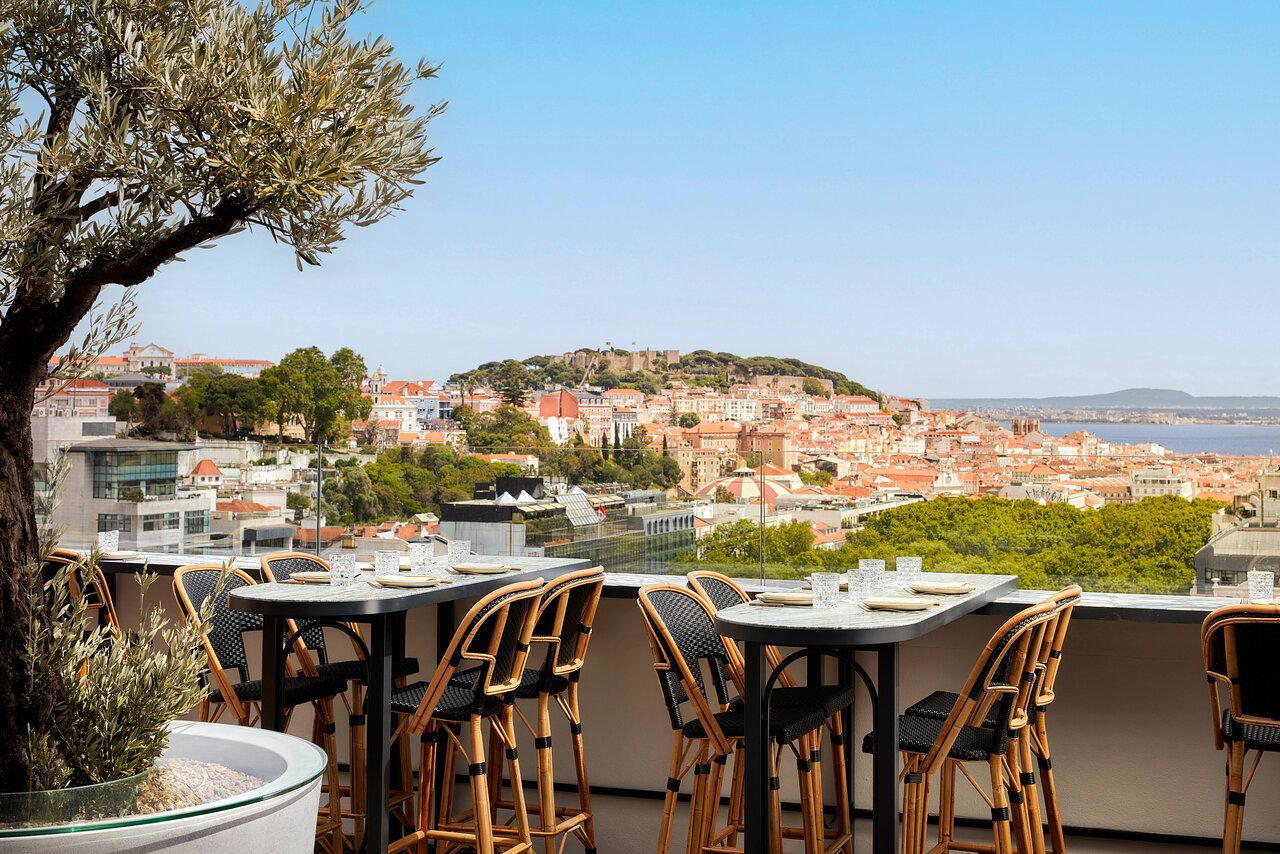
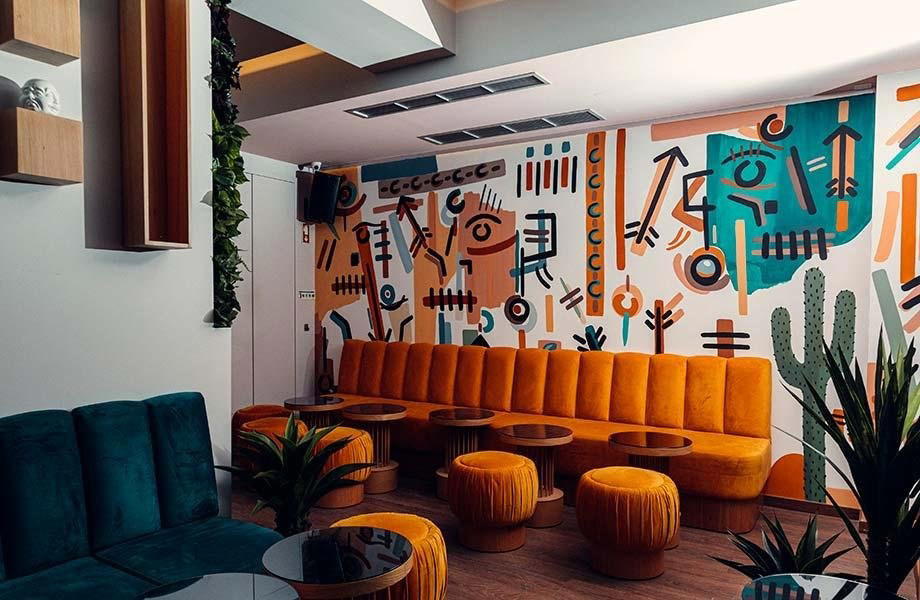
Hotels in Lisbon
Browse all →
At a Glance
- Classic
- Lively
- Well Known
- Late Night
- Special Occasion
- Terrace
- Historic Building
- Beer Program
- Sustainable Seafood
- Street Scene
Current opening hours
- Monday
- 12 PM–1:30 AM
- Tuesday
- 12 PM–1:30 AM
- Wednesday
- 12 PM–1:30 AM
- Thursday
- 12 PM–1:30 AM
- Friday
- 12 PM–1:30 AM
- Saturday
- 12 PM–1:30 AM
- Sunday
- 12 PM–1:30 AM
Hours can change for holidays and private events. Last verified .
Pleasant and relaxed with white tablecloths, warm service, and a friendly environment.