Marítima de Xabregas sits on Rua da Manutenção in Lisbon's eastern riverfront, a neighbourhood that trades the tourist circuits of Alfama for working-class authenticity. The address places it within a post-industrial stretch where tascas and riverside warehouses share the same blocks, making it a reference point for understanding how Lisbon's dining culture extends well beyond its most decorated postcodes.
Pearl is the En Primeur Club membership app — saves, bookings, and concierge access live there. Same editors, same standards.
- Address
- Rua da Manutenção 40, 1900-320 Lisboa, Portugal
- Phone
- +351218682235
- Directions
- Get directions
 Saves & bookings on Pearl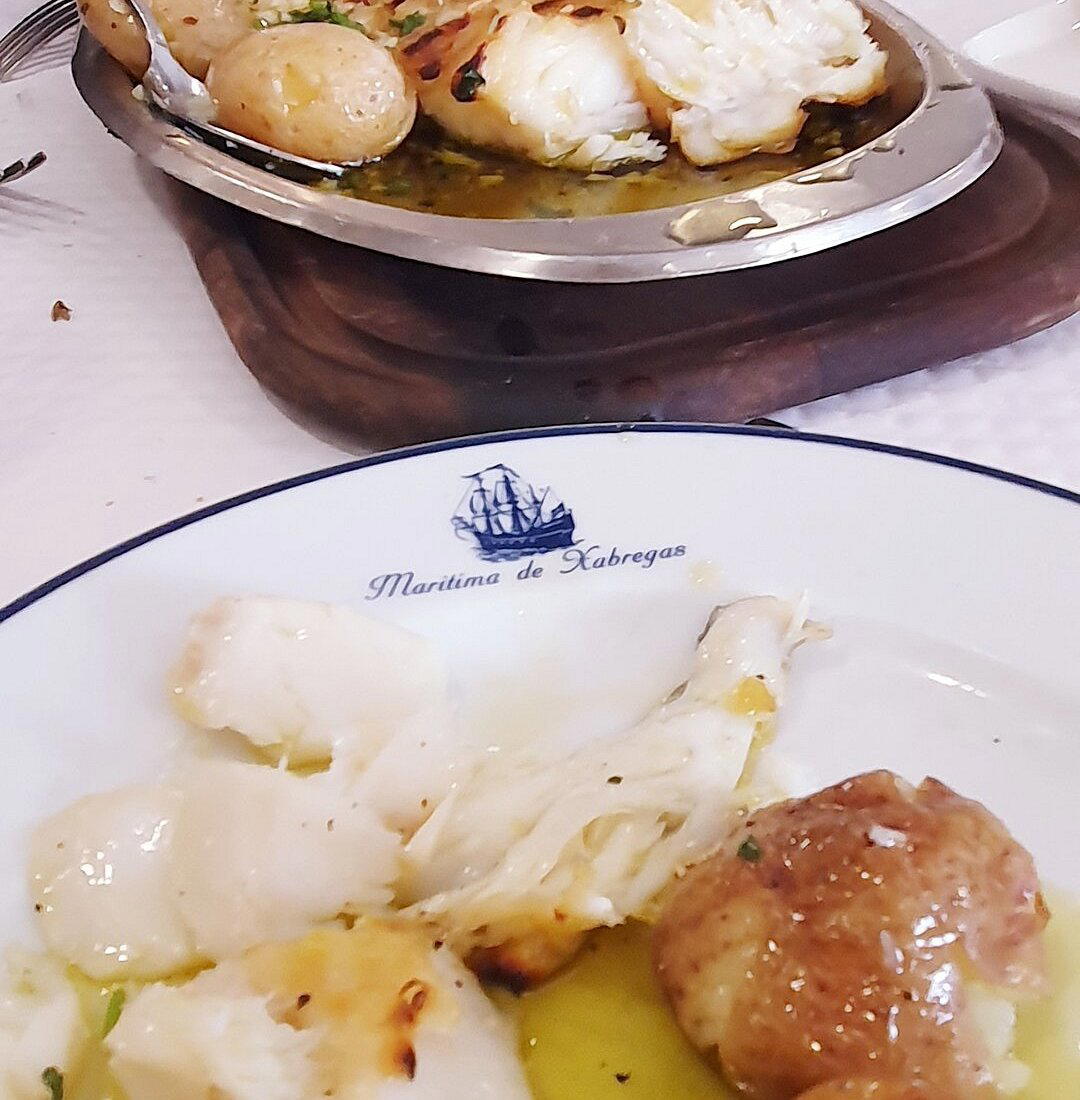
Eastern Lisbon and the Ritual of the Long Table
Lisbon's dining culture has long been split between two gravitational pulls: the fine-dining tier concentrated around Chiado and Príncipe Real, where addresses like Belcanto and CURA compete at an international level, and the neighbourhood table tradition that persists in the city's eastern parishes. Xabregas belongs firmly to the second category. The neighbourhood sits along the Tejo estuary east of Alfama, past the ceramic-tiled facades of Madre de Deus and the remnants of industrial warehousing that defined this stretch of riverfront through most of the twentieth century. Arriving along Rua da Manutenção, the architectural register is low-rise and unpretentious: painted render, steel shutters, the occasional tiled panel. There is no hotel concierge pointing you here.
That absence is deliberate intelligence, not oversight. Xabregas has remained largely outside the tourism circuit that has reshaped Mouraria and Intendente over the past decade, which means the social contract of its restaurants still runs on neighbourhood terms. Tables are held for regulars. Lunch extends. The meal is not a performance in the way that a tasting menu at 50 Seconds from Martin Berasategui or Eleven functions as one. It is instead a slower negotiation between kitchen and table, mediated by whoever brings the bread and wine first.
The Format of a Meal Here
Portuguese dining ritual in this register follows its own pacing logic, distinct from both the rapid turnover model and the structured multi-course choreography of Michelin-tracked rooms. A meal in a Xabregas tasca or riverside sala typically begins with what arrives unbidden: olives, bread, perhaps a small dish of sardine paste or local cheese. These are not amuse-bouches in the tasting-menu sense; they are a preliminary act of hospitality that sets the temperature of the room. Accepting them signals that you are not in a hurry, and that signal is understood by the kitchen as permission to pace the rest of the meal accordingly.
The Portuguese relationship with fish is structurally different from the French or Italian models that have shaped much of northern European expectation. Bacalhau remains the reference ingredient across the country, appearing in dozens of registered preparations, but coastal addresses in eastern Lisbon tend to lean into fresh catch from the Tejo estuary and the Atlantic markets at Docas. That orientation places a restaurant like Marítima de Xabregas in a different conversation than the high-intervention kitchens represented by 2Monkeys or the progressive Spanish register of addresses like Berasategui's Lisbon outpost. The ingredient is the argument; technique is in service of it rather than the other way around.
For context on how this approach plays out elsewhere in Portugal, the Algarve's decorated rooms offer useful comparison. Ocean in Porches and Bon Bon in Lagoa work at the opposite end of the formality spectrum, with tasting formats and international wine lists calibrated to a resort audience. Xabregas operates at a different register entirely, one that has more in common with the working-harbour sensibility of Casa de Chá da Boa Nova in Leça da Palmeira than with anything in the Chiado corridor, though without the Pritzker-designed room.
Where Xabregas Sits in the Lisbon Hierarchy
Lisbon's restaurant tier below the Michelin-starred cluster is broad and varied, and Xabregas represents one of its most coherent sub-categories: the waterfront address with a strong local following and no particular interest in attracting international press. This is not a failure of ambition but a different model of success. In the same way that Antiqvvm in Porto and The Yeatman in Vila Nova de Gaia anchor their respective neighbourhoods with different strategies, Xabregas addresses anchor the eastern Lisbon riverfront with a specific social function that no fine-dining room can replicate.
The broader Portuguese dining map reinforces this point. From Vila Joya in Albufeira to Il Gallo d'Oro in Funchal and A Cozinha in Guimarães, the country's awarded addresses share a tendency toward regional rootedness even when the technique is international. Marítima de Xabregas, without an award tier or a decorated kitchen, represents that rootedness at its most direct: an address that exists because the neighbourhood needs it to.
The comparison with international models is worth making. At a room like Le Bernardin in New York City, fish cookery is framed as high art with pricing and service architecture to match. At Atomix, also in New York, the tasting format itself is the ritual. In eastern Lisbon, the ritual is older and less mediated: the fish arrives because the boats came in, the wine arrives because it is Tuesday, and the meal ends when there is nothing left to say.
Getting There and Planning Your Visit
Rua da Manutenção 40 is accessible by the 28E tram if you ride it past its tourist saturation point near Alfama and stay on into Xabregas, or by bus from Praça do Comércio. The walk from Santa Apolónia train station takes under fifteen minutes along the riverfront, which is itself worth the detour. Xabregas sits outside Lisbon's main tourist axis, so arriving mid-afternoon for a late lunch, a common Portuguese rhythm, tends to allow more flexibility than evening hours. As with most neighbourhood addresses of this type, contact via the listed address rather than a booking platform is the more reliable approach; a phone call or a walk-in during shoulder hours often yields a table where an online search returns nothing. For a fuller picture of where this address sits in the city's broader dining context, see our full Lisbon restaurants guide. Those planning a wider itinerary through the Algarve might also consider A Ver Tavira and Al Sud in Lagos as complementary reference points in Portugal's southern coastal register.
How Marítima de Xabregas Lisbon compares with similar nearby venues.
| Venue | Cuisine | Price |
|---|---|---|
| Plano | Contemporary | €€€ |
Continue exploring
More in Lisbon
Restaurants in Lisbon
Browse all →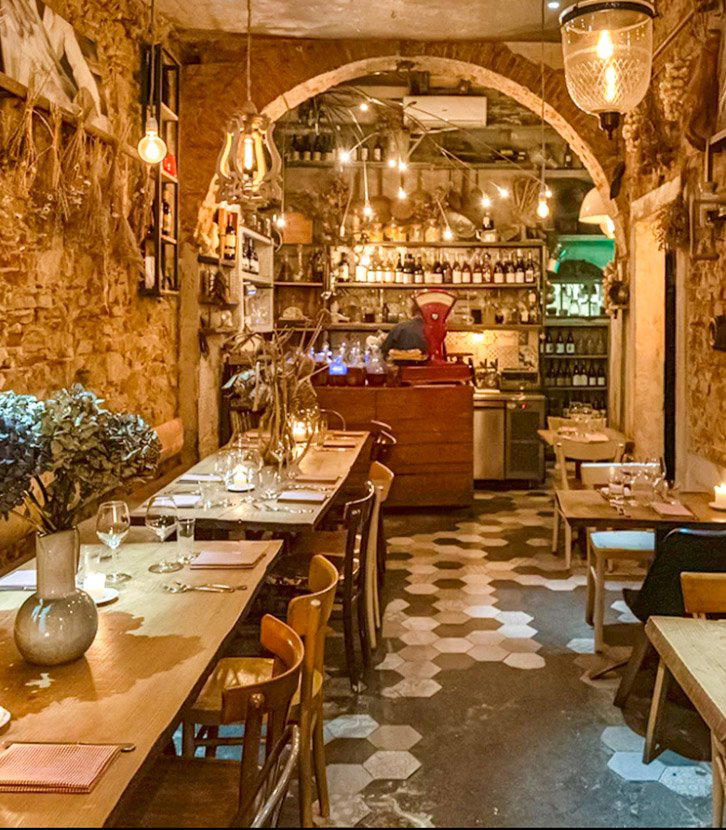
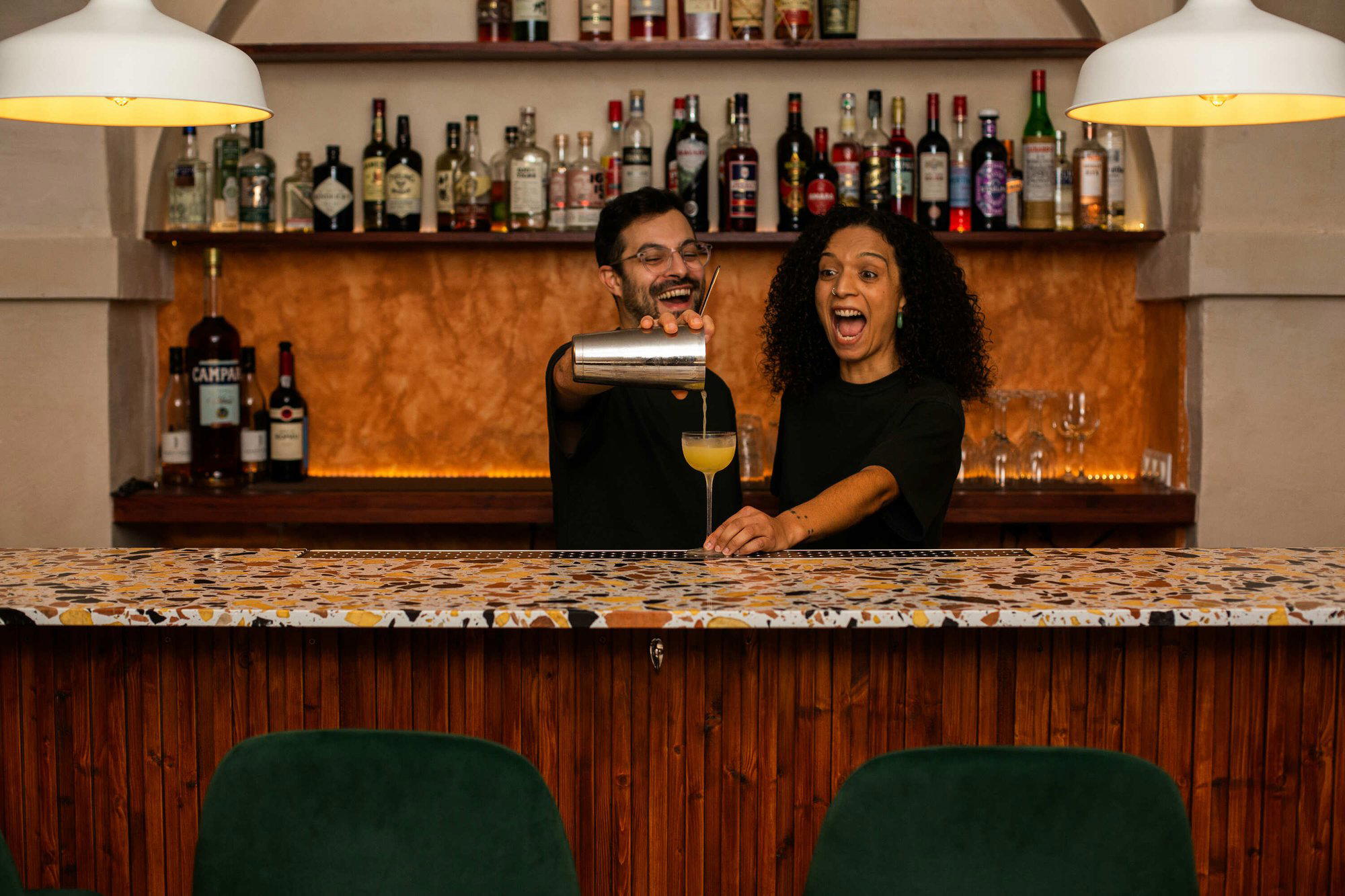
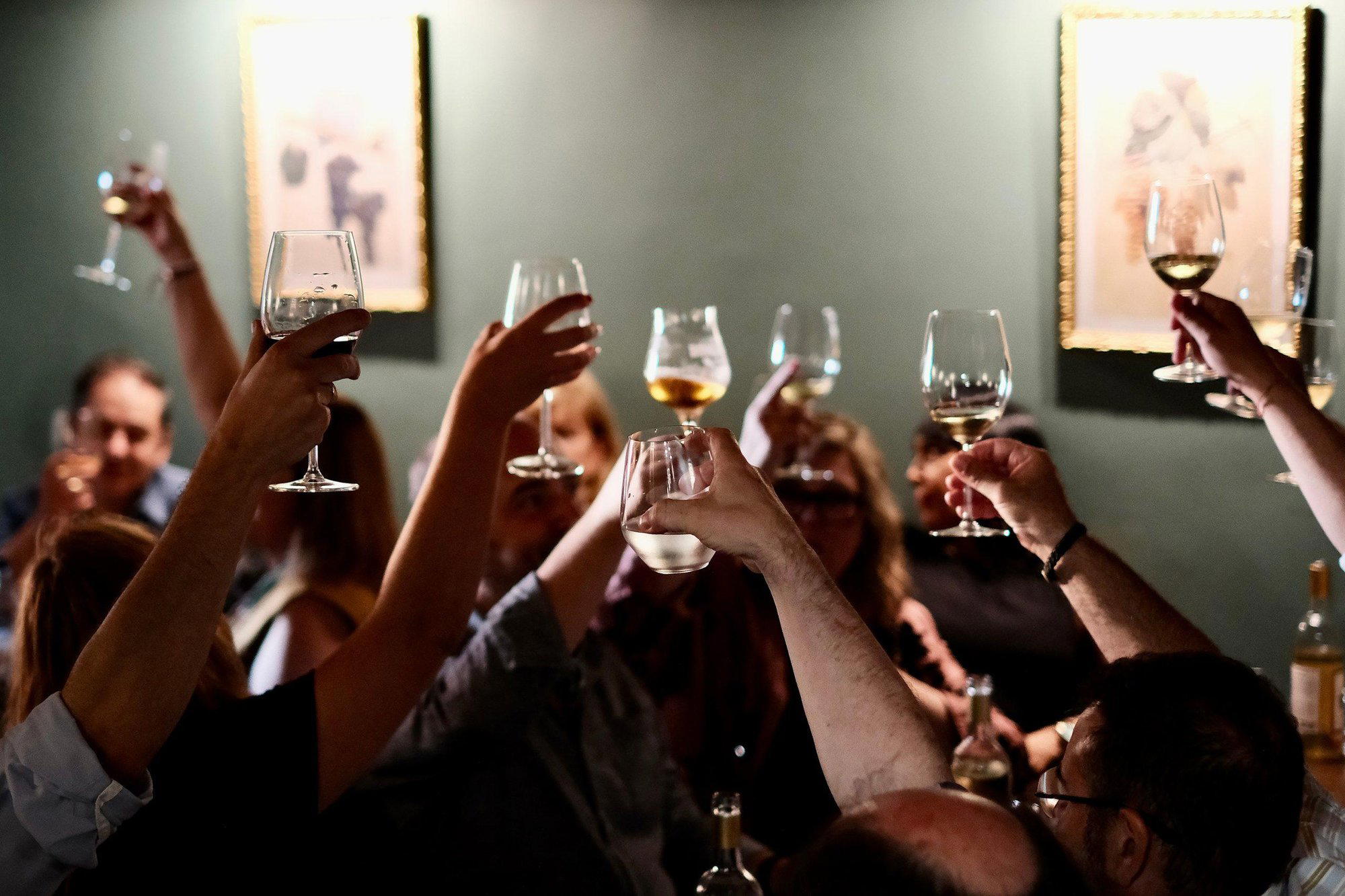
Bars in Lisbon
Browse all →
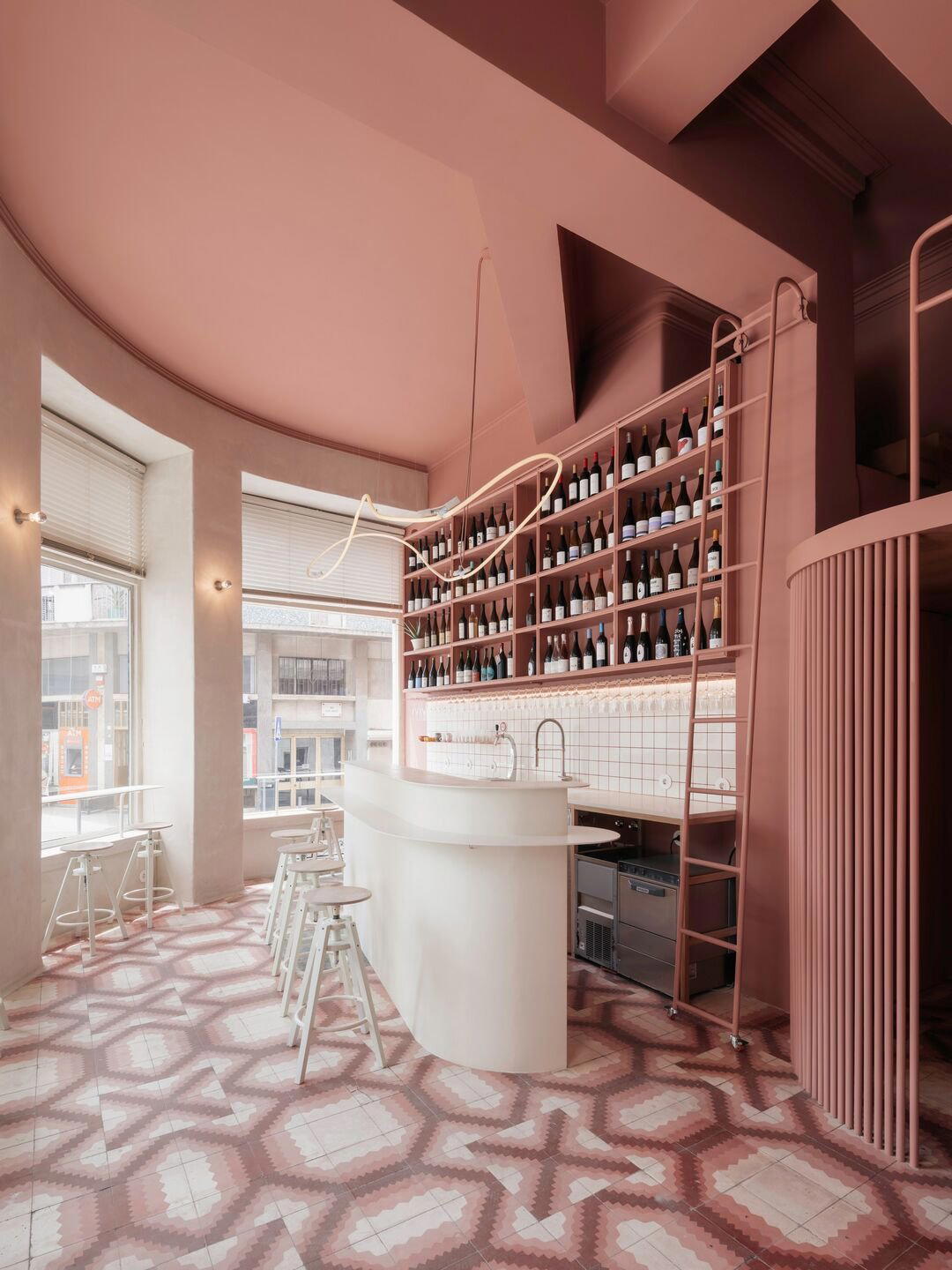
Hotels in Lisbon
Browse all →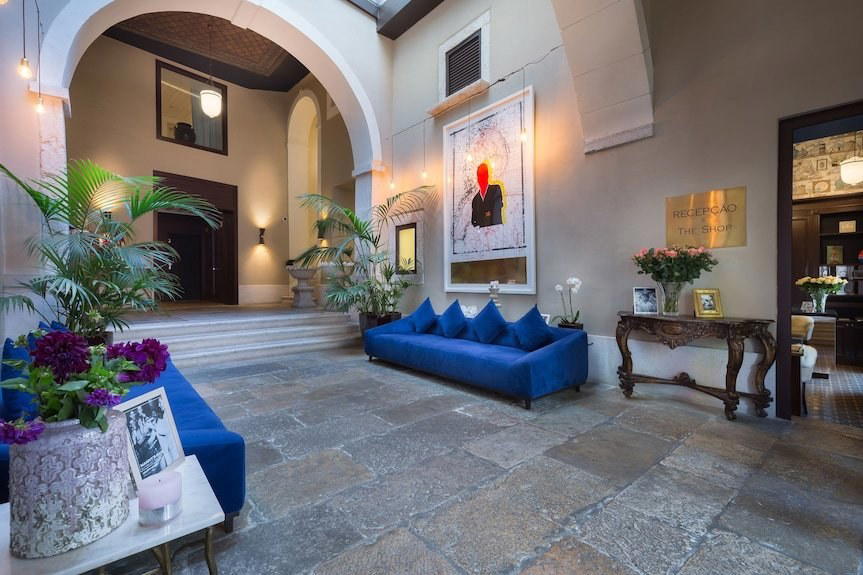

At a Glance
- Classic
- Rustic
- Casual Hangout
- Family
- Open Kitchen
- Extensive Wine List
Current opening hours
- Monday
- 12–4 PM, 7–11 PM
- Tuesday
- 12–4 PM, 7–11 PM
- Wednesday
- 12–4 PM, 7–11 PM
- Thursday
- 12–4 PM, 7–11 PM
- Friday
- 12–4 PM, 7–11 PM
- Saturday
- 12–4 PM, 7–11 PM
- Sunday
- 12–4 PM, 7–11 PM
Hours can change for holidays and private events. Last verified .
Inviting blend of traditional decor with bustling, casual atmosphere and open kitchen.
Know Before You Go
- Getting there
- Rua da Manutenção 40, 1900-320 Lisboa, Portugal