Copo de Mar sits on Avenida Barbosa du Bocage in Lisbon, bringing a coastal-facing ethos to a city whose dining scene increasingly rewards kitchens that take sourcing seriously. The name — Cup of the Sea — signals a programme oriented around ocean produce and the ethical questions that now define serious seafood cookery in Portugal. For a country whose fishing culture runs as deep as its tiled facades, that framing matters.
Pearl is the En Primeur Club membership app — saves, bookings, and concierge access live there. Same editors, same standards.
- Address
- Av. Barbosa du Bocage 107A, 1050-052 Lisboa, Portugal
- Phone
- +351217960774
- Website
- copodemar.com
- Directions
- Get directions
 Saves & bookings on Pearl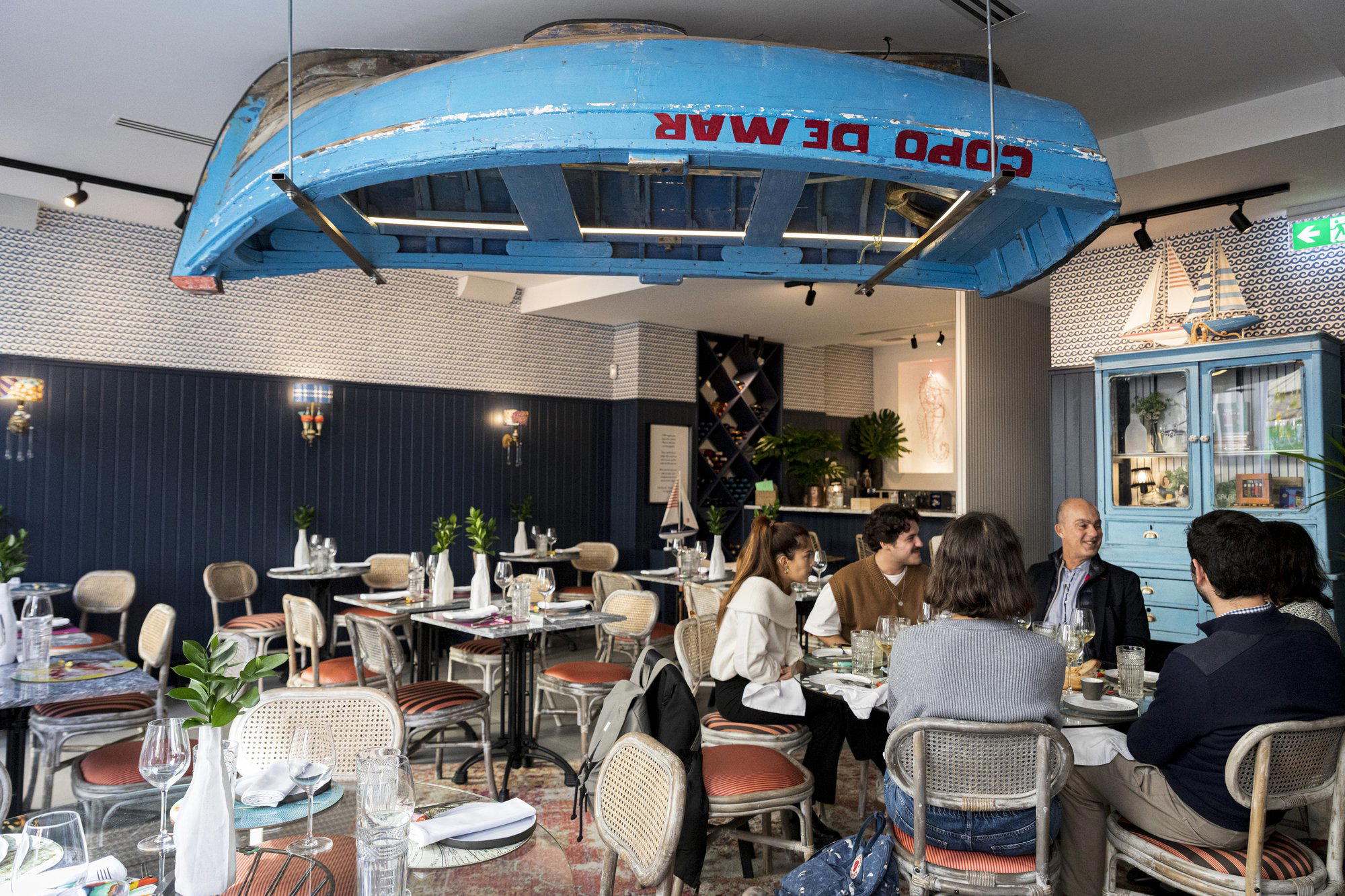
Where Lisbon's Seafood Ethic Meets the Table
Portugal's relationship with the sea is not sentimental — it is structural. The country consumes more fish per capita than almost any other in Europe, and its kitchens have long treated the Atlantic as both pantry and identity. But that abundance creates pressure. As Lisbon's fine dining tier has grown — anchored by addresses like Belcanto and CURA, which both operate at the €€€€ bracket with modern Portuguese menus, the question of what responsible sourcing looks like at the table has sharpened. Copo de Mar, on Avenida Barbosa du Bocage in the Picoas district, enters that conversation with its name as a declaration: Cup of the Sea.
The address places it away from the tourist-dense centro histórico, on a broad boulevard that locals actually use. That positioning is itself a signal. The restaurants drawing serious food attention in Lisbon are increasingly scattered beyond Bairro Alto and Chiado, and a kitchen on Barbosa du Bocage is pitching at a neighbourhood audience as much as at the visiting diner with a shortlist.
The Sustainability Frame: Why It Matters in Portuguese Seafood
Across Europe's coastal dining cultures, sustainability in seafood has moved from marketing language to operational discipline. The shift shows up in sourcing documentation, in how kitchens handle bycatch and secondary cuts, and in whether menus rotate with seasonal availability rather than running year-round on species that certification bodies flag as overfished. Portugal's fishing industry, concentrated along the western Atlantic coast, produces species, sardines, gilthead bream, percebes, cephalopods, whose stocks fluctuate significantly by season and by zone.
Kitchens that take this seriously tend to share structural features: shorter menus, stronger relationships with specific landing ports or cooperatives, and a willingness to let availability dictate the plate rather than the other way around. That discipline is rarer than the language around it suggests. Internationally, kitchens like Le Bernardin in New York City have built entire reputations on treating fish with technical seriousness; closer to home, Casa de Chá da Boa Nova in Leça da Palmeira has long anchored its identity in the literal proximity of the Atlantic. Copo de Mar's name places it in that lineage of kitchens where the sea is not backdrop but subject.
Reading the Room: Atmosphere and Format
The Picoas neighbourhood runs north of Marquês de Pombal along arteries built for mid-century commercial Lisbon, wider streets, fewer vintage tiles, more local foot traffic than most visitors encounter. A restaurant on Barbosa du Bocage does not inherit the atmospheric shorthand of a Alfama terrace or a Chiado townhouse. What it has instead is a dining environment that earns its character through what happens inside rather than through architectural inheritance.
Given Copo de Mar's thematic orientation toward the sea and ethical sourcing, the expectation is a room that avoids the maximalism of tourist-pitched Portuguese dining, the folkloric tile reproductions and the theatrical presentation, in favour of something more considered. The kitchens working this particular register in Lisbon, from Eleven to 2Monkeys, tend to run formats where the food is the primary sensory event rather than the room design. Whether Copo de Mar follows that pattern precisely is something the table will confirm, but the positioning points in that direction.
Where This Fits in the Lisbon Dining Map
Lisbon's serious dining tier is smaller than its international profile might suggest. The city has a handful of Michelin-recognised addresses operating at the €€€€ level, Belcanto, CURA, Eleven, 50 Seconds from Martin Berasategui, and a wider mid-market that has grown considerably since 2015. Between those poles sits a category of restaurants doing focused, ingredient-driven work without the full apparatus of a tasting-menu operation. That middle tier is where Lisbon's most interesting eating often happens, and where a name like Copo de Mar, with its specific oceanic emphasis, locates itself most naturally.
Portugal's broader restaurant geography rewards exploration beyond the capital. Vila Joya in Albufeira, Ocean in Porches, and Fortaleza do Guincho in Cascais each represent the country's seafood-adjacent fine dining at different registers. Antiqvvm in Porto and Il Gallo d'Oro in Funchal extend the picture further. Within Lisbon specifically, the restaurant's sea-focused identity gives it a distinct position in a city where most modern Portuguese menus treat the ocean as one chapter rather than the entire book. Readers building a wider itinerary can consult our full Lisbon restaurants guide for comparative context.
For those tracking the sustainability thread across the country's wine and food culture, the conversation extends to producers like Ó Balcão in Santarém and coastal kitchens in the Algarve such as Al Sud in Lagos and Gusto by Heinz Beck in Almancil. The sourcing ethics debate is not confined to Lisbon, it runs through the entire Portuguese food system, from the sardine canneries of Setúbal to the percebes harvesters of the Peniche coast.
Internationally, the model of a kitchen built around responsible seafood and constrained by what the season actually allows has proven commercially viable at multiple price points. Lazy Bear in San Francisco demonstrates that format discipline, fixed menus, sourcing transparency, communal structure, does not preclude serious critical recognition. The question the restaurant is asking, framed through the lens of the Portuguese Atlantic, is a version of the same one.
Know Before You Go
Address: Av. Barbosa du Bocage 107A, 1050-052 Lisboa, Portugal
Neighbourhood: Picoas, Lisbon
Hours: Not confirmed, check current operating hours before visiting
Getting there: Picoas metro station (Yellow Line) is within walking distance of Barbosa du Bocage; the avenue is well-served by city bus routes running between Marquês de Pombal and Campo Pequeno
How Copo de Mar Lisbon compares with similar nearby venues.
| Venue | Cuisine | Price |
|---|---|---|
| Fogo | Grills | €€ |
| Go Juu | Sushi | Not listed |
| Pastelaria Versailles | Egg Custard | Not listed |
Continue exploring
More in Lisbon
Restaurants in Lisbon
Browse all →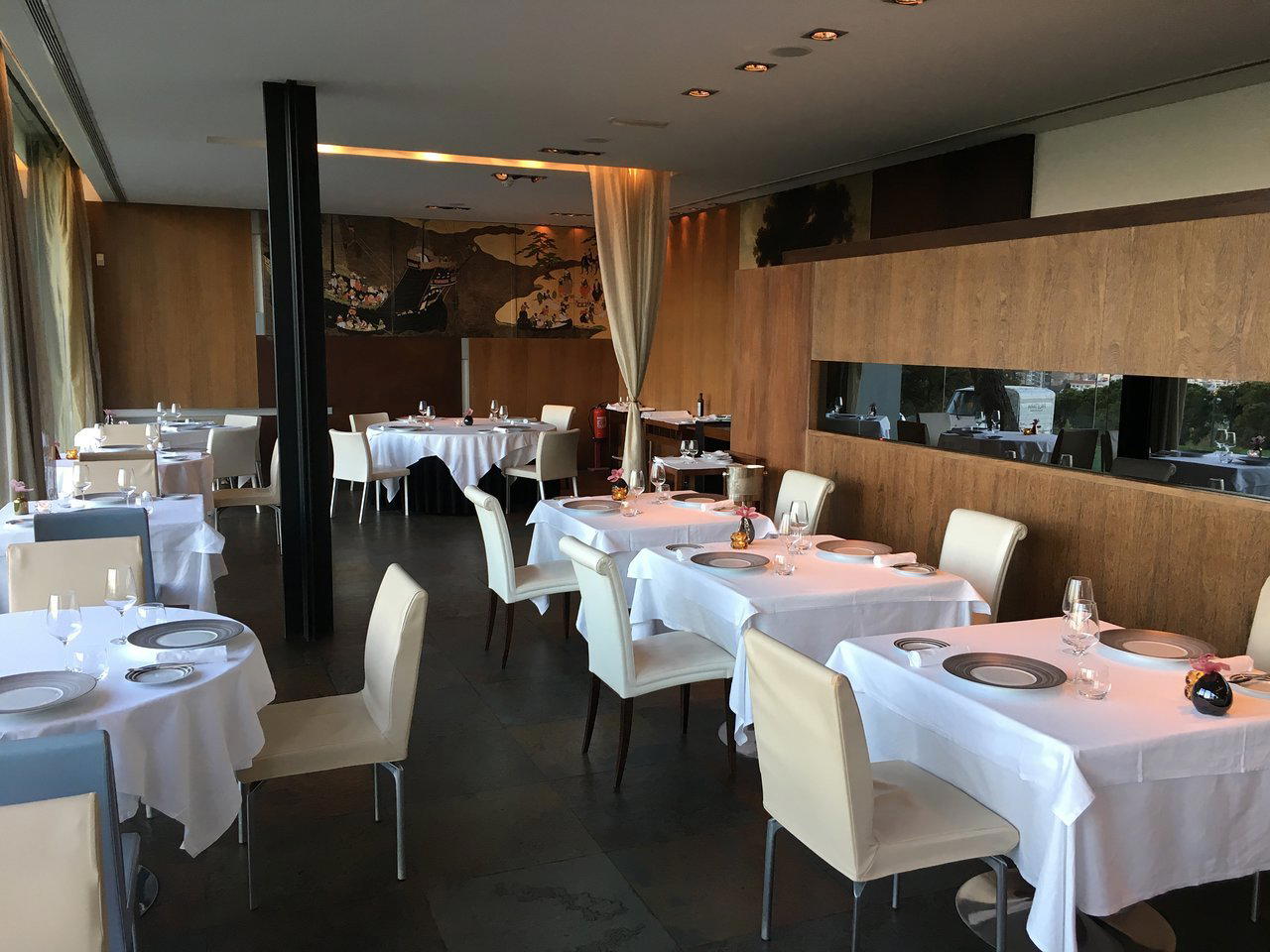
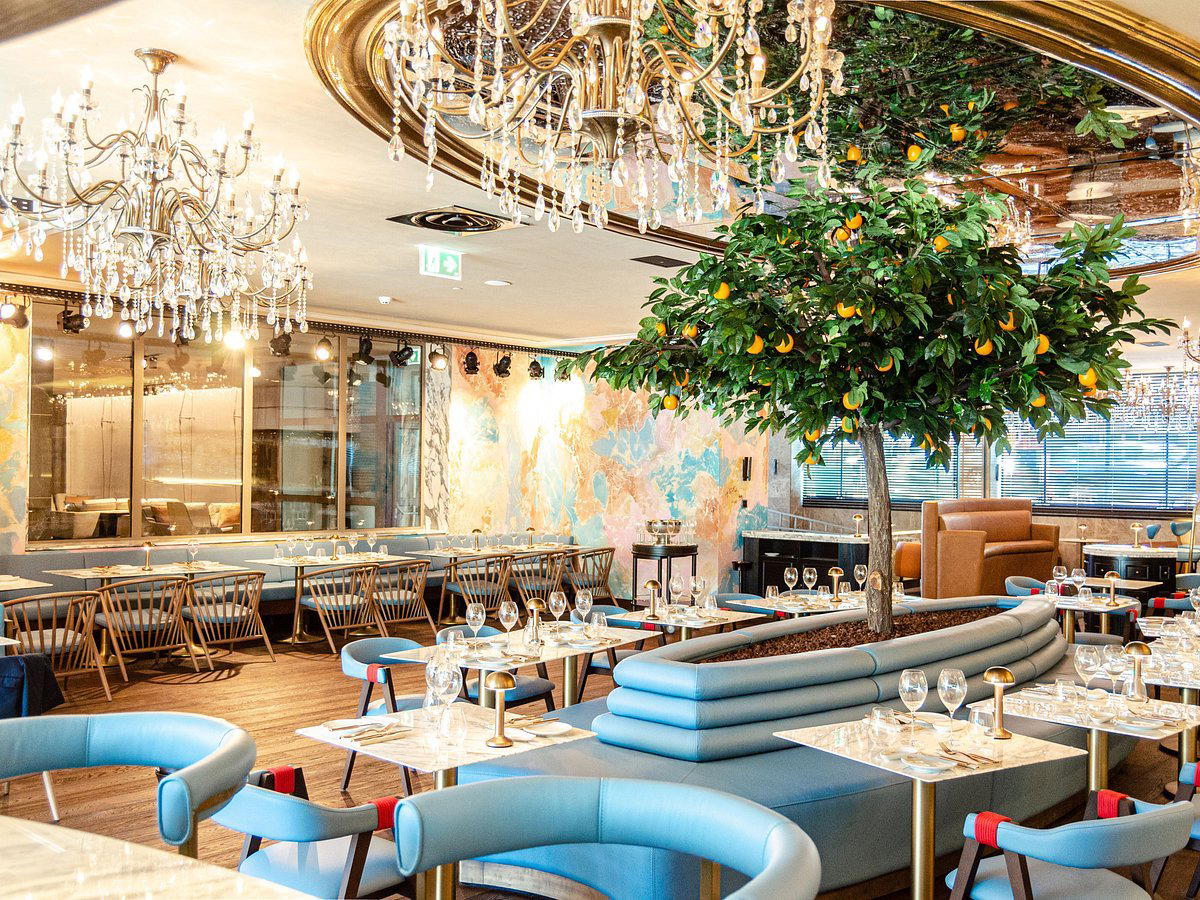
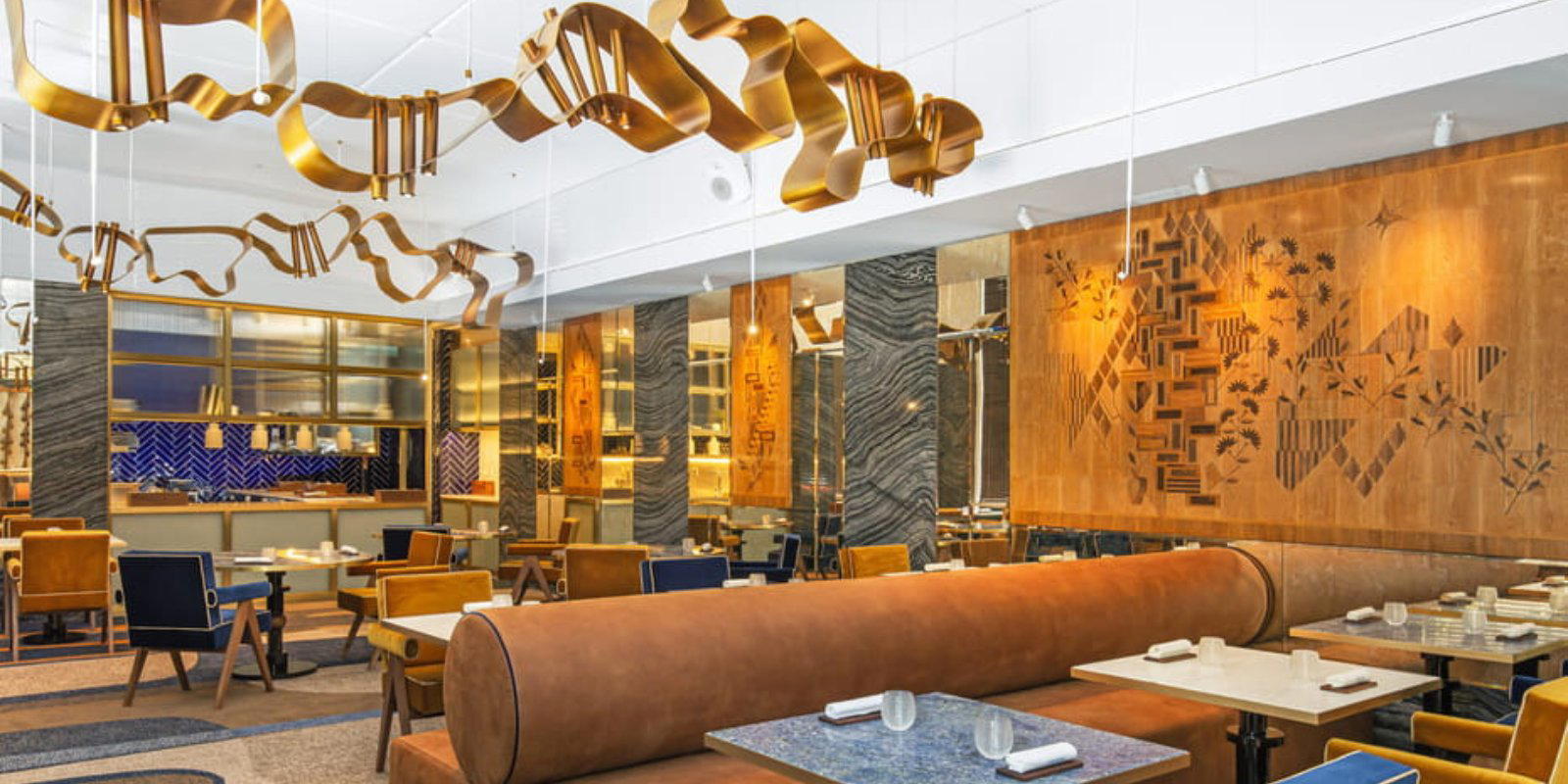
Bars in Lisbon
Browse all →
Hotels in Lisbon
Browse all →

At a Glance
- Cozy
- Romantic
- Intimate
- Modern
- Date Night
- Special Occasion
- Open Kitchen
- Local Sourcing
Current opening hours
- Monday
- 12–3 PM, 7–11 PM
- Tuesday
- 12–3 PM, 7–11 PM
- Wednesday
- 12–3 PM, 7–11 PM
- Thursday
- 12–3 PM, 7–11 PM
- Friday
- 12–3 PM, 7–11 PM
- Saturday
- 1–4 PM, 7–11:30 PM
- Sunday
- Closed
Hours can change for holidays and private events. Last verified .
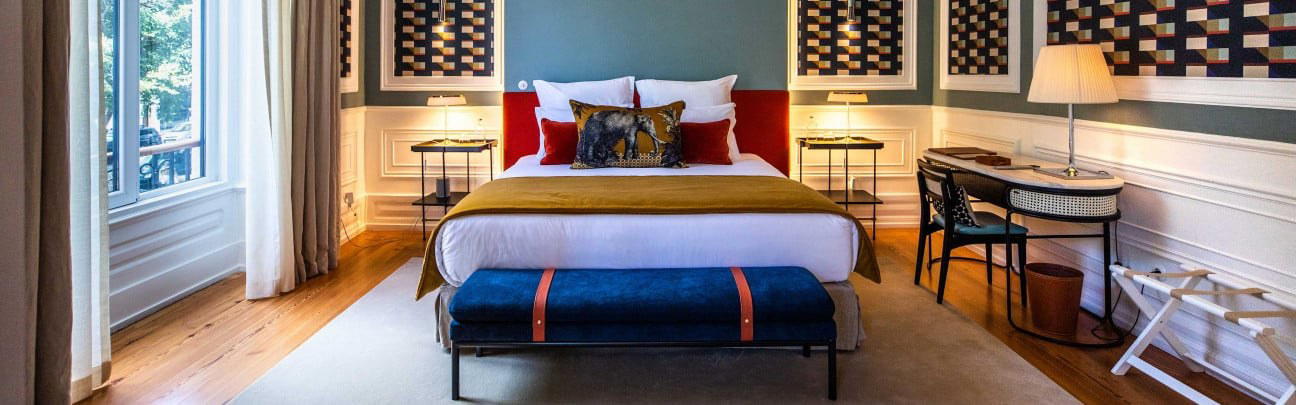
Warm, romantic atmosphere with maritime-inspired decor including a fishing boat ceiling fixture and chic modern lighting.