Centro Castellano
Centro Castellano occupies a considered position in Mexico City's Anzures neighbourhood, where the dining conversation increasingly turns toward sourcing transparency and producer relationships. Placed on Calzada Mariano Escobedo, it draws comparison with the capital's more established modern Mexican addresses while operating in a less trafficked corner of the city. For visitors mapping the capital's restaurant scene beyond the Polanco circuit, it warrants attention.
Pearl is the En Primeur Club membership app — saves, bookings, and concierge access live there. Same editors, same standards.
- Address
- Calz. Gral. Mariano Escobedo 700, Anzures, Miguel Hidalgo, 11590 Ciudad de México, CDMX, Mexico
- Phone
- +525511689713
- Website
- grupocastellano.com.mx
- Directions
- Get directions
 Saves & bookings on Pearl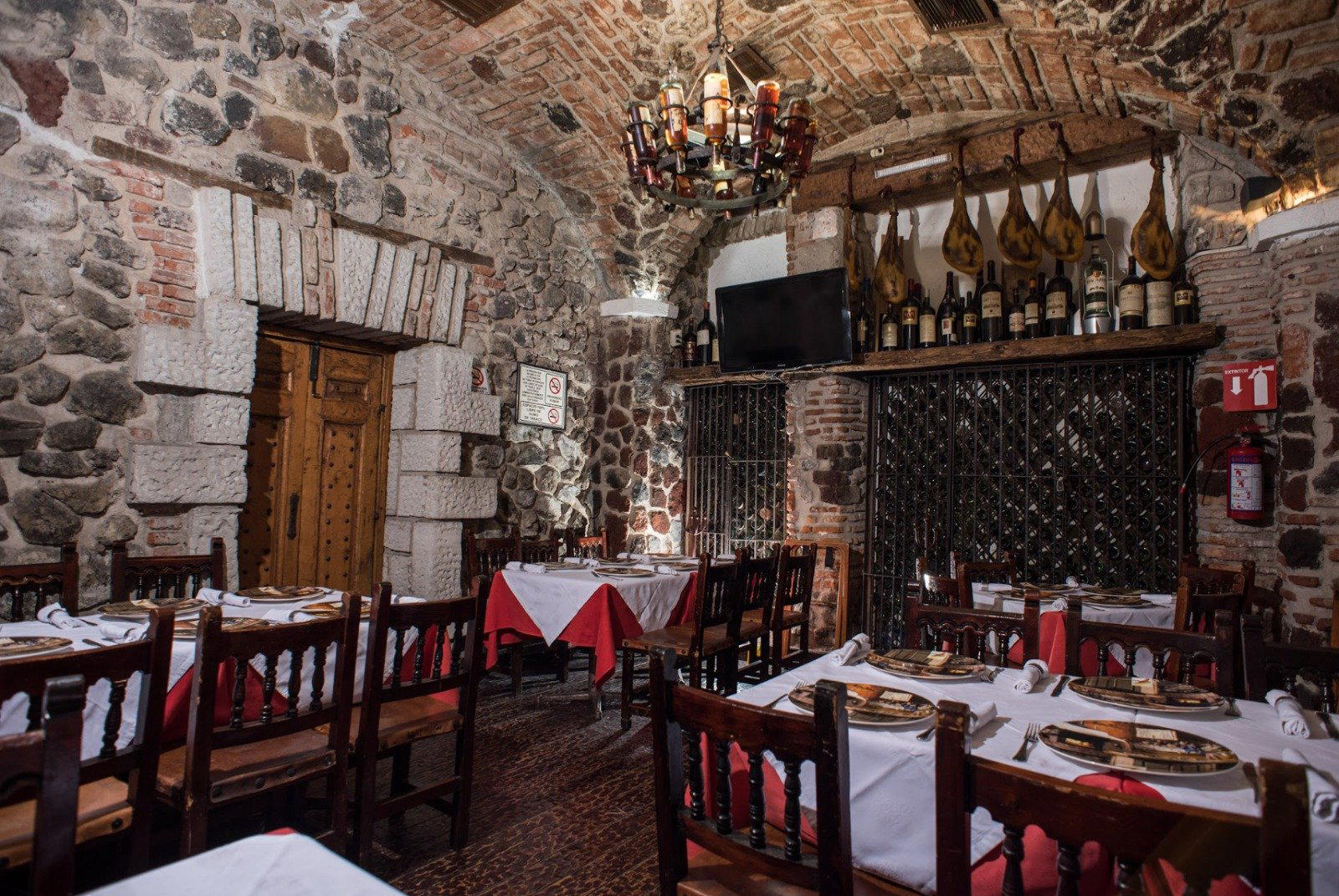
Anzures and the Quieter Side of Mexico City's Dining Map
Mexico City's restaurant conversation tends to collapse around a handful of postcodes: Polanco, Roma Norte, Condesa. Anzures, the colonia running along Calzada Mariano Escobedo between those gravitational centres, rarely leads the editorial. That relative quiet is partly what makes it worth examining. The neighbourhood's dining addresses don't compete on the same visibility terms as Pujol or Quintonil, which means the pressure to perform for the international tasting-menu circuit is lower, and the room for a more grounded kind of cooking is correspondingly wider. Centro Castellano sits in that context, on a stretch of Escobedo that mixes residential buildings with commercial addresses rather than the manicured restaurant rows of Presidente Masaryk.
The Room and What It Communicates
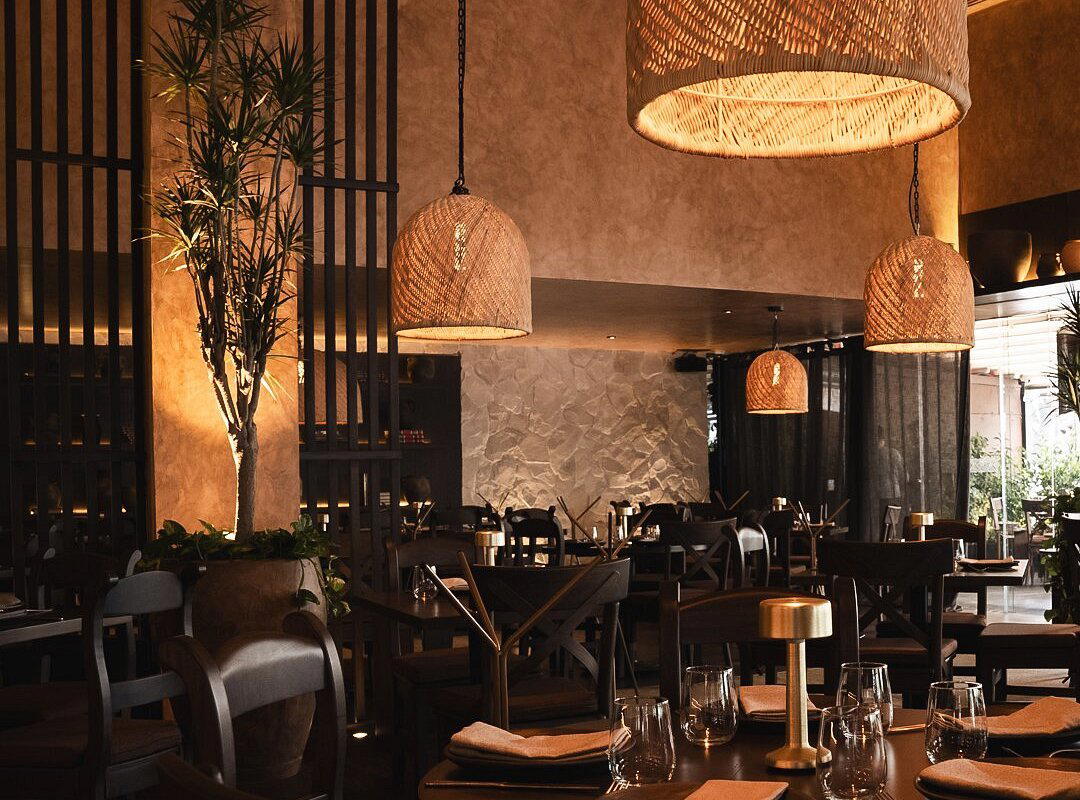
Entering a dining room tells you something before a dish arrives. In the current Mexico City scene, the interiors of the capital's more considered restaurants have moved away from the theatrical toward the material: raw plaster, native woods, ceramics from producing communities rather than imported tableware. This shift is less about aesthetics and more about a broader argument the dining scene has been making for over a decade, accelerated since the pandemic, that the sourcing chain and the physical environment should be legible from the same set of values. How Centro Castellano's interior reads against that pattern will vary by visit, but the address in Anzures places it outside the showroom bracket of Polanco's most design-driven rooms, which is in itself a positioning signal. The quieter the neighbourhood, the more the cooking itself has to carry the argument.
Where Sustainability Frames the Menu
Mexico City's most discussed restaurants of the last decade have increasingly framed their menus through producer relationships, regional ingredient sourcing, and waste reduction. Sud 777 built a kitchen garden into its programme; Em has worked explicit indigenous ingredient sourcing into its format. These are not isolated decisions but part of a wider reckoning across Mexico's fine dining tier with what it means to cook from a country that holds some of the world's most significant agricultural biodiversity. The conversation extends beyond the capital: Animalón in Valle de Guadalupe runs an open-fire programme built around hyperlocal Baja producers, while Levadura de Olla in Oaxaca positions itself as a direct extension of the state's agricultural and fermentation traditions. In Guadalajara, Alcalde and KOLI Cocina de Origen in Monterrey are running parallel programmes with regional sourcing at the centre. This is the operating environment into which Centro Castellano in Anzures enters. The question any serious Mexico City address must answer in 2024 is not whether to engage with these values but how specifically, and at what depth.
That framing matters for visitors from abroad, too. The international benchmark for ethical sourcing in fine dining, whether at Le Bernardin in New York or programme-driven formats like Lazy Bear in San Francisco, centres on traceability and chef-producer relationships documented publicly. Mexico's version of this conversation tends to be more embedded in community and land than in certification, which means the signals are different but the underlying seriousness can be just as deep. Visitors should read menus for producer credits and dish descriptions that name origin rather than category, as these are the more reliable indicators than environmental marketing language.
How Centro Castellano Compares in Practical Terms
The Mexico City restaurant market has a clear price and recognition hierarchy. At the leading, Michelin-starred and Latin America's 50 Best-listed addresses, Pujol and Quintonil foremost among them, carry price points at the $$$$ bracket and booking windows that extend weeks or months. The mid-tier, represented by addresses like Em at $$$ and Rosetta and Comedor Jacinta at $$, offers more accessible entry while still running kitchens with clear editorial point of view.
| Venue | Neighbourhood | Price Range | Notable Recognition |
|---|---|---|---|
| Centro Castellano | Anzures | Not confirmed | Not confirmed |
| Pujol | Polanco | $$$$ | Michelin, Latin America's 50 Best |
| Quintonil | Polanco | $$$$ | Latin America's 50 Best |
| Em | Roma Norte | $$$ | Michelin recognised |
| Rosetta | Roma Norte | $$ | Michelin star |
Planning a Visit: What to Know Before You Go
Anzures is accessible from Polanco on foot or by short taxi or app-based car ride from the Presidente Masaryk restaurant corridor. The area is also reachable via metro, with Chapultepec and Polanco stations on Line 7 both within reasonable walking distance of Calzada Escobedo. For visitors already building an itinerary around Mexico City's more celebrated addresses, adding an Anzures dinner creates a sensible geographic and editorial contrast: same evening, different register. Booking logistics and operating hours for Centro Castellano are not confirmed in current public records, so direct contact with the venue before visiting is advisable. For a fuller map of the capital's restaurant options across neighbourhoods and price tiers, the EP Club Mexico City restaurants guide provides structured comparison. Visitors planning broader Mexico itineraries should also consider HA' in Playa del Carmen, Arca in Tulum, Lunario in El Porvenir, Pangea in San Pedro Garza García, and Olivea Farm to Table in Ensenada as part of a country-wide picture of where the sourcing-led cooking conversation is most active.
Continue exploring
More in Mexico City
Restaurants in Mexico City
Browse all →
Bars in Mexico City
Browse all →
At a Glance
- Classic
- Historic
- Well Known
- Business Dinner
- Special Occasion
- Group Dining
- Historic Building
Current opening hours
- Monday
- 1–11 PM
- Tuesday
- 1–11 PM
- Wednesday
- 1–11 PM
- Thursday
- 1–11 PM
- Friday
- 1–11 PM
- Saturday
- 1–11 PM
- Sunday
- 1–7 PM
Hours can change for holidays and private events. Last verified .
Warm tavern atmosphere with whitewashed walls, glazed tile murals, wooden barrels, and an artisan wood oven, evoking classic Spanish hospitality.
Know Before You Go
- Getting there
- Calz. Gral. Mariano Escobedo 700, Anzures, Miguel Hidalgo, 11590 Ciudad de México, CDMX, Mexico