Celeste
Celeste puts Somerville into the Boston dining conversation through a neighborhood-scale room rather than a downtown luxury format. The draw is less about ceremony than about ingredient-led cooking, compact energy, and the way small restaurants around Union Square have reshaped how serious dining works outside the Back Bay-Seaport axis.
 Discover on Pearl
Pearl is the En Primeur Club membership app — saves, bookings, and concierge access live there. Same editors, same standards.
- Address
- 21 Bow St, Somerville, MA 02143
- Phone
- (617) 616-5319
- Website
- celesteunionsquare.com
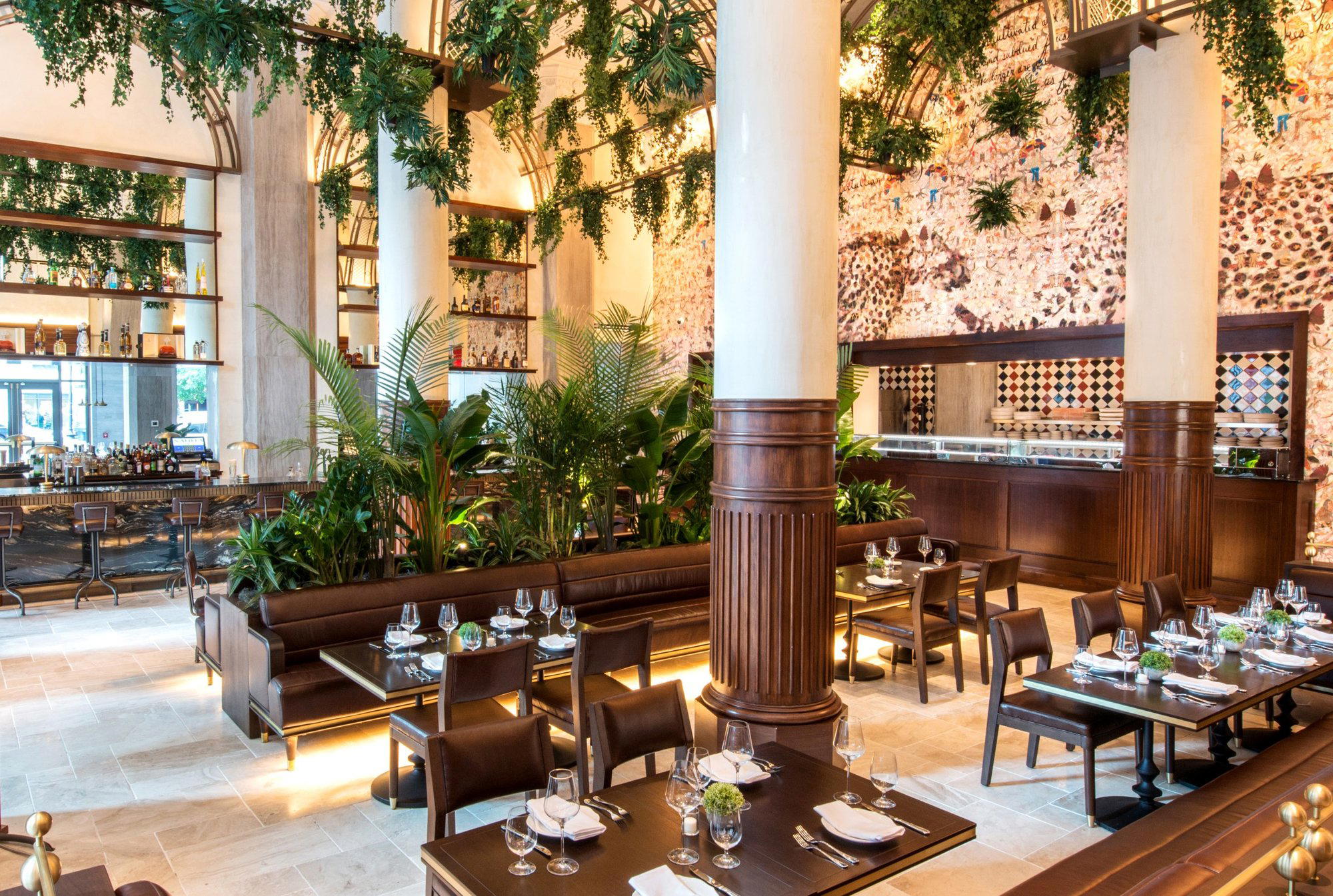
Bow Street feels like a city changing in increments: brick storefronts, residential edges, students and regulars moving between Somerville and Cambridge, and restaurants working at street level rather than from hotel lobbies or waterfront build-outs. In that setting, Celeste reflects a broader Boston shift. Serious cooking no longer needs a grand room, tasting-menu frame, or formal service script to earn attention. Around Somerville, the measure is sharper: sourcing, rhythm, and whether a compact dining room carries enough personality to compete with larger-budget addresses across the river.
Boston’s restaurant map has long been shaped by seafood houses, steakhouses, and expense-account rooms, but the more interesting current runs through smaller neighborhood restaurants using regional produce, fish, grains, herbs, and imported pantry staples with purpose. Celeste belongs there. Its value is not scale but how a neighborhood restaurant can make ingredient decisions central rather than decorative. In a city where the premium tier can still lean on setting, view, or formality, Celeste makes its case closer to the plate.
Somerville's small-room dining has changed Boston's center of gravity
Somerville’s rise as a dining district has not followed the usual luxury-city pattern. It is not built around polished hotel restaurants or trophy counters, but intimate, independent rooms where space forces discipline: shorter menus, quicker turns, fewer places to hide, and a stronger link between what is bought and cooked. Celeste fits that grammar. The room’s scale pressures execution, and that pressure is often where neighborhood restaurants become serious.
That context explains why Celeste should be judged differently from larger Boston dining rooms. A waterfront restaurant such as 75 on Liberty Wharf sells part of its experience through setting, while a steakhouse such as Abe & Louie’s (Steakhouse) operates inside an established Boston category with clear expectations around beef, wine, and room tone. Somerville’s smaller restaurants offer another proposition: less architectural theater, more dependence on ingredient quality, seasoning, and the social charge of a tight room.
That makes Celeste a useful read on how Boston eats now. The city’s dining conversation is no longer confined to downtown rooms with obvious expense signals. It stretches through Somerville, Cambridge, Dorchester, and the Seaport, each asking a different question. For broader planning, Our full Boston restaurants guide gives the clearest citywide frame, while nearby categories can be mapped through Our full Boston hotels guide, Our full Boston bars guide, Our full Boston wineries guide, and Our full Boston experiences guide.
Ingredient sourcing is the real argument
Ingredient-led cooking in Boston has a practical foundation. New England gives restaurants access to cold-water seafood, dairy, orchard fruit, brassicas, roots, and seasonal greens, but the strongest small restaurants do not simply recite locality. They decide when to use local produce, when to reach for imported staples, and how to keep those choices coherent. Celeste is strongest through that lens. Sourcing is not a slogan; it is the architecture of the meal.
This is where Somerville’s compact restaurants can hold an advantage over broader-format venues. A shorter menu responds faster to suppliers and wastes less. A tighter dining room makes service feel less partitioned between front and back. The cooking has fewer distractions, and the guest notices proportion, acidity, heat, freshness, and texture rather than a catalogue of luxury ingredients. That is another kind of premium dining: not cheaper by default, not casual in ambition, but less dependent on ceremonial markers.
The comparison is not only local. Across American cities, the ingredient-first neighborhood restaurant has become a counterweight to high-cost tasting menus and imported luxury formats. Los Angeles has versions in specialist rooms such as Jōdo Saké Bar in Los Angeles, Onigiri Time in Pasadena, and ¡Salud! in Los Angeles, while Portland’s casual dining culture gives a different expression through ¿Por Qué No? in Portland. In Hawaii and San Francisco, ingredient identity becomes inseparable from place at 'Ai Love Nalo in Waimanalo Beach, 'āina in San Francisco, and 'Ama 'Ama in Kapolei. Even a highly specific format such as -Grilled beef Sukiyaki- KAMAKURA TANUKIAN 鎌倉 たぬき庵 in Kamakura shows the same principle from another angle: sourcing and format define the experience before décor does.
How to read Celeste within Boston's dining range
Celeste is not solving the same problem as every Boston restaurant. A diner choosing between an omakase counter, hotel dining room, waterfront address, and neighborhood restaurant is choosing not only cuisine but tempo, intimacy, and how much structure they want around the meal. 311 Omakase sits in a more formal chef-counter category, while 1928 Rowes Wharf belongs to a hospitality setting with different expectations. 110 Grill speaks to another Boston dining need entirely, with a broader casual-restaurant frame.
The better approach is to read Celeste as part of Somerville’s argument for smaller rooms with serious kitchens. The neighborhood gives the meal its scale: close tables, urban density, and a dining culture that rewards flavor over ceremony. That makes it useful for travelers who want Boston beyond the predictable axes of Back Bay, Beacon Hill, and the Seaport, and for locals who read restaurants by supply lines and cooking confidence rather than room size.
For planning, timing matters. Celeste serves dinner daily, with later hours on Friday and Saturday and an earlier Sunday close, making it more flexible than many small independent restaurants. The trade-off is that a compact neighborhood room can feel most pressured during standard dinner peaks. Earlier or later seatings usually suit conversation, while weekend prime time is better for diners who want the room at full volume. That is the right frame: not a hushed special-occasion temple, but a small Somerville restaurant whose strongest claim is how sourcing, scale, and neighborhood energy meet at dinner.
In Context: Similar Options
Nearby venues at a similar price tier for orientation.
| Venue | Cuisine | Price | Awards | Notes |
|---|---|---|---|---|
| CelesteThis venue — the venue you are viewing | Peruvian Andean Home Cooking & Pisco Bar | $$$ | , | |
| Stephanie's On Newbury | Contemporary American Comfort Food | $$$ | , | Back Bay |
| Artisan Bistro | Contemporary American Bistro | $$$ | , | Downtown Crossing |
| Nebo | Pugliese Italian Cucina & Enoteca | $$$ | , | Financial District |
| Temazcal Tequila Cantina | Upscale Mexican Fine Dining | $$$ | , | South Boston Waterfront |
| Dalia | Modern Spanish Wood-Fired | $$$ | , | South Boston |
At a Glance
- Lively
- Cozy
- Intimate
- Trendy
- Bohemian
- Date Night
- Group Dining
- Casual Hangout
- Late Night
- After Work
- Celebration
- Design Destination
- Standalone
- Live Music
- Private Dining
- Craft Cocktails
- Beer Program
- Local Sourcing
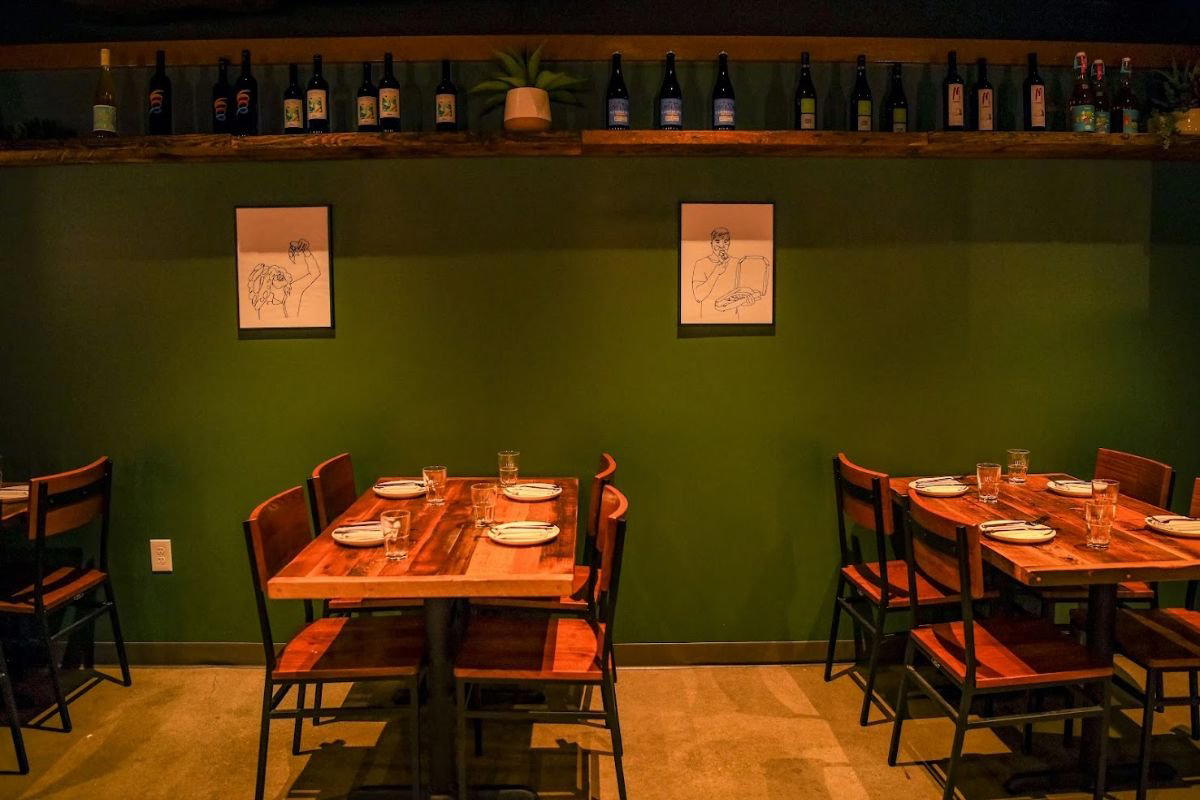
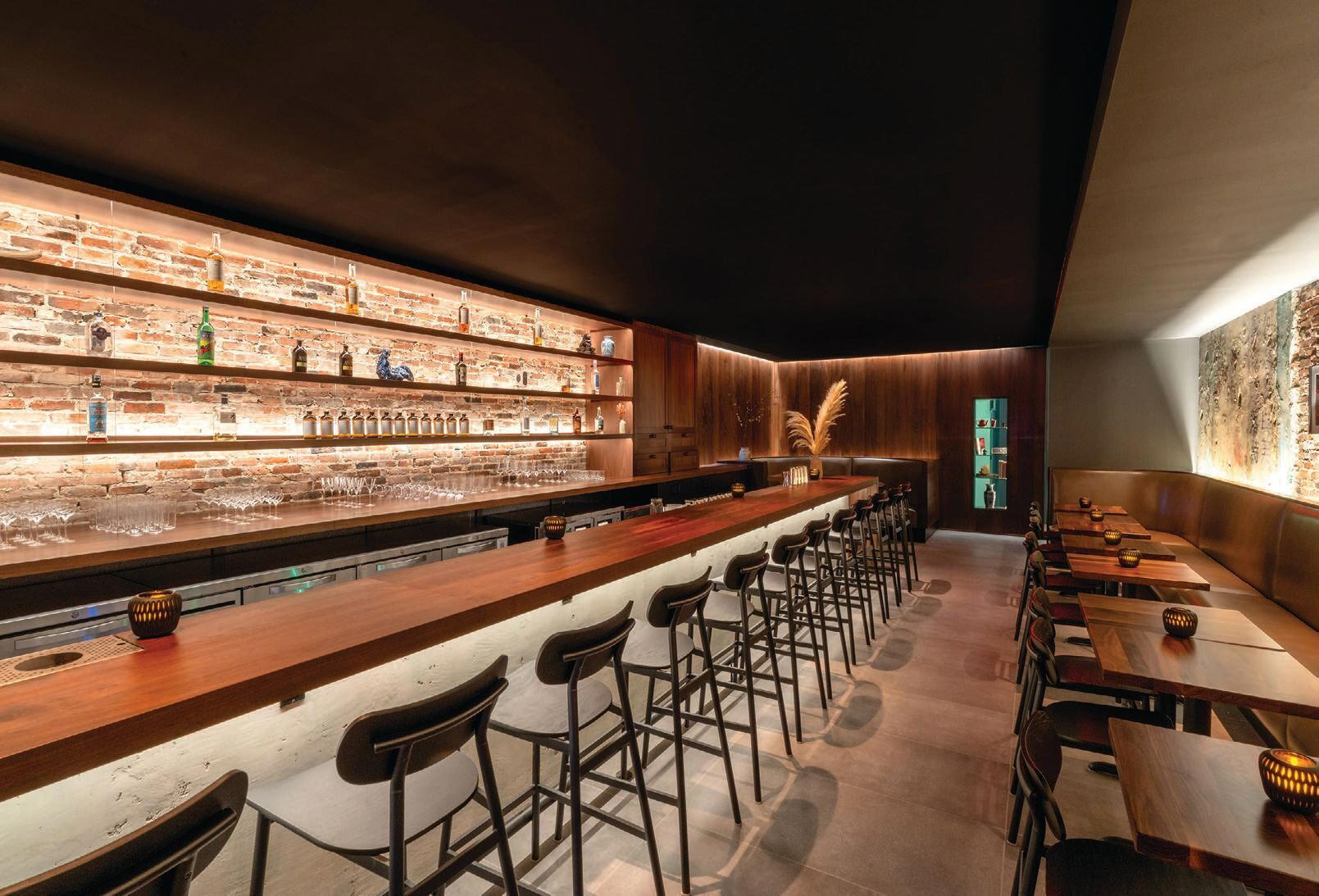
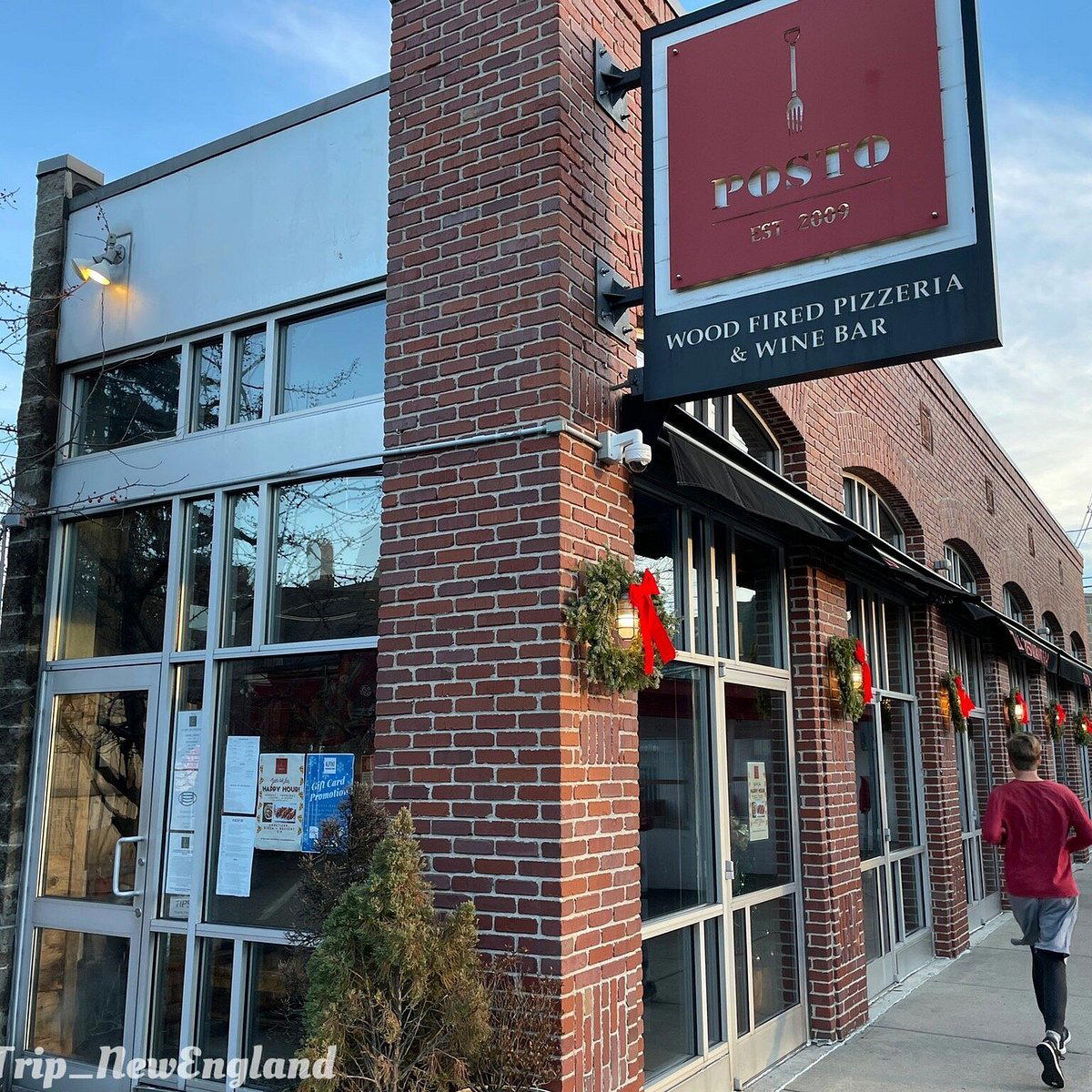
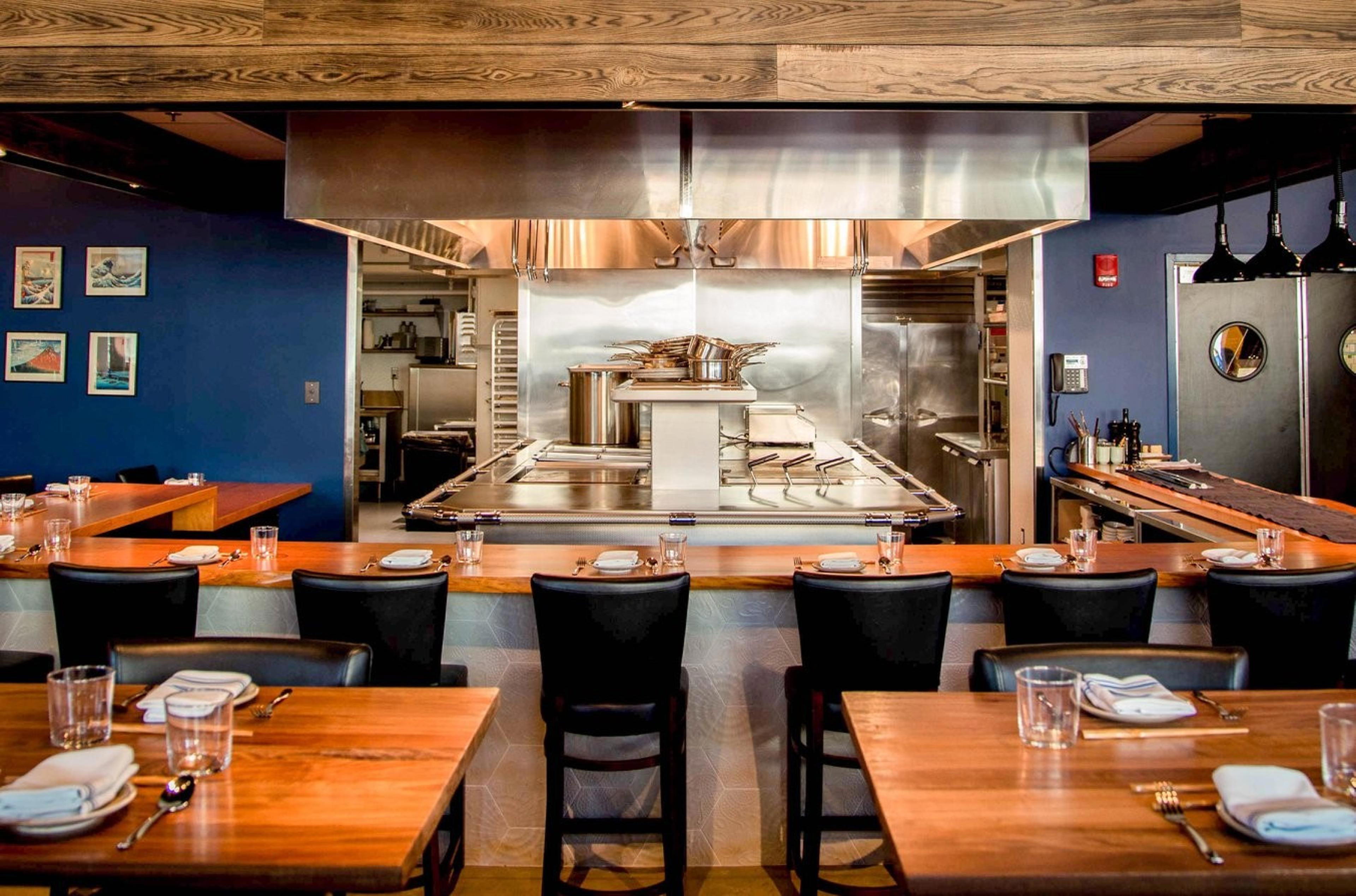
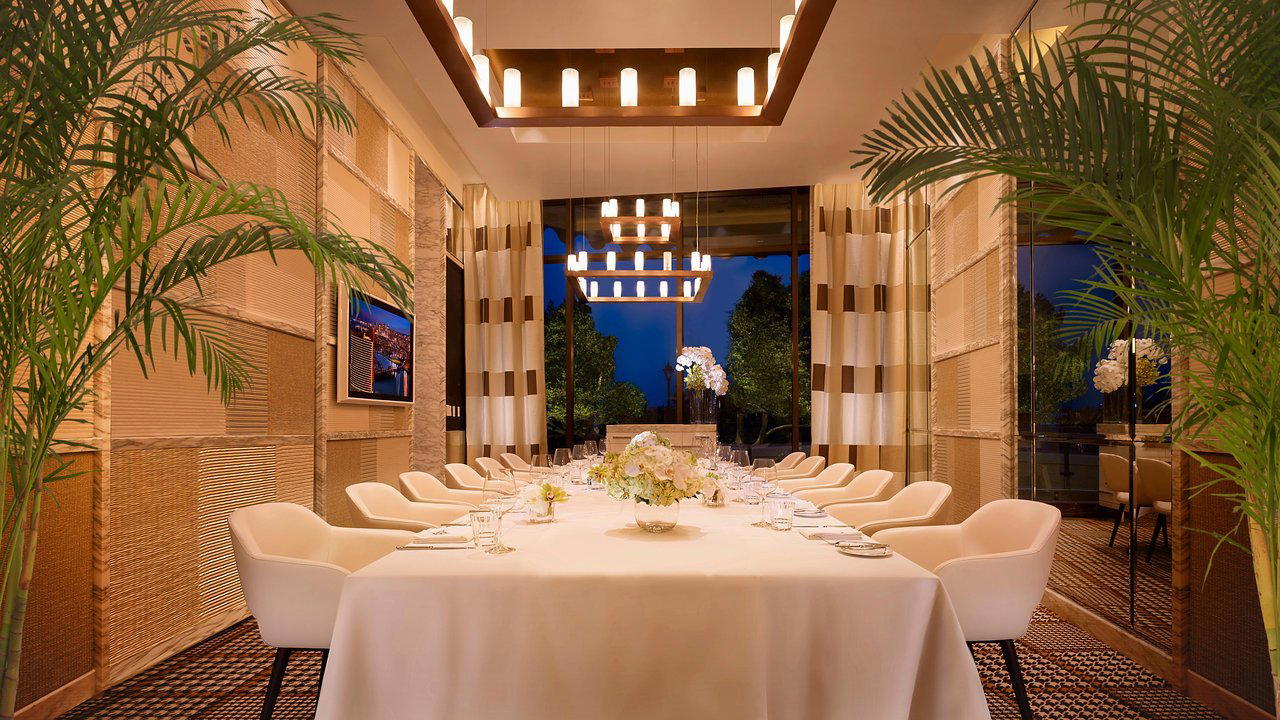
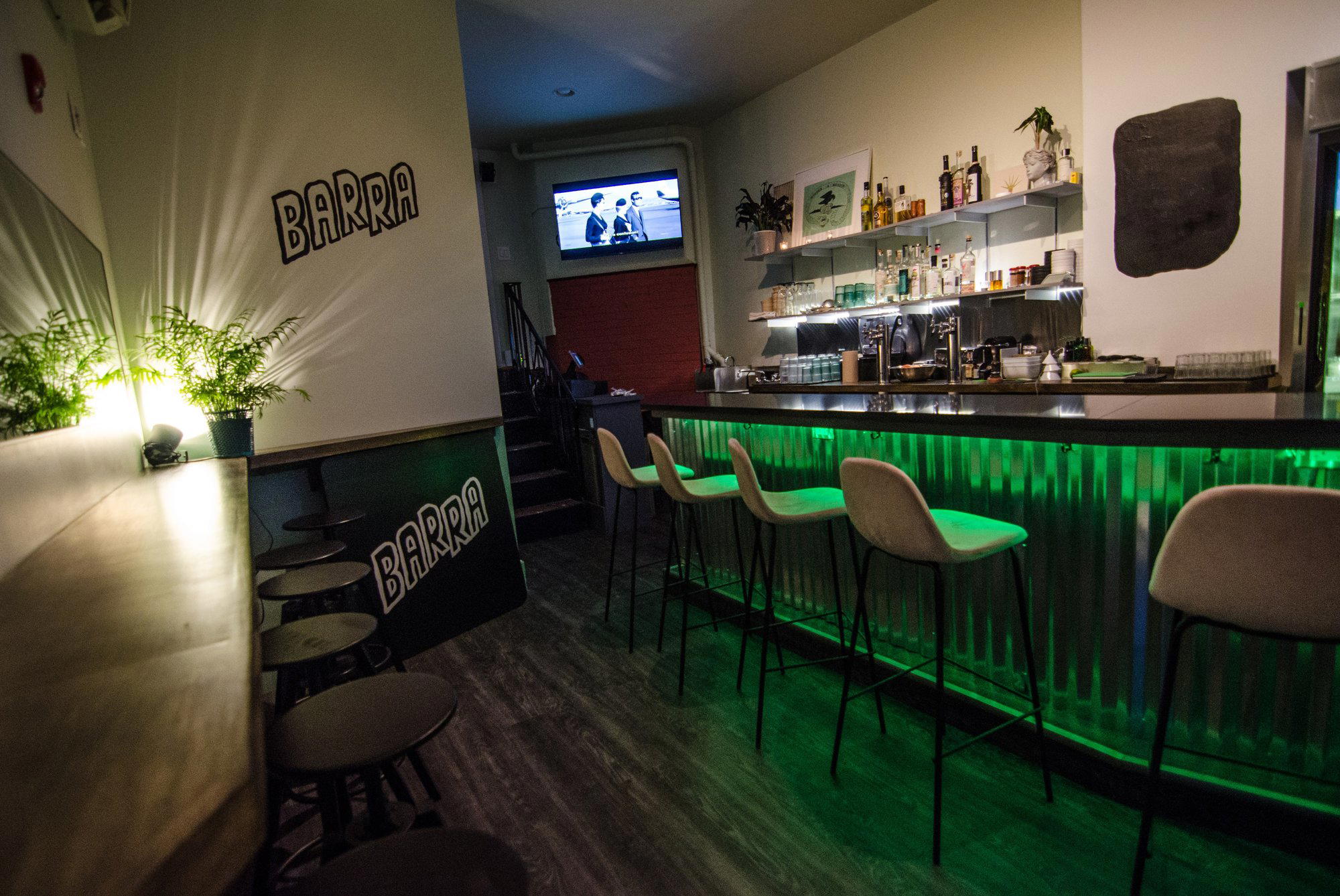
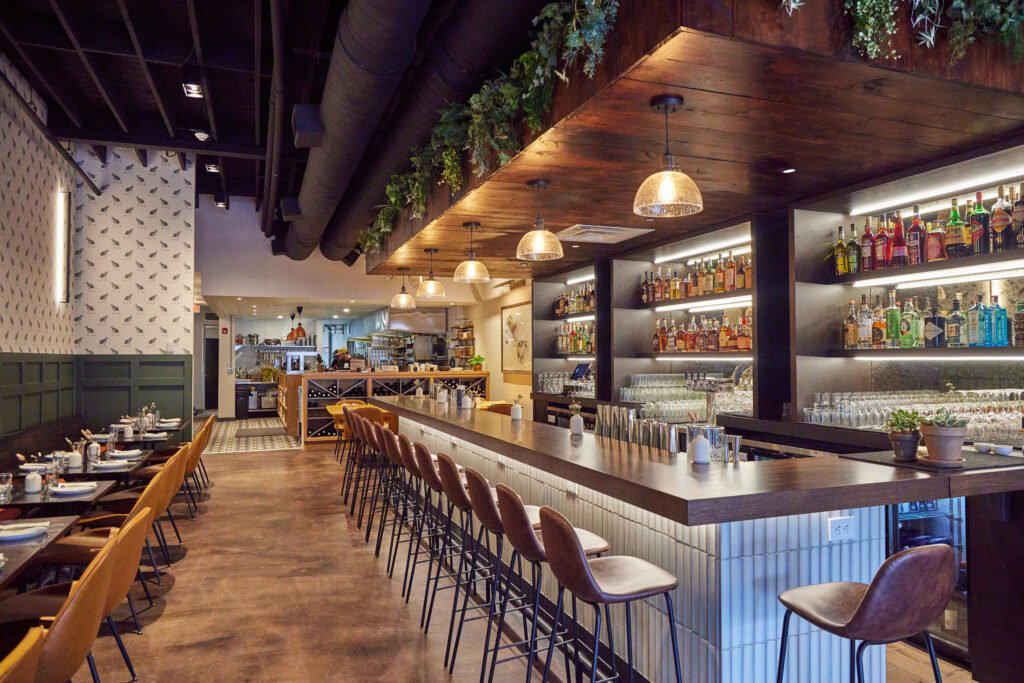
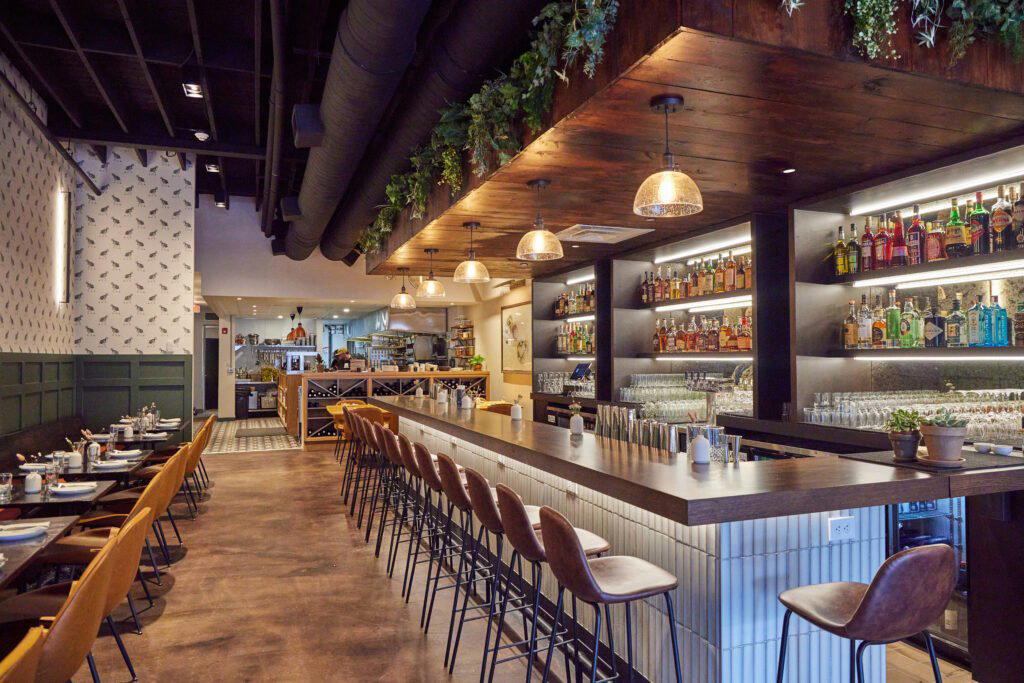
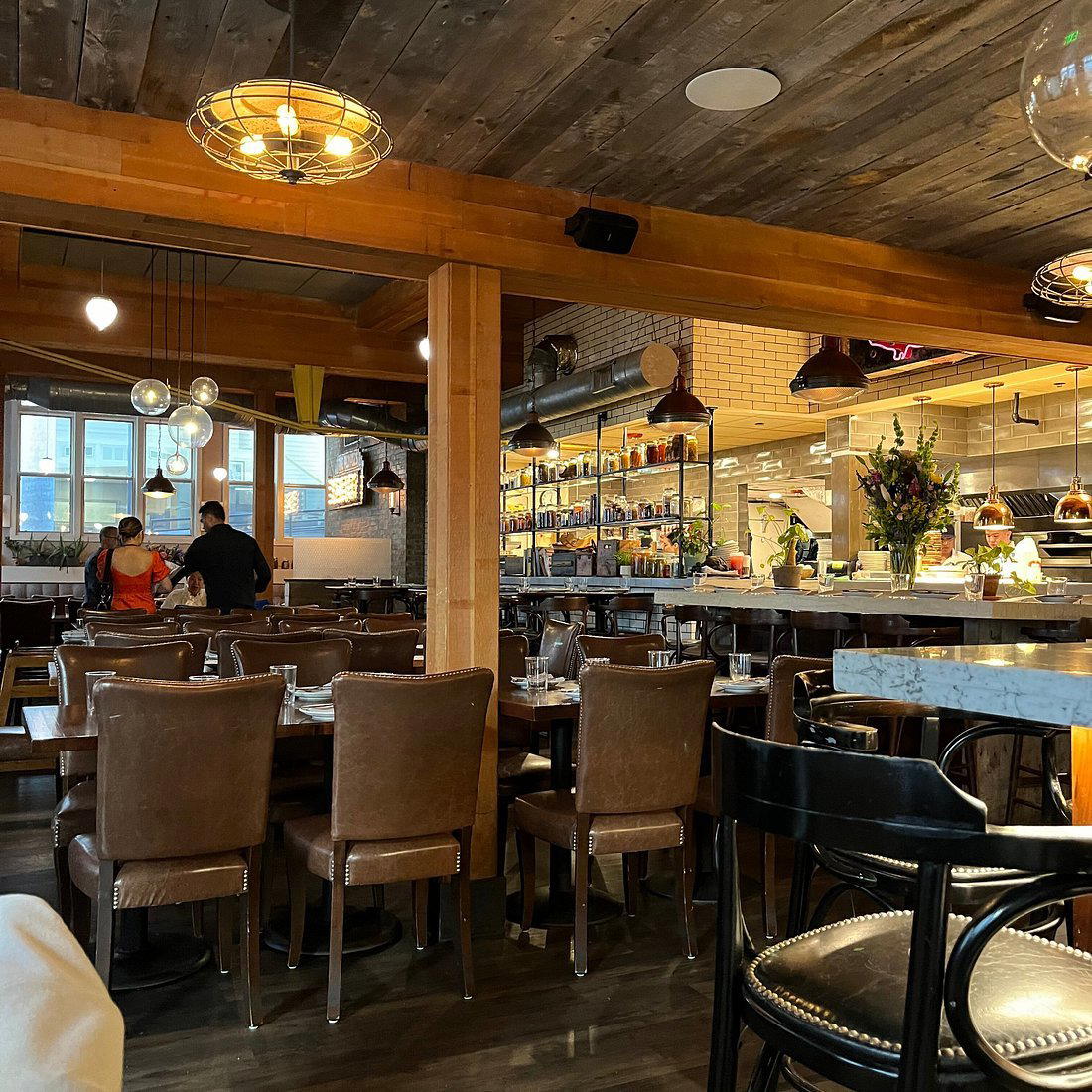
Small and intimate with a thoroughly modern, art- and music-driven design; lively energy, dim to moderate lighting, and a soundtrack of cumbia, salsa, and other Latin genres that creates a vibrant, bohemian feel rather than a quiet, formal atmosphere.