C`cafe Restaurant
C`cafe Restaurant belongs to central Seoul’s practical dining rhythm rather than its trophy-counter circuit. In Jung District, the appeal is contextual: a cafe-restaurant format suited to office hours, shopping routes, and cross-town movement, with fewer public signals around chef, cuisine, awards, or price than Seoul’s reservation-led restaurants.
Pearl is the En Primeur Club membership app — saves, bookings, and concierge access live there. Same editors, same standards.
- Address
- 362 Samil-daero, Janggyo-dong, Jung District, Seoul, South Korea
- Phone
- +82 50-71458-1271
- Website
- lottehotel.com
- Directions
- Get directions
 Saves & bookings on Pearl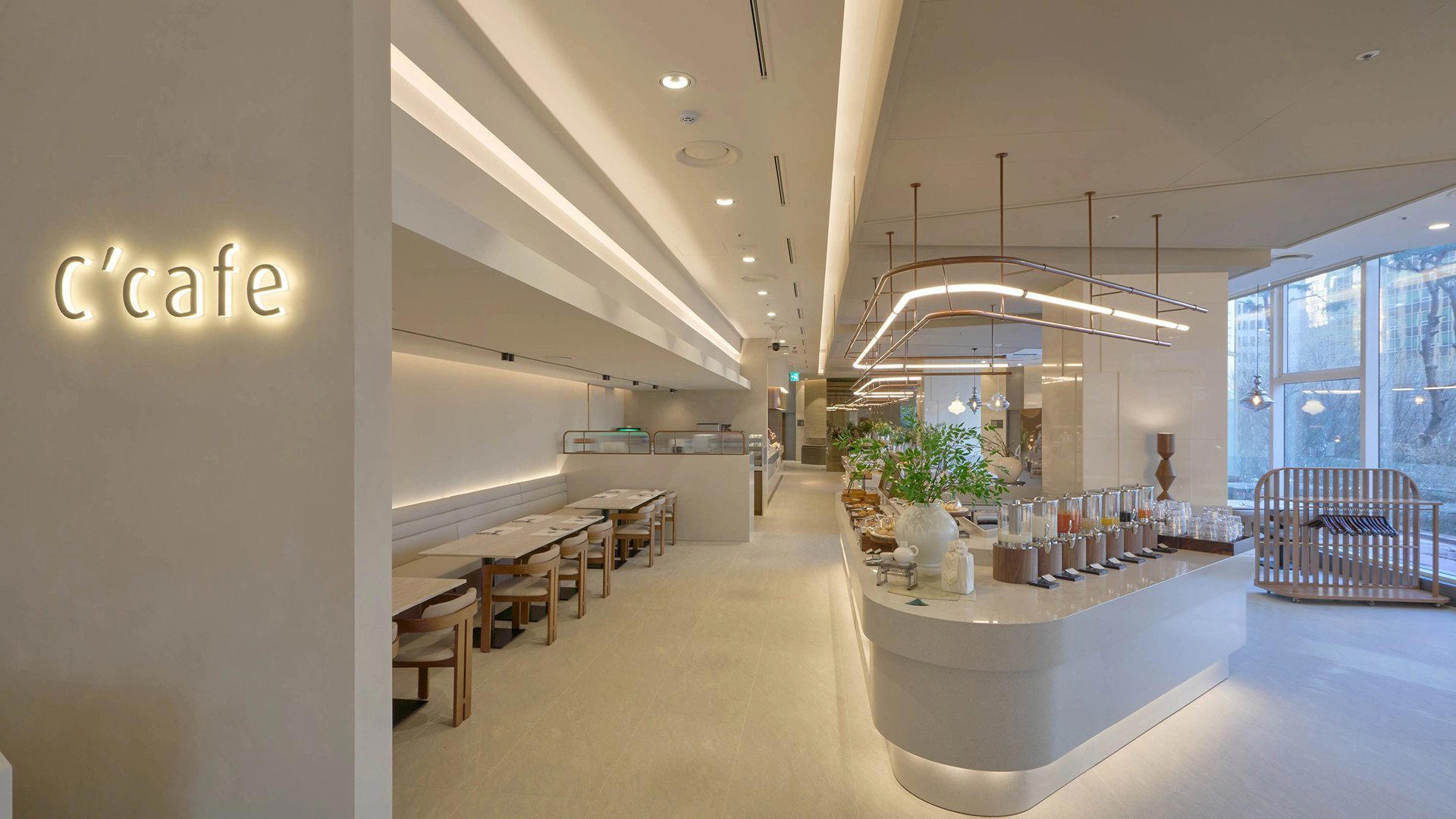
Central Seoul changes register quickly: bank towers, hotel lobbies, shopping streets, subway exits, and office blocks compress into a dining culture built as much around convenience as ceremony. Across Seoul, the room often matters less than the role a table plays in the day. A cafe-restaurant here can function as a pause between meetings, a neutral place before an evening plan, or a lighter counterpoint to the city’s more formal dining rooms and group-focused formats.
C`cafe Restaurant sits inside that practical urban category. The name signals a hybrid rather than a doctrinaire kitchen: cafe first in mood, restaurant in function. That matters in Seoul, where dining formats are sharply coded. A focused address such as Hadongkwan belongs to one kind of lineage; a specialist like Niroumianguan competes on repetition and speed; Mongvely 2 Myeongdong Korean BBQ restaurant kbbq Beef All You Can Eat suggests a more social grammar around pacing and shared tables. A central cafe-restaurant plays a different part, offering a lower-friction stop in a city where meals are often shaped by workday timing and transit rather than destination dining rituals.
Seoul dining rewards utility as much as ceremony
Seoul’s dining hierarchy is not only about awards or chef-led tasting menus. The city also runs on dependable formats: long-running specialists for morning and lunch, quick-service rooms for short meals, group dining for evenings, and cafes that absorb everything in between. Seoul intensifies that pattern because the audience is mixed. Office workers, hotel guests, shoppers, and visitors moving between historic and commercial parts of the city all need places that do not demand a full evening’s commitment.
That context is the useful way to read C`cafe Restaurant. With no specific public award trail or named chef shaping the conversation in the provided record, it should not be judged against the city’s most formal counters. Its relevance is closer to the category of Seoul addresses that reduce planning pressure. For readers mapping a day across the city, that distinction is useful: not every meal in Seoul needs to carry the weight of a special-occasion reservation.
The broader Seoul picture is worth keeping in view. More explicitly culinary dining rooms belong to a different conversation, while everyday specialist addresses show how varied the city’s casual and mid-range eating map can be. C`cafe Restaurant belongs to the latter logic: format and city context carry the argument more than public accolades. Nearby planning can also include peers such as Hadongkwan, Migabon Restaurant, Niroumianguan, Saffron Restaurant, and Mongvely 2 Myeongdong Korean BBQ restaurant kbbq Beef All You Can Eat, depending on the kind of meal a diner wants.
A cafe-restaurant format fits Seoul's in-between hours
Seoul dining culture has long made room for highly specific dining rituals, from focused solo meals to shared-table formats. The cafe-restaurant category answers a newer urban need: flexible space in a city where meals often sit between appointments, shopping routes, and hotel check-ins. In that sense, the format is less about culinary authorship and more about tempo. It offers a dining option for people who want a table without turning the meal into the day’s central event.
That does not make the category minor. Seoul’s hospitality culture depends on these middle formats. They provide a buffer between serious restaurant bookings and purely transactional coffee stops, especially in areas where visitors may not know whether the next meal should be a specialist address, a group setting, a quick stop, or a lighter cafe-led option. The editorial caution is simple: treat it as a Seoul utility address, not as evidence of the city’s chef-driven restaurant tier.
For a wider read on the city, use our full Seoul restaurants guide alongside our full Seoul hotels guide, our full Seoul bars guide, our full Seoul wineries guide, and our full Seoul experiences guide. Regional contrasts also sharpen the point: dining outside the capital often follows different rhythms, ingredients, audiences, and travel patterns. For international comparison, unnamed diaspora dining rooms sit in a separate frame from a cafe-restaurant whose clearest context is Seoul itself.
How C`cafe Restaurant Seoul compares with similar nearby venues.
| Venue | Cuisine | Price |
|---|---|---|
| Niroumianguan | Noodles | ₩ |
| Hadongkwan | Gomtang | ₩ |
Continue exploring
More in Seoul
Restaurants in Seoul
Browse all →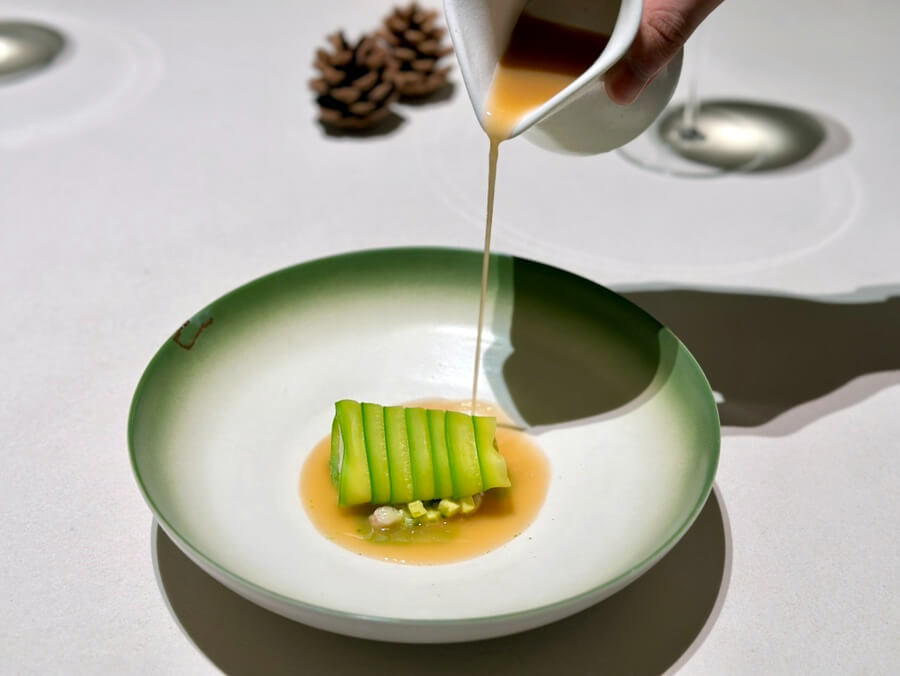
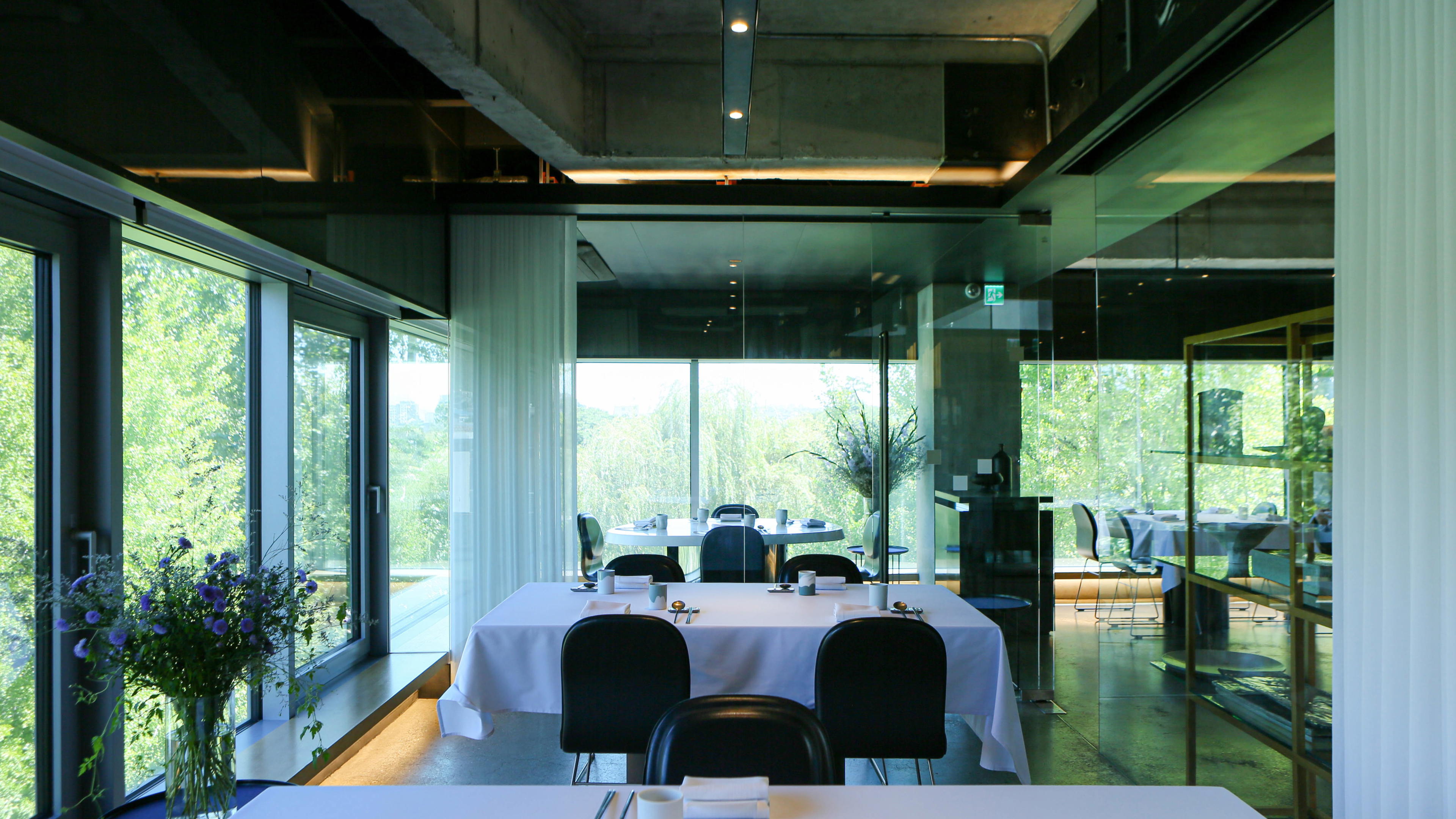
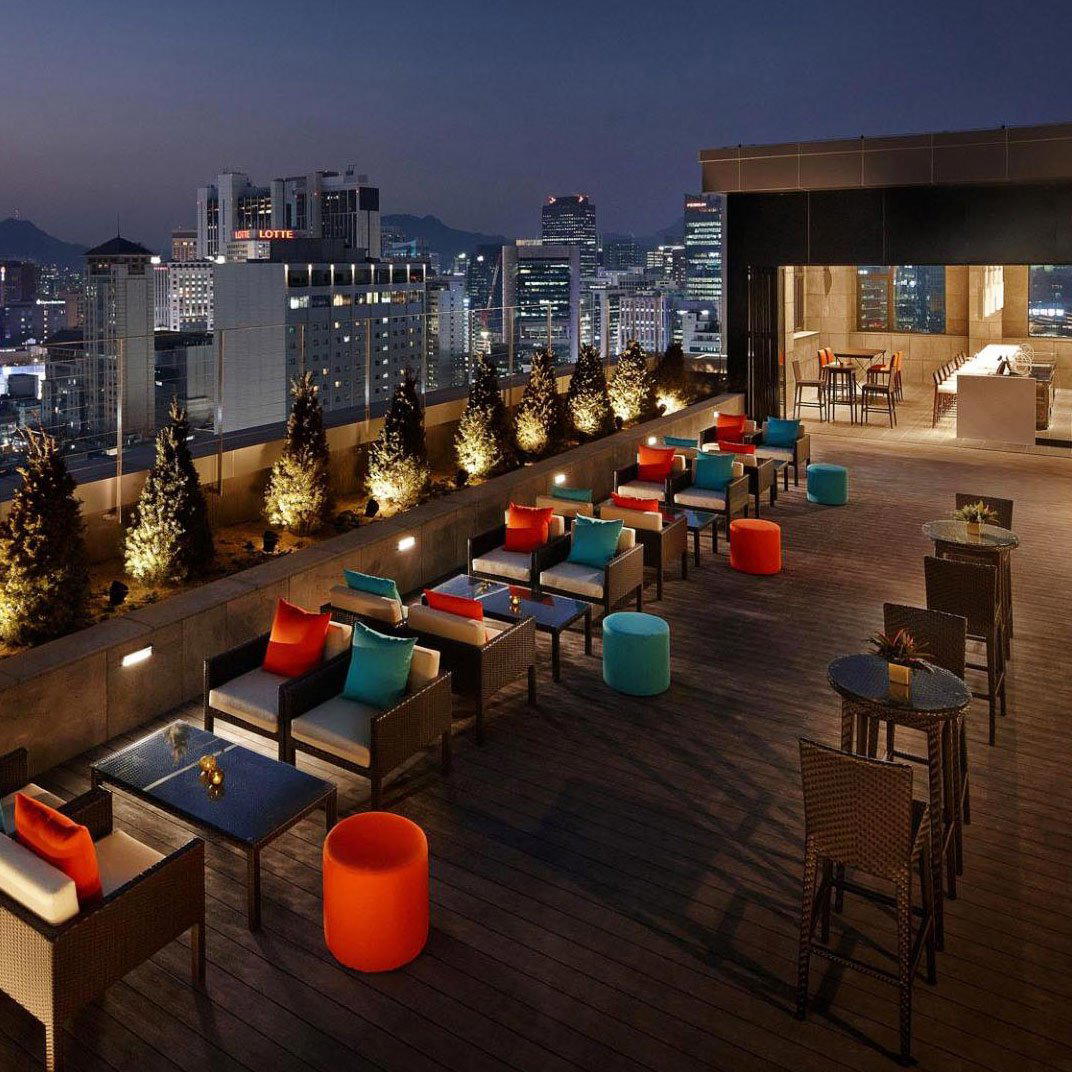
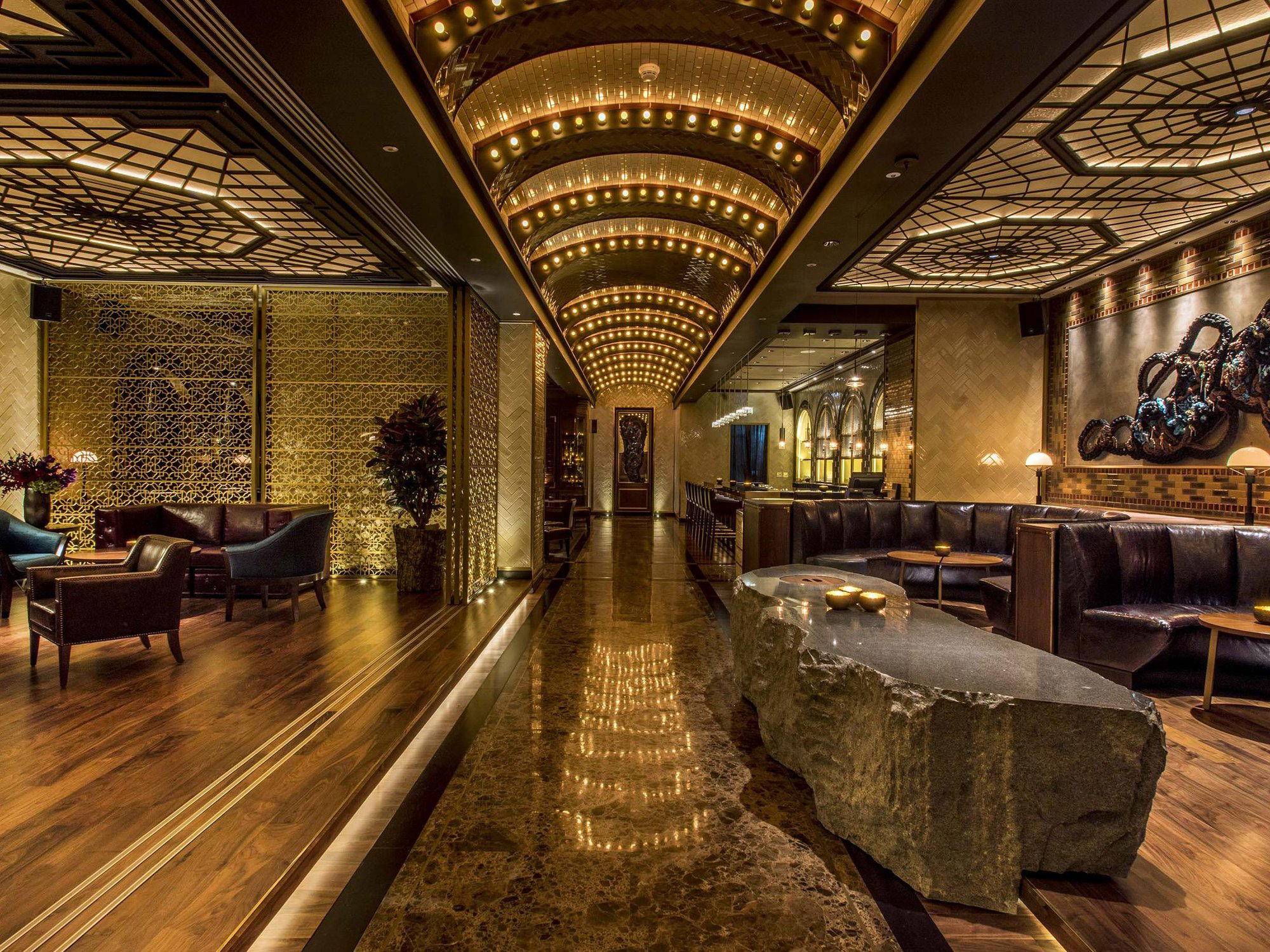
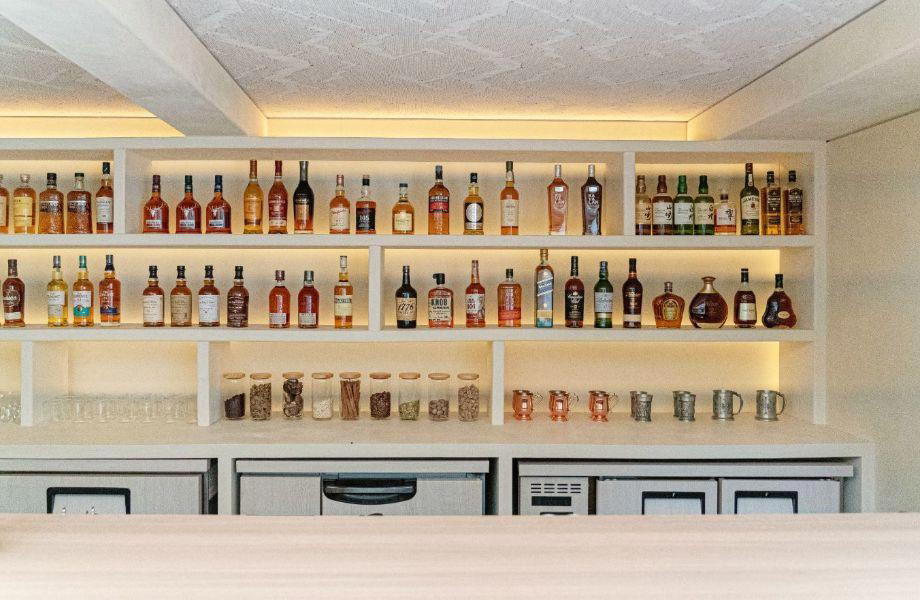
At a Glance
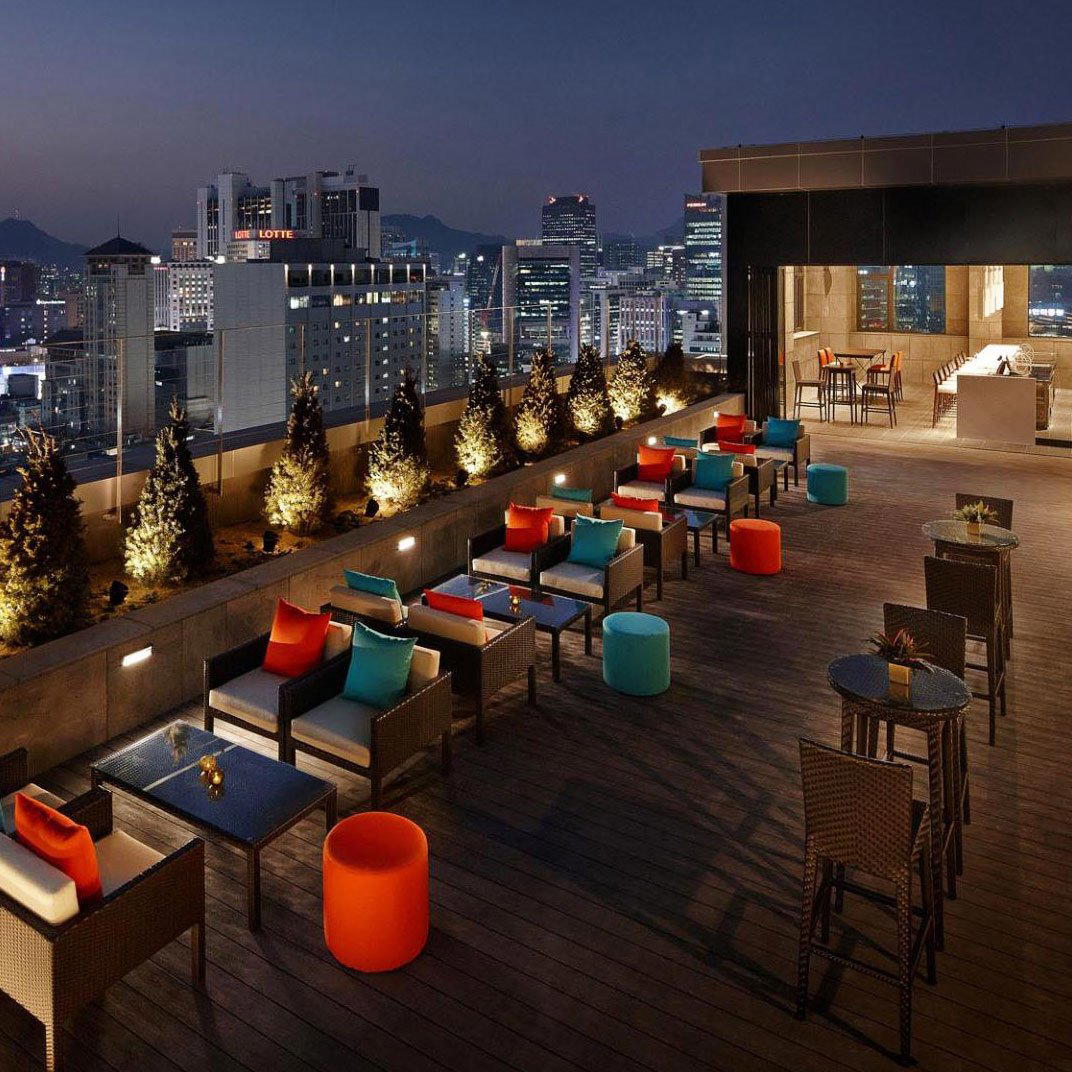
- Modern
- Cozy
- Casual Hangout
- Business Dinner
- Hotel Restaurant
Current opening hours
- Monday
- 6:30–10 am, 11:30 am–2 pm
- Tuesday
- 6:30–10 am, 11:30 am–2 pm
- Wednesday
- 6:30–10 am, 11:30 am–2 pm
- Thursday
- 6:30–10 am, 11:30 am–2 pm
- Friday
- 6:30–10 am, 11:30 am–2 pm
- Saturday
- 6:30–10 am, 11:30 am–2 pm
- Sunday
- 6:30–10 am, 11:30 am–2 pm
Hours can change for holidays and private events. Last verified .
Know Before You Go
- Reservations
- Walk in friendly
- Dress code
- Casual
- Getting there
- 362 Samil-daero, Janggyo-dong, Jung District, Seoul, South Korea