Cava sits on Kaiser-Karl-Straße in Kaarst, a town in the Rhineland that rarely appears on Germany's fine-dining radar, which is precisely what makes it worth attention. The restaurant occupies a neighbourhood where sourcing and seasonal discipline quietly shape the menu, placing it in a category of destination dining that rewards the deliberate traveller rather than the passively curious.
Pearl is the En Primeur Club membership app — saves, bookings, and concierge access live there. Same editors, same standards.
- Address
- Kaiser-Karl-Straße 2, 41564 Kaarst, Germany
- Phone
- +4921311519964
- Website
- restaurantcava.de
- Directions
- Get directions
 Saves & bookings on Pearl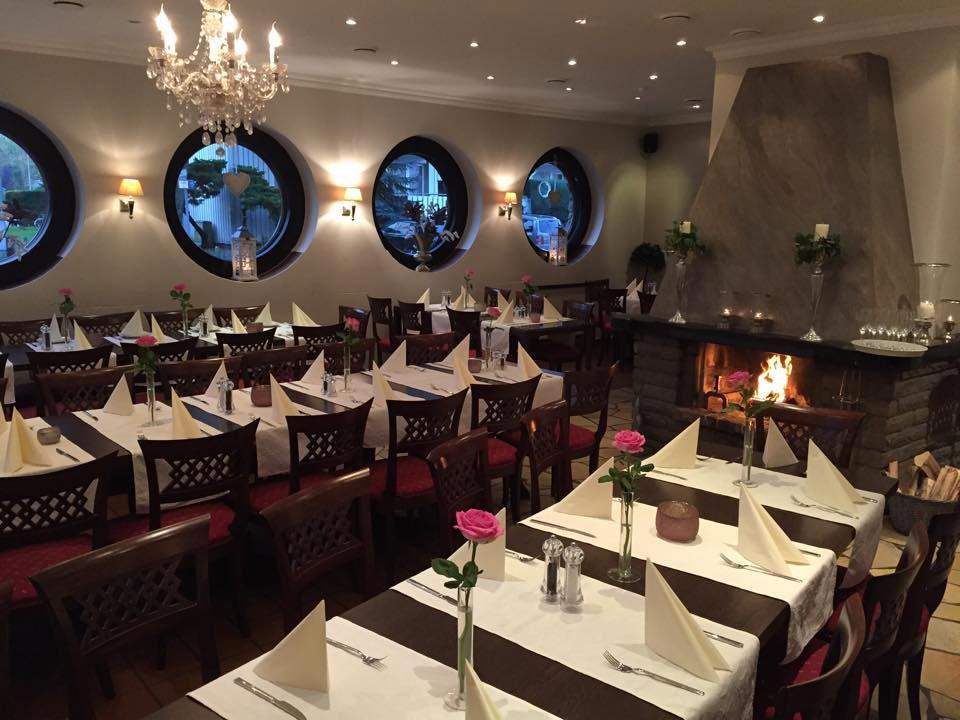
A Rhineland Address That Earns Its Detour
Kaarst is not a city that announces itself. Sitting west of Düsseldorf in the lower Rhine flatlands, it lacks the culinary infrastructure of its larger neighbours and has historically been passed over by the kind of editorial attention that gravitates toward Cologne or Düsseldorf proper. That absence of noise is partly what defines the dining character here: the restaurants that survive and attract a loyal following tend to do so through consistency and sourcing discipline rather than through spectacle or marketing. Cava, at Kaiser-Karl-Straße 2, belongs to that quieter tradition.
The lower Rhine region has its own agricultural logic. Market gardens in the Cologne-Düsseldorf corridor supply vegetables and herbs with short transit times; proximity to the Netherlands brings both horticultural produce and North Sea fish within reach. For restaurants operating in towns like Kaarst, that geography creates a practical argument for provenance-led cooking, not as a marketing position but as a structural advantage. What arrives on the plate has travelled less distance than equivalent produce reaching a metropolitan kitchen in Berlin or Hamburg.
Where the Ingredients Come From and Why It Shapes the Plate
Germany's mid-tier restaurant scene, the category between neighbourhood bistros and Michelin-tracked destination kitchens, is increasingly defined by how seriously a kitchen engages with sourcing. The easy version is naming a farm on the menu. The harder version is building a cooking style around what those suppliers actually produce, adapting the menu as availability shifts and resisting the temptation to import consistency at the cost of seasonality.
The Rhineland's position gives restaurants in this corridor access to a specific seasonal rhythm. Spring brings asparagus from Beelitz and the Rhine floodplains; summer yields stone fruit and brassicas from the low-lying market gardens; autumn in this part of Germany is defined by game from the Eifel and Sauerland, alongside root vegetables and fungi from the surrounding countryside. A kitchen that takes that calendar seriously ends up with a menu that changes character four times a year, which is a different proposition from one built around a fixed identity.
At Schwarzwaldstube in Baiersbronn or Waldhotel Sonnora in Dreis, the regional larder is part of the restaurant's identity in ways that have been documented and celebrated over decades. The Rhineland equivalent is less institutionalised, which means the sourcing story is often carried by individual kitchens without the reinforcing narrative that established destination-restaurant regions provide. That places more weight on the restaurant itself to make the case.
The Setting and the Approach
Germany has developed a distinct category of town-based fine dining that operates outside the major city circuits. These restaurants draw from a local professional class, from Düsseldorf's business community within commuting distance, and increasingly from travellers willing to plan a meal as an anchor for a regional visit. The format tends to reward guests who arrive with some patience and a willingness to eat at the kitchen's pace rather than the clock's. The experience is less about urban theatre and more about the accumulated quality of what's served across two or three hours.
That model appears consistently across the western German fine-dining tier. Vendôme in Bergisch Gladbach operates on a similar logic of suburban destination dining, as does GästeHaus Klaus Erfort in Saarbrücken. Both demonstrate that restaurants removed from major city centres can sustain serious kitchen ambitions by drawing from a sufficiently affluent and food-engaged local and regional audience. The economics work differently from a capital-city address, and the pressure is different too: fewer walk-ins, more regulars, a relationship with the guest base that shapes what the kitchen is willing to attempt.
Kaarst in the Context of German Destination Dining
Germany's fine-dining geography remains polarised between a handful of destination addresses with international recognition and a much larger middle tier that rarely travels beyond regional food media. Aqua in Wolfsburg and JAN in Munich represent the internationally tracked end of that spectrum. Further along, places like Bagatelle in Trier and Jante in Hanover occupy a tier of critical recognition without the same level of international visibility.
Kaarst sits in that diffuse middle zone. It is a short drive or train connection from Düsseldorf, making Cava accessible to travellers using that city as a base. From central Düsseldorf, Kaarst is reachable in under thirty minutes by S-Bahn or regional rail, which places it within the kind of evening-excursion range that makes a town restaurant viable for non-local diners. That accessibility is worth noting for anyone planning a wider itinerary through western Germany.
The international comparison is also relevant. Germany's provincial destination restaurants occupy a position analogous to smaller-city addresses in France or the United States: places like Le Bernardin in New York City or Lazy Bear in San Francisco operate within dense urban ecosystems where critical attention is constant. The Kaarst equivalent trades that density for a different kind of focus, shaped more by the regularity of a local guest base than by the volatility of passing critical attention.
Planning Your Visit
Cava is located at Kaiser-Karl-Straße 2, 41564 Kaarst. For visitors arriving from Düsseldorf, the S28 line connects the city to Kaarst-Mitte in roughly twenty-five minutes, making a public transit approach practical. Reservations are advisable: town-based restaurants of this type typically run close to capacity on weekends, and the table turn is slower than a casual dining format. Those combining this visit with broader regional dining should consult for context on what the town's dining scene offers beyond Cava.
Quick Comparison
Comparable venues nearby, for context on price, style, and recognition.
| Venue | Cuisine | Price | Notes |
|---|---|---|---|
| CavaThis venue — the venue you are viewing | Modern Mediterranean & Greek | $$ | Not listed |
| Green Club | Healthy Mediterranean Bowls | $$ | Unterbilk |
| OWLs Listeningbar & Restaurant | Mediterranean Gastropub | $$ | Westen |
| Dubrovnik Restaurant | Croatian Grill & Mediterranean | $$ | Friedrichsplatz |
| XoXo Buddha Bowls Uerdinger Straße | Vietnamese Buddha Bowls | $$ | Golzheim |
| Libanon Restaurant | Authentic Lebanese | $$ | Altstadt |
Continue exploring
More in Kaarst
Restaurants in Kaarst
Browse all →
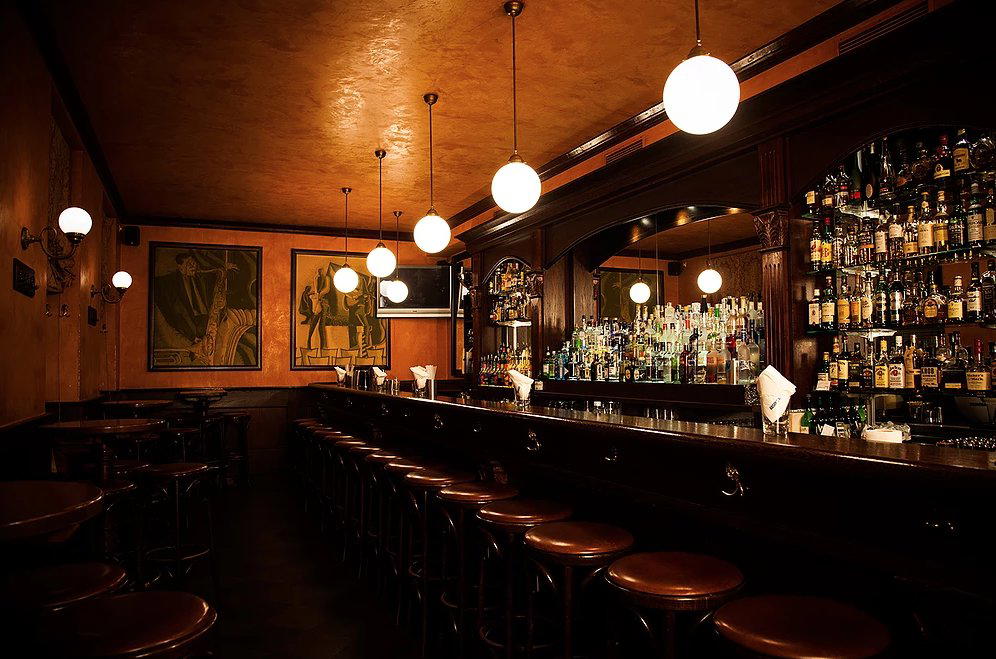
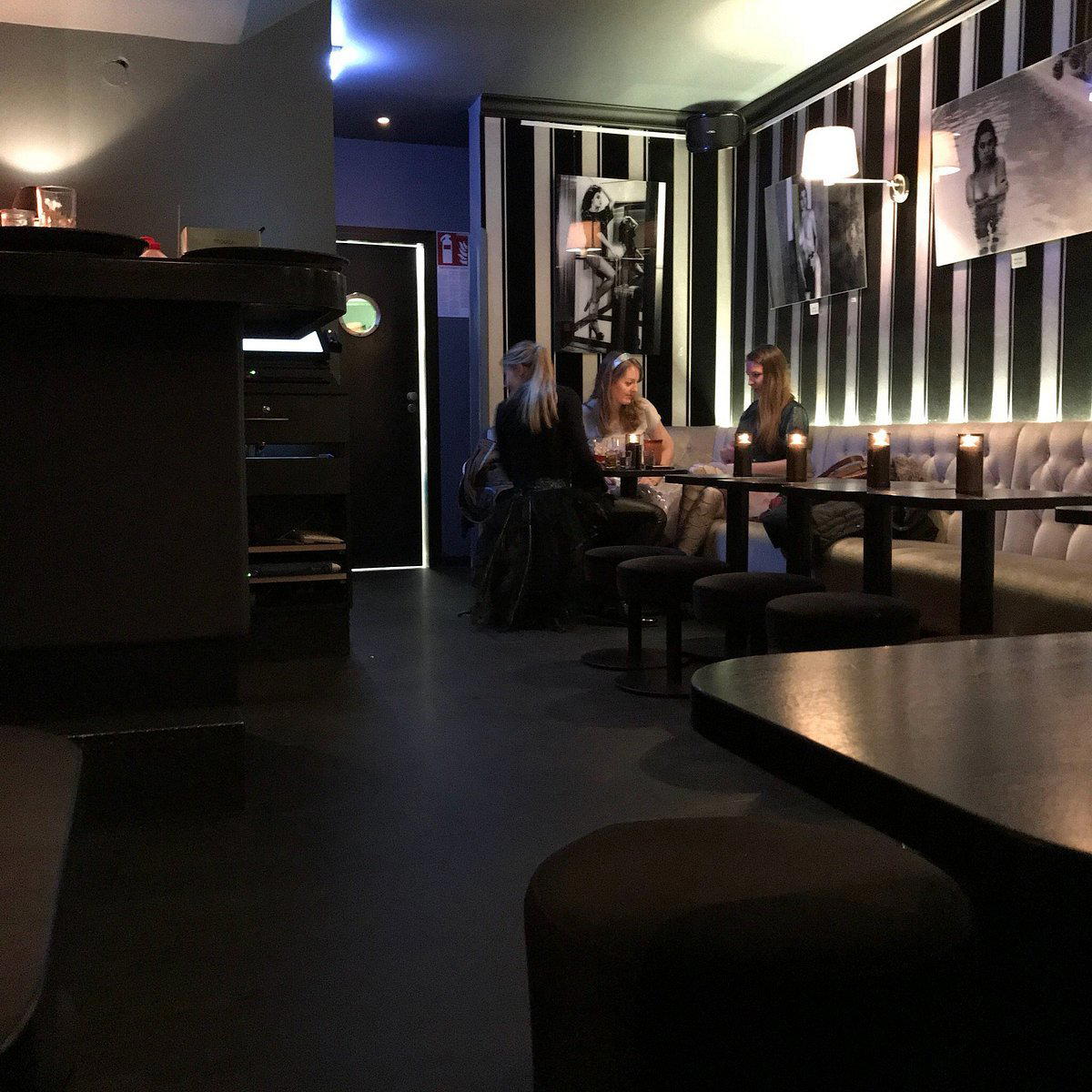
Bars in Kaarst
Browse all →
Hotels in Kaarst
Browse all →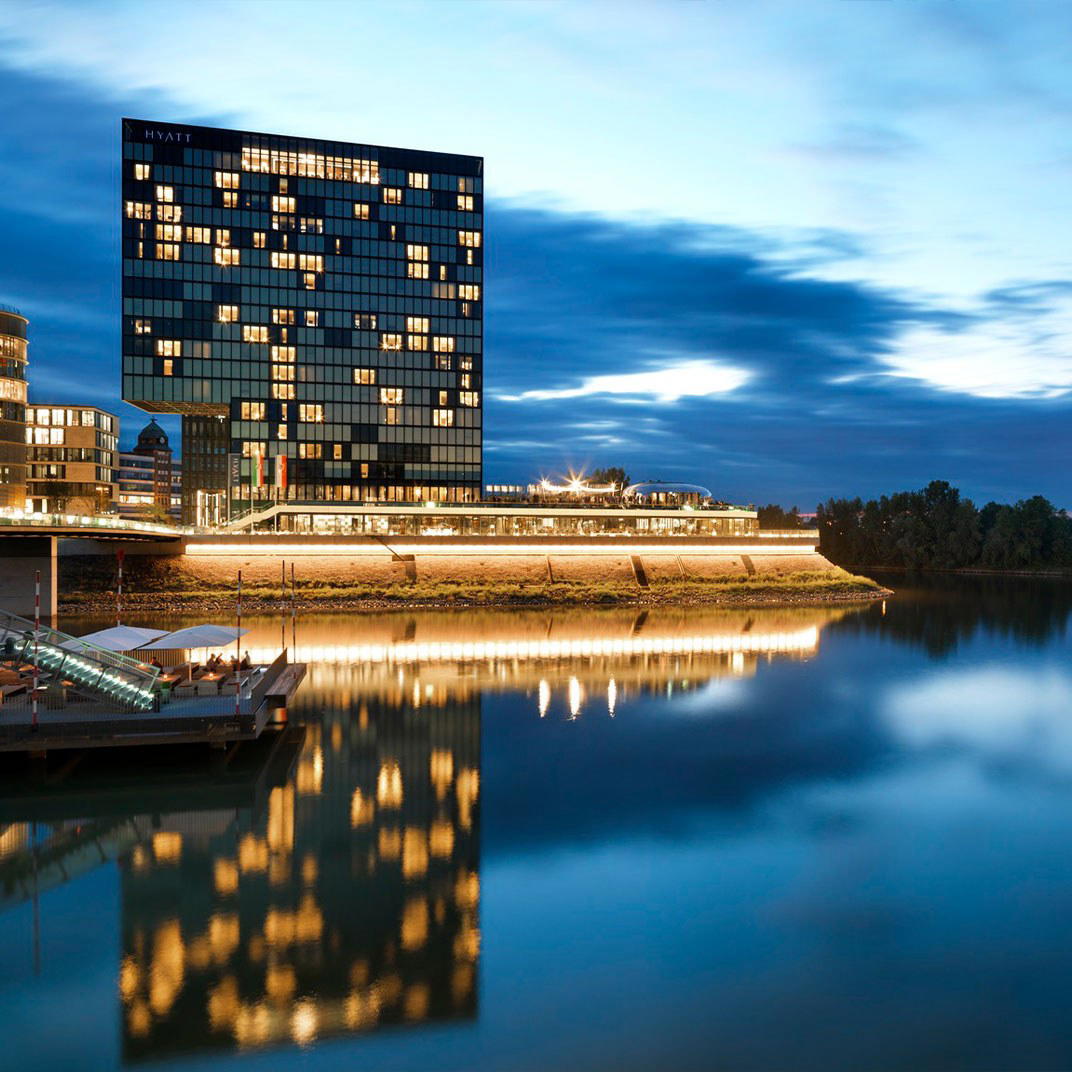
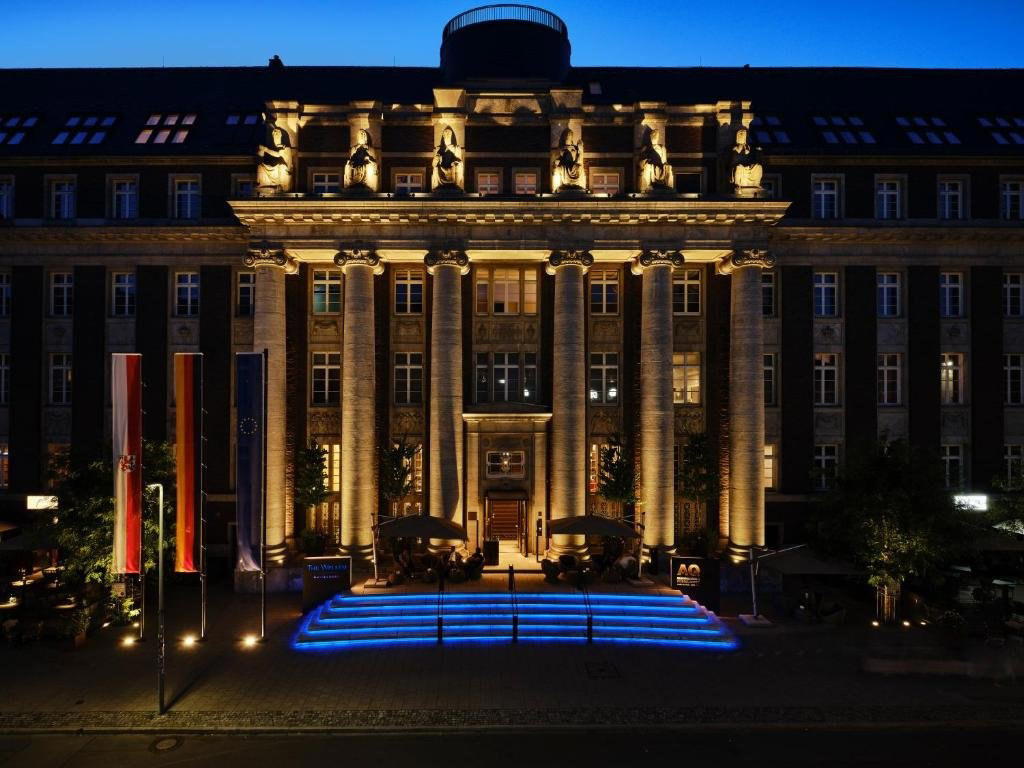
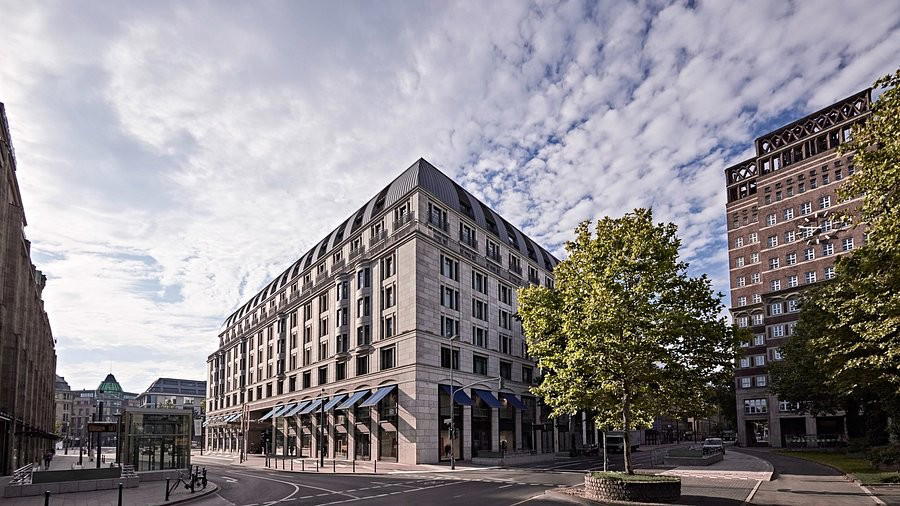
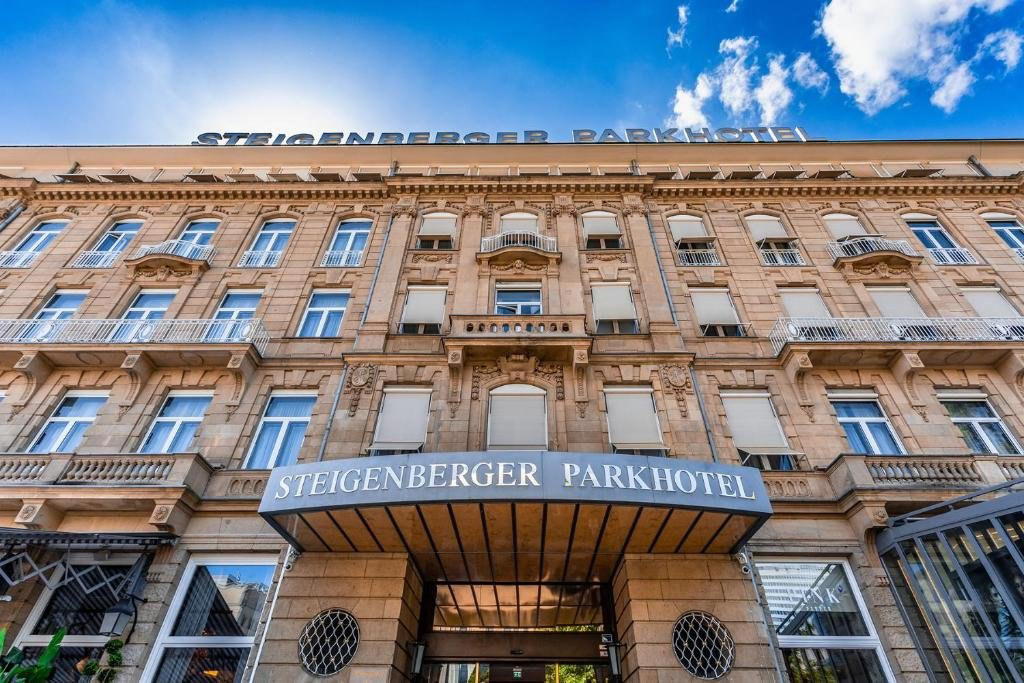
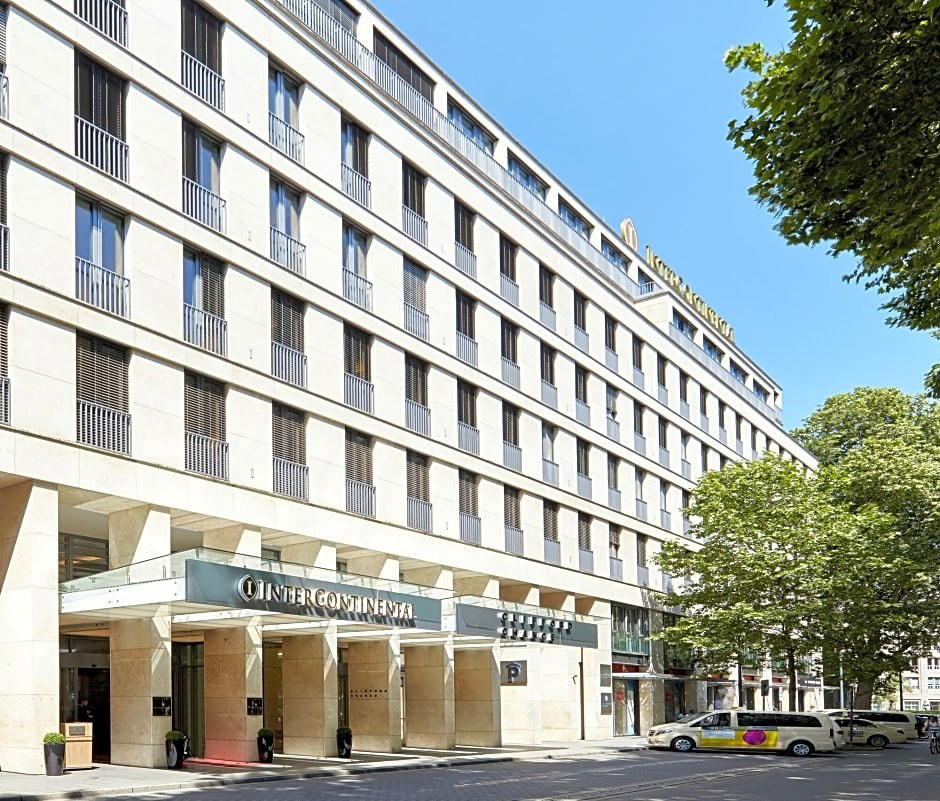
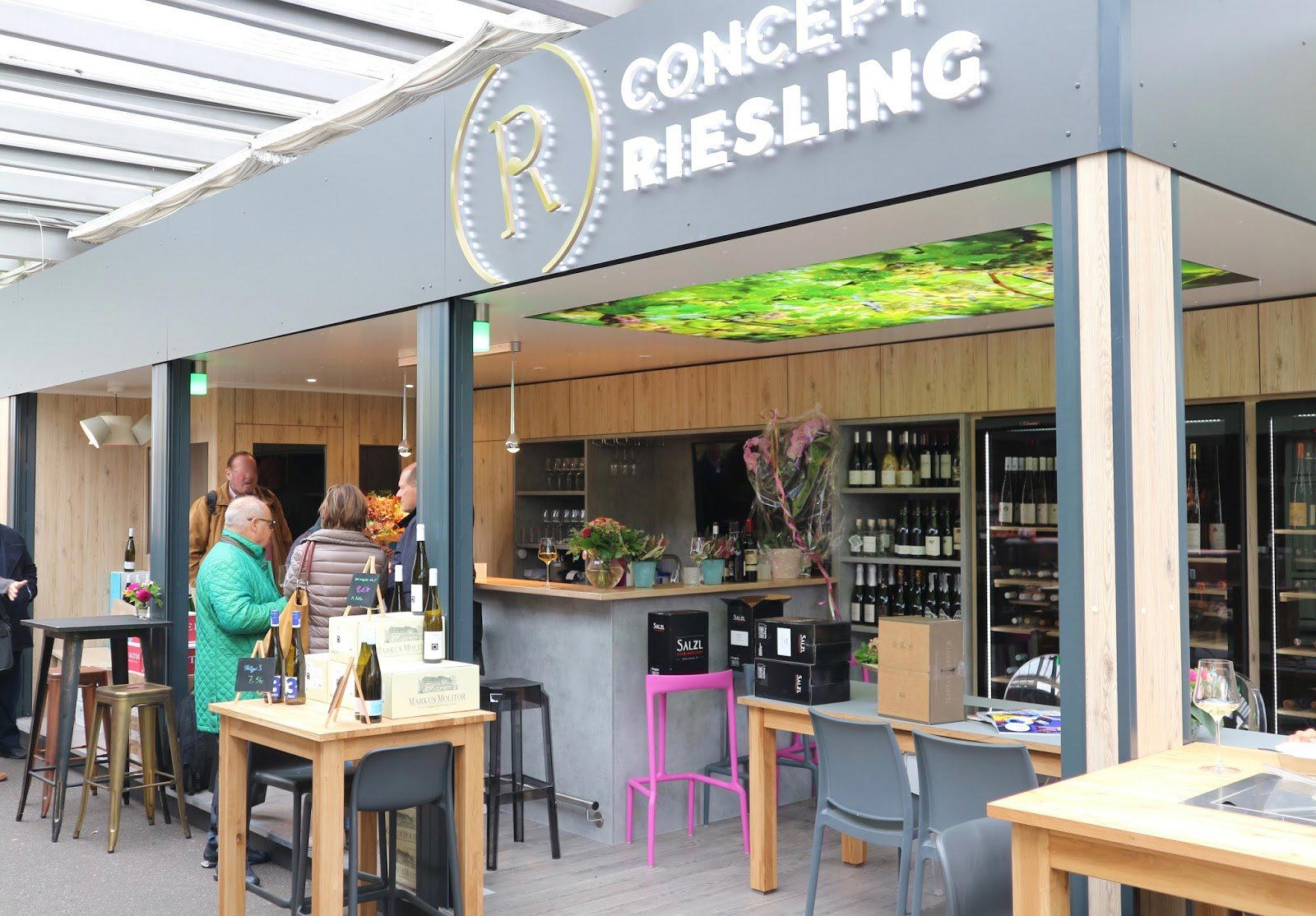
Wineries in Kaarst
Browse all →
At a Glance
- Cozy
- Classic
- Intimate
- Casual Hangout
- Group Dining
- Family
- Historic Building
- Standalone
Current opening hours
- Monday
- Closed
- Tuesday
- 5–11 PM
- Wednesday
- 5–11 PM
- Thursday
- 5–11 PM
- Friday
- 5–11 PM
- Saturday
- 5–11 PM
- Sunday
- 12–10 PM
Hours can change for holidays and private events. Last verified .
Cozy and welcoming atmosphere with distinctive decor and friendly staff, creating an environment that feels both warm and inviting in a historic setting.